Discover Ho Quyen Historical Site: A Unique Ancient Arena in Hue
In the heart of the peaceful ancient capital of Hue lies a hidden ancient arena that once echoed with life-and-death battles between elephants and tigers - the Ho Quyen Historical Site. This place is not only an impressive architectural work but also a vivid testament to the power and majesty of the Nguyen Dynasty. Let's embark on a journey to explore this special historical relic to feel more deeply the strength, bravery, and dramatic stories of a bygone era.
Overview of the Ho Quyen Relic Site
Before diving deeper into the history and architecture of Ho Quyen, let us start by exploring its unique geographical location.
The Unique Geographical Location of Ho Quyen
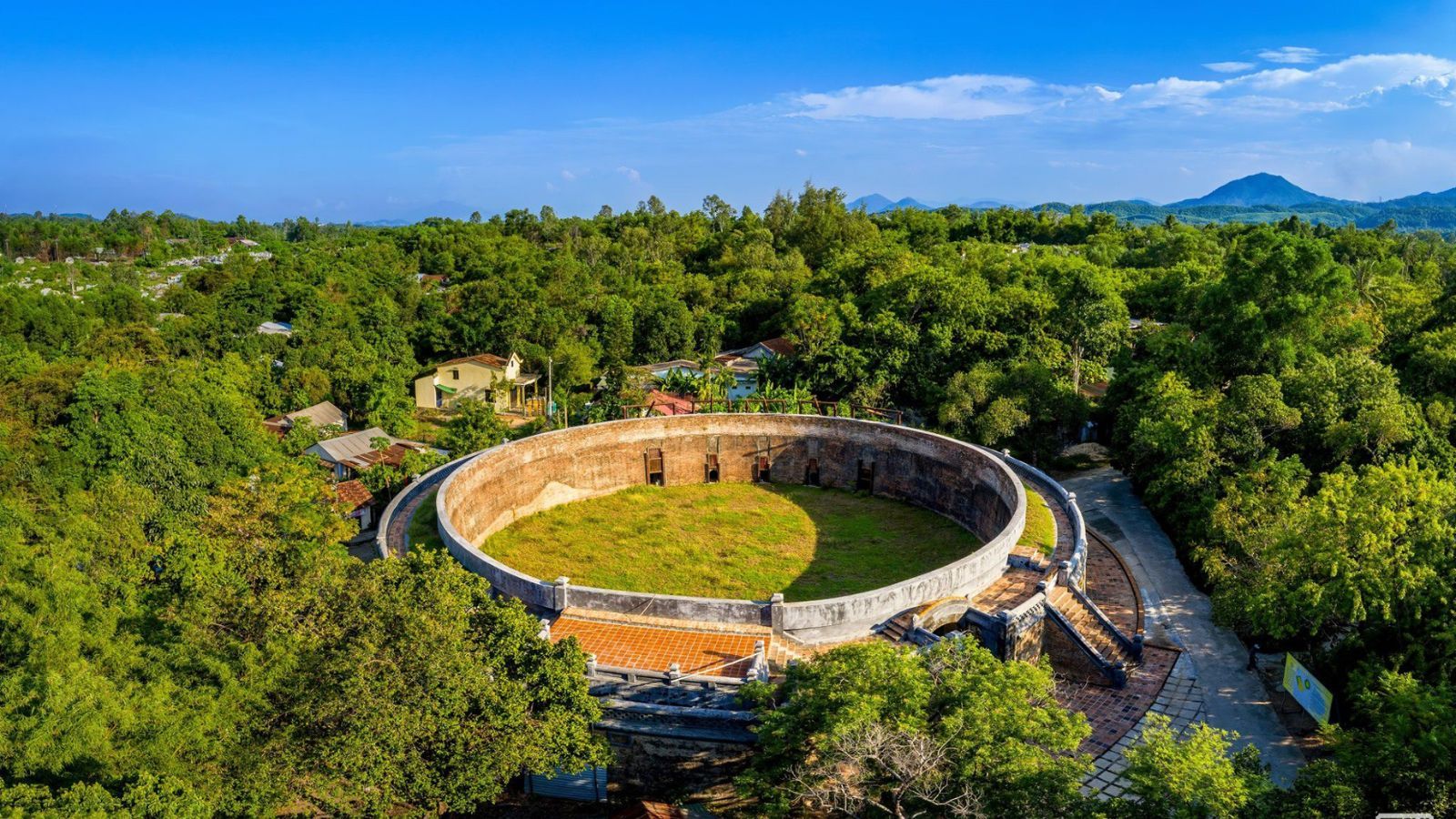
The Ho Quyen relic site is located in Truong Da Village, Thuy Bieu Commune, about 4 km southwest of Hue city center, near the poetic banks of the Perfume River. This location not only offered easy connections between the arena and major areas of the ancient capital but also held strategic importance for defense and hosting major events. The open terrain, surrounded by hills and mountains, created an ideal space for battles between elephants and tigers to take place smoothly. Furthermore, its proximity to nature enhances the majestic beauty of the historical site.
The geographical location of the Ho Quyen relic site by the Perfume River.
Origins and Evolution Over Time
Ho Quyen Arena was built in 1830 under Emperor Minh Mang to organize battles between elephants and tigers, serving military training purposes and royal entertainment. Initially, these duels took place outdoors, but to ensure safety and structure, Emperor Minh Mang ordered the construction of a solid, permanent arena. Over time, the arena became a vital part of major events during the Nguyen Dynasty. Although the fights ceased in the mid-19th century, Ho Quyen remains remarkably intact and continues to be a valuable historical monument today.
Ho Quyen was built during the reign of Emperor Minh Mang.
Historical and Cultural Significance to Hue
Used as a stage to demonstrate the power of the Nguyen Dynasty, Ho Quyen was where royals and mandarins witnessed combat between elephants and tigers—symbols of strength and courage. These duels not only trained war elephants but also served to bolster military morale. As such, Ho Quyen became an emblem of Nguyen Dynasty power, deeply intertwined with the unique cultural heritage of the ancient capital of Hue.
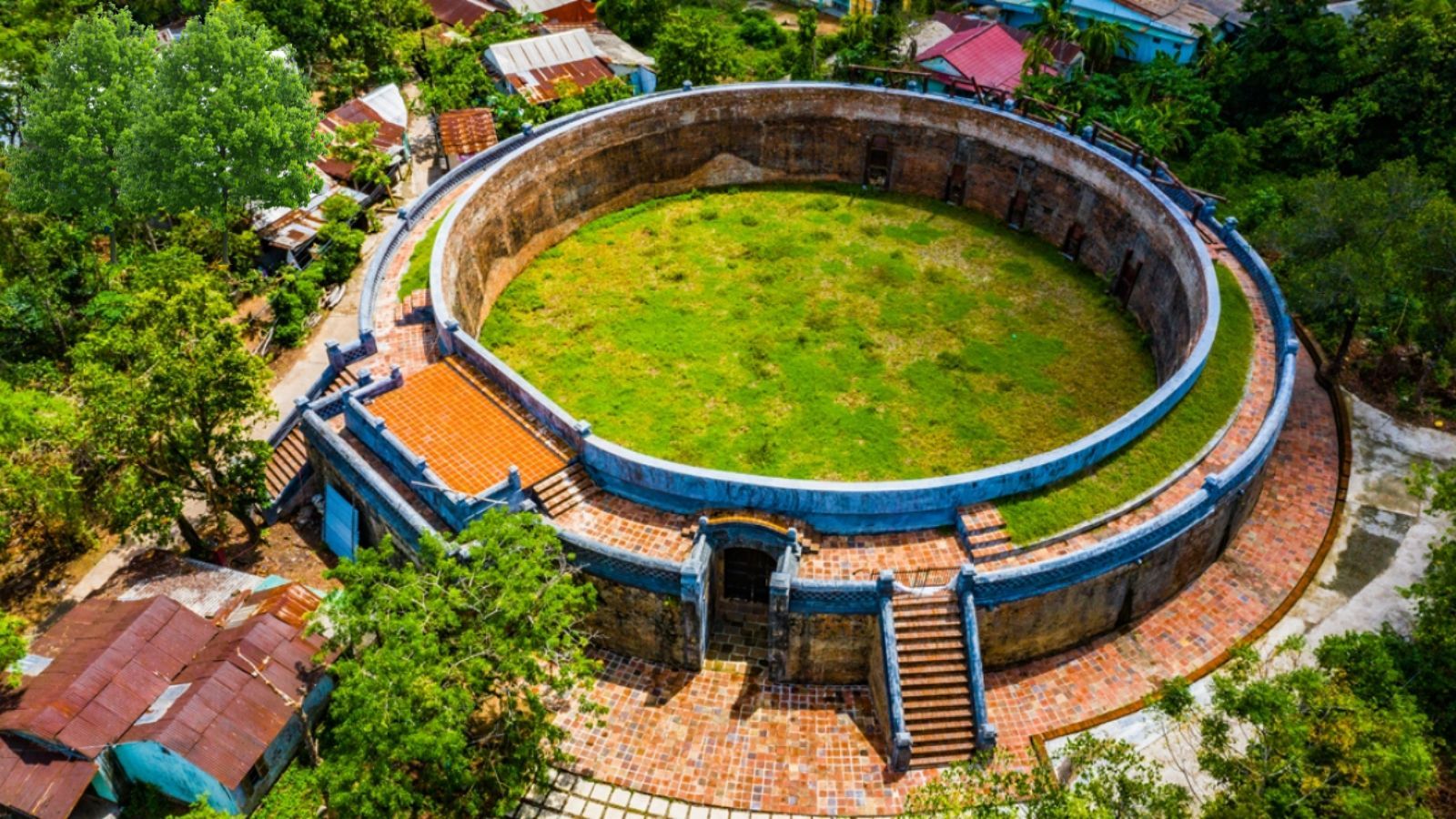
Ho Quyen Arena, a symbol of Nguyen Dynasty power.
Exploring the Architecture and Design of Ho Quyen Arena
Having explored the location and historical significance of Ho Quyen, it is now time to discover the unique architecture of this arena—a testament to the creativity and sophisticated construction techniques of the Nguyen Dynasty.
Distinctive Architecture of Ho Quyen
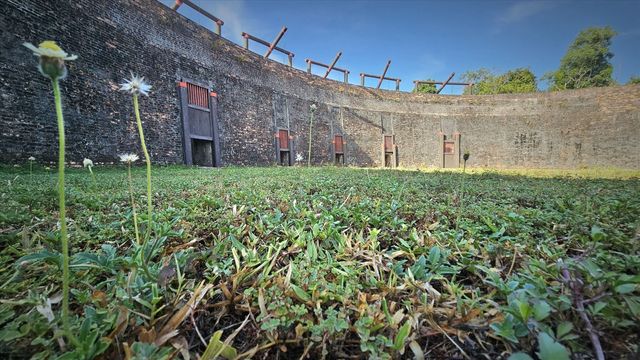
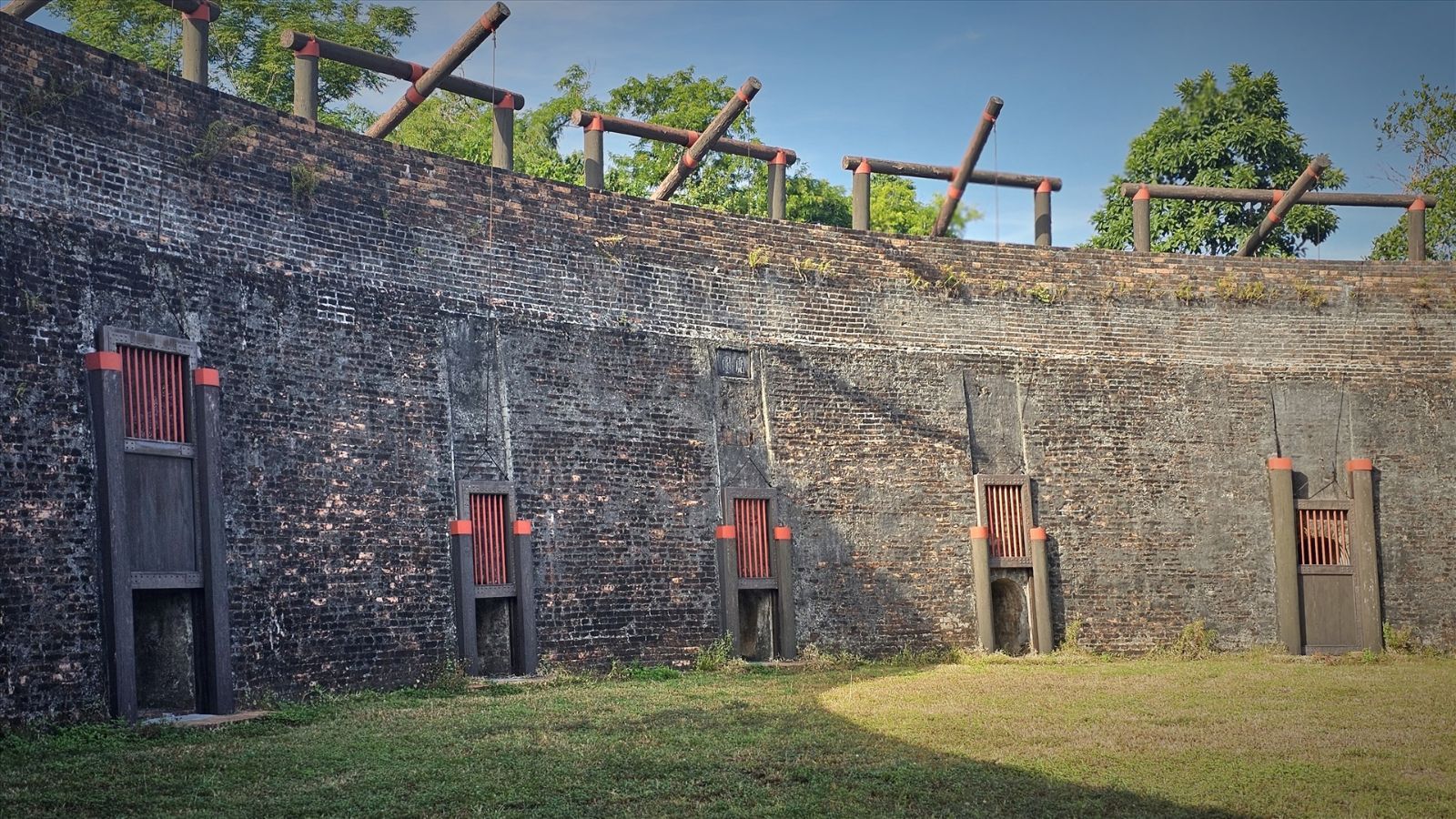
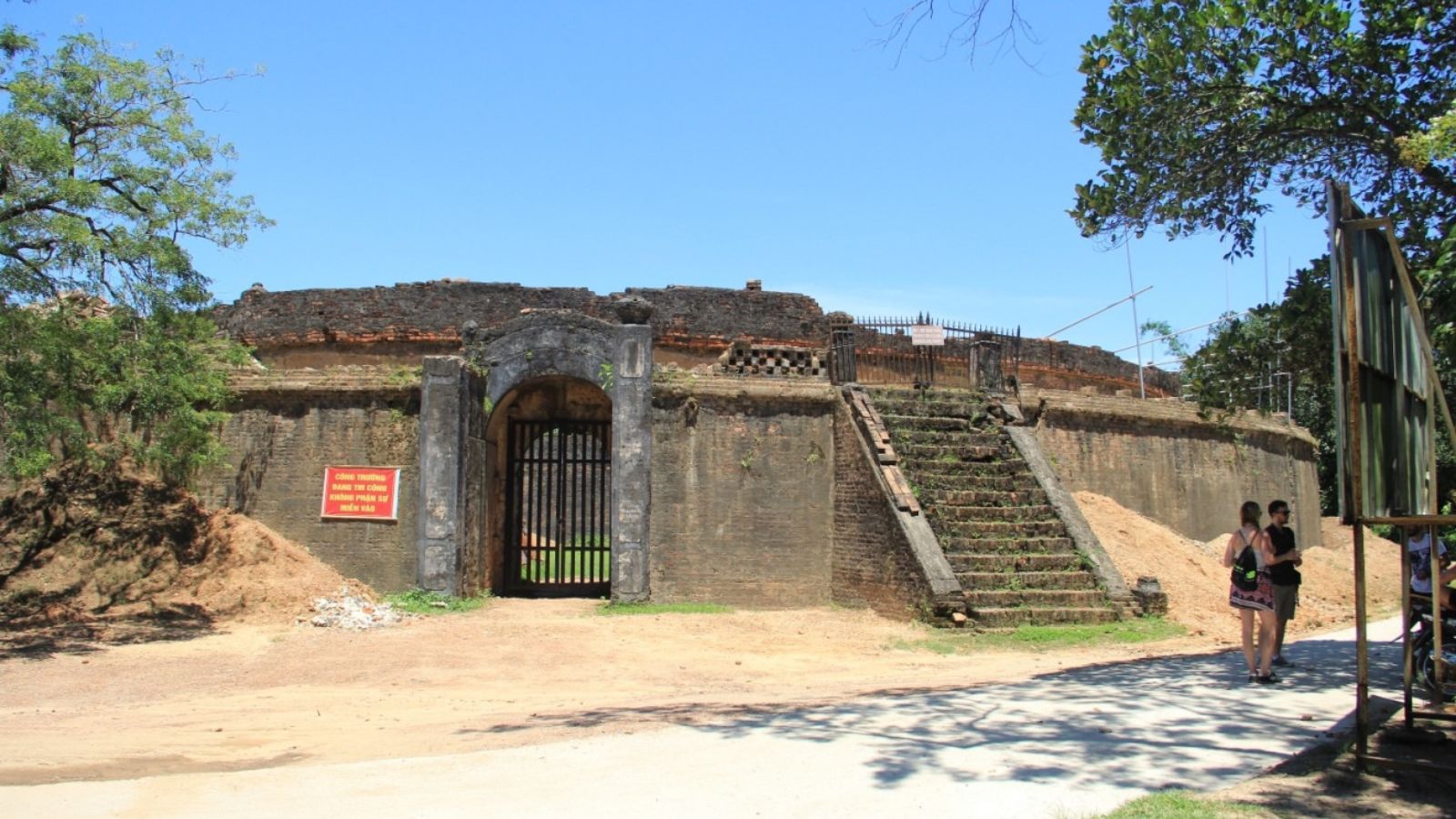
Ho Quyen Arena features a circular design with a diameter of approximately 44 meters, constructed entirely of brick and stone. The grandstand stands about 5 meters high, spacious enough to seat hundreds of spectators, including royalty, mandarins, and common folk. Separate gates were designed for elephants and tigers, ensuring complete safety during the matches. The arena's circular shape was not only aesthetic but also enhanced acoustic resonance, heightening the suspense and tension of the battles.
The grandstand of Ho Quyen Arena built with stone.
Historical Highlights in Design
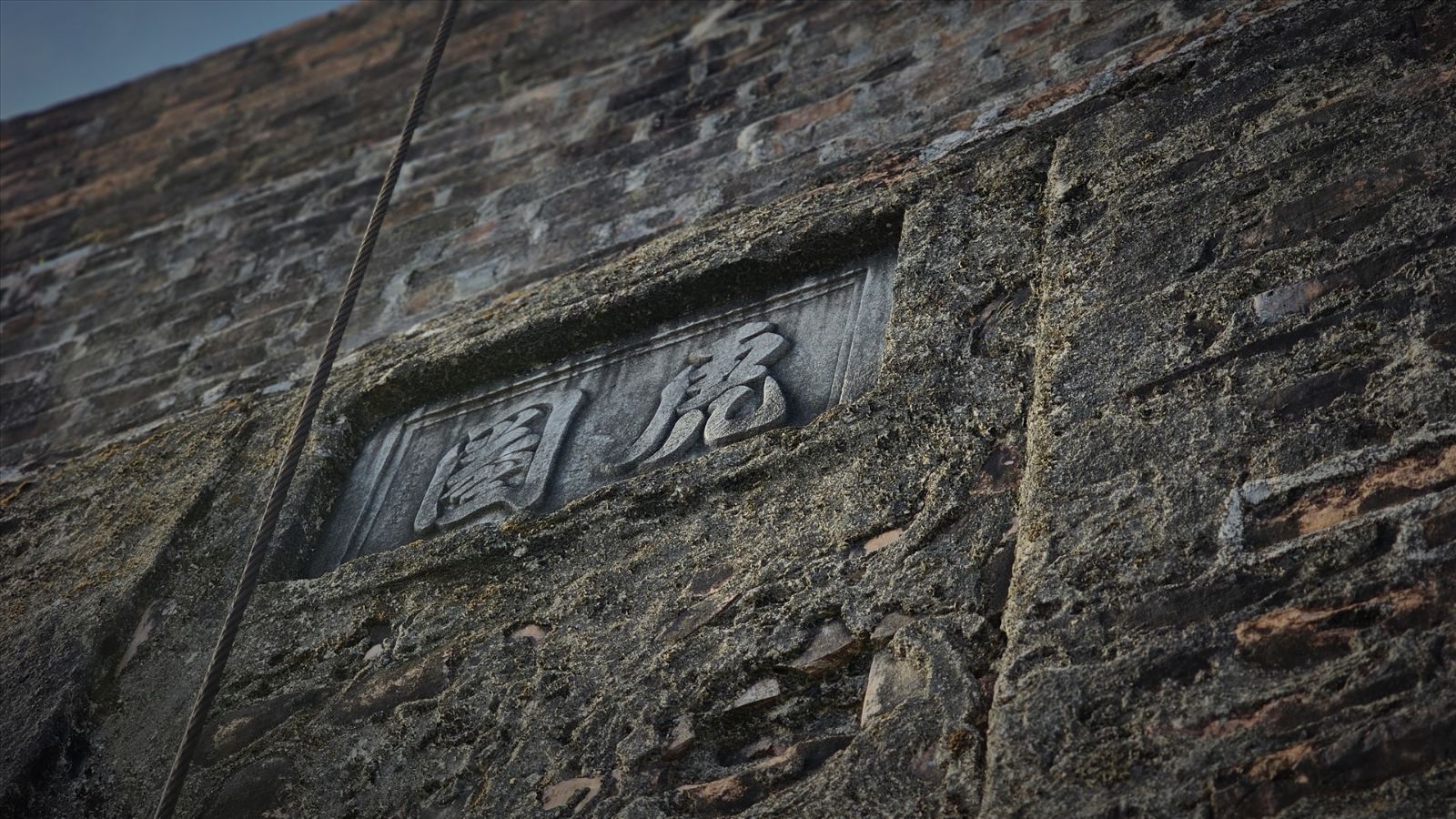
One of the most remarkable features of the arena is its entry gates and surrounding walls, which are meticulously crafted. These details bear the imprint of significant historical events, such as famous battles between elephants and tigers held during major royal festivals. The spacious layout and rigorous structure highlight the dynasty's focus on creating a structure that was both grand and secure.
The arena entrance gate showing the marks of time.
Comparison with Other Ancient Arenas
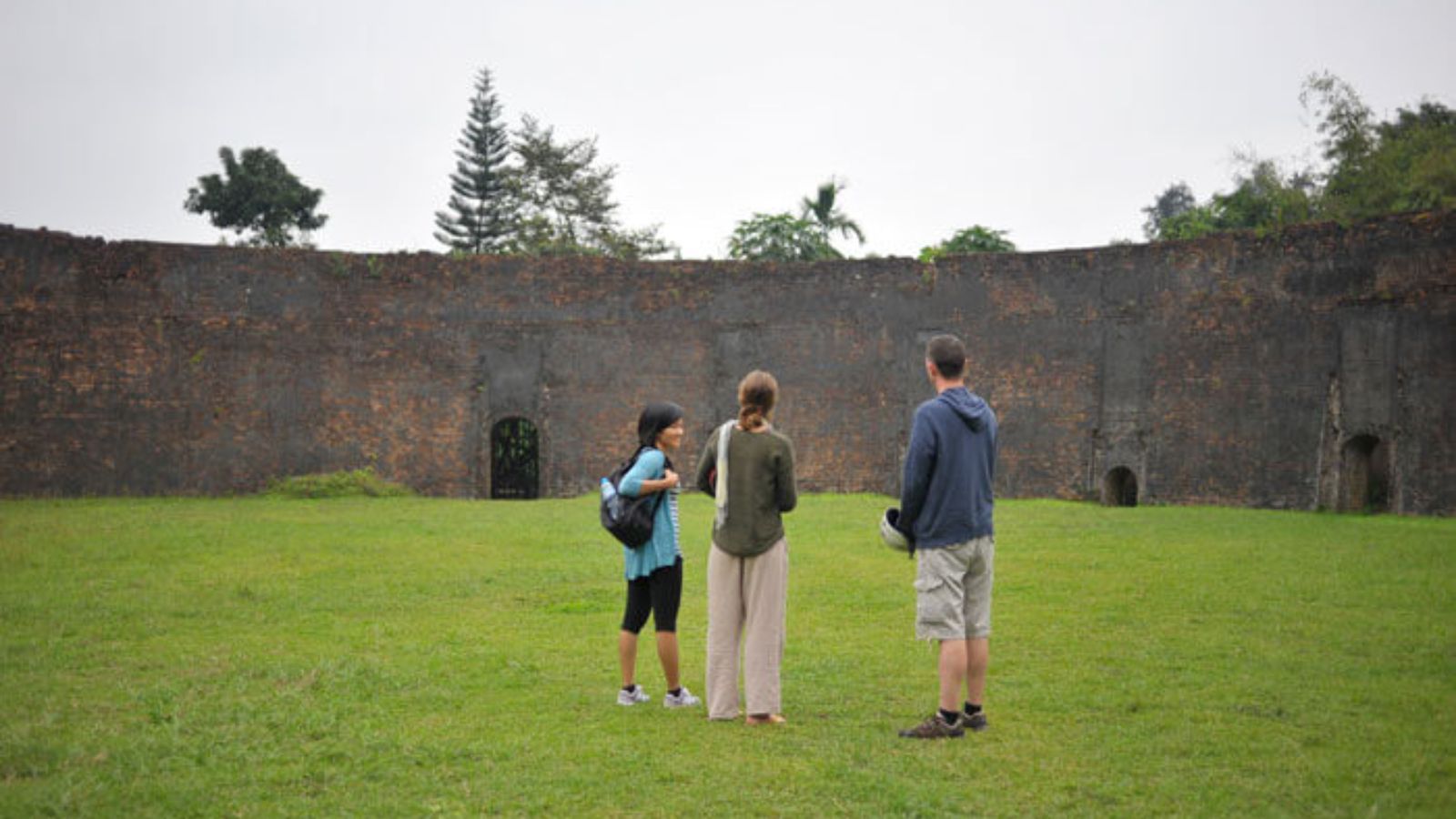
Compared to other ancient arenas around the world, such as the Colosseum in Italy, Ho Quyen is smaller in scale but possesses its own unique character. While Western arenas primarily hosted gladiator fights or human-versus-beast matches, Ho Quyen focused exclusively on duels between tigers and elephants—two animals symbolizing strength and supreme power. Ho Quyen's architecture is also more straightforward, yet it exudes the beauty and grandeur of a dual-purpose military and entertainment site.
Many visitors enjoy exploring the inside of Ho Quyen Arena.
Exciting Activities at Ho Quyen Arena
The Ho Quyen relic site is not merely a sightseeing destination, but also offers many engaging experiences for travelers. Here, you can delve into history while participating in exciting activities.
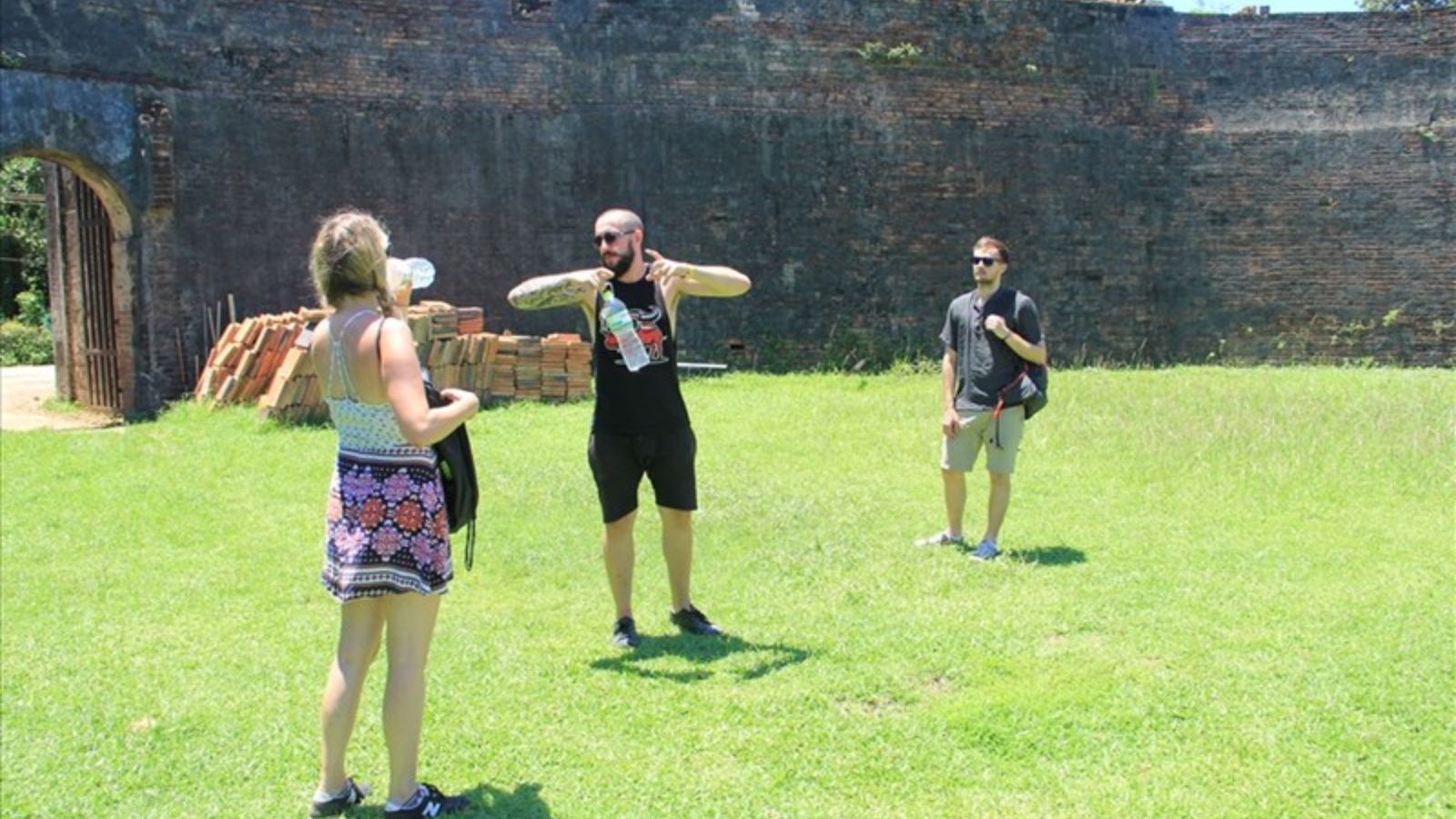
Visitors to Ho Quyen will have the opportunity to attend talk sessions and learn about the arena's history, as well as the fascinating stories behind the elephant-tiger duels. Additionally, martial arts demonstrations and reenactments of traditional martial contests are occasionally organized, giving guests an authentic feel of the arena's majestic past. Furthermore, you can join experiential tours to explore the surrounding countryside, enjoying the natural beauty and other ancient architectural treasures in Hue.
Tourists visiting Ho Quyen Arena.
Ho Quyen—a unique ancient arena of the Nguyen Dynasty—stands as a symbol of power and military prowess in Vietnamese history. More than just a vital cultural heritage site, it preserves heroic historical tales and admirable architectural artistry. Plan your visit to Ho Quyen with Sovaba Travel to experience an inspiring and meaningful journey in Hue!