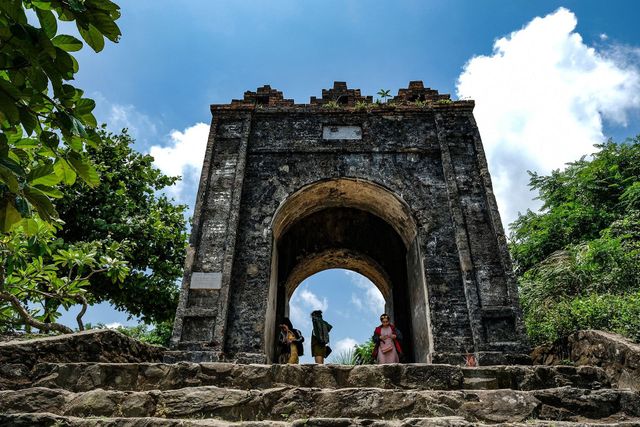
Located at the top of Ngang Pass, on the border between Quang Binh and Ha Tinh, Hoanh Son Quan is a historical monument of ancient beauty, hidden amidst majestic mountains and forests. The road to Hoanh Son Quan is a real challenge, where you have to conquer thousands of stone steps winding along the mountainside. Not only is it a stunning destination, but this place also preserves important historical imprints, having served as a solid defense line under the Nguyen Dynasty and witnessed heroic years during resistance wars.
To help you have a smooth and memorable trip, Sovaba Travel has compiled a self-sufficient Hoanh Son Quan travel guide from A to Z. Save these useful experiences now to make your journey to conquer the Heaven's Gate even more complete!
History of the "Heaven's Gate" at Hoanh Son Quan
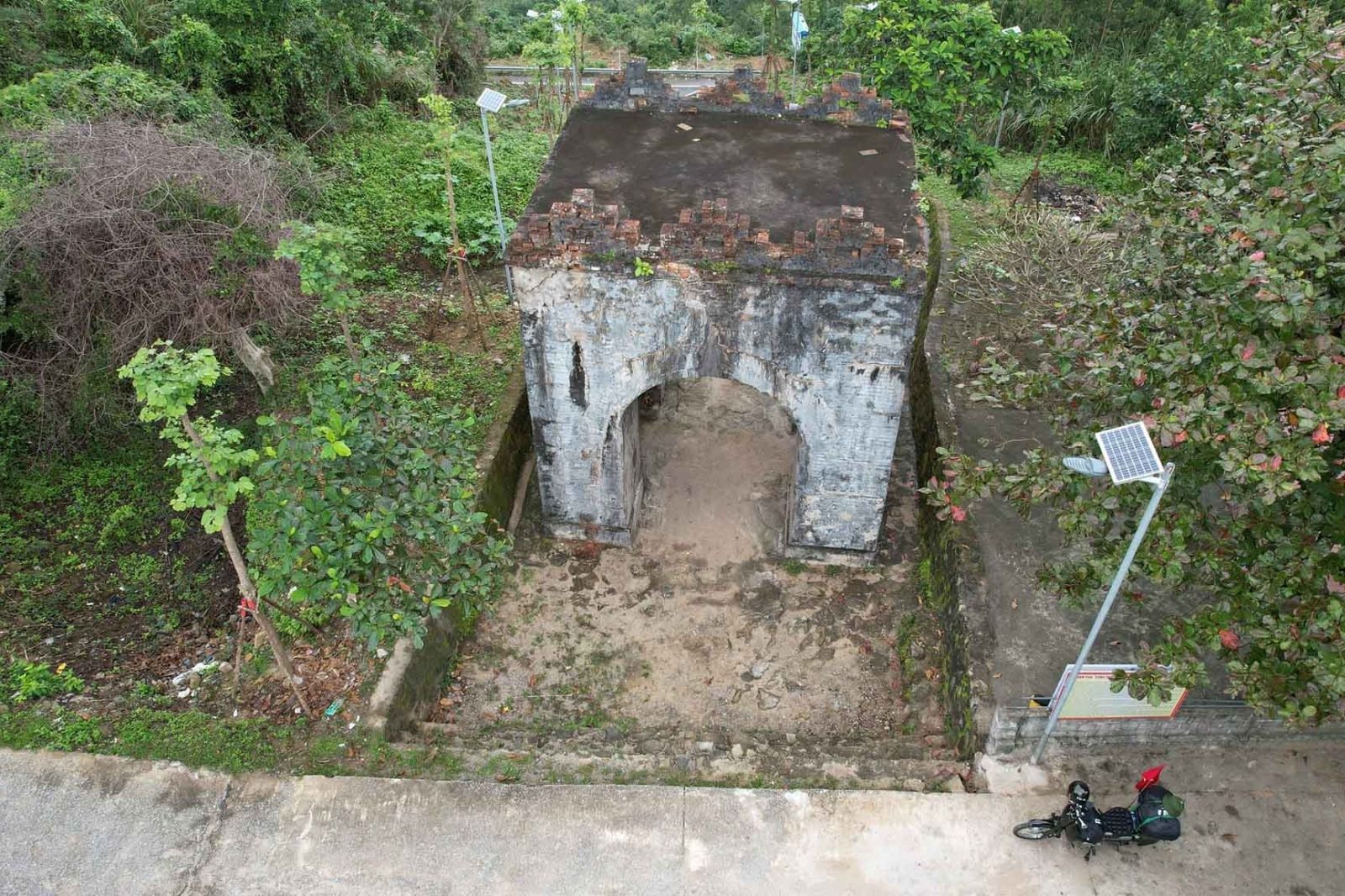
Perched atop Ngang Pass—a pass approximately 6 km long and nearly 250 m above sea level—Hoanh Son Quan sits on the Hoanh Son Mountain Range, a spur of the Truong Son Range extending to the East Sea. The monument is located in Vinh Son Village, Quang Dong Commune, Quang Trach District, Quang Binh Province, bordering Ky Anh Town (Ha Tinh Province). Hoanh Son Quan was constructed in 1833 under King Minh Mang to control North-South transport routes and serve as a strategic defensive fortress. The gate was completed in just one month by approximately 300 soldiers from Quang Binh and Ha Tinh provinces. Its architecture features a city gate over 4 meters tall, a stone wall stretching nearly 55 meters along the mountainside, over 1,000 stone steps, and ancient military barracks ruins.
The Hoanh Son Range is not only a natural boundary but also a symbol of resilience, featuring crisp autumn breezes and romantic landscapes that inspired the immortal poem "Crossing Ngang Pass at dusk / Plants crowd rocks, leaves crowd flowers" by Ba Huyen Thanh Quan.
During the resistance wars against the French and Americans, Hoanh Son Quan served as a vital arterial route connecting North and South Vietnam and a key base for troops. In 2002, the site was recognized as a provincial-level historical and cultural relic by Quang Binh, and later elevated to a national-level site. Today, despite administrative management disputes between the two provinces (currently being resolved), Hoanh Son Quan remains a living testament to the nation's indomitable spirit.
Photo: Hoanh Son Quan cultural monument
Is Hoanh Son Quan in Quang Binh or Ha Tinh?
Hoanh Son Quan, the mountain pass gate commissioned by King Minh Mang in 1833, sits atop Ngang Pass on the border between former Quang Binh Province (now Quang Tri Province) and Ha Tinh. According to the Dai Nam Thuc Luc historical records, this structure was built by 300 soldiers from both provinces under the supervision of Vice Minister of Public Works Do Doan Phu. However, through historical shifts, restoration efforts faced delays due to lack of consensus regarding administrative boundaries and management between the two provinces.
In 2002, former Quang Binh Province designated Hoanh Son Quan as a provincial-level monument. However, Ha Tinh later conducted field surveys determining that the site lies 7.7 meters north of Ngang Pass summit, within the jurisdiction of Ky Anh Town, Ha Tinh Province. In 2005, Ha Tinh officially prepared scientific documentation and designated Hoanh Son Quan as a provincial monument approved by the Provincial People's Committee.
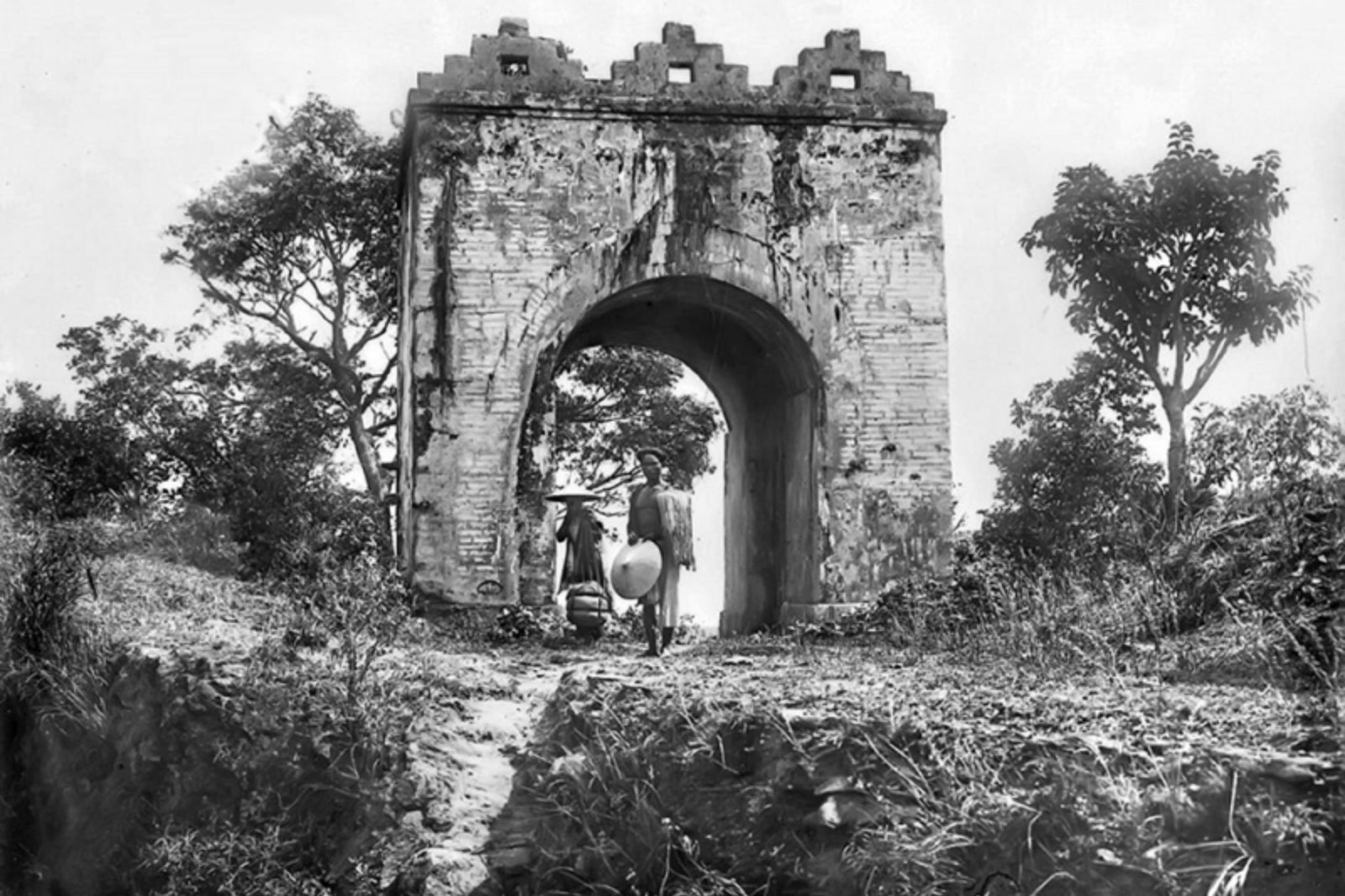
Photo: Hoanh Son Quan in the past
Regardless of administrative boundaries, Hoanh Son Quan is far more than regional property; it is a vital chapter of national history. As King Minh Mang affirmed in historical annals, Hoanh Son Quan belongs solely neither to Ha Tinh nor former Quang Binh, but is a national cultural heritage site of profound historical and cultural significance belonging to all Vietnamese people.
The Beauty of a Nearly 200-Year-Old Monument
Atop Ngang Pass, amid the rolling peaks of the Hoành Sơn Range, Hoanh Son Quan stands tall as a testament to time, exuding an ancient and majestic beauty. Built nearly two centuries ago from moss-covered gray stone blocks, every solid line seems to blend seamlessly with the mountain contours, creating architectural harmony between human craftsmanship and nature.
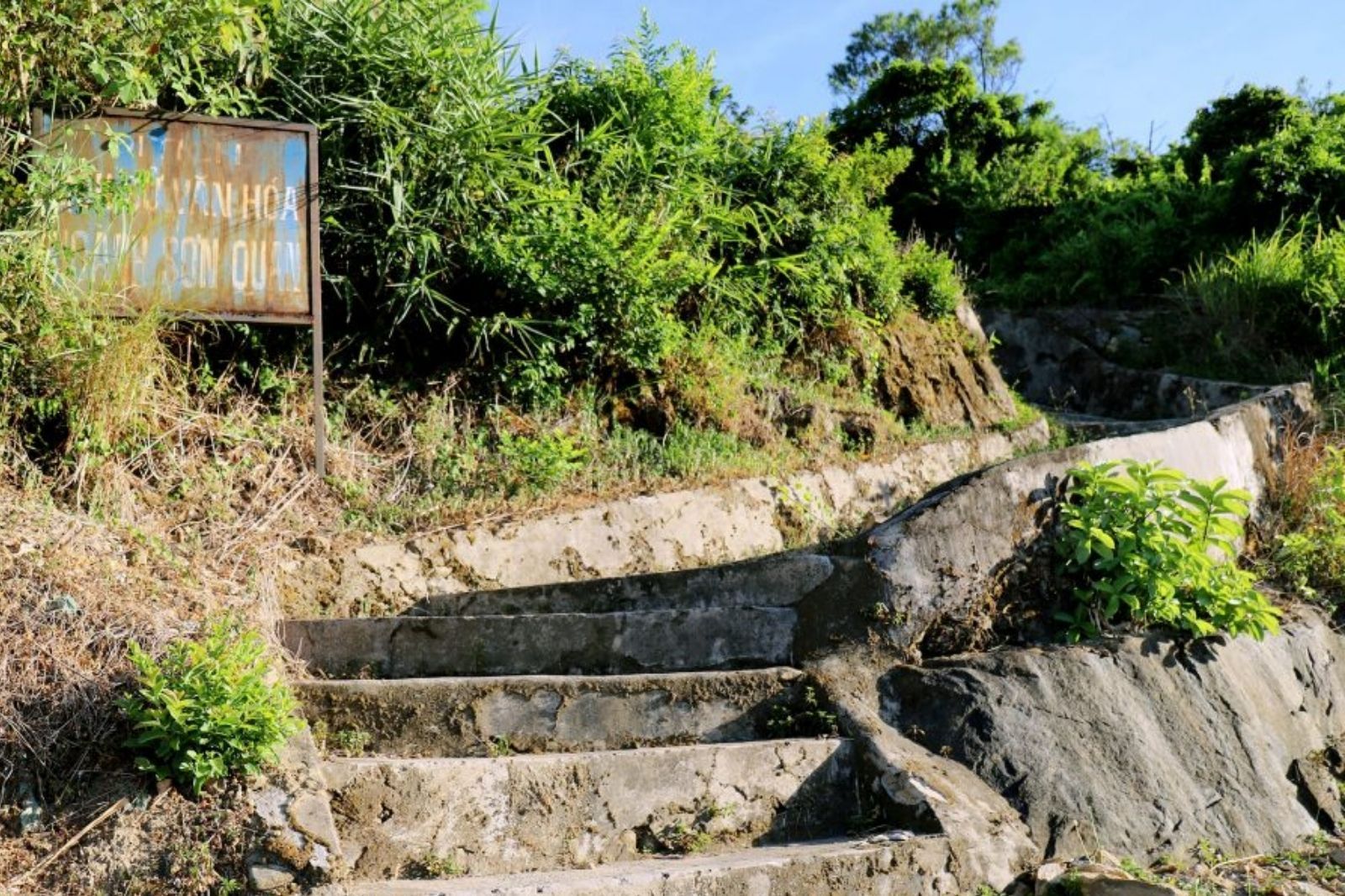
The fortress gate stands over 2 meters high and stretches nearly 55 meters long, with side walls following the mountain ridge to form a fortified winding pathway. The stone plaque engraved with "Hoanh Son Quan" stands out against white stone, proudly facing north through centuries as an indelible mark of history. The path leading to the gate features over 1,000 stacked stone steps hugging the hillside, each stone seemingly holding traces of guards who watched over the frontier long ago.
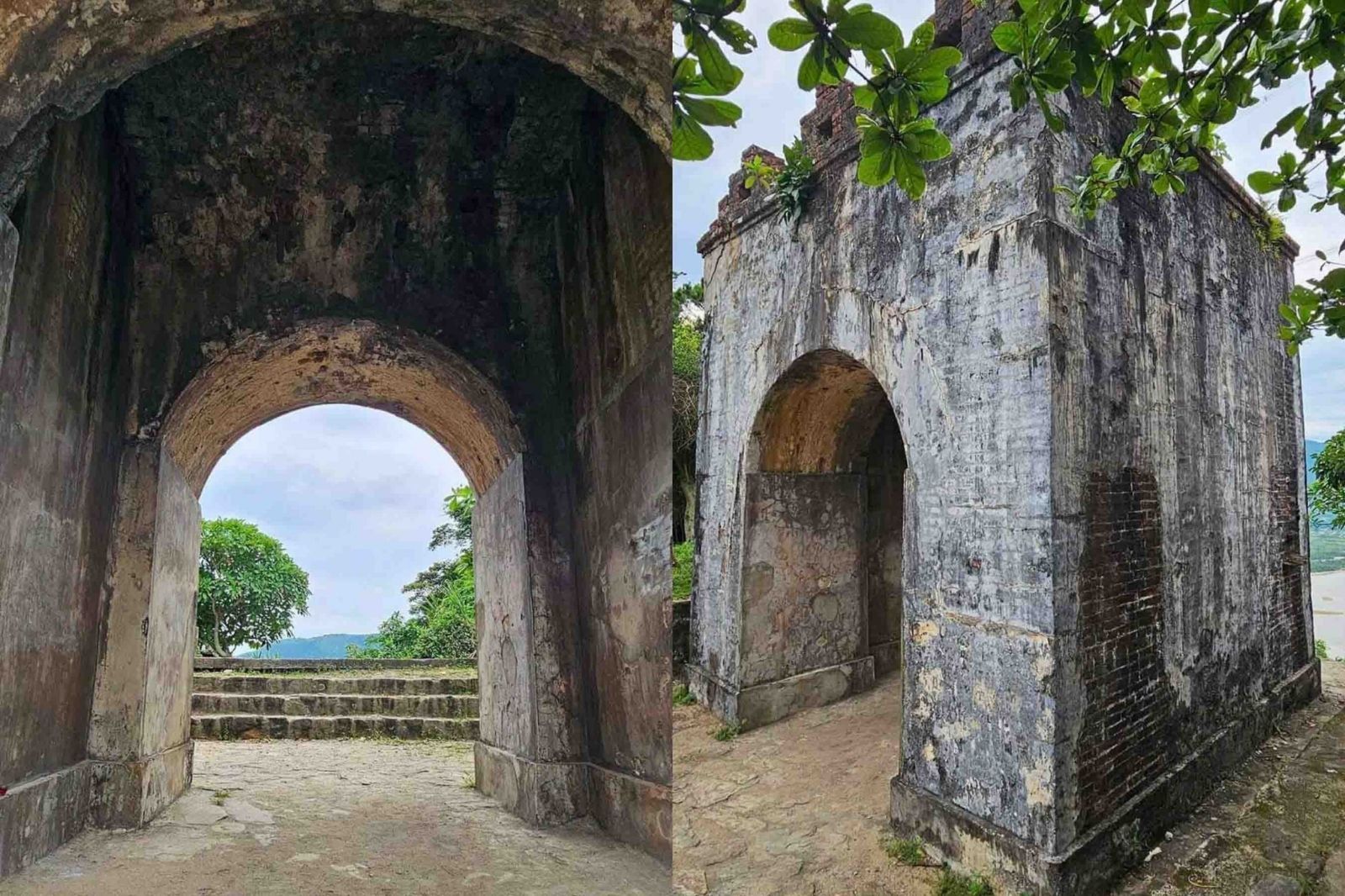
Photo: The beauty of the 200-year-old historic monument
Inside the gate, weathered stone walls are draped in aged moss. The three-compartment military barracks that once quartered troops now remain only as faint ruins, yet still exude the solemn dignity of a heroic era. Cracked wall sections and sun-worn stones whisper tales of a glorious past when Hoanh Son Quan served as a solid defensive bastion charged with protecting the frontier.
In the morning sunlight, the gate emerges in somber hues against the deep blue sky, painting a landscape both wild and full of life. As sunset falls, twilight rays filter through stone crevices, bathing the gate in a mystical reddish glow that makes Hoanh Son Quan even more imposing—standing timeless in the heart of nature.
How to Get to Hoanh Son Quan
Traveling to Hoanh Son Quan is quite convenient thanks to upgraded transportation infrastructure, making it ideal for self-guided trips from Central Vietnam.
From Quang Tri (Most Convenient):
From Dong Ha, follow National Highway 1A south through Quang Binh to Dong Hoi (approx. 100–120 km, 2–2.5 hours)
Continue on Highway 1A north for about 80 km to Ngang Pass
Total distance is around 180–200 km, taking 3.5–4.5 hours by motorbike or car
Today, the Ngang Pass area features a road tunnel that shortens travel time and avoids steep slopes. However, to reach Hoanh Son Quan, you still need to travel a short section along the old pass road.
Recommended Transport:
Motorbike: Rent in Dong Hoi or Dong Ha (VND 120,000–200,000/day), flexible and great for sightseeing
Self-drive / Rented Car: Around VND 800,000–1,200,000/day, safe and convenient for groups
Intercity Bus: Take a North-South bus from Dong Ha or Dong Hoi bus station, get off at the foot of the pass, then take a motorbike taxi or walk up
Travel Tips:
Depart in the early morning or late afternoon to avoid harsh heat and heavy traffic
Bring drinking water and check your vehicle before driving up the pass
With easy-to-navigate routes and multiple transport options, the journey to Hoanh Son Quan is not only convenient but also offers impressive mountain-and-sea scenery.
Guide to Visiting & Experiences at Hoanh Son Quan
Upon reaching Hoanh Son Quan, visitors not only explore a historical site but also enjoy a rewarding trek and admire breathtaking views.
Climbing the Stone Steps: The route consists of over 1,000 stone steps winding along the ridge, taking about 20–30 minutes depending on fitness level, leading up to the ancient citadel gate marked “Hoanh Son Quan”.
360° Panoramic Views: From the peak, gaze out over rolling mountain ranges and the vast East Sea, forming an awe-inspiring landscape.
Check-in Photography: Top photo spots include the ancient gate, moss-covered stone walls, and sunrise or sunset moments.
Exploring the Relic: Tour the fortress walls and ancient barracks to feel the lingering historic atmosphere.
Safety Note: Steep terrain with uneven stones—wear sports shoes with good traction and avoid standing close to cliff edges.
Combining trekking, historical discovery, and scenic sightseeing, Hoanh Son Quan offers a memorable and meaningful trip.
Photo: Visitors can visit here during early spring
Nearby Attractions to Combine with Hoanh Son Quan
In addition to exploring Hoanh Son Quan, travelers can easily combine visits to several nearby attractions for a rich itinerary spanning nature, culture, and spirituality.
Hoanh Son Beach (Ha Tinh): A pristine beach with clear turquoise water, ideal for swimming and camping.
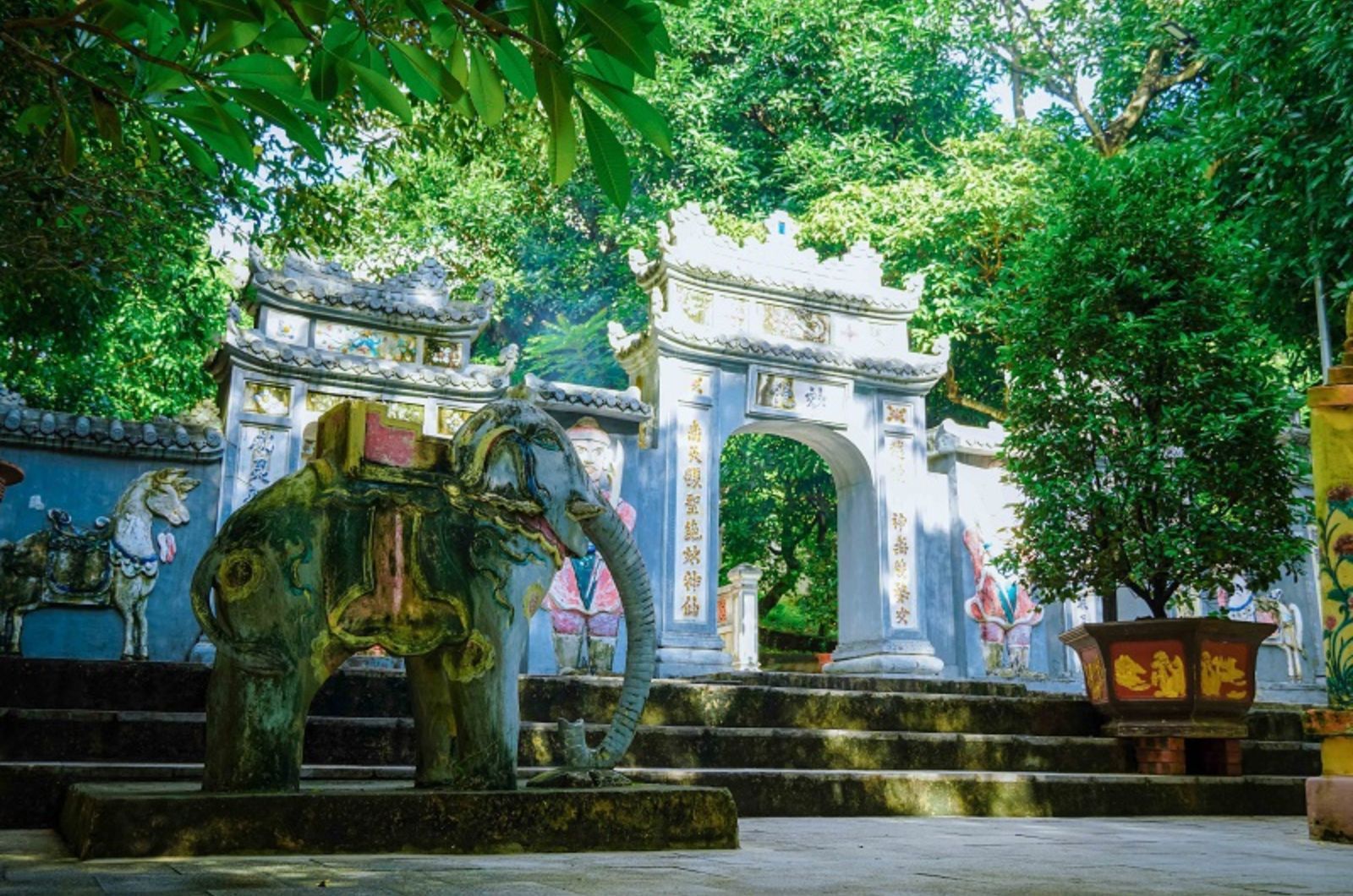
Lieu Hanh Mother Goddess Temple: Located right at the foot of the pass, a famous spiritual destination attracting many visitors.
Vung Chua - Yen Island Ecotourism Area (~7 km away): The final resting place of General Vo Nguyen Giap, boasting solemn atmosphere and scenic bay views.
Da Nhay Beach (Jumping Rocks Beach): Famous for its uniquely shaped rock formations, just a 10–15 minute drive away.
Canh Duong Fishing Village: A peaceful coastal village known for its colorful wall murals.
Thanks to its strategic location, attractions surrounding Hoanh Son Quan allow you to craft a complete itinerary blending nature, history, and local culture.
Photo: Lieu Hanh Mother Goddess Temple near Hoanh Son Quan
Finally, as this is a historic site, visitors are encouraged to protect the environment and refrain from writing or carving on stone walls, helping preserve Hoanh Son Quan's original beauty for future generations. We hope Sovaba Travel's self-guided travel guide provides helpful information to plan a memorable trip to Hoanh Son Quan! You can also check out our Hoanh Son Quan tours to enjoy a stress-free vacation without worrying about itineraries or transportation.