sovaba
TRAVEL GUIDELangbiang Peak

Amidst the cool green highland space of Da Lat, Langbiang Peak stands out as a symbol of majestic nature and inspiring conquest journeys. With its impressive altitude, wide-open views, and diverse ecosystem, Langbiang not only attracts adventure-loving travelers but is also an ideal stopover for those who want to enjoy the fresh air and pristine beauty of the mountains and forests.

In order to provide travelers with a comprehensive view and easy preparation for the trip, Sovaba Travel has compiled a detailed Langbiang Mountain travel guide with the most useful and updated information. From transportation guides, ideal times, costs to outstanding experiences, the content is built on practical experience, helping you proactively plan or choose the right tour, ensuring your Langbiang discovery journey becomes convenient, safe, and memorable.
Introduction to Langbiang Peak

Langbiang is not just a mountain range but also a legendary symbol of the Lam Dong Plateau. Located in Lat Commune, Lac Duong District, about 12km north of central Da Lat, this region is home to the K'Ho ethnic minority. Its name signifies 'the mountain of K'Lang and K'Biang', originating from a tragic legendary love story.

Langbiang features two main summits:

  • Radar Hill (approx. 1,929m): Easily accessible by jeep, suitable for most visitors.
  • Nui Ba Summit (Langbiang Peak) (2,167m): The highest peak, requiring trekking through pine and primeval forests, delivering a true sense of conquest.

From the peak, you can take in panoramic views of Da Lat, lush valleys, Dankia – Suoi Vang Lake, and rolling mountain ranges. It is a haven for cloud hunting, watching sunrises or sunsets, and experiencing indigenous culture.

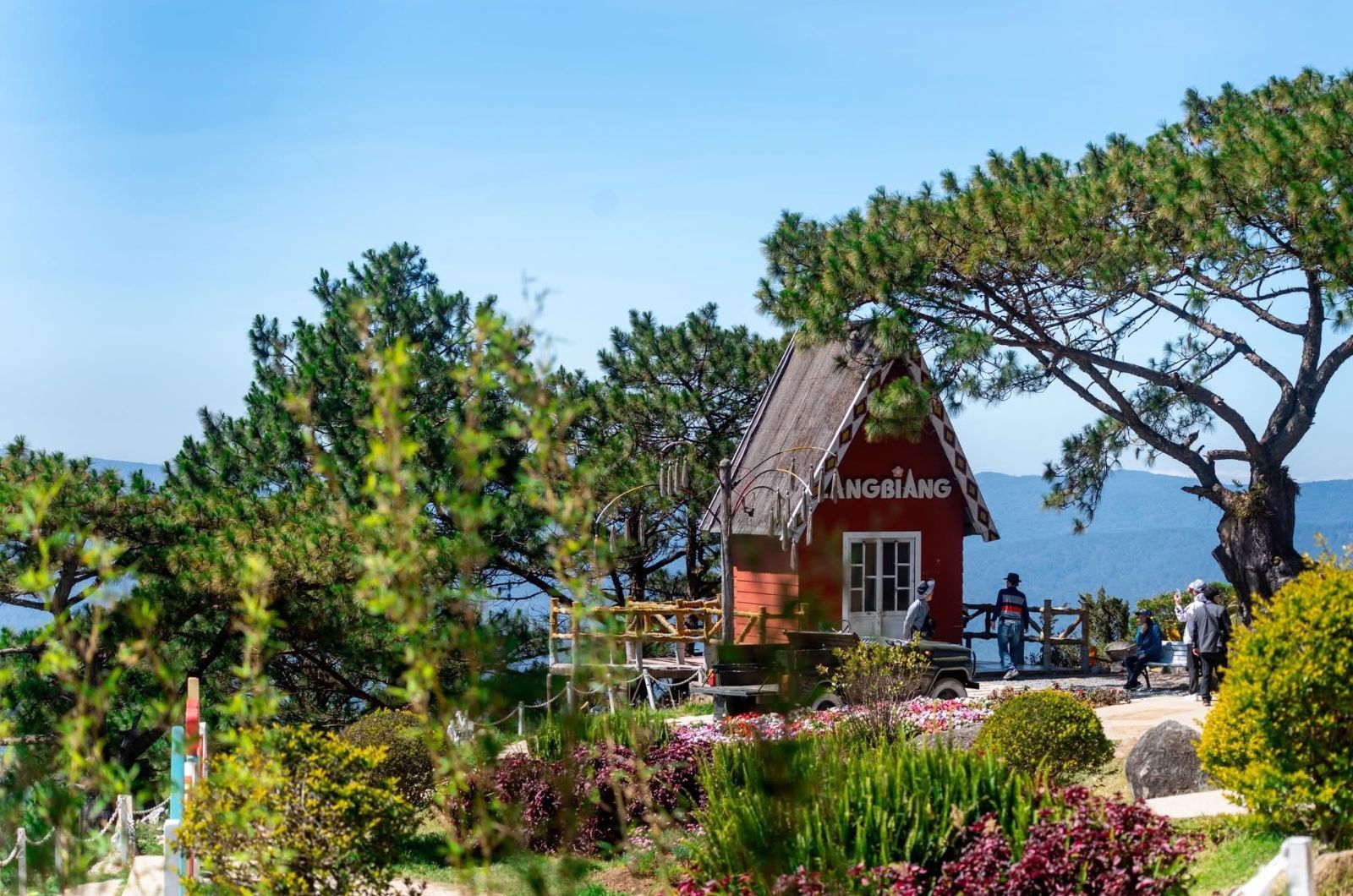
Langbiang Mountain in Da Lat
Photo: Langbiang Mountain in Da Lat 

Best Time to Visit Langbiang

Choosing the ideal time to explore Langbiang Peak plays a crucial role in shaping your overall trip experience. Based on travel experience, the period from November to March is considered the best time, offering dry weather, crisp mountain air, minimal rain, and clear views – perfect for sightseeing and cloud hunting. Additionally, the period from January to July is also popular among travelers due to pleasant weather suitable for outdoor activities.

  • Dry season (November–April): Ideal for trekking, jeep tours, and clear panoramic views.
  • Rainy season (May–October): Dense fog and mystical cloud hunting opportunities, but trails can be slippery and hazardous for hiking. Recommended to avoid unless experienced.

Best time of day:

  • Early morning (6:00 – 10:00 AM): Sunrise and fresh morning air.
  • Late afternoon (4:00 – 7:00 PM): Sunset and shimmering night views of Da Lat (be sure to descend early as dark roads can be hazardous).

To ensure a smooth trip, it is recommended to check weather forecasts 1–2 days in advance and avoid traveling on heavy rain days, as Da Lat's mountain weather can change rapidly.

Detailed Guide on How to Get to Langbiang

Knowing the routes will make your trip to Langbiang Peak much smoother and more convenient, especially for first-time visitors to Da Lat. From the city center, it takes only 25 – 40 minutes to reach the Langbiang Tourist Area via various flexible transport options.

  • Motorbike (most popular):
    • Rental price: around VND 80,000 – 150,000/day
    • Wide paved roads, easy to navigate, ideal for independent travelers
    • Suggested routes:
      • Route 1: Da Lat Market → Le Dai Hanh → Phan Dinh Phung → Xo Viet Nghe Tinh → Langbiang
      • Route 2: Xuan Huong Lake → Dinh Tien Hoang → Phu Dong Thien Vuong → Lac Duong
  • Taxi / Grab / Private Car:
    • Cost: approx. VND 200,000 – 350,000/one-way
    • Suitable for families or groups seeking a comfortable ride
  • Public Bus:
    • Bus Route No. 48 (Da Lat – Lac Duong)
    • Budget-friendly, but less flexible in schedule and travel time
  • Join-in Tours or Shuttle Services:
    • Optimal choice for first-timers or groups
    • Pre-arranged itinerary without worrying about navigating roads
  • Additional Information:
    • Parking fee at the mountain base: around VND 5,000/motorbike
    • From Lien Khuong Airport: approx. 30 – 40 km away, taking 50 – 70 minutes by taxi or airport shuttle

The road to Langbiang is well-paved and accessible via various means of transportation, giving travelers flexible choices according to their preferences and budget.

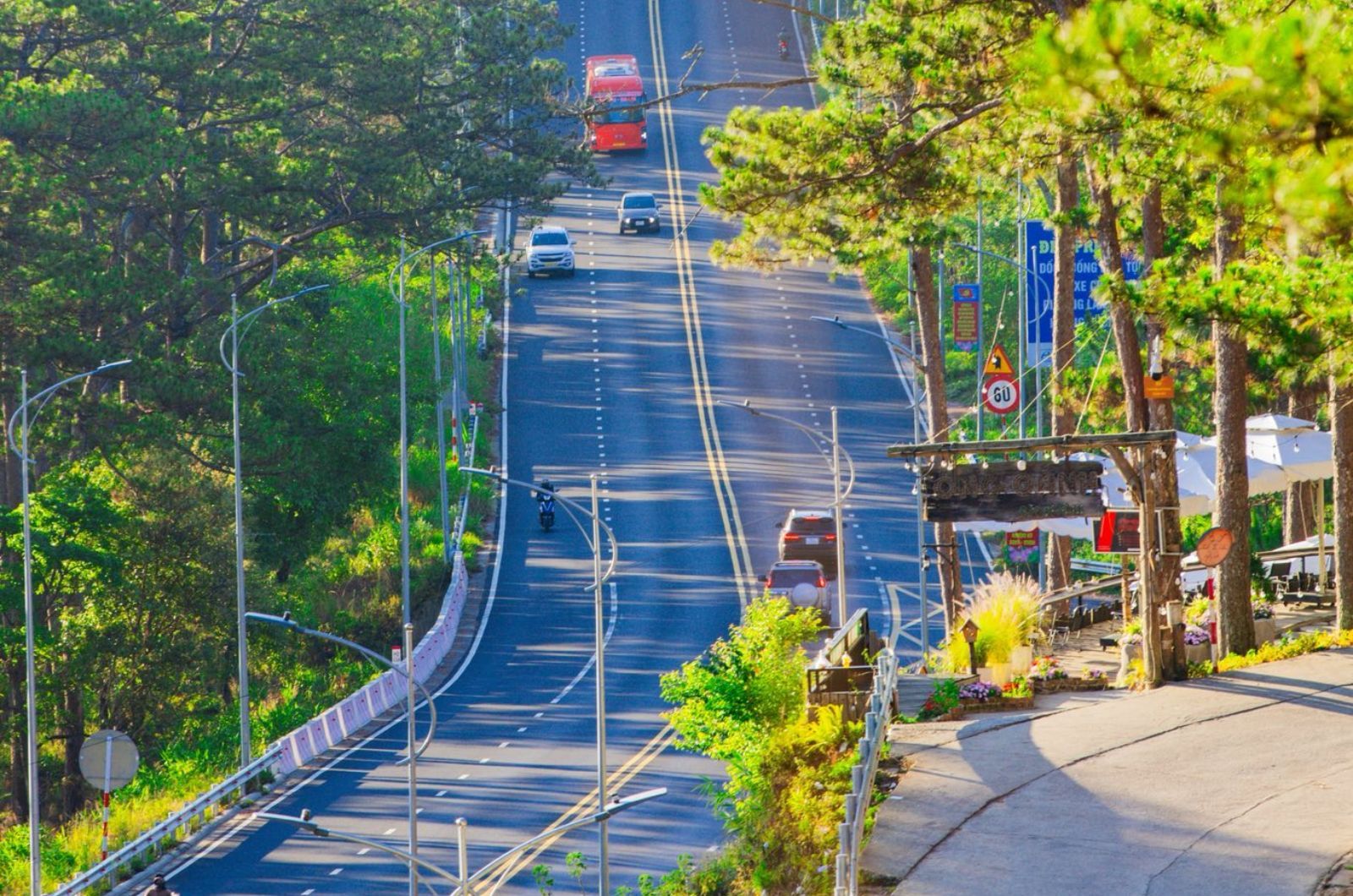
Road leading up Langbiang Mountain
Photo: Road leading up Langbiang Mountain 

Entrance Ticket Fees & Transport Costs to the Peak

When planning your visit to Langbiang Peak, understanding ticket fees and transportation costs will help you manage your budget and choose the experience that best suits your needs.

  • Tourist Area Entrance Tickets:
    • Adults: VND 50,000
    • Children under 1.2m: VND 25,000 (toddlers under 1m may enter free of charge)
  • Jeep Ride to Radar Hill:
    • Price: around VND 100,000 – 150,000/person/round-trip (depending on group size)
    • Popular combo: VND 120,000 – 170,000/person
    • Each jeep seats 6–7 passengers, taking 15–20 minutes, offering an exhilarating ride along mountain roads
  • Trekking to Nui Ba Peak:
    • No vehicle fee required
    • Trek duration: approx. 3 – 4 hours one way, total distance 7 – 14 km round-trip depending on route
    • Suitable for active travelers with good physical fitness
  • Other Costs:
    • Motorbike parking fee at the base: approx. VND 5,000/bike

Visiting costs at Langbiang are reasonable and flexible, accommodating various travel styles from gentle sightseeing to adventurous trekking, allowing you to tailor the journey to your preference.

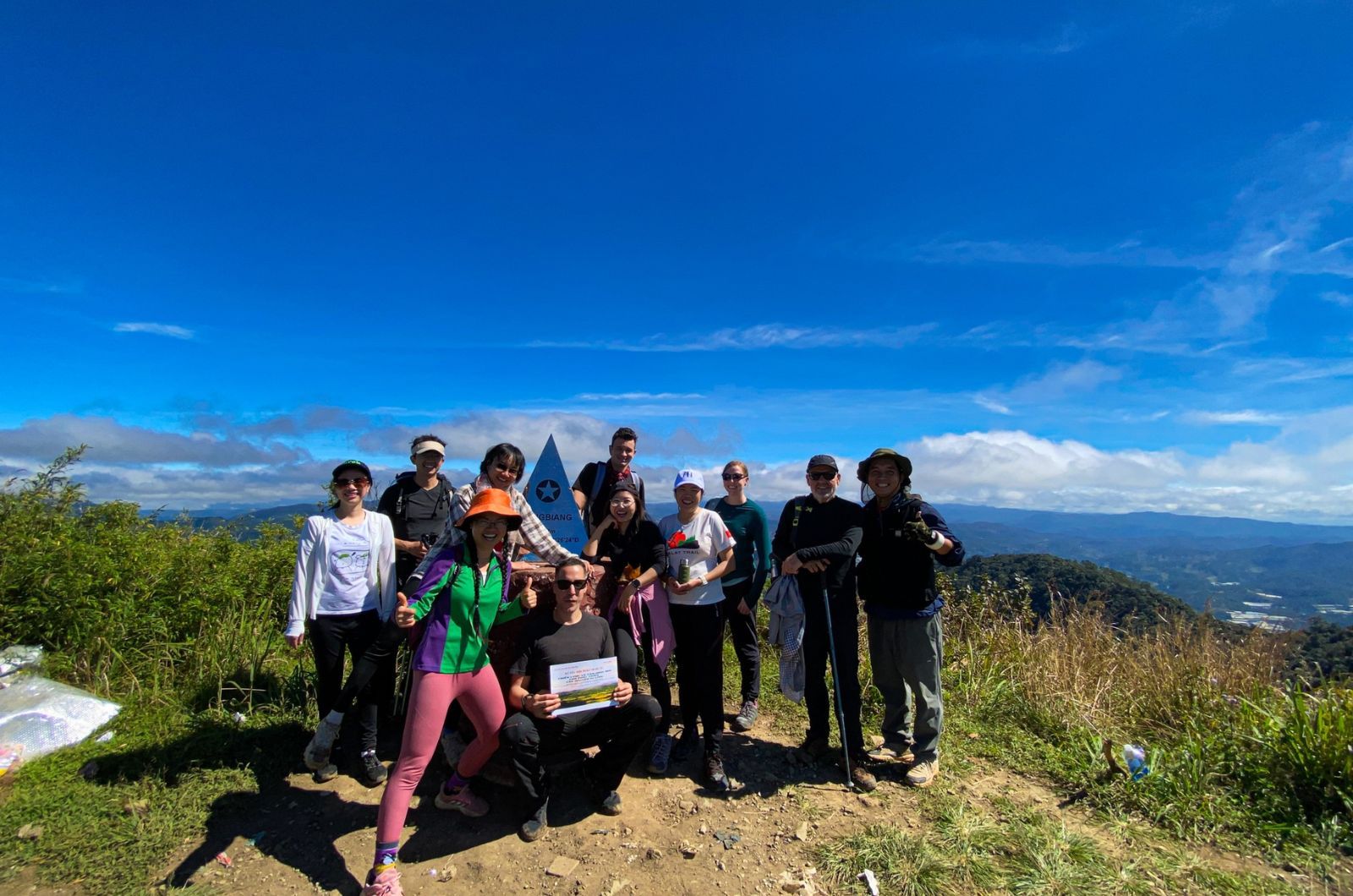
Trekking to conquer Langbiang Peak
Photo: Trekking to conquer Langbiang Peak 

Tips & Experience for Conquering Langbiang Peak

When conquering Langbiang Peak, travelers often choose between two popular options: taking a jeep ride or trekking. Each option offers distinct experiences suitable for different preferences and fitness levels.

Taking a Jeep to Radar Hill:

  • Fast and safe travel, suitable for families and seniors
  • Delivers a gentle sense of adventure along winding mountain roads
  • The summit features full amenities including cafes, check-in photo spots, panoramic lookouts, and ideal cloud-hunting spots

Trekking to Nui Ba Peak:

  • Difficulty: Moderate to challenging, elevation gain of approx. 700 – 800m
  • Duration: 3 – 4 hours ascent, 2 – 3 hours descent
  • Diverse terrain passing through pine forests, vegetable patches, and primeval woods, interspersed with rocky slopes and wooden staircases

Note: Be sure to wear proper trekking shoes, bring hiking poles, drinking water, and light snacks. It is recommended to travel in a group or hire a guide for first-time trekkers.

Additionally, many visitors opt to combine both options: riding a jeep up Radar Hill for sightseeing, then continuing the trek to the higher peak if stamina allows. Overall, depending on your interests and physical condition, you can flexibly choose the best option for a complete and memorable Langbiang adventure.

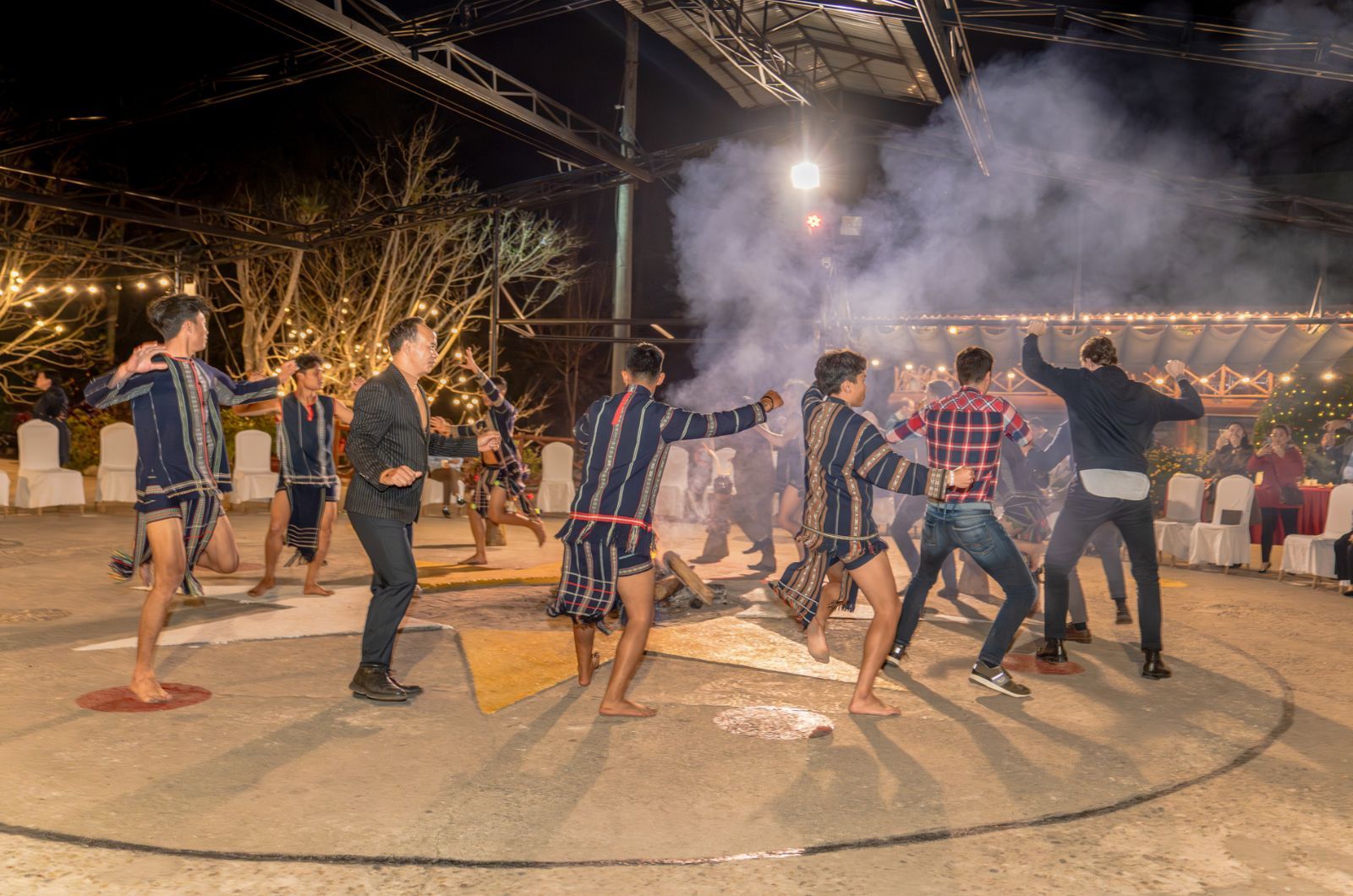
Experiencing local cultural heritage
Photo: Experiencing local cultural heritage 

With the comprehensive insights provided in this ultimate A-Z guide to Langbiang Peak, you can confidently plan your trip to explore breathtaking landscapes and embrace the full charm of Da Lat. From picking the best season and transport modes to budgeting and choosing between jeep tours or trekking, every tip ensures a smooth and safe adventure. However, if you prefer to optimize your time with a seamless itinerary and professional services, check out the all-inclusive Langbiang tours by Sovaba Travel. Featuring well-structured schedules, round-trip transportation, expert guides, and top sightseeing spots, your trip will be hassle-free, cost-effective, and unforgettable. 

Articles related to Langbiang Peak