sovaba
TRAVEL GUIDENho Que River

Nestled among the majestic limestone mountain ranges of the Dong Van Karst Plateau, Nho Que River has long been a prominent tourism symbol of Ha Giang and a dream destination for nature lovers. With its emerald-green water winding through Tu San Canyon – the deepest canyon in Southeast Asia, this place offers spectacular scenery that impresses any visitor from their very first visit.

Not only boasting majestic natural beauty, Nho Que River is also alluring due to unique experiences such as boating through the canyon, viewing Ma Pi Leng Pass from various angles, exploring local culture, and savoring highland specialties. If you are planning to conquer the frontier land of the country but do not know where to start, the article below will provide a detailed Nho Que River travel guide from A to Z, helping you easily prepare for a complete and memorable journey.
Where is the Nho Que River Located?

The Nho Que River originates from the Yanshan mountains (Yunnan, China) at an elevation of over 1,500m, flowing in a Northwest – Southeast direction. It has a total length of approximately 192 km, of which about 46 km flows through Vietnam. In Vietnam, the river enters at Seo Lung village, Lung Cu commune, Dong Van district (Ha Giang). It winds through Tu San Canyon, along the legendary Ma Pi Leng Pass, down to Meo Vac district. From here, the river branches out and merges into the Gam River.

The main area for tourism is concentrated between Dong Van and Meo Vac, about 160 km from Ha Giang City. This forms part of the Dong Van Karst Plateau UNESCO Global Geopark.

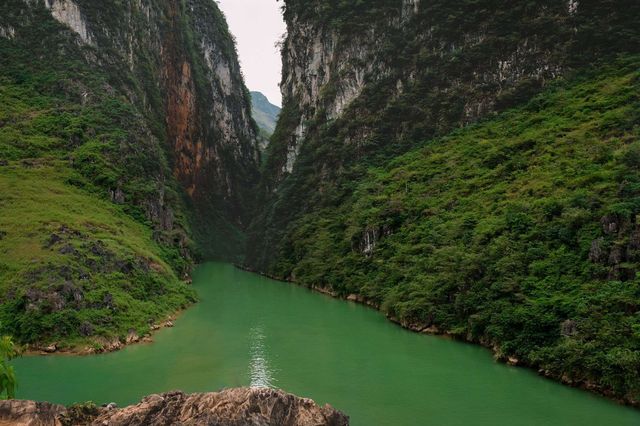
Mountainous scenery at Nho Que River
Photo: Mountainous scenery at Nho Que River 

Why Has Nho Que River Become an Iconic Tourist Destination in Ha Giang?

The Nho Que River has long been considered one of Ha Giang's premier tourism icons, famed for its untouched beauty and rare majestic natural landscape. The gentle river winds between towering jagged karst peaks, forming a stunning landscape painting in the heart of the Dong Van Karst Plateau.

  • Unique natural beauty: Emerald-green waters year-round, flanked by vertical cliff walls hundreds of meters high, creating a picture-perfect setting.
  • Geological value: Tu San Canyon is living evidence of millions of years of tectonic activity, recognized as a national landscape monument.
  • Cultural symbol: The river brings vital water to the arid stone land, nourishing terraced rice fields and sustaining the livelihoods of H'Mong, Dao, Tay, and other ethnic communities.
  • Connection to famous attractions: Ma Pi Leng Pass, Dong Van Karst Plateau, Dong Van Old Quarter.

By gathering exceptional natural scenery alongside unique cultural and geological values, the Nho Que River remains an indispensable stop on any Ha Giang journey, drawing thousands of travelers each year to admire and experience.

Best Time to Visit Nho Que River

The Nho Que River can be visited year-round, but autumn and spring are considered the best seasons.

  • September – November: Cool weather, clear blue skies, and striking emerald-green water. This is also the peak season when buckwheat flowers bloom across the Dong Van Karst Plateau.
  • February – March: Spring bringing vibrant peach and plum blossoms across hillsides, pleasant climate, ideal for sightseeing and photography.
  • Note: Try to limit visits during the rainy season (July – September) due to slippery roads, reduced visibility, and unpredictable weather that could disrupt itineraries.

For the best experience, visit in the morning or on weekdays to avoid crowds and enjoy serene views. 

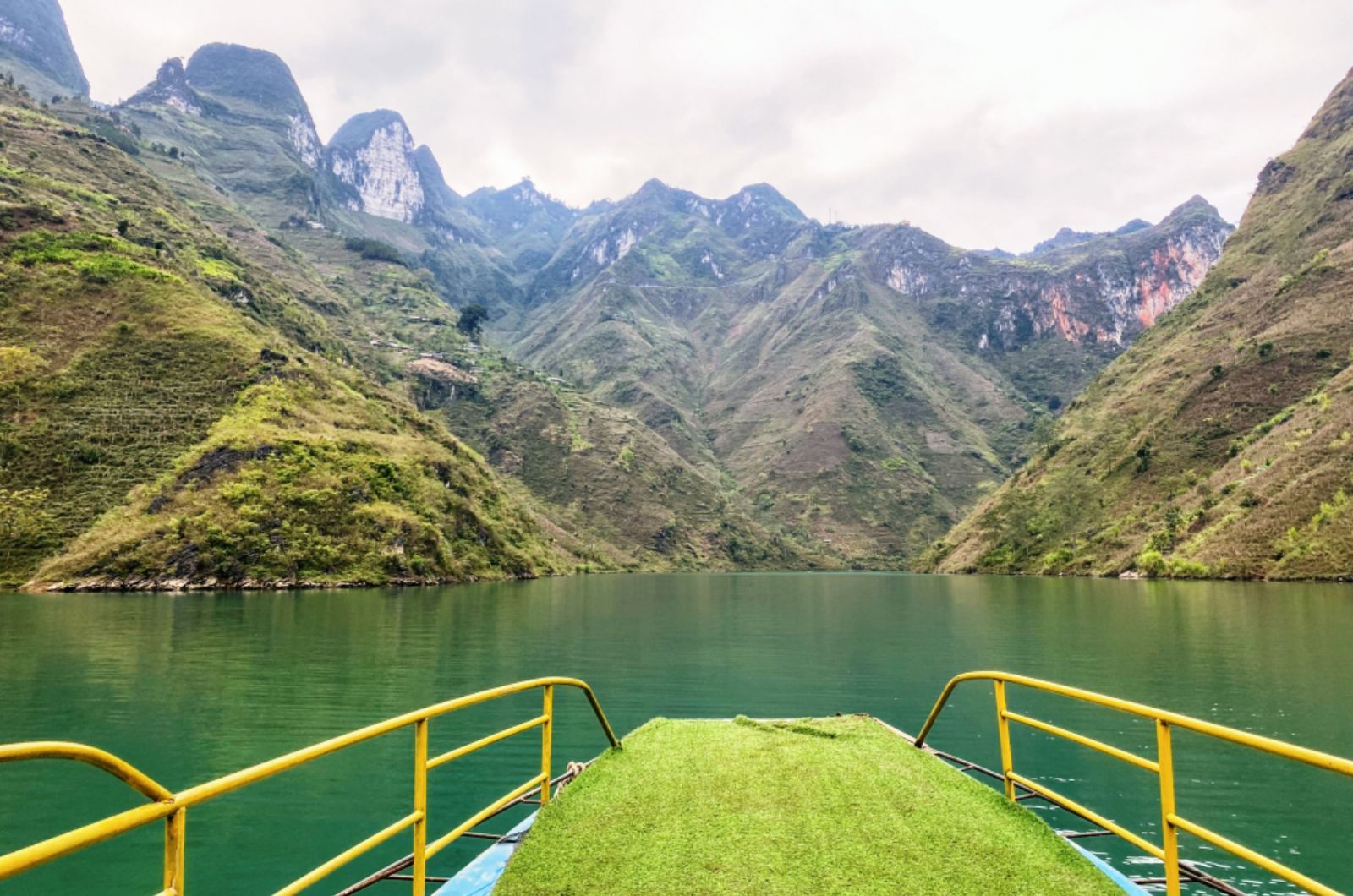
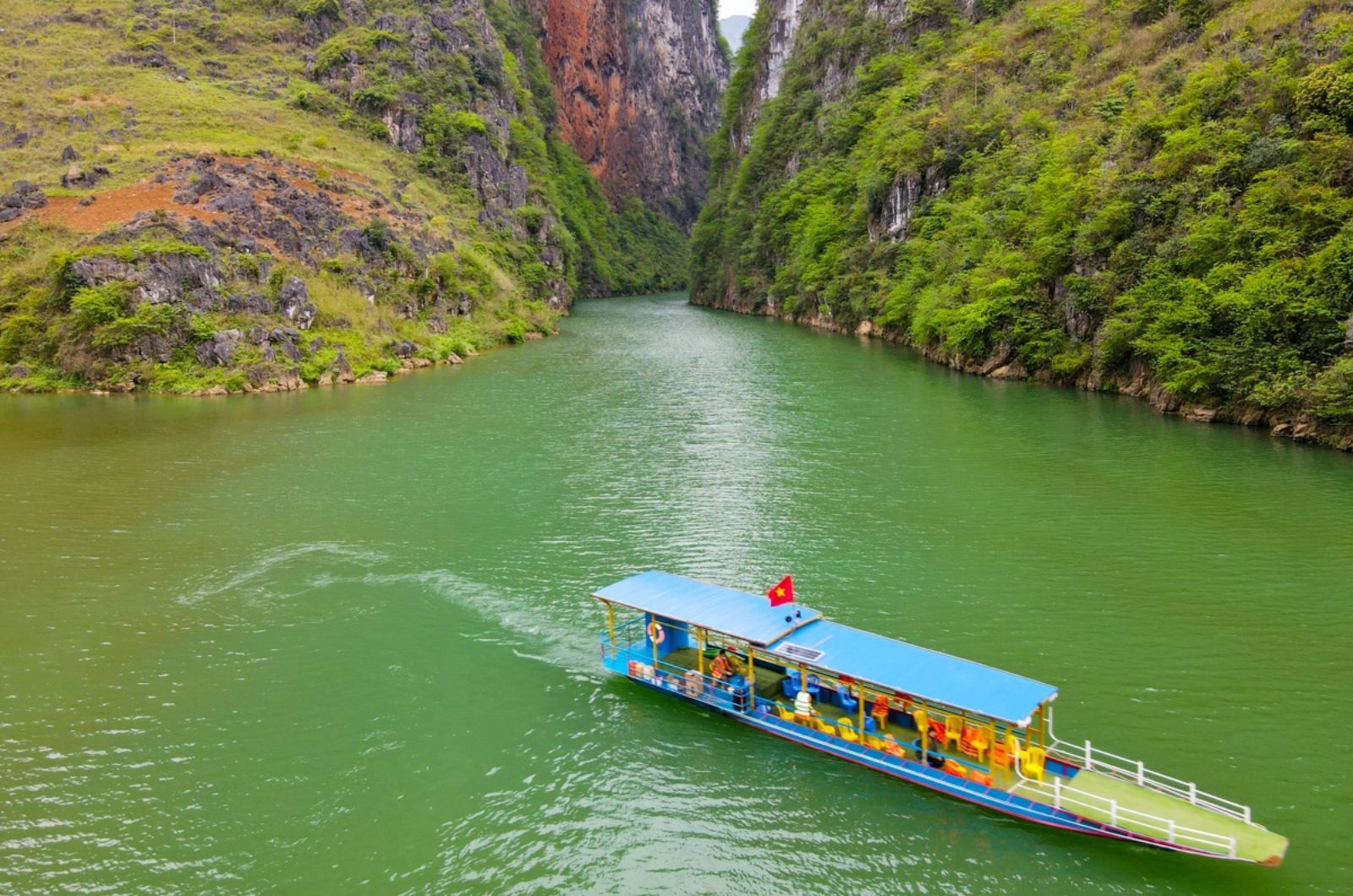
Riding a boat to explore Nho Que River
Photo: Riding a boat to explore Nho Que River 

Detailed Transport Guide to Nho Que River

The Nho Que River lies along the route connecting Dong Van and Meo Vac within the Dong Van Karst Plateau UNESCO Global Geopark. To reach this famous landmark, travelers need to get to Ha Giang first, then continue their trip down to the boat station area.

From Hanoi to Ha Giang

  • Sleeper bus: The most popular transport, with ticket prices ranging from 250,000 to 600,000 VND per way, depending on the vehicle type and service quality.
  • Flight + Bus combination: Travelers from distant provinces can fly to Hanoi, then transfer by sleeper bus or limousine bus to Ha Giang.
  • Motorbike or self-drive car: Suitable for adventure enthusiasts who prefer flexibility and managing their own schedule.

From Ha Giang City to Nho Que River

  • Travel along National Highway 4C through Quan Ba, Yen Minh, Dong Van to Meo Vac.
  • Popular boat departure points are Ta Lang Boat Station (Pai Lung commune) or Xin Cai Boat Station.
  • From the parking area, visitors head down to the dock via personal motorbikes, motorbike taxis (xe om), or electric shuttle carts (depending on operating hours and locations).

If choosing self-guided exploration, motorbike rental services in Ha Giang start from around 150,000 VND per day, convenient for navigating the mountain roads of the stone plateau.

Ticket Prices and Travel Costs for Nho Que River

The cost of exploring the Nho Que River is relatively reasonable and accessible for many types of travelers. Depending on your sightseeing style and stay duration, your travel budget can be flexibly adjusted to personal preferences.

Nho Que River sight-seeing ticket prices

  • Boat cruise ticket to Tu San Canyon: around 150,000 VND/adult (over 1.2m tall) and 80,000 VND/child. Ticket prices usually include shuttle transport and insurance.
  • Private boat rental:
    • Small boat (2–4 guests): around 400,000 – 500,000 VND/trip.
    • Large boat: around 800,000 – 1,000,000 VND/trip.
  • Kayaking experience: around 100,000 – 200,000 VND/person.

For a 2 to 3-day itinerary, average total expenses range from 1,500,000 to 3,500,000 VND per person, including transportation, accommodation, meals, entrance tickets, and experiential activities.

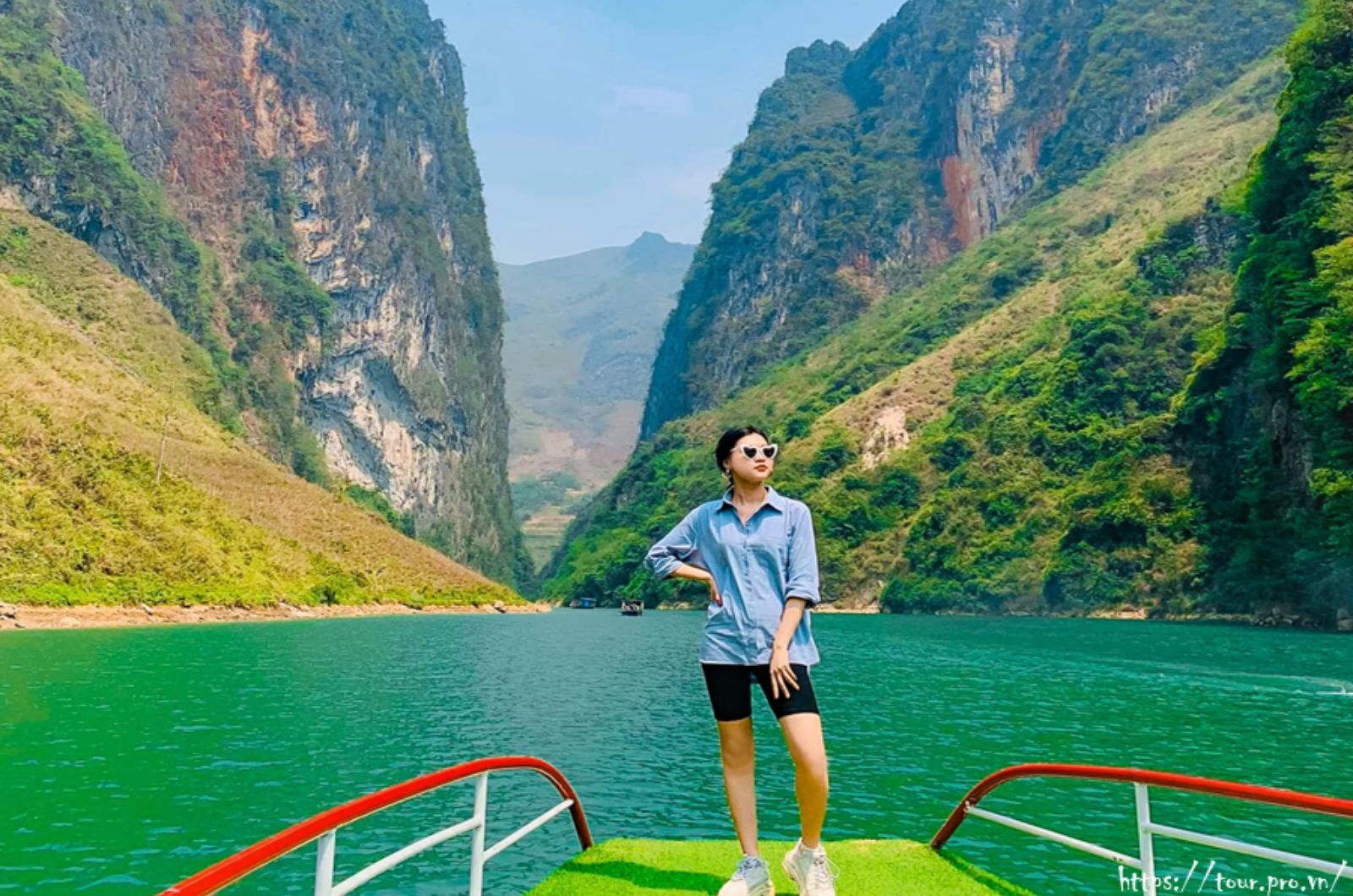
Checking in at Nho Que River
Photo: Checking in at Nho Que River 

Exploring Tu San Canyon

Located along the poetic Nho Que River, Tu San Canyon is the defining highlight and one of Ha Giang's most impressive scenic wonders.

  • Length: approximately 1.7 km.
  • Depth: nearly 1,000 meters.
  • Cliff walls: 700–1,500 meters high, rising almost vertically.

Recognized as Southeast Asia's deepest canyon, it was sculpted by tectonic processes over millions of years. As your boat glides along, you will feel awe-struck by giant rock walls towering on both sides, crystal-clear blue water, and cool refreshing air. Sunlight filtering through mountain crevices produces magical light effects.

The canyon lies between Pai Lung commune (Meo Vac) and the Dong Van region, often combined with viewpoints along Ma Pi Leng Pass for a complete panoramic view.

Must-Try Experiences When Visiting Nho Que River

Visiting the Nho Que River, travelers can not only marvel at magnificent natural scenery but also take part in many exciting activities in the heart of the Dong Van Karst Plateau.

  • Take a boat trip on Nho Que River and explore Tu San Canyon – Southeast Asia's deepest canyon.
  • Go kayaking or stand-up paddleboarding (SUP) to admire the river's beauty up close.
  • Enjoy panoramic views from Ma Pi Leng Pass, one of Ha Giang's most iconic lookout points.
  • Stay at local homestays, taste highland culinary specialties, and learn about indigenous ethnic cultures.
  • Catch sunrises and sunsets and record breathtaking moments amid towering mountains.
  • Discover traditional ethnic villages or join short trekking paths around the area.

For a safe and pleasant trip, travelers should wear suitable footwear, apply sunscreen, wear life jackets during water activities, and follow boat operators' safety instructions.

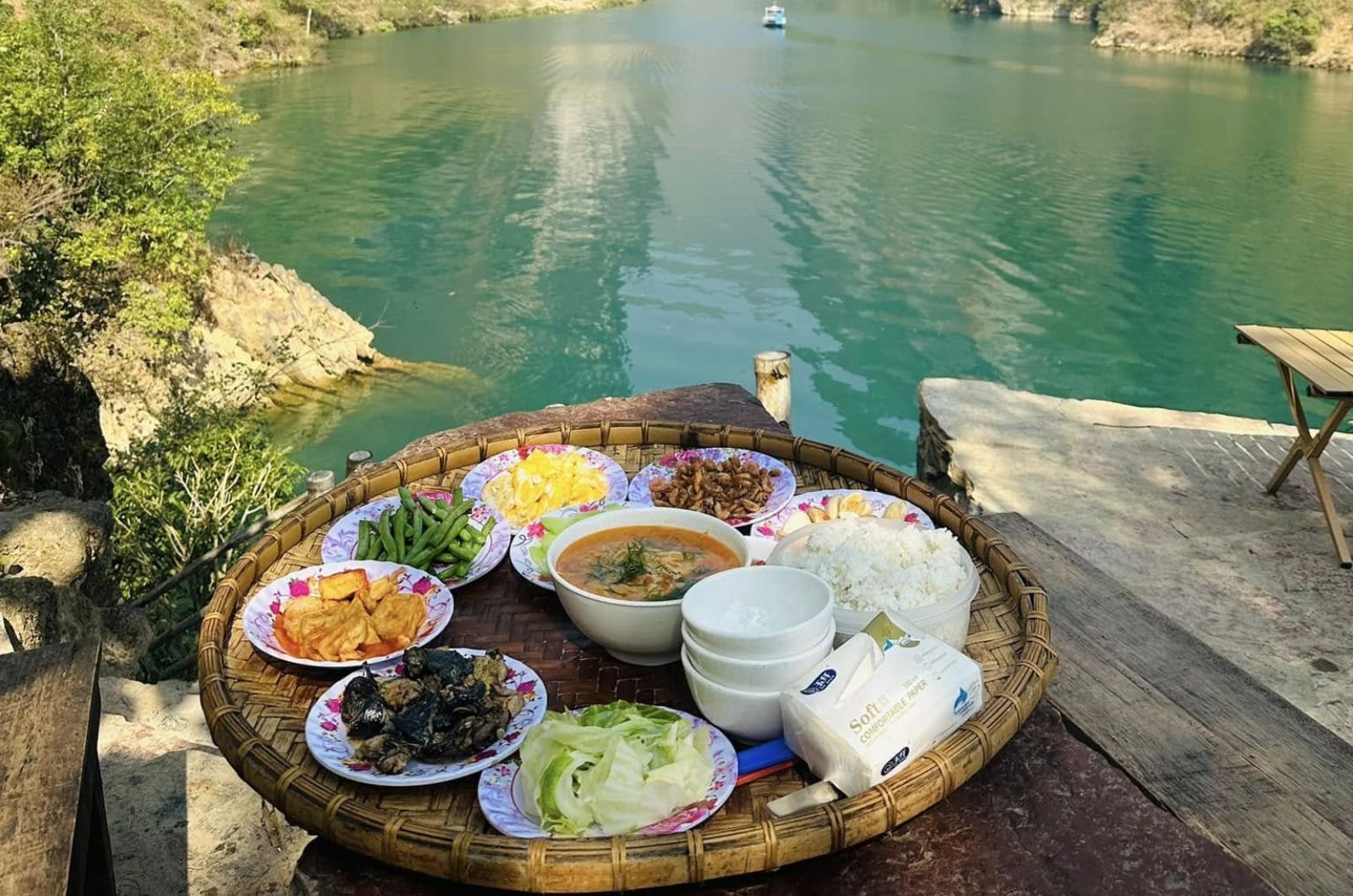
Enjoying highland cuisine
Photo: Enjoying highland cuisine 

The Nho Que River is not only an iconic tourist landmark in Ha Giang but also a destination offering unforgettable experiences amid the majestic nature of Vietnam's northernmost region. From emerald-green waters and magnificent Tu San Canyon to spectacular pass roads and rich ethnic traditions, everything contributes to the unique appeal of exploring this region. To enjoy a seamless, safe, and time-saving trip, travelers can explore all-inclusive Nho Que River travel tours by Sovaba Travel. Featuring optimized itineraries, professional services, modern transport, and local expert guides, Sovaba Travel will accompany you to fully discover the beauty of Nho Que River, Tu San Canyon, Ma Pi Leng Pass, and other famous Ha Giang destinations on a memorable journey.

Articles related to Nho Que River