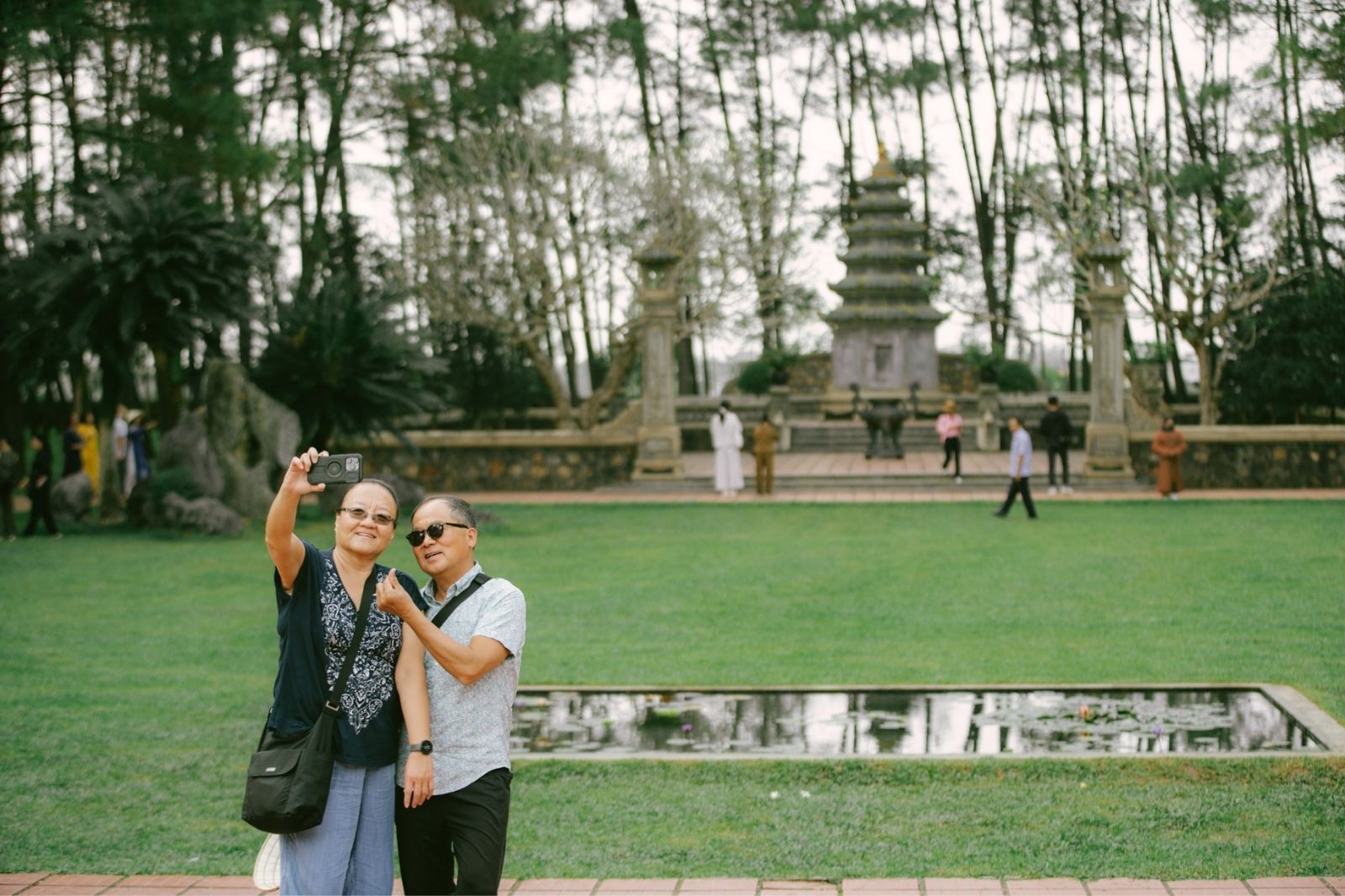
Explore Thien Mu Pagoda on your own – a unique experience amidst the ancient spiritual space and picturesque scenery by the Perfume River. Visit the over 400-year-old pagoda, where the majestic Phuoc Duyen Tower reflects on the water and the pagoda bell echoes through the blue sky, bringing a sense of peace and deep serenity. The Buddhist-style architecture combined harmoniously with nature has made Thien Mu Pagoda an ideal destination for those seeking inner peace, gentle meditation, or simply stopping to sense the contemplative beauty of ancient Hue.
Check out the self-guided Thien Mu Pagoda travel experience from Sovaba Travel – a professional tour operator in Hue, for a complete journey: from choosing the ideal time to avoid crowds, appropriate means of transportation such as motorbikes, cars, or dragon boats on the Perfume River, to must-do activities like visiting the main sanctuary, the Buddhist artifact exhibition area, or capturing beautiful moments by the river at sunset. Careful preparation will ensure a light, profound, and emotional journey at Thien Mu Pagoda – the spiritual symbol of the ancient capital.
Overview of Thien Mu Pagoda
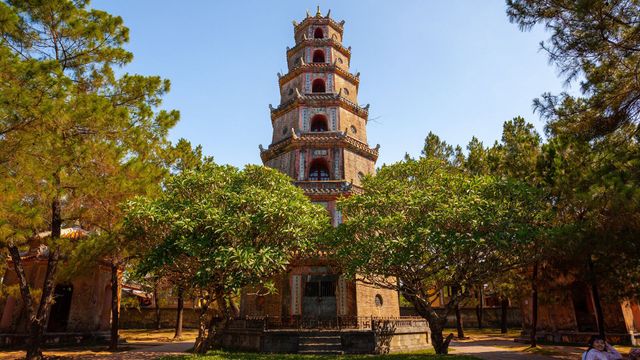
Thien Mu Pagoda was built in 1601 under Lord Nguyen Hoang – the first Nguyen Lord of Dang Trong (Inner Realm). Legend has it that while traveling down the Perfume River in search of a place to establish a realm, he rested at Ha Khe Hill. Here, he heard locals talk about an old woman dressed in a red coat and green pants who frequently appeared, telling people that someone would come to build a pagoda on the hill to gather sacred energy and bring blessings to the populace. From then on, the pagoda was named "Thien Mu", meaning "Celestial Lady". In 1862, to avoid sharing the taboo name of King Tu Duc, the pagoda's name was changed to "Linh Mu", but in 1869 it reverted to its original name.
Situated on Ha Khe Hill in Kim Long Ward, Thien Mu Pagoda is about 5km west of Hue city center. Perched on the left bank of the Perfume River, the pagoda boasts a picturesque setting that "leans on mountains and faces the river". Viewed from afar, the entire pagoda complex resembles a giant turtle reaching out toward the river, symbolizing longevity, endurance, and quiet strength.
More than just a famous scenic landmark, Thien Mu Pagoda is an ancient and vital Buddhist center of the ancient capital region. Spanning over 400 years of history, it retains layers of cultural, spiritual, and historical heritage, serving as an endless inspiration for poetry, music, painting, and stories passed down through generations.
Photo: Thien Mu Pagoda has a history of over 400 years
Prominent Architectural Works at Thien Mu Pagoda
Spanning over four centuries, Thien Mu Pagoda not only holds deep spiritual significance but also possesses unique architectural structures reflecting the cultural and artistic essence of ancient craftsmanship. Here are the iconic structures you should not miss when visiting Thien Mu Pagoda.
Phuoc Duyen Tower
Phuoc Duyen Tower is the most famous landmark of Thien Mu Pagoda, built in 1844 under King Thieu Tri to celebrate the 80th birthday of Empress Dowager Thuan Thien. The tower is 21m high with 7 floors, each dedicated to a different Buddha. Inside, a spiral staircase leads to the top floor, which once housed a golden Buddha statue. It is a must-visit photo spot for tourists thanks to its majestic beauty and iconic reflection on the Perfume River.
Tam Quan Gate (Triple Gate)
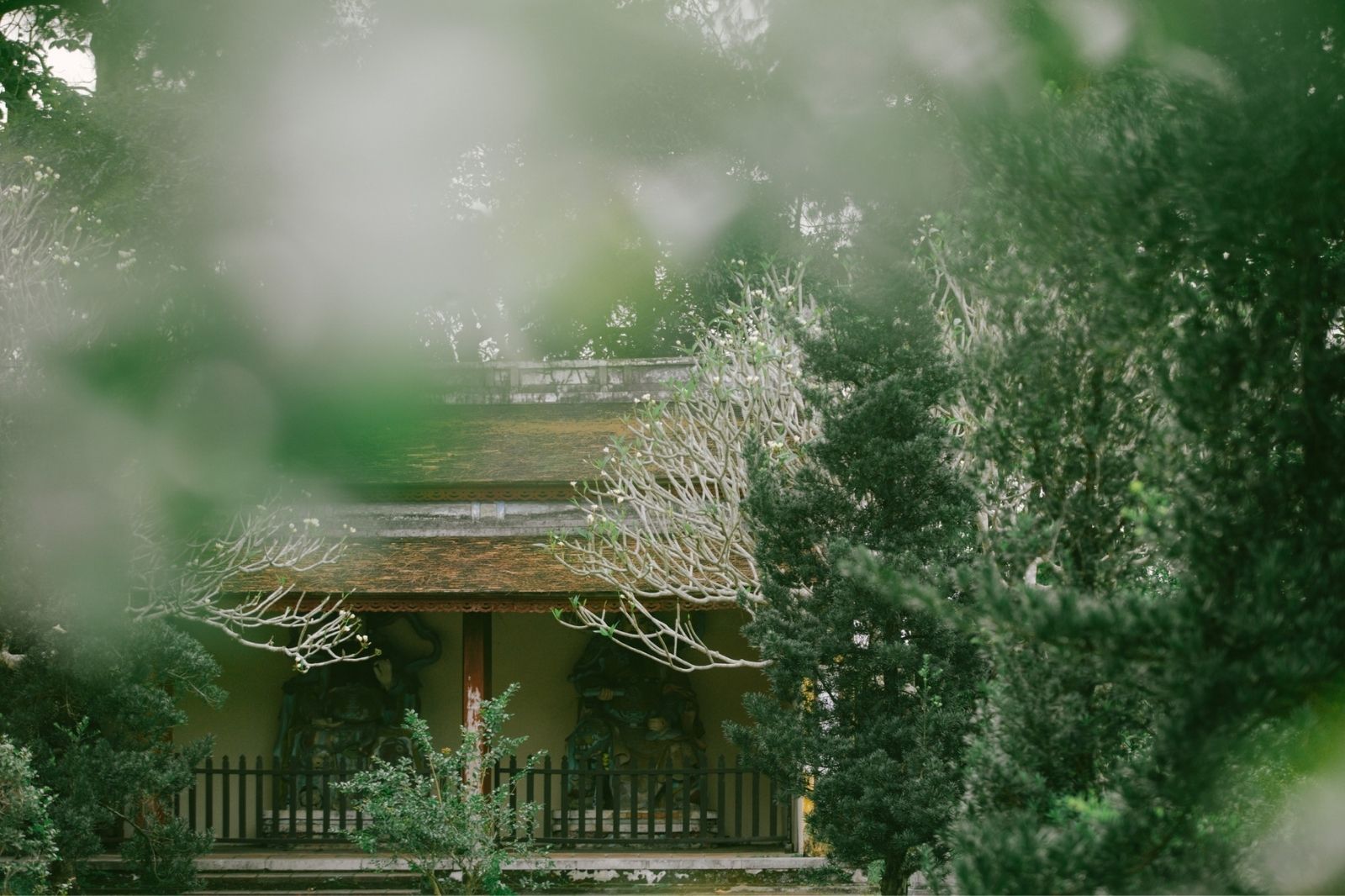
Tam Quan Gate is the main entrance to the pagoda, constructed with a 2-story, 8-roof design adorned with intricate carved patterns. The gate has 3 passageways representing the 3 realms: Human, Demon, and God. Flanking the gate are Guardian statues made of clay and rice husks, known as the "Twelve Yaksha Generals", each showcasing a unique expression and stance to protect the sanctity of the pagoda.
Dai Hung Shrine
Dai Hung Shrine is the main sanctuary of the pagoda, dedicated to Maitreya Buddha – the Buddha of joy and compassion. Maitreya Buddha is depicted with large ears, a prominent belly, and a gentle smile. The shrine also houses a gold-lacquered horizontal plaque presented by Lord Nguyen Phuc Chu in 1714 and a large bronze chime cast in 1677 featuring sun and moon motifs.
Dai Hong Chung (Great Sacred Bell)
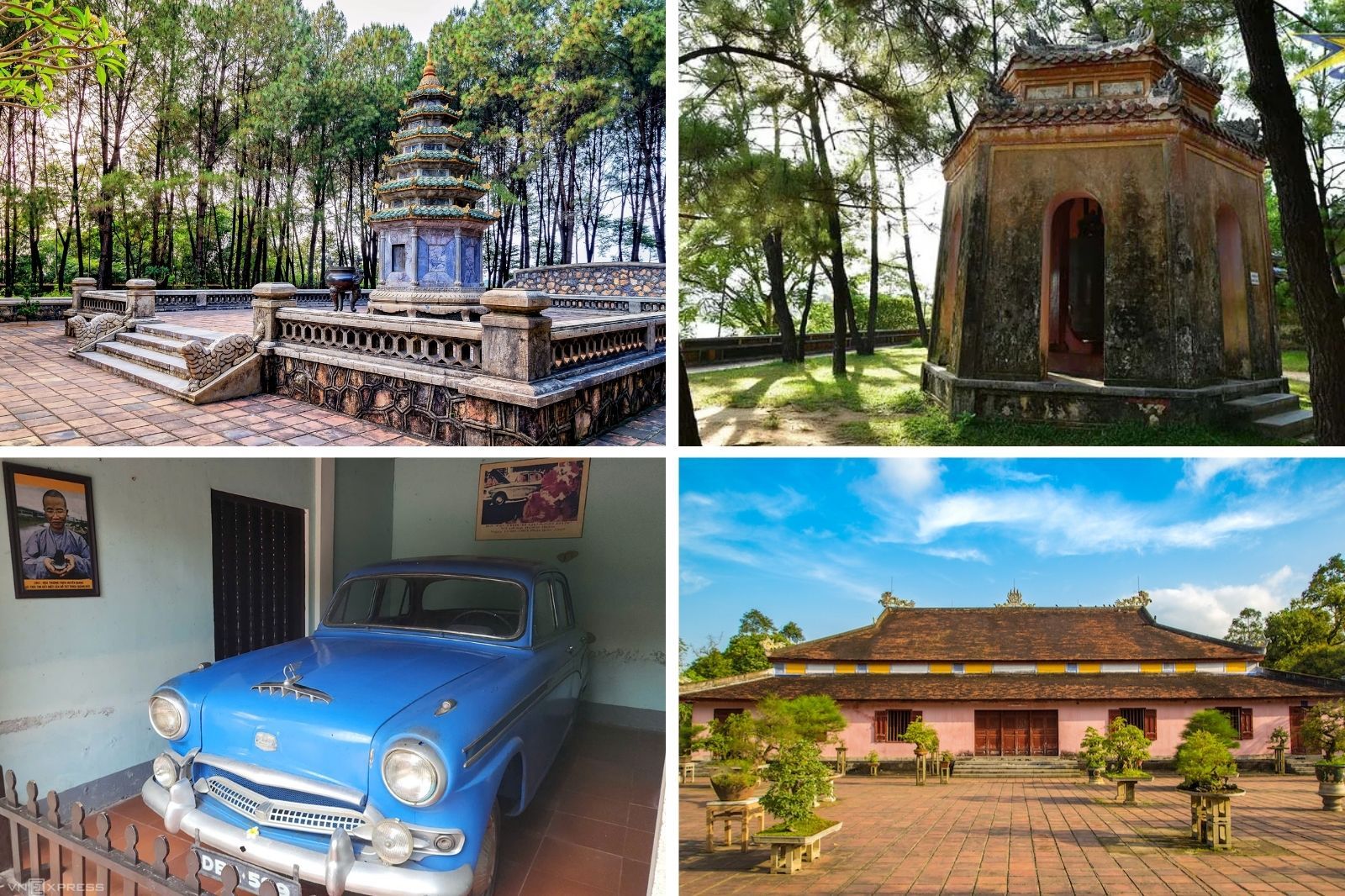
Cast in 1710 under Lord Nguyen Phuc Chu, Dai Hong Chung weighs over 2 tons and is inscribed with verses praising Buddhist philosophy. Its deep, resonant toll symbolizes the purity and sanctity of the pagoda.
Most Venerable Thich Quang Duc's Austin Car
In the pagoda courtyard, visitors can view the Austin Westminster car, a historic relic linked to Most Venerable Thich Quang Duc. In 1963, the Venerable drove this car to the intersection of Phan Dinh Phung and Le Van Duyet (Saigon) and self-immolated to protest the anti-Buddhist policies of the Ngo Dinh Diem regime. Carefully preserved, the car stands as a testament to the heroic spirit of defending the Dharma.
Stupa Area of Most Venerable Thich Don Hau
Located at the rear of the pagoda grounds, the stupa area was built to commemorate Most Venerable Thich Don Hau, a renowned abbot recognized for his immense contributions to Buddhism and charitable work. The 7-story stupa, smaller than Phuoc Duyen Tower, is surrounded by a lush pine grove, evoking a serene atmosphere.
Photo: Key architectural structures at the pagoda
Guide to Visiting Thien Mu Pagoda
To enjoy a rewarding and meaningful trip to Thien Mu Pagoda, visitors should prepare well regarding timing, transportation, and key etiquette during the visit.
Best Time to Visit
Time of the year: January to March is the ideal time to visit Thien Mu Pagoda when Hue weather is pleasantly cool. Summer (May-August) can be hot, while the rainy season (September-December) brings a meditative atmosphere, though umbrellas or raincoats are recommended.
Time of day:
Early morning (6:00 - 8:00 AM): Quiet atmosphere with fewer crowds, ideal for photography and peaceful sightseeing.
Sunset (5:00 - 6:00 PM): Stunning sunset views over the Perfume River, offering a truly poetic experience.
How to Get to the Pagoda
Thien Mu Pagoda is about 5km from Hue city center, easily accessible by various means of transport:
Motorbike: Renting a motorbike (80,000-150,000 VND/day) offers complete freedom. From central Hue, follow Le Loi or Hung Vuong Street, turn onto Nguyen Phuc Nguyen Street, and continue straight for about 2km to reach the pagoda.
Bicycle: Great for those who want a leisurely ride along the Perfume River. The route to the pagoda is flat, but it is best to ride early in the morning to avoid the heat.
Dragon Boat: A unique experience cruising along the Perfume River from Toa Kham Wharf to Thien Mu Wharf (about 30 minutes). Boat tickets range from 100,000 to 200,000 VND per person depending on the tour.
Taxi or Motorbike Taxi (Grab): Convenient for group travel or those seeking comfort. Taxi fares range around 100,000-150,000 VND per way from the center.
Visiting Etiquette and Tips
Dress Code: Wear modest, polite clothing. Avoid short skirts or revealing attire to show proper respect.
Behavior and Speech: Maintain quietness, avoid loud talking or laughing, and refrain from inappropriate language in the serene pagoda space.
Offerings: If you wish to make offerings, bring vegetarian items only (incense, fresh flowers, fresh fruit, pastries, water). Buy offerings at Dong Ba Market or reputable shops to avoid overcharging.
Visiting Duration: The pagoda grounds are moderately sized, taking around 45 minutes to 1 hour to explore fully. The pagoda is open from morning until 6:00 PM, and may stay open later on the 1st and 15th days of the lunar month.
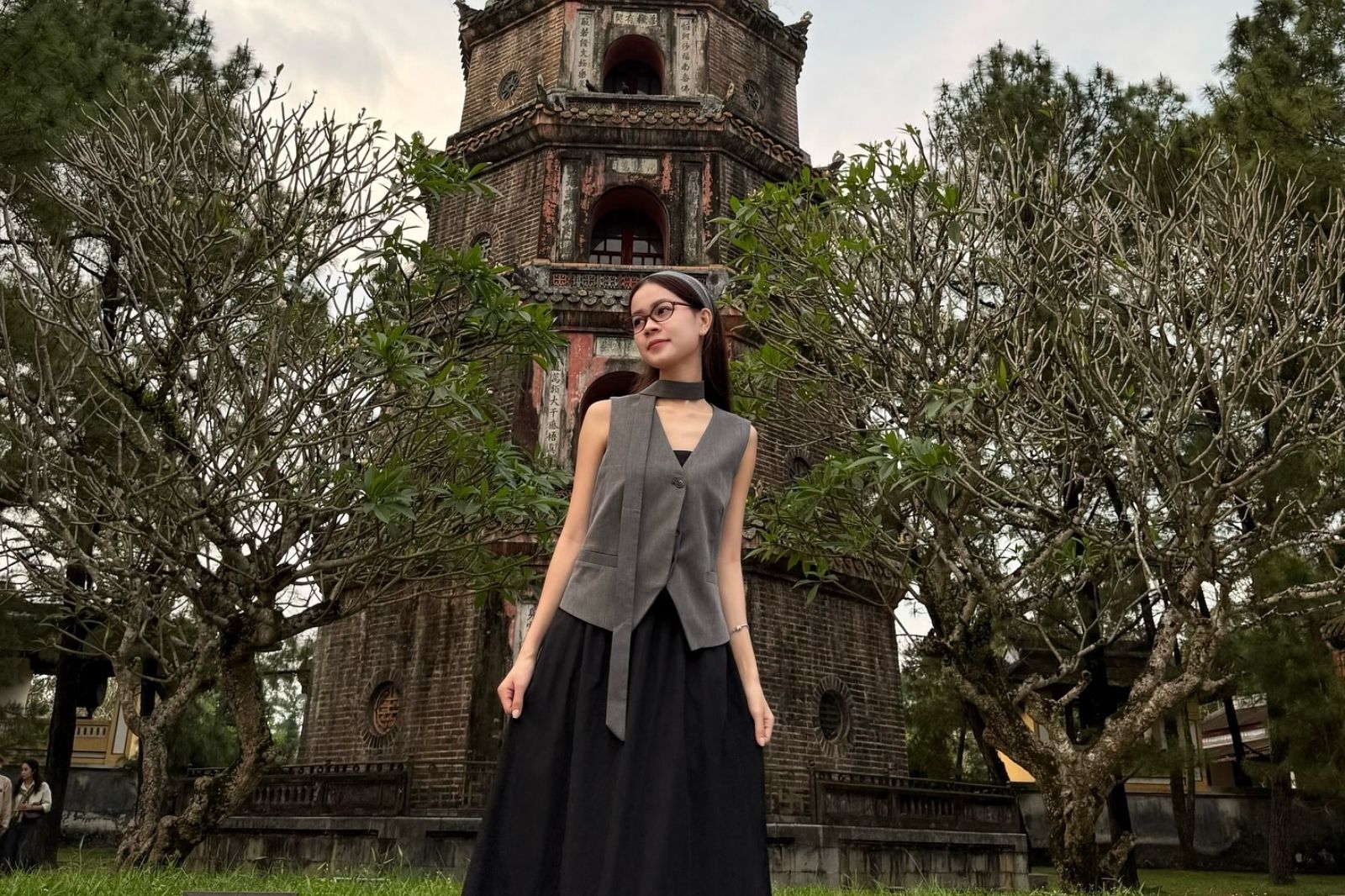
Photo: Visitors taking photos at Thien Mu Pagoda
Attractions Near Thien Mu Pagoda
To enrich your itinerary, you can combine your visit with famous attractions near the pagoda:
Hue Imperial Citadel (4km away): The cultural and historical center of the Nguyen Dynasty, preserving many unique architectural masterworks.
Truong Tien Bridge (6km away): The iconic symbol of Hue, breathtaking at night when illuminated with shimmering lights.
Dong Ba Market (5km away): The premier spot to purchase Hue specialties such as sesame candy (me xung), fermented sour shrimp, or souvenirs.
Minh Mang Tomb (10km away): An ancient royal tomb set in a tranquil natural landscape.
Huyen Khong Son Thuong Pagoda (8km away): A serene pagoda nestled among mountains and forests, ideal for meditation enthusiasts.
Photo: Combine your trip with nearby attractions
Thien Mu Pagoda is not only a famous tourist attraction in Hue, but also a place to reconnect with inner peace and experience the profound historical and cultural heritage of the ancient capital. Hopefully, the information in this travel guide helps you enjoy a peaceful, complete, and memorable journey. Don't forget to dress appropriately and plan your schedule to fully discover the timeless beauty of the "First Ancient Pagoda" beside the Perfume River.
If you want to save time and experience a professionally guided journey, check out the Thien Mu Pagoda tour by Sovaba Travel - an ideal choice to discover Hue with a well-planned itinerary, dedicated guide, and memorable experiences.