A-TO-Z SELF-GUIDED KON TUM TRAVEL GUIDE: PRACTICAL TIPS AND RECOMMENDATIONS
Kon Tum is not just a destination, but a journey to embrace the untouched beauty of the Central Highlands, bask in tranquil mountain vistas, and discover the distinctive traditions of indigenous communities. Amidst vast forests, roaring waterfalls, and towering communal houses, every moment here inspires a sense of freedom and deep harmony with nature. To ensure your trip goes smoothly, thoughtful preparation will help you savor every second without worrying over the small details. This self-guided Kon Tum travel guide from Sovaba Travel is your trusted companion, offering all the guidance you need for an effortless, rewarding, and memorable adventure!
Kon Tum – A Journey Back to Authentic Values Amidst the Rush of Modern Life
Amidst the hectic pace of modern life, we often yearn for a quiet refuge to slow down, listen to our inner selves, and reconnect with nature away from noise and bustle. Kon Tum is the ideal sanctuary for such a retreat—a land where time seems to slow, where forests maintain their pure wilderness, and where indigenous heritage is cherished across generations.
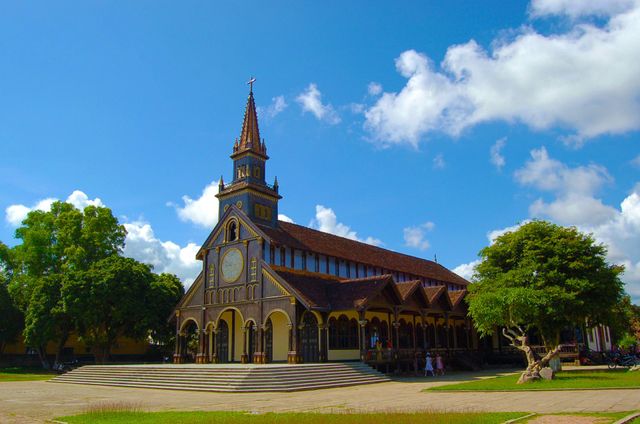
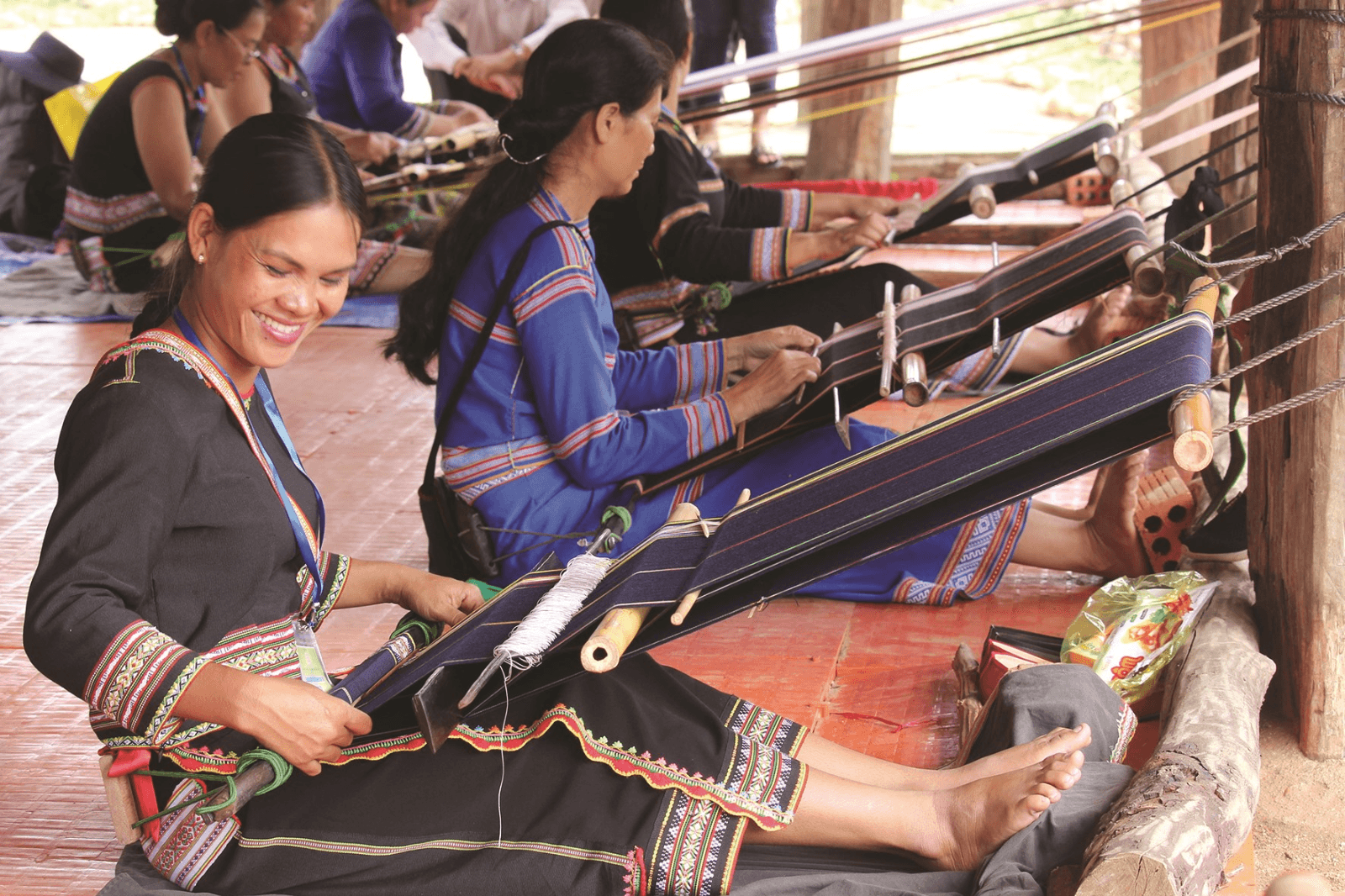
Perched at an elevation of 525m and gently cradled by the tranquil Dak Bla River, Kon Tum enjoys a cool climate year-round along with rich cultural traditions. It is a harmonious crossroads of cultures, where the indigenous Ba Na reside alongside Kinh communities originating from Quang Nam, Quang Ngai, and Binh Dinh, forming a diverse yet cohesive cultural fabric. Visiting Kon Tum, you can admire distinctive architectural masterpieces such as the Kon Tum Wooden Church, the Bishop's House, and soaring communal houses, while engaging with time-honored traditions including Central Highlands gong performances, traditional festivals, woodcarving, brocade weaving, and bamboo basketry.
Photo: Traditional brocade weaving of the Kon Tum people
Far from overcrowded streets and commercial centers, Kon Tum captivates visitors through its rustic simplicity: villages nestled along forest edges, peaceful afternoons by the Dak Bla River, resonating gongs on festival evenings, and ancient wilderness legends shared around glowing hearth fires. Amidst these moments, travelers realize that true happiness often lies not in luxury, but in the simple privilege of slowing down, breathing pure mountain air, and savoring the most genuine gifts of nature and humanity.
Best Time to Visit Kon Tum
Characterized by a tropical monsoon climate, Kon Tum features a pronounced separation between the rainy season and the dry season, each offering its own distinctive charms to visitors.
Rainy Season (May to October)
The rainy season in Kon Tum extends from May to October, accounting for roughly 90% of the annual rainfall. Although downpours occur frequently, this is also the period when nature awakens in lush, vibrant green. For travelers who appreciate peace, crisp air, and do not mind occasional dampness, this remains a fascinating time to explore. The wet season showcases verdant landscapes, majestic old-growth canopies, and thunderous waterfalls cascading in spectacular fashion.
Photo: Dak Ruoi Waterfall in Kon Tum
Dry Season (November to April)
The dry season, running from November to the following April, is the ideal time to travel to Kon Tum. With only 10% of annual precipitation, the weather is dry, sunny, and pleasantly cool—perfect for outdoor pursuits such as trekking, touring traditional villages, scaling Ngoc Linh Mountain, or exploring nature reserves. Furthermore, the dry season coincides with traditional festivals and cultural festivities, filling the region with festive energy.
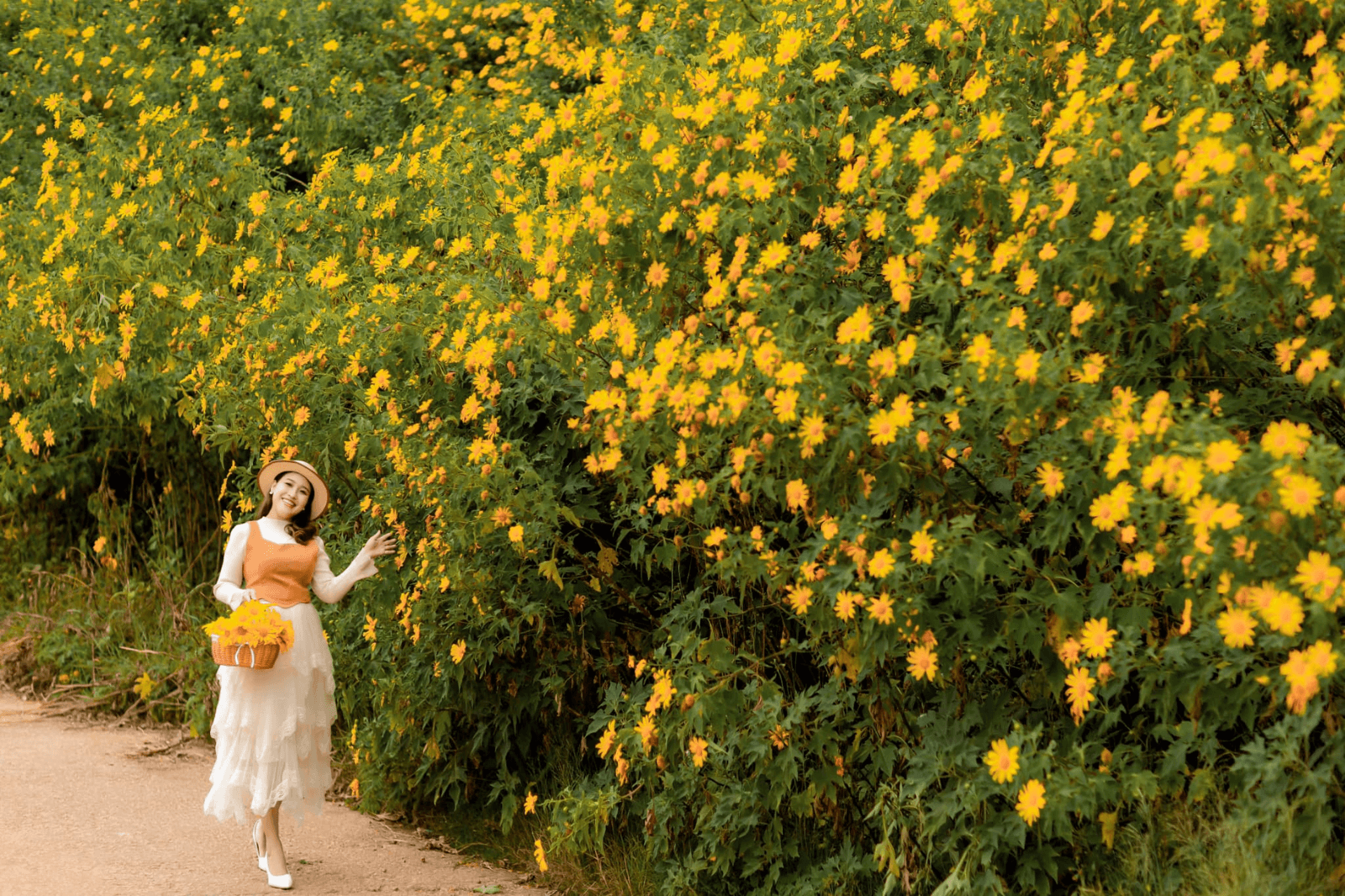
In November, wild sunflowers begin to carpet the Central Highlands hillsides in brilliant yellow, creating an enchanting backdrop across Kon Tum. This is a marvelous time for photography enthusiasts and nature admirers. From December to March, wild Himalayan cherry blossoms burst into bloom across the slopes, painting the landscape with soft pink hues against evergreen backdrops. This is widely considered one of the finest seasons to experience Kon Tum, combining blooming cherry blossoms with crisp, dry mountain weather.
Photo: Wild sunflower season in Kon Tum
In summary, November through March represents the peak travel window for Kon Tum, boasting cool, dry conditions and blooming hillsides of wild sunflowers and cherry blossoms. However, for those seeking raw, untamed wilderness and lush green scenery, the rainy season from May to October remains a rewarding choice.
Entrance Ticket Prices for Attractions in Kon Tum – 2026 Update
Blessed with majestic nature and rich cultural heritage, Kon Tum is an appealing destination for anyone eager to explore the Central Highlands. Most sightseeing attractions in Kon Tum offer free admission, making it convenient for travelers to visit historical and cultural landmarks without budget concerns. Nonetheless, a few specific spots do require entry tickets. Below is the updated 2026 ticket pricing for prominent attractions in Kon Tum:
Free Sightseeing Attractions
Most famous attractions in Kon Tum do not charge entrance fees, allowing easy access to remarkable historical landmarks, architectural wonders, and natural scenery.
Kon Tum Wooden Cathedral: An exquisite historic wooden church blending Western Romanesque architecture with indigenous Central Highlands craftsmanship.
Kon Klor Communal House: The focal point of community gatherings for the Ba Na people and an enduring cultural symbol of the Central Highlands.
Kon Tum Bishop's House: Remarkable architecture set atop a scenic hill, commanding expansive views of the area.
Dak Bla River: A legendary river with picturesque banks, ideal for boat excursions and leisurely fishing.
Chu Mom Ray National Park: A protected nature reserve with rich flora and fauna, perfect for eco-tourism enthusiasts.
Dak To Victory Monument: A historic site commemorating pivotal wartime battles.
Kon K'Tu Cultural Village: A traditional Ba Na village showcasing preserved architectural heritage and customary lifestyle.
Yaly Waterfall: One of the most picturesque waterfalls in the Central Highlands, offering sweeping scenic vistas.
Bac Ai Pagoda: A historic Buddhist temple dedicated to preserving local spiritual and cultural heritage.
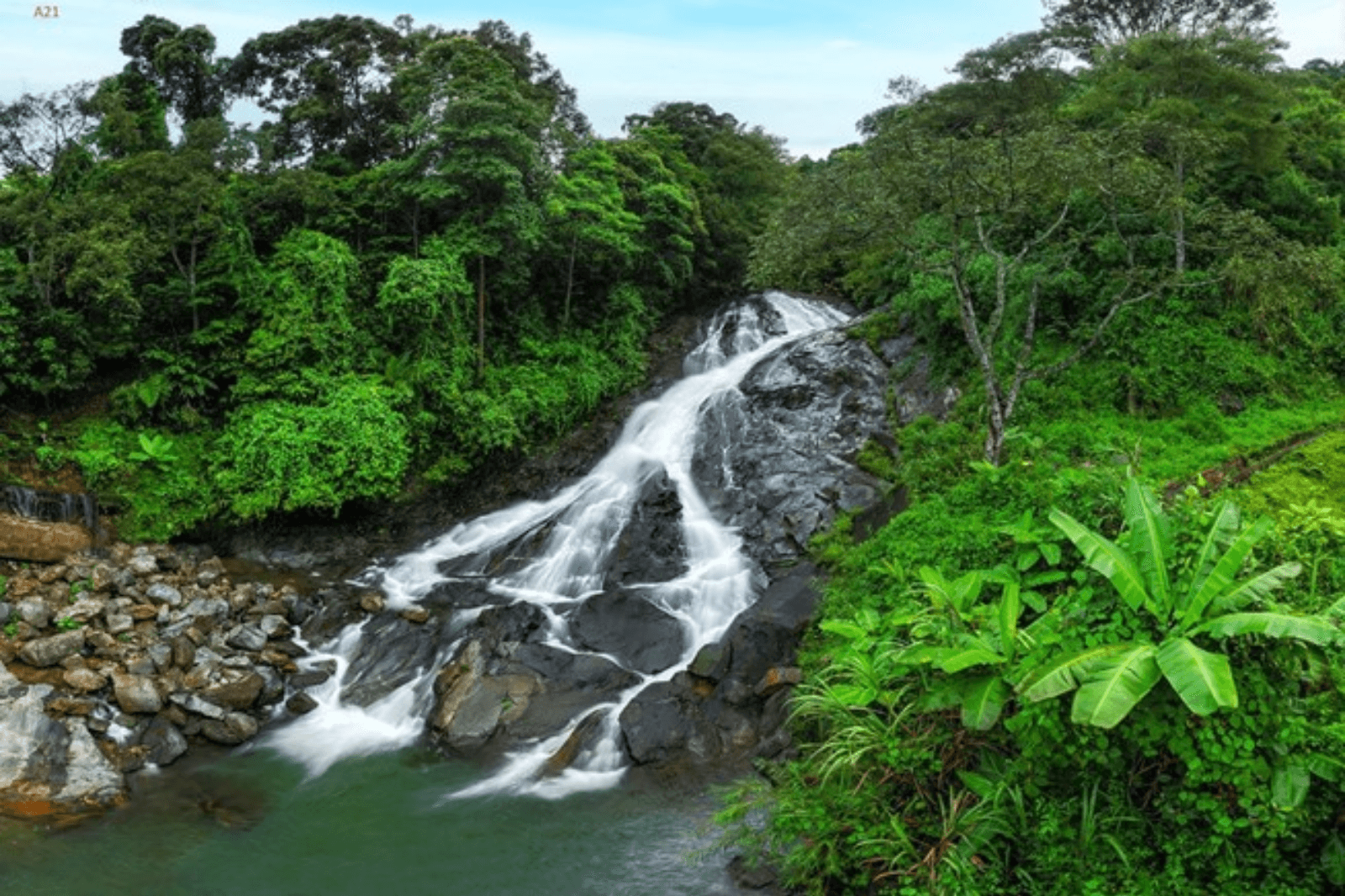
Among the paid attractions in Kon Tum is Pa Sy Waterfall, where visitors can admire the thunderous cascade framed by pristine forest surroundings.
Pa Sy Waterfall Ticket Prices (2026):
Adults: 20,000 VND/ticket
Children taller than 1.2m: 20,000 VND/ticket
Children under 1.2m: Free
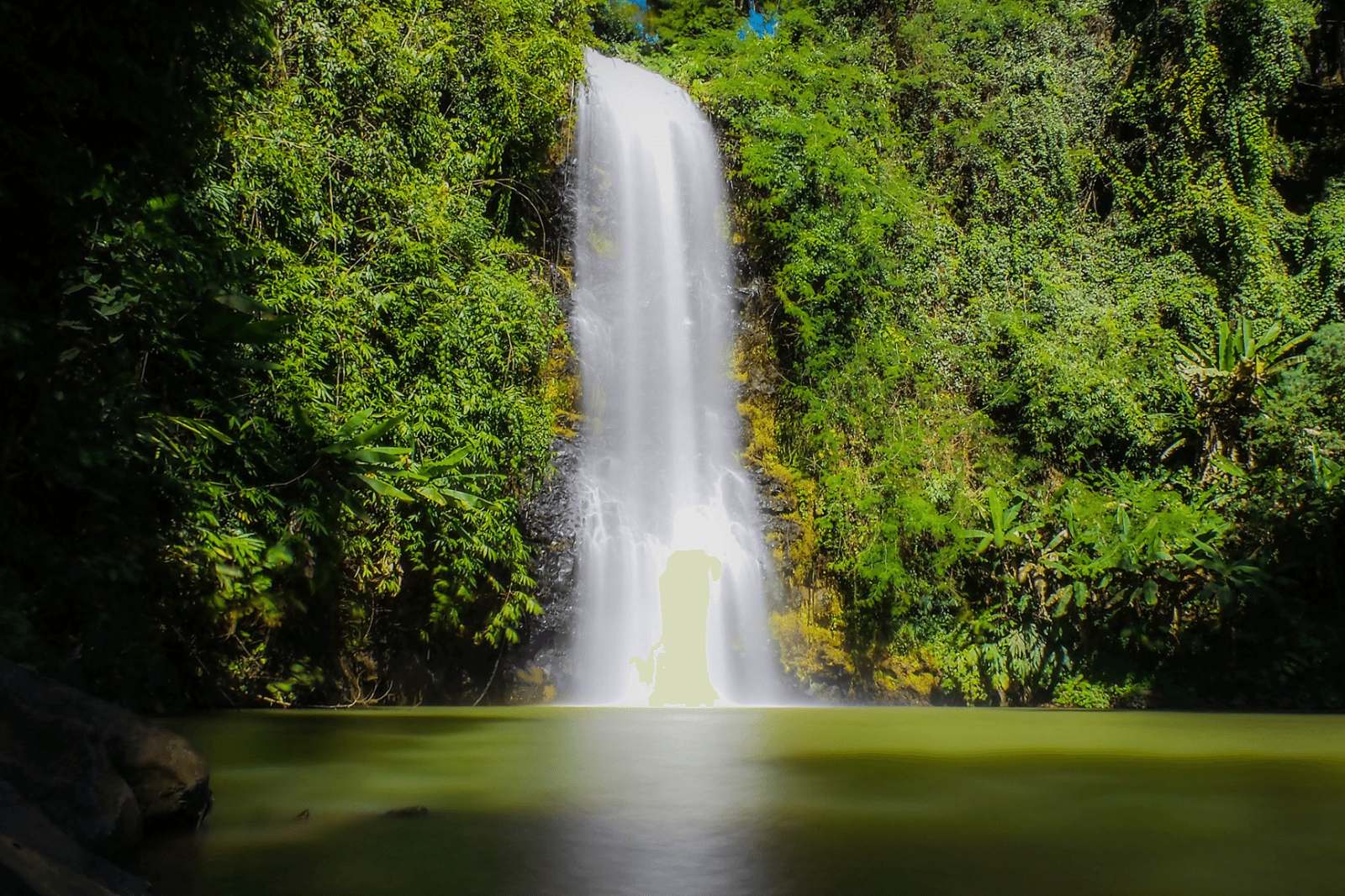
Pa Sy Waterfall is one of Kon Tum's most renowned natural highlights, nestled in untamed wilderness and favored by nature explorers and landscape photographers.
Photo: Pa Sy Waterfall Kon Tum
Visiting free attractions throughout Kon Tum helps keep your travel budget manageable, though you should remain respectful of local customs and adhere to safety regulations, especially in nature reserves. Pa Sy Waterfall is one of the few spots charging admission, so carrying some cash on hand is recommended.
Transportation Guide to Kon Tum
Thanks to its awe-inspiring wilderness and unique cultural identity, Kon Tum is rapidly growing as a favored destination in the Central Highlands. Depending on your departure point, budget, and travel preferences, you can choose from various transportation options. Below is practical transit advice along with estimated costs for popular travel methods:
Traveling by Air
Kon Tum does not have its own commercial airport, but you can fly to nearby Pleiku Airport (Gia Lai) and continue by bus, shuttle, or private car to Kon Tum. Pleiku Airport is situated approximately 50km from Kon Tum, easily connected via taxi or local bus.
Estimated costs:
Flight tickets (Ho Chi Minh City – Pleiku): 1,000,000 – 2,500,000 VND/ticket (depending on airline and travel dates).
Taxi from Pleiku Airport to Kon Tum: Around 400,000 – 500,000 VND/trip.
Traveling by Sleeper Bus
If you prefer an economical and leisurely journey, intercity sleeper buses from major cities to Kon Tum provide a comfortable option. Direct coaches connect Ho Chi Minh City, Da Nang, Quy Nhon, and Hanoi to Kon Tum.
Popular bus routes:
Ho Chi Minh City – Kon Tum: Travel time approximately 14-16 hours.
Da Nang – Kon Tum: Travel time approximately 6-7 hours.
Quy Nhon – Kon Tum: Travel time approximately 5-6 hours.
Estimated costs:
Bus ticket from Ho Chi Minh City – Kon Tum: 300,000 – 500,000 VND/ticket.
Bus ticket from Da Nang – Kon Tum: 150,000 – 250,000 VND/ticket.
Bus ticket from Quy Nhon – Kon Tum: 120,000 – 200,000 VND/ticket.
Traveling by Private Car
Driving a private car or renting one offers great flexibility over your travel schedule. This is an excellent choice for families or travel groups who want to explore scenic stops along the way.
From Ho Chi Minh City, Da Nang, or Hue to Kon Tum:
From Ho Chi Minh City: Distance around 650km, travel time approximately 13 hours.
From Da Nang: Distance around 300km, travel time approximately 6 hours.
From Hue: Distance around 350km, travel time approximately 7 hours.
Estimated costs:
Car rental (7-seater, daily rate): 1,500,000 – 2,500,000 VND/day (depending on car model).
Fuel expenses: Approximately 500,000 – 700,000 VND for Ho Chi Minh City – Kon Tum route.
Traveling by Motorbike
For adventurous spirits who love road trips and want to uncover every hidden gem along the route, traveling by motorbike delivers an exhilarating journey. However, riding a motorbike requires long-distance riding experience and light packing, as the journey involves substantial distances and winding mountain passes.
Estimated costs:
Motorbike rental in Kon Tum: 120,000 – 180,000 VND/day.
Fuel: Riding from Ho Chi Minh City to Kon Tum (650km) requires around 500,000 VND for fuel.
Getting Around Within Kon Tum
Once in Kon Tum, you can easily commute between landmarks using the following services:
Taxi: Approximately 12,000 – 15,000 VND/km (reliable operators include Mai Linh and Vinasun).
Motorbike taxi (Xe om) or electric shuttle cart: Around 30,000 – 50,000 VND/short ride.
Motorbike rental: 120,000 – 180,000 VND/day.
Kon Tum is easily accessible through various transit methods, from quick flights to budget-friendly coaches and flexible private vehicles. Whether traveling solo, with family, or among friends, select the transportation that best fits your travel plans for a seamless adventure in the Central Highlands!
Distinctive Culinary Specialties of Kon Tum
When mentioning Kon Tum, travelers envision not only endless primeval forests and towering communal houses, but also distinctive mountain delicacies deeply rooted in the Central Highlands. A visit to Kon Tum is incomplete without sitting by a glowing fire and tasting hearty rustic dishes, each offering a window into local culture, traditions, and hospitality.
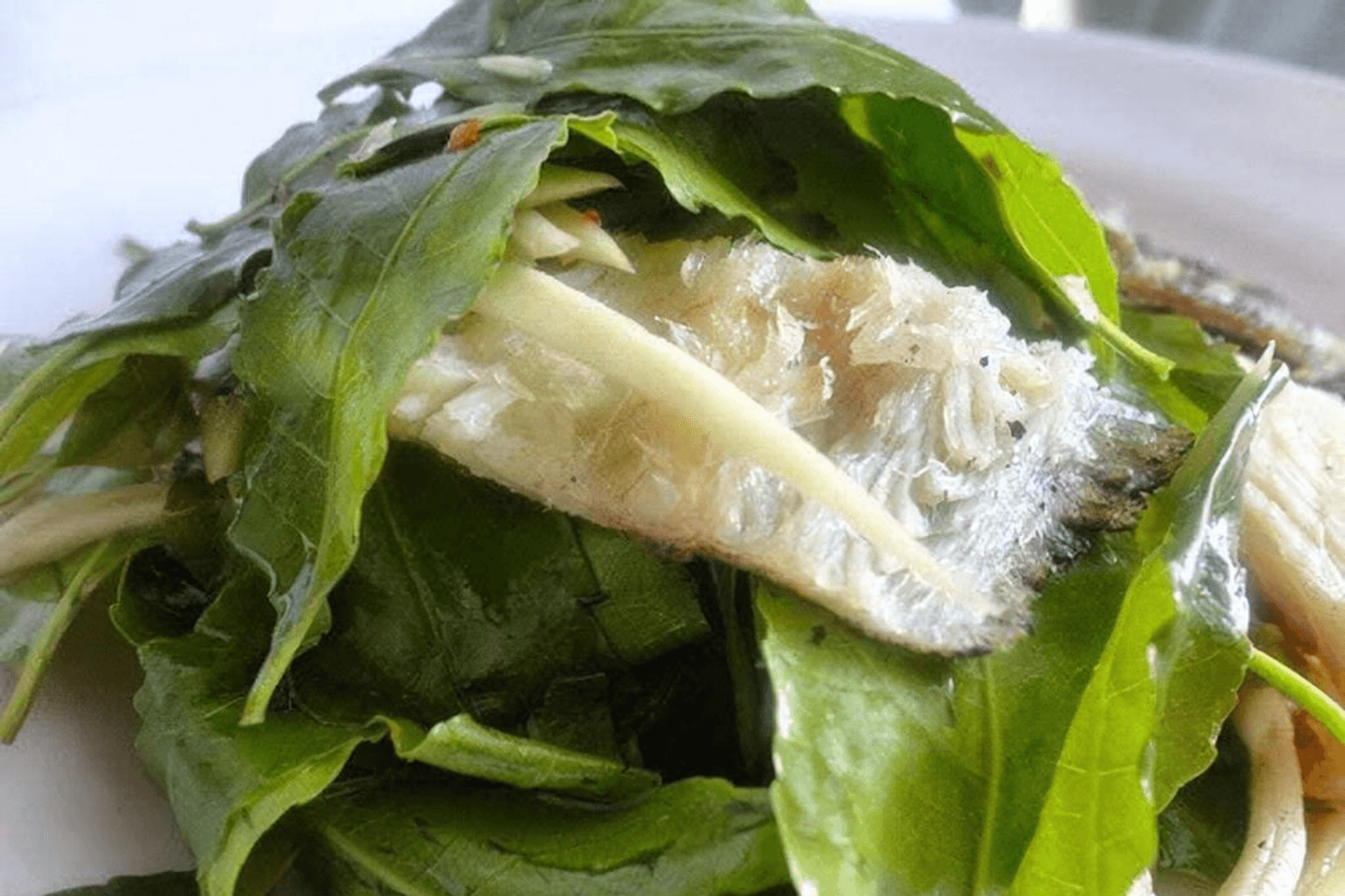
Kon Tum cuisine is unpretentious and simple, yet it embodies the spirit of this mountain land. Traditional jar wine, sipped through communal bamboo straws, serves not merely as a drink but as a cherished bond connecting community members during village festivals. Fermented sour fish—a unique specialty of the Ba Na—is naturally fermented with mountain leaves to produce an aromatic, refreshing tartness found nowhere else. Roasted pork, grilled chicken, and bamboo-tube rice are familiar Central Highlands classics prepared through traditional woodfire techniques handed down across generations. Every skewered roast, fragrant tube of sticky rice, and golden grilled chicken carries the distinctive aroma of the mountain forest.
Photo: Savoring fermented sour fish in Kon Tum
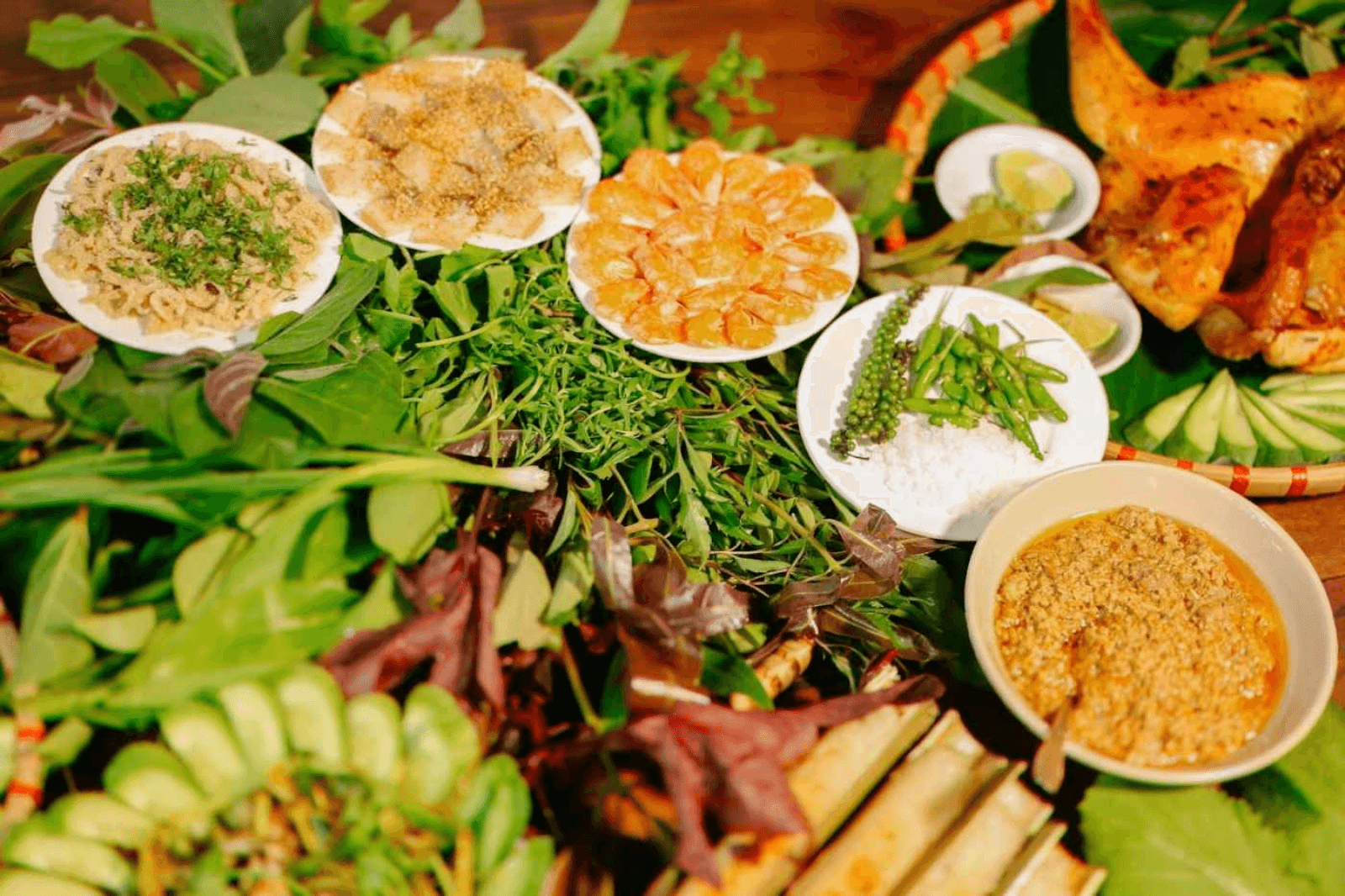
Yet that is only the beginning of Kon Tum's culinary repertoire. Forest leaf salad (Goi la) is an iconic specialty where a single roll combines over 40 varieties of medicinal and wild forest leaves, each lending its own flavor and health benefit to create a roll that captures the essence of the Central Highlands forest. Weaver ant stream fish salad is a daring specialty for intrepid food lovers, blending the sweetness of fresh river fish with the tangy richness of weaver ants. In addition, stir-fried cassava leaves represent a beloved rustic staple closely tied to indigenous daily life, delivering simple yet comforting flavors when paired with steaming hot rice.
Photo: Mountain culinary flavors in forest leaf salad
Kon Tum cuisine is not merely about food; it represents living traditions and shared memories preserved through generations. Every meal is a meaningful opportunity to gather, converse, and share tales amidst the grand mountain forests. Leaving Kon Tum without sampling these ethnic specialties means missing a vital piece of the journey—the warm hospitality, hearty tastes, and heartfelt traditions of the Central Highlands.
Accommodations in Kon Tum – Immersing in the Central Highlands Lifestyle
Kon Tum, a fascinating destination in the Central Highlands, differs markedly from commercialized tourist cities. This land preserves pure natural beauty, crisp air, and traditional indigenous customs. Visiting Kon Tum, you will not only witness majestic nature, but also have the chance to immerse yourself in local daily life through unique and memorable lodging experiences.
Experiencing an Overnight Stay in a Stilt House
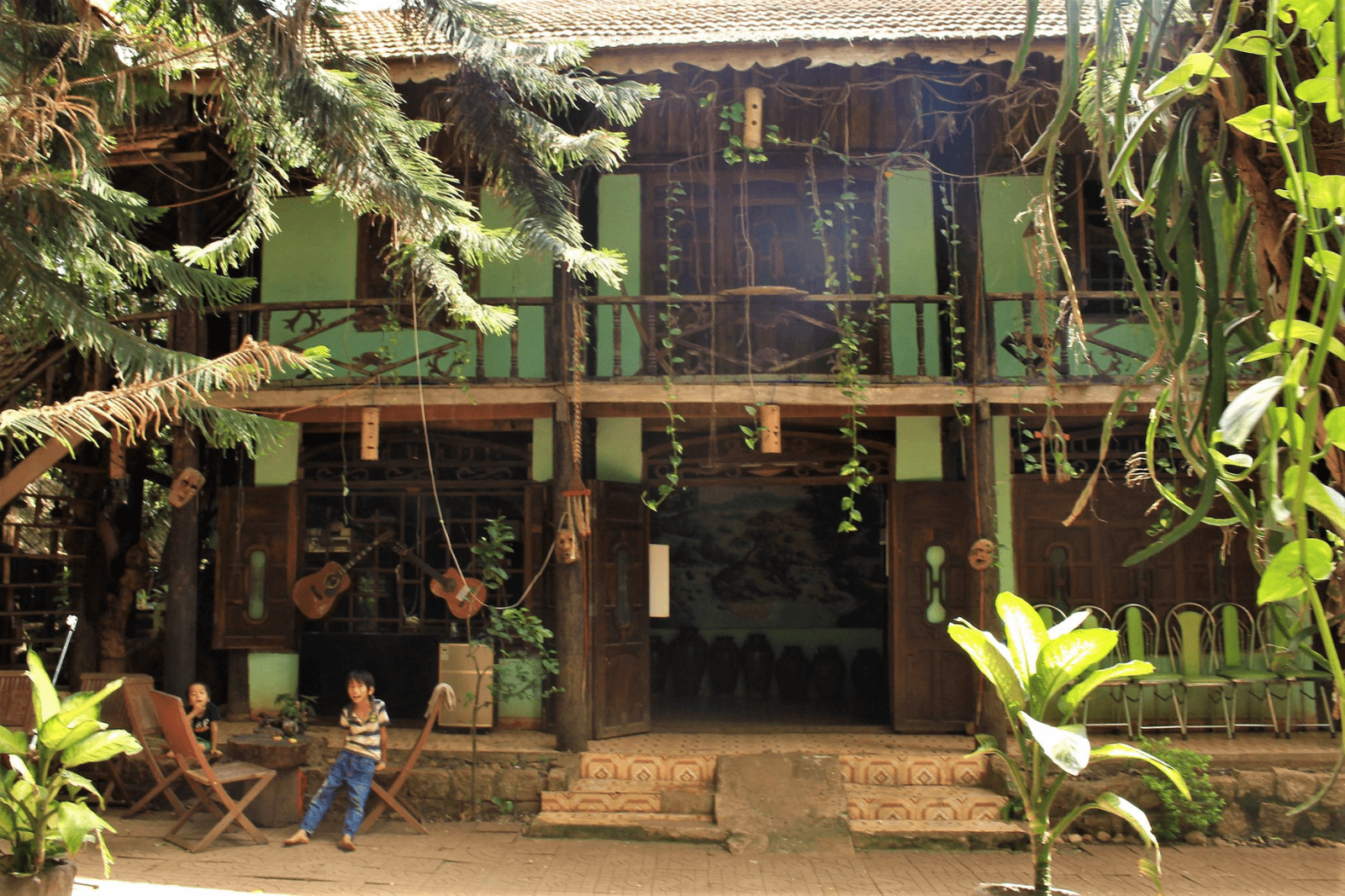
One of the most extraordinary experiences in Kon Tum is spending the night in a traditional stilt house of the Ba Na or Xo Dang people. Built predominantly from wood and bamboo, these structures serve as both homes and community hubs where village legends and ancient traditions are treasured.
Staying in a stilt house allows you to hear folk stories from village elders, attend lively gong performances, enjoy ethnic dishes, and gather for cozy evenings around the central hearth fire. It offers a wonderful gateway to understanding the customs and community bonds of the Central Highlands peoples.
Hotels
While Kon Tum maintains its raw charm, hospitality infrastructure has developed substantially, offering modern amenities while respecting local character. City hotels provide welcoming, comfortable retreats after an active day of exploration.
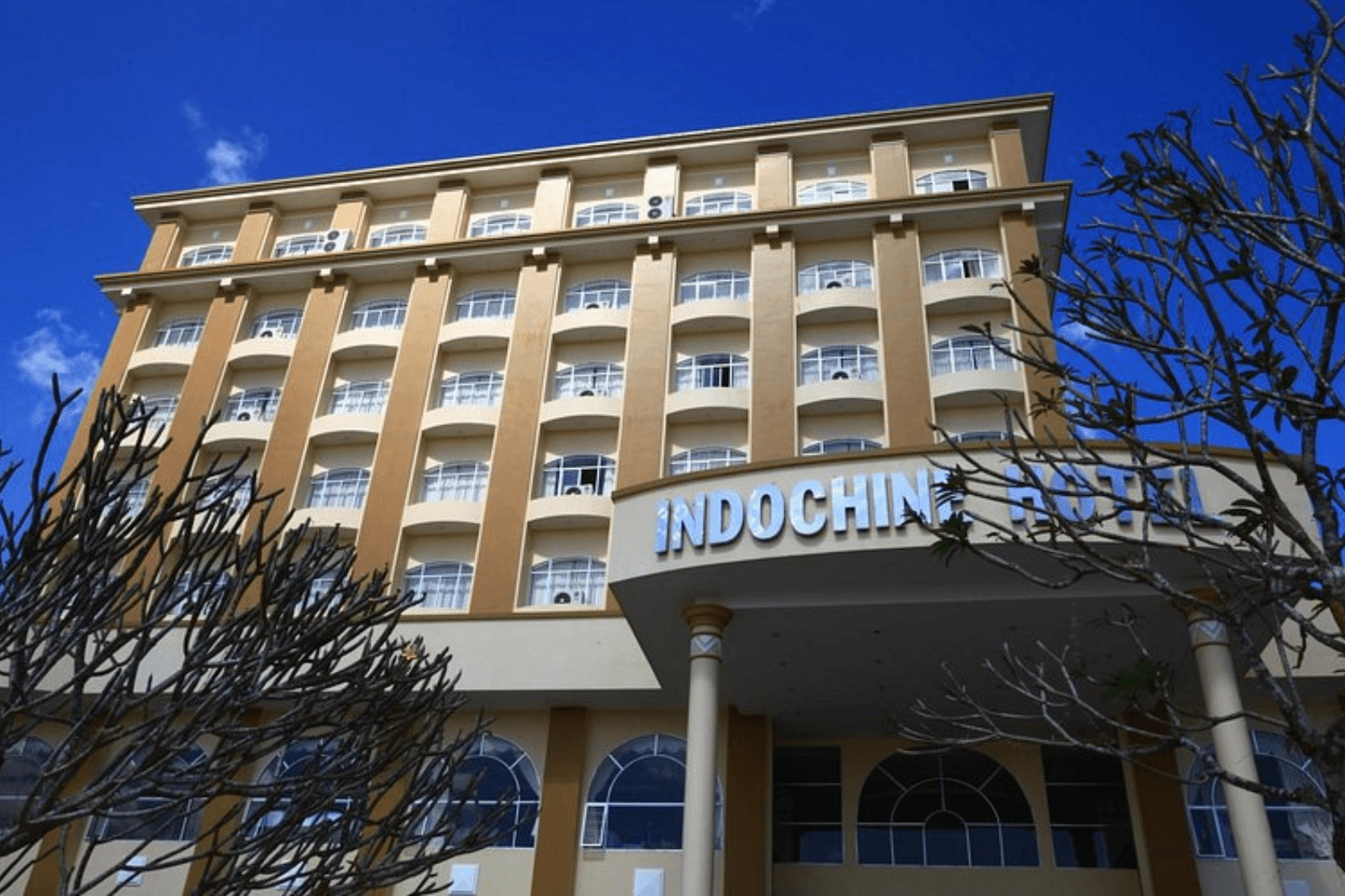
Recommendations: Indochine Hotel Kon Tum, Bong Villa Hotel & Apartment, Sacl Hotel, Konklor Hotel, Xa Nu Hotel...
Photo: Indochine Hotel Kon Tum
Homestays
Alongside hotels, homestays are the ideal choice for travelers wanting an authentic, close connection with local lifestyles. Numerous well-managed homestays in Kon Tum offer cozy accommodations while introducing guests to Central Highlands living.
Recommendations: Homestay A Biu (Plei Klech Village, Ngoc Bay Commune), Homestay A Kam, Homestay Y Le (Kon K'tu Village, Dak Ro Wa Commune)...
Photo: Homestay A Biu
Kon Tum offers varied lodging options, from modern hotels and tranquil eco-resorts to rustic, budget-friendly homestays. If you are planning a trip focused on nature and local culture, pack lightly, particularly if you intend to stay overnight in a stilt house. Homestays and village lodges provide simple yet memorable hospitality, and bringing personal essentials will ensure your trip remains smooth and enjoyable.
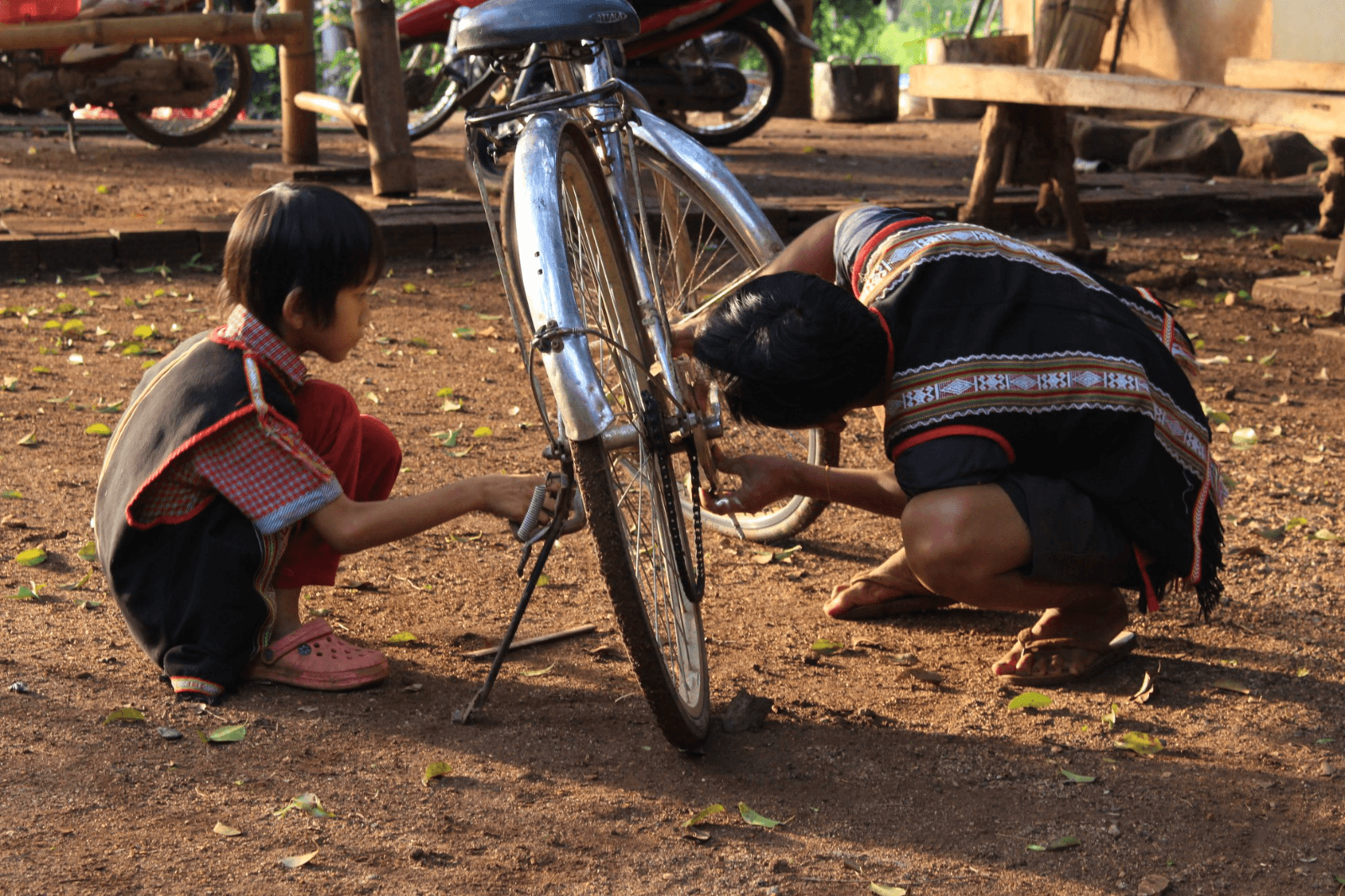
Photo: Daily life of the Kon Tum people
Kon Tum is not only a travel destination, but also a sanctuary preserving the authentic essence of Central Highlands nature and culture. Whether wandering through emerald forests, listening to gongs echoing in the night, or savoring regional dishes, every moment spent here delivers unforgettable memories. We hope this comprehensive guide provides valuable insights to help you prepare for a rewarding journey in Kon Tum. If you desire a professionally curated itinerary that maximizes your experience and removes all travel hassles, Sovaba Travel is always here to assist. Contact us today for personalized guidance and bookings for your Kon Tum travel tour, turning your Central Highlands adventure into a treasured memory!