Co Vien Lau in Ninh Binh: Ancient Cultural Space and Guide to Visiting the Old Village

Northern

Ninh Binh

Sovaba.travel

Updated at: 24/09/2026

1. Where is Co Vien Lau?

Co Vien Lau is located in Ninh Hai Commune, Hoa Lu District, Ninh Binh Province, right in the buffer zone of the Trang An World Heritage Complex. This destination is adjacent to the Tam Coc boat pier, along the path leading to Thai Vi Temple (worshipping the kings of the Tran Dynasty). From the center of Ninh Binh City, it only takes about 7-10 km to get here.

Co Vien Lau Ancient Vietnamese Village is a complex of around 20-22 ancient houses collected from provinces across the Northern Delta. Covering an area of about 20,000mยฒ, it recreates a traditional Vietnamese rural space from the 17th to the 20th centuries. It used to be a prominent tourist spot seamlessly combined with the journey to explore Trang An - Tam Coc.
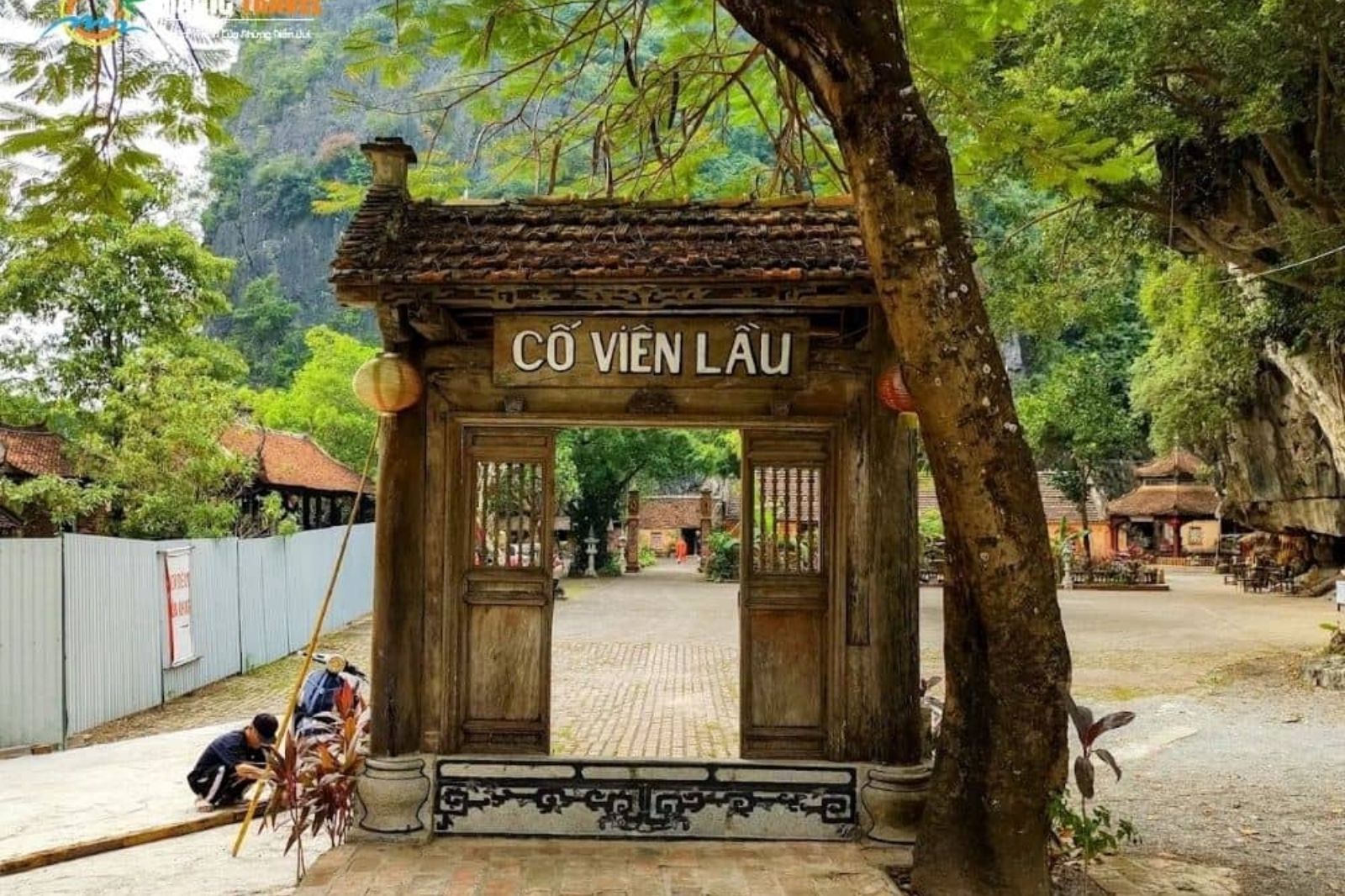
Co Vien Lau, also known as the Ancient Vietnamese Village
Photo: Co Vien Lau, also known as the Ancient Vietnamese Village 

2. History of Co Vien Lau

Co Vien Lau was originally the name of an ancient village dating back to the Dinh โ€“ Le Dynasties, about 1,000 years ago. Through numerous historical fluctuations and wars, the village was gradually destroyed and faded away. In 1990, the owner of the land began restoring and collecting ancient houses from various provinces in the Northern Delta, mainly Ninh Binh, Thanh Hoa, Nam Dinh, and Ha Nam. A total of about 20โ€“22 ancient houses were relocated and reconstructed, each aged between 100 to nearly 200 years, deeply imbued with the traditional architectural marks of the Nguyen Dynasty and earlier periods.

In 2008, this complex of ancient houses was officially brought into operation within the Tam Coc โ€“ Bich Dong tourist area, becoming a unique attraction that recreates a miniature ancient Vietnamese village in the ancient land of Hoa Lu. The old wooden houses, mossy tiled roofs, and vintage daily objects contributed to introducing the architectural beauty and traditional culture of the Northern Delta region.

This place was once a favorite film set for many film crews thanks to its authentically ancient space. Although recent reports indicate that the area has degraded somewhat (overgrown grass, some structures in need of repair), the cultural and historical value of Co Vien Lau remains very much worth experiencing.

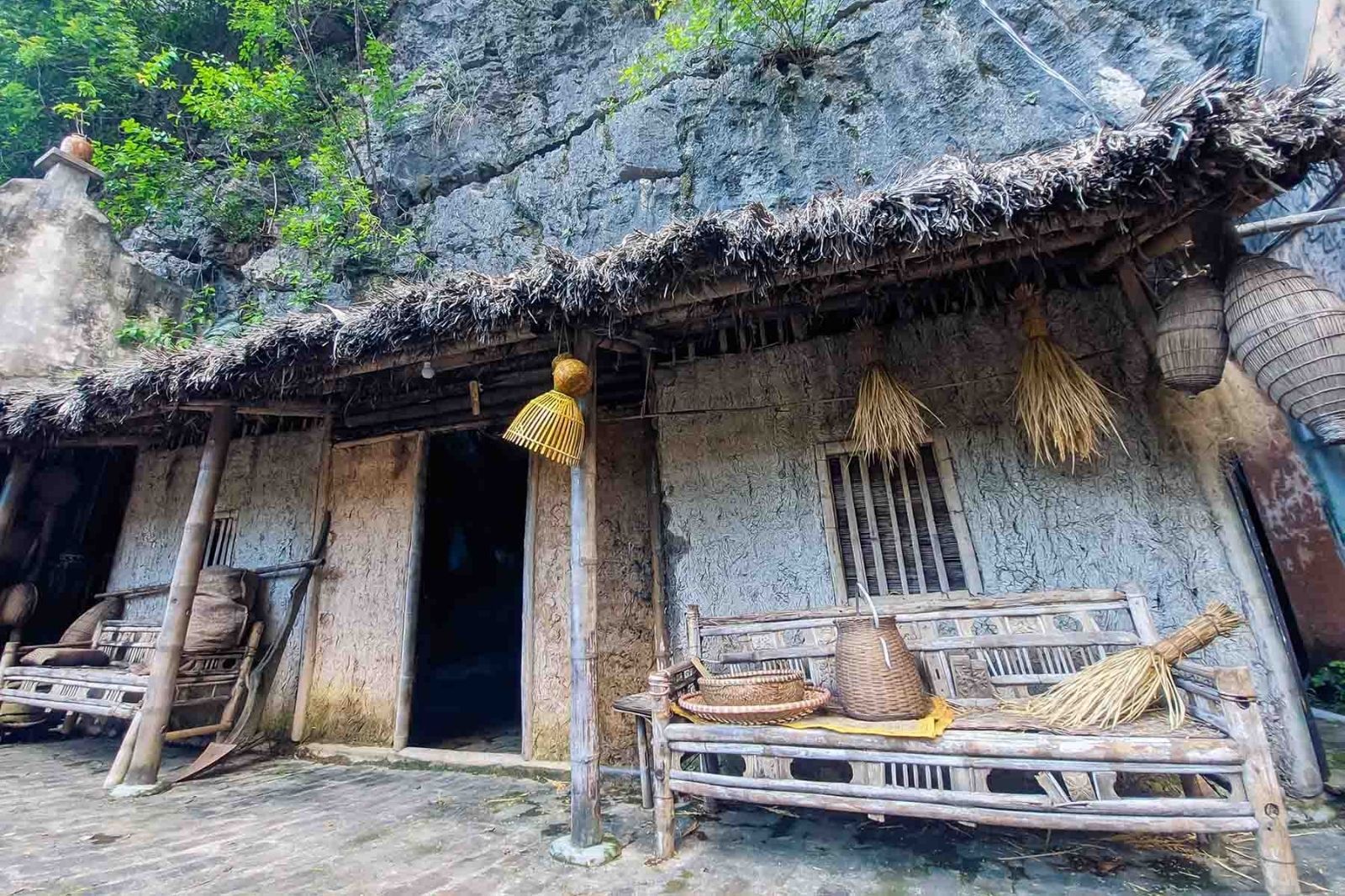
Rural ancient house at Co Vien Lau
Photo: Rural ancient house at Co Vien Lau 

3. Unique architecture of Co Vien Lau

Co Vien Lau is clearly divided into two zones: rich houses (nobles, village heads, mayors) and poor houses (labourers, servants), along with a central communal house just like a traditional ancient Vietnamese village.

Some prominent houses you shouldn't miss (when still accessible):

  • Luu Phuong Ancient House (Kim Son, Ninh Binh): 5 bays 2 wings, Thanh Hoa chinaberry wood, over 100 years old, currently serving as a reception desk and artifact display.
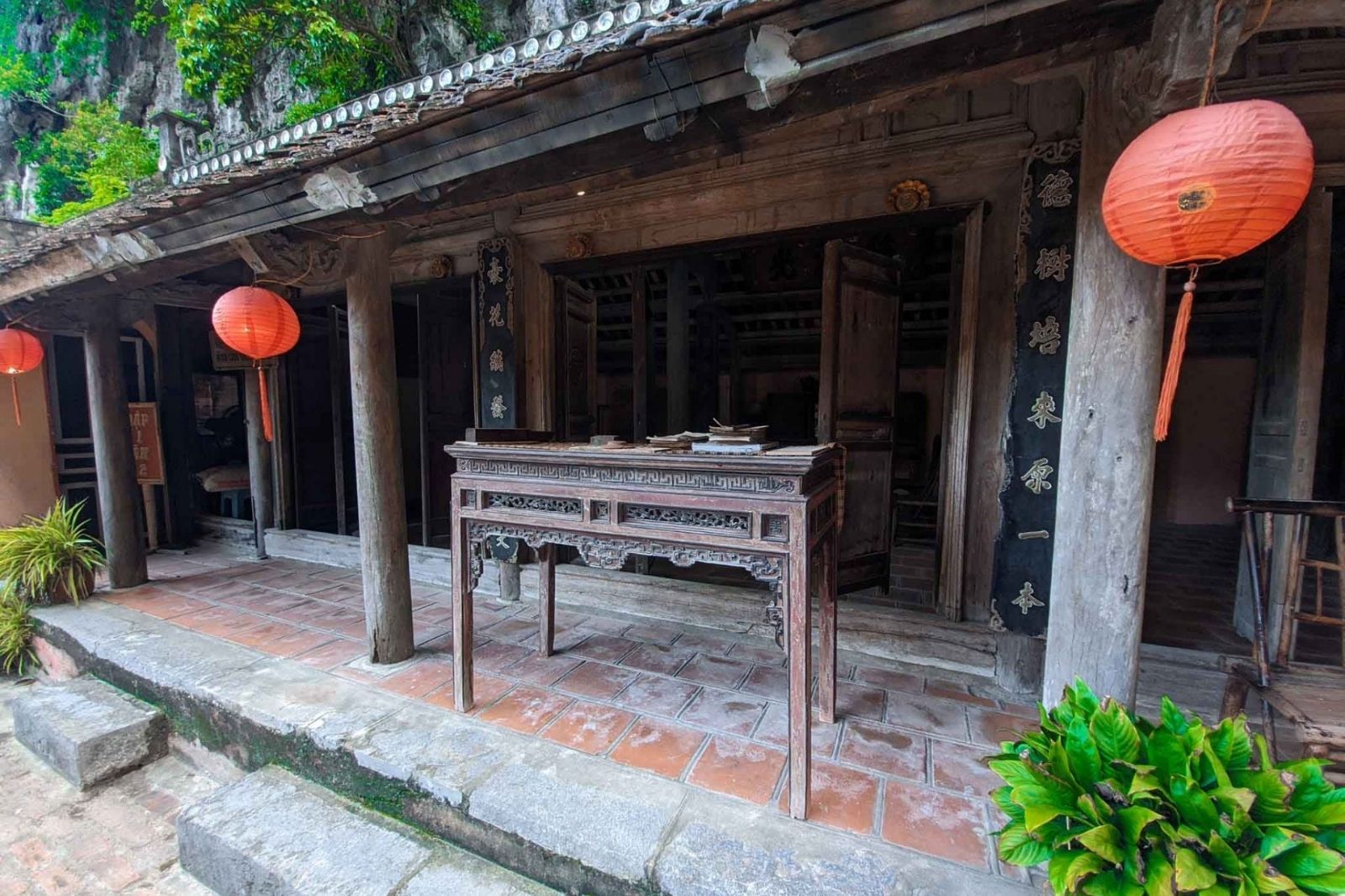
  • Y Yen Ancient House (Nam Dinh, built in 1883): Displays a collection of celadon and brown-glazed ceramics from the Ly Dynasty (12thโ€“13th century).
  • Tho Xuan Ancient House (Thanh Hoa, nearly 200 years old): Architecture featuring "ancient goose-neck front veranda beam", displaying over 100 Gia Long era dragon jars โ€“ the largest collection in Vietnam.
  • Khanh Hoa Ancient House (Yen Khanh, Ninh Binh): Scholar house structure, horizontal lacquered boards and parallel couplets, gu-wood couches, and 18thโ€“19th century porcelain.
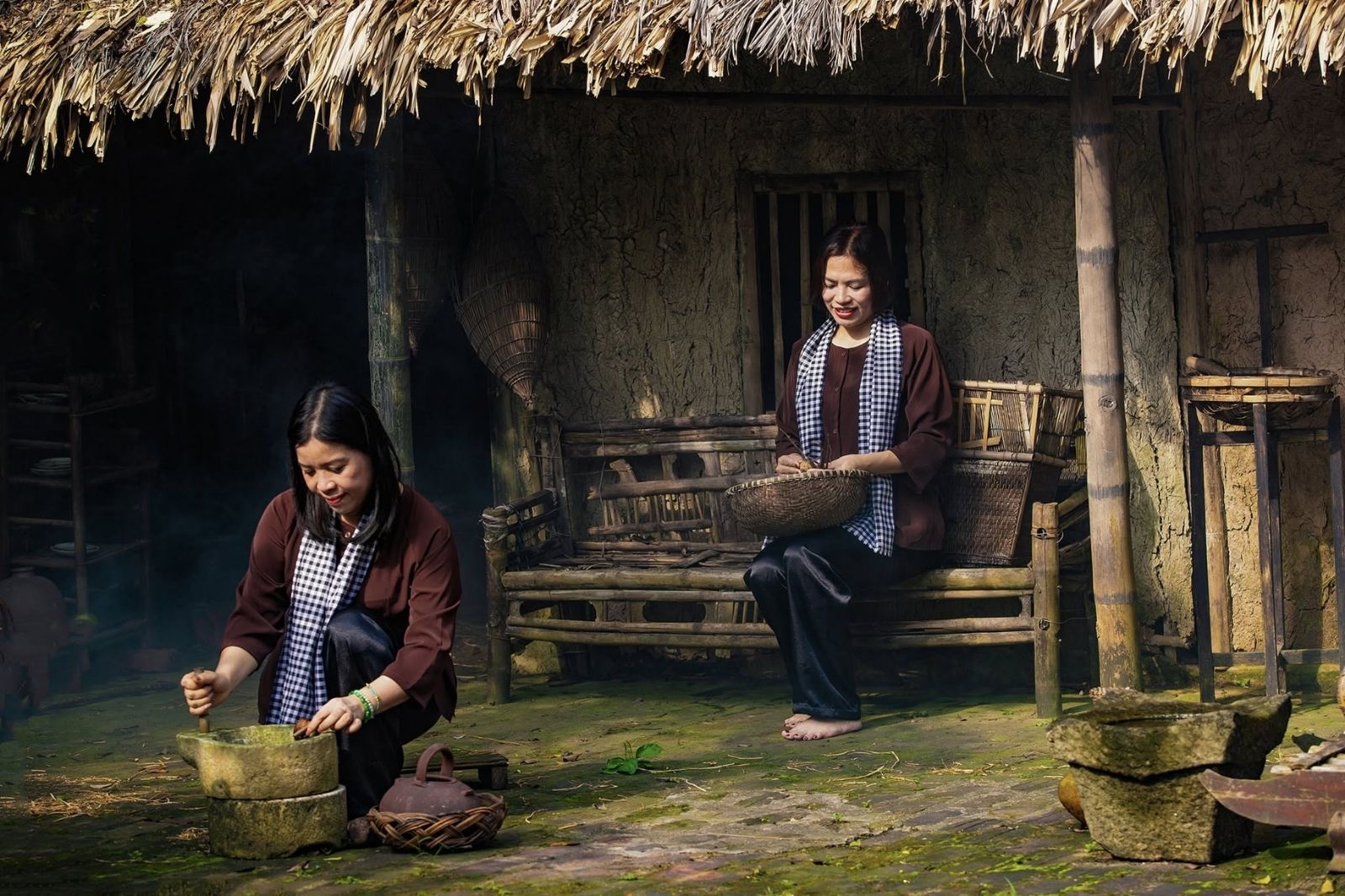
  • Rural Ancient Village (Mrs. Dau's House): Original restoration of early 19th-century mud houses โ€“ thatched roofs, clay floors, bamboo benches, haystacks, vegetable gardens, bamboo fences... faithfully recreating peasant life.
  • Thanh Liem Ancient Communal House (Ha Nam): 7 bays, 28 ironwood pillars, carvings of the four seasons (Pine โ€“ Deer โ€“ Apricot โ€“ Chrysanthemum), located right at the center of the village.

Each house utilizes traditional materials: chinaberry wood, fish-scale tiles, handcrafted red brick floors, and intricate carvings. The peaceful atmosphere with lines of betel trees, water wells, brick yards, and banyan trees... makes you feel as if you stepped back into an 18thโ€“19th century Northern village.

Co Vien Lau reflects the beauty of Northern Vietnamese countryside
Photo: Co Vien Lau reflects the beauty of Northern Vietnamese countryside 

4. Unmissable experiences when visiting Co Vien Lau

Stepping into Co Vien Lau is not just a sightseeing tour, but a journey to touch the old rhythm of life in Northern Vietnamese villages. Amidst the quiet and tranquil space, every experience here brings a slow, profound, and nostalgic feel.

When visiting Co Vien Lau, don't miss out on these experiences:

  • Stroll through each ancient house, observing the architectural details, wooden structures, and time-worn interior items up close.
  • Take check-in photos in traditional attire, a popular choice favored by many visitors and outdoor photography teams due to the rustic, culturally rich backdrop.
  • Enjoy the peaceful ambiance along the Ngo Dong River, listen to the birds singing and the breeze rustling, allowing your mind to drift away from the fast-paced life.
  • Combine your visit with nearby attractions like Tam Coc โ€“ Bich Dong or Thai Vi Temple to make your journey more complete and rich in experiences.
  • Listen to the stories behind each ancient house from tour guides to better understand the life, customs, and historical values preserved here.

A visit to Co Vien Lau leaves visitors with a rare sense of tranquility, a space where past and present intersect, enough for you to slow down, feel, and appreciate the ancient cultural values still intact in the heart of Ninh Binh.

5. Tips for visiting Co Vien Lau Ninh Binh

With its quiet, mossy atmosphere and lingering nostalgic charm behind its fence, Co Vien Lau evokes a beautiful past. Below is a detailed guide to help make your journey safe and meaningful.

How to get to Co Vien Lau

From Hanoi:

  • Distance about 100 km
  • Bus from Giap Bat or My Dinh stations: 150,000 โ€“ 200,000 VND (1.5โ€“2 hours)
  • Train: 100,000 โ€“ 250,000 VND
  • Motorbike/Car via Phap Van โ€“ Cau Gie Highway: about 1.5 hours

From Ninh Binh city center:

  • 7 km away
  • Motorbike rental: 100,000 โ€“ 150,000 VND/day, travel via Trang An road or Highway 1A โ€“ DT 491C
  • Taxi: 80,000 โ€“ 120,000 VND
  • Bus: routes 01, 03, 19
  • Located near Tam Coc boat pier, bordered by Thai Vi Temple to the East

Ticket prices and opening hours

Currently, the Co Vien Lau ancient house complex is entangled in a prolonged legal dispute. Therefore, part of the area has not been effectively preserved and operated, leading to overgrown grass and degraded structures. The main gate is currently fenced off; visitors cannot purchase official sightseeing tickets and mostly observe from the outside or through a few small open pathways.

Ancient houses at Co Vien Lau
Photo: Ancient houses at Co Vien Lau 

Although Co Vien Lau is now just a shadow of a once-vibrant ancient village, a visit here still evokes many emotions: a hint of nostalgia, a bit of regret, and above all, appreciation for the cultural values that shaped Ninh Binh's identity. If you wish to continue discovering other exciting journeys, from famous destinations to lesser-known experiences, visit Sovaba Travel. Here, you will find a wealth of useful travel tips to make your next trip even more complete and meaningful.

Loading......

Featured destinations