Discover the Hai Chau Communal House Festival: The Ancient Cultural Cradle in the Heart of Da Nang

Central

Da Nang

Sovaba.travel

Updated at: 24/09/2026

1. The History of Hai Chau Communal House

Hai Chau Communal House is not only an ancient architectural work but also a quiet witness to the formation and development journey of Da Nang. The communal house was built in 1806 (the 5th year of King Gia Long's reign), originally dedicated to worshipping the Village Tutelary God along with the early and later ancestors who laid the foundation for ancient Hai Chau village. The local community here mainly consists of descendants of 42 to 43 clans from Tinh Gia District, Thanh Hoa Province, who followed King Le Thanh Tong to the South to reclaim new lands in 1471, establishing a prosperous village along the banks of the Han River.
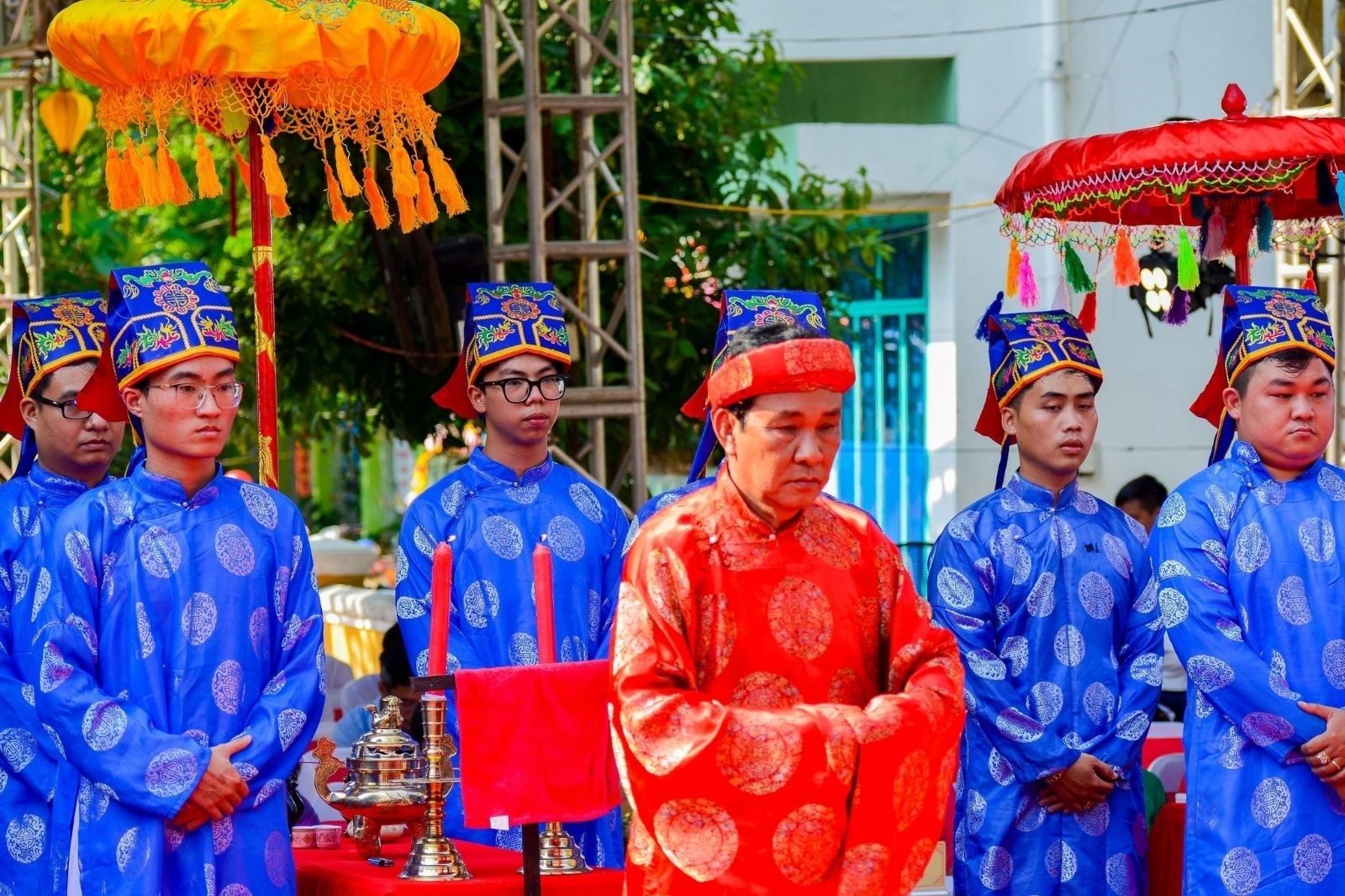
Main Offering Ceremony
Photo: Main Offering Ceremony 

Through many historical upheavals, Hai Chau Communal House has been relocated and renovated several times, yet it still retains its ancient features. In 1858, the communal house was destroyed due to war and rebuilt in 1860 in the area that is now Da Nang University of Medical Technology and Pharmacy. Between 1903 and 1904, due to disease outbreaks and urban planning requirements by the colonial government, the communal house was moved to No. 42 (now K48/46) Phan Chau Trinh Street, Hai Chau Ward, where it stands today. Inside the communal house, many horizontal lacquered boards and parallel sentences in Chinese characters painted in red and trimmed with gold, dating back hundreds of years, are preserved. Thanks to its architectural, historical, and spiritual values, this monument was classified as a National Historical-Cultural Relic by the Ministry of Culture and Information in 2001.
2. The Deep Cultural Significance of the Hai Chau Communal House Festival

In the increasingly vibrant pace of urbanization, the Hai Chau Communal House Festival acts as a bridge connecting past and present, helping the community and visitors rediscover spiritual values amid modern life. More than just a commemorative ritual, the festival is a profound expression of gratitude to the ancestors who cleared the land, established villages, gathered people, and built careers—those who laid the first bricks for today's Da Nang land. Over time, the role of the communal house continues to be affirmed as a cultural and spiritual center, nurturing local pride and togetherness.

Furthermore, the festival carries multiple layers of meaning:

  • Preserving and spreading cultural identity: Every ritual, dance, drumbeat, or ceremonial chant is a vivid lesson about national roots, helping the younger generation understand and cherish the heritage left behind by their forefathers.
  • Strengthening community solidarity: In the joyful atmosphere of the village festival, locals and visitors immerse themselves in shared happiness, jointly recreating traditional cultural values—the very foundation of enduring neighborly affection.
  • Promoting Da Nang cultural tourism: As a highlight in the city's calendar of cultural events, the festival attracts thousands of visitors, contributing to shaping Da Nang's image not only as a city of sea and lights, but also a city of memories and heritage.

In the flow of international integration, the Hai Chau Communal House Festival shines as proof of the resilient vitality of Vietnamese culture—a 'village soul' preserved in a modern city, where visitors find the spiritual depth of a nation that respects its past to step firmly into the future.

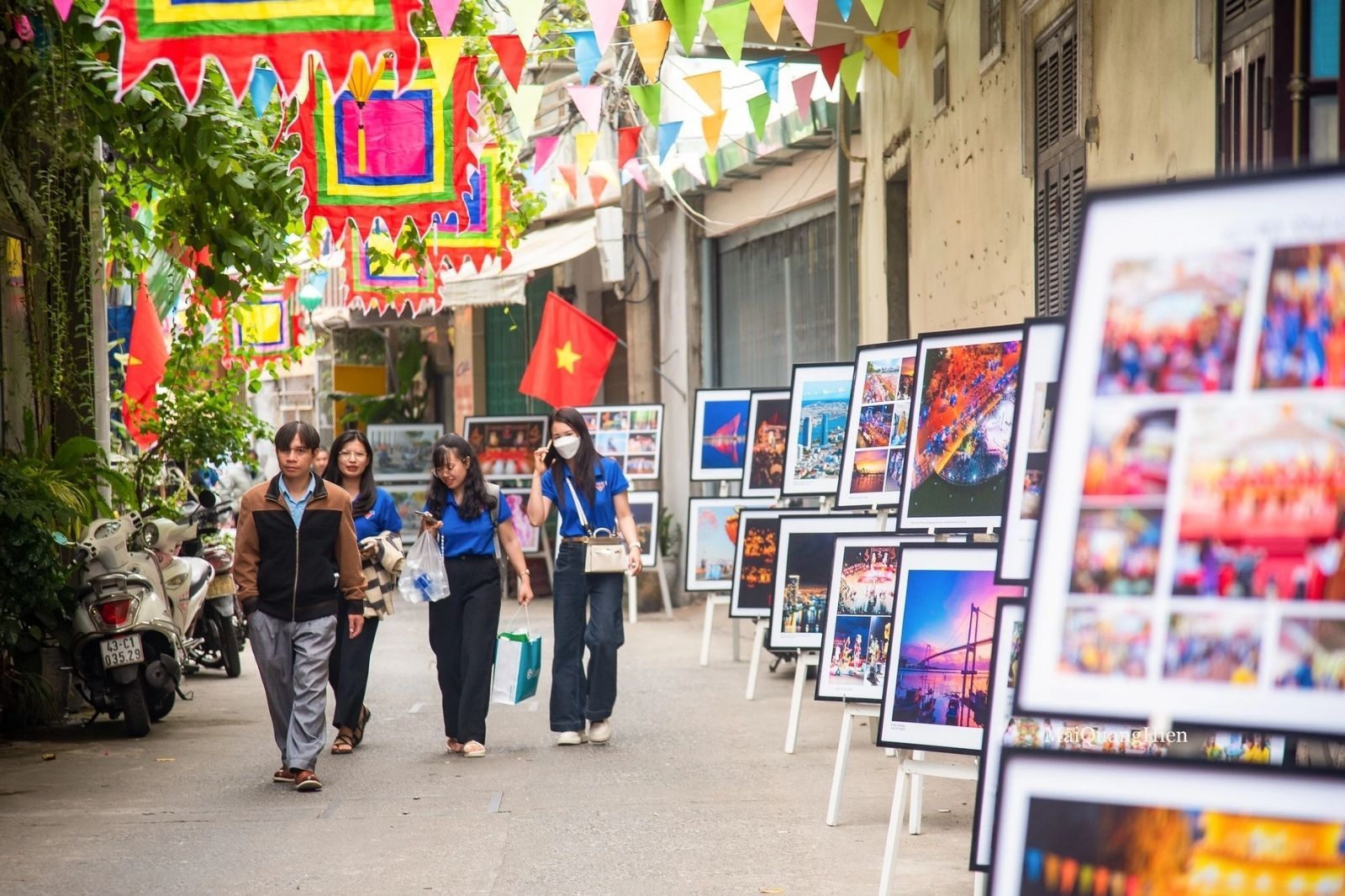
Photo exhibition at the entrance area of Hai Chau communal house
Photo: Photo exhibition at the entrance area of Hai Chau communal house 

3. Outstanding Activities at the Hai Chau Communal House Festival

The Hai Chau Communal House Festival is held over two days (from the 9th to the 10th of the 3rd lunar month), offering a unique cultural space where solemn rituals blend with the lively atmosphere of village festivities. It is this harmonious contrast—'tranquility in rituals, vitality in festivities'—that creates an irresistible appeal for a traditional festival right in the heart of modern Da Nang.

The Ceremonial Part 

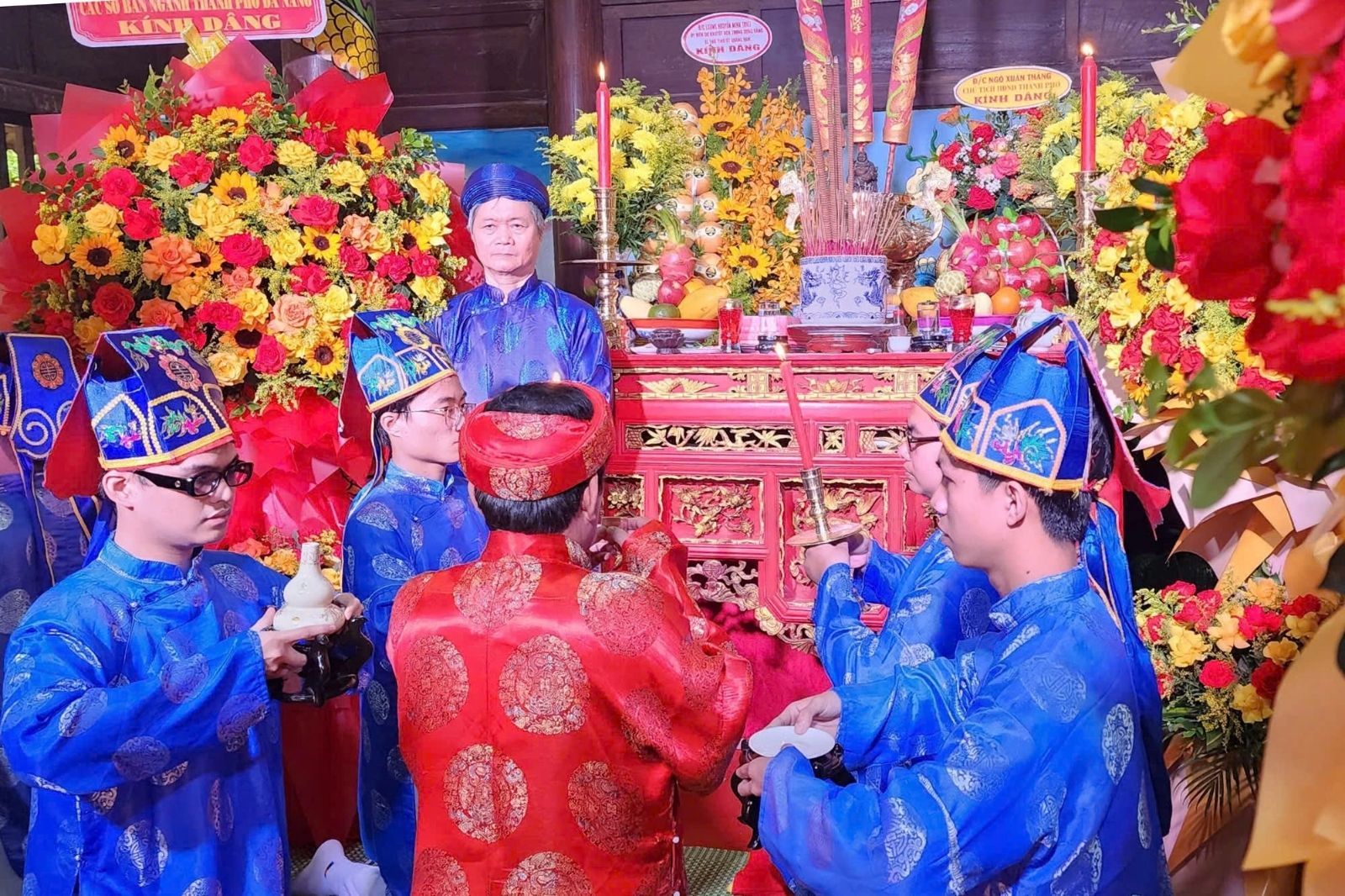
The ceremonial part is organized solemnly, expressing gratitude to the Village Tutelary God and the ancestors who contributed to reclaiming land and founding the village.

  • Vong ceremony (Preliminary ritual): Takes place on the afternoon of the opening day, featuring incense offering rituals and sacrifices to the Tutelary God and guardian deities.
  • Chanh te ceremony (Main sacrifice ritual): The highlight of the festival, held on the morning of the 10th day of the 3rd lunar month, recreating traditional rituals in the solemn space of the communal house.
The ceremony takes place at the Communal House
Photo: The ceremony takes place at the Communal House  

The Festive Part 

While the ceremonial part carries a solemn air, the festive part bursts with colors and laughter. Every year, Hai Chau Communal House becomes a grand stage for community culture.

  • Artistic performances: From water puppetry, traditional Ao Dai fashion shows, to singing competitions about the homeland of Hai Chau. 
  • Exhibitions and experiences: Spaces displaying folk paintings, five-fruit tray arranging competitions, and local food stalls showcasing startup products by local women.
  • Folk games: Tug of war, sack racing, stick pushing.
  • Spiritual activities: Releasing flower lanterns on the Han River, sending wishes for peace and prosperity, allowing the shimmering lights to illuminate the cultural flow of the young city.

Each activity is not only entertaining but also a vivid cultural lesson, helping today's generation understand and take greater pride in Vietnamese customs, beliefs, and identity.

4. Guide to Participating in the Hai Chau Communal House Festival

The Hai Chau Communal House Festival 2025 is expected to take place over two days, from April 3 to April 4 (corresponding to the 6th – 7th of the 3rd lunar month), at K48/46 Phan Chau Trinh, Hai Chau Ward, Hai Chau District.

How to get there:

  • From the Dragon Bridge, you can walk or take a bus, just about 1 km away.
  • From Da Nang Airport, traveling by taxi or ride-hailing service takes about 15–20 minutes.

Tips for attendees:

  • Attire: Dress politely and modestly when attending the ceremonial part.
  • Weather: April in Da Nang is usually sunny and hot, so bring water, a hat, and sunscreen.
  • Sightseeing: Entry to the festival is free, but you should arrive early to enjoy a complete experience and avoid crowds.

After attending the festival, you can visit famous attractions just a few minutes away, such as the Dragon Bridge, Han Market, or Cham Sculpture Museum, to fully experience the cultural breath and distinctive lifestyle of Da Nang.

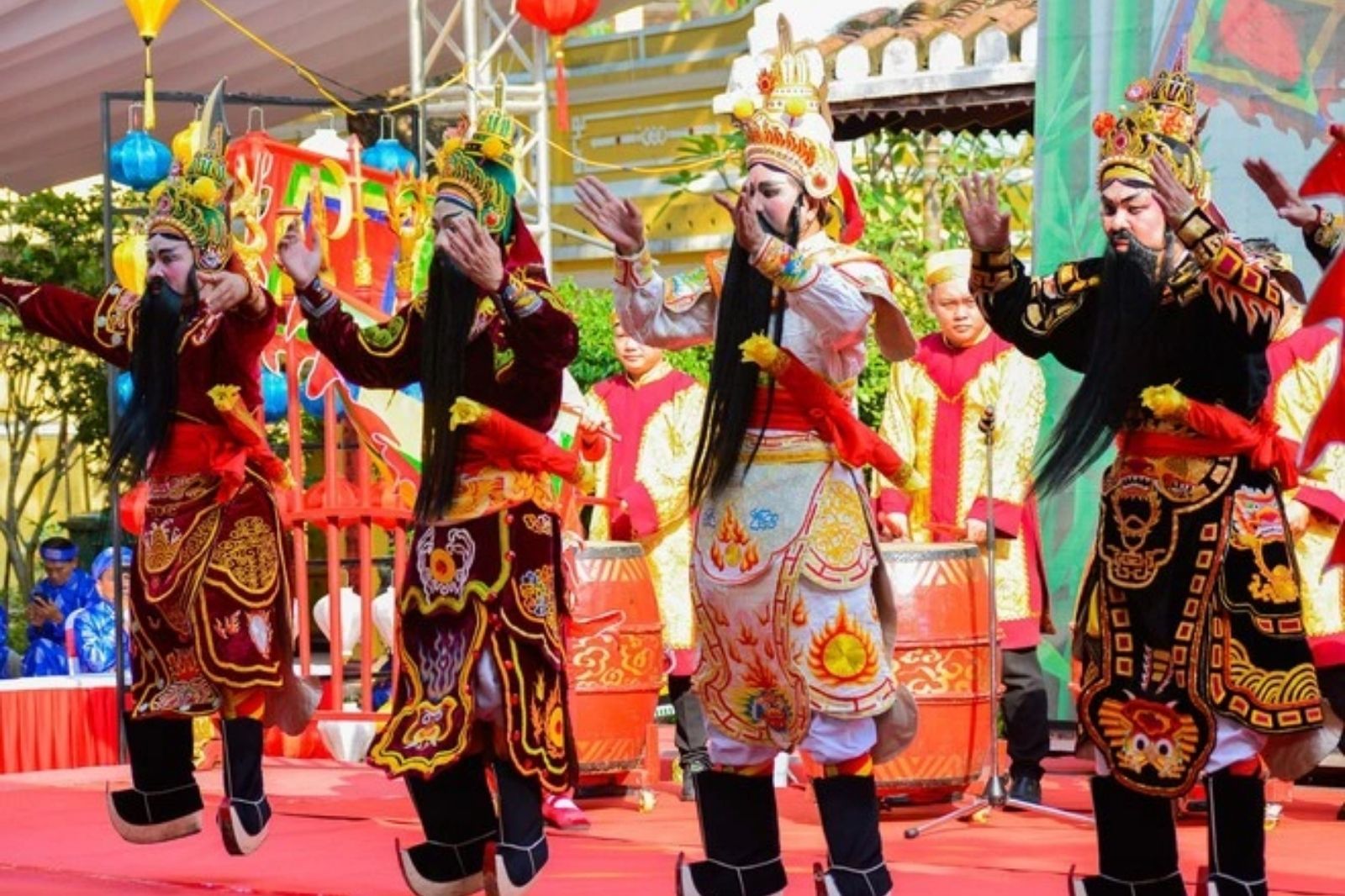
Trinh Tuong court dance
Photo: Trinh Tuong court dance  

The Hai Chau Communal House Festival is not just a traditional cultural event, but also a journey back to the roots, allowing every resident of Da Nang to find inside themselves pride in a peaceful, warm-hearted land. Amidst light-filled streets and a fast-paced lifestyle, the sound of festival drums from the ancient communal house still resonates as a gentle reminder of an identity that never fades. That festival does not close after each March full moon, but quietly flows in the minds of the people like the Han River, continuously enriching the cultural silt for the young city. 

Loading......

Featured destinations