|

Back Home

Discovering the Ban Soc Ceremony in Hue – A Historical Ritual Preserved Through Time

Central

Thua Thien Hue

Sovaba.travel

Updated at: 28/08/2026

1. History of the Ban Soc ceremony under the Nguyen Dynasty

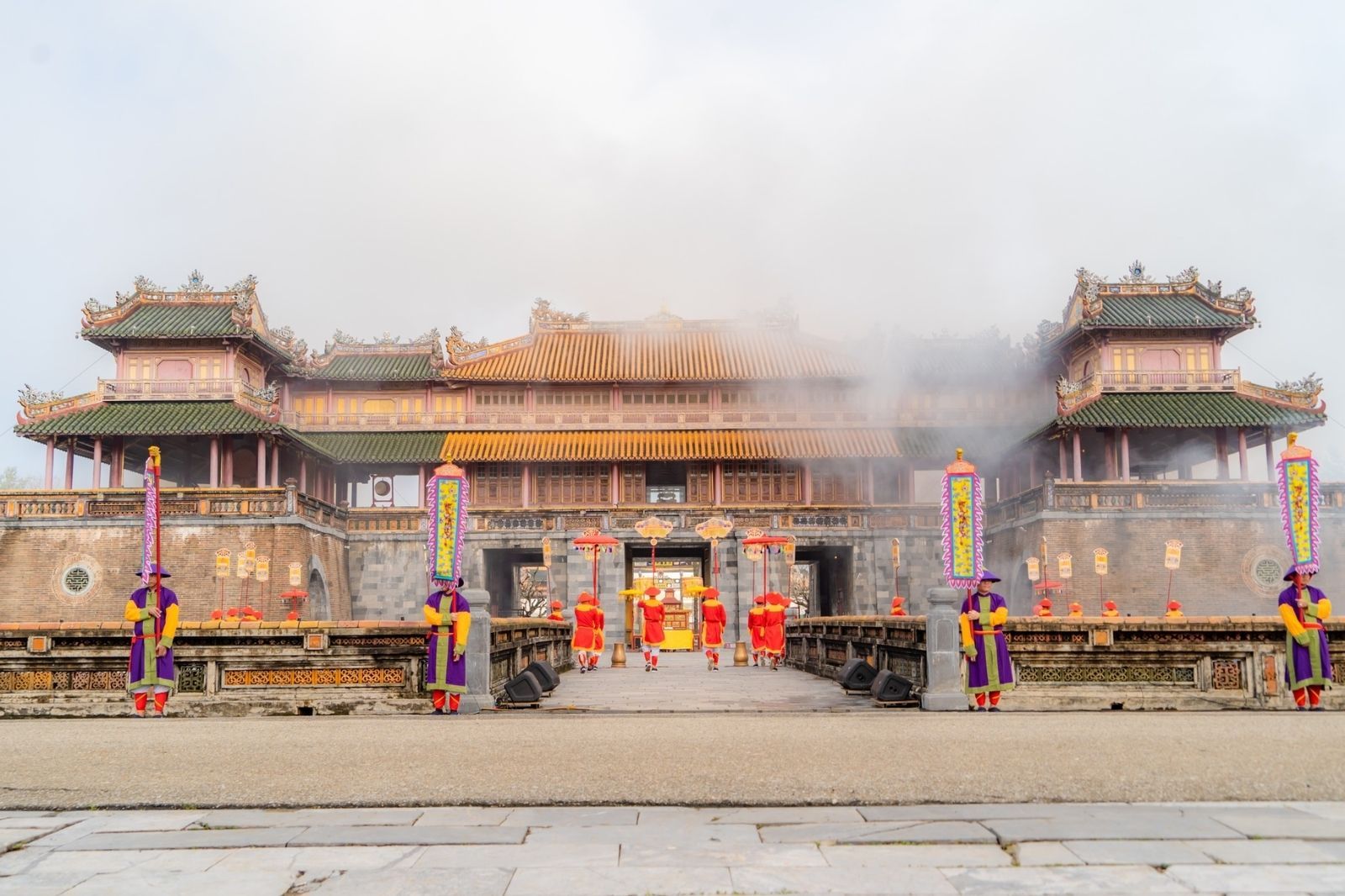
The Ban Soc Ceremony, also known as the calendar distribution ceremony, was one of the important rituals of the Nguyen Dynasty, taking place annually on the 1st day of the 12th lunar month. This ritual was initiated during the reign of Gia Long and the early years of Minh Mang, but it was not until the reign of Minh Mang that the Ban Soc Ceremony was organized on a large scale with clear regulations. Notably, in the year of Tan Suu (1841), Emperor Minh Mang decreed that the ceremony be held at Ngo Mon Gate – the symbol of power of the Hue Imperial City – instead of the court yard of Thai Hoa Palace as before, marking an important shift in the ceremonial space.

According to historical records, the annual task of compiling the calendar was assigned to the Kham Thien Giam (Imperial Observatory), the court's leading astronomical agency. Once completed, the calendars were distributed in a solemn ceremony to civil and military mandarins and the common people. The distribution of calendars not only helped the populace track agricultural seasons, but also affirmed the Emperor's care for the lives of his subjects, while demonstrating the supreme authority of the royal court in managing time and social order. Meticulous records in the Nguyen Dynasty Imperial Archives (Chau Ban), currently preserved at the National Archives Center I, show that the Ban Soc Ceremony was a key link in the royal ritual system, possessing both practical value and deep cultural-historical significance.
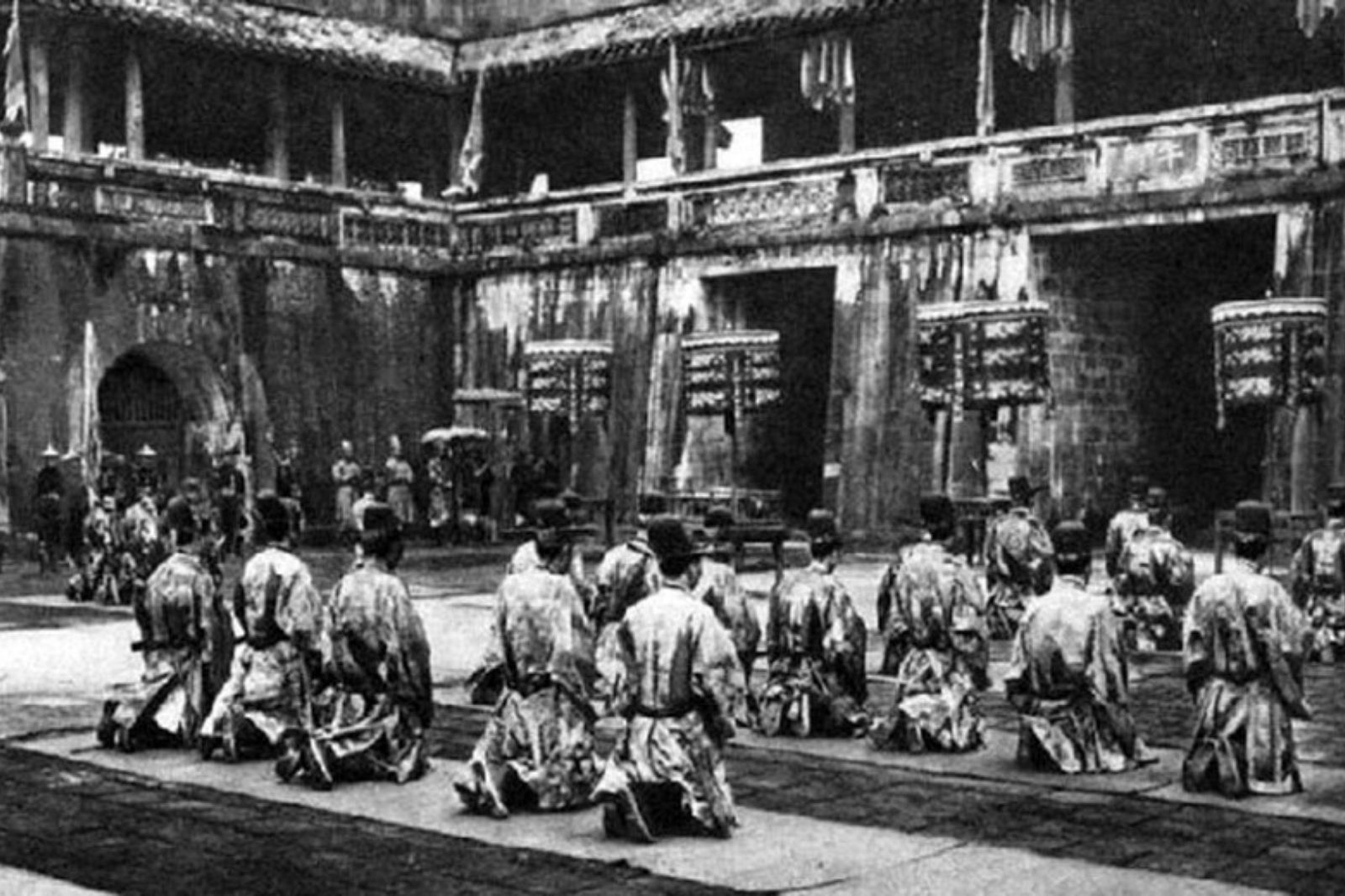
Ban Soc was the ancient calendar distribution ceremony of the Nguyen Dynasty
Photo: Ban Soc was the ancient calendar distribution ceremony of the Nguyen Dynasty

2. Cultural significance and historical value of the Ban Soc ceremony

The Ban Soc Ceremony in Hue was not merely an administrative ritual of the royal court, but also contained deep socio-cultural meanings. In the ancient wet-rice agricultural society, the lunar calendar was an essential tool helping people determine times for planting, harvesting, and organizing traditional festivals. The Emperor's distribution of the calendar not only demonstrated the harmony between heaven, earth, and humanity, but also affirmed Hue's status as the political and cultural center of the country under the Nguyen Dynasty.

From a historical perspective, the Ban Soc Ceremony was an inheritance of rituals from previous dynasties, but was elevated and refined by the Nguyen Dynasty into a grand and solemn regulation. This ritual contributes to preserving intangible cultural heritage, while vividly reflecting the administrative system, worldview, and beliefs of the Vietnamese people. Today, recreating the Ban Soc Ceremony in Hue is not only a preservation effort, but also a vivid symbol of the spirit of maintaining national identity amid globalization, when many traditional values face the risk of fading.

The Ban Soc Ceremony was considered an administrative ritual of the Nguyen Dynasty
Photo: The Ban Soc Ceremony was considered an administrative ritual of the Nguyen Dynasty 

3. The procedure of the Ban Soc ceremony according to ancient rituals

The Ban Soc Ritual at the Imperial City of Hue was held with great solemnity, gathering the presence of the Emperor, court officials, and representatives of the people. Based on historical documents, the ritual sequence proceeded as follows:

  • Calendar preparation: The Kham Thien Giam agency handled the compiling, printing, and preparation of new calendars to present to the Emperor and distribute.
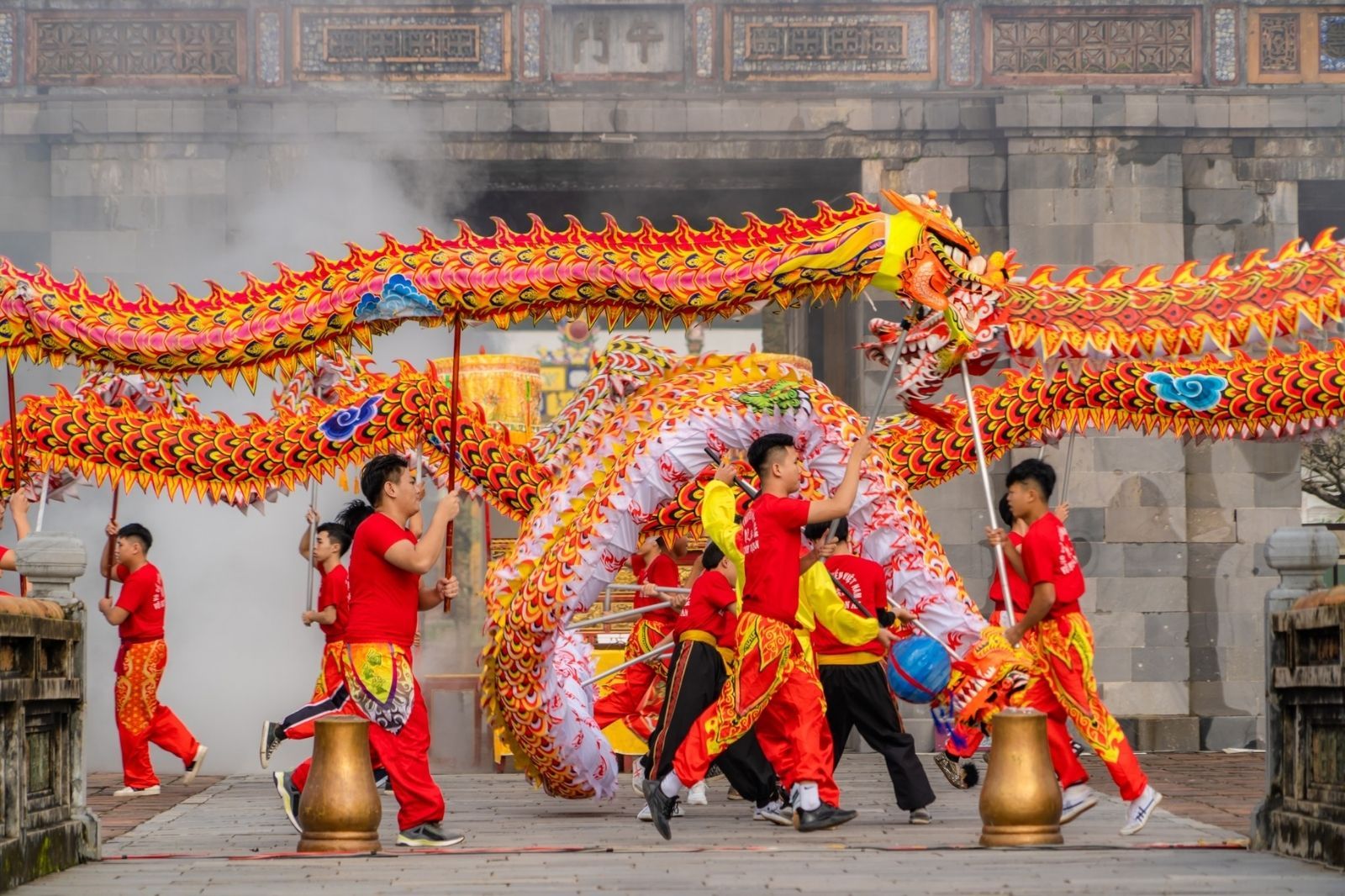
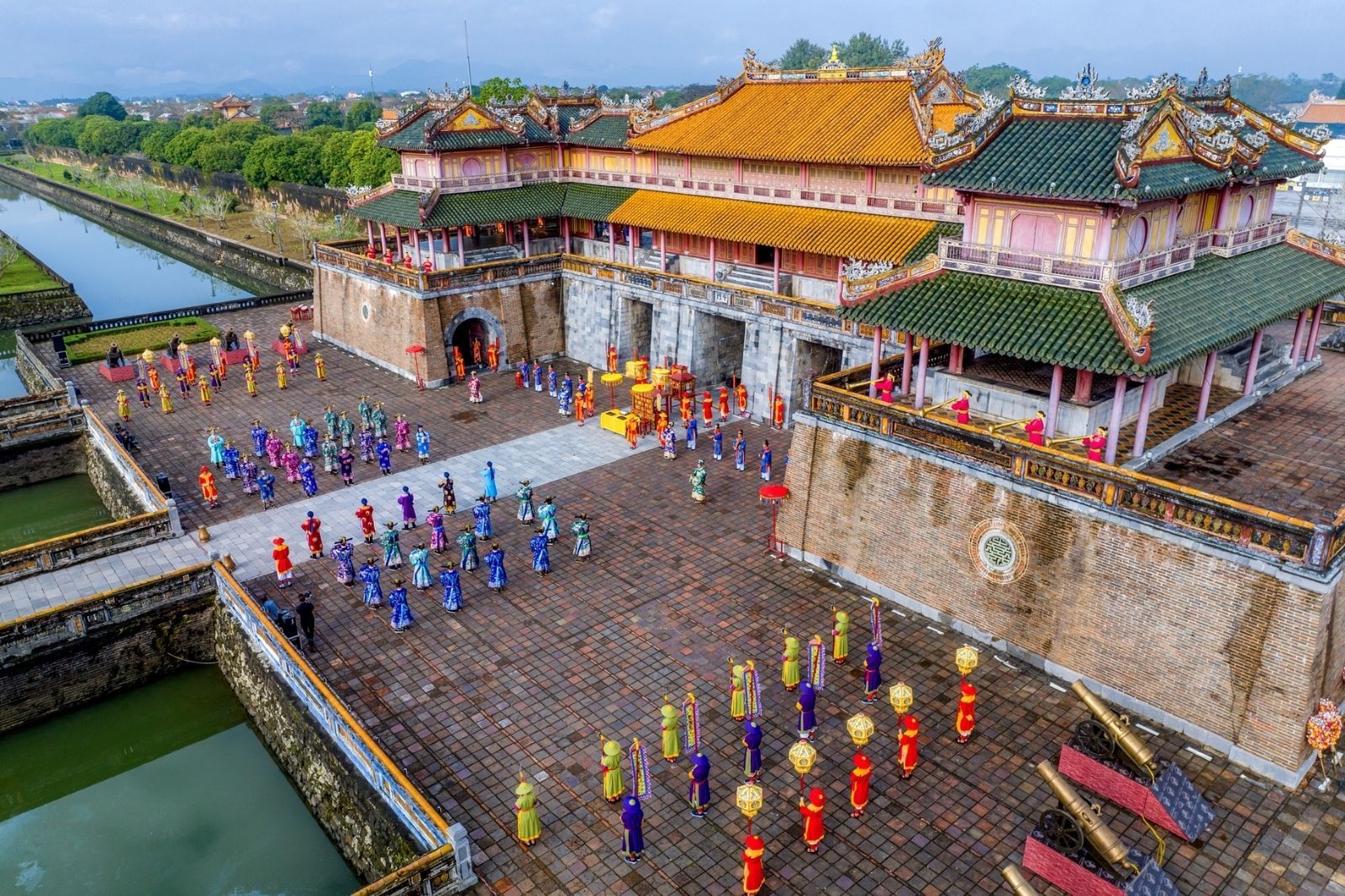
  • Execution of the ceremony at Ngo Mon Gate: In the majestic setting of the Imperial City, the Emperor presided, officials dressed in neat ceremonial robes, solemnly conducting the ritual of presenting and distributing calendars. The ceremony was made even more splendid with royal court music, lion and dragon dances, and banners flying high.
  • Distribution of calendars to the people: Calendars were given first to local officials and then widely distributed to the public. As a result, everyone knew the arrival of the New Year to organize their lives and agricultural activities according to natural cycles.

This ritual was not only an administrative activity, but also carried deep symbolic meaning: affirming royal authority, uniting the community, and creating a magnificent scene with elephants, horses, banners, and ceremonial music. To learn more, you can read the Nguyen Dynasty Imperial Archives, which detail this grand ceremony.

The ritual was conducted at Ngo Mon Gate
Photo: The ritual was conducted at Ngo Mon Gate 

4. The Ban Soc ceremony in modern life and the Hue Festival

Although the Nguyen Dynasty has passed into history, the Ban Soc Ceremony is still preserved and re-enacted in Hue as part of a living heritage. Today, this ritual is often chosen as the opening event for the Hue Festival – the ancient capital's largest annual cultural event. For instance, on the morning of January 1, 2024, at Ngo Mon Square, the Hue Monuments Conservation Center solemnly re-enacted the Ban Soc Ceremony while officially announcing the Hue Festival 2024 program, attracting widespread public interest.

For tourists, this is a rare opportunity to immerse themselves in the atmosphere of ancient royal festivities, where imperial music, dances, and rituals are vividly brought back to life. If you have the chance to visit Hue during New Year's Day or the Hue Festival season, do not miss this experience.

Today the festival is re-enacted as part of the Festival
Photo: Today the festival is re-enacted as part of the Festival 

The Ban Soc Ceremony in Hue is not only an ancient court ritual, but also a living cultural heritage, testifying to the enduring strength of national tradition across centuries. Re-enacting the Ban Soc Ceremony today is not merely restoring history, but also a way to bridge the past with the present, allowing visitors to touch the very essence of Hue's royal culture.

If you visit Hue during the festival season, especially during the Hue Festival, make sure to attend this ritual at least once to feel the solemn, majestic, and proud atmosphere. It will surely be an unforgettable experience on your journey to explore the ancient capital.

Loading......

Featured destinations