These are items in direct contact with your body, greatly affecting your comfort and safety throughout the journey. When going trekking and camping, you need to fully prepare personal gear, including:
Specialized Shoes and Socks
- Hiking/Trekking Boots: Choose shoes with anti-slip soles, good grip, waterproof features (especially for water and muddy terrains), and ankle protection (high-cut boots for cold, snowy terrains). A quality pair of shoes will minimize the risk of injury and fatigue.
- Socks: Choose specialized, thick, moisture-wicking socks (avoid cotton as it retains water), with cushioning at the heel and toes to prevent blisters.
Clothing Following the "Layering" Principle
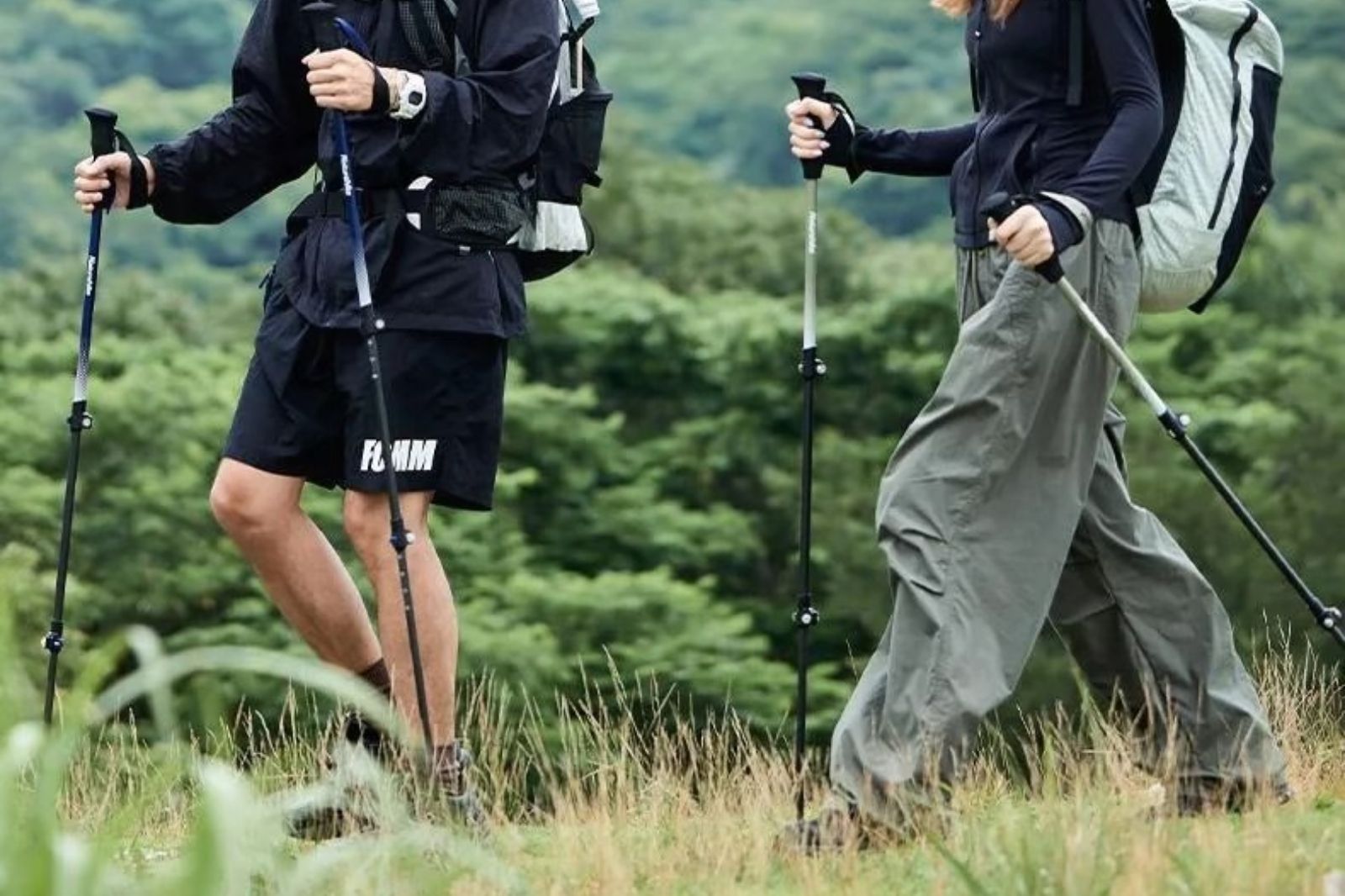
Trekking clothes are designed to be lightweight, moisture-wicking, stretchy, and UV-resistant. Apply the 3-layer "layering" principle for easy adjustment according to temperature:
- Base layer: Worn close to the skin, helping wick sweat and keep the body dry. Prioritize synthetic materials or merino wool. (Strictly avoid cotton).
- Middle layer: Retains body warmth. Usually a sweatshirt, fleece jacket, or synthetic insulation.
- Outer layer: Protects against wind, rain, and snow. Should be a windproof and waterproof jacket (such as a windbreaker or rain suit).
- Sun protection/UV jacket: Protects skin from harmful UV rays during long outdoor sun exposure.
- Gloves: Help increase grip when holding onto things and protect hands from scratches and insects.
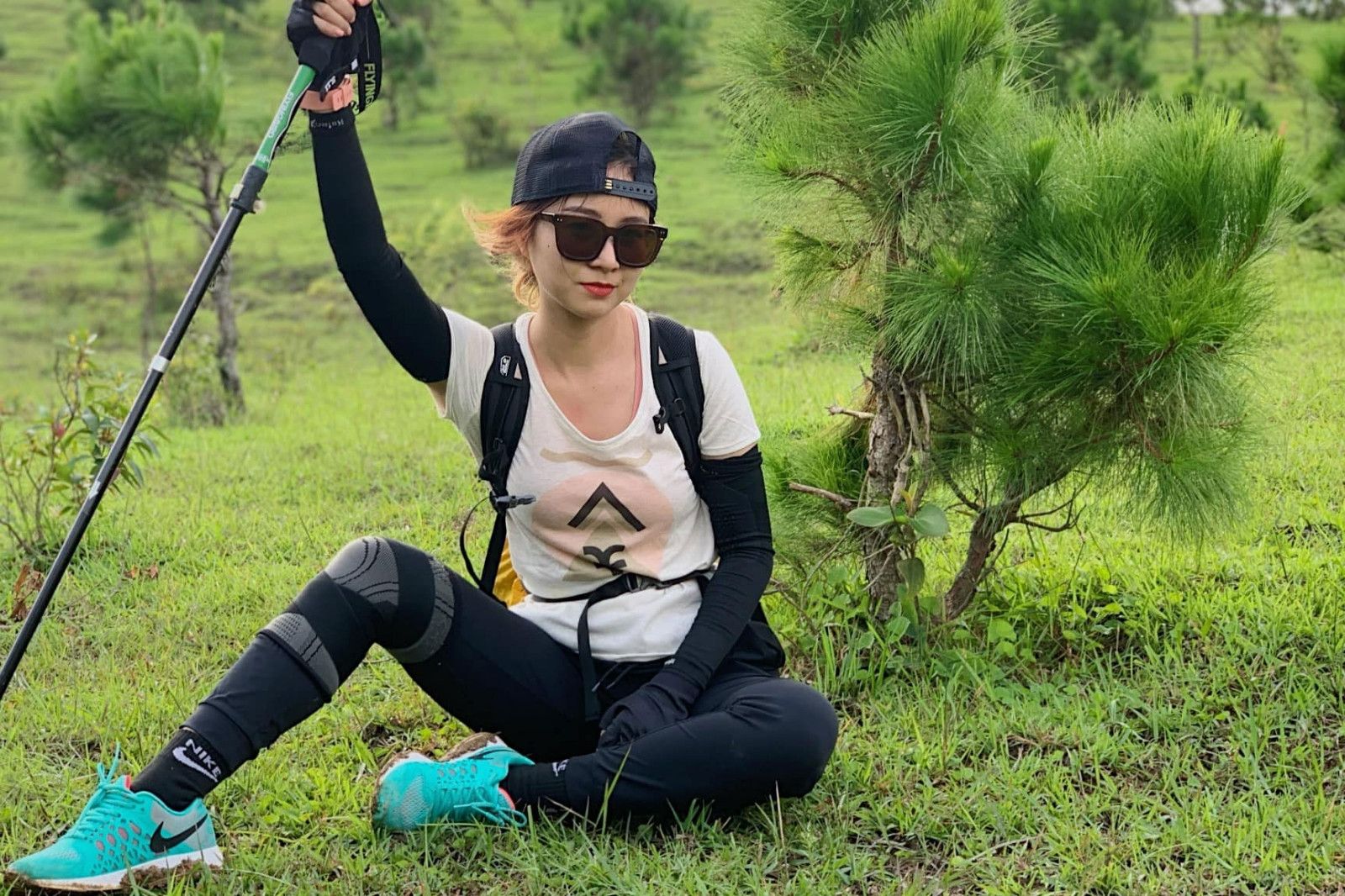
In summary, investing in quality personal gear is the most important preparation step, helping you optimize comfort and safety to stay ready for any weather conditions and terrain.