|

Back Home

Beginner's Trekking Dictionary: Everything You Need to Know

Central

Quang Binh

Sovaba.travel

Updated at: 28/08/2026

1. What is Trekking? Understand Before You Begin

Trekking is a form of long-distance walking, usually lasting from a few hours to several days, through natural terrains such as forests, mountains, hills, or grasslands. Unlike hiking (short-distance walking, usually within a day), trekking requires more thorough preparation in terms of physical fitness, equipment, and survival skills. It is not only a sports activity but also a way for you to immerse yourself in nature, train your willpower, and explore new lands.

Why is trekking so popular?

  • Connect with nature: Escape the urban rush, trekking brings a sense of freedom and peace.
  • Challenge yourself: Conquering difficult trails is a great way to push your limits.
  • Cultural experience: Many trekking trips take you through villages where you can learn about local customs.
  • Health: Trekking helps improve fitness, boost endurance, and reduce stress.

Trekking is not just about taking steps on trails. It is a complete journey where your physical and mental strength are challenged, immersing yourself in the majestic beauty of nature, and having the opportunity to explore unique cultural traits.
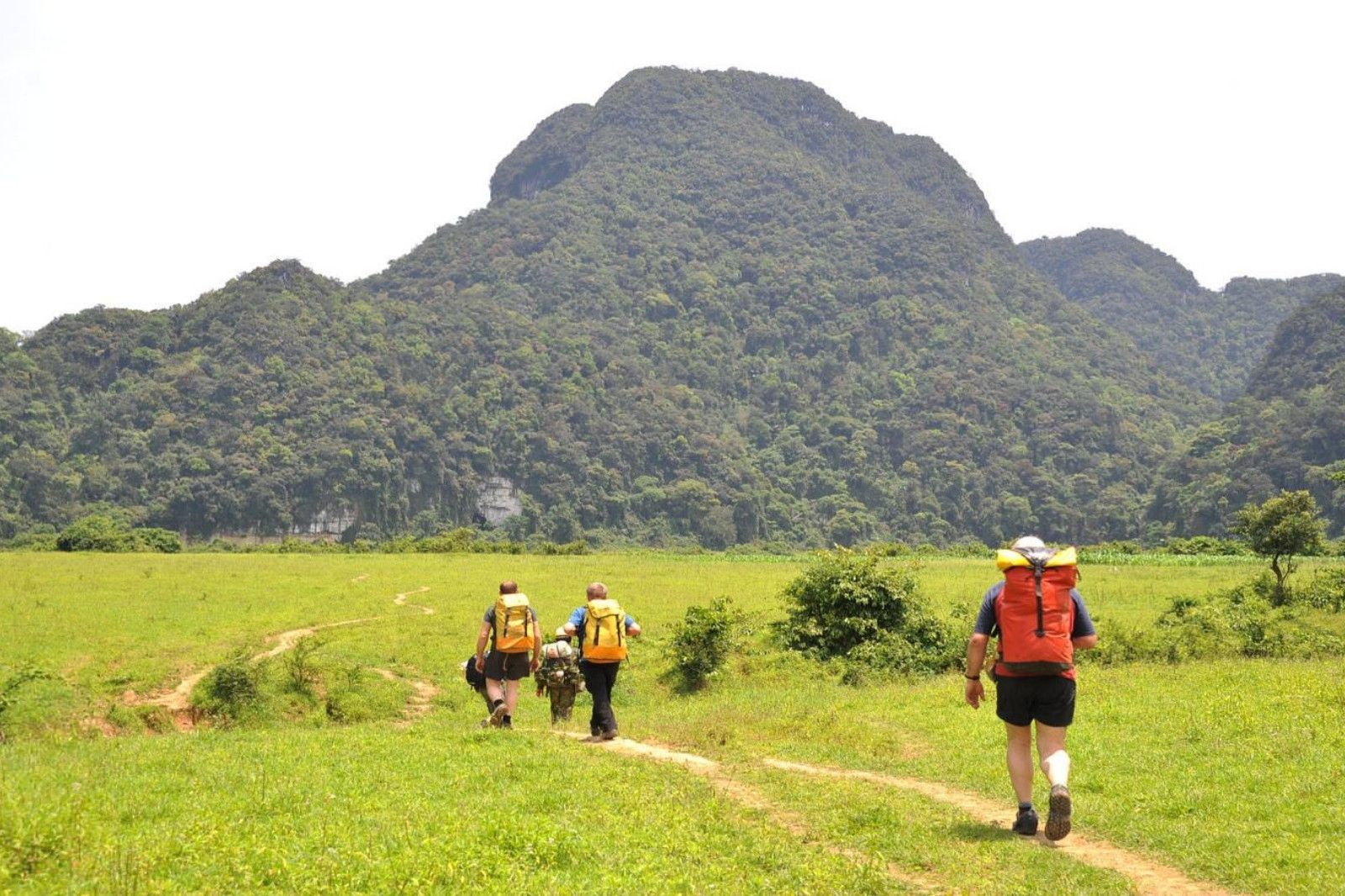
Trekking is a form of long-distance walking
Photo: Trekking is a form of long-distance walking

2. The Trekking Glossary: Understand to Avoid Getting "Lost"

Before jumping into preparations, let's get familiar with some basic trekking terms:

  • Trail: A path or track used for walking in nature.
  • Base camp: The main rest stop on the journey where you set up camp or rest.
  • Switchback: A zigzag path on a mountain slope that helps reduce steepness and makes walking easier.
  • Porter: A person hired to carry gear, supporting the group on long trekking trips.
  • Trekking pole: A support stick that helps maintain balance and reduce pressure on the knees.
  • Bushcraft: Survival skills in nature, such as setting up a tent, making a fire, and finding water.
  • Altitude sickness: Illness caused by ascending to high altitudes when mountain climbing.
  • Leave No Trace: The principle of leaving no trash or trace when trekking to protect the environment.

Understanding these terms will help you easily communicate with guides and fellow trekkers, while knowing what needs to be prepared.

3. How to Prepare for Your First Trekking Trip?

Your first trekking trip is always an exciting yet equally challenging experience. For a smooth and safe journey, thorough preparation is extremely important. Below are things you need to note to have a memorable trekking trip, especially with prominent destinations across Vietnam, including Quang Binh—a trekking paradise hidden in the sun- and wind-swept Central region.

Choosing a Suitable Route

Beginners should choose easy or moderate routes lasting 1-2 days. Some suggestions in Vietnam:

  • Ta Nang – Phan Dung (Lam Dong – Binh Thuan): A famous trail featuring grassy hills, pine forests, and moderate difficulty.
  • Fansipan (Lao Cai): Climb the highest peak in Vietnam with guide support.
  • Pu Luong (Thanh Hoa): Peaceful scenery, suitable for beginners.
  • Phong Nha - Ke Bang National Park (Quang Binh): Featuring cave systems and primeval forest trails, offering various difficulty levels and diverse experiential trekking routes.

Tip: Check the length, difficulty, and weather conditions of the route before going. Join reputable trekking groups or hire guides to ensure safety.

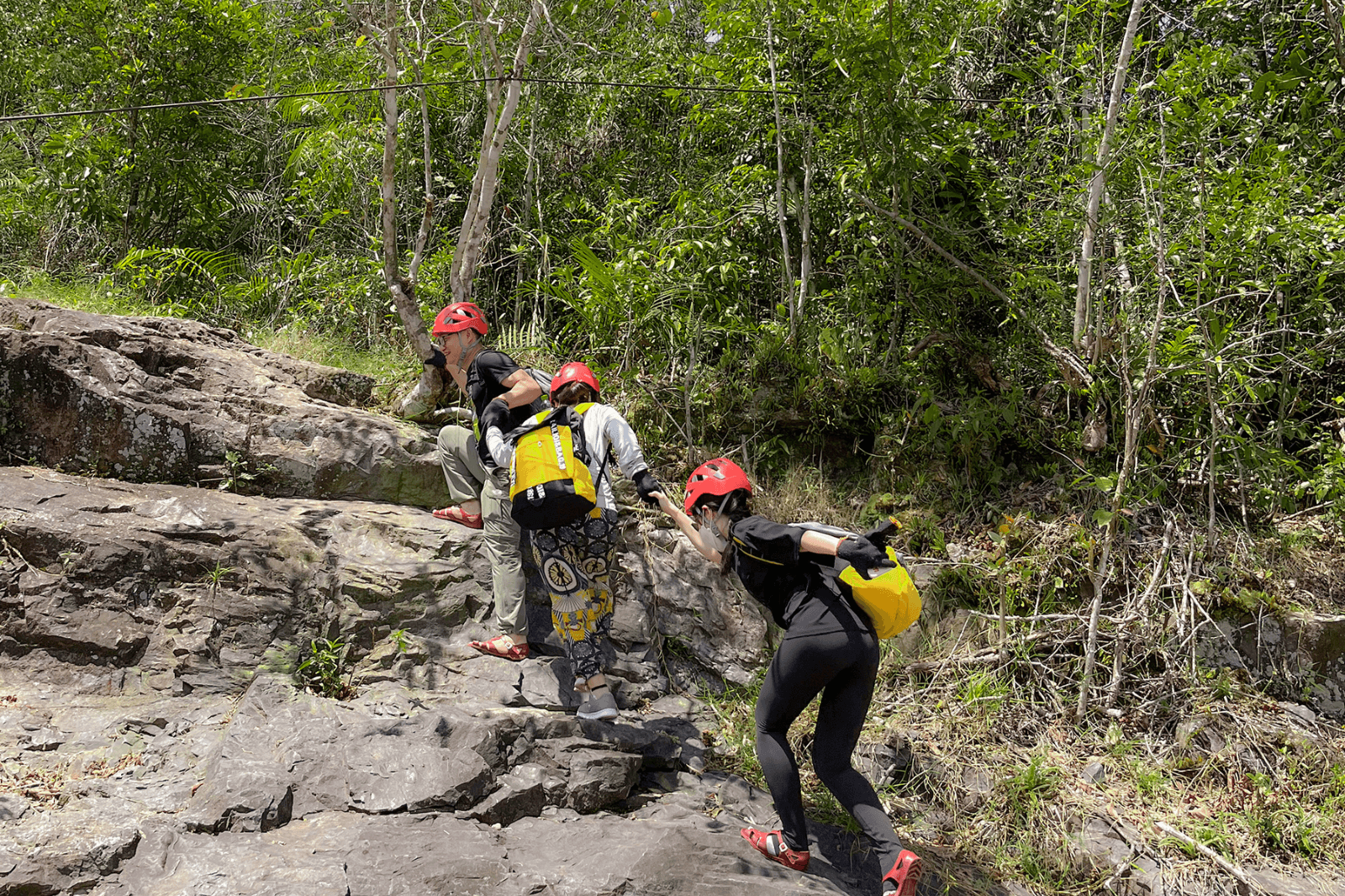
Quang Binh is rated as a place with terrain suitable for trekking tours
Photo: Quang Binh is rated as a place with terrain suitable for trekking tours

Essential Equipment

Here is a list of indispensable items for a trekking trip:

  • Trekking shoes: Choose non-slip, snug-fitting shoes with good grip (e.g., Salomon, The North Face).
  • Backpack: A 20-40 liter backpack for a 1-2 day trip, featuring back padding and chest straps.
  • Clothing: Breathable, waterproof clothes, and a warm jacket for the evening.
  • Tent and sleeping bag: Choose lightweight options suitable for the local temperature.
  • Food and water: Dry food (energy bars, instant noodles), water bottle, or water purification tablets.
  • Personal items: Flashlight, multi-tool knife, first aid kit, map, or GPS.
  • Trekking poles: Assist movement on rough terrain.

Note: Do not overpack to avoid a heavy backpack. An ideal backpack should weigh no more than 10-15% of your body weight.

Physical Training

Trekking requires endurance and adaptability to terrain. 1-2 months before the trip, you should:

  • Do cardio (running, cycling) 3-4 times a week to increase endurance.
  • Practice squats and lunges to build leg muscle strength.
  • Try long-distance walking with a heavy backpack to get used to the weight.

Essential Skills to Know

  • Map reading and navigation: Learn how to use a compass or GPS apps like Gaia GPS.
  • Pitching a tent and lighting a fire: Watch instructional videos or attend workshops before going.
  • Emergency handling: Know how to provide first aid for wounds, deal with insect bites, or navigate when lost.

For first-time trekkers, this form of travel is still quite new; researching and equipping yourself with knowledge will help you step more firmly as you start your journey. 

4. Common Beginner Trekking Mistakes and How to Avoid Them

Although trekking offers a strong appeal, many people accidentally make mistakes, leading to the following issues:

  • Choosing a route that is too difficult: Don't rush to conquer Son Doong Cave if you don't have experience. Start with short and easy routes.
  • Carrying a backpack that is too heavy: Only bring what is truly necessary. Try wearing the backpack and walking beforehand to test it.
  • Not checking the weather forecast: Rain or fog can make the trail dangerous. Always check the forecast in advance.
  • Ignoring Leave No Trace principles: Bring your trash back; do not litter in nature.
  • Going alone: Beginners should travel with a group or a guide to ensure safety.

Therefore, to have a safe and fulfilling trekking experience, recognizing and avoiding these mistakes is extremely important.

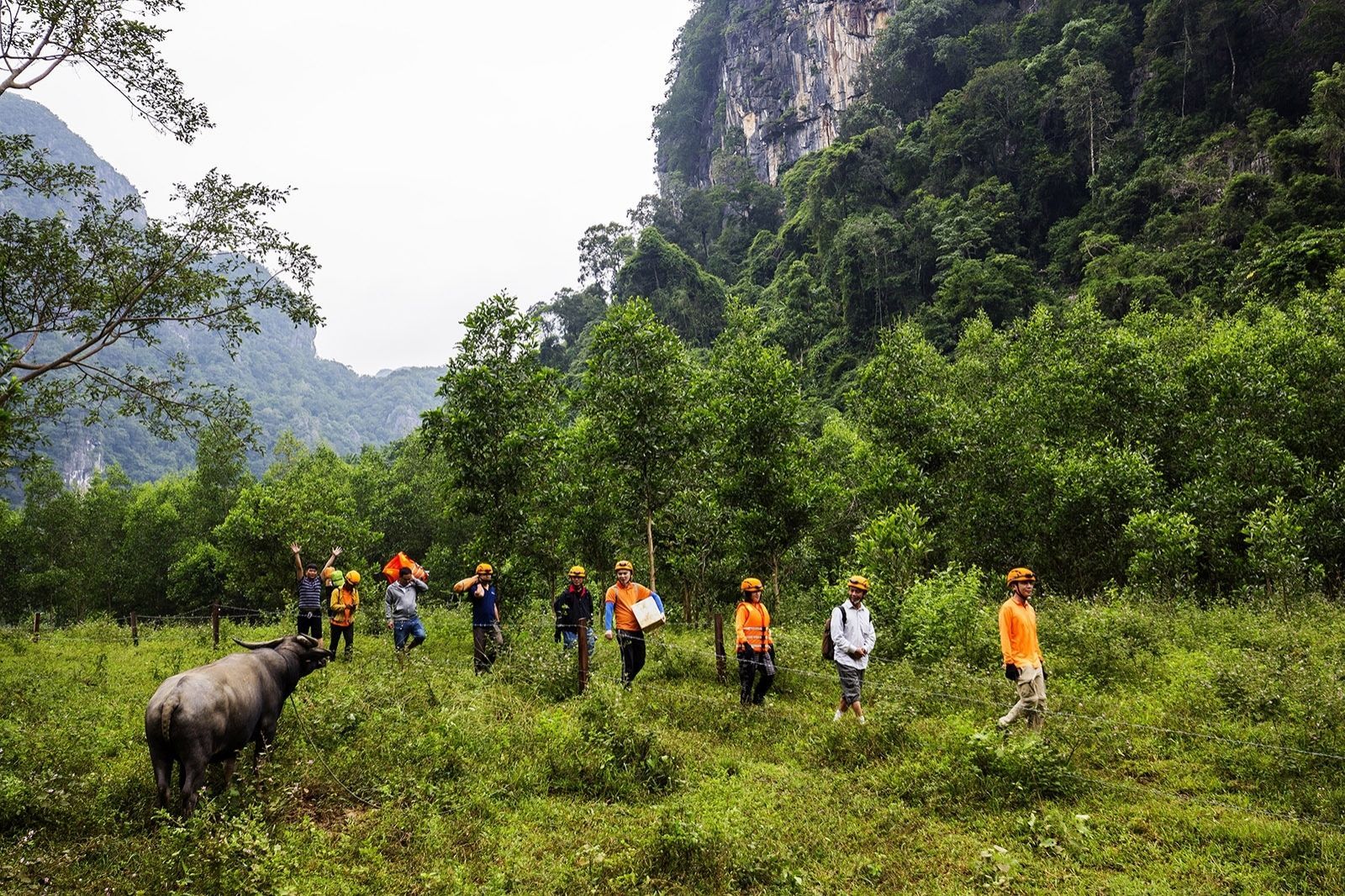
Check the weather forecast before starting the journey
Photo: Check the weather forecast before starting the journey

5. Tips to Make Your First Trekking Trip Memorable

To make your first trekking trip a wonderful and unforgettable experience, pocket these useful tips to best prepare for your journey. 

  • Detailed planning: Determine the timing, location, cost, and packing list.
  • Join communities: Groups like Trekking Vietnam or Yeu Phuot on Facebook are places where you can learn from experience.
  • Take photos and keep notes: Preserve moments with photos or a journal as keepsakes.
  • Respect nature and local culture: Do not pick plants, damage landscapes, and always ask permission before taking photos of local people.

Trekking is not merely taking steps on a trail or overcoming steep slopes in the mountains; it is a journey of self-discovery, building patience, and connecting deeply with nature. With the information in the "trekking dictionary" for beginners, you now hold a solid foundation to prepare for your first trip proactively and safely. However, theory is not enough. What matters for a truly fulfilling trekking trip is choosing the right destination, the right difficulty level, and having a professional team of guides to accompany you. That is also why Sovaba is chosen by many beginners as a trusted companion on their first trekking trips.

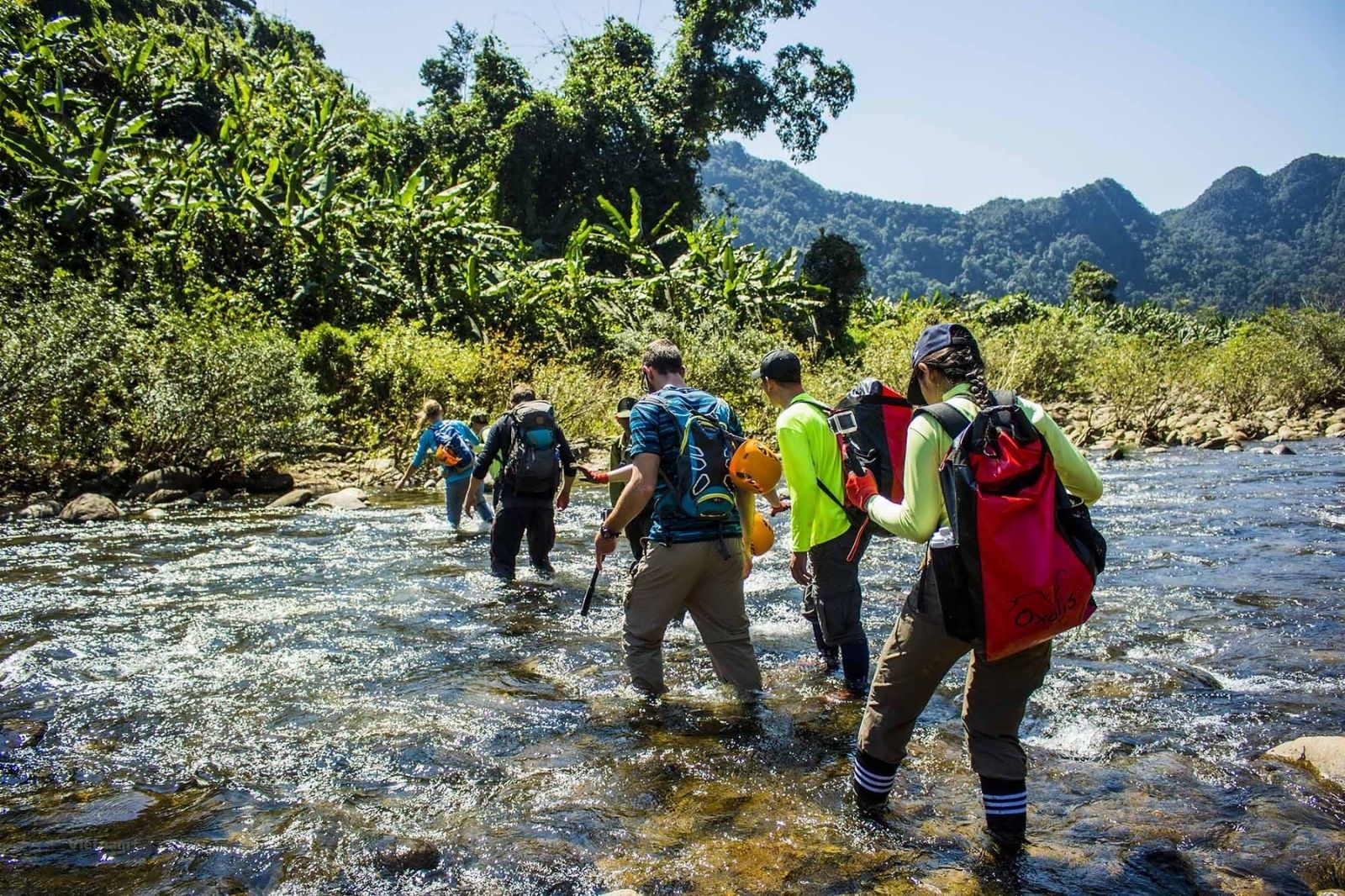
Partner with reputable travel companies
Photo: Partner with reputable travel companies 

At Sovaba, trekking tours are scientifically designed to suit the physical fitness and experience of each participant—from gentle routes for beginners to higher challenges for those wanting to push their limits. Each tour features a well-trained team of guides who understand the terrain, master situational handling skills, and always prioritize safety above all.

If you are wondering where to start, let Sovaba assist you. Call our hotline at 0934.733.223 for detailed advice on the trekking tours best suited for you—from duration and intensity to cost. Don't hesitate to start, because every great journey begins with a small step, and Sovaba is always ready to accompany you.

Loading......

Featured destinations