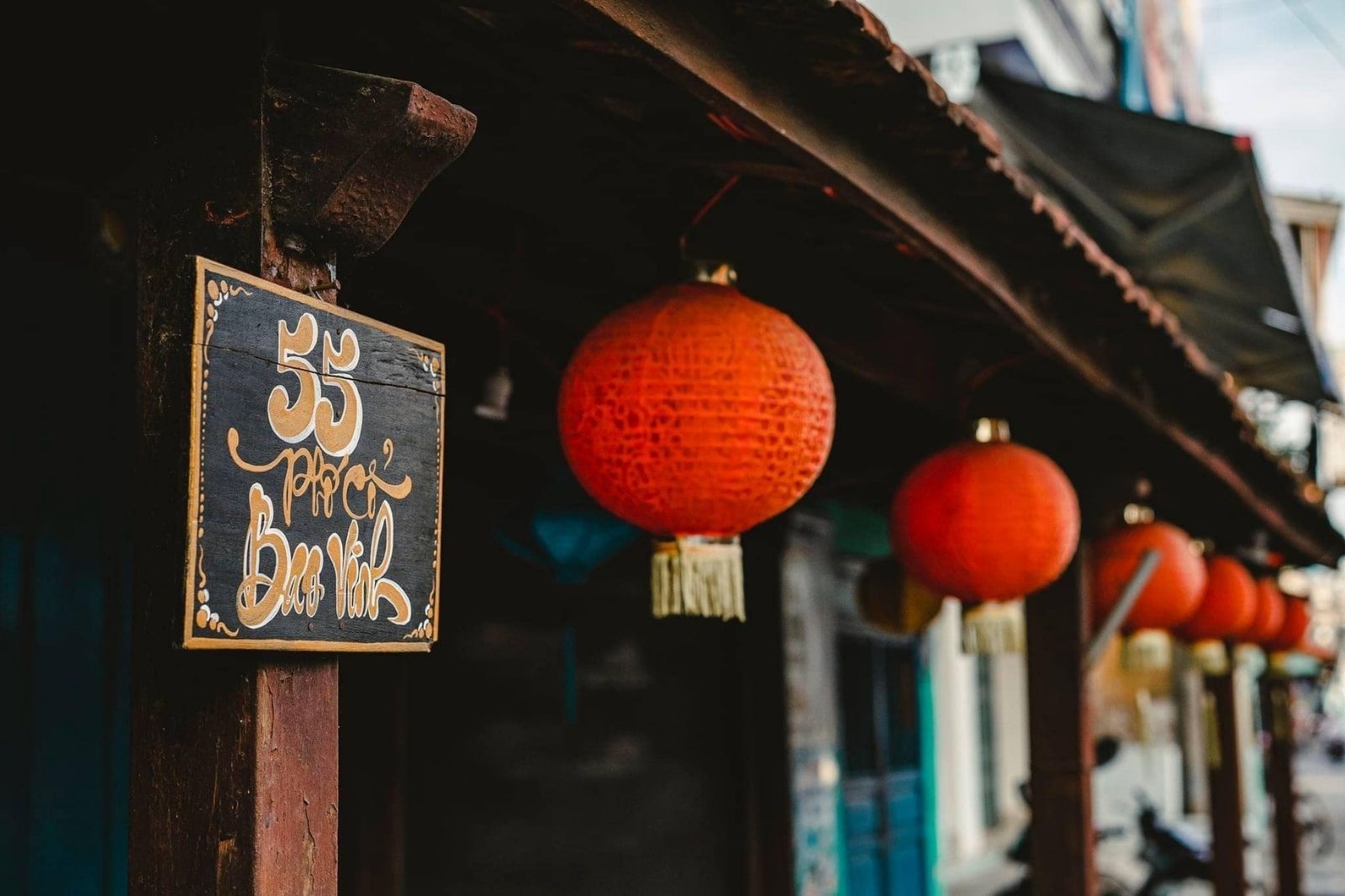
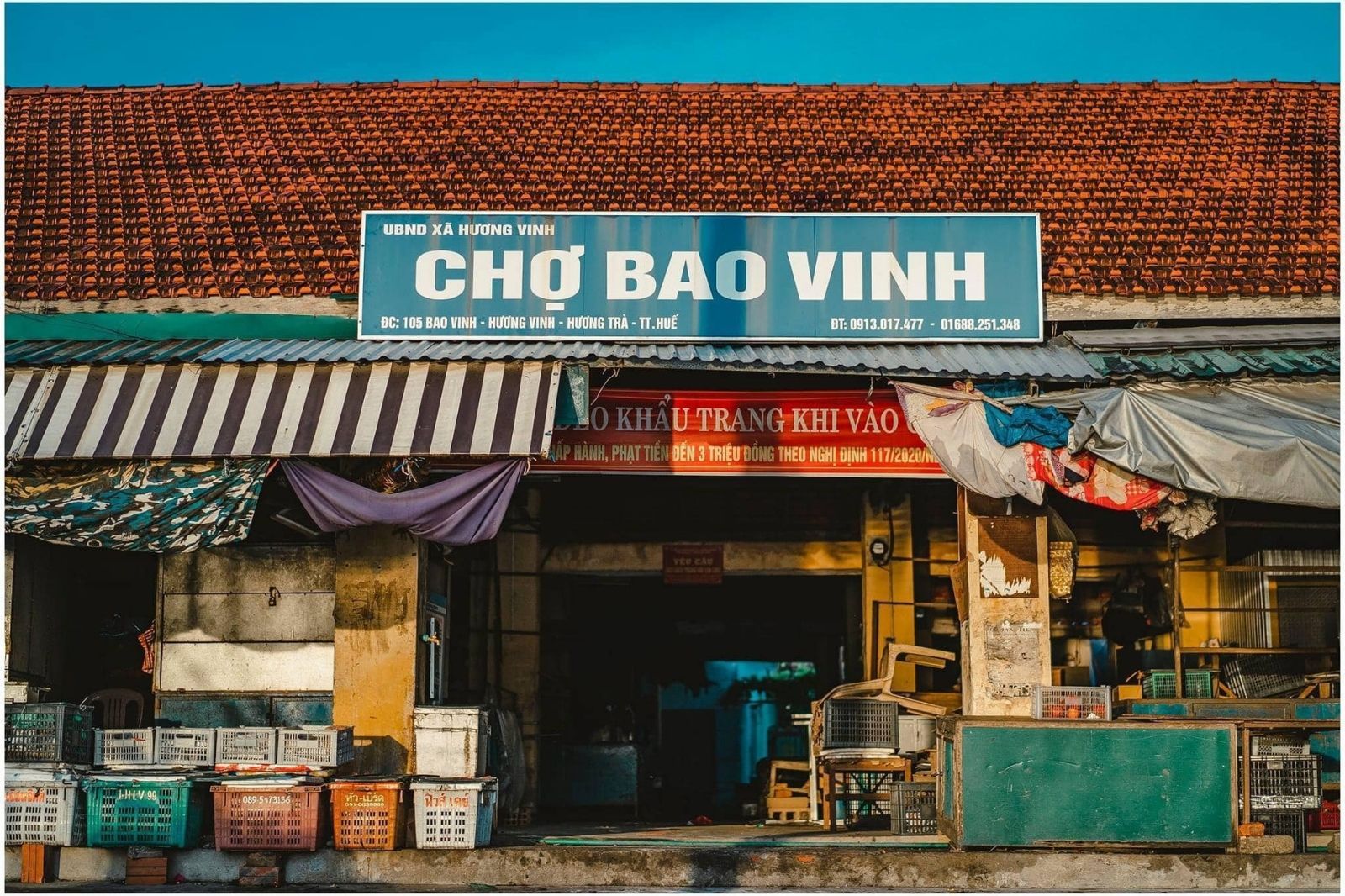
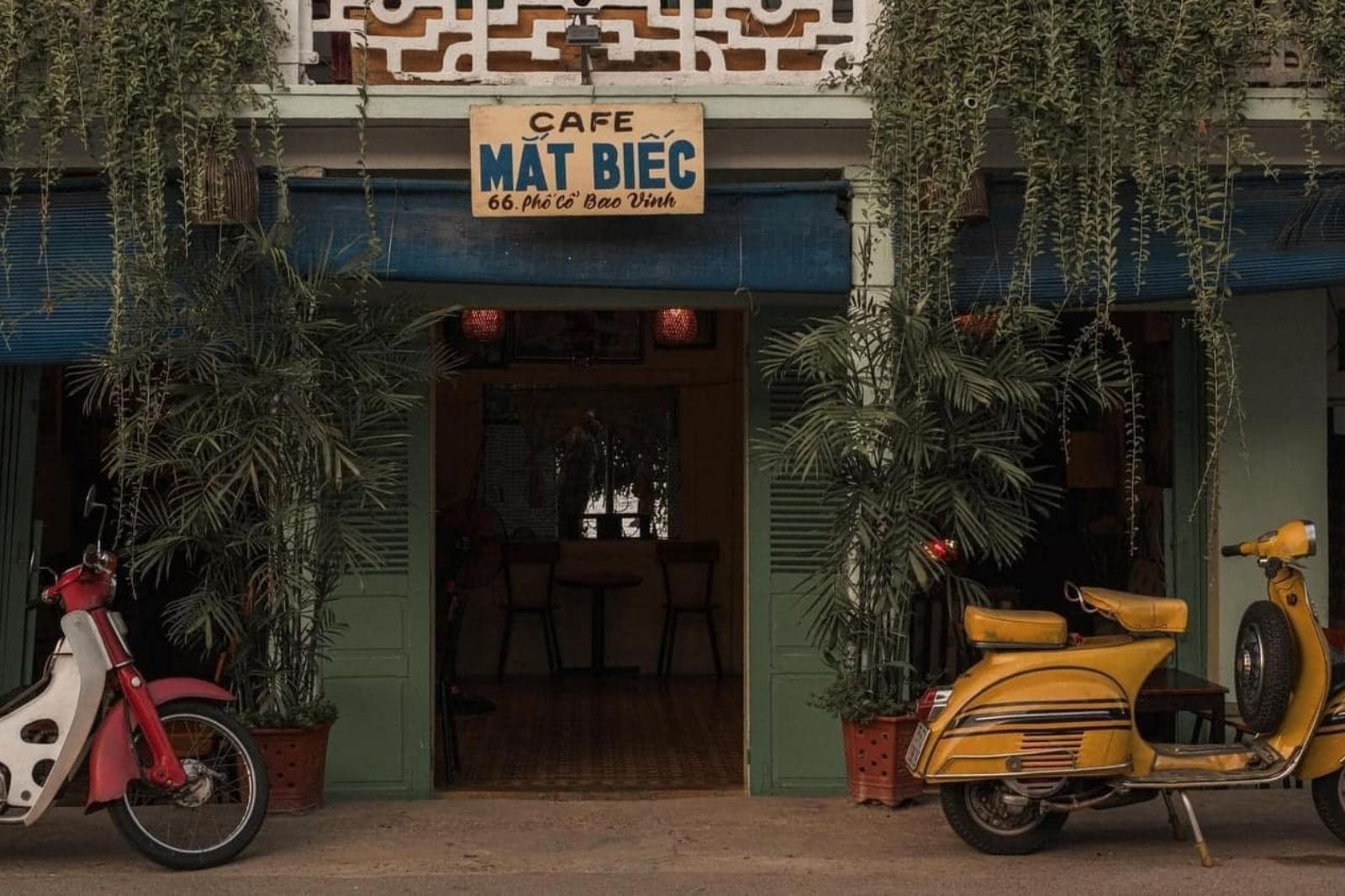
Bao Vinh Ancient Town is one of the rare remaining old quarters in Hue, with a history dating back to the 17th century under the Nguyen Lords. Located along the Perfume River and Dong Ba River, it was once the most bustling trading port in Dang Trong, connecting trade with China, Japan, Europe, and India. Goods such as silk, brocade, ivory, and ceramics were actively exchanged, contributing to the prosperity of ancient Hue capital.
By the 18th and 19th centuries, Bao Vinh entered its peak period. Not only famous for trade, it was also known as a hub for many traditional crafts: mother-of-pearl inlay, lacquerware, carpentry, coffin making, and brick/tile manufacturing. However, the historical event of 1885 when the Hue Citadel fell caused the trading port to gradually decline, making way for the rise of Dong Ba Port. In the late 19th and early 20th centuries, Western scholars such as R. Morineau still referred to Bao Vinh as the "trading port of Hue," but its past glory slowly faded into memory.
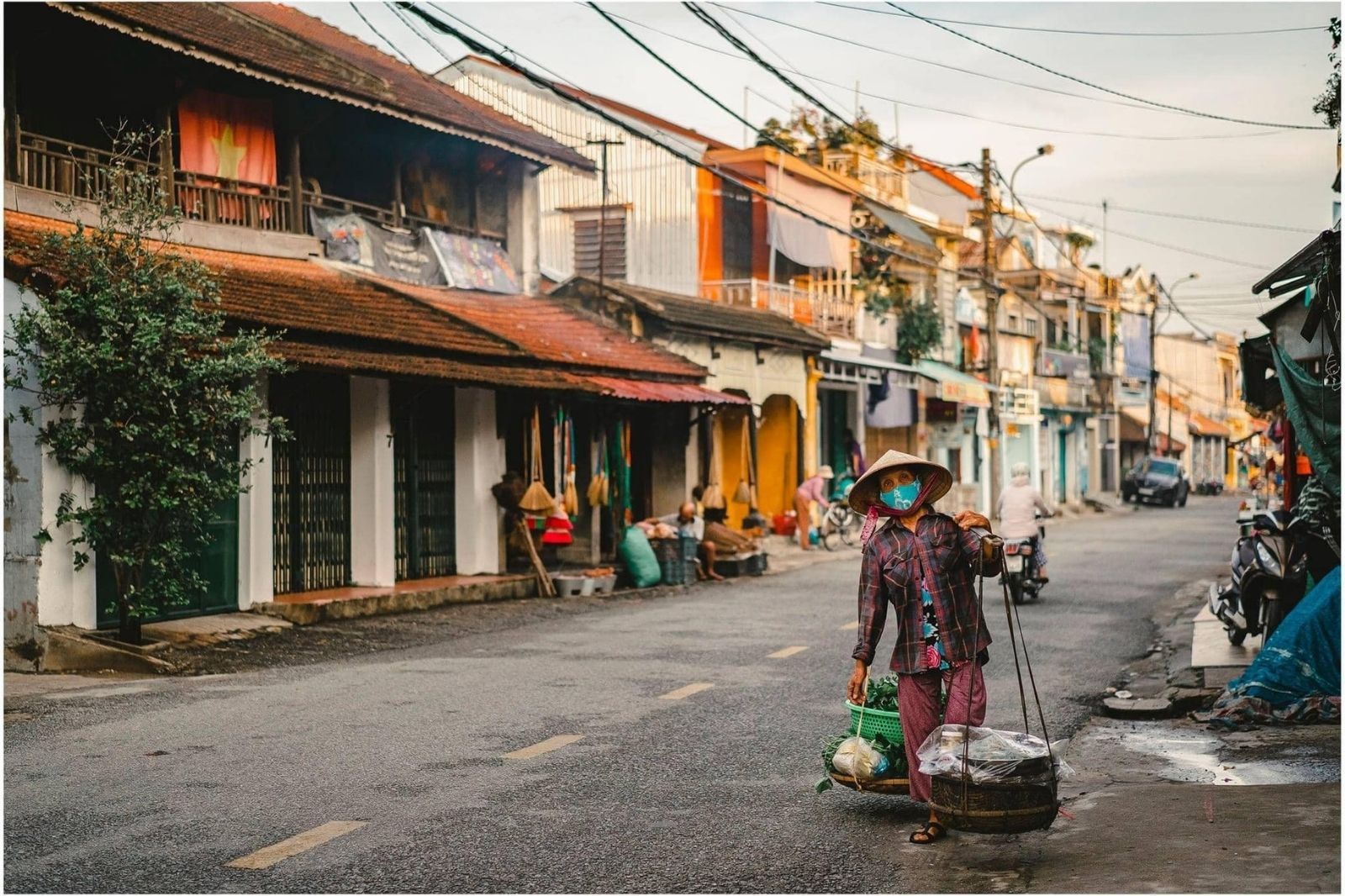
Today, Bao Vinh no longer displays a prosperous commercial appearance, yet it still retains a rare tranquil charm, with over 200-year-old houses standing quietly by the river. From a vibrant port town, Bao Vinh has become a nostalgic space, much less commercialized than Hoi An or Hanoi's Old Quarter. Visiting this place, travelers not only find a corner of ancient Hue but also hear stories of the Pham lineage, who reclaimed and established the land of Bao Vinh from its earliest days.