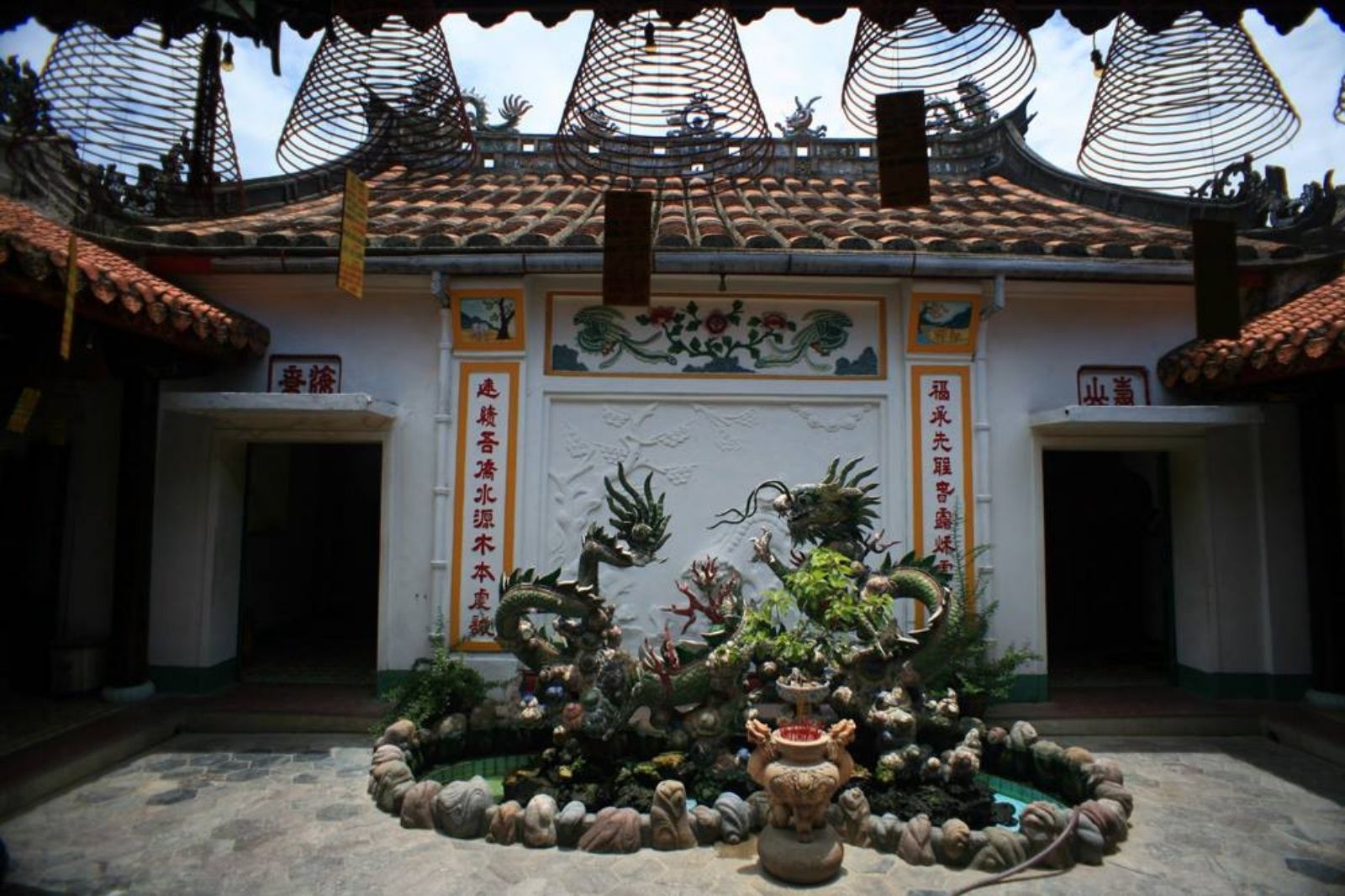
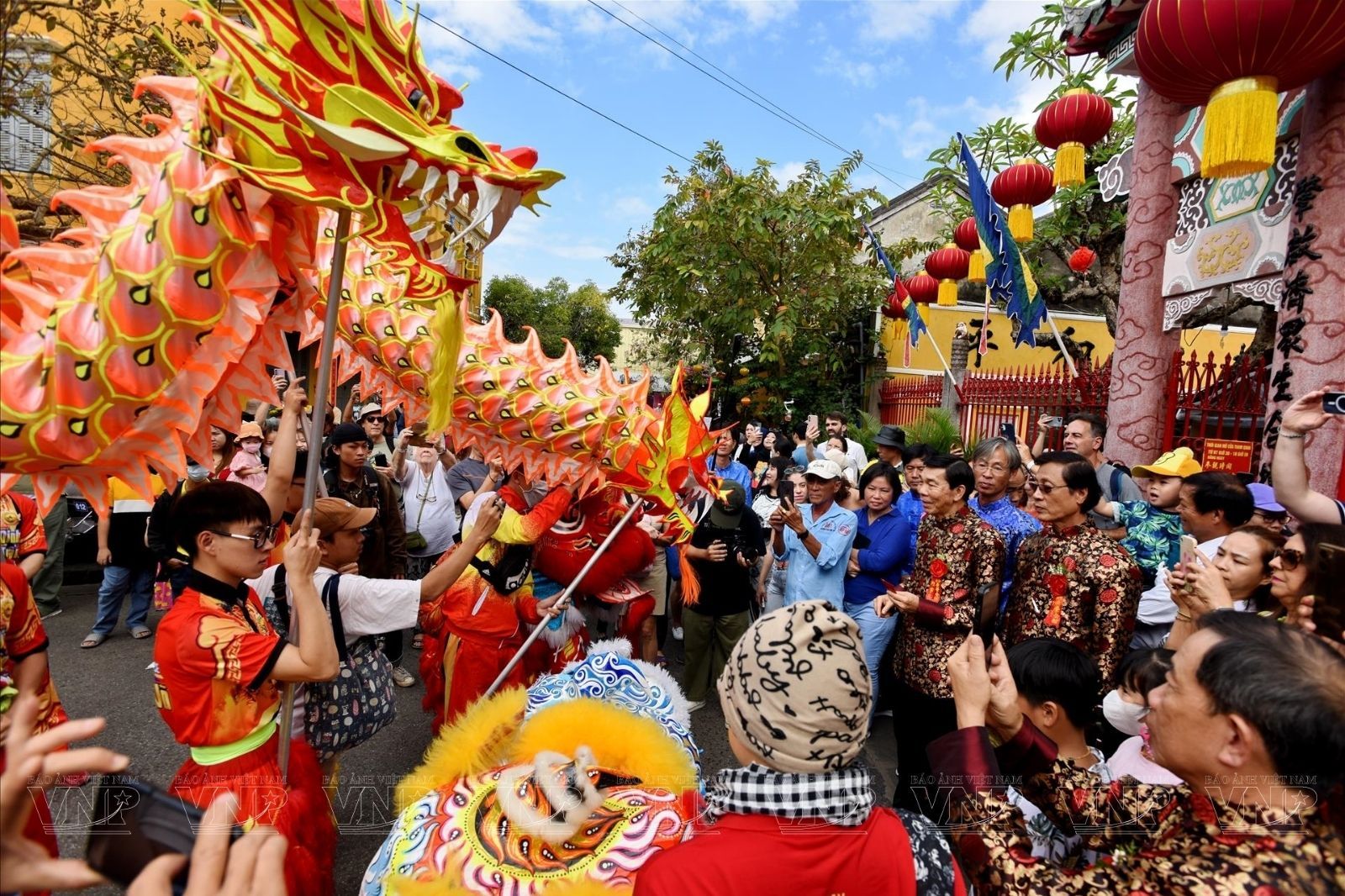
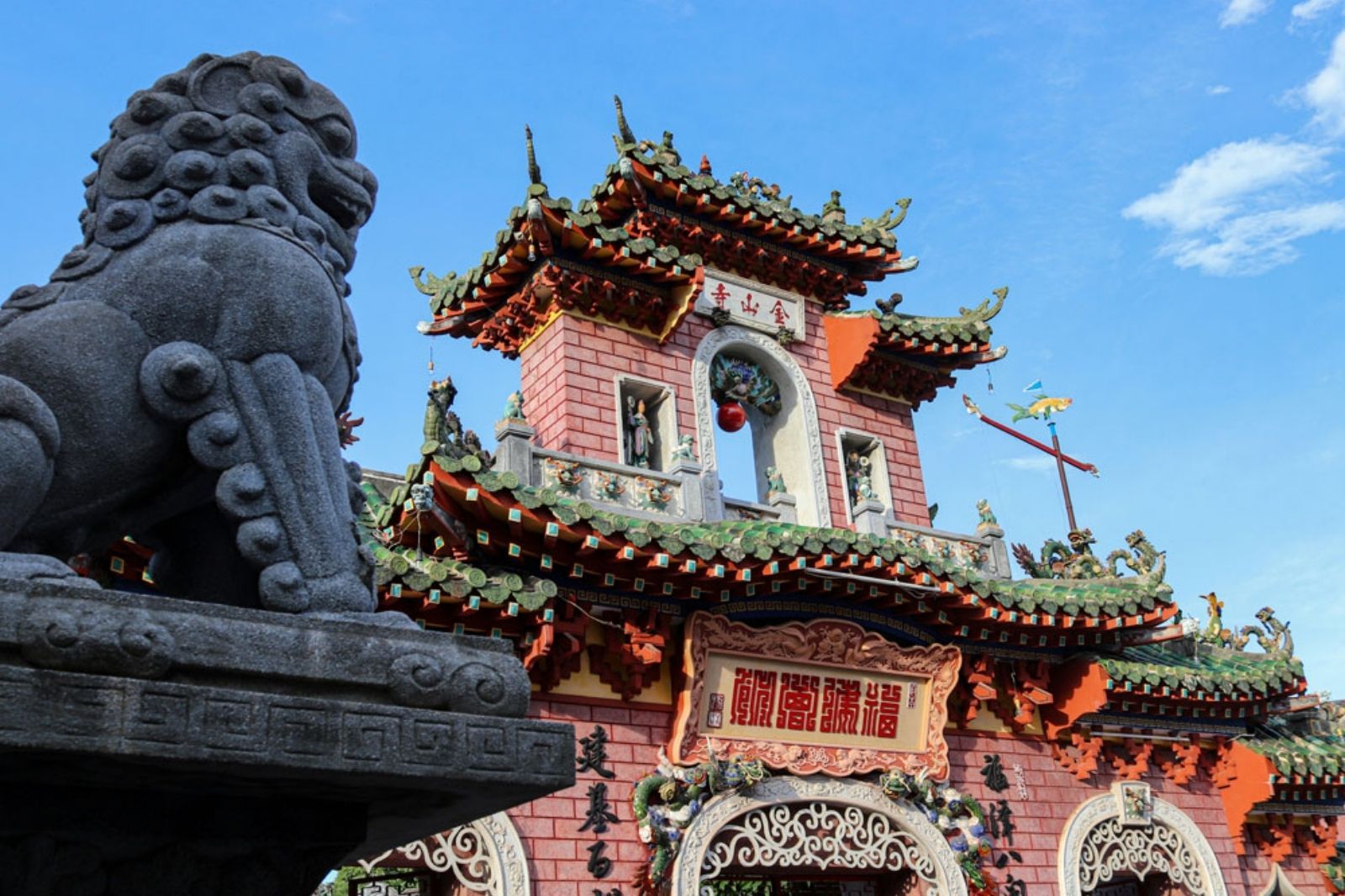
Fujian Assembly Hall (also known as Phuoc Kien Assembly Hall – Kim Son Pagoda) is located at 46 Tran Phu Street, right in the heart of Hoi An Ancient Town, Quang Nam province. The building was constructed during the 17th century when the Hoi An trading port entered its golden age, becoming an important trading hub in Southeast Asia.
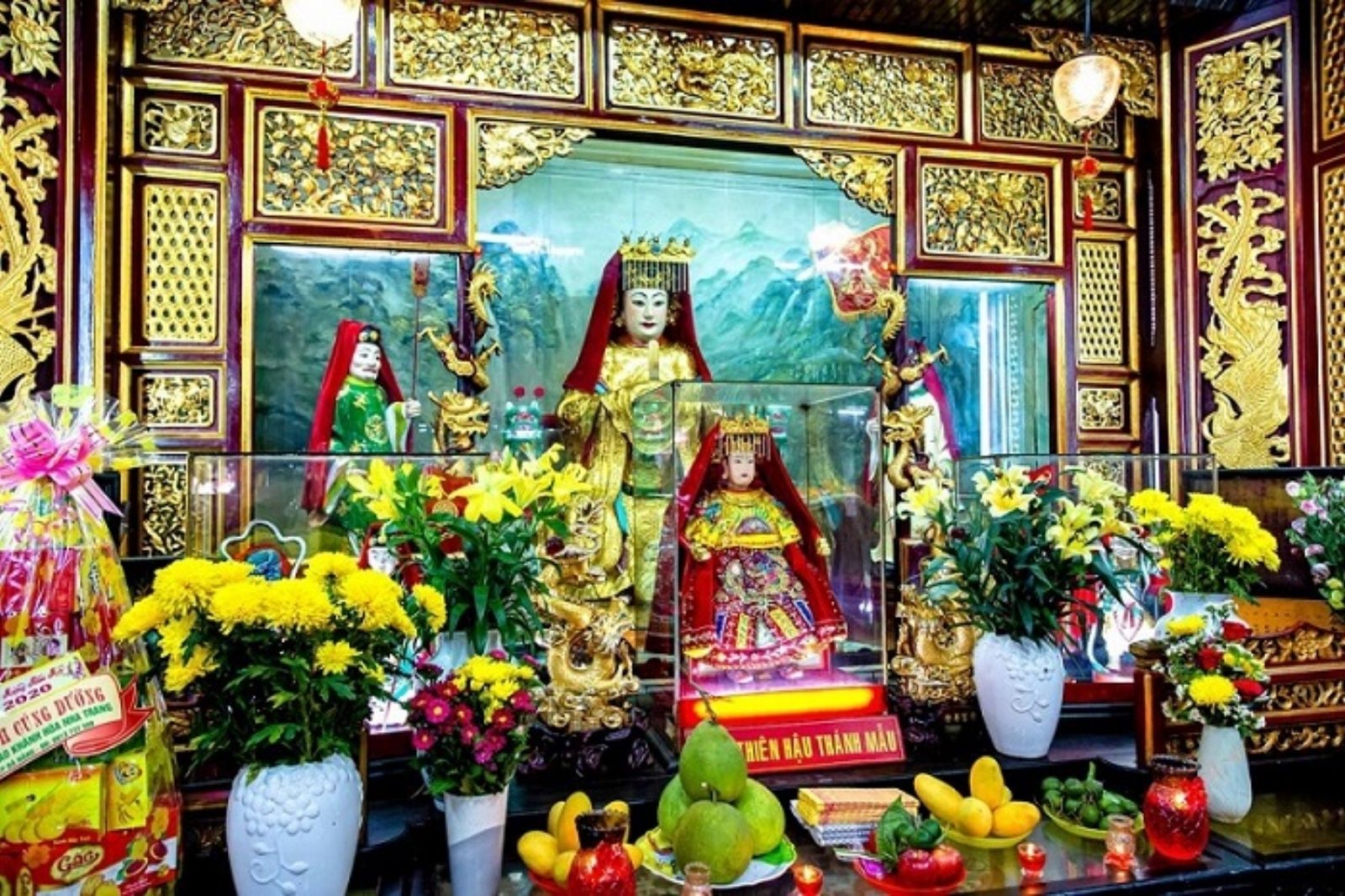
According to records and folk legends, around 1697, this place was originally just a small thatched shrine named Kim Son Pagoda built by locals to worship Buddha. Legend has it that a sacred statue (associated with Buddhist beliefs or Mazu - Goddess of the Sea) washed ashore on the Hoi An coast; local people then used the gold on the statue to contribute to building the shrine.
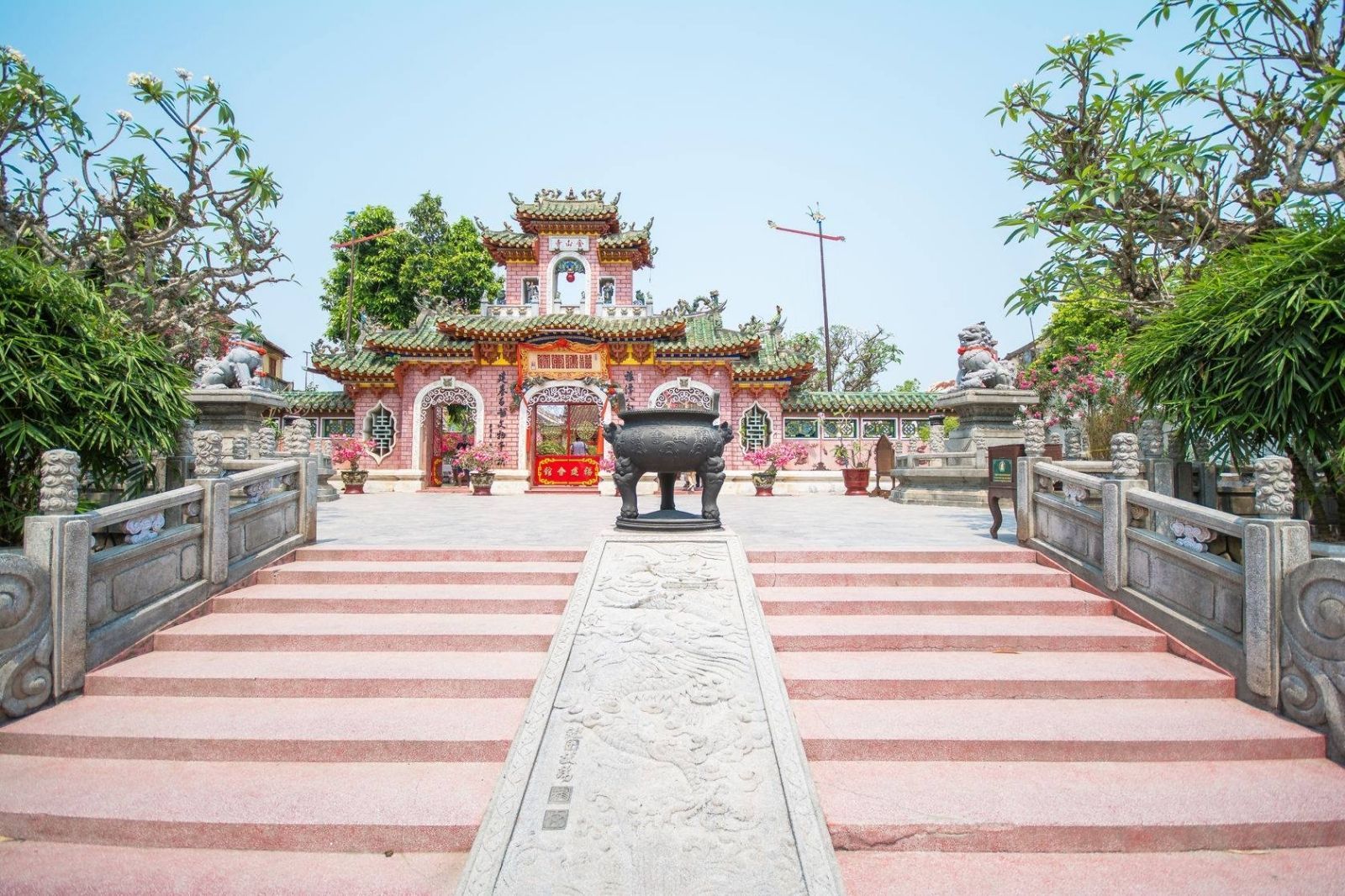
When the Fujian Chinese merchant community – one of the earliest and largest migrant groups in Hoi An – arrived to settle, they purchased the shrine and renovated it into an assembly hall to serve their spiritual and community needs. In 1757, the Fujian congregation undertook a large-scale renovation, rebuilding the structure with solid brick and tile roofs as seen today, and officially renamed it Phuoc Kien Assembly Hall.
In later periods, the assembly hall continued to undergo significant restorations, particularly between 1970–1974 with the construction of the outer gate, pond, and paved courtyard. In 1990, the building was recognized as a National Historical and Cultural Relic, affirming its exceptional architectural and historical value. Not only a sacred place of worship, Fujian Assembly Hall was also once a meeting and mutual-support center for the Fujian Chinese community – merchants who made significant contributions to the prosperity of the Hoi An trading port. The structure thus stands as a typical testament to the cultural fusion between Vietnam and China, as well as Japanese influences within the ancient town.