Hoi An Blue Crab Cakes: An "addictive" street snack you must try

Central

Da Nang

Hoi An

Sovaba.travel

Updated at: 24/09/2026

1. What is Hoi An blue crab cake?

Hoi An blue crab cake is a rustic snack originating from the coastal lifestyle of the locals. This dish is prepared from fresh blue swimmer crabs caught directly from the waters of An Bang, Cua Dai, or Cham Islands (Cu Lao Cham), areas famous for high-quality seafood. The blue crabs are carefully selected, ensuring firm meat and hard aprons to guarantee natural sweetness and rich nutrition.

Basically, blue crab cakes consist of seasoned crab coated in crispy batter and deep-fried until golden brown. The result is a dish with a crispy outer shell and sweet, savory crab meat inside, blended with a touch of richness from eggs and batter. The fragrant aroma of the sea combined with a subtle kick of spices makes this dish "addictive" right from the first bite. More than just a snack, blue crab cakes are rich in protein, calcium, and omega-3 from the crab, boosting energy and promoting joint and bone health. 
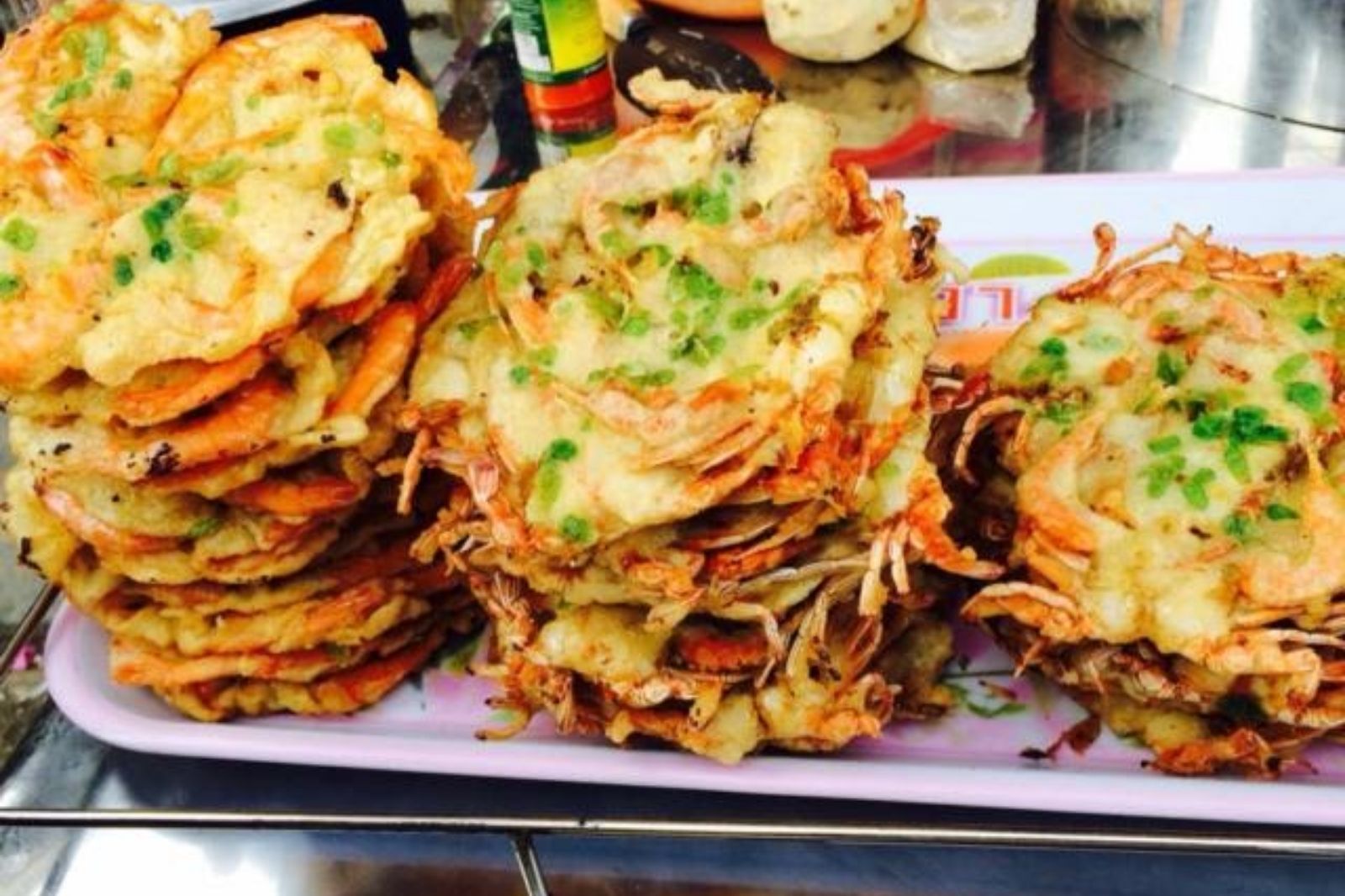
Crab cake battered and deep-fried
Photo: Crab cake battered and deep-fried 

2. Ingredients and how to make blue crab cakes

To make authentic Hoi An-style blue crab cakes, ingredients must be fresh and carefully selected. Here is the basic ingredient list for about 4-6 servings:

  • Fresh blue swimmer crab: 500g (about 8-10 crabs, choose firm ones with natural blue color).
  • Rice flour: 100g.
  • Cornstarch: 100g (creates signature crispiness).
  • Chicken eggs: 2 pieces (enhances richness).
  • Seasoning: Salt, sugar, seasoning powder, julienned ginger, crushed lemongrass, white wine or vinegar (to neutralize fishiness).

The recipe for blue crab cakes is quite simple, but requires dexterity to preserve the fresh flavor of the crab. Here is a detailed guide:

  1. Crab preparation: Rinse the crabs thoroughly in diluted saltwater for about 20 minutes to remove sand and bacteria. Parboil the crabs in boiling water mixed with wine or vinegar for 2-3 minutes to remove fishy odors. Afterwards, marinate the crabs with the spice mixture (salt, sugar, ginger, lemongrass) for 15-20 minutes to absorb the flavors.
  2. Batter mixing: Combine rice flour and cornstarch in a 1:1 ratio, add beaten eggs and a little water to form a thick, smooth batter. Each stall in Hoi An may have its own flour ratio to create a unique taste.
  3. Frying: Heat vegetable oil (use vegetable oil to avoid greasy feel), roll the crabs in batter until evenly coated. Drop the crabs into hot oil and deep-fry over medium heat until golden and crispy on both sides (about 5-7 minutes). Remove and drain on paper towels.

Pro tip: To keep the cakes crispy longer, avoid frying over high heat to prevent burning the outer crust while leaving the crab undercooked inside. If making them at home, you can add finely chopped green onions to the batter to enhance the aroma.

3. Where are blue crab cakes usually sold?

Blue crab cake is a popular street food in Hoi An, easily found in crowded tourist areas. Here are a few notable spots:

  • Hoi An Market (19 Tran Phu, Cam Chau): A food paradise with many stalls selling blue crab cakes both inside and outside the market. Prices range from 30,000 to 50,000 VND/serving, open daily from 6:00 to 22:00. This is an ideal place to sample various local specialties.
  • Bach Dang Night Market (Tran Quy Cap Street, Bach Dang): Operating from 17:00 to 23:00, featuring pushcarts selling blue crab cakes along the Hoai River. Lively atmosphere, great for combining with lantern shopping.
  • Ancient streets like Nguyen Thai Hoc, Bach Dang, Tran Phu: From late afternoon, street vendors and pushcarts appear, selling piping hot cakes. Some long-standing stalls have decades of history, preserving traditional recipes.
  • Near Cua Dai or An Bang Beach: Roadside stalls sell them alongside shrimp cakes, perfect for beachgoers.

If you live far away, you can buy fresh crabs to cook at home, but to experience the authentic taste, be sure to visit the locations above.

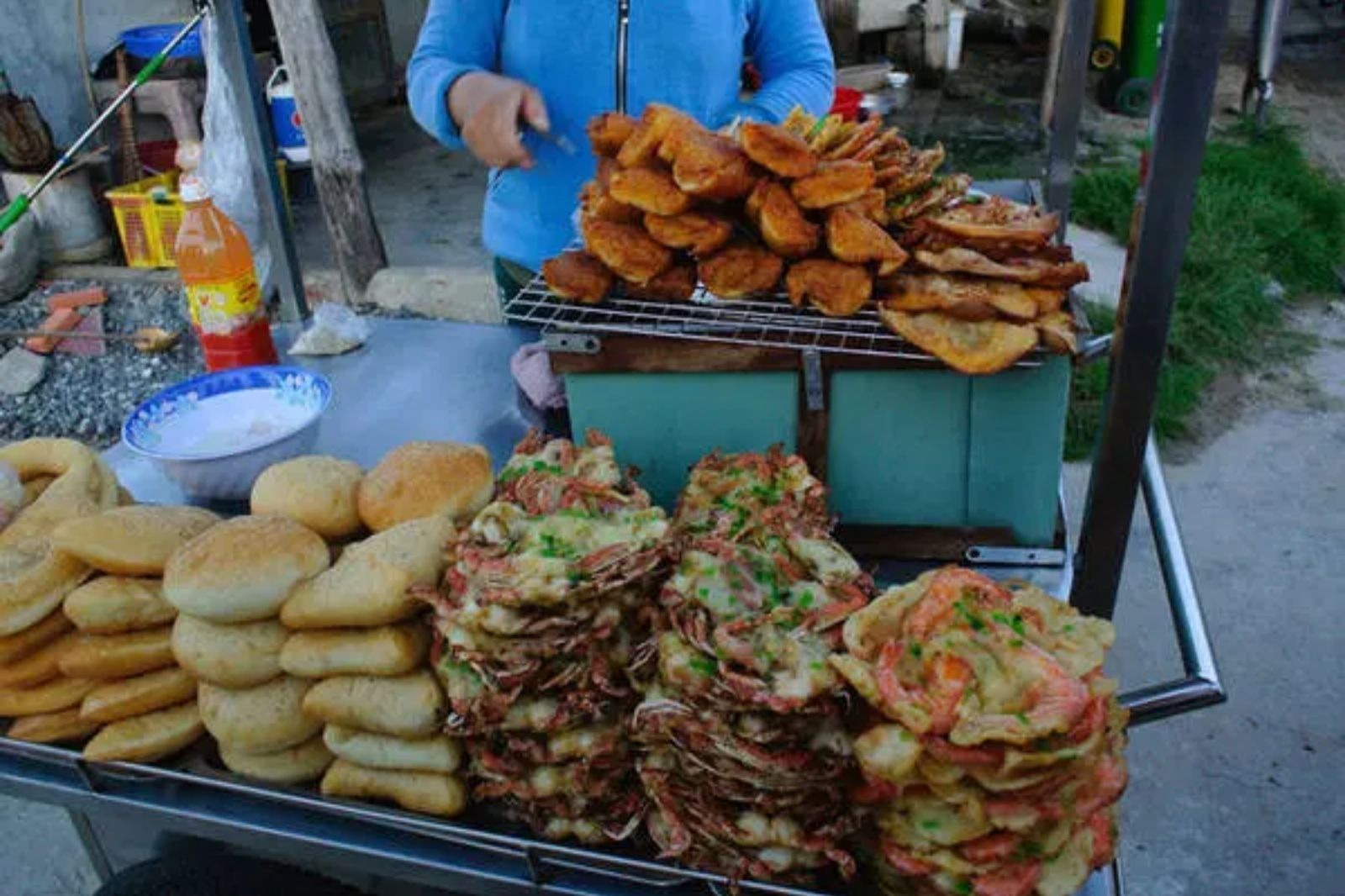
Blue crab cakes are often sold on pushcarts
Photo: Blue crab cakes are often sold on pushcarts  

4. Ideal time to enjoy blue crab cakes

Blue crab cakes can be enjoyed year-round, but the best time is late afternoon, around after 3:00 PM. By this time, the weather becomes more pleasant, the ancient town starts getting lively, and vendors set up fresh batches fried on the spot to ensure they remain hot and crispy. On chilly days, this snack becomes even more popular as it brings a comforting warmth and is easy to eat.

For locals, blue crab cakes are considered a familiar afternoon snack, enjoyed after work or during leisurely street strolls. If visiting Hoi An in the summer, you should opt for evening hours, especially around the night market, to avoid the heat and enjoy a cooler atmosphere. In fact, this dish suits almost any weather condition: on sunny days, pair it with a refreshing cold drink, while rainy days make enjoying it under an ancient town porch even more delightful. During peak tourist season from April to September, blue crab cake stalls are always crowded, so it's best to avoid peak hours to skip long waits.

5. Tips for enjoying authentic blue crab cakes

To enjoy blue crab cakes properly, keep these tips in mind:

  • Eat hot: The cakes are best right out of the fryer, with a super crispy crust and hot crab meat inside. If they cool down, you can reheat them in a microwave, but avoid doing so for too long to maintain their crispness.
  • Choose the right dipping sauce: The simplest choice is chili sauce, sweet plum sauce, or sweet soy sauce mixed with vinegar. If you like it spicy, add freshly ground chili. Some people eat them with fresh herbs and greens to balance the rich taste.
  • Pairing options: Enjoy as a standalone snack or with steamed rice for a main meal. Tourists often buy them as gifts, storing them in airtight containers to stay crispy for 1-2 days.
  • Crab selection tips: If making them yourself, choose male blue crabs for more meat, and female crabs for rich roe. Avoid hollow/watery crabs (soft meat). Eat in moderation to avoid seafood allergies.
  • Health benefits: Crabs are rich in calcium and good for bone health; however, people with stomach issues should consume them moderately to prevent bloating.
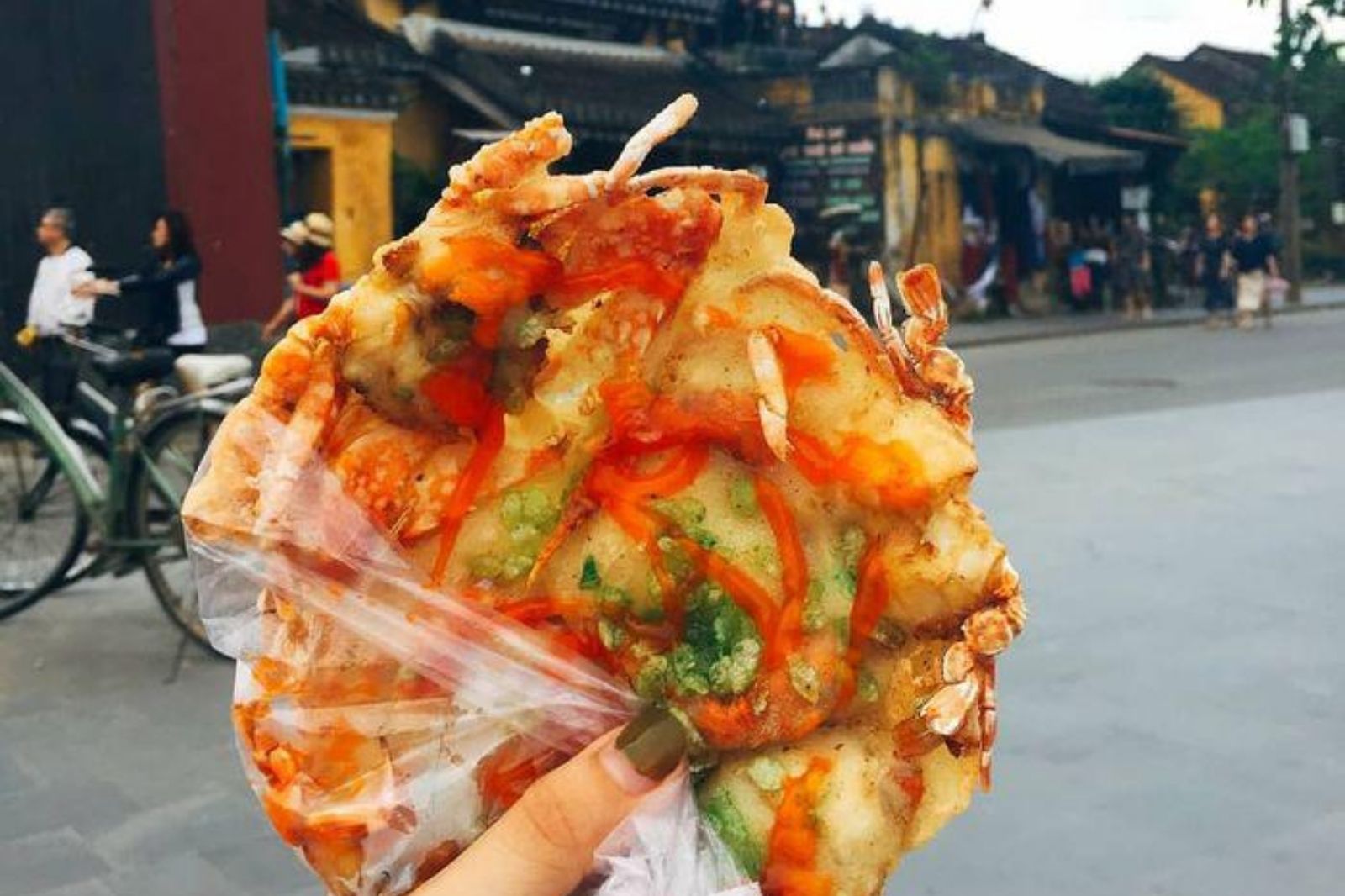
Blue crab cakes are best enjoyed piping hot
Photo: Blue crab cakes are best enjoyed piping hot  

Blue crab cakes are not merely a street snack, but an integral part of everyday Hoi An culinary culture. From the flavor and way of eating to the charming roadside street food vibe, everything contributes to creating an intimate and memorable impression on visitors. If you have the chance to visit Hoi An, stopping by to enjoy blue crab cakes will help you better understand the dining habits and slow pace of local life. To make your trip even more complete, check out helpful Hoi An travel guide tips on sovaba.travel, featuring curated suggestions on cuisine, destinations, and tailored itineraries for every traveler.

Loading......

Featured destinations