sovaba
TRAVEL GUIDEHoi An

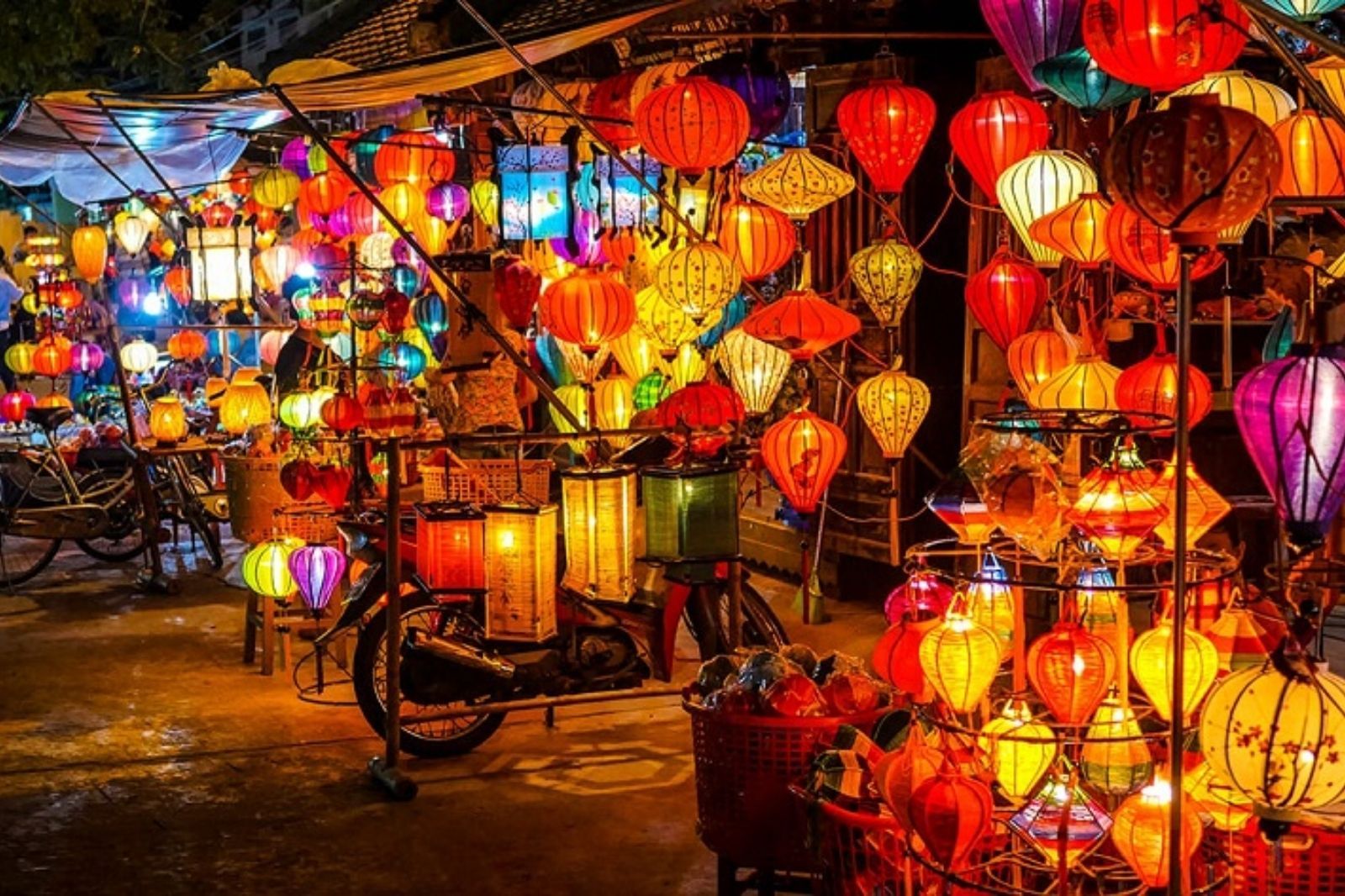
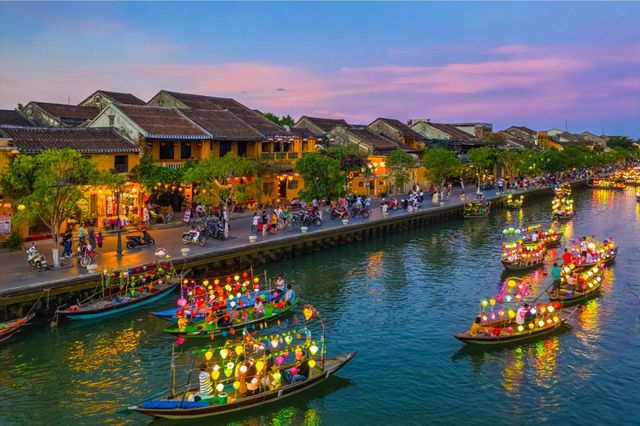
Exploring Hoi An Ancient Town is an ideal choice for travelers wishing to fully experience the quiet, tranquil beauty and rich identity of an ancient city by the Hoai River. With mossy tiled roofs, peaceful small streets, and shimmering lanterns every night, Hoi An is not only a UNESCO World Cultural Heritage site but also a symbol of the harmonious blend of history, architecture, and Vietnamese cultural life.

In your Hoi An travel guide, don't forget to look up useful information such as the best time to stroll around the ancient town, top attractions, photography tips, and signature cultural experiences. Every step in Hoi An opens up a new perspective on the peaceful, deep, yet highly captivating beauty of this heritage land.

Introduction to Hoi An Ancient Town Tourism

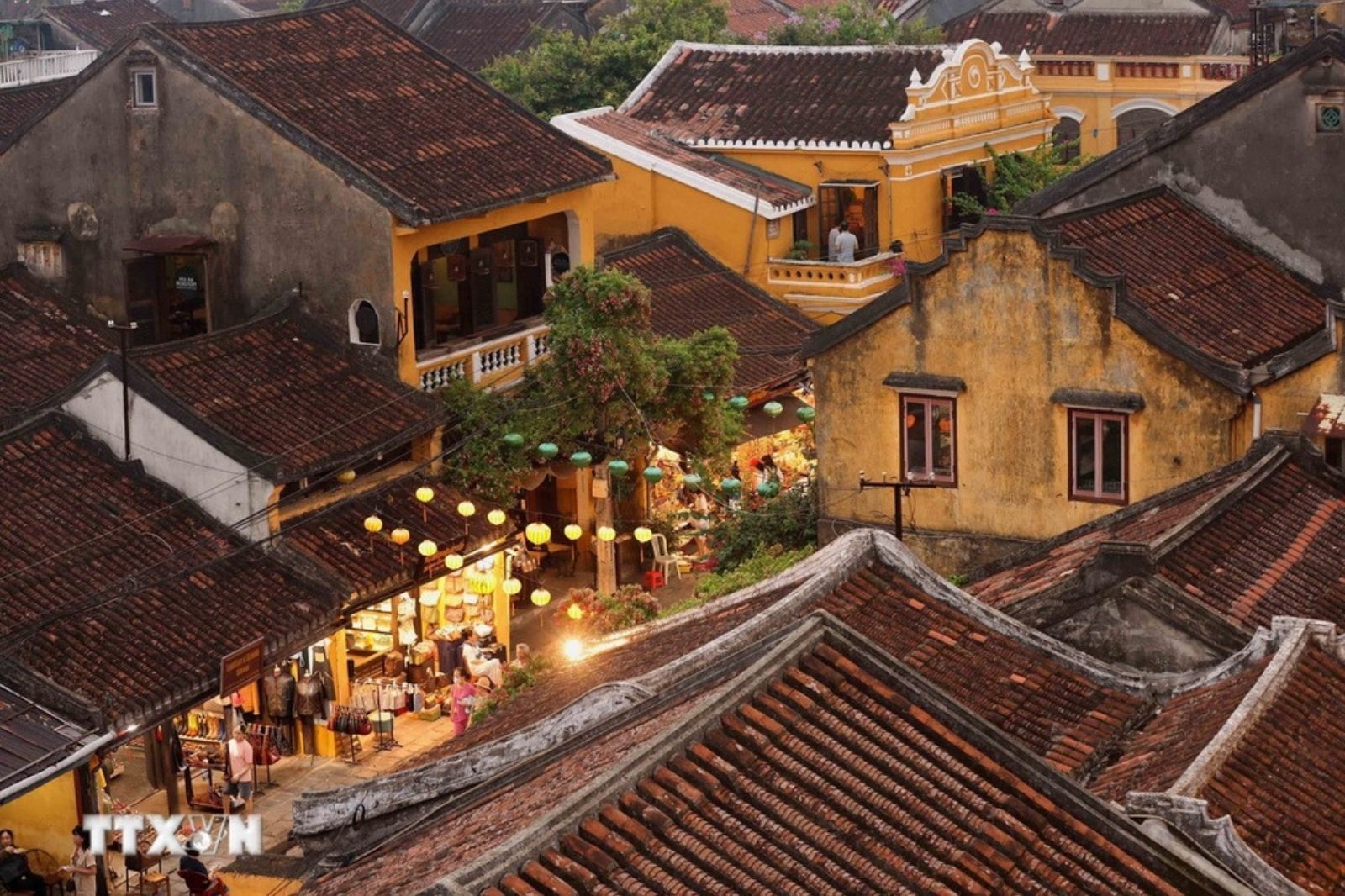
Hoi An, currently part of Da Nang city, is an ancient trading port formed and developed brilliantly from the 15th to the 19th century, marking a unique cultural intersection between Vietnam, China, Japan, and Portugal. Over many centuries, Hoi An has retained a rare ancient architectural appearance and was recognized by UNESCO as a World Cultural Heritage site in 1999. Hoi An Ancient Town, with more than 1,000 ancient houses, pagodas, and assembly halls, is a prominent sightseeing center where visitors can walk around, admire lanterns along the Hoai River, and explore long-standing traditional craft villages.

Hội An nổi bật với kiến trúc cổ kính
Photo: Hoi An stands out with ancient architecture  

Hoi An welcomes millions of visitors each year, famous for signature experiences such as releasing flower lanterns, having custom clothing tailored, and enjoying local cuisine. Charming not only by night, Hoi An also benefits from its proximity to beautiful beaches like An Bang and Cua Dai, creating a harmonious combination of beach resort relaxation and heritage cultural exploration. With its gentle pace of life and diverse experiences, Hoi An tourism is suitable for everyone, from couples and families to travelers who love exploration.

Best Time to Visit Hoi An

Hoi An's weather belongs to the tropical monsoon climate, divided into the dry season (February–September) and the rainy season (October–January). According to reliable sources, the best time to visit Hoi An is from February to April, when the weather is dry, temperatures range from 25–30°C, rain is rare, and humidity is low, ideal for strolling through the ancient town and outdoor activities.

  • February–April: Springtime with cool weather and little rain, perfect for lantern photos and visiting craft villages. This is also when the lantern festival (full moon of every lunar month) takes place vibrantly.
  • May–August: Hotter weather (30–35°C), but An Bang Beach is great for swimming. Avoid July–August if you cannot stand intense heat.

Note: In 2026, check weather forecasts as climate change may affect conditions. Avoid October–November due to storms.

Du lịch Hội An mùa hè
Photo: Summer tourism in Hoi An 

Guide on How to Get to Hoi An

Hoi An does not have its own airport, so the most popular way is to fly to Da Nang (30 km away) and then travel by taxi, bus, or shuttle. Below is a detailed guide from major cities:

  • From Hanoi: Direct flight to Da Nang (1–1.5 hours, round-trip ticket around 800,000–2,000,000 VND). From Da Nang airport, take a taxi (300,000–400,000 VND, 45 minutes) or a local bus (50,000 VND). Sleeper bus (18–20 hours, 500,000–700,000 VND) if you want to save money.
  • From Ho Chi Minh City: Fly to Da Nang (1 hour, similar price). Bus (16–20 hours, 400,000–600,000 VND) with brands like Camel Travel or Queen Cafe. Train to Da Nang and then transfer (about 15 hours).
  • From Da Nang: Taxi/Grab (300,000 VND), Bus No. 1 (20,000 VND, 1 hour), or rent a motorbike (100,000 VND/day).
  • From Nha Trang/Quy Nhon: Sleeper bus (8–12 hours, 300,000–500,000 VND).

Tip: Use Grab or Be apps for cheap and convenient local transport. If driving yourself, National Route 1A is safe, but be mindful of traffic.

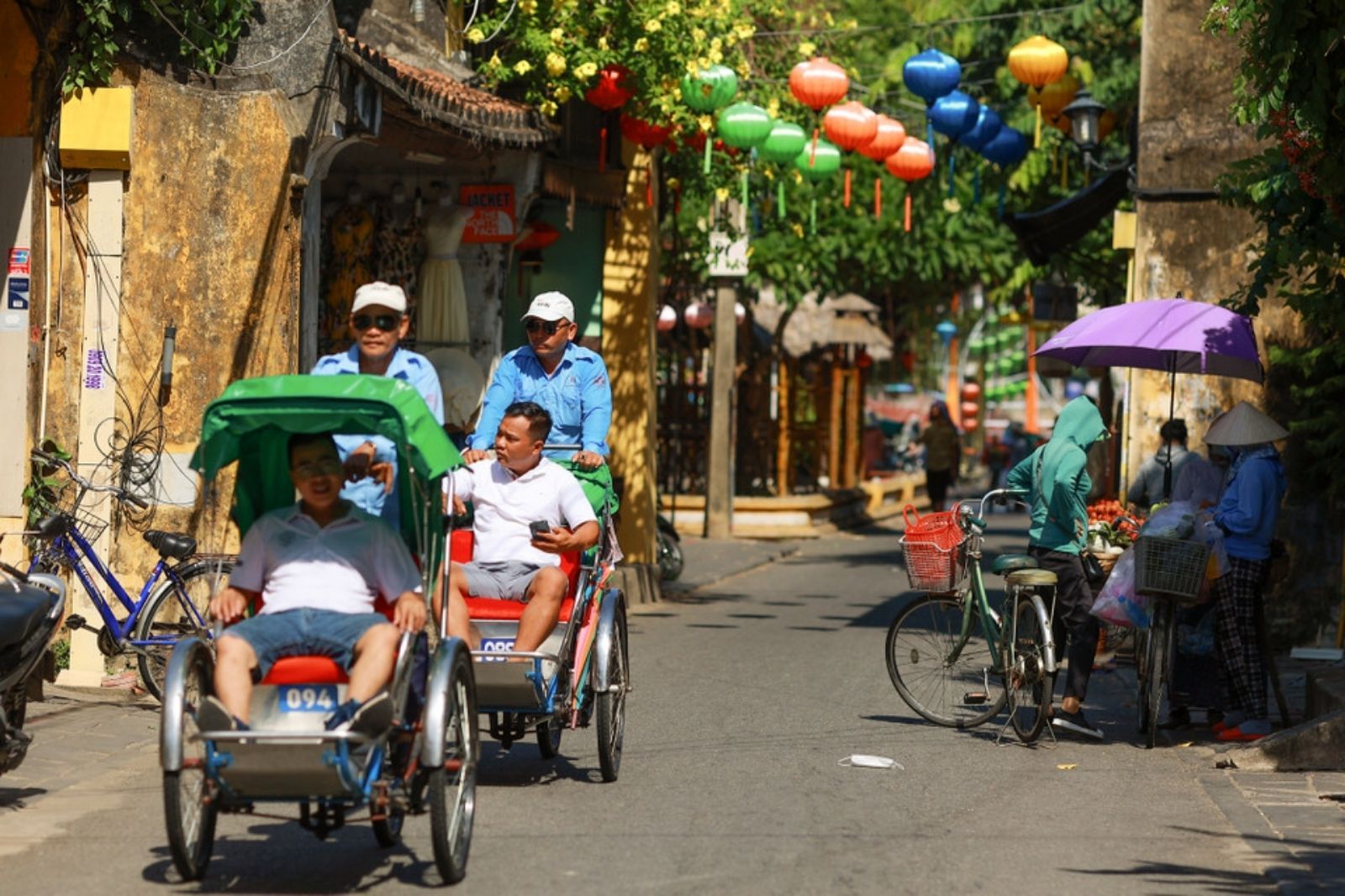
Di chuyển bằng xích lô để tham quan phố cổ
Photo: Sightseeing in the ancient town by cyclo 

Highlight Attractions in Hoi An

Hoi An boasts a diverse system of attractions, concentrated mainly around the ancient town and surrounding areas, harmoniously combining cultural heritage, nature, and local experiences. Below are key destinations visitors should not miss on their journey to explore Hoi An:

  • Hoi An Ancient Town: UNESCO-recognized heritage area, featuring ancient houses, assembly halls, and pagodas such as Fujian Assembly Hall and Guan Yu Temple. 
  • Japanese Covered Bridge (Chua Cau): Iconic symbol of Hoi An, an over 400-year-old structure displaying the cultural intersection of Vietnam and Japan.
  • Hoai River: Signature nighttime experience with flower lantern releasing, rich in spiritual culture.
  • Bay Mau Coconut Forest: Experience basket boat paddling, watching basket spinning performances, and learning about river ecology.
  • Hoi An Museum: Preserves documents and artifacts about the history of formation and development of Hoi An trading port.
  • Tra Que Vegetable Village: Famous traditional craft village offering farming experiences and local culinary insights.

These destinations not only help visitors admire the distinctive beauty of Hoi An but also provide a comprehensive view of the historical, cultural, and local lifestyle values of this heritage land.

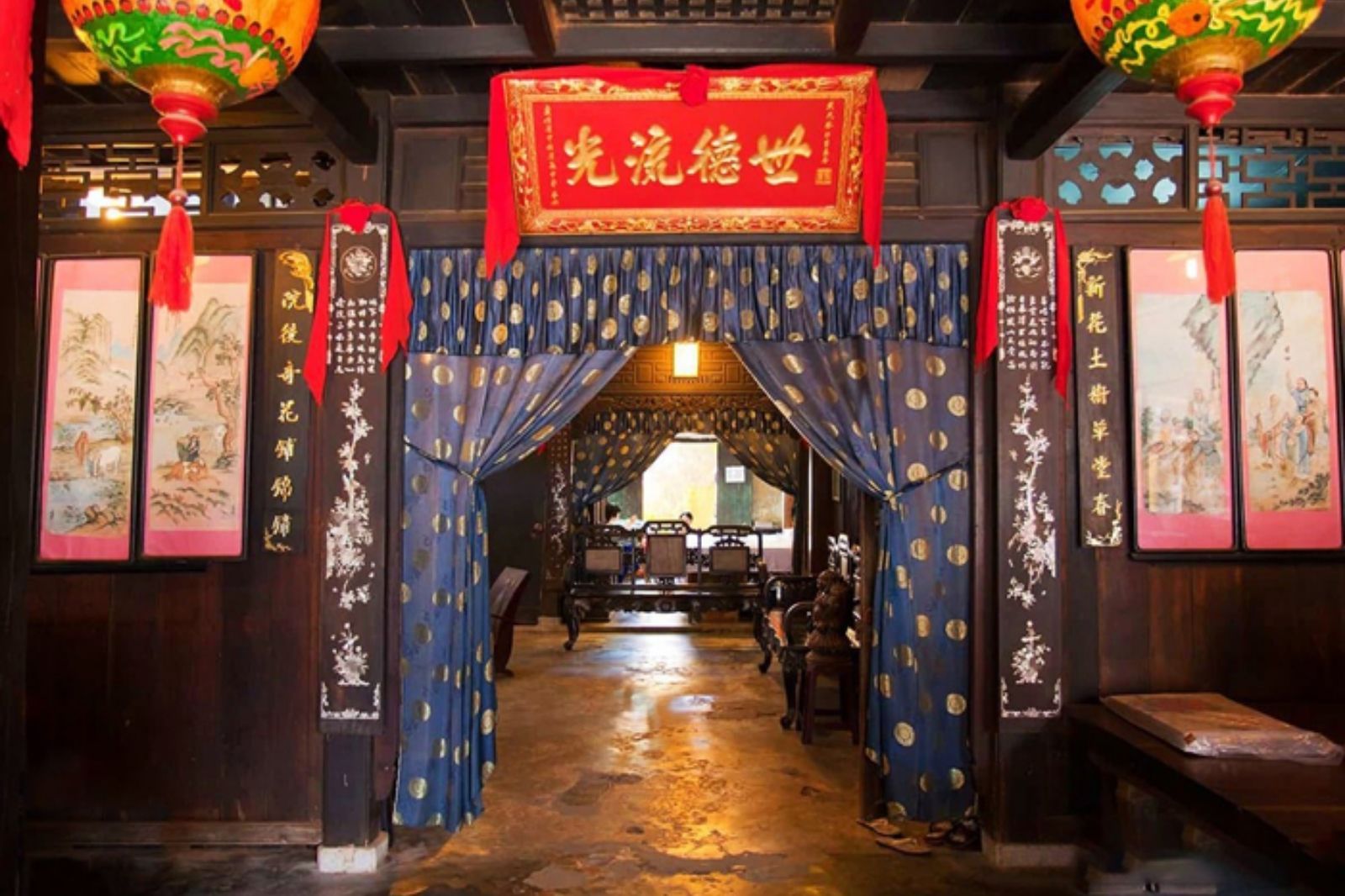
Tham quan các nhà cổ ở Hội An
Photo: Visiting ancient houses in Hoi An  

Traditional Craft Villages in Hoi An

Hoi An is not only captivating for its ancient town but also known for its system of traditional handicraft villages, where the essence of labor and local cultural identity are preserved across generations.

  • Thanh Ha Pottery Village: About 3 km from the ancient town, famous for rustic handmade pottery products. Visitors can try making pottery themselves and visit the Pottery Museum (ticket around 40,000 VND).
  • Tra Que Vegetable Village: Traditional organic vegetable area offering vegetable planting experiences, cooking classes, and herbal massage relaxation.
  • Kim Bong Carpentry Village: Preserves famous wood carving and boatbuilding crafts, closely linked to the history of Hoi An trading port.
  • Hoi An Silk Village: Visitors can learn about silkworm rearing, silk unwinding, and traditional silk weaving processes.

Exploring craft villages not only brings interesting experiences but also helps visitors gain a deeper understanding of local life, culture, and traditional craft values, contributing to Hoi An's very own unique charm.

Hoi An Cuisine

Hoi An cuisine is one of the factors creating the special appeal of the heritage town, where the cultural blend of Asia and Europe is subtly expressed through every dish. With fresh ingredients, traditional preparation methods, and reasonable prices, visitors can easily enjoy everything from budget street food (around 20,000 – 50,000 VND/dish) to quality restaurants (around 100,000 – 200,000 VND/dish).

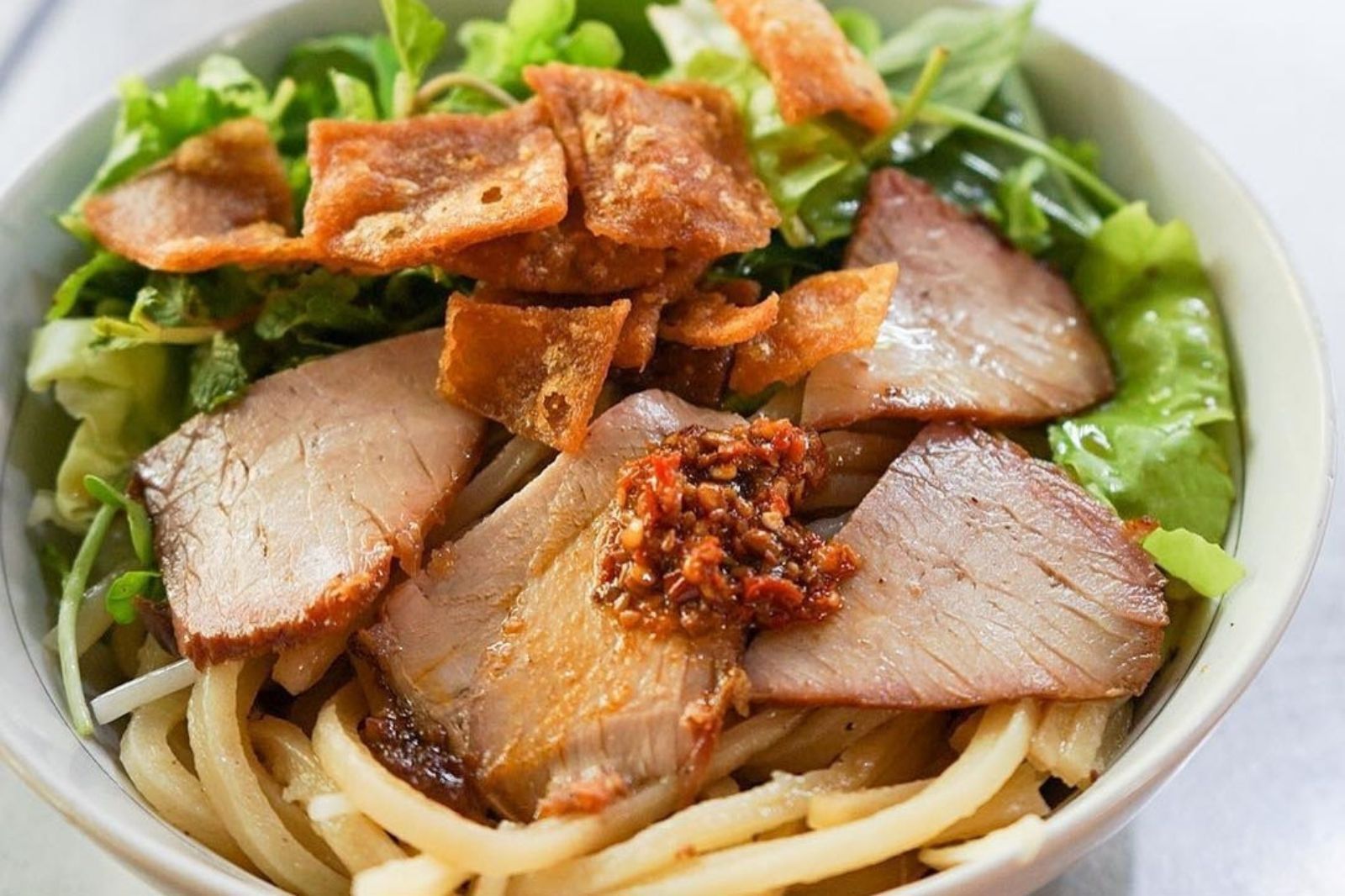
  • Cao Lau: A signature noodle dish unique to Hoi An, with chewy noodles, served with pork, herbs, and rich broth. Price around 40,000 VND. 
  • Mi Quang (Quang Noodles): Fresh noodles combined with shrimp, pork, egg, and toasted rice paper, price around 30,000 VND; Ong Hai restaurant is a favorite among many visitors.
  • Banh Mi Phuong: Banh mi packed with rich fillings, praised by international media, price around 20,000 VND.
  • White Rose Dumplings (Banh Vac): Steamed shrimp dumplings, thin and light, served with a signature dipping sauce.
  • Hoi An Chicken Rice: Fragrant rice cooked in chicken broth, served with shredded chicken, herbs, and savory mixed fish sauce.
  • Banh beo, banh uot: Rustic snacks popular in local markets and street carts.
  • Egg Coffee: A unique, lightly creamy, and aromatic drink, perfect for relaxing after a sightseeing tour.

Enjoying Hoi An cuisine is not only a taste experience but also a way to feel the life, culture, and history of this heritage land, making your trip more complete and memorable.

Cao lầu Hội An
Photo: Hoi An Cao Lau

Beautiful Hotels, Homestays, and Resorts in Hoi An

Accommodation options in Hoi An are highly diverse, meeting the needs of all travelers from budget to luxury resorts. By 2026, average room prices are expected to range from 500,000 to 2,000,000 VND/night, depending on type and location.

  • Luxury Resorts: Anantara Hoi An Resort stands out with its riverfront location, luxurious space, and high-class spa services, priced around 3,000,000 – 10,000,000 VND/night. La Siesta Hoi An Resort & Spa is favored for its beautiful pool, professional service, and convenient distance to the ancient town.
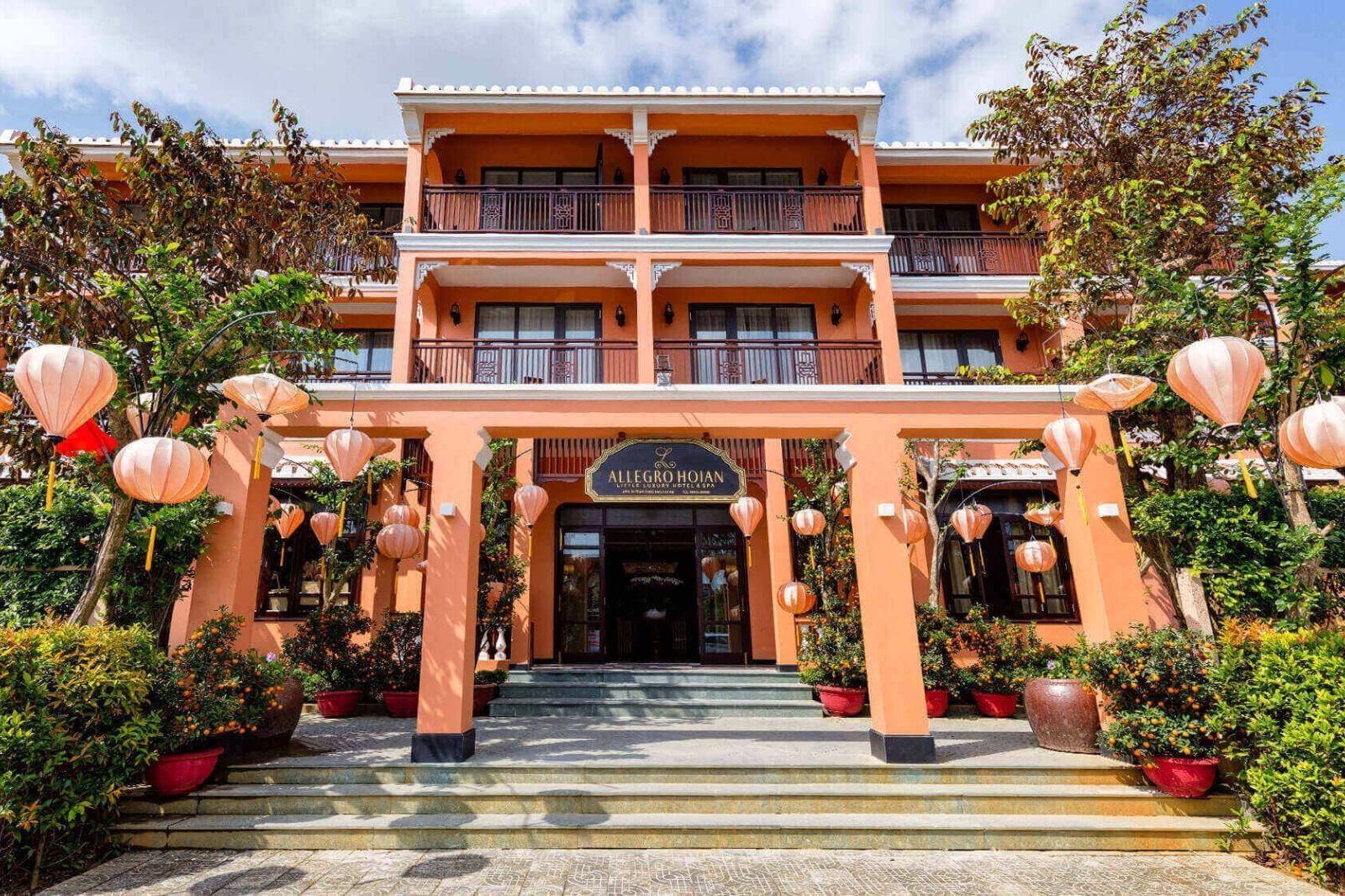
  • Boutique Hotels: Allegro Hoi An Hotel & Spa features a modern design, medium scale, located near the ancient town, reference price around 1,500,000 VND/night, suitable for travelers who appreciate elegance and convenience.
  • Homestays: Em’s House Hoi An Homestay brings a cozy family atmosphere at a reasonable price of about 400,000 VND/night. Bong House Homestay features a green, quiet space, suitable for guests wishing to relax.
  • Budget Stays: Good Morning Hoi An Homestay is priced at around 200,000 VND/night, located near the market, suitable for young travelers and backpackers.

Overall, visitors should choose to stay near the ancient town for convenient sightseeing and dining, or near the beach if prioritizing resort relaxation and a quiet environment. Selecting the right accommodation will help enhance the quality of your experience when exploring Hoi An.

Allegro Hoi An Hotel & Spa
Photo: Allegro Hoi An Hotel & Spa

Estimated Hoi An Travel Costs

To help visitors plan easily, travel costs for a 3–5 day trip to Hoi An are considered quite reasonable and suitable for various travelers. The average estimate is around 5–10 million VND/person (including round-trip airfare from Hanoi or Ho Chi Minh City). Below is a detailed breakdown of estimated costs for 2026:

  • Transportation: Round-trip airfare ranges around 1,000,000 – 2,000,000 VND, taxi cost from Da Nang airport to Hoi An is about 300,000 VND/way.
  • Accommodation: Homestay or budget hotel from 300,000 VND/night; mid-range segment around 800,000 VND/night.
  • Dining: Average 100,000 – 200,000 VND/day, with street food being more economical.
  • Sightseeing & Experiences: Ancient town admission ticket 120,000 VND, experience tours or nearby excursions around 200,000 – 500,000 VND.

Total estimated daily cost falls around 700,000 – 1,000,000 VND/person for a budget trip (equivalent to 30–40 USD), or around 2,000,000 VND/day for a mid-range trip. Overall, Hoi An is an accessible destination with reasonable costs while offering complete cultural, culinary, and resort experiences for travelers.

Important Notes When Traveling to Hoi An

To ensure your journey to explore Hoi An goes smoothly, safely, and with full experiences, travelers should keep in mind several key points before and during the trip:

  • Local Transportation: The ancient town prioritizes walking and cycling, with cars restricted during certain hours. When traveling further, use reputable Grab or taxi services for safety.
  • Weather: Prepare sunscreen, hats/caps during the dry season; bring a light raincoat if visiting in the rainy season. Limit travel during the peak flood period from October to December.
  • Culture & Etiquette: Dress respectfully when visiting temples and assembly halls; maintain general cleanliness and avoid littering in heritage areas.
  • Health: Prioritize bottled drinking water, try new foods in moderate amounts to avoid allergies or digestive issues.
  • Safety & Utilities: Keep belongings safe in crowded market areas; consider purchasing travel insurance. Ancient town tickets are mandatory, and Google Maps or Grab can be used for convenient navigation.

Remembering these notes will help you be proactive in any situation, thereby fully enjoying the ancient beauty and distinctively slow pace of life in Hoi An.

Phố cổ Hội An về đêm
Photo: Hoi An Ancient Town at night 

With its ancient beauty, slow pace of life, and characteristic cultural depth, Hoi An is always an ideal destination for those seeking authentic values and peaceful emotions on every trip. Hopefully, the detailed Hoi An Travel Guide from A to Z above has provided you with a comprehensive overview, making it easy to plan and enjoy your trip in the most complete, cost-effective, and efficient way. If you want to explore Hoi An effortlessly without having to arrange an itinerary yourself, check out all-inclusive Hoi An travel tours featuring well-structured itineraries, professional guides, and reasonable costs. This will be an ideal choice for families, groups of friends, or first-time visitors to Hoi An.

Articles related to Hoi An