Hoi An Lye Water Dumpling: A Rustic Specialty Encapsulating the Flavor of Quang Land

Central

Da Nang

Hoi An

Sovaba.travel

Updated at: 24/09/2026

1. What are lye water dumplings?

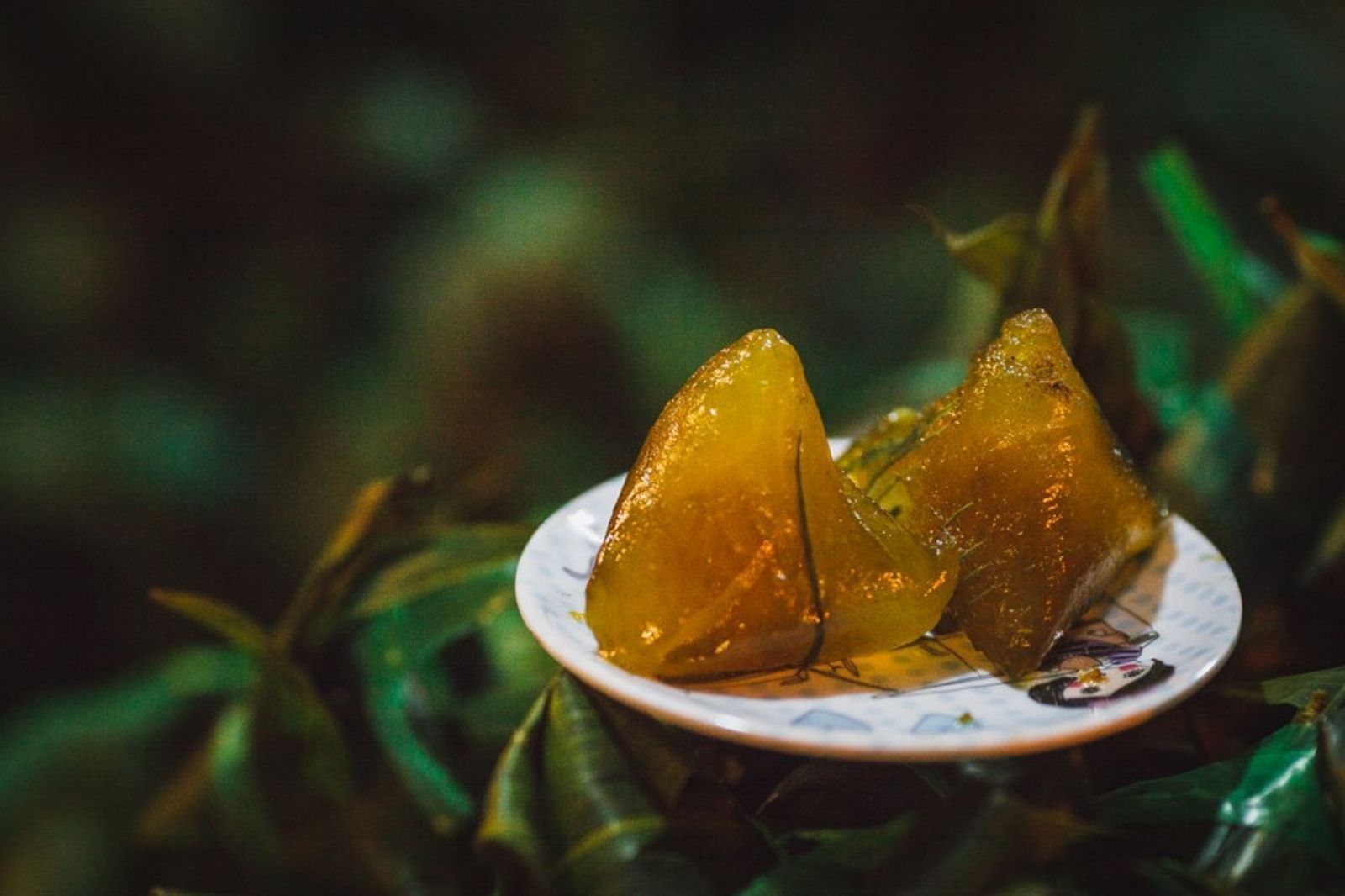
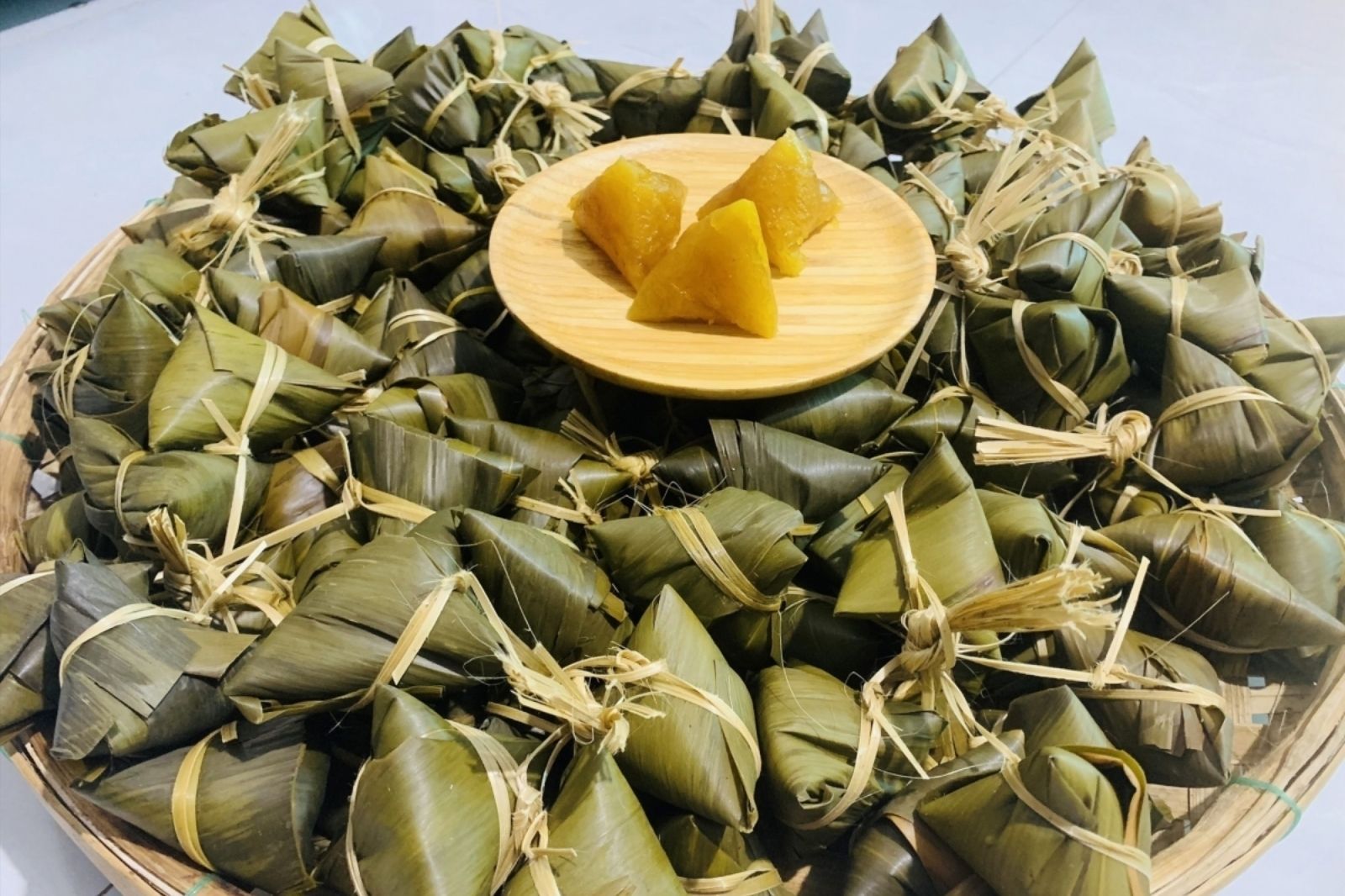
Lye water dumplings are a rural delicacy made from sticky rice, lye water, and wrapping leaves, so simple it seems there is nothing much to tell. Yet through the artisan's hands, the sticky rice grains, after being soaked in lye water, become crystal clear, soft, and chewy, gleaming with an amber-gold hue and carrying a very light fragrance of leaves. In Hoi An, the dumplings are usually wrapped into lovely small tetrahedral shapes and tied in bunches. Most are unfilled, though some occasionally contain mung bean; eaten with a touch of sugar or molasses, they offer a gentle sweetness, while savoring them plain reveals the pure, rustic, and aromatic essence of this countryside delicacy from Quang Nam. 

Lye water dumpling is a traditional cake of the people in Quang Nam

Photo: Lye water dumplings are a traditional delicacy of the people in Quang Nam 

2. Origin of Hoi An lye water dumplings and their significance in local life

Behind the tiny lye water dumpling lies a story spanning centuries. Legend has it that the dumpling is associated with Qu Yuan, the loyal statesman of the Chu state who drowned himself in the Miluo River on the 5th day of the 5th lunar month. People made dumplings and threw them into the river to honor him while hoping to prevent fish from feeding on his body. Through the trade exchanges of ancient Hoi An, this custom traveled with the Chinese community to this land and gradually blended into local life, creating a very distinct culinary feature of the Quang region.

Over time, lye water dumplings have become a familiar treat every Double Fifth Festival (Tết Đoan Ngọ). On the ancestral altars of many Hoi An families, these dumplings usually sit alongside duck dishes, millet sweet soup, and fruits... Elders hand dumplings to children, and relatives gift each other a few bunches—simple yet carrying wishes for peace and good health. Today, the dumpling-making craft is not as bustling as before, but whenever the Double Fifth Festival arrives, the dumpling kitchens in Hoi An light up once again. A tiny dumpling holds the stories of ancients and the lifestyle of an old town through countless Mays.

3. What ingredients are used to make Hoi An lye water dumplings?

Looking at the tiny dumpling, one might easily assume the ingredients for lye water dumplings are as simple as its appearance. However, to achieve a crystal-clear, soft, chewy layer of sticky rice with a subtle leaf aroma, the maker must meticulously care for everything from the sticky rice and lye water to each wrapping leaf.

  • Glutinous rice: Choose round, plump, and uniform grains of sticky rice, rinsed thoroughly before soaking.

  • Lye water: This is the deciding factor for the color, chewiness, and signature flavor of the dumpling. The ash is carefully filtered to create a clear liquid with just the right natural alkalinity to turn the sticky rice grains translucent yellow during boiling.

  • Wrapping leaves: Usually Phrynium leaves (or fan palm leaves) are used, cleaned and softened before wrapping, adding a very mild fragrance to the dumpling.

  • Ties: Sedge rope or split bamboo strings are used to tie the dumplings into small bunches.

  • Filling: Depending on the recipe, the dumplings can be kept plain or filled with mung bean.

The charm of Hoi An lye water dumplings lies in this: the ingredients are few, but each serves its own purpose. The sticky rice provides the chewiness, the lye water creates the color, and the wrapping leaves retain a touch of countryside fragrance beneath the thin outer layer.

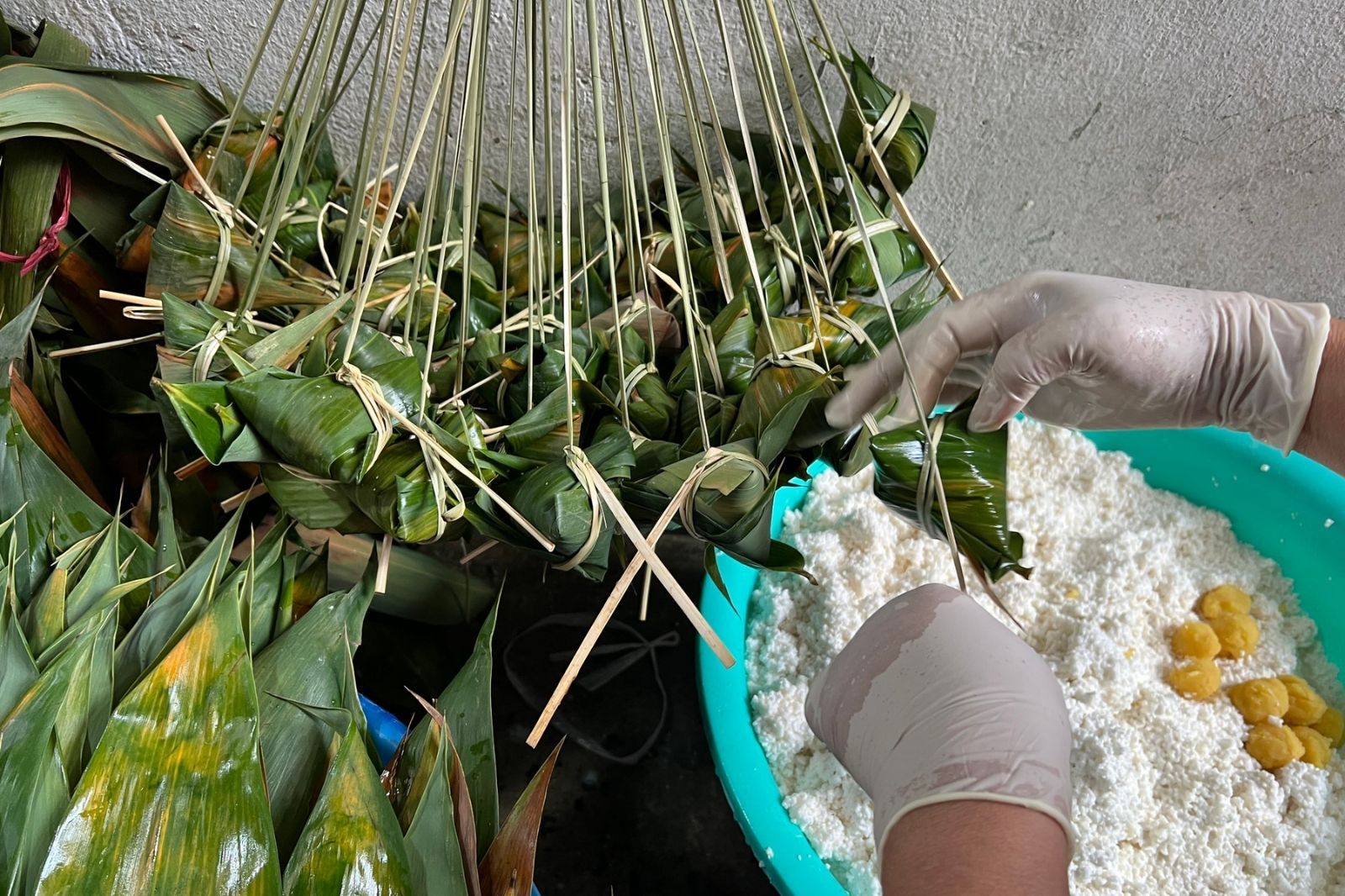
Rice soaked in lye water

Photo: Rice soaked in lye water 

4. Traditional process of making Hoi An lye water dumplings

To make crystal-clear, soft, and chewy lye water dumplings, makers must begin days before the dumplings appear on the ancestral altar for the Double Fifth Festival. Every step requires meticulous care, because if the lye water is not right, the sticky rice is not soaked enough, or the leaves are not soft enough, the dumpling will fail to retain its intrinsic flavor.

  • Filtering the lye water: Ash is sifted finely, mixed with water, and filtered multiple times until the liquid is clear with a light yellow hue. This is the step that requires the most experience.

  • Soaking the sticky rice: The rice is soaked in lye water for many hours so the grains absorb enough liquid and turn a translucent golden color. Afterward, the rice is gently rinsed and drained before wrapping.

  • Preparing the leaves: The leaves are washed, boiled until soft, and trimmed neatly for easy shaping.

  • Wrapping the dumplings: The sticky rice is placed inside the leaf layer, with optional mung bean filling depending on the variety. The artisan skillfully folds the leaves into a small tetrahedral shape, tying them with just the right tension to leave room for the rice to expand when boiled.

  • Boiling the dumplings: Bunches of dumplings are arranged in a pot and boiled for many hours over a steady fire. When cooked, the rice grains bind together into a soft, chewy, translucent amber mass.

  • Draining: The dumplings are removed, left to cool and drain. At this point, opening the leaf layers reveals a smooth, soft dumpling carrying the subtle aroma of sticky rice and leaves.

This process has been passed down by word of mouth through generations in Hoi An, and today some families even organize dumpling-making classes for travelers to preserve the craft. Note: if making them at home, use natural ash to avoid toxicity from industrial alternatives.

5. What makes the flavor of Hoi An lye water dumplings special?

The flavor of Hoi An lye water dumplings stands out for its harmony between gentle sweetness and rich earthiness. The dumpling skin is chewy and crystal-clear, carrying a slightly astringent taste from the lye without being bitter, perfectly complemented by the smooth, fragrant mung bean filling. Not as overly sweet as Southern lye dumplings or dry and firm like the Northern version, Hoi An lye water dumplings carry the "flavor of Quang land"—a touch of salinity from local sea salt and the aroma of charred banana leaves.

Hoi An lye water dumplings are usually enjoyed during traditional festivals, especially the Double Fifth Festival (the 5th day of the 5th lunar month), when locals believe eating them will ward off pests and bring good health. Additionally, they appear during the Lunar New Year, ancestral death anniversaries, or village festivals in Quang Nam.

The dumpling has a chewy and clear skin
Photo: The dumpling has a chewy and clear skin 

6. Where to buy delicious and authentic Hoi An lye water dumplings?

If you want to find authentic traditional Hoi An lye water dumplings, the easiest time to encounter them is in the days leading up to the Double Fifth Festival, from the 1st to the 5th day of the 5th lunar month. At that time, markets and family kitchens across the town bustle with stories of sticky rice, leaves, and lye water; freshly wrapped dumplings still smell of leaves and feel soft in hand.

  • Hoi An Market: A place selling freshly made dumplings daily, priced around 10,000-15,000 VND each. Look for stalls run by local women to ensure quality.

  • Family-run dumpling kitchens: Some families in Thanh Ha, Cam Chau, Cam Pho, and Minh An still make dumplings the traditional way, usually drawing large crowds during the Double Fifth season.

  • Specialty shops: Such as Ba Buoi eatery (famous for meat-filled lye water dumplings) or reputable online shops.

  • Hoi An tours: Many culinary tours will guide you to workshop spaces where you can buy them directly and learn how to make them.

When selecting dumplings, look for a translucent golden color, a soft cohesive rice mass, intact leaves, and securely tied bunches. Freshly made dumplings usually have a nice gloss and, when unwrapped, retain the mild aroma of sticky rice and leaves.
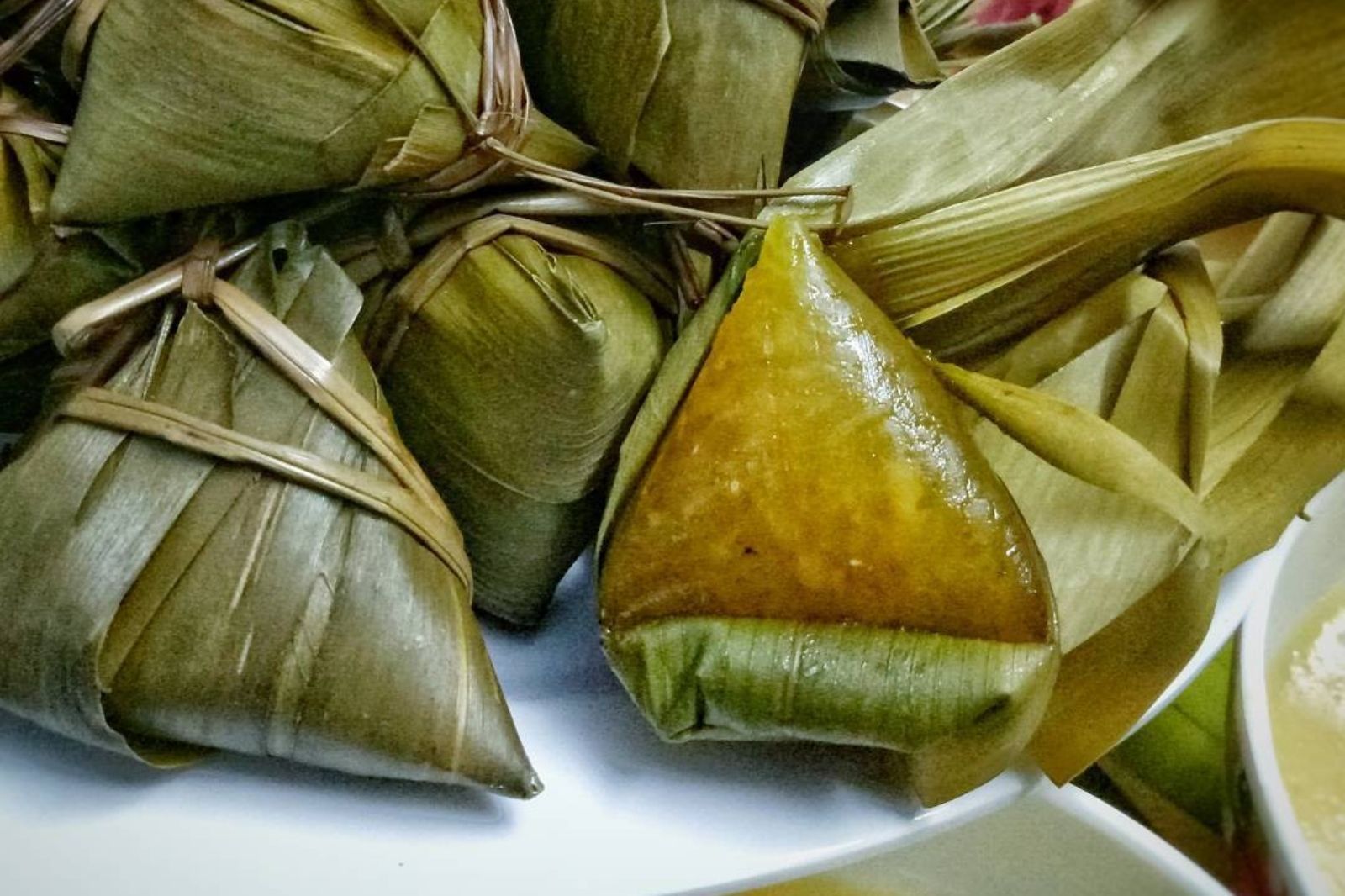
Dumplings are widely sold in traditional markets

Photo: Dumplings are widely sold in traditional markets 

Amidst many dishes introduced into tourism spaces, Hoi An lye water dumplings maintain a modest yet enduring position in the local lifestyle, clearly reflecting the culinary habits and daily routines of the Quang region's people. In a context where local cuisine is increasingly commercialized, the fact that these dumplings are still made and consumed in the traditional way demonstrates the lasting value of foods tied to everyday life. For travelers, savoring lye water dumplings is not only a culinary experience but also an opportunity to better understand a quiet yet time-honored culinary culture of Hoi An.
Loading......

Featured destinations