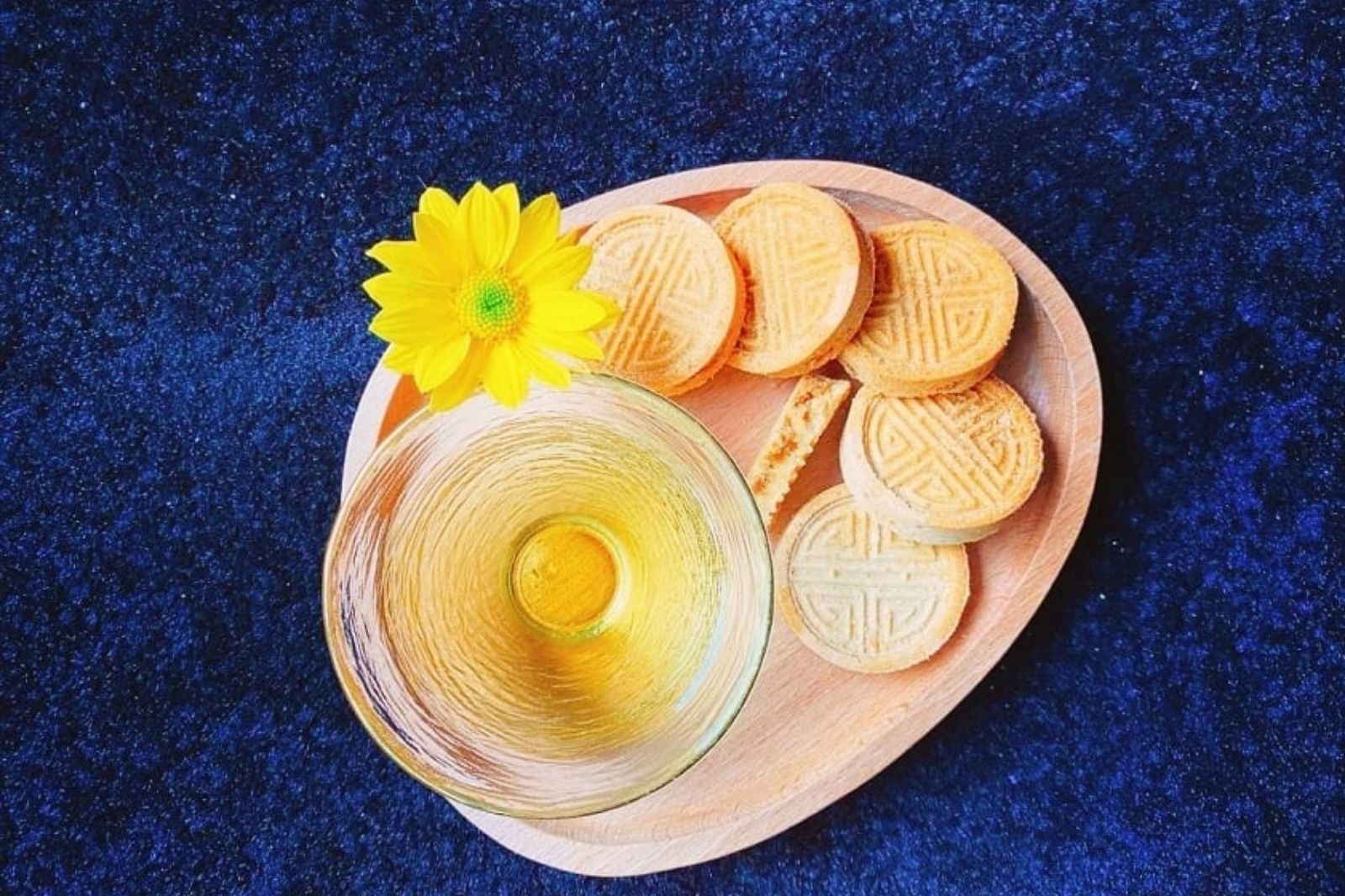
Hoi An Mung Bean Cake: An Elegant Sweetness Encapsulating the Soul of the Ancient Town

Central

Da Nang

Hoi An

Sovaba.travel

Updated at: 24/09/2026

1. What is Hoi An mung bean cake?

Hoi An mung bean cake is a traditional sweet pastry from Quang Nam province, especially associated with Hoi An Ancient Town. Handcrafted from pure mung beans combined with sugar and other natural ingredients, this cake features a crispy outer crust and a filling inside that can be vegetarian (sweet) or savory (pork). The cake is usually small and compact, shaped like a square or rectangle, easy to store and carry, making it ideal as a gift.

Unlike mung bean cakes in other regions like Hai Duong (which are soft, smooth, and very sweet), the Hoi An version stands out for its crispiness, the rich aroma of roasted mung beans, and a savory, rich pork filling. It is an ideal snack when paired with hot green tea, helping balance the palate and bringing a relaxing sensation. According to historical records, the cake was considered the "tastiest" in Hoi An since the 19th century.
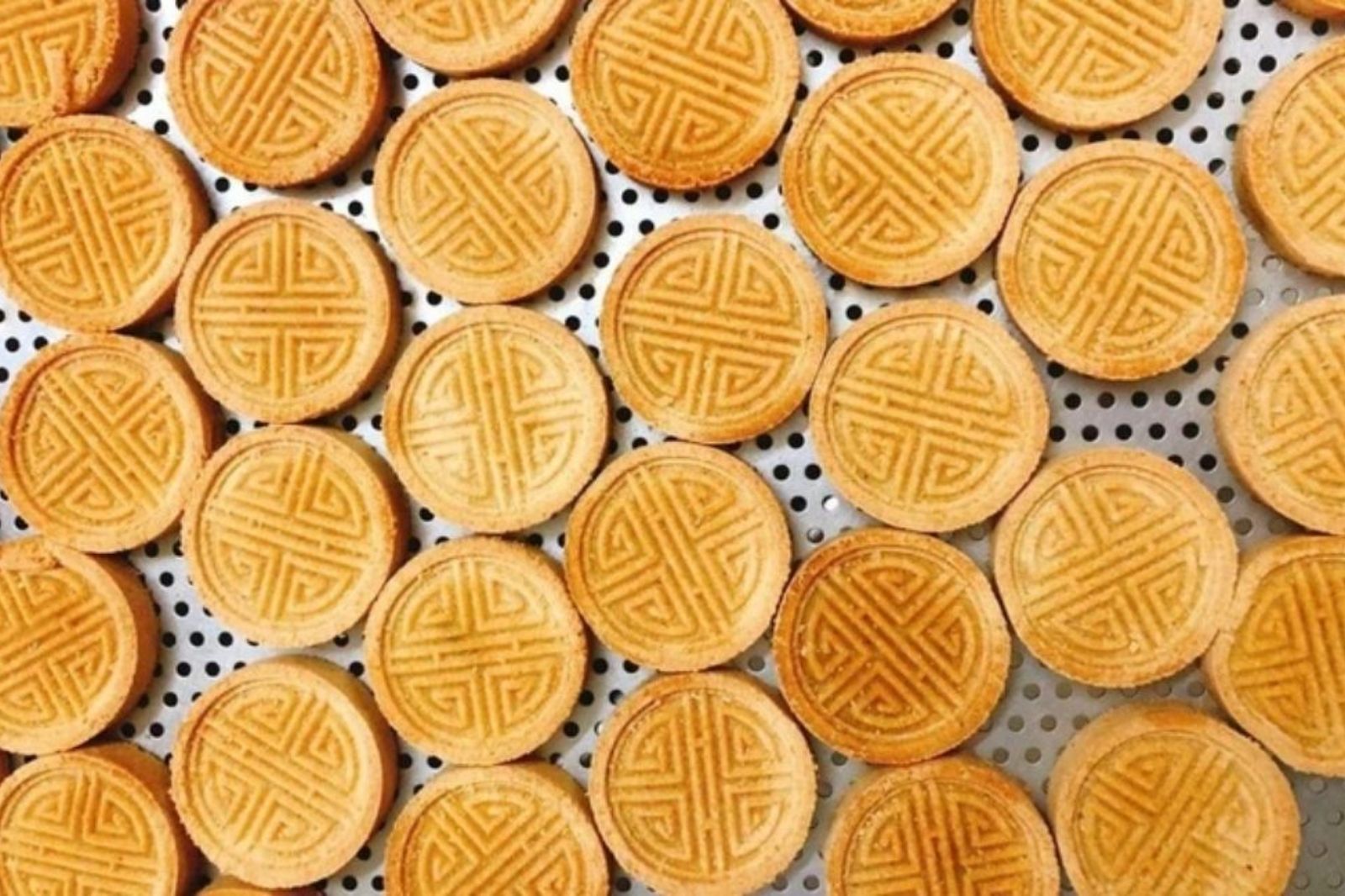
The cake closely associated with Hoi An Ancient Town
Photo: The cake closely associated with Hoi An Ancient Town 

2. The origin of Hoi An mung bean cake and its traditional culinary imprint

The craft of making Hoi An mung bean cake has a long history, dating back before the 18th century in the Quang Nam – Da Nang region. According to historical documents, this cake was once used by local residents as a tribute to the king, proving its cultural value and superior quality. In the Nguyen Dynasty's historical gazetteer "Dai Nam Nhat Thong Chi", Hoi An mung bean cake was praised as the "best" compared to those from other regions.

The cake represents a signature mark of traditional Quang Nam cuisine, where dishes are deeply connected to nature and manual labor. Hoi An, located along the Thu Bon River and near the sea, provides abundant raw materials such as mung beans grown on fertile alluvial soil, absorbing the essence of sun and coastal breezes. This cake is not only a daily treat but also appears during Tet holidays and ancestor death anniversaries, showcasing the refinement and hospitality of Hoi An locals. Today, mung bean cake is still preserved as a culinary heritage, contributing to promoting Hoi An's image as a UNESCO World Cultural Heritage site.

3. What is special about the ingredients of Hoi An mung bean cake?

The appeal of Hoi An mung bean cake lies in the careful selection of natural ingredients, ensuring purity and authentic flavor. The main ingredients include:

  • Mung beans: Must be small, even-sized, with a golden-yellow interior to create a crispy, fragrant outer crust. The beans are locally grown, absorbing the essence of the Thu Bon River's alluvial soil and sea breeze, offering a unique, naturally nutty flavor.
  • Sugar: Pure white granulated sugar is used, giving the cake an elegant sweetness without being overly sugary. The sugar ratio is precisely adjusted to keep the cake from becoming too dry or soggy.
  • Lard (for savory filling): Fresh pork fat is rendered over medium heat to create richness and aroma without burning. This is a characteristic element of the savory pork filling version, achieving a harmonious balance of sweet and salty.
  • Pomelo flower essential oil or natural flavorings: A touch of pomelo flower extract is added to enhance the enticing aroma, helping the cake retain its fragrance longer without chemical preservatives.

These ingredients not only ensure food safety and health but also carry sustainable value, supporting local farmers. Compared to mass-produced industrial cakes, Hoi An's artisanal ingredients make the cake richer in nutrition.

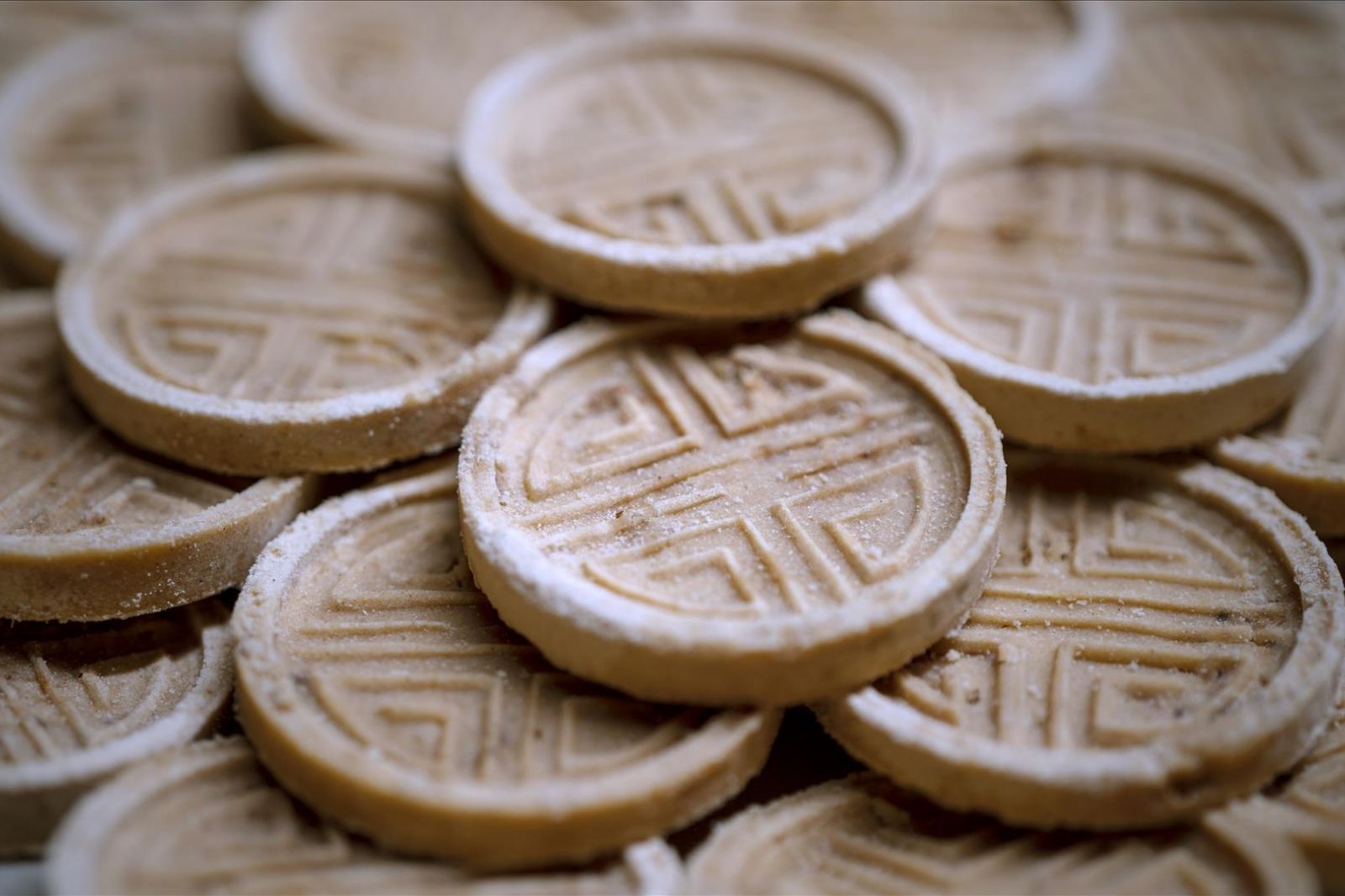
Mung bean cake in flat round shape
Photo: Mung bean cake in flat round shape 

4. The traditional, handmade process of making authentic Hoi An mung bean cake

The process of making Hoi An mung bean cake is entirely manual, requiring skill and generational experience. Below are the main steps based on traditional methods:

  • Preparing mung beans: Select small-grain mung beans, split the husks, soak in water, and wash thoroughly before boiling them over a fire. Afterward, grind them finely into a smooth powder.
  • Cooking sugar and mixing dough: Cook sugar into a syrup and gradually mix it with the mung bean flour to achieve the right moisture level. The mixture must not be too dry or wet, as it affects binding. Allow the dough to rest overnight to dry out slightly.
  • Preparing the filling (for savory filling): Render pork fat over medium heat to preserve its aroma and avoid burning or undercooking. Mix the fat with simple seasonings like salt and sugar to create a rich pork filling.
  • Molding and baking/drying: Press the flour mixture into molds, add the filling in the center, compress tightly, then bake or dry at a low temperature to make the cake crisp without losing nutritional value. This process takes hours and requires constant monitoring.

This process preserves the true "ancient flavor" by avoiding modern machinery, allowing the cake to maintain its natural crispiness and long-lasting aroma. If you want to try making it at home, pay attention to the 1:1 ratio between mung beans and sugar to avoid failure.

5. The flavor of Hoi An mung bean cake

Hoi An mung bean cake wins over diners with its subtle, non-cloying sweetness. The outer layer is crispy and nutty from roasted mung beans, melting right in your mouth. The filling inside – if it's pork filling – brings a harmonious sweet and savory taste, combining rich, aromatic lard to create a perfect balance. A subtle hint of pomelo blossom fragrance makes the cake even more charming, evoking memories of peaceful ancient streets.

Compared to other types of mung bean cake, the Hoi An version is less sweet, rich in nutrition from mung beans (aiding digestion and beneficial for heart health), and suitable for all ages. Paired with hot green tea or coffee, the cake becomes even more enjoyable, offering a relaxing feel as if strolling through Hoi An.

Mung bean cake is tastier when enjoyed with hot tea
Photo: Mung bean cake is tastier when enjoyed with hot tea 

6. Where to buy delicious and reputable Hoi An mung bean cakes?

To buy authentic Hoi An mung bean cake, prioritize traditional family bakeries in the ancient town. Below are top reputable addresses based on reviews from tourists and locals:

  • Ba Trinh Bakery: 33 Le Loi, Minh An Ward, Hoi An
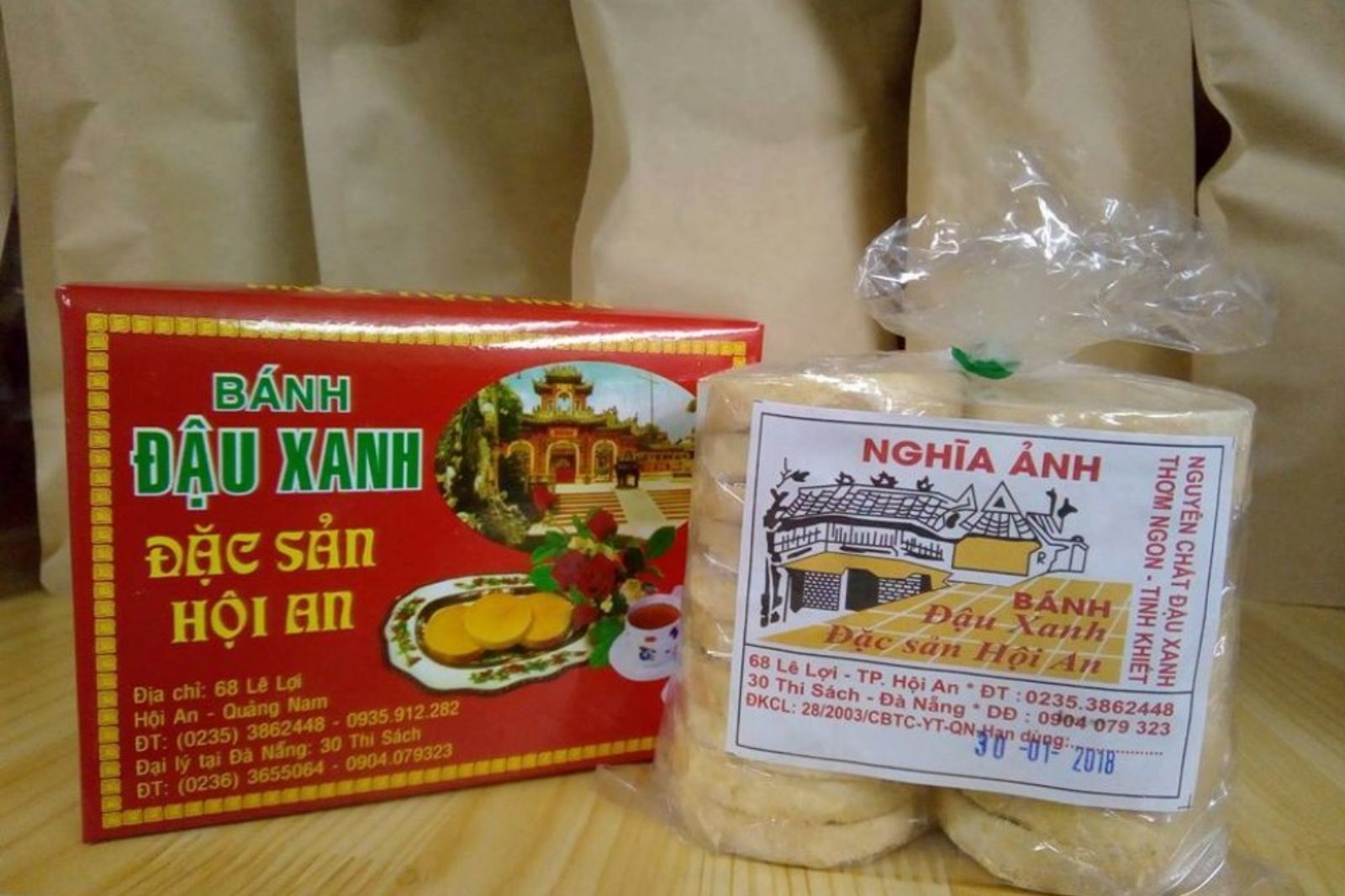
  • Nghia Anh: 68 Le Loi, Old Town, Hoi An
  • Ba Bong Mung Bean Cake: 195 Nguyen Chi Thanh, Cam Ha, Hoi An

When purchasing, choose freshly made cakes, check the expiration date, and avoid unverified products. If traveling to Hoi An, visit these shops for free tastings and buy them as gifts. The average price is around 80,000 VND/kg, depending on the variety.

Buying mung bean cake as a gift
Photo: Buying mung bean cake as a gift 

Hoi An mung bean cake closes the culinary journey of Hoi An with a gentle yet unforgettable aftertaste. Unpretentious and subtle, the cake's elegant sweetness reflects the essence of Hoi An cuisine – slow, refined, and rich in cultural depth. Among numerous specialties, this tiny piece of cake remains lingering in the memories of travelers as a true soul of the old town, perfect to enjoy, remember, and bring home as a gift. If you are planning a more complete discovery of Hoi An, don't forget to check out useful travel experiences, dining guides, and destinations at sovaba.travel to make your journey complete and memorable.

Loading......

Featured destinations