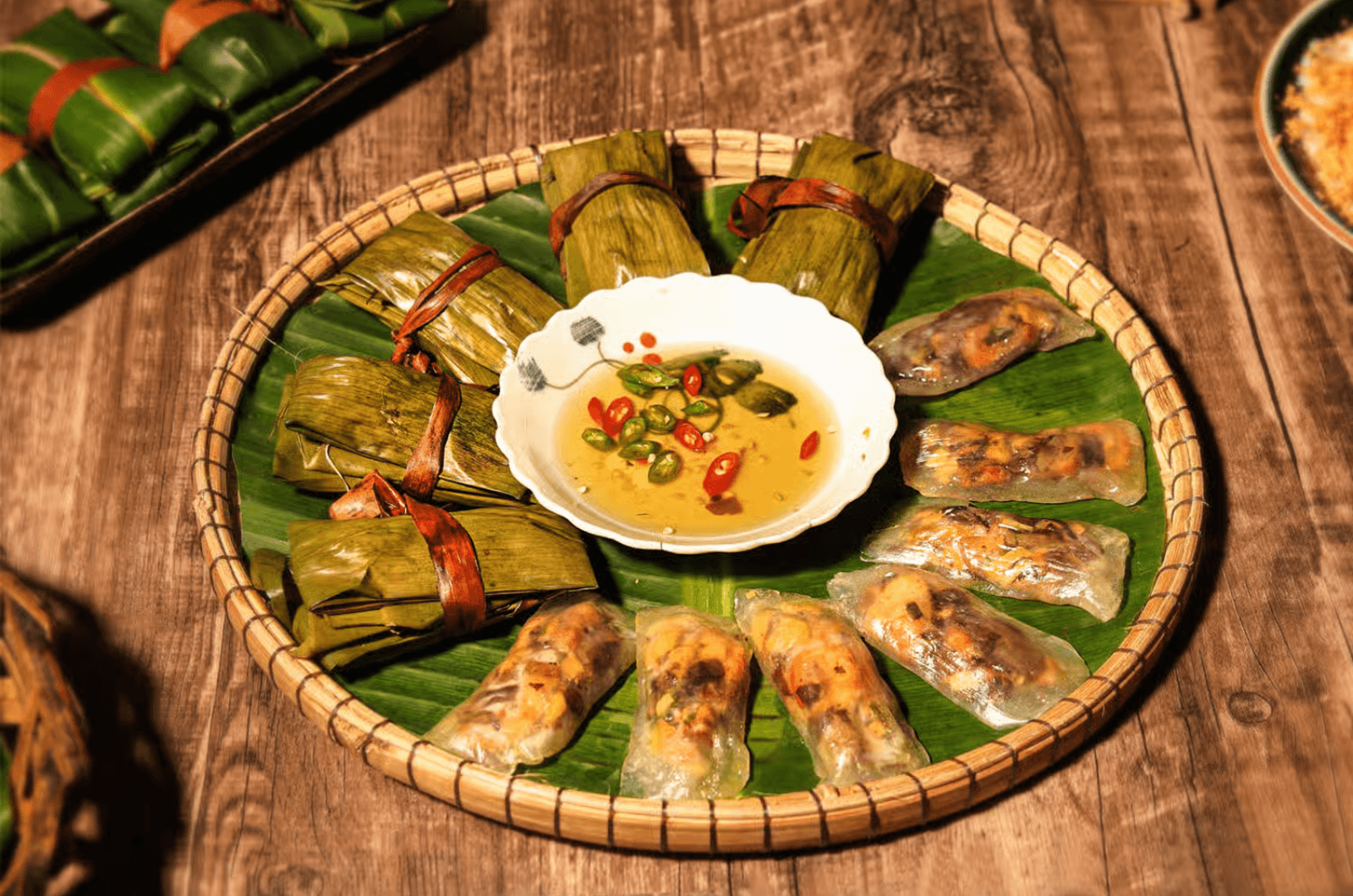
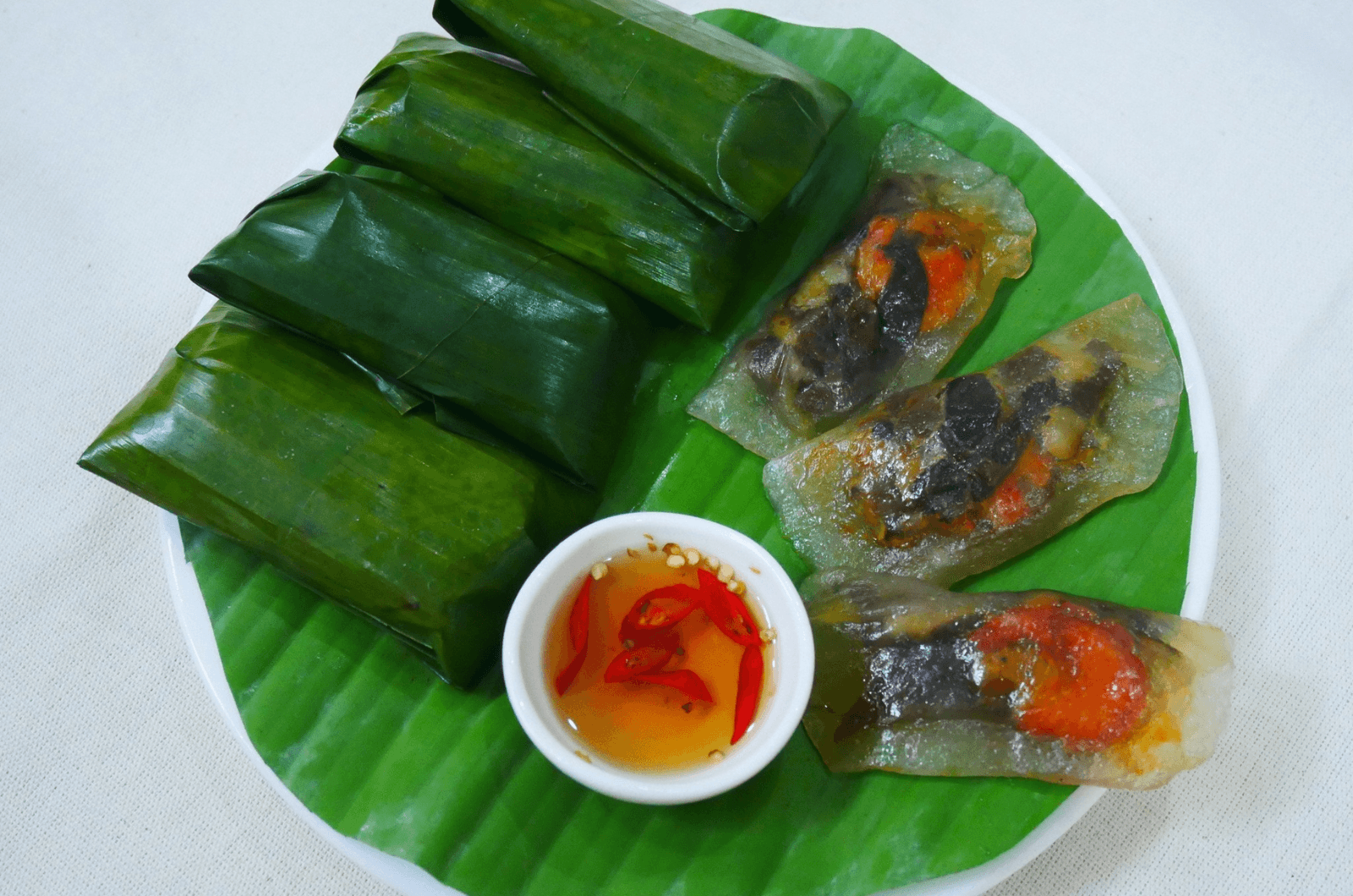
How to Make Authentic Quang Binh Banh Loc: Traditional Secrets from Locals

Central

Quang Binh

Sovaba.travel

Updated at: 24/09/2026

1. The origin and cultural significance of Quang Binh's clear tapioca dumplings (banh loc)

Banh loc, a humble dish that encapsulates the rich culinary history of Central Vietnam, has become a core element of Quang Binh's culinary culture. For local residents, banh loc is not just a familiar flavor of daily meals or a market-corner snack, but also a cherished memory for generations. It was born from the simple creativity of working hands, who knew how to turn available cassava flour, shrimp, and pork into a satisfying dish that awakens all senses.

This rustic Quang Binh tapioca dumpling is also a vivid symbol of the diligence, skillfulness, and thriftiness of local women. With careful hands, they knead and shape simple ingredients into delightful treats that nourish both the body and soul of generations raised on this harsh yet resilient land. The dumpling has transcended being just food, becoming a deep source of pride in the local culinary identity.

Moreover, Quang Binh banh loc is an evocative cultural symbol. It bears witness to the hard work and ingenuity of the local people, who transform chewy tapioca flour and fresh seafood into an exquisite regional delicacy. Within each dumpling lies the flavor of childhood, memories of after-school afternoons, cozy meals under family roofs, and street vendors' baskets worn by time. Despite its humble appearance, banh loc encapsulates the warm hospitality and sincere affection of the locals, defining a distinct culinary identity and becoming an irreplaceable part of every Quang Binh native's heart.
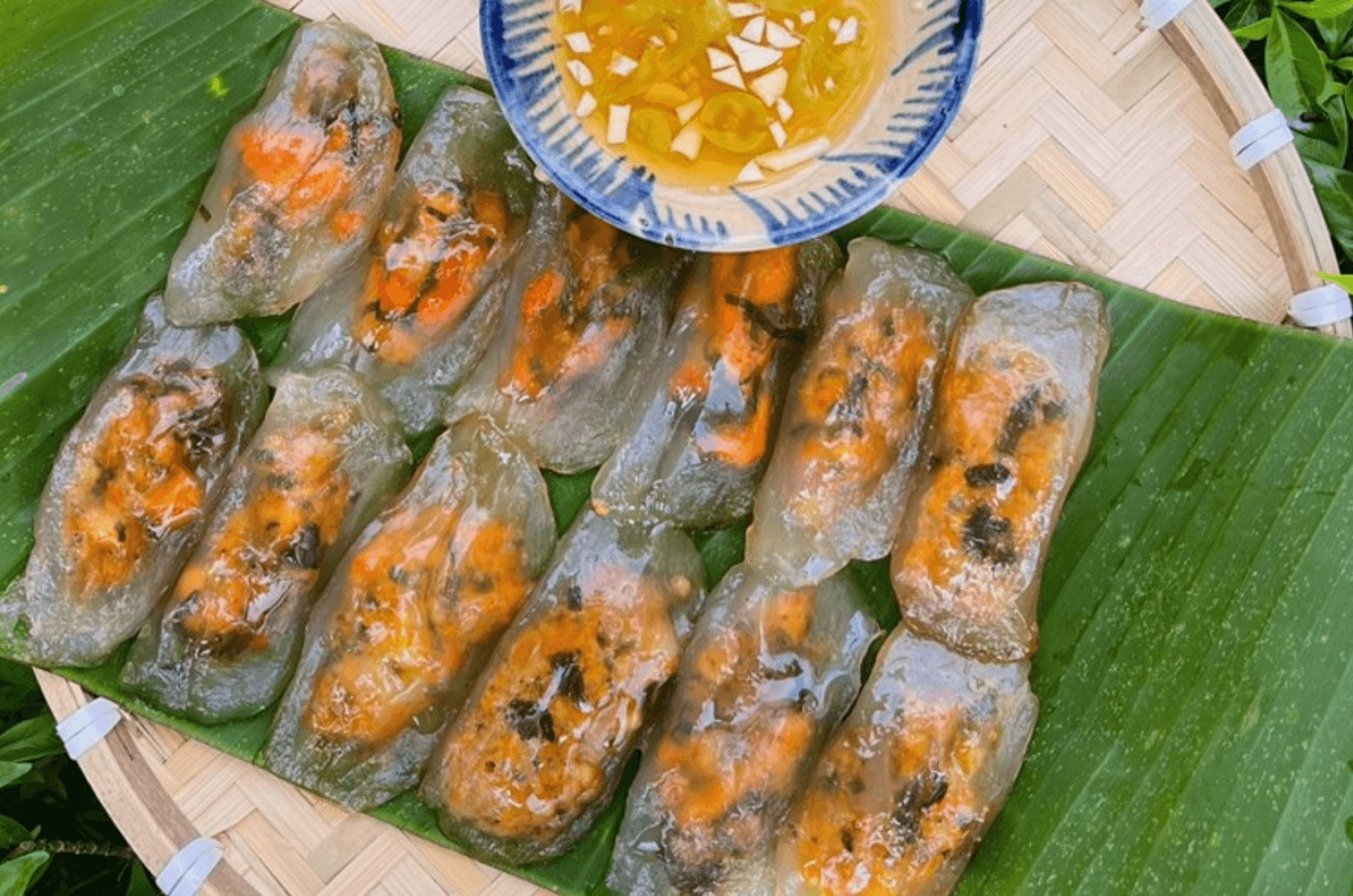
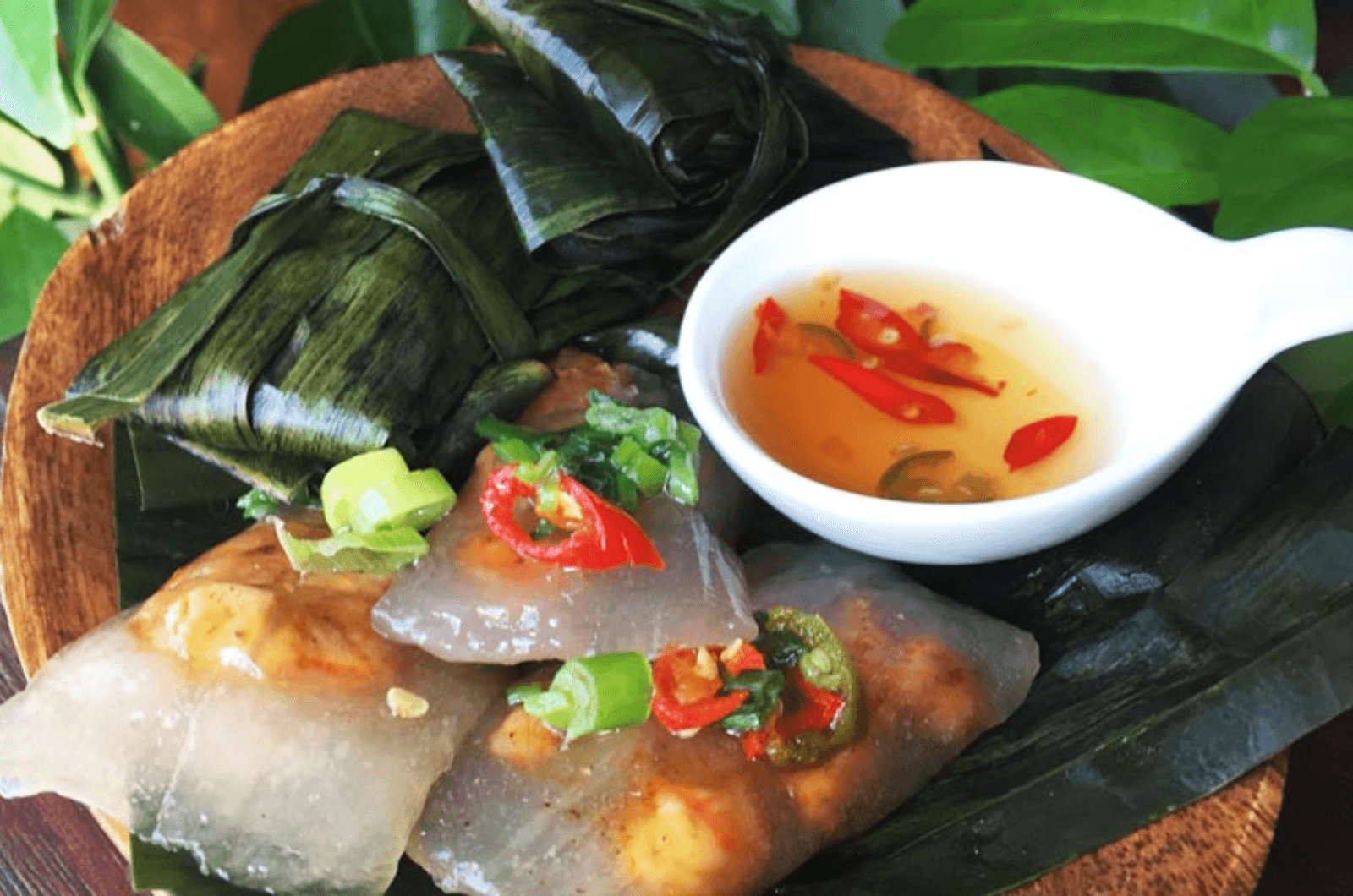
Quang Binh banh loc, an evocative cultural dish
Photo: Quang Binh banh loc, an evocative cultural dish

2. How do Quang Binh's clear tapioca dumplings differ from Hue's?

Although sharing the name "banh loc" and common across Central Vietnam, Quang Binh banh loc and Hue banh loc feature subtle differences that define their regional uniqueness:

Dough: Both share the same base of tapioca flour (or cassava flour), giving the dumplings their characteristic chewy and translucent texture that creates their signature appeal.

Filling: 

  • Quang Binh Banh Loc: More versatile in combinations. The filling can include mushrooms and bamboo shoots depending on the season, creating a richer, more complex flavor profile that delivers surprising taste experiences for diners.
  • Hue Banh Loc: Usually adheres to traditional filling with savory fresh shrimp and minced pork.

Preparation methods: 

  • Quang Binh Banh Loc: The most popular style is boiled naked dumplings (banh loc tran), yielding translucent, chewy, and soft pieces. In addition, traditional steamed banana leaf-wrapped dumplings (banh loc goi) are also widely available. Notably, fried banh loc (banh loc ran) offers a unique twist—boiled dumplings fried to golden perfection, featuring a crispy outer layer and a chewy, soft interior.
  • Hue Banh Loc: Typically steamed, and mostly wrapped in banana leaves prior to steaming. This not only creates an attractive shape but also helps retain moisture while imparting a subtle banana leaf aroma when eaten.

Flavor: Thanks to the differences in fillings and preparation, Quang Binh banh loc offers a distinctive, memorable taste. The addition of mushrooms, bamboo shoots, and subtle banana leaf notes (when wrapped) results in a harmonious, rich, unforgettable profile, making every bite an exciting culinary discovery.

The differences between Quang Binh banh loc and Hue banh loc
Photo: The differences between Quang Binh banh loc and Hue banh loc

Despite their similarities, these subtle variations in filling and cooking techniques mark a distinct signature, making Quang Binh banh loc not just a dish, but a symbol of creativity and regional taste that offers diners an unforgettable culinary experience.

3. How to make Quang Binh clear tapioca dumplings

Making authentic Quang Binh banh loc requires meticulous care at every stage, from selecting ingredients to final preparation:

Ingredient Preparation:

Dumpling Dough

  • Tapioca starch/cassava flour: Around 500g (freshly strained cassava starch yields a springier and clearer texture than industrial dry tapioca starch). Tapioca starch can be used as a substitute if fresh cassava starch is unavailable.
  • Boiling water: About 300 - 400ml (adjust according to the starch's absorption rate).
  • A pinch of salt.

Filling

  • Fresh shrimp (small creek or river shrimp): 300g (shelled, deveined, left whole or diced as preferred).
  • Pork belly: 200g (washed, diced small).
  • Shallots: 2-3 bulbs (minced).
  • Seasoning: Quality fish sauce, sugar, ground pepper, cooking oil, MSG (optional).

Dipping Sauce

  • Quality fish sauce: 3-4 tbsp.
  • Sugar: 2-3 tbsp.
  • Filtered water: 4-5 tbsp.
  • Fresh chilies: 1-2 (minced or sliced).
  • Garlic: 1-2 cloves (minced).
  • Lime juice/vinegar: 1-2 tsp.

Preparing the Filling

  • Marinate shrimp and pork belly with 1 tsp fish sauce, 1/2 tsp ground pepper, and a pinch of sugar for 15 - 20 minutes.
  • Sauté minced shallots in cooking oil until fragrant.
  • Add pork belly and fry until firm and rendering fat. Then add shrimp to sauté together.
  • Adjust seasoning to taste (add a bit more fish sauce or sugar if needed). Sauté until shrimp and pork are just cooked through, dry, and fragrant. Turn off heat and let cool.

Mixing and Kneading the Dough

  • Place tapioca starch in a large bowl. Add a pinch of salt.
  • Gradually pour boiling water into the starch while stirring quickly with chopsticks to bind the dough.
  • When warm enough to handle, knead the dough thoroughly by hand. Knead until smooth, pliable, non-sticky, and elastic. This is the crucial step determining the chewy texture of the dumpling.

Shaping the Dumplings

  • Take a small portion of dough (about thumb-sized), flatten or press thin by hand. Dough thickness determines the chewiness of the final wrapper.
  • Place a suitable amount of shrimp and pork filling in the center of the dough disc.
  • Fold the dough in half and press the edges tightly to seal in the filling during boiling. Shape into neat crescent dumplings.
Dumplings crafted with the utmost care and precision
Photo: Dumplings crafted with the utmost care and precision

Boiling the Dumplings

  • Bring a large pot of water to a boil, adding a pinch of salt and 1 tbsp cooking oil so the dumplings don't stick and get a glossy finish.
  • When water boils rapidly, drop shaped dumplings into the pot.
  • Cook over medium heat until dumplings float to the surface and become translucent (usually 5-7 minutes depending on size).
  • Remove dumplings and plunge immediately into a bowl of cold water to prevent sticking and maintain chewiness. Drain in a colander.

Mixing the Dipping Sauce

  • Dissolve sugar in filtered water.
  • Add fish sauce, minced garlic and chili, and lime juice/vinegar; stir well. Adjust to achieve a balanced sweet, sour, salty, and spicy flavor.

Serving

Quang Binh banh loc is best enjoyed piping hot. Arrange dumplings on a plate, drizzle with fried scallion oil (if available) for extra aroma and shine, then serve with plenty of signature sweet and sour dipping sauce.

With a little care and skill, you can easily make fresh, hot Quang Binh banh loc filled with traditional flavor right in your own kitchen.

If you don't have time to cook or wish to enjoy authentic banh loc made by experienced locals, don't miss these top addresses in Dong Hoi, Quang Binh:

Banh Loc Me Xuan: Always topping the list of famous banh loc eateries in Dong Hoi. Dumplings here are handcrafted daily, ensuring freshness with generous fillings, rich taste, and a secret-recipe dipping sauce that leaves a lasting impression.

  • Address: 15 Le Thanh Dong, Dong Hoi, Quang Binh.

Quan O Hanh: A must-visit destination for lovers of banh loc and traditional Quang Binh cakes. The eatery has a cozy, modest atmosphere, but food quality is consistently high, especially the banh loc with its chewy wrapper, savory filling, and well-balanced sauce.

  • Address: Ngo Quyen Street (near Nhat Le Bridge), Dong Hoi, Quang Binh.

Banh Loc Di Thai: Famous for its distinctive flavor and recommended by many locals. Dumplings here feature perfect chewiness, rich shrimp-and-pork filling, served with a slightly spicy sweet-and-sour sauce.

  • Address: 13 Ba Trieu Street, Dong Hoi, Quang Binh.

Banh Loc Di Thuong: Though small, this shop is always busy thanks to its authentic home-style banh loc flavor. Batches are freshly made, ensuring hot and delicious dumplings served to customers.

  • Address: 115 Phan Boi Chau Street, Dong Hoi, Quang Binh.

Dong Hoi Market & Dong Hoi Station Market: For the most authentic local food atmosphere, wander around these traditional markets. You will easily find small food stalls selling steaming hot banh loc alongside various local snacks like banh nam and banh beo. It is the perfect place to feel the vibrant local lifestyle and taste authentic flavors.

These spots are where you can fully experience the signature taste of Quang Binh banh loc, from the craftsmanship of every dumpling to the genuine hospitality of the local people. Don't miss out on trying this delicacy when visiting Dong Hoi!

Quang Binh banh loc dumplings always hold an irresistible appeal for food lovers
Photo: Quang Binh banh loc dumplings always hold an irresistible appeal for food lovers

Quang Binh banh loc is not just a dish, but a core symbol of the culture and soul of Quang Binh people. Each dumpling reflects care, meticulousness, childhood memories, and warm hospitality. Discovering banh loc means exploring a part of Quang Binh, appreciating the rustic yet profound beauty of this land. To make your journey of culinary and scenic exploration complete, let Sovaba Travel accompany you along every path in this beautiful region. 

Loading......

Featured destinations