Hue Hell Rice (Cơm Âm Phủ): A Special Dish with a “Strange” Name & Unique Meaning

Central

Thua Thien Hue

Sovaba.travel

Updated at: 24/09/2026

1. Origins and the "mysterious" stories behind the name

Cơm Âm Phủ is associated with many anecdotes, each carrying its own flavor, yet all explaining this unique name. One of the most frequently told stories is about King Minh Mang. Legend has it that during an incognito trip, the king lost his way and stopped at an old woman's house to ask for food. 

Set in a thatched house with mud walls under the dim glow of an oil lamp, the old woman served a plate of white rice with simple prepared dishes such as chopped vegetables and meat. Although simple, the meal made a deep impression on the king. Later, upon returning to the palace, the king asked the royal chefs to recreate the dish, and because he had dined in a hazy setting like the "underworld" (âm phủ), the dish was named as such.

Another story relates that this rice dish originated in the early 19th century, established by an entrepreneur. The eatery usually opened late at night, catering to people returning late after watching traditional opera performances. The location was often secluded and remote, illuminated only by dim oil lamps. Therefore, diners playfully called it the "underworld" (âm phủ) rice shop, and gradually the name became attached to the dish.
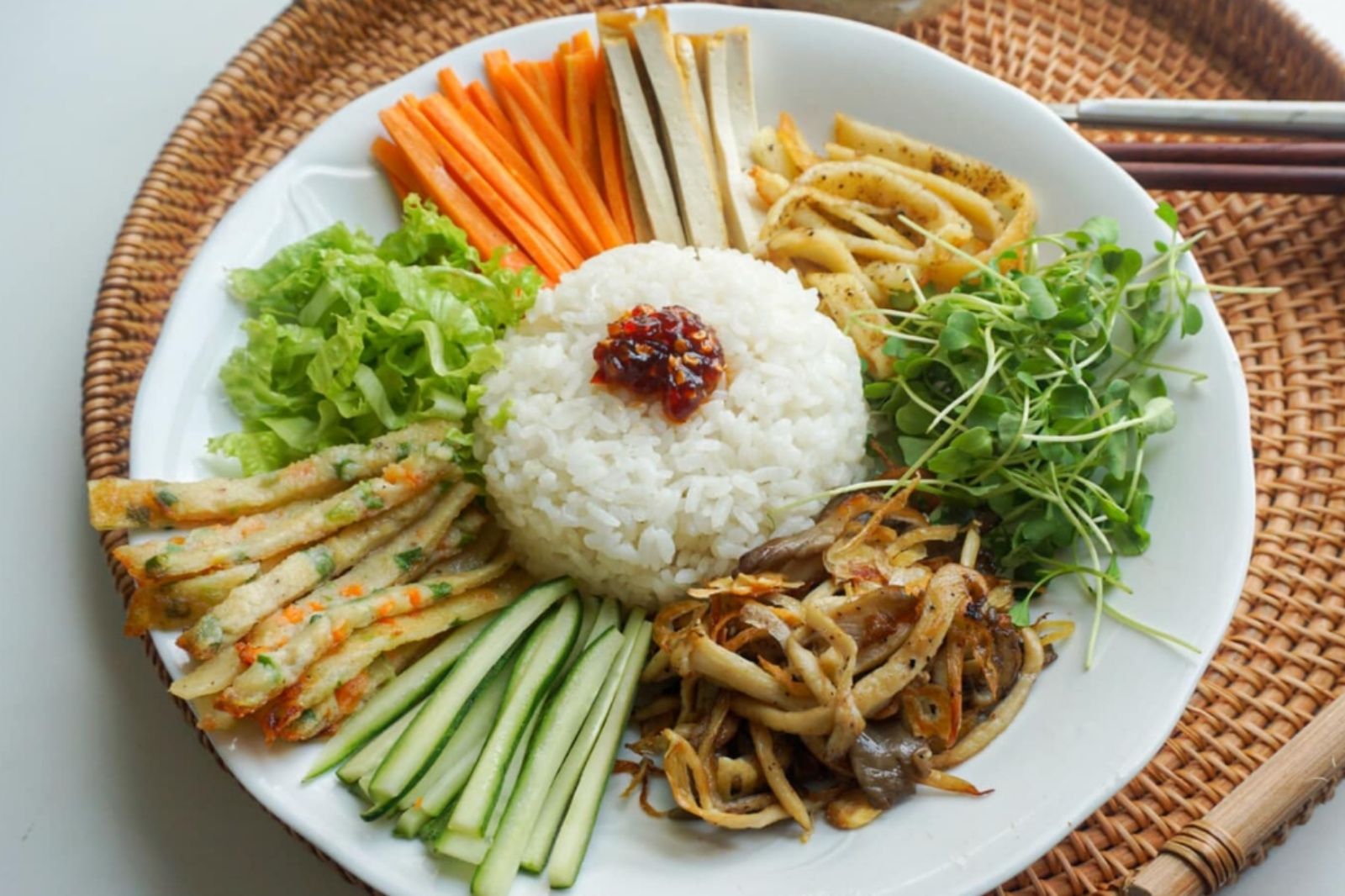
Cơm Âm Phủ is associated with many interesting anecdotes
Photo: Cơm Âm Phủ is associated with many interesting anecdotes

In addition, Hue locals still pass down a witty verse: 

“Want to eat a romantic plate of rice 

There is the Hell eatery with ghosts lurking behind”. 

Although there are various hypotheses, they all meet at a common point: this was once a dish for the common class and poor laborers, sold late at night in dimly lit spaces.
2. The art of preparation and rustic beauty

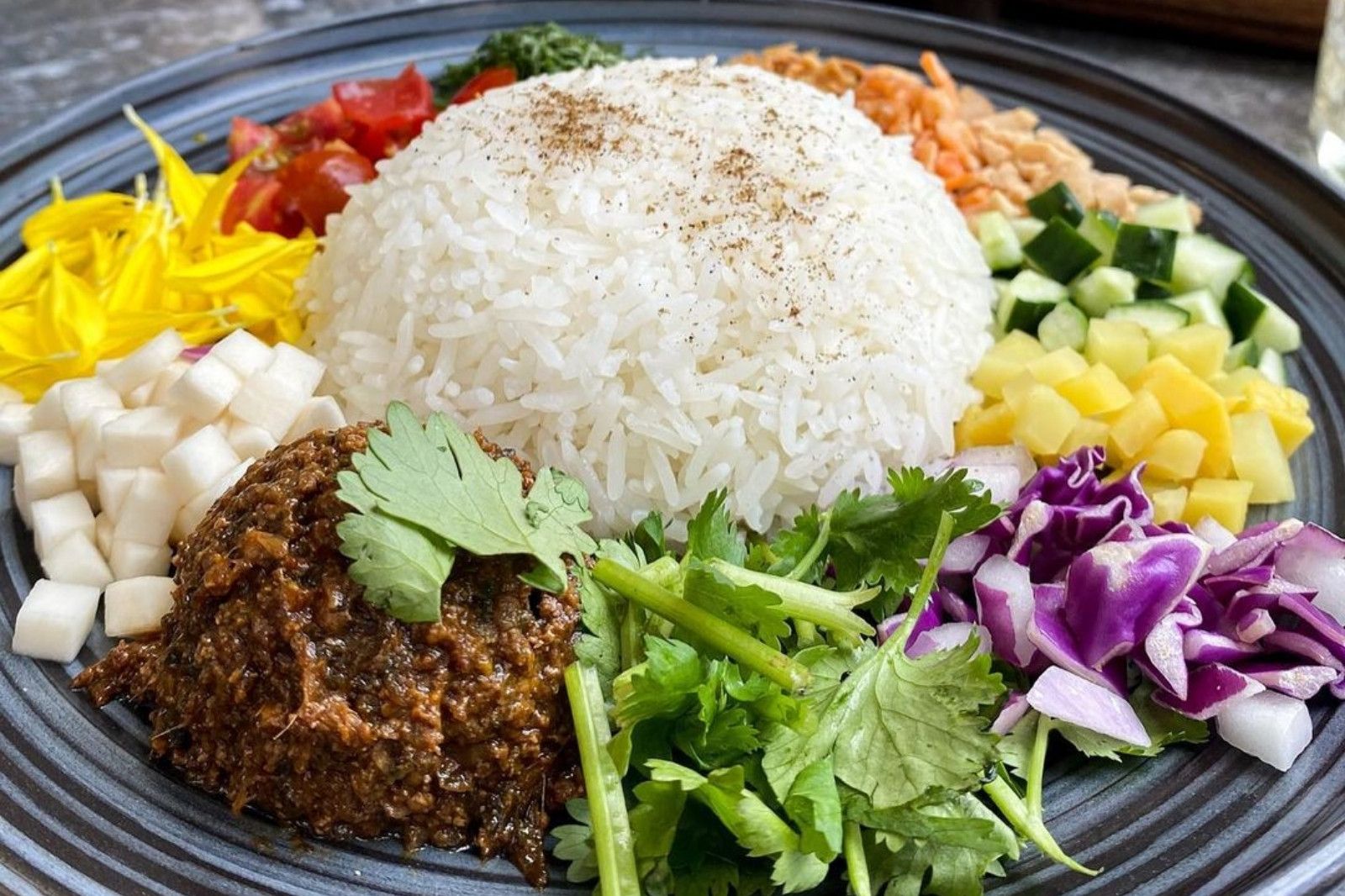
At first glance, Cơm Âm Phủ resembles mixed rice dishes, but it possesses the distinct meticulousness and delicacy of Hue cuisine. The special feature of this dish lies in the arrangement of ingredients on the plate, creating a colorful picture, also known as five-color rice.

Main ingredients include:

  • White rice: Cooked rice grains must be soft, fluffy, and not dry. To achieve this, Hue people often soak the rice in cold water for about 2 hours before steaming it like sticky rice.
  • Meat: Usually roast pork, grilled pork, or thinly sliced boiled pork.
  • Shrimp floss (tôm cháy): Fresh shrimp are steamed, peeled, pounded fine, and tossed in a non-stick pan until fluffy and dry. This is one of the key ingredients defining the dish's unique flavor.
  • Various pork rolls: Thinly shredded Vietnamese pork sausage (giò lụa) and fermented pork (nem chua).
  • Omelet: Duck eggs are fried paper-thin and cut into julienne strips.
  • Vegetables: Shredded cucumber, carrot, along with fresh herbs.
An exquisite dish, a colorful picture presented on a plate
Photo: An exquisite dish, a colorful picture presented on a plate

All ingredients are skillfully arranged in a circle around the center white rice, creating a harmonious and eye-catching dish. To fully enjoy the flavor, diners pour a bit of sweet and sour fish sauce skillfully blended with spicy and sweet notes, then mix everything together. When eaten, the salty, sweet, sour, spicy, and rich flavors meld together, creating an unforgettable sensory experience.

3. Com Am Phu today

Today, Cơm Âm Phủ is no longer just a late-night meal for laborers. It has become a specialty, a culinary cultural highlight that any visitor to Hue wishes to taste. The oldest Cơm Âm Phủ eatery, open since 1916 on Nguyen Thai Hoc Street, has become a familiar address. Although opening hours have changed to serve tourists, the restaurant still retains its nostalgic atmosphere and traditional flavor.

From a humble dish, "Cơm Âm Phủ" has risen to become a signature representation of the skill and meticulousness of Hue people in preparing and presenting food. Its rustic beauty, along with its intriguing name, has made this dish one of the highlights of the ancient capital's gastronomy, truly deserving its famed reputation.

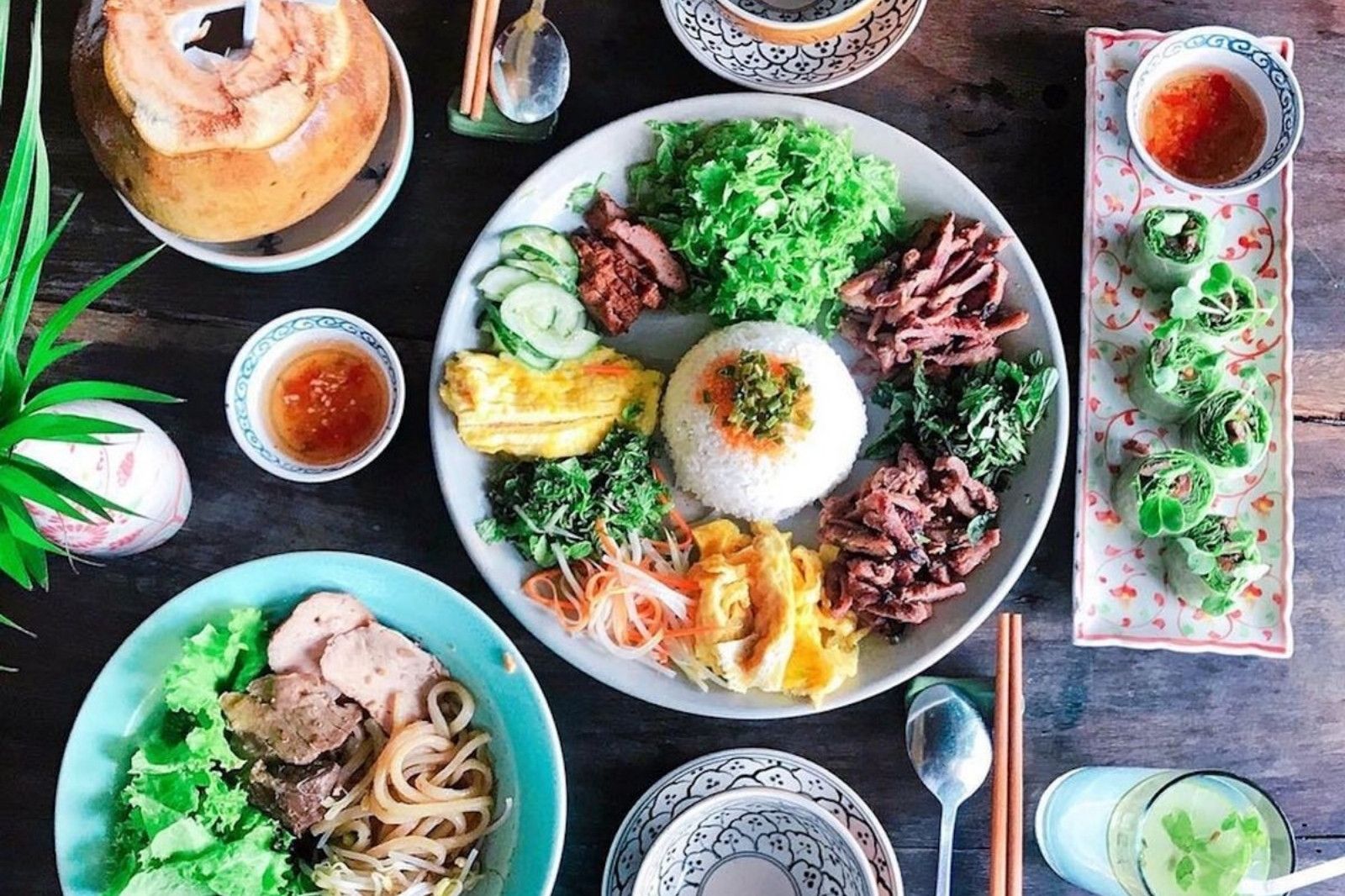
Cơm Âm Phủ - A distinctive culinary feature of the ancient capital
Photo: Cơm Âm Phủ - A distinctive culinary feature of the ancient capital

Perhaps it is this simplicity concealing refinement that has helped Cơm Âm Phủ become not just a meal, but a part of Hue culture. The "strange" name sparks curiosity, yet the flavor captivates with its balance and richness, wrapping up a story of the simple life of the imperial capital's people. From a late-night meal for workers, Cơm Âm Phủ has risen to become a famous specialty, testifying to the chef's artistry and the simple, profound beauty of Hue cuisine. Cơm Âm Phủ remains there forever, like an alluring invitation to anyone wishing to explore and fully relish the flavors of the ancient capital's land and people.

Loading......

Featured destinations