Hue Royal Sweet Soup: The refined flavor in every dish served to Nguyen Dynasty Kings

Central

Thua Thien Hue

Sovaba.travel

Updated at: 24/09/2026

1. An overview of Hue royal sweet soup

Hue royal sweet soup was formed and developed brilliantly under the Nguyen Dynasty (1802–1945) – the last feudal dynasty of Vietnam, with its capital located in Hue. Right from the reign of King Gia Long, the royal chefs inherited the culinary essence of the Northern region during the Ly – Le dynasties, while absorbing influences from the South and Champa culture, thereby elevating the art of food preparation to a refined royal standard. In that context, sweet soup was not merely a dessert but was also considered an "aristocratic" dish reserved for kings and nobility, often appearing in formal royal meals and combined with royal court music to create an elegant, relaxing dining atmosphere.

According to records in Khâm định Đại Nam hội điển sự lệ (Imperially Commissioned Itemized Statutes of Dai Nam), royal sweet soup was not simply food but also held value as a "nourishing sweet soup", harmoniously combining natural ingredients and precious medicinal herbs to health enhancement. The peak of this art was achieved during the reigns of King Minh Mang and King Tu Duc, when the court recorded over 36 different types of sweet soups, from premium dishes like bird's nest sweet soup to light, delicate varieties made from lotus seeds and royal beans.

After 1945, when the feudal system ended, royal sweet soup gradually spread into folk life, yet still fully preserved its inherent spirit of "elegance – refinement – standard". This is also part of the value recognized within the overall royal culinary heritage of Hue. Today, although one can enjoy Hue sweet soup in many places, it is only when setting foot in the ancient capital that visitors can truly feel the original flavor once offered to the king – delicately sweet, gentle, and deeply imbued with the soul of a dreamy, profound Hue.
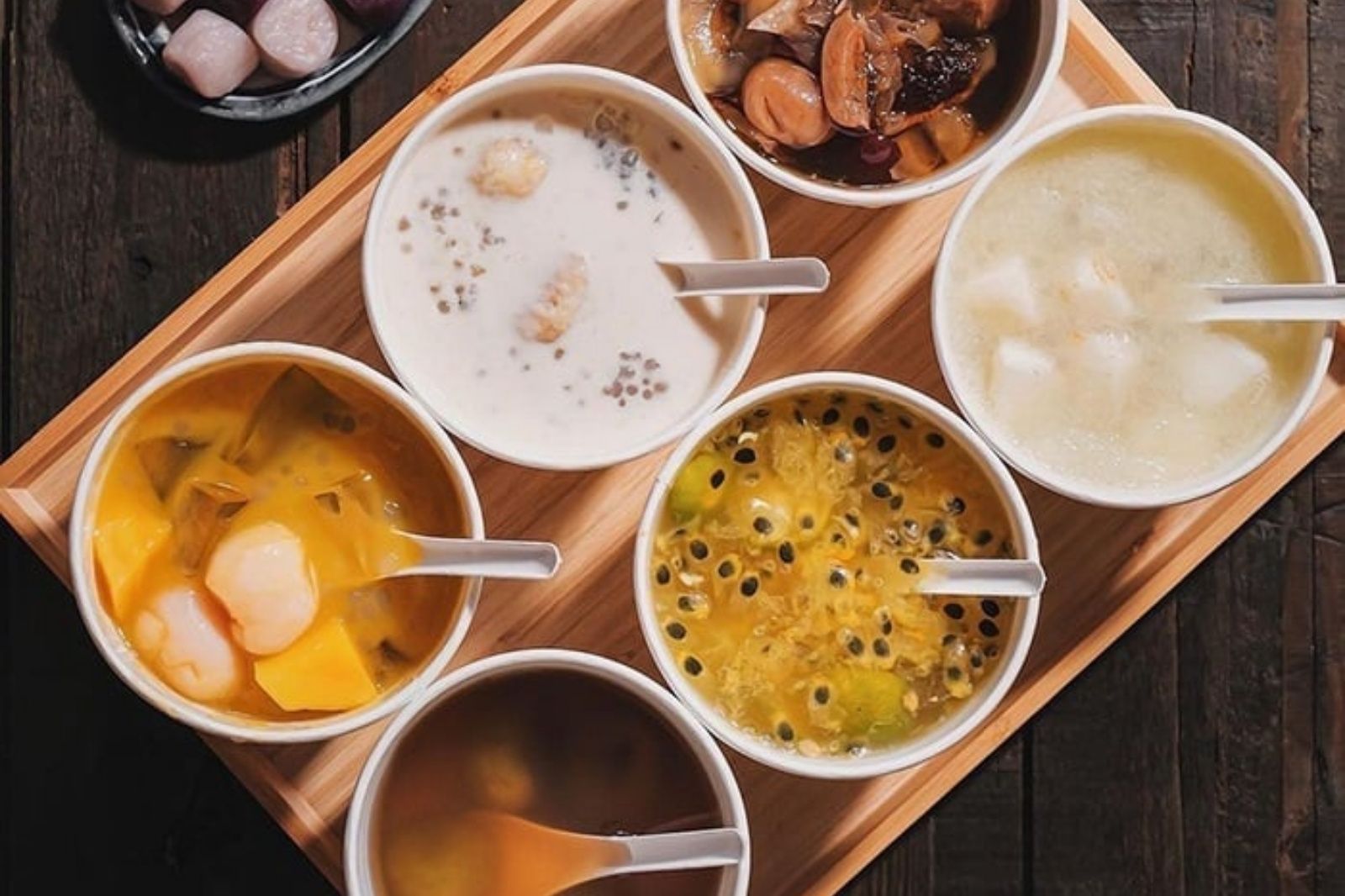
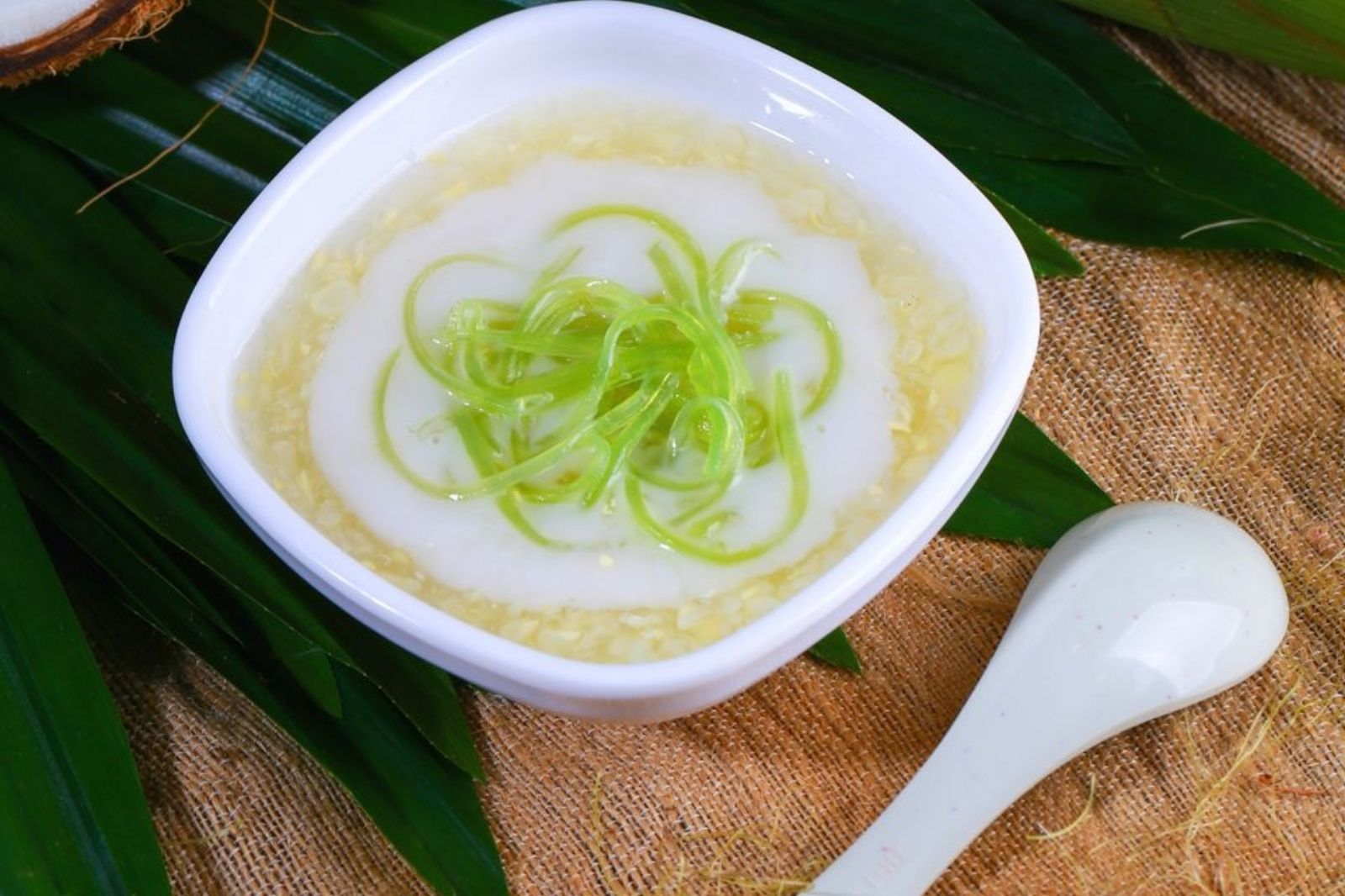
Hue royal sweet soup, a dessert for ancient royalty
Photo: Hue royal sweet soup, a dessert for ancient royalty

2. How does Hue royal sweet soup differ from folk sweet soup?

Hue royal sweet soup differs from folk sweet soup not only in ingredients but also in preparation methods, enjoyment style, and associated cultural values. If folk sweet soup leans toward simplicity, convenience, and popularity in daily life, royal sweet soup clearly reflects the spirit of royal cuisine under the Nguyen Dynasty.

First of all, the ingredients of royal sweet soup are meticulously selected, often being precious seeds, tubers, and fruits beneficial to health such as Hue lotus seeds, longan, red dates, kelp, arrowroot powder... Each sweet soup dish is carefully considered regarding its health benefits and cooling or warming properties to suit the body condition of the consumers, especially the king and royal family.

Secondly, the preparation method of royal sweet soup requires high meticulousness and precision. Ingredients are processed separately and cooked for the precise amount of time to maintain transparency, softness without being mushy, and a subtle sweetness rather than a harsh one. Many sweet soup dishes are cooked following a multi-step process, completely different from the simple preparation of folk sweet soup.

Finally, the way of enjoying it is also a key point of difference. Royal sweet soup is usually served in small portions, delicately presented, emphasizing color harmony and a light feeling when eating. Meanwhile, folk sweet soup leans toward being filling, easy to eat, and quickly served.

It is the combination of culinary value, nourishing properties, and cultural depth that creates the unique characteristic of Hue royal sweet soup, making it an iconic symbol of the ancient capital's cuisine.

Corn sweet soup
Photo: Corn sweet soup

3. Notable royal sweet soups of the Nguyen Dynasty

In Hue royal cuisine, sweet soup dishes are not just desserts but also demonstrate high delicacy and culinary art under the Nguyen Dynasty.

Typical sweet soup dishes served to the king

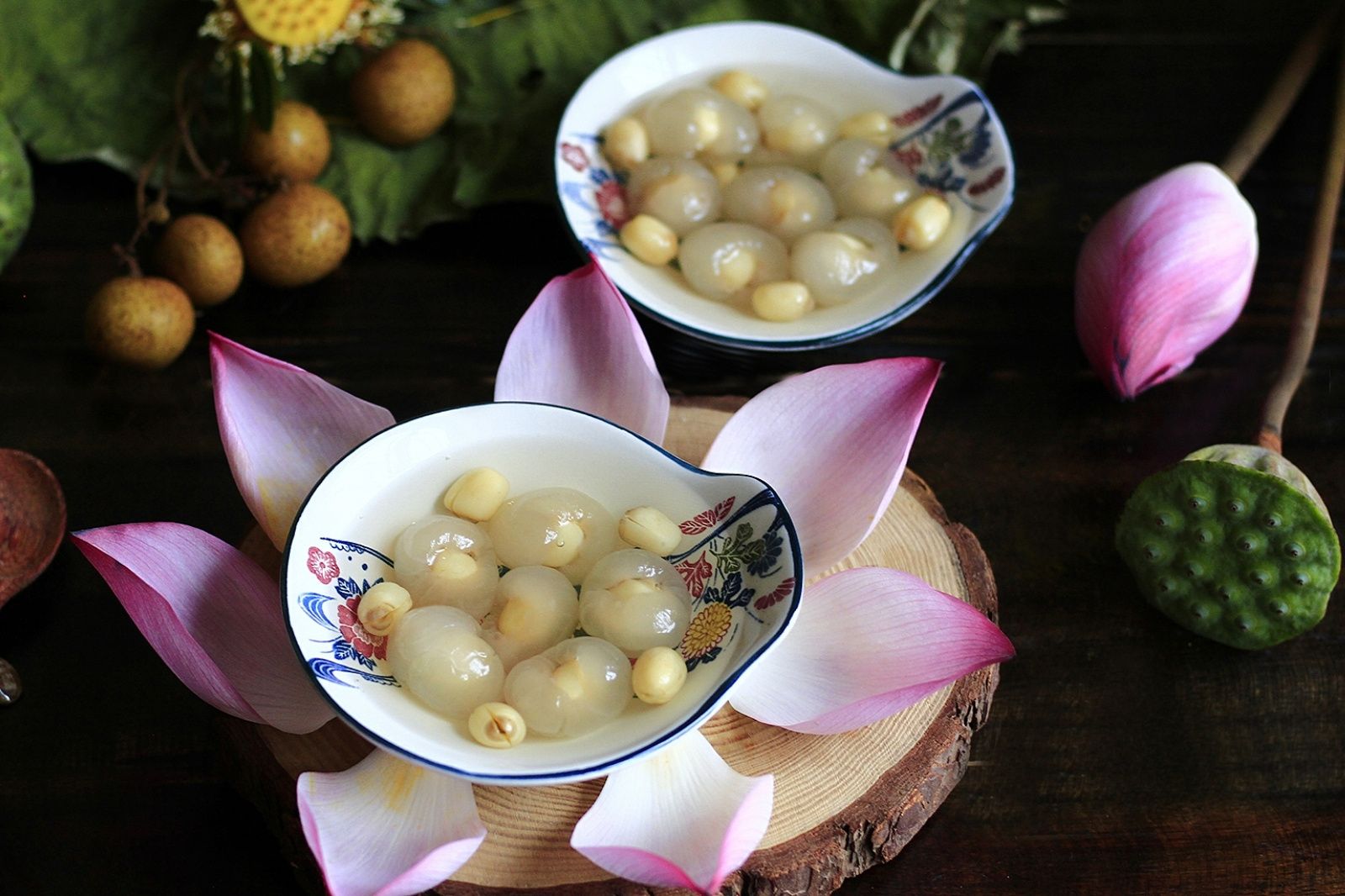
  • Lotus seed and longan sweet soup: Refreshing, mildly sweet, helping to calm the mind – considered the most delicate "aristocratic" sweet soup.
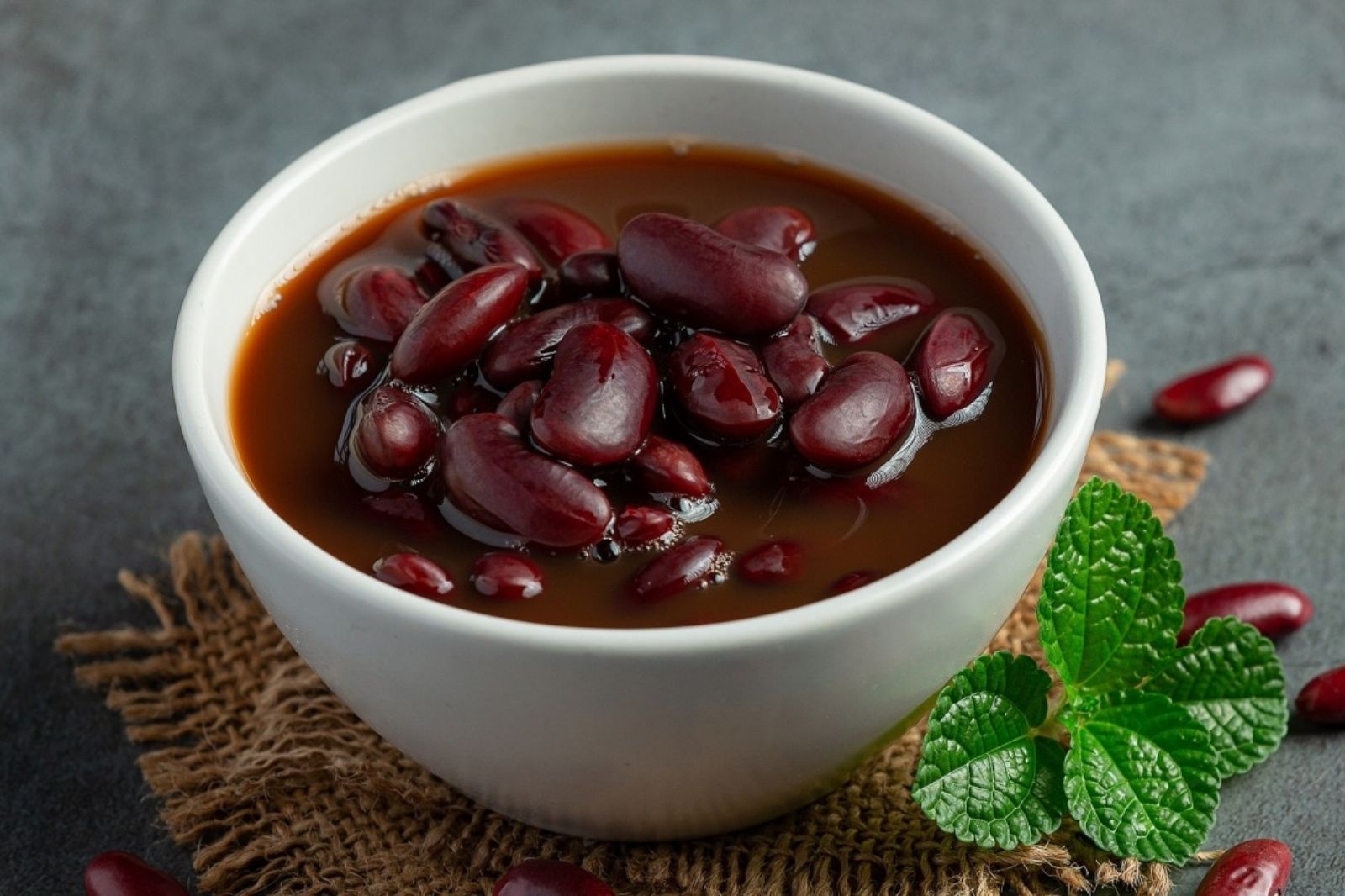
  • Royal bean sweet soup: Delicately sweet, lightly fragrant, often appearing during royal festivals.
  • Yam sweet soup (Chè khoai mài): Combining rich, nutty flavors with the gentle spiciness of ginger, serving to boost health.
  • Five-fruit sweet soup: Composed of many nutritious ingredients such as red dates, goji berries, and lotus seeds, carrying the value of a dish-turned-medicine.
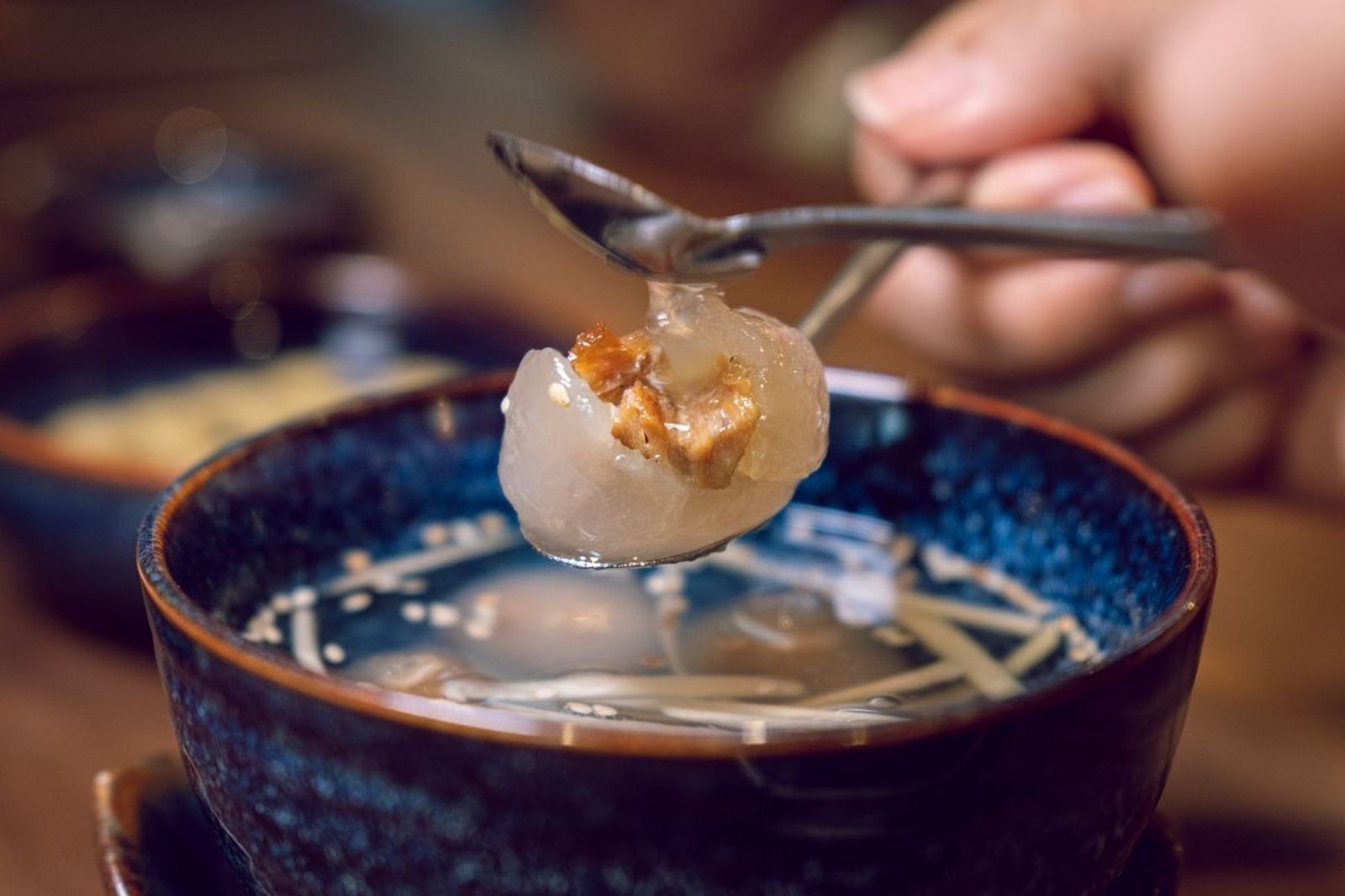
  • Roasted pork tapioca sweet soup: The most unique sweet soup in Hue, with a chewy tapioca layer wrapping savory roasted pork inside, blending with sweet syrup to create a very characteristic "harmony of savory and sweet".

In addition, there are rustic dishes such as corn sweet soup, purple yam sweet soup, and mashed green bean sweet soup, simple yet deeply rooted in Hue style. These sweet soups are not only delicious but also clearly reflect the refined and delicate spirit of ancient royal cuisine.

Lotus seed and longan sweet soup
Photo: Lotus seed and longan sweet soup
Hue royal bean sweet soup
Photo: Hue royal bean sweet soup
Unique roasted pork tapioca sweet soup of Hue people
Photo: Roasted pork tapioca sweet soup

4. Best places to enjoy authentic Hue royal sweet soup

To fully appreciate the elegant flavor of royal sweet soup, choosing the right venue that retains the authentic Hue spirit plays a very important role. Not every sweet soup shop preserves the traditional cooking techniques and inherent delicacy of this dish. If you want to explore the quintessence of royal sweet soup, you can visit some famous sweet soup shops in Hue.

  • Che Ong Lac (36 Thanh Tinh, Vy Da, Hue City): Located deep in an alley on Vy Da street, the shop is famous for its unique sweet soups and traditional flavors.
  • Che Hem Shop (No. 1 Alley 29 Hung Vuong, Phu Hoi, Hue City): True to its name, the shop is tucked away in an alley on Hung Vuong street, attracting diners with its alluring aroma and rich, authentic ancient capital sweet soups.
  • Che Ty Shop (45 Tran Phu, An Cuu, Hue City): With long-standing history, this is one of the trusted delicious sweet soup addresses for locals. The shop offers a wide variety of characteristic Hue bean sweet soups.

Exploring royal sweet soup cuisine at these addresses is not just enjoying a dish but also experiencing a part of the delicate culture of the ancient capital Hue.

Enjoying royal sweet soup when visiting Hue
Photo: Enjoying royal sweet soup when visiting Hue

Hue royal sweet soup is not just an ordinary dessert, but also a part of the quintessence of ancient capital cuisine. Each bowl of sweet soup contains the elaborate, refined art of royal cooking, carrying the story of a golden dynasty. Enjoying Hue sweet soup, you not only savor the delicate sweet taste and gentle fragrance but also experience the traditional cultural features preserved across generations.

Loading......

Featured destinations