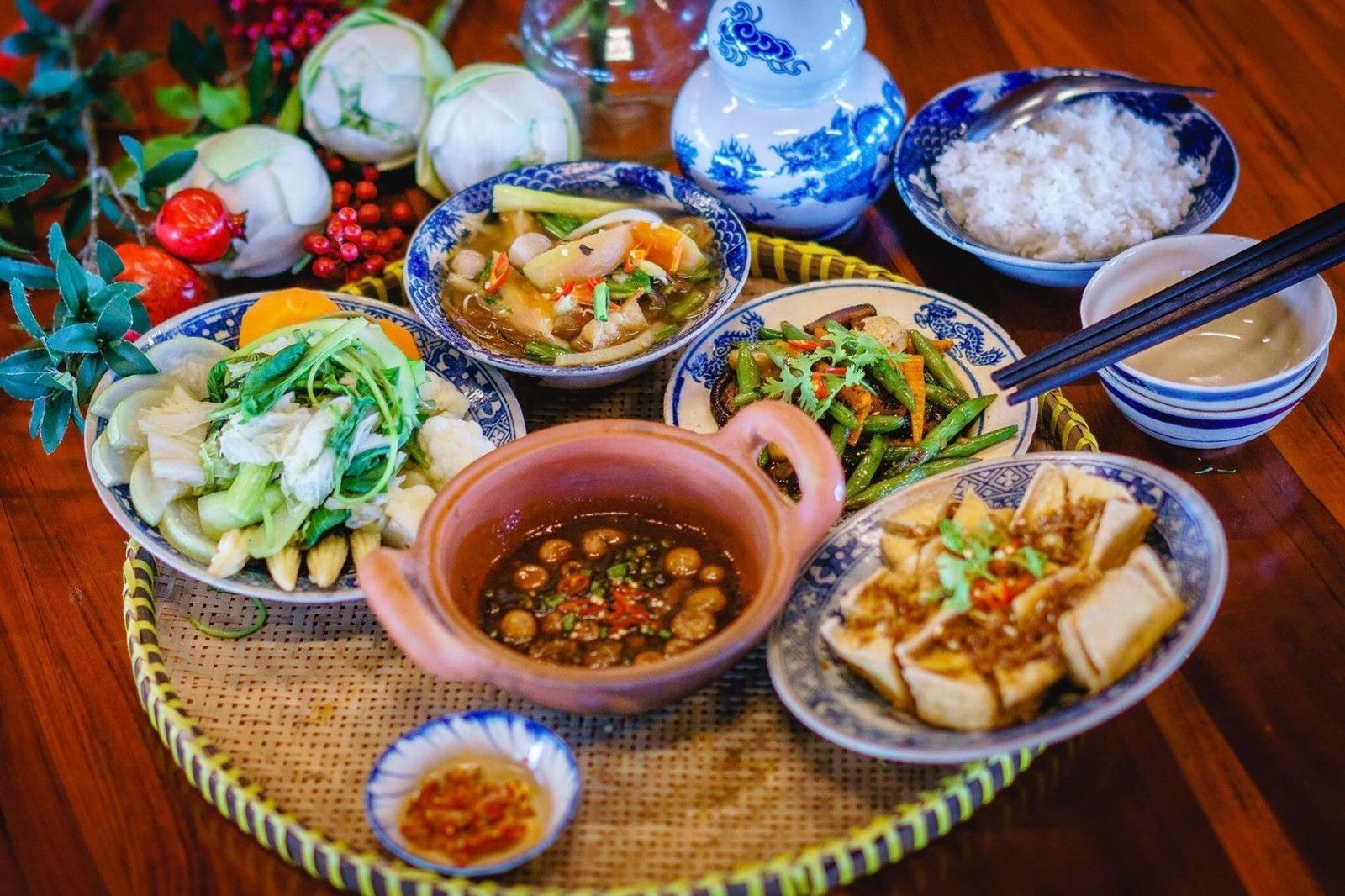
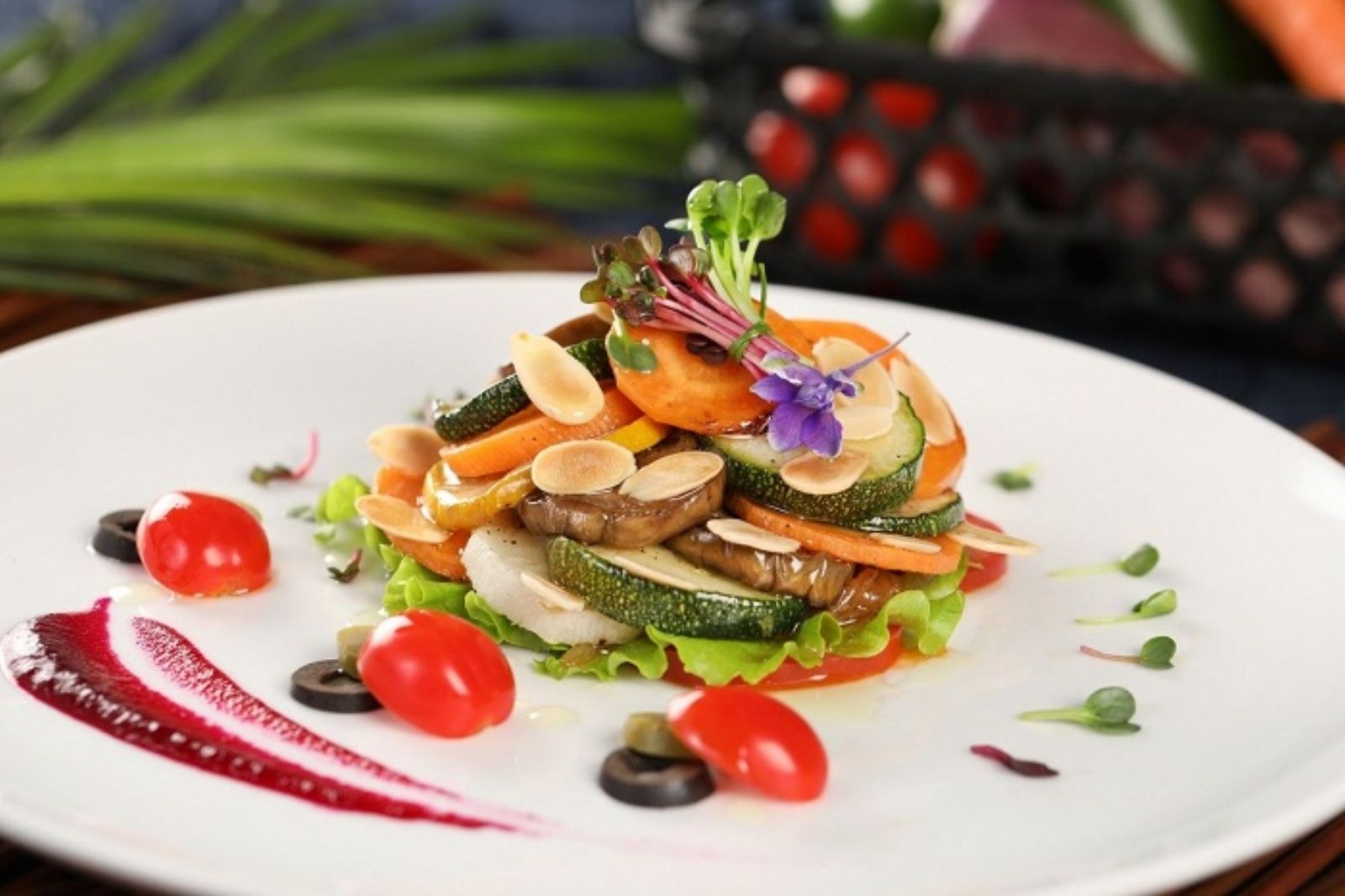
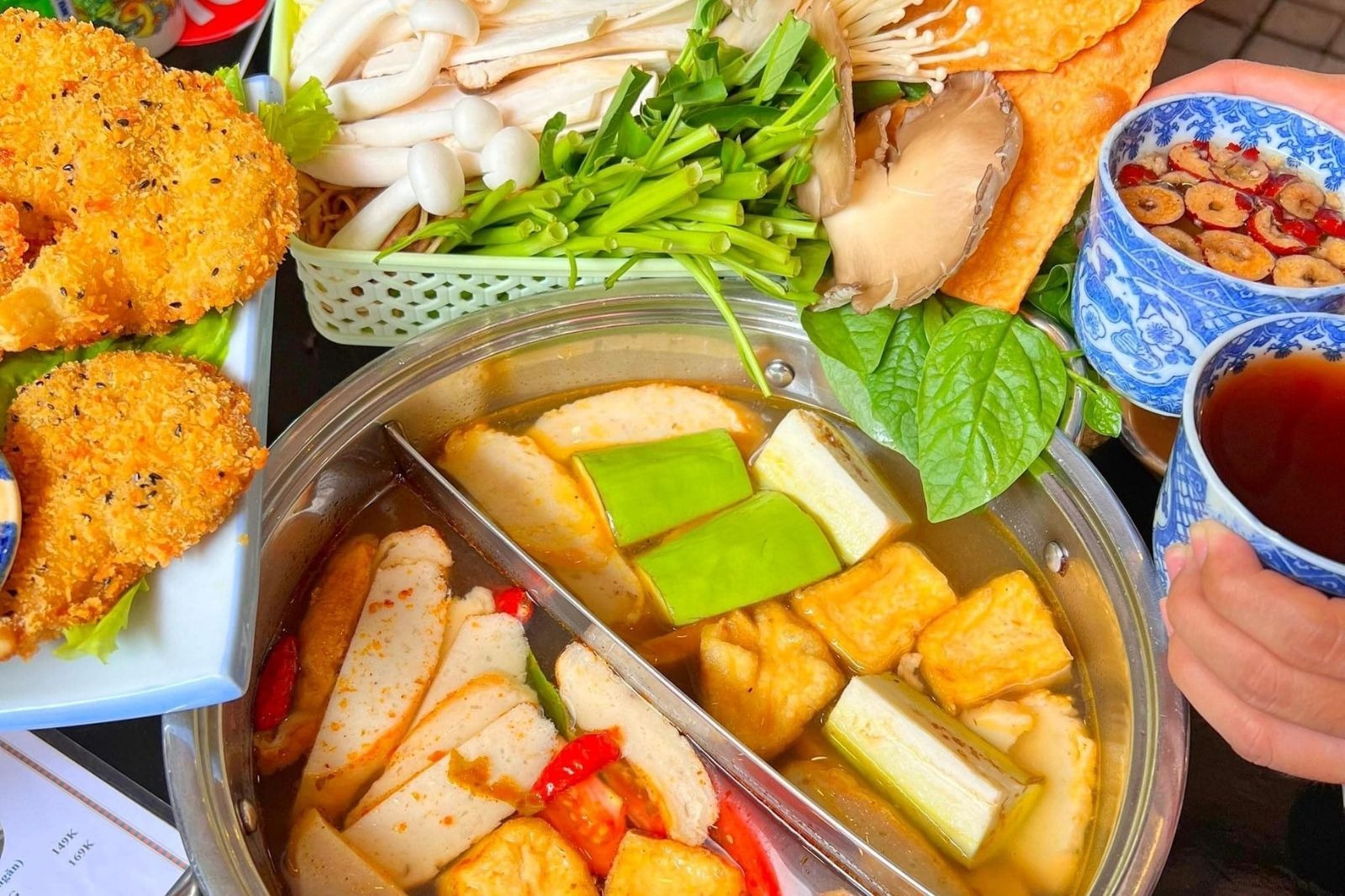
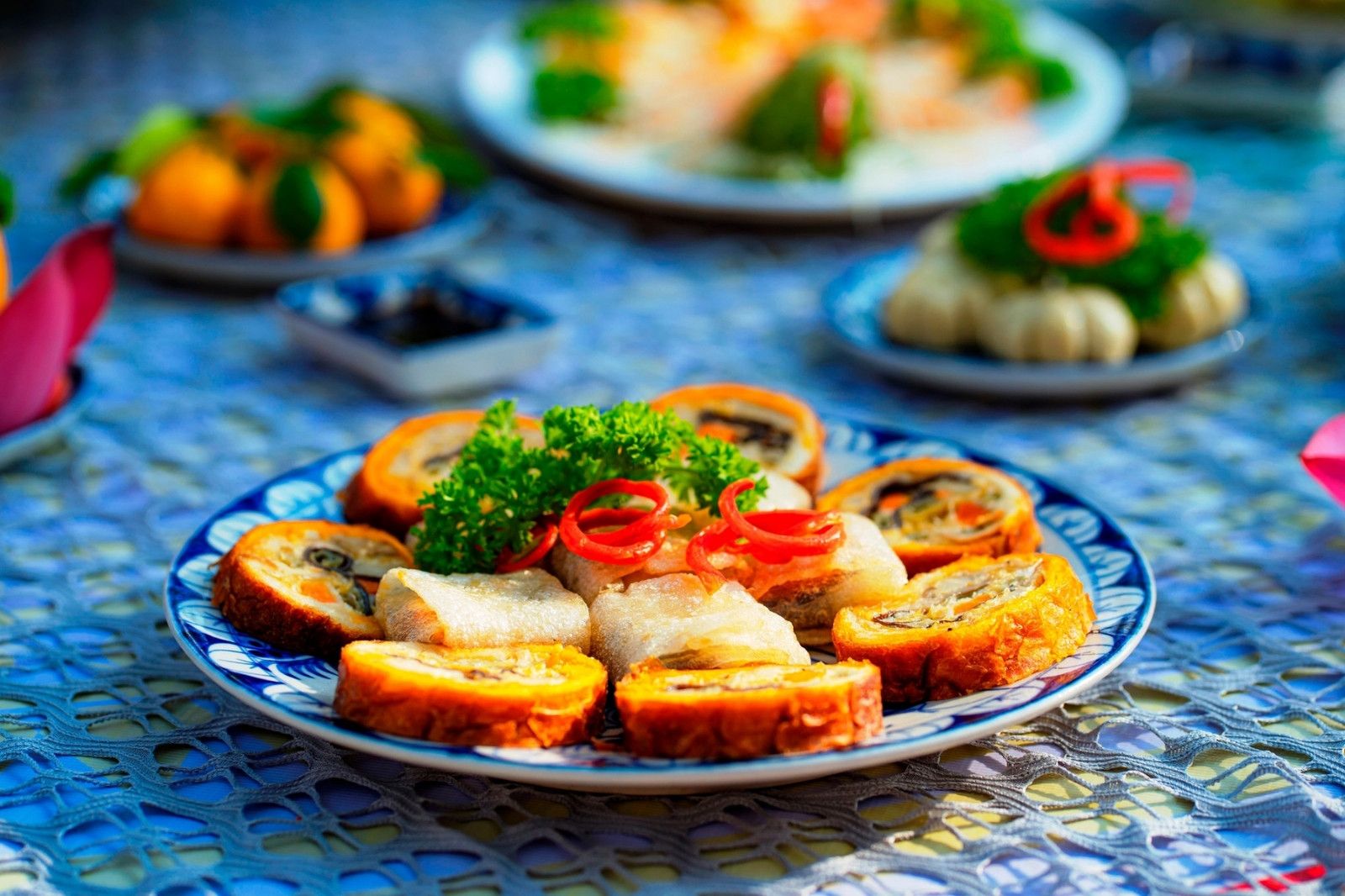
When thinking of Huế, people do not only think of ancient mausoleums or the romantic Hương River, but are also deeply impressed by its rich and sophisticated culinary heritage, especially its vegetarian cuisine. More than just food, Huế vegetarian cuisine is a culture, a philosophy of life forged over centuries. The vegetarian dishes here are not only visually appealing but also balance the five elements and yin-yang, diversifying flavors and offering medicinal properties that help harmonize the body.
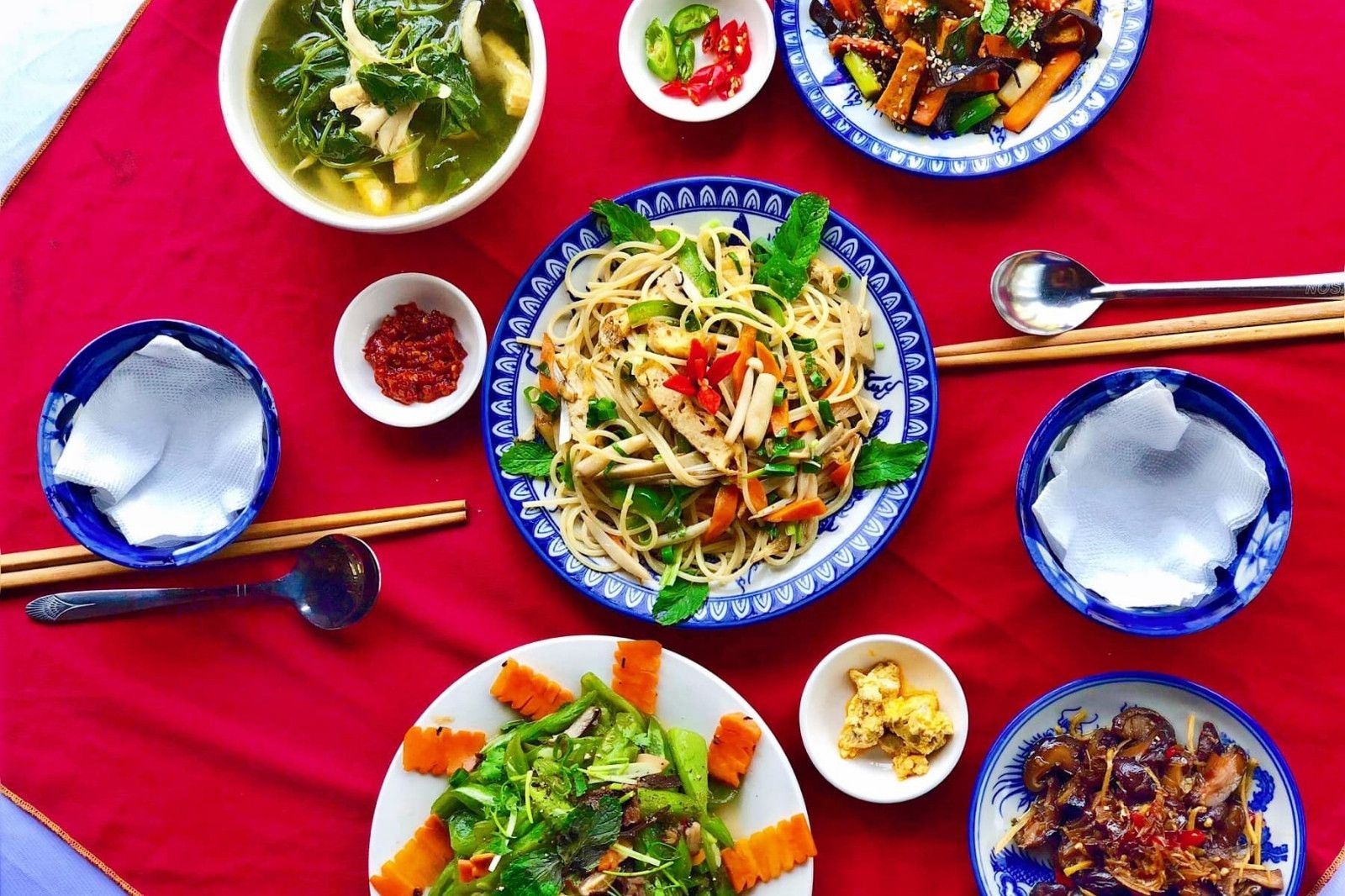
The culture of vegetarian cuisine in Huế stems deeply from Buddhism, which is considered the "cradle" of the ancient capital. Ever since Lord Nguyễn Hoàng came to govern Thuận Hóa, Buddhism was introduced and flourished. Buddhism became the State Religion during the Nguyễn Dynasty, profoundly influencing royal life, including the custom of eating vegetarian meals during many formal ceremonies. It was this influence that created a diverse and rich vegetarian culinary tradition with around 125 dishes, prepared as elaborately and meticulously as non-vegetarian ones.
The development of vegetarian cuisine in Huế is also closely linked to the habits and beliefs of its people. With more than 108 pagodas and 300 Buddhist assembly halls, many Huế locals follow Buddhism and have maintained a long-standing tradition of vegetarianism. They do not only eat vegetarian food on full moon days, the first day of the lunar month, or festivals, but also consider it a daily habit, even during family death anniversary observances.