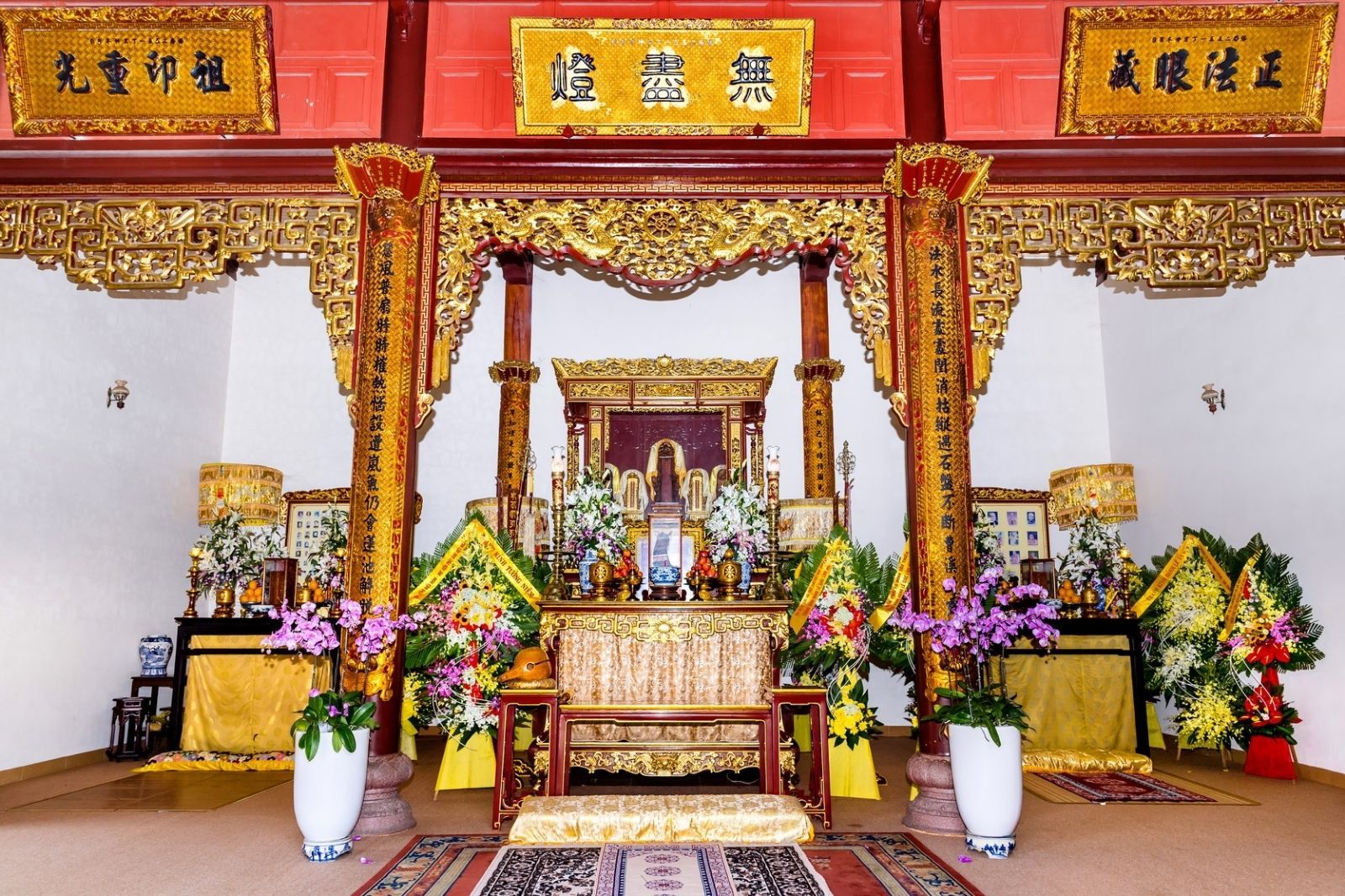
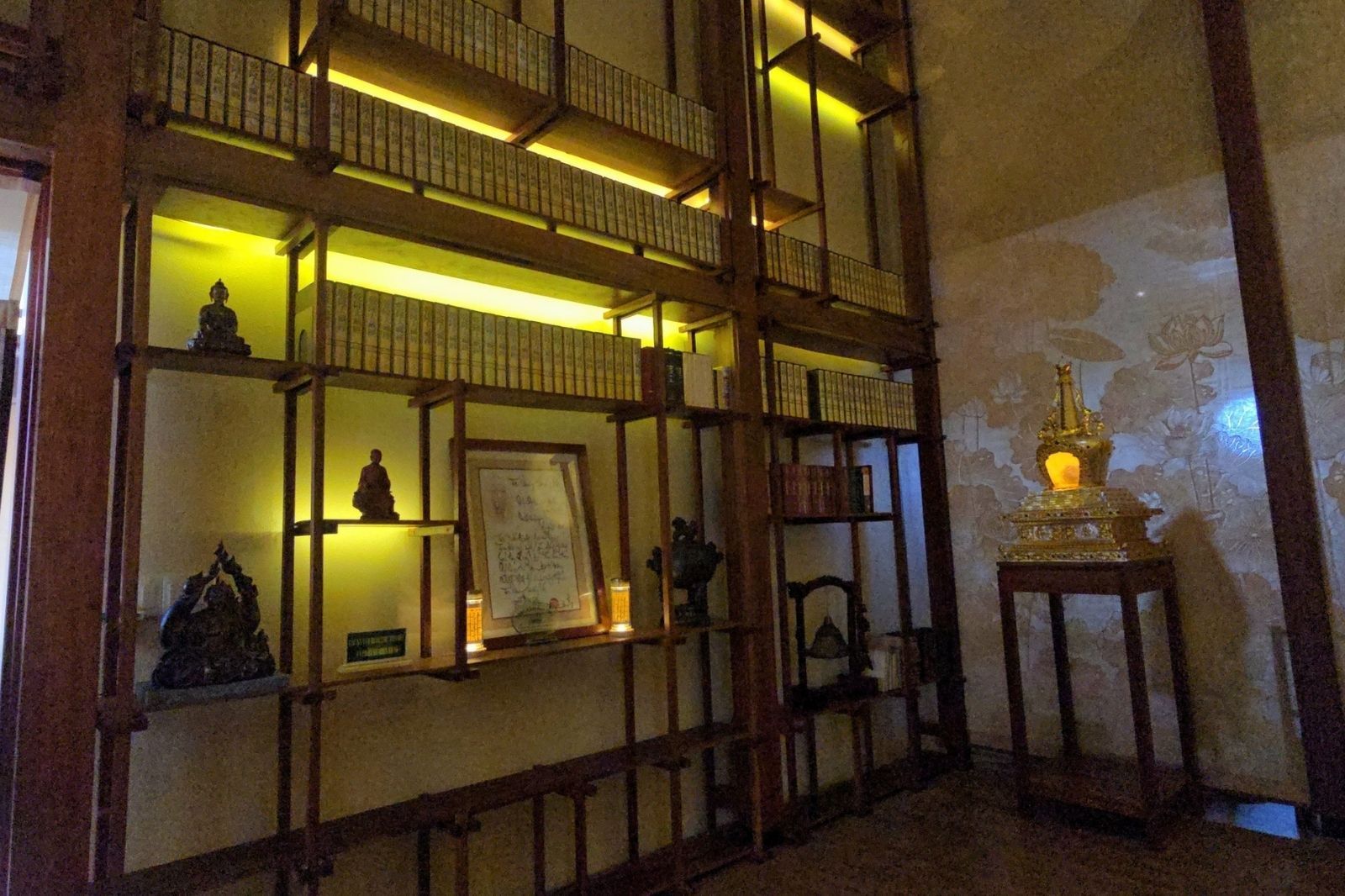
Tu Dam Pagoda has a long and storied history dating back to the 17th century. Originally founded around 1690 under the reign of Lord Nguyen Phuc Chu, it was initially named An Ton Pagoda by Zen Master Minh Hoang Tu Dung, a Chinese monk who established the temple. Belonging to the Lam Te (Linji) Zen sect, the pagoda was established to serve the local Buddhist community of the era. In 1841, under the reign of Emperor Thieu Tri, the pagoda was renamed Tu Dam, inspired by the words "Tu" (Compassion) and "Dam" (Clouds) from Buddhist scriptures, symbolizing benevolence and pure serenity.
Throughout numerous historical ups and downs, Tu Dam Pagoda in Hue became the epicenter of the Central Vietnam Buddhist Revival Movement in the 1930s. In 1932, the Annam Buddhist Association (later renamed the Central Vietnam Buddhist Studies Association) was established here, and in 1936, the pagoda officially became the association's headquarters. Most notably, the pagoda was deeply intertwined with the 1963 Buddhist crisis, when its courtyard served as the gathering place for thousands of demonstrators, marking a momentous chapter in the history of Vietnamese Buddhism. In 1935, the pagoda underwent substantial reconstruction amidst the thriving Buddhist revival movement. In 2006, it was once again extensively renovated, preserving its historical essence while integrating modern architectural elements.
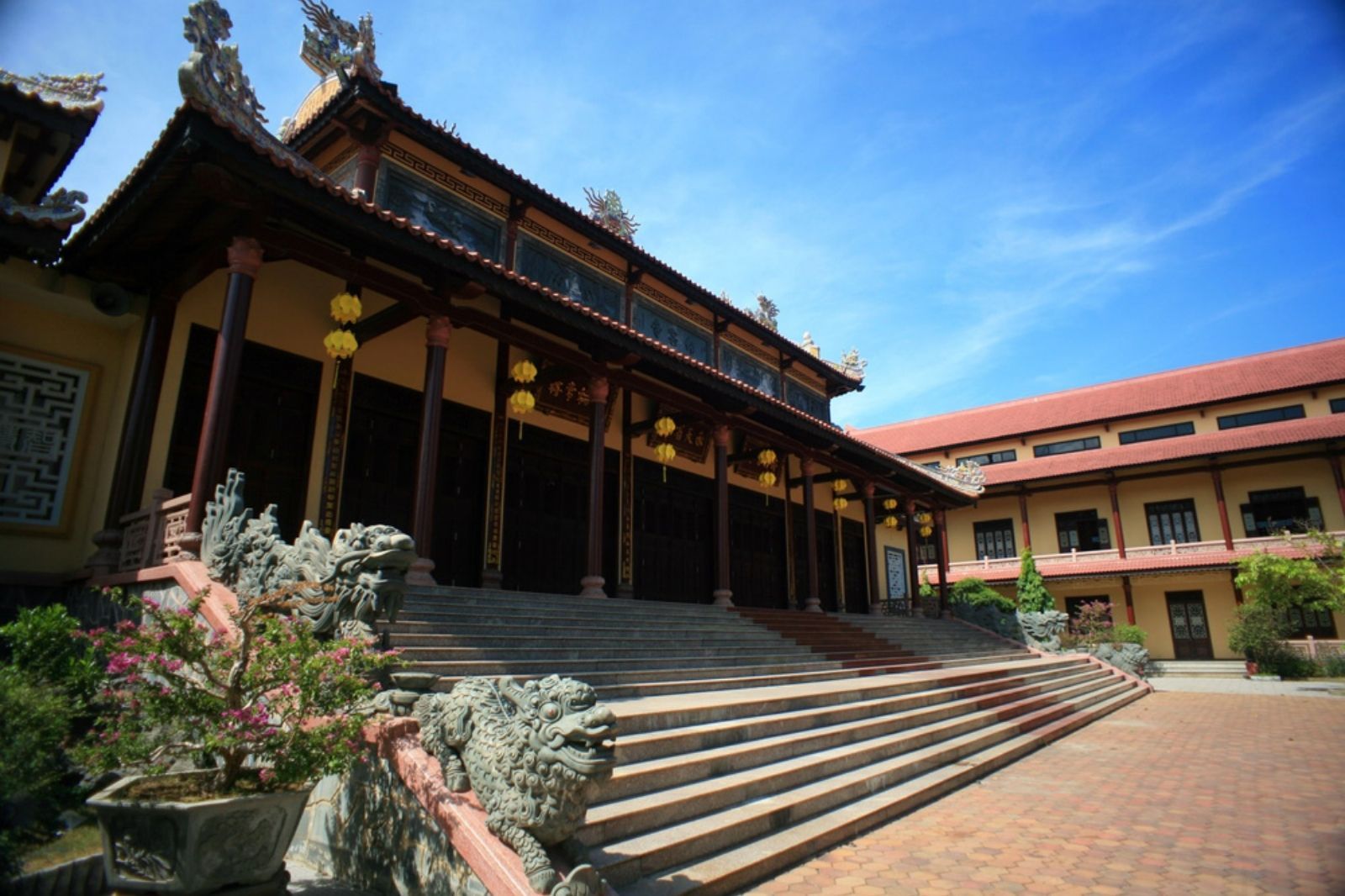
Today, Tu Dam Pagoda serves as the Executive Board Office of the Buddhist Sangha of Hue City, as well as a premier venue for major Buddhist congresses, conferences, and festivals. The sacred Bodhi tree in the center of the courtyard remains an enduring symbol of the development of Buddhism in Thua Thien Hue.