Ninh Binh Culture: Summary of the Largest Traditional Festivals of the Year
Northern
Ninh Binh
Sovaba.travel
Updated at: 24/09/2026
1. Overview of Ninh Binh's culture and traditional festival system
Ninh Binh is a province located in the Northern region of Vietnam, once the capital of the Dai Co Viet state under the Dinh - Early Le dynasties. Ninh Binh's culture carries a strong historical imprint, harmoniously combining elements of folklore, beliefs, and nature. With over 260 festivals organized annually, Ninh Binh is likened to a "living museum" of traditional Vietnamese cultural values. The festival system here is usually concentrated in spring (from the 1st to the 3rd lunar month), aimed at honoring ancestors, national heroes, and praying for favorable weather, peace, and prosperity for the country.
Traditional festivals in Ninh Binh are usually divided into two main parts: the Rituals (formal ceremonies such as water procession, incense offering, and sacrificial rites) and the Festivities (folk entertainment activities like dragon dancing, wrestling, and art performances). They not only reflect the spiritual life of local people but are also closely linked to world heritage sites like the Trang An Landscape Complex. According to the Ninh Binh Department of Tourism, these festivals attract millions of visitors every year, contributing to preserving and promoting national cultural identity.
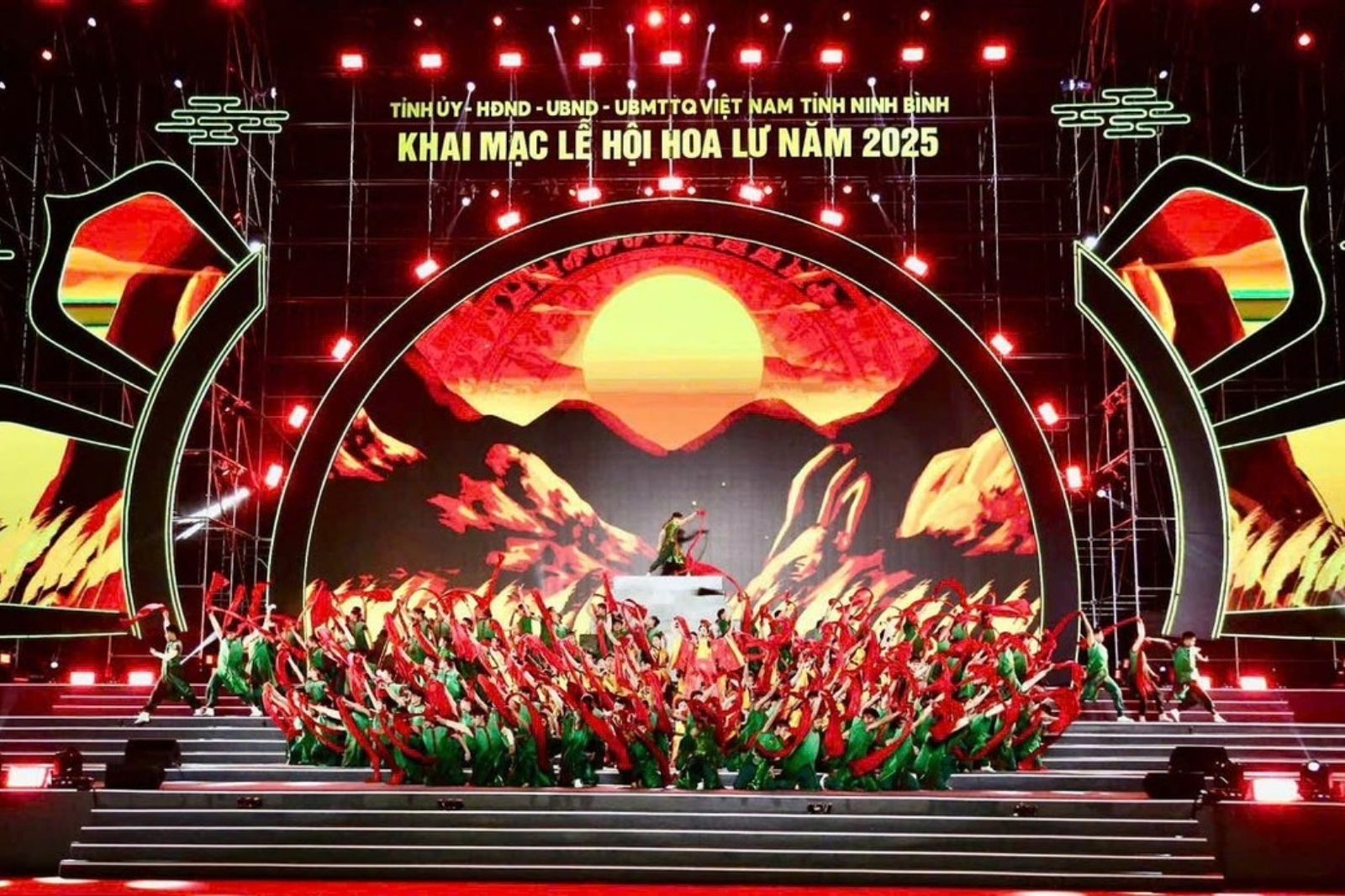
Photo: Hoa Lu Ancient Capital Festival - Thousand-year heroic spirit
2. What are the prominent traditional festivals in Ninh Binh?
Ninh Binh possesses many unique festivals, but the most prominent are the Hoa Lu Festival, Bai Dinh Pagoda Festival, Thai Vi Temple Festival, and Trang An Festival. In addition, there are other festivals such as the St. Nguyen Temple Festival (3rd lunar month), St. Minh Dai Vuong Worship Festival (18th day of 3rd lunar month), or the Nguyen Cong Tru Temple Festival (1st lunar month). These festivals all hold profound historical and cultural values, connecting the past with the present, and often take place at ancient relic sites such as the Hoa Lu Ancient Capital or Trang An Complex.
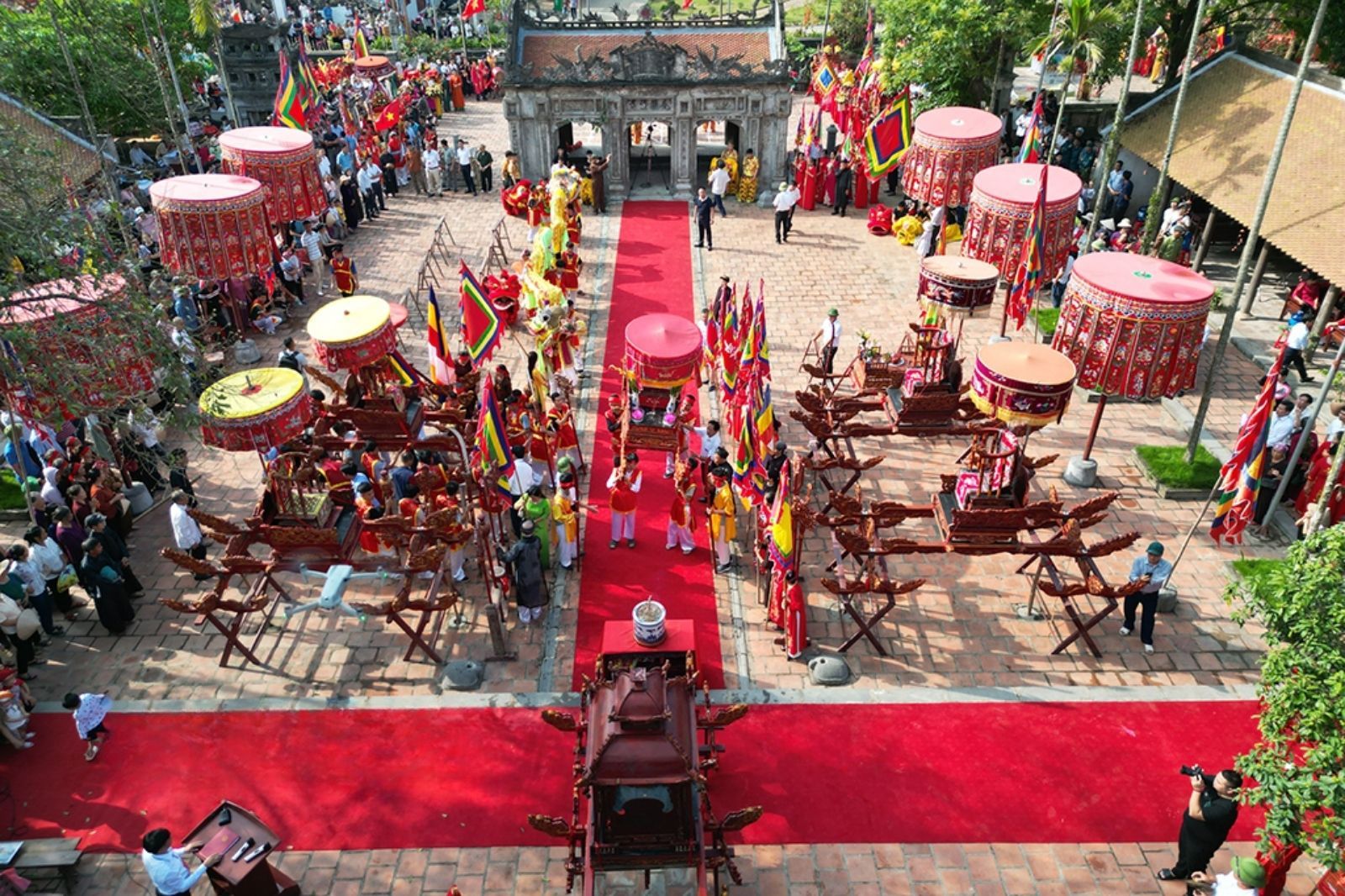
Photo: St. Nguyen Temple Festival
Hoa Lu Festival
The Hoa Lu Festival, also known as the Hoa Lu Ancient Capital Festival, is the largest cultural event in Ninh Binh, attracting tens of thousands of visitors. The festival aims to commemorate the contributions of King Dinh Tien Hoang (who unified the country and established the Dai Co Viet state) and King Le Dai Hanh (who defeated the invading Song army).
Rituals: Include the water procession from the Hoang Long River to the temples, incense offering, and solemn sacrificial rites at both King Dinh and King Le temples.
Festivities: Lively with the "Reed flag maneuver" game (reenacting the story of Dinh Bo Linh), wrestling, Chinese chess, human chess, dragon dance, and calligraphy contests.
The festival is not only an occasion to honor history but also educates the younger generation on the moral value of "when drinking water, remember its source". The main venue is at the Hoa Lu Ancient Capital Relic Site, Truong Yen Commune, Hoa Lu District.
Bai Dinh Pagoda Festival
Bai Dinh Pagoda Festival is one of the largest festivals in Northern Vietnam, combining Buddhist elements and folk beliefs. Bai Dinh Pagoda – the largest pagoda in Southeast Asia, is a place to worship Buddha and commemorate St. Nguyen Minh Khong (the founder of the pagoda).
Rituals: Offering incense to worship Buddha, sacrificing to God Cao Son, worshipping Mother Goddess Thuong Ngan, and beating drums to open the festival.
Festivities: Palanquin procession, calligraphy writing, photo exhibitions, bird releasing, drum performances, Cheo singing, and Ca Tru singing.
Its cultural and spiritual value lies in the harmony between ancient and modern architecture, conveying a message of praying for national peace, prosperity, and well-being for all people. The festival takes place in Gia Sinh Commune, Gia Vien District, and is an unmissable early spring pilgrimage spot.
Thai Vi Temple Festival
Thai Vi Temple Festival honors the kings of the Tran Dynasty – heroes who contributed to defeating the Mongol invaders and protecting the country. This festival bears strong folk belief characteristics, demonstrating gratitude to ancestors.
Rituals: Palanquin procession with over 30 delegations and solemn rituals within the temple grounds.
Festivities: Dragon dance, lion dance, human chess, wrestling, boat racing, and other folk games.
The special feature lies in the combination of religious rituals and community activities, helping to preserve folk culture. Location: Van Lam Village, Ninh Hai Commune, Hoa Lu District.
Trang An Festival
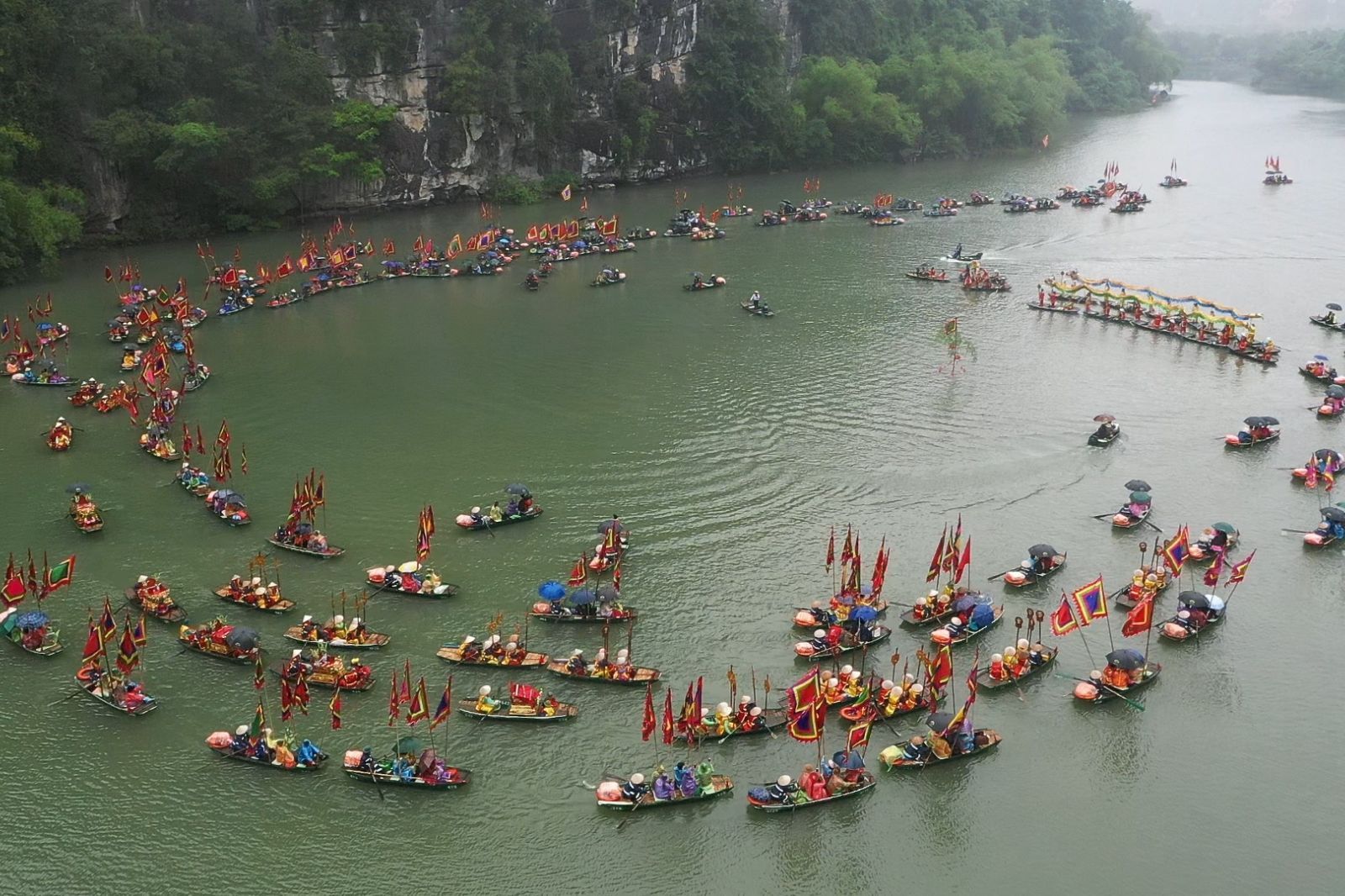
Trang An Festival is unique as all rituals take place on the river inside the Trang An Landscape Complex – a UNESCO World Heritage site. The festival honors St. Quy Minh Dai Vuong (who contributed to guarding the borders).
Rituals: Water procession, palanquin, and dragon processions on the Sao Khe River, combined with animal releasing.
Festivities: Enjoy heritage folk songs (such as Cheo and Xam singing), cultural performances, and cave exploration.
The intersection of nature (picturesque mountains and rivers) and culture (ancient rituals) makes the festival an icon of Ninh Binh, conveying the message of "when drinking water, remember its source" and praying for favorable weather. The main location is in the Trang An Heritage Area.
Photo: Trang An Festival
Doi Son Tich Dien (Plowing) Festival
The Doi Son Tich Dien Festival attracts numerous local residents and tourists, becoming one of the typical traditional festivals deeply imbued with the agricultural cultural identity of the Vietnamese people. Beyond being an early spring spiritual activity, the festival also highlights the spirit of valuing production labor and the aspiration for a year of favorable weather and bumper harvests.
Time: From the 5th to the 7th day of the 1st lunar month (usually falling in late February solar calendar) Location: Foot of Doi Son Mountain, Tien Son Ward
The festival reenacts the ritual of King Le Dai Hanh stepping down to the field to plow in the year 987 to encourage the people to develop agriculture. Over many centuries, this ritual has been preserved and has become a cultural heritage rich in historical value, clearly reflecting the Vietnamese tradition of placing agriculture as the foundation.
3. Schedule of major festivals in Ninh Binh throughout the year
Major festivals in Ninh Binh mainly take place in spring, according to the lunar calendar to align with tradition:
Bai Dinh Pagoda Festival: From the 6th day of the 1st lunar month to the end of the 3rd lunar month (usually from late January to April solar calendar).
Hoa Lu Festival: From the 9th to 11th day of the 3rd lunar month (around April solar calendar).
Thai Vi Temple Festival: From the 14th to 16th (or 17th) day of the 3rd lunar month (usually April solar calendar).
Trang An Festival: On the 18th-19th day of the 3rd lunar month (usually April solar calendar).
Note: Times may slightly vary depending on the year, so check the official schedule from the Ninh Binh Department of Tourism.
4. What to experience when attending Ninh Binh festivals?
Participating in traditional festivals in Ninh Binh is not only a journey of cultural discovery but also an opportunity for tourists to deeply feel the beauty of the spiritual life and national identity of Vietnam. Every activity in the festival carries its own meaning, contributing to creating memorable experiences amidst a space rich in historical value and unique nature.
Spiritual rituals: Offering incense, water procession, sacrificial ceremonies, feeling solemnity and connecting with ancestors.
Folk activities: Joining in wrestling, human chess, dragon dances, or enjoying Cheo and Ca Tru singing, intangible cultural heritages.
Nature discovery: Traveling by boat through caves in Trang An, admiring the poetic scenery.
Local cuisine: Enjoying mountain goat meat, crispy rice, tube wine, and Ninh Binh specialties.
Not only bringing a sense of relaxation and closeness, the experiences at Ninh Binh festivals also help visitors better understand the cultural life, beliefs, and traditional values of the Vietnamese people through each special ritual, activity, and custom.
5. Important notes when attending Ninh Binh festivals
To make the journey of exploring spiritual festivals in Ninh Binh complete and meaningful, visitors not only need to prepare their itineraries carefully but should also pay attention to behavior and preserving cultural beauty at sacred destinations. Small but appropriate actions will contribute to creating a civilized experience while respecting traditional values.
Attire: Choose polite, modest clothing suitable for the solemn atmosphere at worship sites, temples, and pagodas. Prioritizing traditional clothing like Ao Dai will be very appropriate.
Maintain hygiene: Protect the shared landscape, especially at historical relic sites and scenic spots.
Keep order: Avoid pushing and shoving, maintain security and order, and respect ceremonial rituals.
Ninh Binh, with its series of major traditional festivals, is not only a tourist destination but also a space for visitors to experience and deeply appreciate the history, culture, and beliefs of the Vietnamese nation.
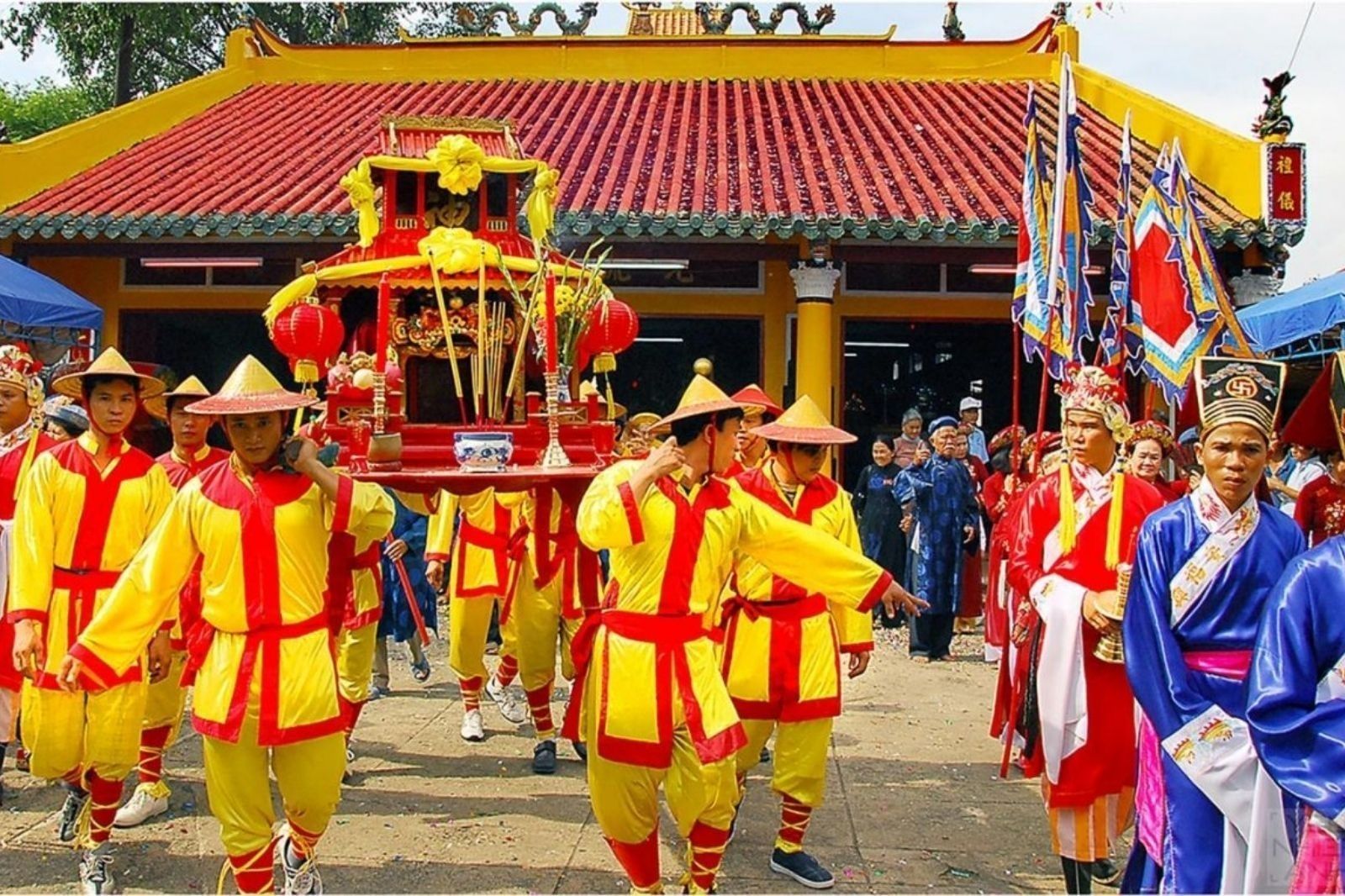
Photo: Bao Ban Non Khe Festival
In summary, Ninh Binh's system of traditional festivals – from the large-scale event commemorating the two founding kings in Hoa Lu, the early-year Buddhist events at Bai Dinh and Trang An, to local tribute festivals for local historical figures at Thai Vi Temple, St. Nguyen Temple, and Nguyen Cong Tru Temple – has constructed a unique and incredibly rich cultural space. Every ritual and folk game is living proof of the profound moral value of "When drinking water, remember its source" and the martial, united spirit of the community. Ninh Binh, with its year-round series of festivals, is not only a natural wonder but also a living museum of history and beliefs, inviting visitors to admire, experience, and fully feel the eternal soul of the ancient capital of Hoa Lu.