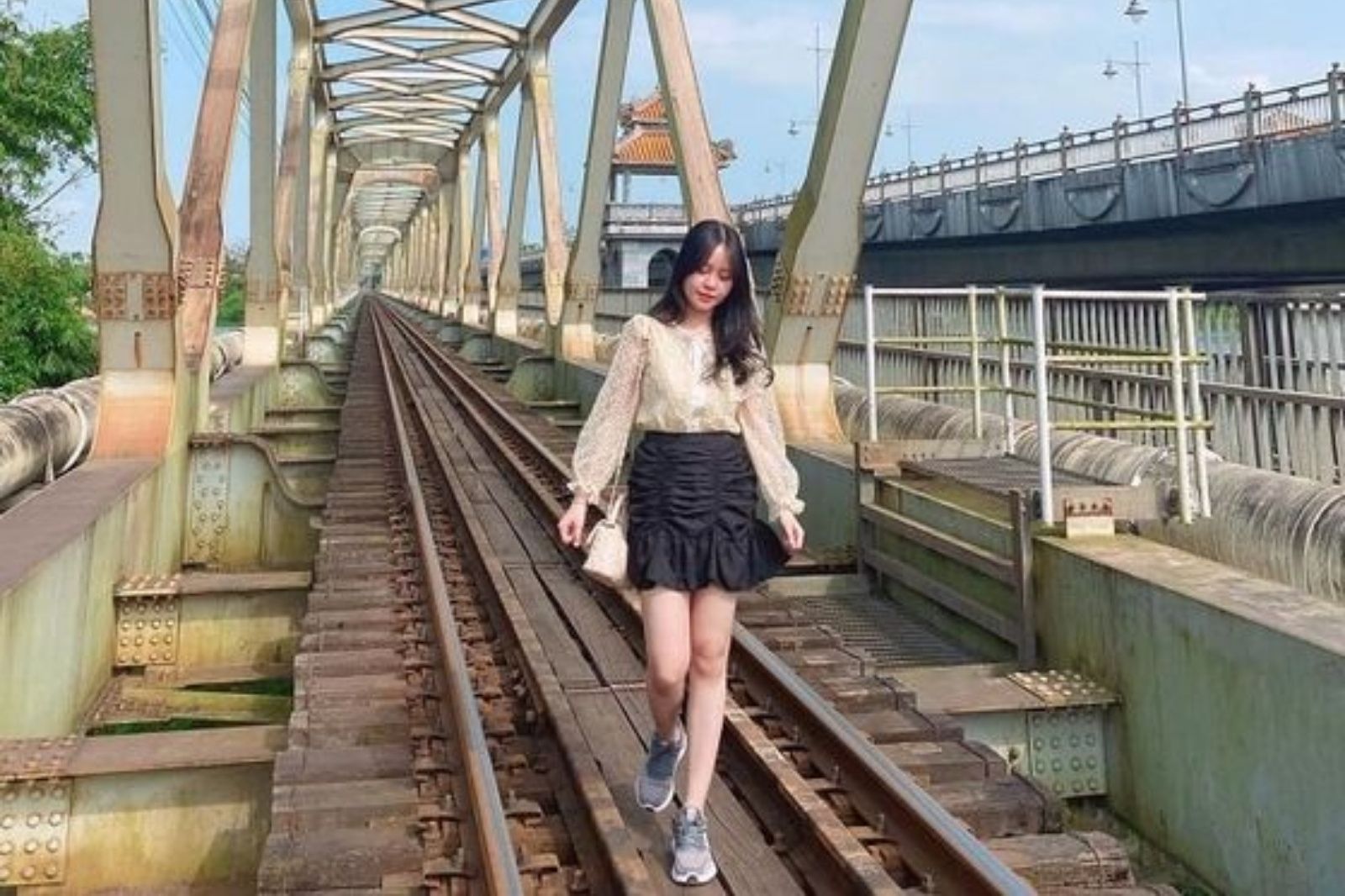
Photoshoot at Bach Ho Bridge in Hue: Check-in with the Train – A 'One-of-a-Kind' Experience in the Heart of the Ancient Capital

Central

Thua Thien Hue

Sovaba.travel

Updated at: 24/09/2026

1. Introduction to Bach Ho Bridge

Bach Ho Bridge in Hue, also known as the century-old railway bridge spanning the poetic Perfume River, is not only a transportation structure but also a living witness to the ups and downs of the ancient capital's history. Built in 1908 during the French colonial period to serve the Hue - Quang Tri railway line, the bridge is over 300 meters long with a sturdy iron-and-steel design, named after the Four Sacred Beasts in Feng Shui – Bach Ho (White Tiger) representing strength and western protection. Having endured two fierce wars, the bridge was completely destroyed in 1947 and 1968, but was solidly rebuilt in the 1950s, becoming a symbol of resilience and connecting the two banks of the Perfume River – the intersection between the ancient Imperial City of Hue and the lush green Da Vien Islet. With such historical depth, Bach Ho Bridge not only preserves stories of vibrant colonial trade but also serves as proof of the indomitable spirit of Hue people, helping visitors easily picture a period of bustling commerce between the North and the South.
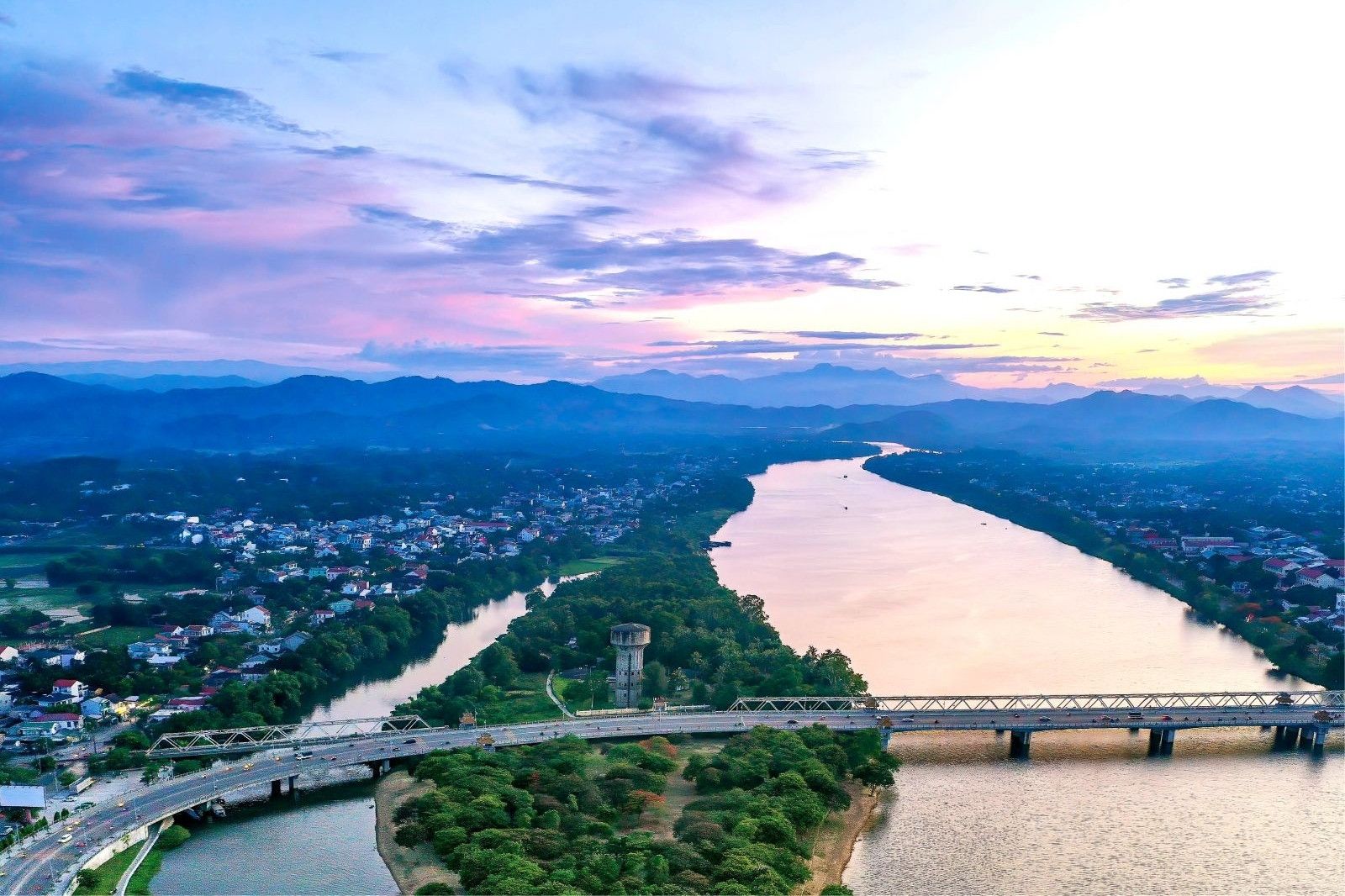
Bach Ho Bridge seen from above
Photo: Bach Ho Bridge seen from above

Directions: From Ngo Mon Gate (Hue Imperial City), you just need to turn right onto Le Duan Street, go straight to the Le Duan - Kim Long roundabout, and you will see the foot of Bach Ho Bridge right away.
2. The golden hour to capture the passing train

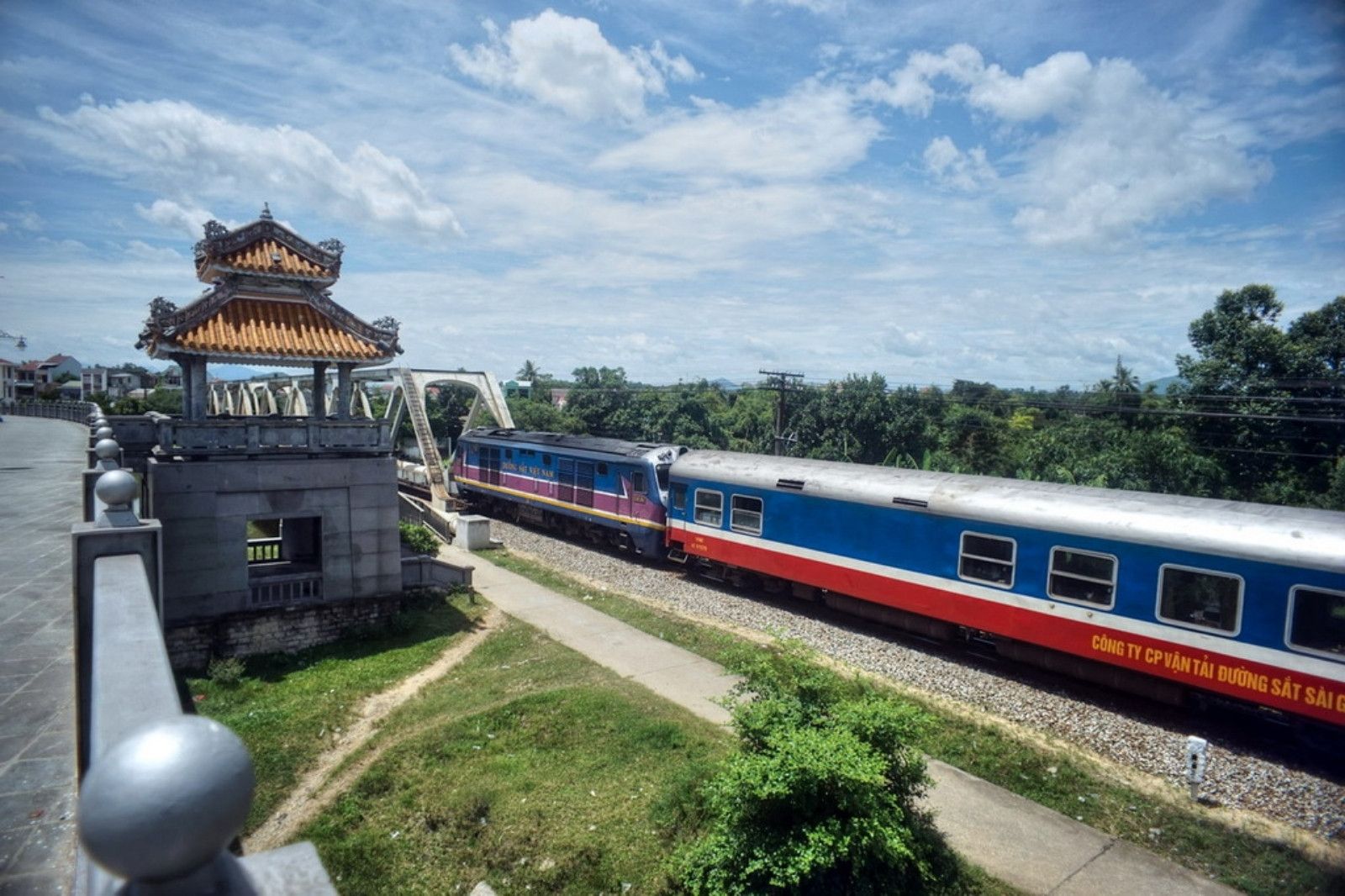
For those passionate about Hue travel, Bach Ho Bridge is an ideal destination to take photos with unique angles, especially when the Thong Nhat train glides past in the early morning or at sunset, creating a romantic scene like a Hollywood movie. 

Although there is no fixed schedule for trains passing over Bach Ho Bridge, you can refer to the interprovincial train timetables to estimate the timing. Below is the schedule of some main trains passing through Hue Station, helping you catch the best moments:

  • Hanoi - Hue route trains: Train SE7 (daytime), SE5 (daytime).
  • Da Nang - Hue route trains: Trains SE2, SE4, SE6, HD2.

You should arrive about 30 minutes early to prepare your gear and choose a photo spot. The ideal time for photos is early morning (before 9 AM) or late afternoon (after 4 PM) to take advantage of natural light. At these times, the sunlight is not too harsh, creating soft, romantic colors for your photos.

Hunting for train shots on Bach Ho Bridge
Photo: Hunting for train shots on Bach Ho Bridge

3. Unique photo angles at Bach Ho Bridge

Bach Ho Bridge features a special structure with two lanes, one for the railway and one for pedestrians. This offers a variety of photo angles:

Front-Facing Angle with the Train

  • Stand on the pedestrian side and time the moment the train is moving. You can choose to stand straight, lean, or sit down, creating a sense of blending into the ancient atmosphere.
  • Take advantage of a natural background blur (bokeh) effect, focusing on the subject while softening the background to make the photo pop.

The "Spine of the Bridge" Angle

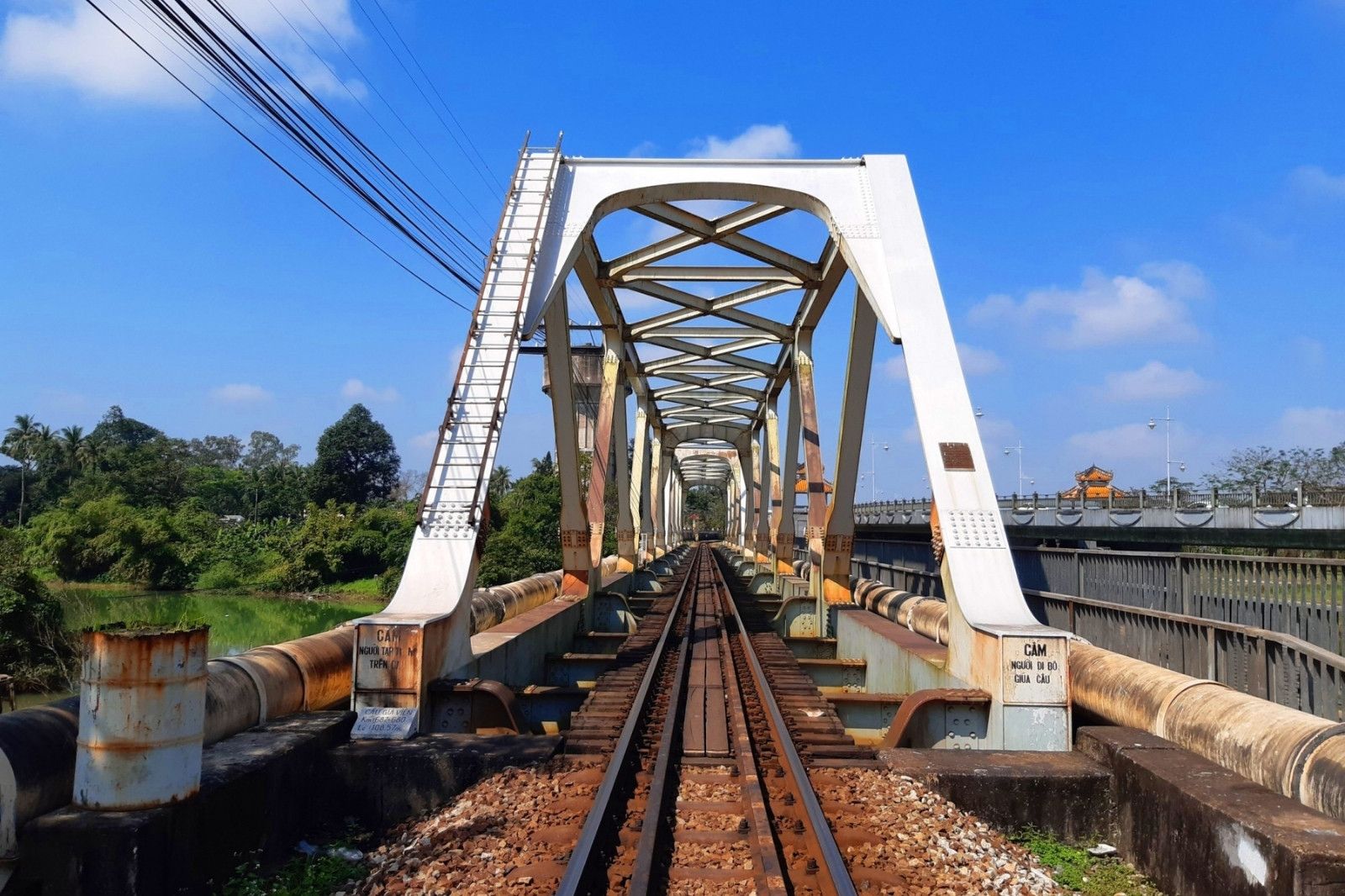
  • For this angle, stand in the middle of the bridge (on the pedestrian path) and point the camera along the length of the bridge. The tracks and iron girders will form a stunning leading line, giving the photo extra depth.
  • If you're lucky enough to have a train pass by, take a shot from behind or time the moment the train fades into the distance, creating a nostalgic, poetic feel.
Various impressive photo angles with Bach Ho Bridge
Photo: Various impressive photo angles with Bach Ho Bridge

Angle from Da Vien Bridge

  • Standing on Da Vien Bridge, you can capture a panoramic view of Bach Ho Bridge with the poetic Perfume River below. This angle is ideal for capturing the whole bridge, the ancient water tower, and the moving train, creating a complete and impressive frame.
  • Late afternoon is the best time to watch the sunset and capture photos bathed in romantic golden light.

Da Vien Water Tower

Standing out at the end of the bridge is the ancient water tower of the Da Vien Water Plant. Weathered by time, this water tower serves as an ideal backdrop, adding a vintage and contemplative look to your photos.

With diverse shooting angles, from close-ups of the train to panoramic views of the poetic Perfume River, this bridge will help you create one-of-a-kind artistic moments. Bring your friends and loved ones to explore and capture beautiful memories at this time-honored bridge.

4. Important tips for taking photos at Bach Ho Bridge

Safety is always the top priority! Although Bach Ho Bridge has a pedestrian lane, it is still an active railway line. You should follow these safety guidelines:

  • Always stay alert and listen for train signals.
  • Do not stand too close to the tracks, especially when a train is approaching.
  • Do not climb or walk on the train track area.

Let Bach Ho Bridge be the place where you unleash your creativity and preserve beautiful memories of an ancient, tranquil Hue.

Impressive photo spot on Bach Ho Bridge railway
Photo: Impressive photo spot on Bach Ho Bridge railway

Taking photos at Bach Ho Bridge in Hue with the train is not only an exciting check-in activity, but also a way to capture the very unique essence of the ancient capital. With a convenient location, natural scenery, and the dynamic motion of the train, this is an ideal spot for anyone looking to create deeply personal photos. Visit this bridge, feel the romance of the ancient capital, and capture memorable moments, so that whenever you look back, a part of ancient and romantic Hue comes alive in every frame.

Loading......

Featured destinations