Tra Tri Dam Crab Sauce – A Dish Unfamiliar Yet Fondly Known to the People of Quang Tri

Central

Quang Tri

Sovaba.travel

Updated at: 24/09/2026

1. What is Tra Tri 'dam' crab paste?

Tra Tri dam sauce is a specialty fermented sauce of Tra Tri village, Hai Hung commune, Hai Lang district, Quang Tri province. The main ingredient is con đam (also known as con rạm), a small field crab species common in the fields of Central Vietnam. Compared to regular crabs, đam are smaller yet richer, with more crab roe, offering a distinctly robust flavor. Dam sauce is made from fresh small field crabs combined with salt and seasonings such as roasted corn meal, galangal, small scallions, turmeric, ginger, pepper, and even kumquat peel, creating a flavor that is both pungent and delicate.
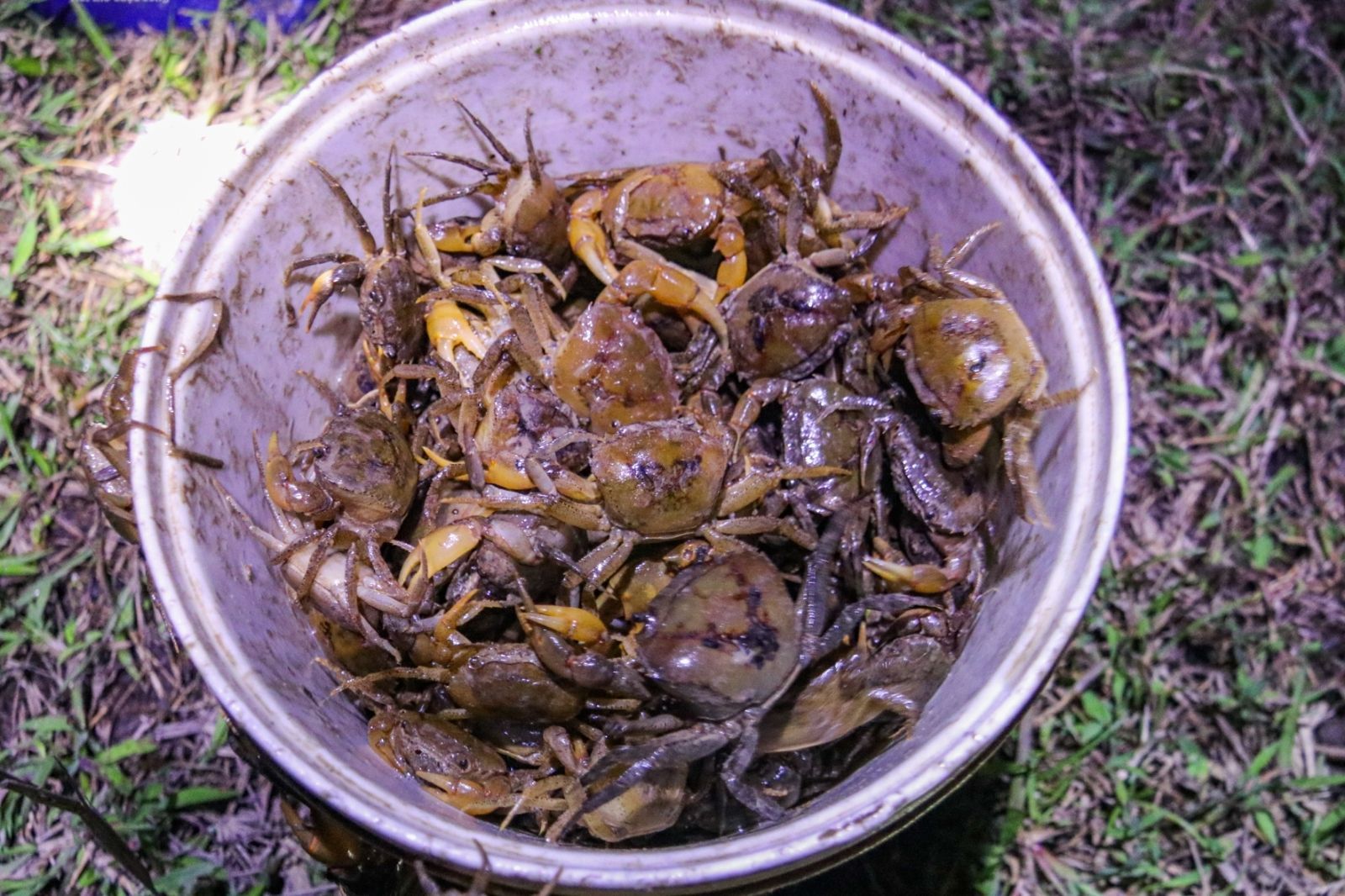
Dam sauce is made from fresh field crabs
Photo: Dam sauce is made from fresh field crabs 

Unlike anchovy sauce (mắm nêm) or shrimp paste (mắm tôm), dam sauce has a subtle natural fishy undertone; yet when properly prepared with added chili, garlic, and scallions, that flavor becomes a highlight that releases an irresistible aroma. Dam sauce is not just a dipping sauce, but also a condiment in many dishes, from boiled vegetables and pork to braised and stir-fried dishes, adding depth and richness to rural family meals.
2. The process of making 'dam' crab paste

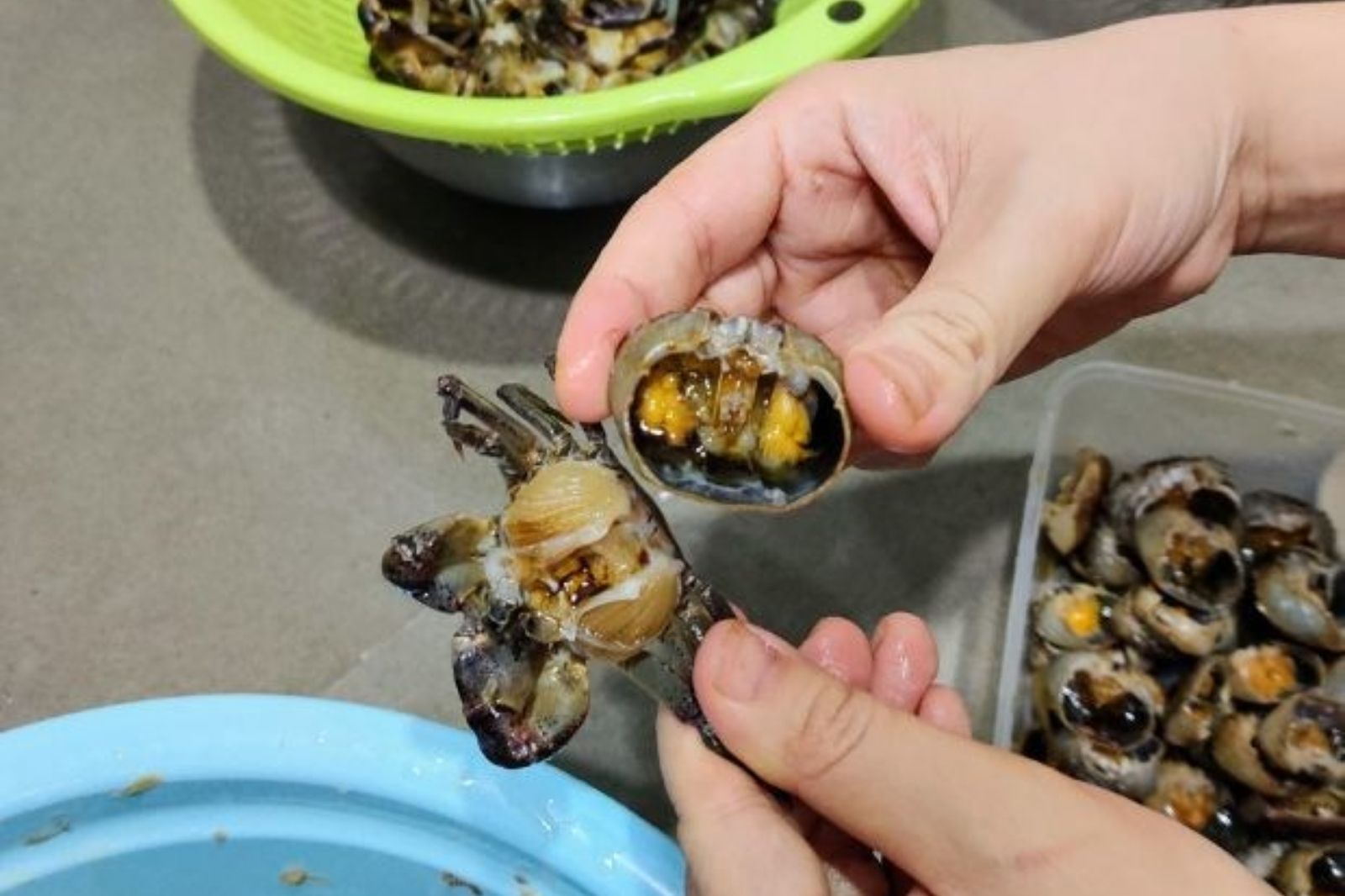
The process of making dam sauce may seem simple, but it demands meticulous care and experience from the people of Tra Tri. Every October, right after the harvest, local villagers use a dũi—a traditional bamboo scoop—to catch the crabs. The plump field crabs are brought home and kept overnight in a container of clean water to purge mud and grit.

Afterward, the crabs are thoroughly washed, finely pounded with a wooden pestle, and pressed to extract the primary juice, before being pounded a second time to extract the rest. The crab juice is mixed with salt at a ratio of 4 cups crab juice to 1 cup salt, placed into earthenware jars, tightly sealed, and fermented for 5 to 7 days. The longer the dam sauce ferments, the sweeter it becomes, yet it is made only during one specific season each year when the crabs are at their fattest. A delicious batch depends not only on the recipe, but also on the skilled hands of the maker. 

The higher the quality of the field crabs, the more flavorful the sauce
Photo: The higher the quality of the field crabs, the more flavorful the sauce 

3. 'Dam' crab paste in the memories of Quang Tri people

Tra Tri dam sauce is not just a dish; it is a childhood memory, the nostalgic flavor of home for many living away from Quang Tri. An ancient folk chant still echoes:  

“Oh hear/Cross the dense Cu Hoan forest to taste Tra Tri dam sauce/Wade across the Vinh Dinh river to savor Lam village am soup…”  

These lyrical verses seem to guide travelers back to Tra Tri, where making dam sauce once filled the entire village with lively bustle each fermenting season.

Yet, regrettably, the craft of making dam sauce in Tra Tri is gradually fading. For nearly 20 years, very few people still prepare this sauce. This may be due to the growing scarcity of field crabs in the paddies, or because improved living standards have left locals less attached to a dish associated with times of hardship. Even so, whenever dam sauce is mentioned, elders still cannot hide their nostalgia.

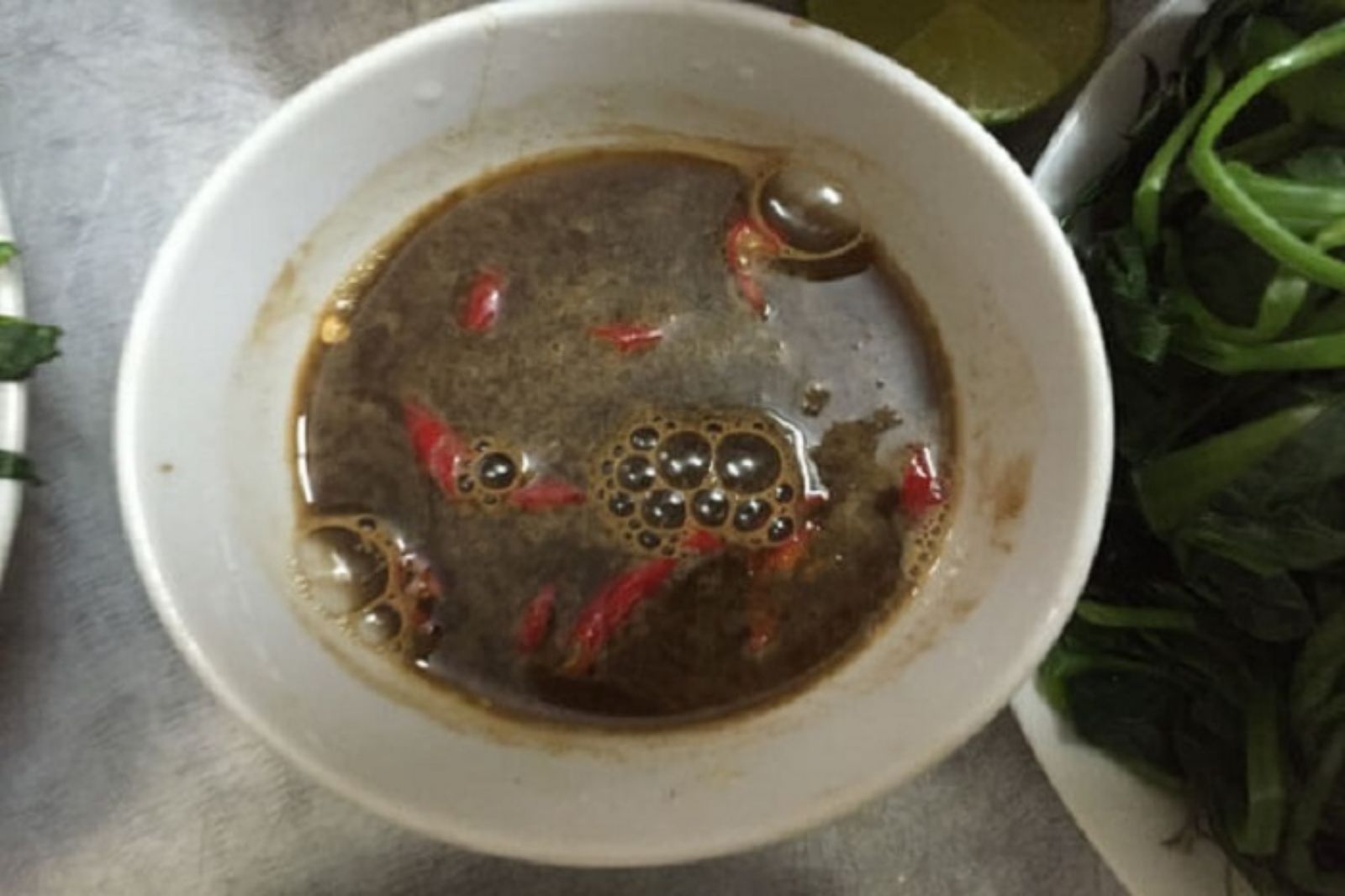
Dam sauce is used for braising fish or as a dipping sauce
Photo: Dam sauce is used for braising fish or as a dipping sauce

4. 'Dam' crab paste in rustic countryside meals

Dam sauce is the soul of Central Vietnamese family meals. A plate of boiled water spinach, a few slices of boiled pork, and a bowl of dam sauce mashed with chili and garlic are all it takes to devour several bowls of rice. Dam sauce is also used to braise fish, stir-fry vegetables, or serve as a dipping sauce for pork rice paper rolls and fresh spring rolls. The pungent, spicy, and fragrant flavor of the sauce harmonizes with the crispness of raw herbs and the richness of pork, creating an unforgettable culinary experience.

To mellow the naturally strong aroma of the crab sauce, people in Quang Tri usually mix in fresh chili, minced garlic, and chopped green onions during preparation. This secret touch not only makes the sauce easier to enjoy, but also elevates its unique taste, ensuring that anyone who tries it once will remember it forever.

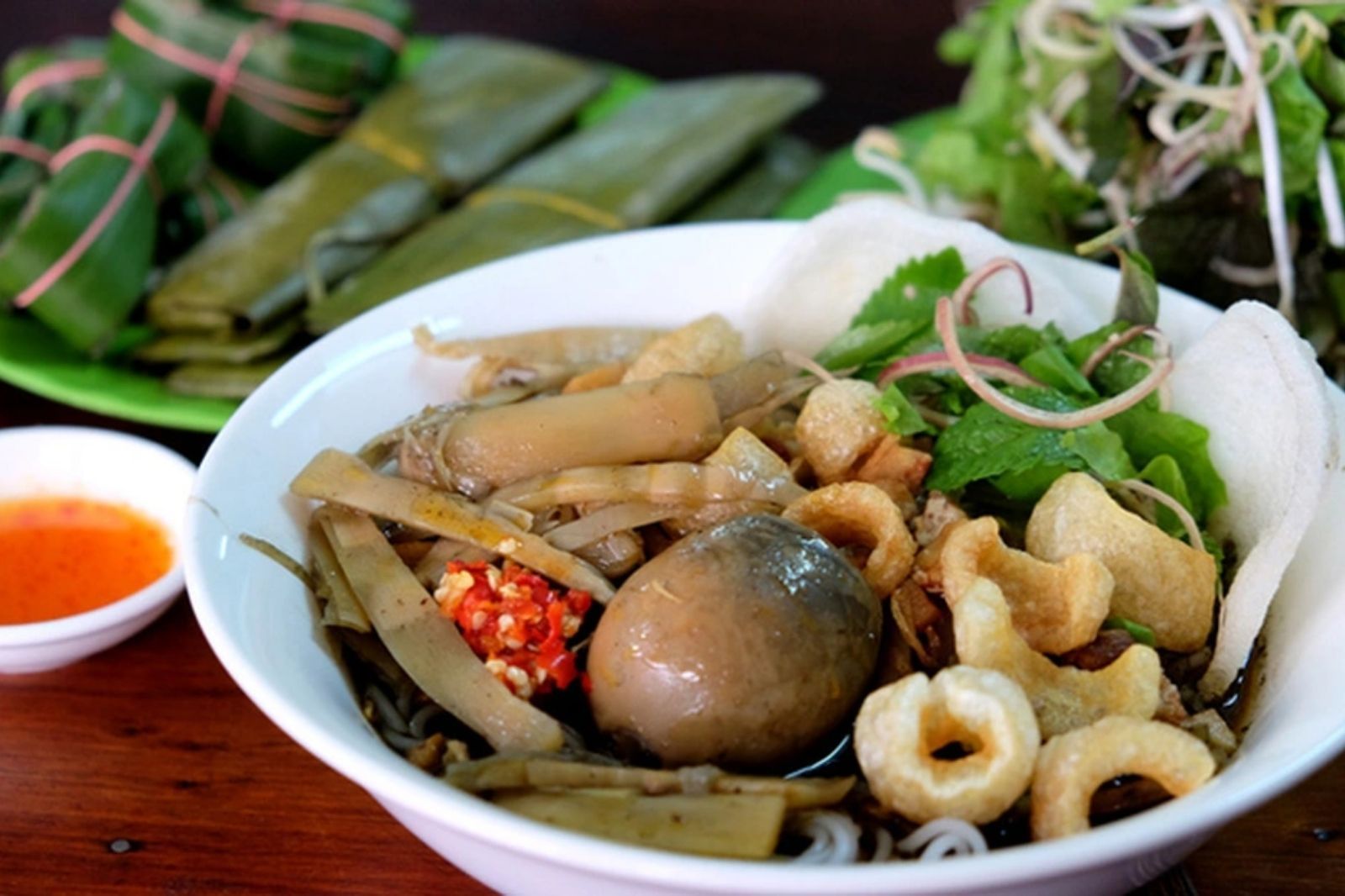
Dam sauce is also used as an ingredient for cooking noodle soups
Photo: Dam sauce is also used as an ingredient for cooking noodle soups 

Nowadays, finding authentic Tra Tri dam sauce is no easy task. The tradition of making this sauce has almost been lost in Tra Tri village itself, but you can still try searching for it at local markets in Quang Tri or Ha Tinh, where dam sauce is still made in the traditional way. Some Central specialty shops may also offer dam sauce, but be sure to choose reputable sellers to guarantee quality.

Amidst the hustle and bustle of modern life, humble dishes like Tra Tri dam sauce retain their unique place—not because of luxury, but because they carry a wealth of memories. It is the aroma of straw during harvest, the sound of pounding crabs resounding on a rural afternoon, and the simple family meal shared with loved ones. Those who have dipped boiled vegetables in dam sauce alongside crunchy pickled eggplant will surely hold onto that taste forever, carrying a piece of their homeland through every step of life far away.

Loading......

Featured destinations