Lam Village Canh Am – Rich Hometown Flavors of Quang Tri

Central

Quang Tri

Sovaba.travel

Updated at: 24/09/2026

1. Lam Village's Canh Am – A Taste of Home Rich in Hai Lang Flavor

Located along the peaceful Vinh Dinh River, Lam Thuy village (now part of Hai Hung commune, Hai Lang district, Quang Tri province) has long been famous for its canh am soup – a dish deeply tied to the daily life of local people. Not only a familiar dish in family meals, canh am also makes an appearance during Tet, death anniversaries, and even wedding feasts in the past, as a symbol of reunion and togetherness. For the people of Lam Thuy village, canh am is not just food, but a memory, a deep nostalgia for their homeland, and the flavor of Quang Tri's land and sky.

The soup is slow-cooked over a wood fire with a gentle simmer, allowing the ingredients to blend together and release their natural sweet flavor. This exact cooking method creates the signature taste that makes Lam village canh am distinct from other soups. The simple name of the dish carries a whole story of meticulous care that the people of Quang Tri pour into every meal.
A familiar dish in family meals
Photo: A familiar dish in family meals 

2. Ingredients and preparation of Lam Village's Canh Am

To make an authentic pot of canh am, two indispensable ingredients are wild snakehead fish and rau soong.

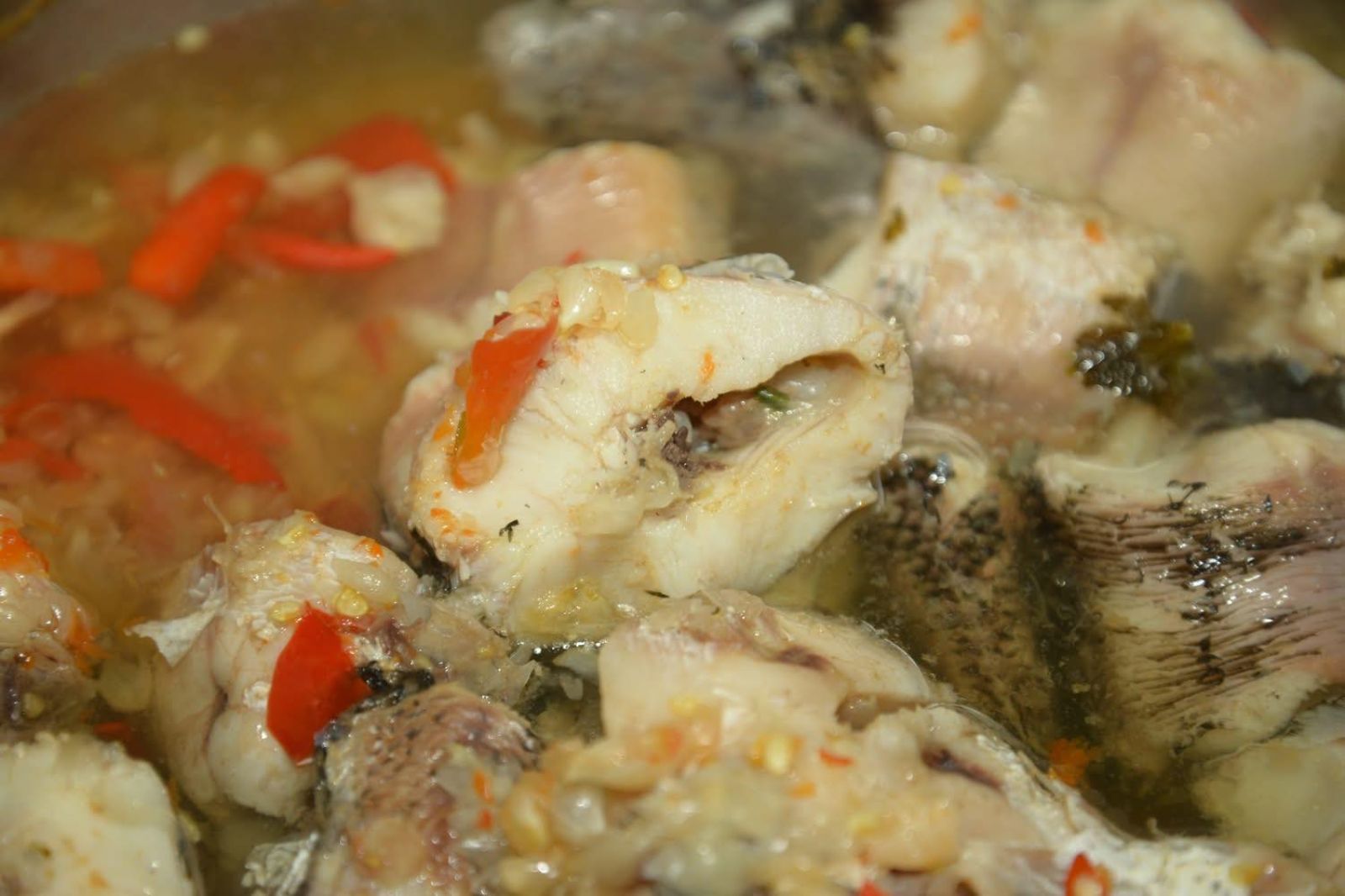
  • Wild snakehead fish: A species living naturally in Quang Tri's rice fields, featuring firm, sweet, and aromatic meat—especially fish with roe, which adds a rich, creamy quality. The snakehead fish is cleaned while fresh, thinly sliced, and marinated with seasonings such as shallots, chili powder, salt, pepper, and a touch of cooking oil to absorb the flavors thoroughly.
  • Rau soong: A wild green characteristic of Quang Tri, featuring small thorns, palm-shaped leaves, and a mildly sour, slightly astringent taste. Rau soong often grows wild or is cultivated in home gardens; even in cities, Lam Thuy villagers grow rau soong in pots to preserve the full flavor of home. When cooking, people use the leaves, stalks, and young stems to retain their crispness and distinct flavor.

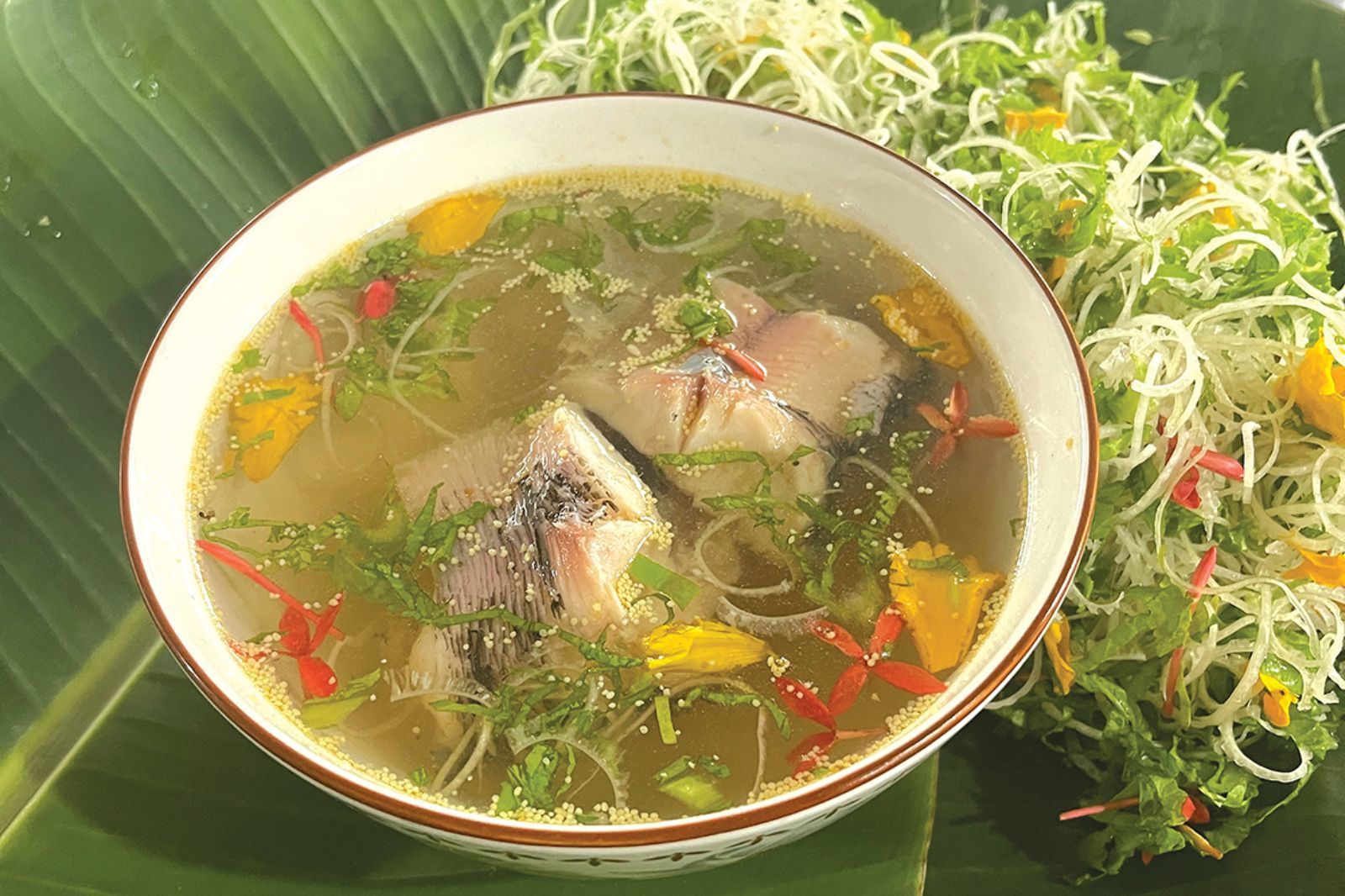
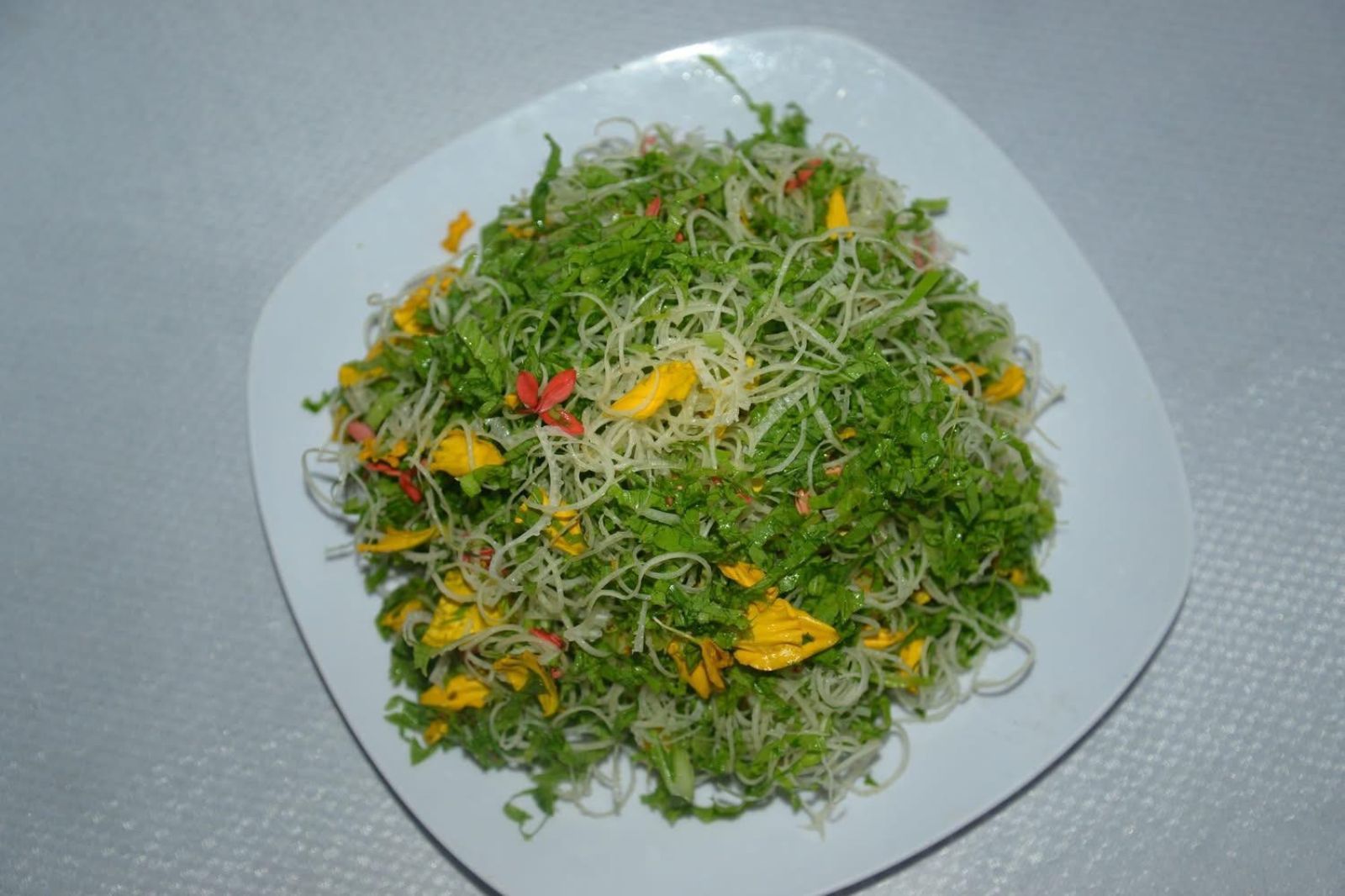
Additionally, canh am soup is typically served with fresh raw herbs and vegetables such as baby mustard greens, thinly shredded banana blossom, herbs, and sometimes marigold petals, creating a balance of flavors and nutrition.

Canh am served with raw vegetables such as young banana blossom
Photo: Canh am served with raw vegetables such as young banana blossom 

3. Meticulous preparation in every step

To cook an authentic pot of canh am, the people of Lam Thuy village usually use clay pots set over dry wood fires on low flame. The preparation process includes:

  • Preparing the snakehead fish: The fish is cleaned, sliced, thoroughly marinated, and lightly sautéed so the spices absorb well. If there is fish roe, it is sautéed until fragrant, creating shimmering golden-red highlights on the surface of the soup pot.
  • Preparing rau soong: Fresh rau soong is picked, washed thoroughly, using leaves, stalks, and young stems. Stalks and stems are briefly blanched and taken out first to avoid clouding the soup broth and to maintain their crisp texture.
  • Cooking the soup: Add the sautéed fish into a pot of boiling water and continue to simmer over low heat so the fish releases its sweet taste. Next, add the leaves of rau soong and season to taste. The finished pot of canh am should have crystal-clear broth, a pleasant aroma of fish, and a subtle sour and astringent hint of rau soong.

The long simmering process over a wood fire helps the ingredients melt together, producing a rich, creamy yet refreshing taste that allows diners to feel the full essence of Quang Tri's land and sky with just a single spoon of broth.

4. Flavor and cultural significance of Lam Village's Canh Am

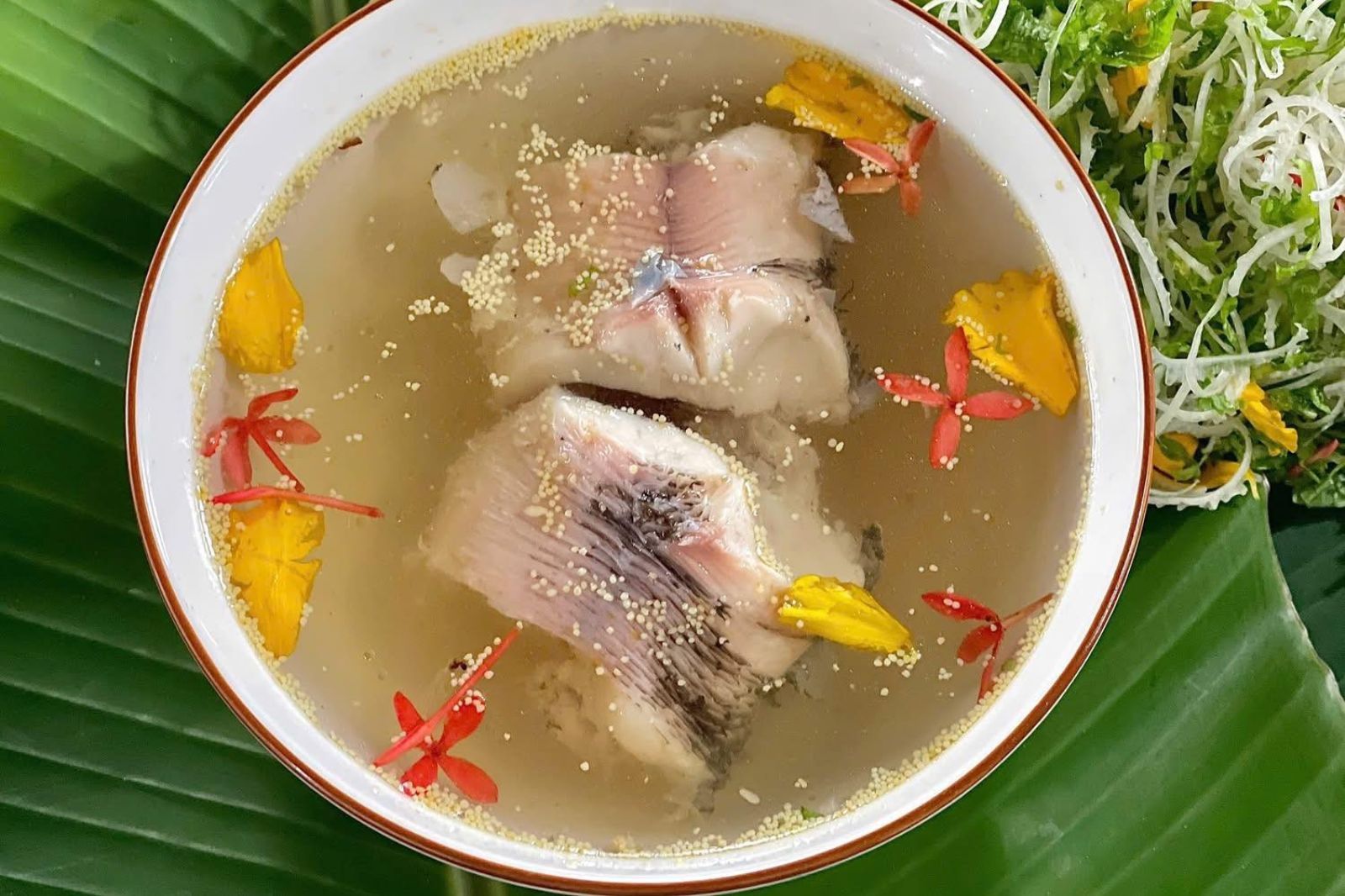
Lam village canh am is not just a dish, but an emotional culinary experience. The broth is crystal clear, dotted with pure white slices of snakehead fish and sparkling golden-red fish roe. The rich flavor of snakehead fish blends with the subtle sourness and light astringency of rau soong, creating a sensation that is both rich and refreshing. Ladling the soup over a hot bowl of white rice, complemented by raw vegetables like banana blossom, young mustard greens, or herbs, diners will taste the perfect harmony of flavors. This soup not only fills the stomach but also warms the heart, especially on chilly days or when needing a hangover cure after celebrations.

Lam village canh am is not just a dish, but a symbol of attachment and closeness among the people of Quang Tri. Every time they cook this soup, locals put in their care and thoroughness, as if infusing love for their homeland into every spoonful. For those living far away, a single bowl of canh am is enough to evoke childhood memories and family gatherings around the dinner table, filled with laughter and stories in a warm atmosphere.

Soup cooked with wild snakehead fish
Photo: Soup cooked with wild snakehead fish 

This dish also serves as a bridge between generations, as young people learn how to cook the soup from their parents and grandparents, passing it down to their children. This is what makes canh am an indispensable part of Hai Lang's culinary culture and a source of pride for the people of Quang Tri.

5. Where to enjoy Lam Village's Canh Am?

If you have the chance to visit Quang Tri, do not miss the opportunity to savor Lam village canh am right in its homeland. Some ideal spots to experience this dish include:

  • Family eateries in Lam Thuy village: Here you can taste authentic canh am cooked by local residents with sincerity and skill.
  • Restaurants specializing in Central region cuisine in Dong Ha: Many restaurants in Dong Ha City have included canh am on their menus, paired with other Quang Tri specialties such as Phuong Lang wet rice rolls or Tra Tri field crab paste.
  • Traditional markets in Hai Lang: At local markets, you can find canh am at affordable prices, sold by friendly vendors who are always ready to share stories about their hometown dish.

Additionally, if you want to cook canh am at home, look for wild snakehead fish and rau soong at local markets or major supermarkets in Quang Tri. Although you might not find rau soong in distant places, you can substitute it with other sour greens, though the true original taste can only be found in Lam Thuy village.

6. Lam Village's Canh Am in the hearts of travelers

Lam village canh am is not only a source of pride for the people of Quang Tri, but also a dish that makes visitors fall in love at first taste. Many diners share that after trying canh am just once, they were captivated by its rustic yet refined flavor, as if returning to the peaceful days of childhood. This dish satisfies the palate and touches the heart, making people long to return to Quang Tri to enjoy a bowl of hot, aromatic soup once again.

A dish that has become the pride of the people of Quang Tri
Photo: A dish that has become the pride of the people of Quang Tri 

Furthermore, Lam village canh am serves as an inspiration for modern chefs. Some restaurants have creatively modified the dish to suit urban tastes while preserving the rustic soul in every spoon of broth. In whatever form, canh am remains a reminder of the value of simplicity and love for one's homeland.

Lam village canh am is not just a dish, but a story about the land and people of Quang Tri. From rustic ingredients such as wild snakehead fish and rau soong, the local people have created a rich dish imbued with hometown affection. Each bowl of canh am is an invitation, bringing you back to simple values and peaceful childhood memories with family. If you have the chance to visit Quang Tri, do not forget to taste Lam village canh am to fully experience the flavor and soul of this sun-drenched, windy Central land.

Loading......

Featured destinations