|

Back Home

Visit An Dinh Palace, discover the lesser-known story of Empress Nam Phuong

Central

Thua Thien Hue

An Dinh Palace

Sovaba.travel

Updated at: 28/08/2026

1. Who was Empress Nam Phuong?

Empress Nam Phuong (November 14, 1913 – September 15, 1963), born Jeanne Mariette Nguyen Huu Hao (Nguyen Thi Lan), was the principal Empress of King Bao Dai and the last Empress in the history of Vietnamese monarchy. She was born in Saigon to a prestigious and wealthy Catholic family. Her father was Pierre Nguyen Huu Hao, and her mother was Marie Le Thi Binh, granddaughter of the famous wealthy landlord Huyen Sy. Although some older documents record her birth year as 1914 in Go Cong, birth records and her tombstone confirm she was born on November 14, 1913, in Saigon.

From a young age, Nam Phuong was sent by her family to France to study at Couvent des Oiseaux – a renowned school for children of the nobility. Western education bestowed her with an elegant demeanor, knowledge, and outstanding communication skills. In 1932, after completing her baccalaureate program, she returned to Vietnam and accidentally met King Bao Dai at a banquet in Da Lat. The gentle beauty of the Southern girl, combined with her modern, refined grace, quickly won the heart of the young king.
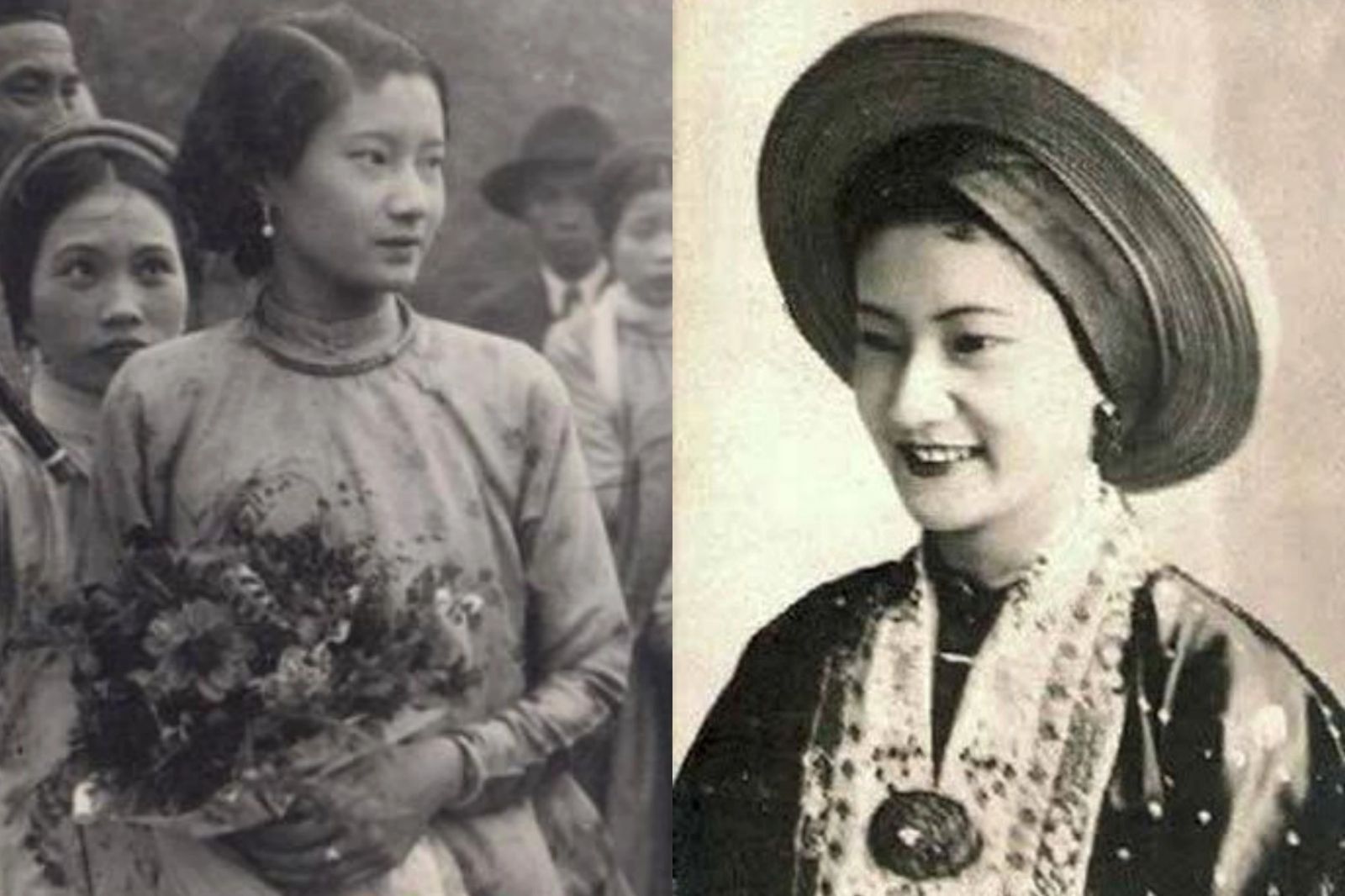
Empress Nam Phuong

Photo: Empress Nam Phuong 

On March 20, 1934, the wedding ceremony of King Bao Dai and Nguyen Thi Lan was solemnly held in Hue. On her wedding day, she was conferred the title of Empress Nam Phuong – meaning "Fragrance of the South". This was an extraordinary event in Nguyen Dynasty history, as previous principal consorts were usually posthumously granted the title of Empress only after their passing. She was also the only Catholic Empress in Vietnamese history, which led to considerable debate from the royal court at the time of their marriage.

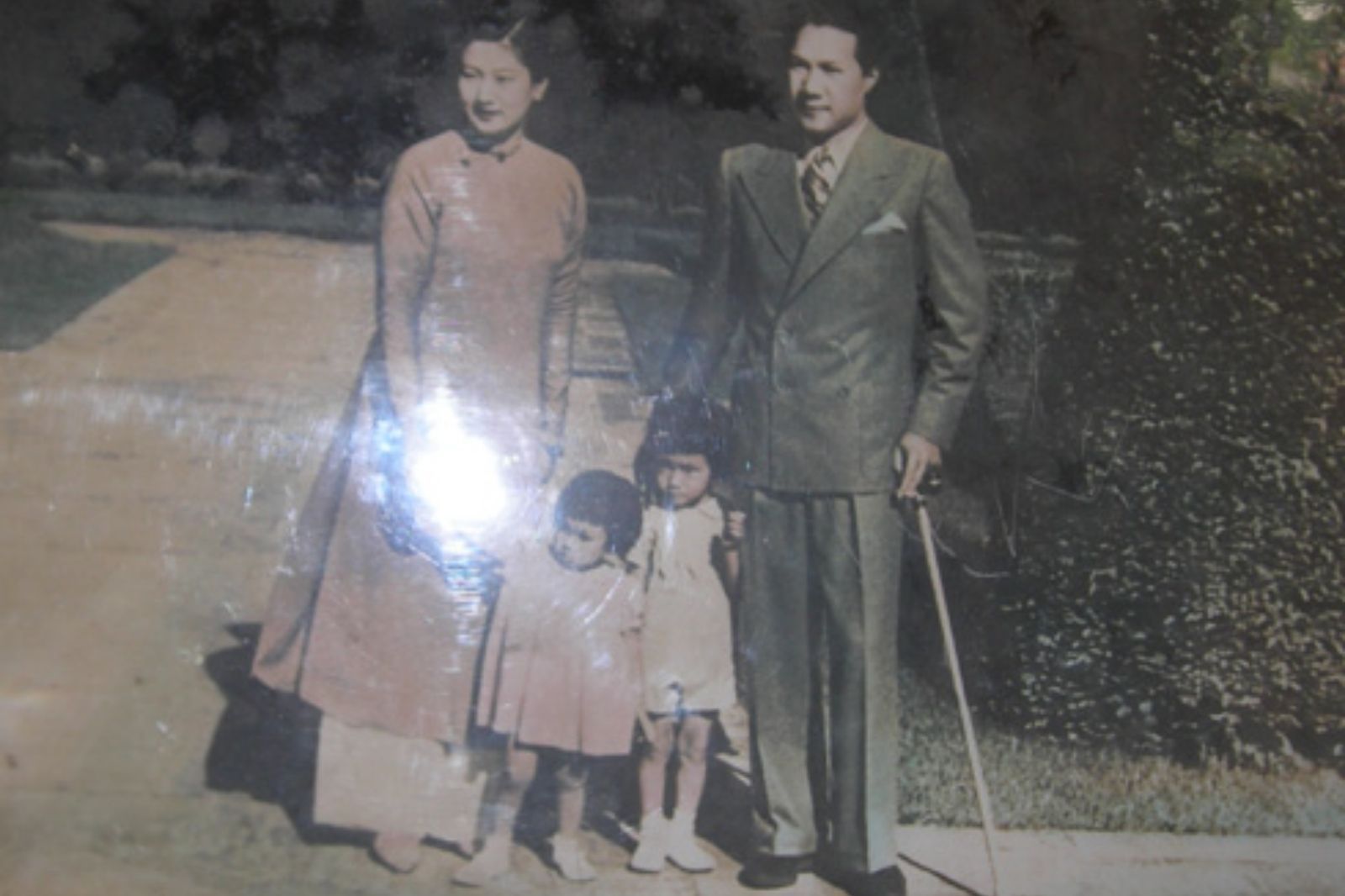
In their married life, King Bao Dai and Empress Nam Phuong had five children: Crown Prince Bao Long, Prince Bao Thang, and three Princesses: Phuong Mai, Phuong Lien, and Phuong Dung.

Renowned not only for her beauty and elegant fashion taste, Empress Nam Phuong was also admired for her benevolent lifestyle and progressive mindset. She actively participated in educational and charitable activities, encouraged female education development, and contributed to numerous social events, including the "Gold Week" in 1945. Over nine decades have passed, but the image of the last Empress of the Nguyen Dynasty is still remembered as a symbol of beauty, wisdom, and compassion in Vietnamese history.
2. Why is An Dinh Palace associated with Empress Nam Phuong?

An Dinh Palace was originally the An Dinh Residence of Crown Prince Nguyen Phuc Buu Dao (later King Khai Dinh), built in 1902. Between 1917 and 1919, King Khai Dinh used his personal treasury to renovate the entire complex in the European Neoclassical architectural style, while also constructing Khai Tuong Pavilion – meaning "place where good omens originate", as the king believed this land would bring blessings to the royal family. This place also marked a special milestone for the Nguyen Dynasty when Prince Vinh Thuy (later King Bao Dai) was born here in 1913. In 1922, An Dinh Palace served as the residence of the Crown Prince before his ascension to the throne.

However, after King Bao Dai's abdication on August 30, 1945, the fate of An Dinh Palace turned to an entirely different chapter. Leaving the Hue Imperial City, King Bao Dai and his family moved here to live. From then on, Empress Nam Phuong, her children, and Queen Mother Tu Cung remained attached to An Dinh Palace during years of intense historical turmoil. If An Dinh Palace was previously considered an auspicious land for the royal house, then after the closure of the Nguyen Dynasty, it quietly became a silent witness to the final days of an empire and the eventful life of Empress Nam Phuong – the last woman to hold the title of Empress in Vietnamese history.

3. The life of Empress Nam Phuong at An Dinh Palace

After King Bao Dai abdicated and went to Hanoi to serve as Supreme Advisor in September 1945, Empress Nam Phuong stayed at An Dinh Palace with her children and Queen Mother Tu Cung. This was a turbulent period, as she cared for her family while managing the distance in royal court life and the sorrow of a stormy marriage. According to the memoirs of Pham Khac Hoe, on the morning of September 2, 1945, Empress Nam Phuong quietly saw King Bao Dai off to Hanoi with red eyes and a rosary in her hands. That image became one of the most touching moments regarding the last Empress of the Nguyen Dynasty.

In 1947, she brought her children to live in France, settling in Chabrignac. There, she lived a simple life until her passing from a heart attack in September 1963, at the age of 49. Though she left Hue, Empress Nam Phuong's memory remains forever tied to An Dinh Palace – the place preserving the final memories of the Nguyen royal family.

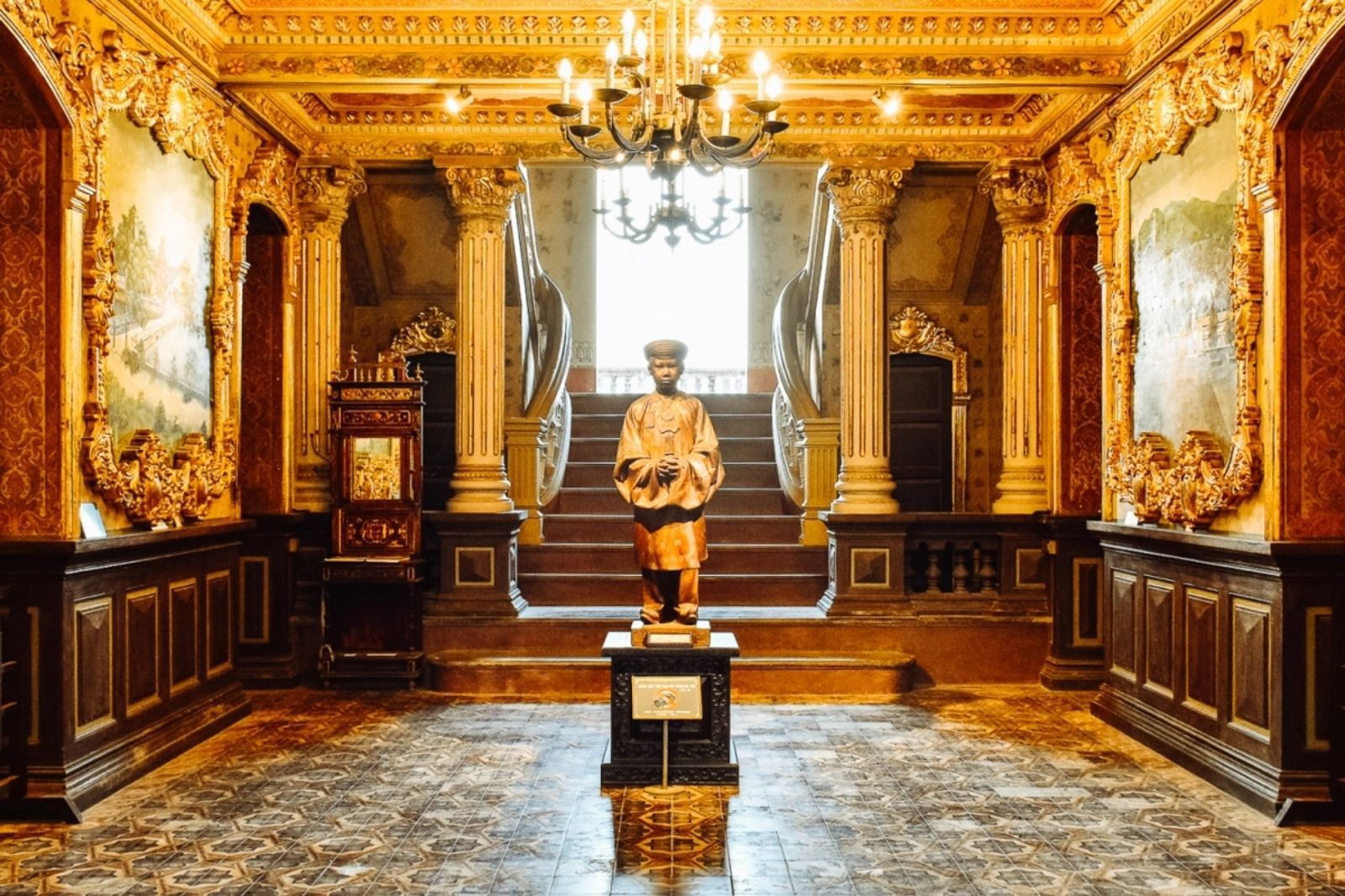
Today An Dinh Palace is a famous tourist destination

Photo: Today An Dinh Palace is a famous tourist destination 

4. Exploring An Dinh Palace today

An Dinh Palace is located at 179 Phan Dinh Phung Street, Thuan Hoa Ward, Hue City, facing the An Cuu River. The total area is approximately 23,463 m². Currently, only three main structures remain relatively intact: the Main Gate (a three-entrance gate decorated with porcelain pieces), Trung Lap Pavilion (octagonal structure, which once housed a bronze statue of King Khai Dinh), and Khai Tuong Pavilion (three floors, 22 rooms, combining European architecture with East Asian decoration).

Notably, the 1st floor of Khai Tuong Pavilion features six oil mural paintings depicting the Nguyen royal tombs, which have been restored thanks to German experts. The Cuu Tu Dai Theatre was once magnificent but was destroyed in 1947. Today, the palace displays royal artifacts and introduces the lives of Bao Dai and Nam Phuong.

Visitor Information (last updated 2026):

  • Single ticket price is around 50,000 VND/adult (children free or as per regulations). A combo ticket with the Hue Museum of Royal Antiquities costs around 80,000 VND.

  • Opening hours are typically from 7:00 AM – 5:00 PM (subject to change depending on season or holidays).

  • It is recommended to combine this visit with the Imperial Citadel and royal tombs to fully experience the ancient capital's atmosphere.

Empress Nam Phuong and her family moved to An Dinh Palace in 1945

Photo: Empress Nam Phuong and her family moved to An Dinh Palace in 1945

Empress Nam Phuong and An Dinh Palace do not merely recall the final golden era of the Nguyen Dynasty; they also leave future generations reflecting on the destiny, love, and responsibility of a noble woman amidst historical upheavals. Visiting An Dinh Palace today, tourists not only admire an architectural masterpiece over 100 years old but also feel as though they are stepping into vivid pages of memories of Vietnam's last Empress.

If you wish to fully experience this ancient beauty and profound historic story, check out our An Dinh Palace tours featuring well-designed itineraries, knowledgeable guides, and attentive service. This will be a wonderful opportunity for you to not only sightsee but also gain a deeper understanding of the final marks of the Nguyen Dynasty in the Ancient Capital.

Loading......

Featured destinations