Visiting the Nguyen Tuong Clan Chapel – The "Cradle" of Literary Masters

Central

Da Nang

Hoi An

Sovaba.travel

Updated at: 26/09/2026

1. Where is the Nguyen Tuong Clan Chapel located?

The Nguyen Tuong Clan Chapel, also known by locals as Dinh Ong Lon (The Great Lord's Mansion), is located at 8/2 Nguyen Thi Minh Khai Street, Minh An Ward, in the Hoi An area. Hidden in a small alley right near the Japanese Covered Bridge, the chapel carries a quiet, discreet charm amidst the bustling atmosphere of the Ancient Town. Its deep alleyway location sometimes causes visitors to overlook it, but it is precisely this seclusion that allows it to maintain its unique, peaceful, and ancient character.

From the Japanese Covered Bridge, visitors only need to take a short walk to reach the chapel. This is also one of the structures within the system of historical relics, ancient houses, and clan chapels preserved in the Hoi An Ancient Town, making it convenient to combine with visits to nearby destinations.

The Nguyen Tuong Clan Chapel nestled in the Hoi An Ancient Town

Photo: The Nguyen Tuong Clan Chapel nestled in the Hoi An Ancient Town

2. History of the Nguyen Tuong Clan Chapel

The history of the Nguyen Tuong Clan Chapel is tied to a long-standing mandarin and intellectual family in Hoi An. The structure was originally built in 1806 as the private residence of Nguyen Tuong Van (1774–1822), a mandarin under the Nguyen Dynasty. Nguyen Tuong Van, originally named Nguyen Van Van, was of Thanh Hoa origin and followed the Nguyen Lords to the South. During his official career, he served as the Minister of the Ministry of War (Binh bộ Thượng thư) under Emperor Minh Mang and was conferred the title of Nhuan Trach Hau. After his passing, his descendants converted the residence into the ancestral chapel of the Nguyen Tuong lineage, serving as a place to commemorate ancestors and preserve family traditions.

Over time, the structure was restored in 1909 during the reign of Emperor Duy Tan, and underwent another major restoration in 2005 with support from the State and contributions from clan descendants. In 2008, the chapel was recognized as a Provincial-level Historical – Cultural and Artistic Architectural Monument by the People's Committee of Quang Nam Province. In 2020, the burial site of Nguyen Tuong Van in Dai Loc was also recognized as a provincial historical monument. Since 2013, the chapel has opened its doors to visitors, becoming a destination that helps travelers learn more about the history of a lineage, family traditions, and the cultural life of Hoi An across generations.

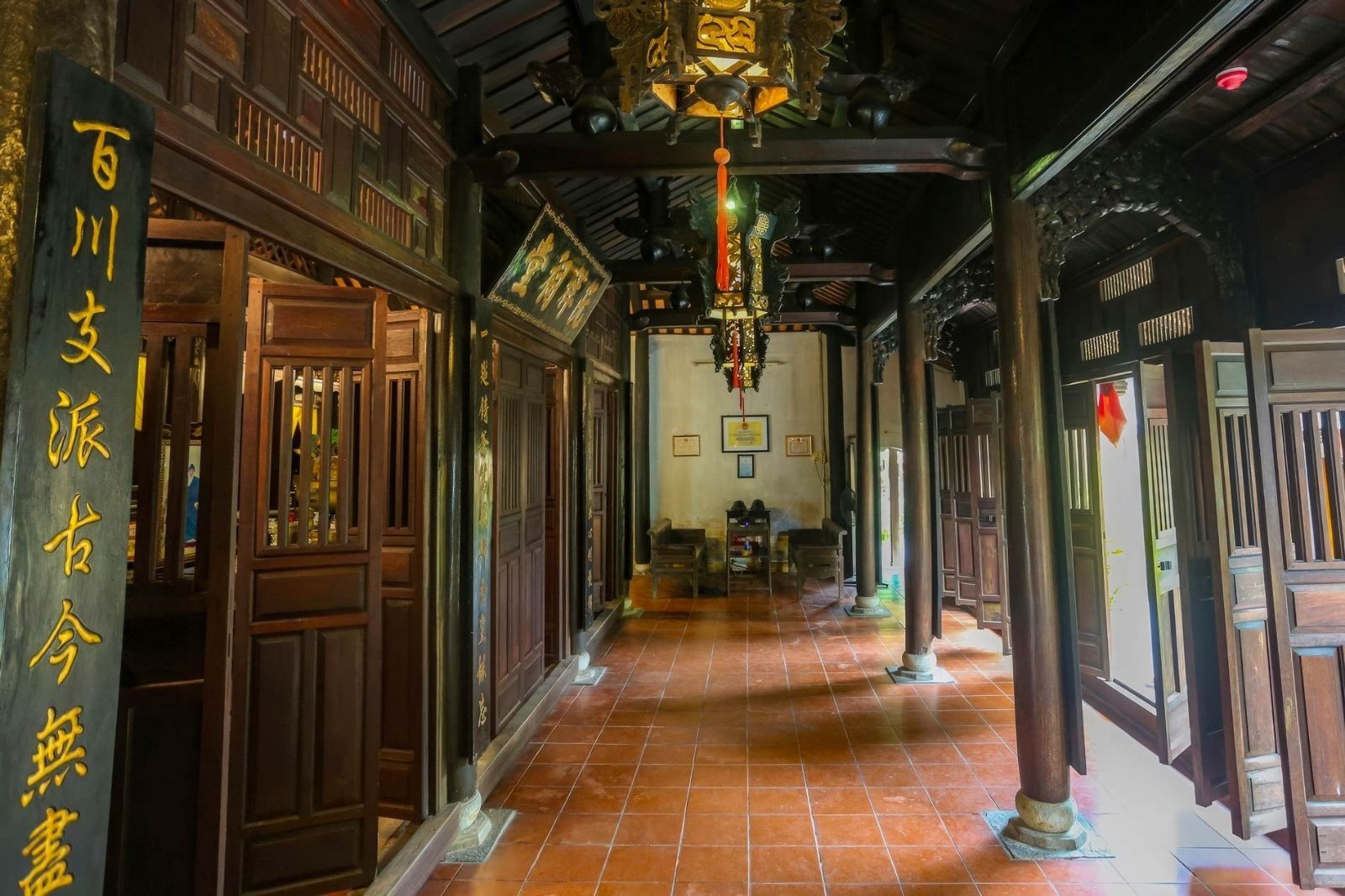
Hue-style traditional wooden house architecture

Photo: Hue-style traditional wooden house architecture 

3. The Nguyen Tuong lineage and major names in Vietnamese literature

Hailing from the land of Quang Nam, the Nguyen Tuong lineage has spanned generations with a strong tradition of valuing literacy and scholarly pursuits. The predecessors gradually made their mark in the royal court, and by the early 20th century, the descendants of the family continued to leave a profound imprint on Vietnamese literature. The founder of the lineage in Hoi An was Nguyen Tuong Van, who served as the Minister of the Ministry of War under Emperor Minh Mang. Two of his sons also continued the scholarly tradition:

  • Nguyen Tuong Vinh – the eldest son, who passed the Pho Bang (Doctorate) examination in the Year of the Earth Dog (1838) and served as the Governor of Dinh Tuong.

  • Nguyen Tuong Pho – the second son, who passed the Tien Si (Doctorate) examination in the Year of the Water Horse (1842) and served as the Director of Studies (Đốc học) in Quang Nam and Hai Duong.

By the early 20th century, the descendants of Nguyen Tuong Pho became widely known in literature. Three brothers—Nguyen Tuong Tam (Nhat Linh), Nguyen Tuong Long (Hoang Dao), and Nguyen Tuong Lan (Thach Lam)—were all key figures associated with Tu Luc Van Doan (Self-Reliance Literary Group), a literary movement that heavily influenced the renovation of Vietnamese literature during the 1930–1945 period.

Nhat Linh is well-known for works such as Doan Tuyet (Breaking Off), Doi Ban (Two Friends), and Buom Trang (White Butterfly); Hoang Dao stood out for his journalism and works like Truoc Vanh Mong Ngựa (Before the Bar); while Thach Lam left his mark with a gentle, refined writing style through Gio Dau Mua (First Monsoon Winds) and Ha Noi Bam Sau Pho Phuong (Hanoi's 36 Streets).

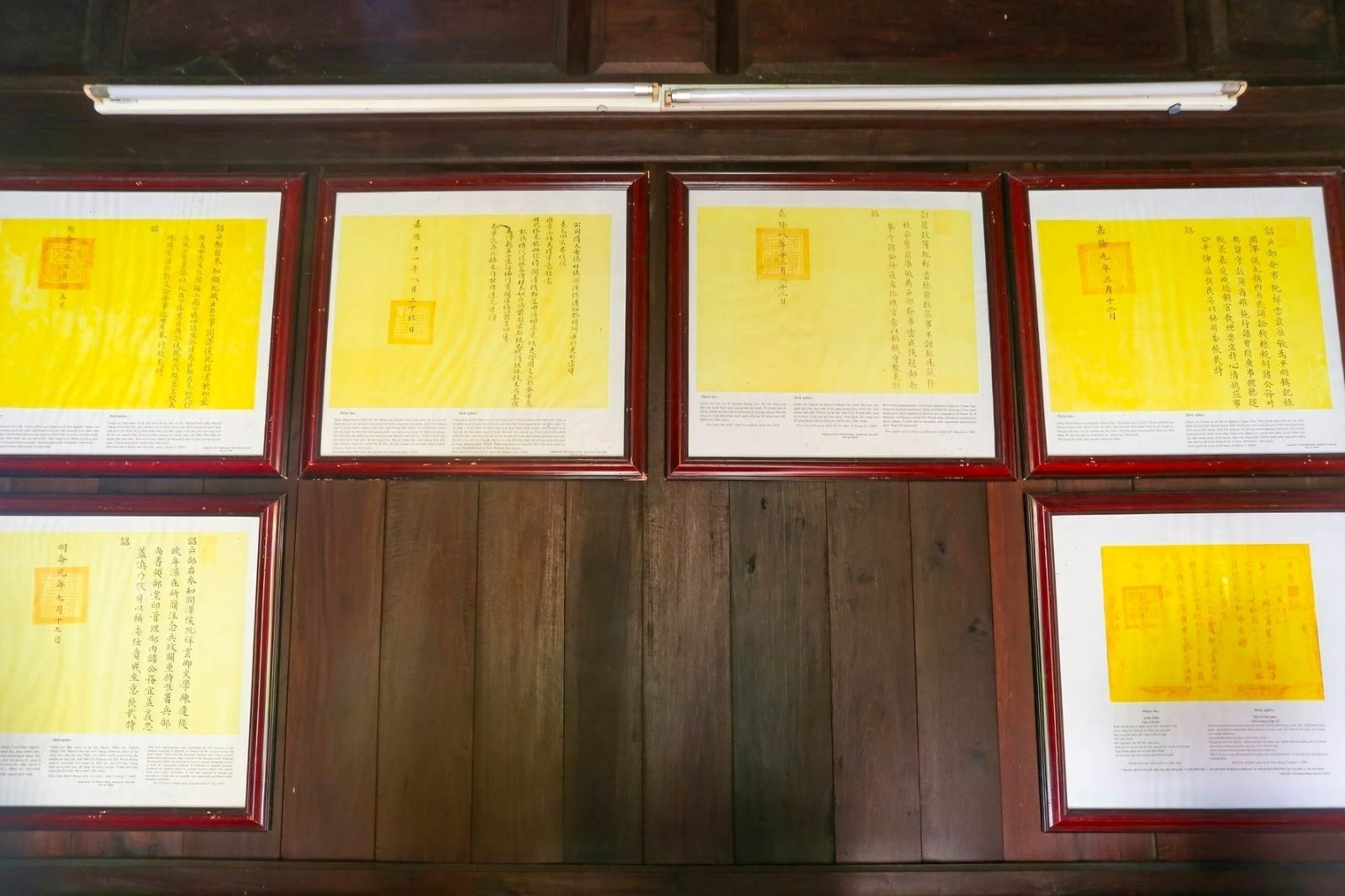
Today, the Nguyen Tuong Clan Chapel remains a repository for many documents related to family history, ranging from royal decrees (sắc phong) and Sino-Vietnamese texts to documents and relics associated with the intellectuals and literary figures of the lineage. These materials help keep the story of a Hoi An family alive, not only through architecture but also through memories, writings, and cultural imprints preserved across time.
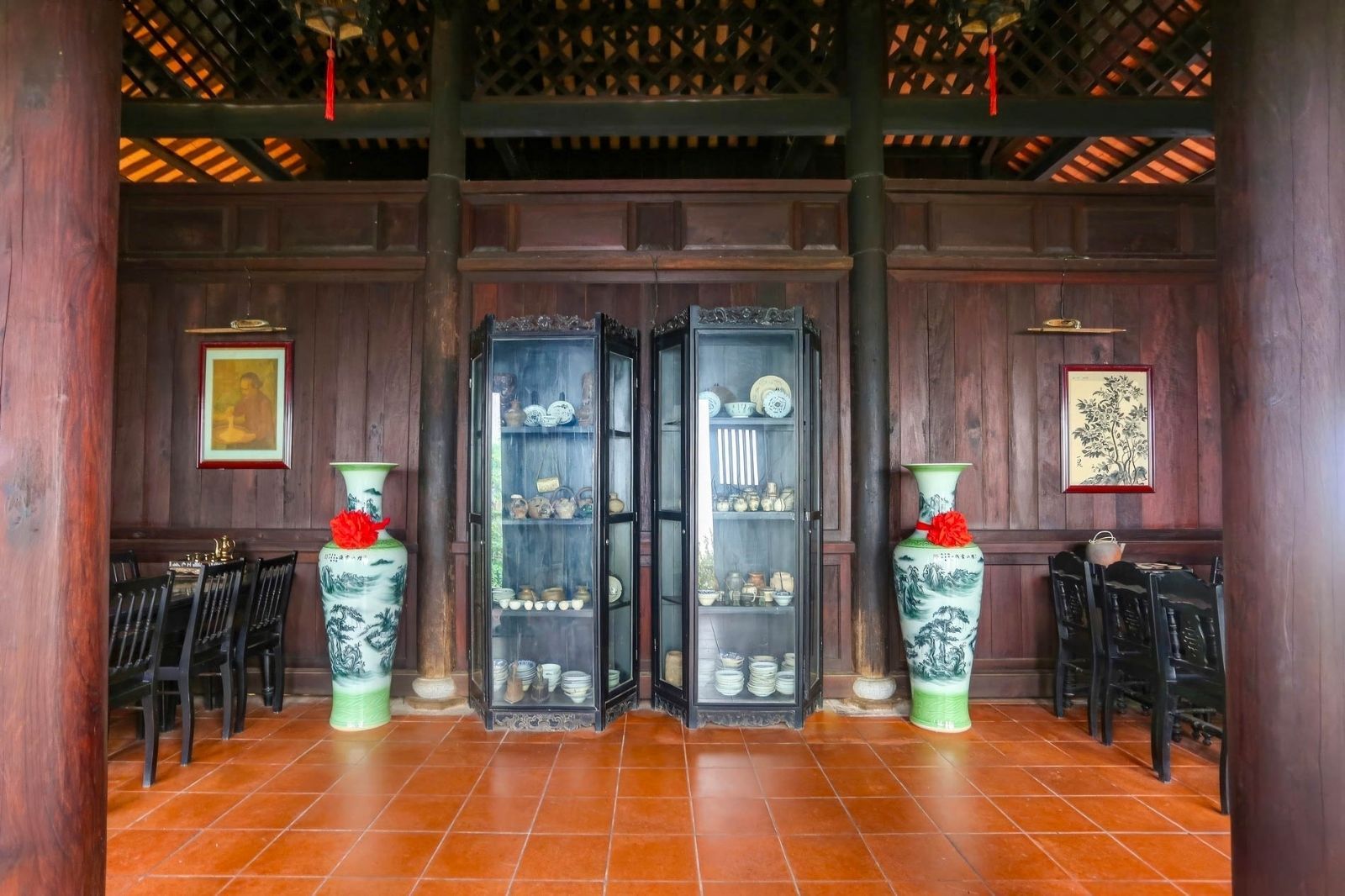
Interior space of the Nguyen Tuong Clan Chapel
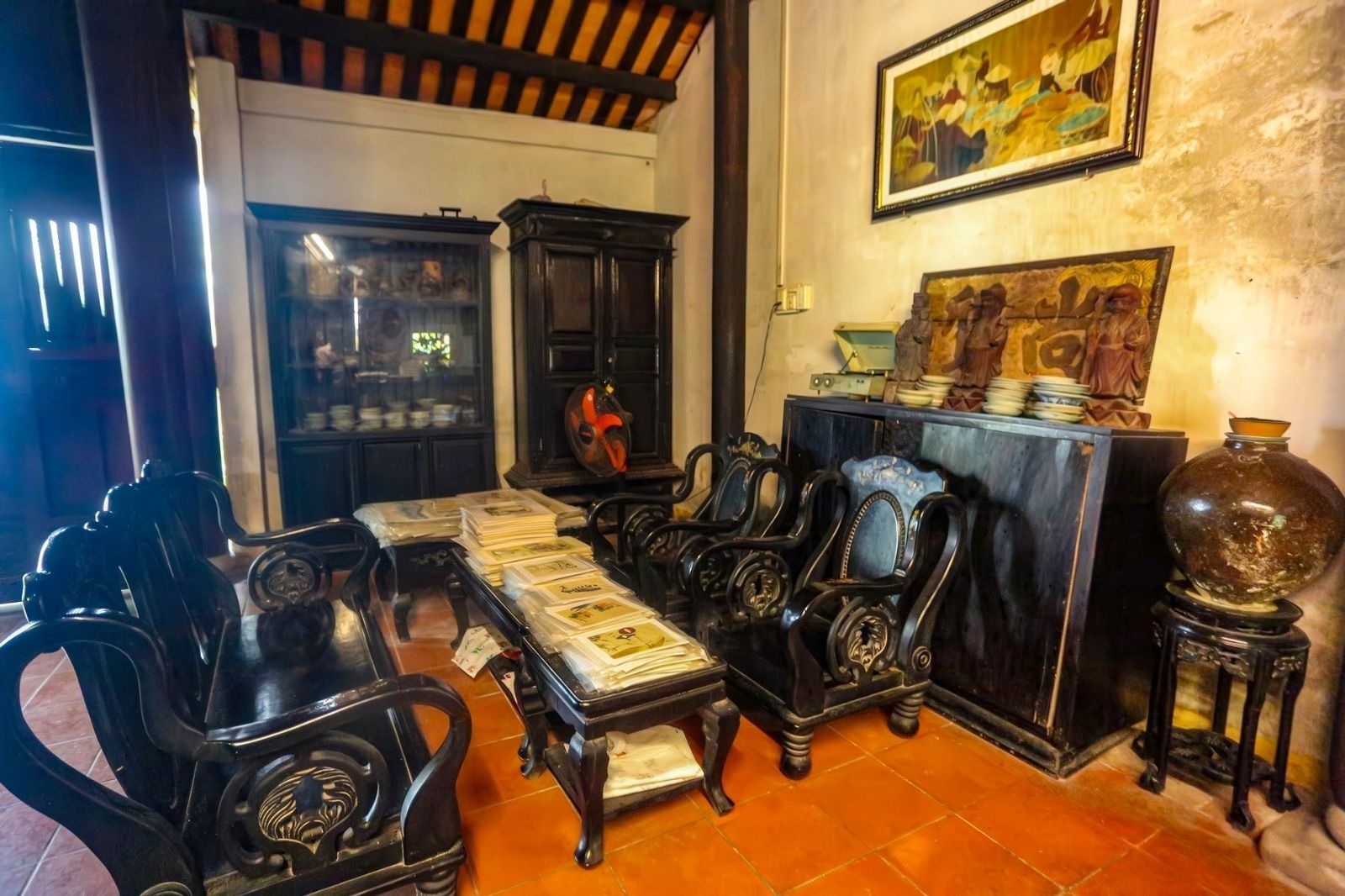
Photo: Interior space of the Nguyen Tuong Clan Chapel    
4. What makes visiting the Nguyen Tuong Clan Chapel special?

Visiting the Nguyen Tuong Clan Chapel in Hoi An is an opportunity to gain deeper insight into a family tied to Vietnam's history, culture, and literature. Alongside the ancient traditional wooden house architecture, the site preserves many valuable documents such as Nguyen Dynasty imperial decrees, Sino-Vietnamese texts, ink wash paintings, and ancient artifacts. An exciting part of the journey is listening to the stories shared by descendants or individuals knowledgeable about the lineage. Through this, visitors can learn more about the lives and careers of the Nguyen Tuong members and the literary legacies of Nhat Linh, Hoang Dao, and Thach Lam in Vietnamese literary life.

The chapel's atmosphere is serene with lush green gardens, combined with documents, images, and artifacts preserved through generations. Every little corner thus evokes a story of family, scholarship, literature, and the lifestyle of the ancients. For those who love history and literature, this is a notable stop when exploring Hoi An—where heritage value lies not only in ancient structures but also in the memories and stories of each family and lineage.

5. Notes when visiting the Nguyen Tuong Clan Chapel

To ensure a smooth visit and show respect for the heritage space, visitors should keep the following important points in mind:

  • Attire: Dress modestly, avoiding short shorts or shoulder-baring tops, as this is a place of worship.
  • Cleanliness: Do not litter, and keep quiet to respect the sacred space.
  • Photography: Allowed, but do not use flash or touch ancient artifacts.
  • Admission fees: Prepare small change for tickets and donations if applicable.
  • Timing: Avoid the hot midday sun; bring drinking water and sunscreen.
  • Safety: Monitor weather conditions, especially during the rainy season; contact management if a guide is needed (phone numbers are usually available on the Hoi An heritage website).

Following these tips will help make your visit to the Nguyen Tuong Clan Chapel complete, meaningful, and culturally enriching.

Admiring imperial decrees and ancient texts at the chapel
Photo: Admiring imperial decrees and ancient texts at the chapel 

Visiting the Nguyen Tuong Clan Chapel, travelers not only take away profound knowledge about a prominent intellectual lineage but also better feel the cultural depth of the Hoi An Ancient Town. From here, you can easily continue exploring nearby historical destinations such as the Japanese Covered Bridge—a 400-year-old symbol of Hoi An, the Tan Ky and Phung Hung ancient houses featuring distinct East-West architectural blends, the sacred Phuc Kien Assembly Hall, or take a leisurely stroll along the Hoai River to experience the peaceful rhythm of the old town. Each stop is a completing piece, making the journey to explore Hoi An more holistic, profound, and memorable.

Loading......

Featured destinations