Which region is Quang Binh in? Geographical location and essential information
Central
Quang Binh
Sovaba.travel
Updated at: 24/09/2026
1. Which region of Vietnam is Quang Binh located in?
After the merger, the entire territory of former Quang Binh now belongs to the new Quang Tri province, located in the North Central region of Central Vietnam. It remains an important "bridge" between the North and the South, with a strategic position on the East - West and North - South economic corridors.
Specific geographical location of the new Quang Tri province:
North: Borders Ha Tinh province.
South: Borders Hue City (Thua Thien Hue).
West: Borders Laos (Khammuane and Savannakhet provinces), with a border stretching over 400 km (combined from the two former provinces).
East: Borders the East Sea with a coastline over 200 km long (from the coast of former Quang Binh to former Quang Tri).
The new province has a natural area of about 12,700 km² and a population of over 1.86 million people (post-merger data). The provincial capital is Dong Hoi City – an economic, cultural, and tourism center with an airport, seaport, and favorable transportation system (National Route 1A, North - South railway, Ho Chi Minh Highway).
The merger does not change the core geographical characteristics but expands space, enhances connectivity and development potential, especially in tourism and the marine economy.
The territory of former Quang Binh retains its prominent characteristics, known as the "cave kingdom" of Vietnam. The terrain is predominantly mountainous (accounting for ~85%), alongside coastal plains and white sand areas.
Key highlights remain intact:
Phong Nha - Ke Bang National Park (UNESCO World Natural Heritage site recognized in 2003 & 2015): A system of over 300 caves, including Son Doong – the world's largest cave. It features a primary forest conservation area with rich biodiversity housing hundreds of rare plant and animal species.
Beautiful beaches: Nhat Le and Bao Ninh beaches with fine white sand and clear blue water.
Rivers: The Nhat Le and Gianh rivers provide abundant water resources, supporting the ecosystem.
Forests and mountains: Dong Chau Khe Nuoc Trong Nature Reserve and tropical moist rainforests, home to many wild animal species.
These features continue to be key "assets" of the new province, attracting adventure and eco-tourism.
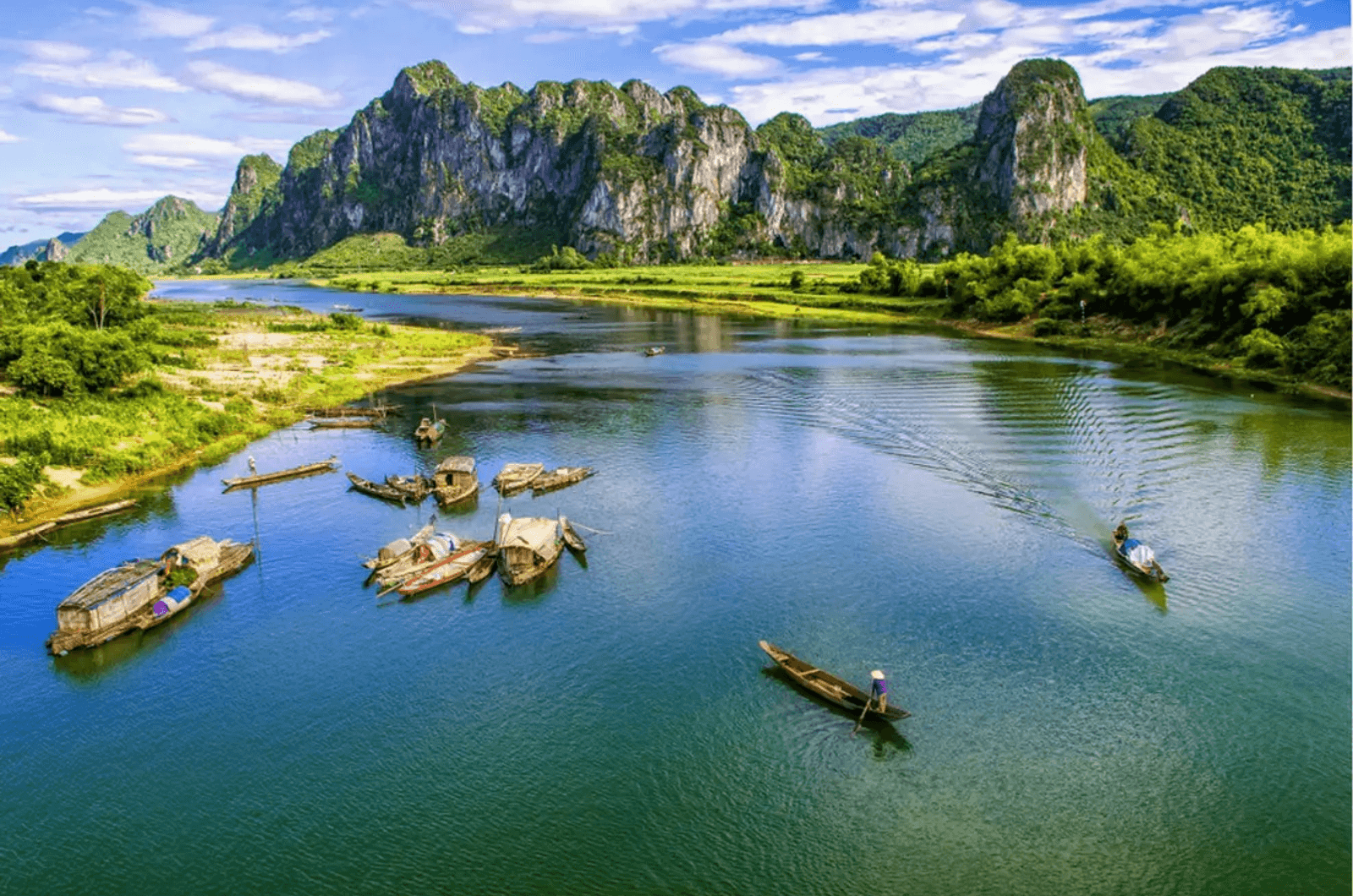
Photo: Quang Binh has outstanding tourism potential
3. What is the climate like in Quang Binh?
The climate of the region features a typical tropical monsoon climate, influenced by the East Sea and the Truong Son Mountain Range, dividing the weather into two distinct seasons:
Dry season (April - August): Hot and sunny (27-33°C), low rainfall – an ideal time for cave exploration and beach swimming.
Rainy season (September - March): Heavy rain (2,000-2,500mm/year), prone to flooding, temperatures around 18-22°C, with cold Northeast monsoons.
Humidity is high, with frequent drizzle at the beginning of the year. The new province is still strongly affected by storms and floods, especially from August to November. Travelers are advised to check weather forecasts to choose a suitable time to visit (April to August is peak season).
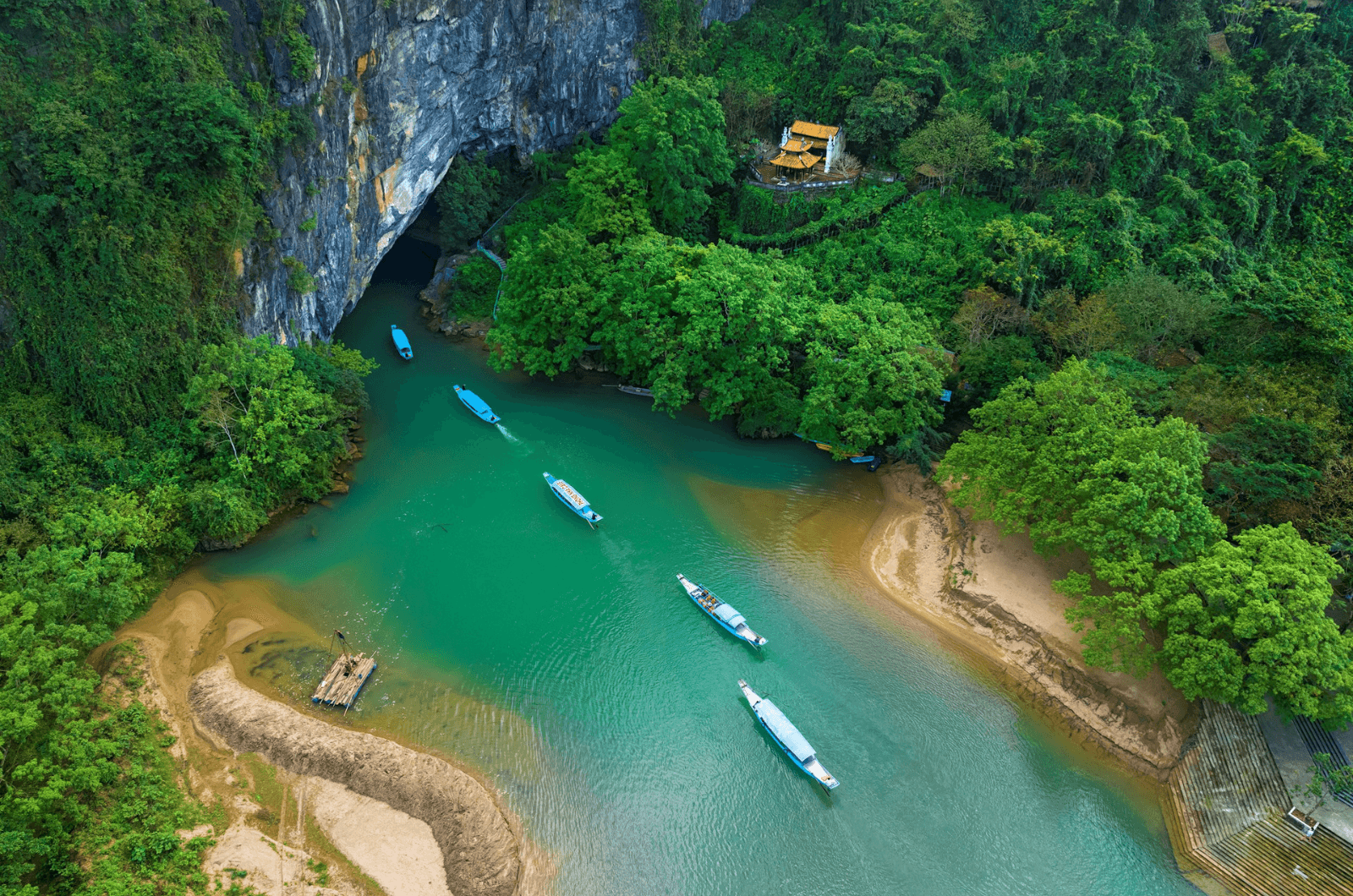
Photo: Quang Binh and fascinating things waiting for you to discover
4. Essential information travelers need to know about Quang Binh (now part of the new Quang Tri province)
The Quang Binh area (prior to the merger) retains its role as a prominent tourism center in Central Vietnam, attracting visitors with its magnificent cave systems, beautiful beaches, and unique natural and historical heritage. Below is essential basic information you need to know when exploring this land:
How to get to Quang Binh
By air: Dong Hoi Airport offers direct flights connecting with Hanoi and Ho Chi Minh City.
By train: Dong Hoi Railway Station is located on the North – South railway line, convenient for both domestic and long-distance travelers.
By bus: Accessible from Hanoi (500 km) or Ho Chi Minh City (1,200 km) via numerous high-quality sleeper bus operators.
Getting around the province: Rent a motorbike or take a taxi to easily visit tourist attractions.
Top tourist attractions:
Phong Nha – Ke Bang National Park:famous for Son Doong Cave, Paradise Cave, Phong Nha Cave, Chay River - Dark Cave, etc.
Nhat Le Beach, Bao Ninh Beach: beautiful beaches with clear water, suitable for relaxation.
Vung Chua – Yen Island: the final resting place of General Vo Nguyen Giap, a spiritual destination.
Ngang Pass, Hoanh Son Gate: pristine natural landscapes, ideal for exploration and relaxation.
Quang Binh cuisine impresses visitors with specialties such as Vietnamese savory pancakes (banh xeo), snakehead fish noodle soup (chao canh ca loc), along with fresh seafood (grilled squid, lobster) offering rich flavors at reasonable prices.
Accommodation and cost
Diverse accommodation options ranging from homestays starting from 300,000 VND/night to luxury resorts like Vinpearl.
3–4 day tour packages typically range from 3–4 million VND/person, depending on the services included.
Important notes
Bring sunscreen and sports shoes for outdoor activities.
Cave exploration tours require professional tour guides.
Avoid traveling during the rainy season to ensure safety and the best experience.
Overall, despite administrative changes, former Quang Binh retains its unique appeal and remains an ideal destination for nature lovers, adventurers, and explorers.
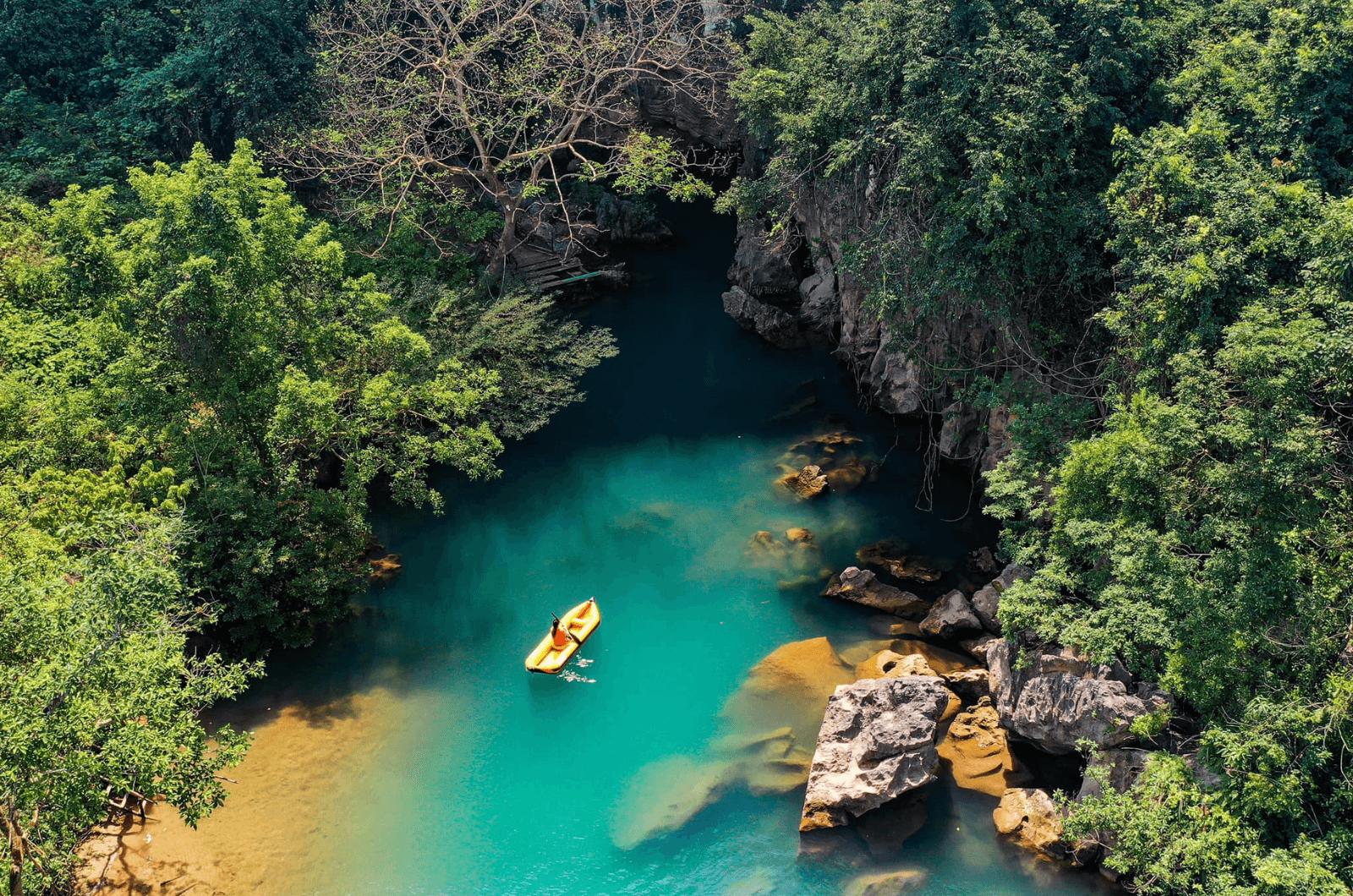
Photo: Discover famous caves
Quang Binh – the land of the mystical "cave kingdom", blue sea, white sand, and heroic historical values, has now merged with Quang Tri into a new entity named Quang Tri Province (starting July 1, 2025). Although the administrative name has changed, the identity and tourism appeal of the former Quang Binh land remain intact, continuing to be a shining "star" on Vietnam's tourism map. You can still easily explore Phong Nha - Ke Bang National Park (a World Natural Heritage site), swim at Nhat Le Beach, visit Vung Chua - Yen Island, enjoy fresh seafood, or experience thrilling adventure journeys.