Why is Quang Binh dubbed the "Kingdom of Caves"?

Central

Quang Binh

Phong Nha Cave

Paradise Cave

Sovaba.travel

Updated at: 24/09/2026

1. Overview of the Quang Binh Cave System

Quang Binh possesses the largest and most varied cave system in Vietnam, with over 500 recorded caves (concentrated mainly in Phong Nha - Ke Bang National Park). Many statistical sources estimate around 400-500 large and small caves, with a total surveyed length of hundreds of kilometers.

These caves primarily belong to the limestone karst type formed over millions of years (around 2-5 million years ago) due to the erosion of water and underground rivers within the continuous limestone massif along the Vietnam - Laos border. Outstanding features:

  • Immense scale: Many caves stretch tens of kilometers in length, boasting superior height and width.

  • Diverse cave types: Dry caves, wet caves, caves with underground rivers, caves with natural skylights (sinkholes/dolines), and independent ecosystems inside.

  • Pristine nature: Many caves retain their wild beauty, with uniquely shaped stalactites, stalagmites, and primeval forests inside the cave.

The Phong Nha - Ke Bang karst massif is one of the world's most ideal areas for cave formation due to less fractured limestone terrain, abundant rainfall, and powerful underground currents. This explains why Quang Binh "dominates" in terms of the number and size of caves compared to other regions in Vietnam and Southeast Asia.
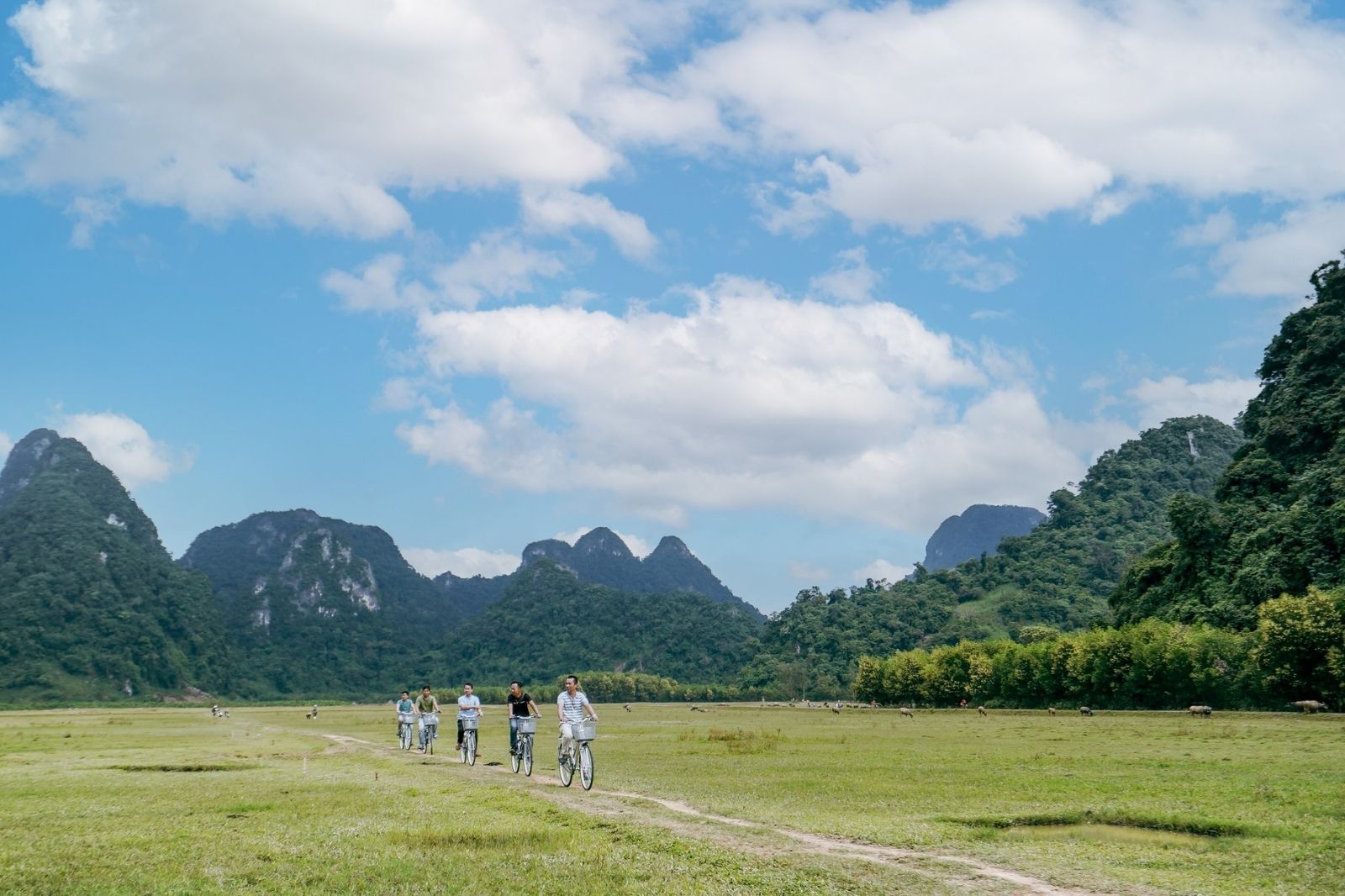
Quang Binh has vast limestone terrain

Photo: Quang Binh has vast limestone terrain  

2. Phong Nha – Ke Bang National Park and its global value

Phong Nha - Ke Bang National Park is the heart of the “Kingdom of Caves”, recognized twice by UNESCO as a World Natural Heritage site: first in 2003 under geological and geomorphological criteria, and second in 2015 under biodiversity and ecological process criteria. Covering over 123,000 hectares, this area features the most intact karst cave system in Asia, connecting with Hin Nam No National Park in Laos to form a transboundary heritage.

Global values recognized by UNESCO:

  • In 2003: First recognized as a World Natural Heritage site under criterion VIII (outstanding geological and geomorphological values).

  • In 2015: Expanded under criterion IX (ecological processes) and X (biodiversity).

  • More recently: Recognized as a World Biosphere Reserve, affirming its role in conserving tropical ecosystems on limestone mountains.

The National Park is not only a living "geological museum" but also harbors rich biodiversity, with primary forests, endemic species, and unique cave ecosystems. It is living evidence of tropical moist karst evolution, with over 220 km of surveyed caves and underground rivers.

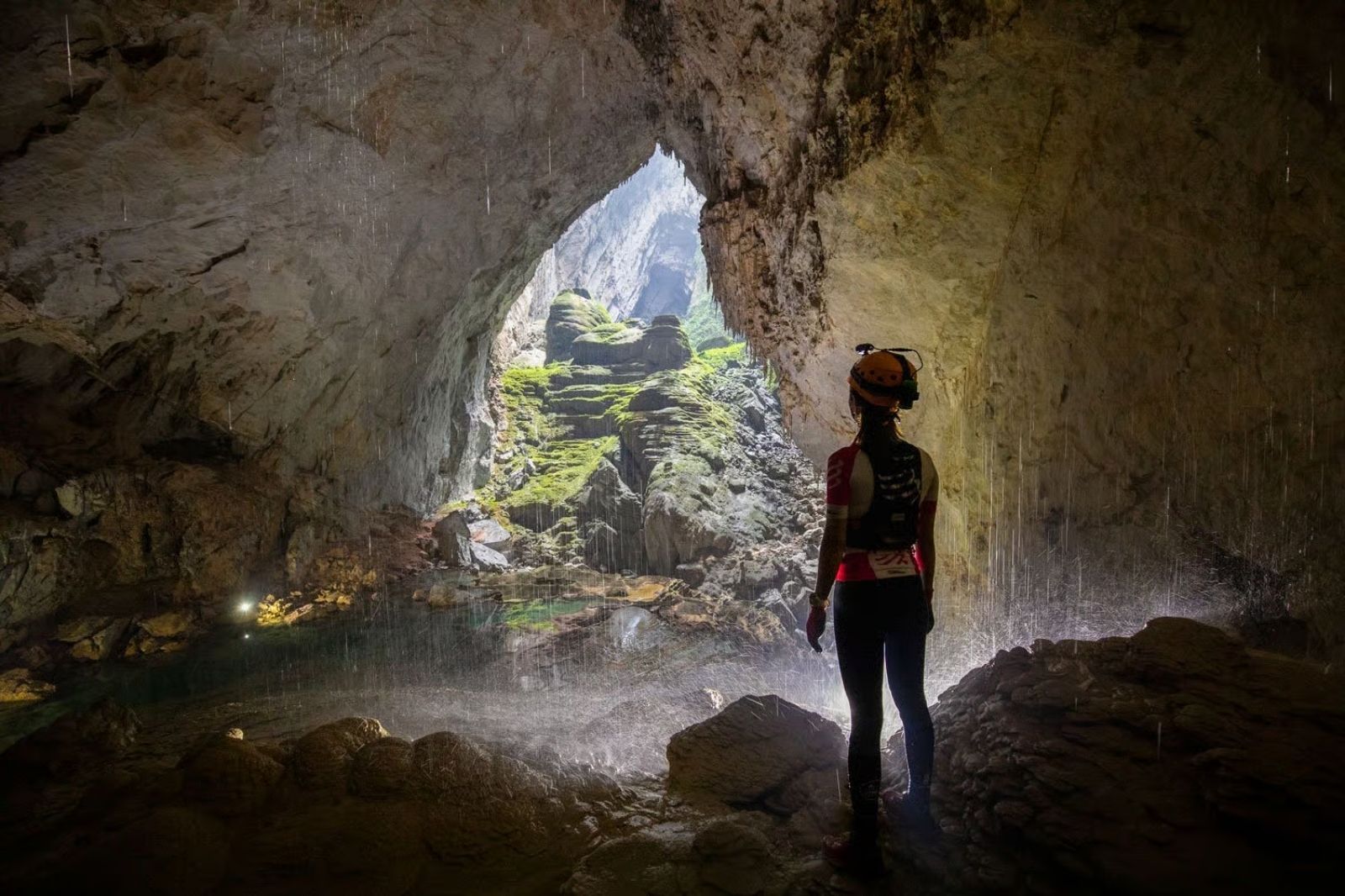
Adventure cave exploration tours

Photo: Adventure cave exploration tours  

3. Other famous caves

Besides Son Doong – the world's largest cave stretching 9 km in length, 150 m in width, and 38.5 million m³ in volume – Quang Binh also boasts many other famous caves. Phong Nha Cave, dubbed the "First Cave under the Southern Sky", features the longest underground river system in Asia (13,969 m), with glittering stalactites and easy boat access.

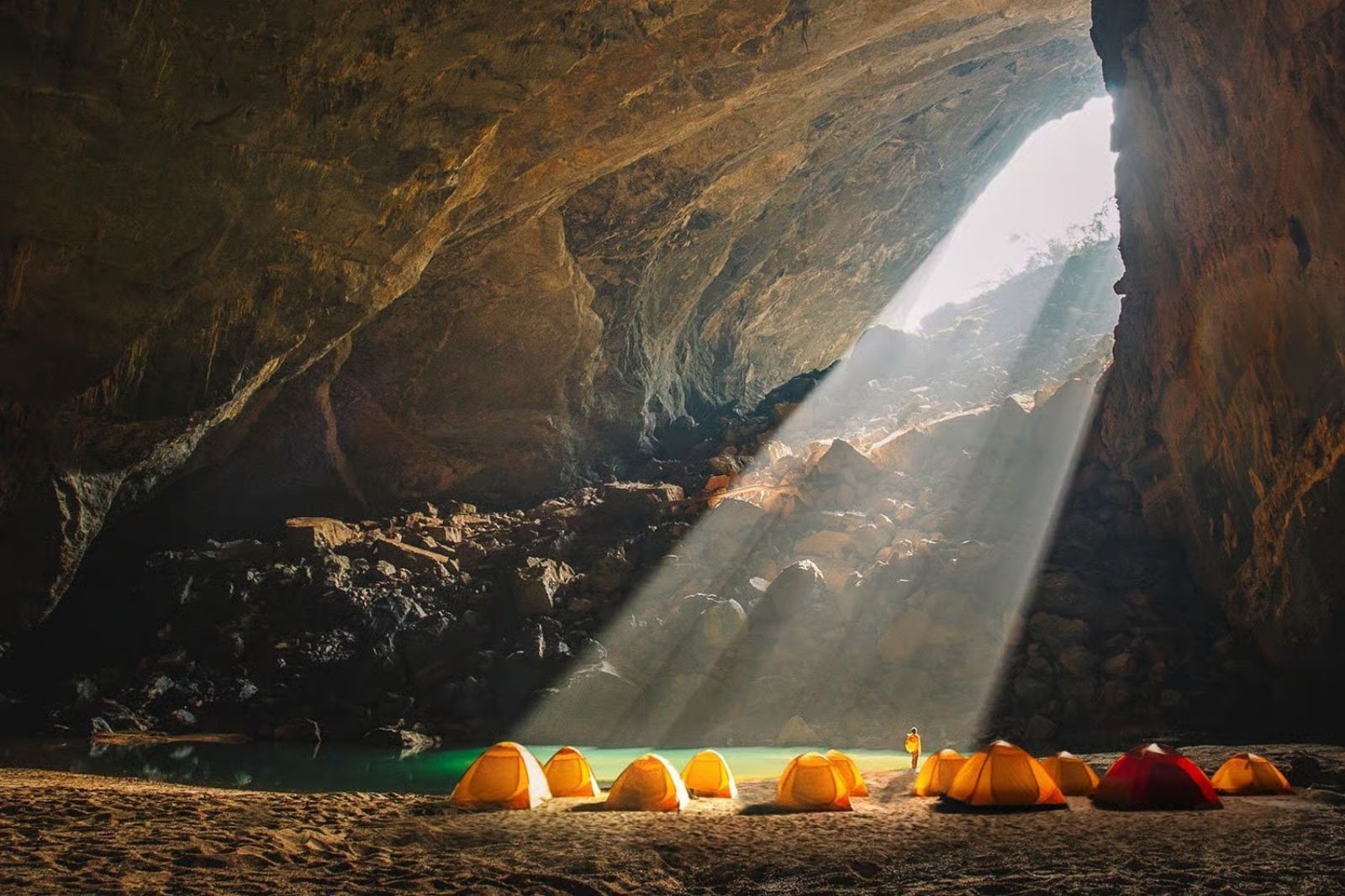
Paradise Cave (Thien Duong Cave), the longest dry cave in Asia (31.4 km), stands out with its sparkling stalactite "natural palace", located 60 km from Dong Hoi. En Cave (Hang En), the third largest in the world, serves as the gateway to Son Doong, spanning 1,645 m in length with a campsite inside. The Tu Lan system, with caves such as Tien Cave and Ken Cave, offers pristine beauty combining trekking and swimming. These caves are not only breathtaking but also contribute significantly to Quang Binh's global renown.

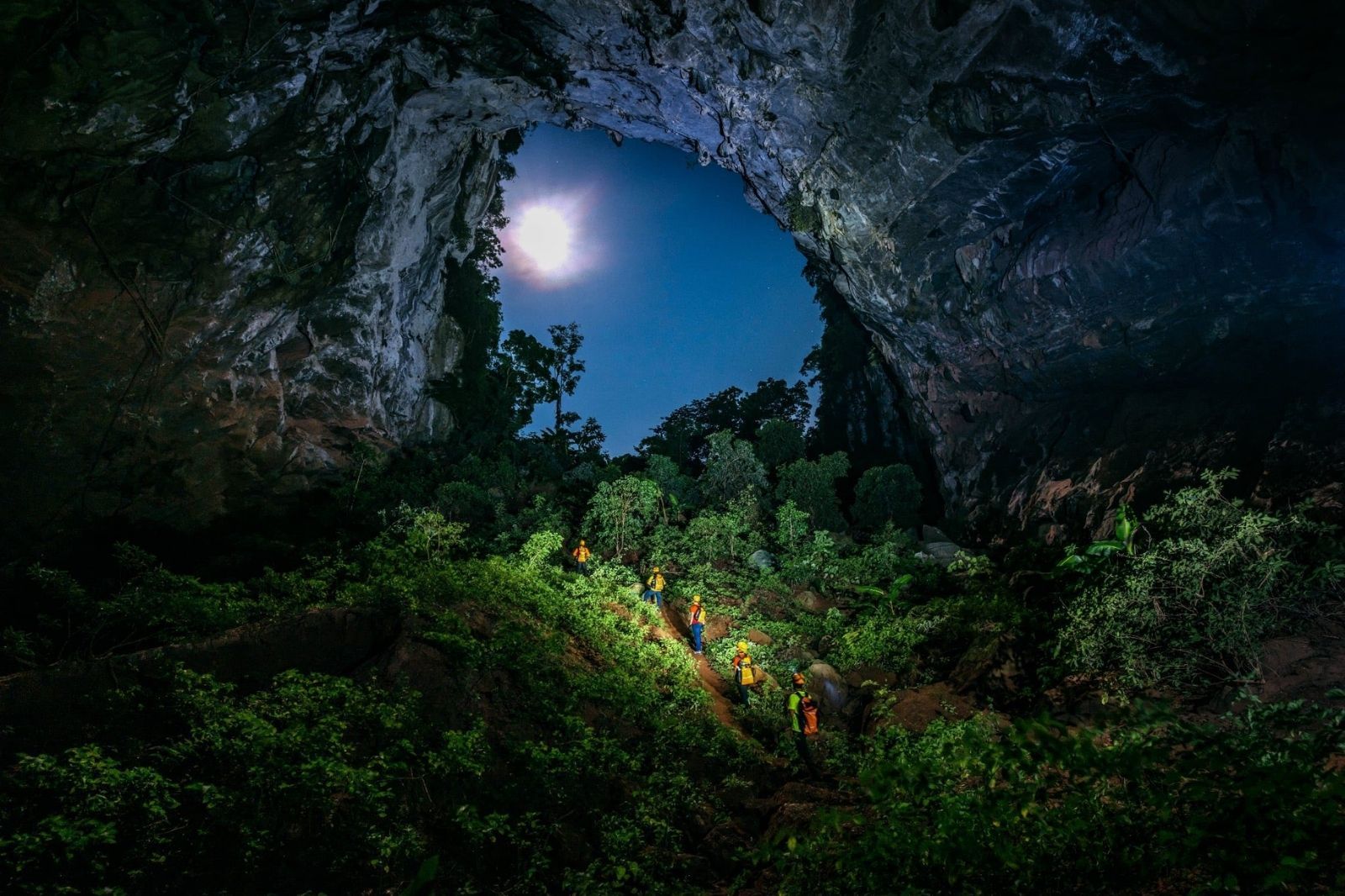
Son Doong Cave exploration tours usually last 6D5N
Photo: Son Doong Cave exploration tours usually last 6D5N 

4. How has cave tourism in Quang Binh developed?

Quang Binh cave tourism began to boom in the 2010s, especially after Son Doong Cave was widely promoted. In 2013, the "Son Doong Expedition" tour was officially launched on a trial basis, quickly becoming a premier luxury travel product.

Currently:

  • Around 40 caves have been opened for tourism, ranging from gentle sightseeing to thrilling adventures.

  • Significant tourism revenue contributes to local economic development, creating jobs for residents.

  • Focus on sustainability: Visitor numbers are strictly limited (e.g., only around 1,000 visitors per year for Son Doong), employing local guides, and applying strict environmental protection protocols.

Phong Nha Cave is one of the beautiful caves

Photo: Phong Nha Cave is one of the beautiful caves 

5. Cave exploration experiences for visitors

Exploring Quang Binh caves offers diverse experiences, ranging from easy excursions to challenging adventures. For regular tourists, the Phong Nha Cave tour by Son River boat (around 150,000 VND/person) allows visitors to admire stalactites without requiring high physical fitness. The Paradise Cave tour with easy wooden walkways is ideal for families.

For adventure enthusiasts, the 6-day 5-night Son Doong tour (around $3,000 USD) includes trekking, cave camping, and swimming through underground rivers, demanding good physical condition. The Tu Lan system offers 1-3 day tours featuring swimming, mountain climbing, and exploring Tien Cave and Ken Cave. 

Tips: Bring non-slip shoes, headlamps, and choose guided tours for safety. The ideal season is from February to August, avoiding the flood season. These experiences not only deliver a sense of adventure but also help travelers connect with nature and gain a deeper understanding of conservation.

Hang En is the 3rd largest cave in the world
Photo: Hang En is the 3rd largest cave in the world 

In the context of merging with Quang Tri to form the new Quang Tri, the title “Kingdom of Caves” is by no means overshadowed but rather placed within a larger development landscape, where nature, history, and geology converge to form a unique tourism identity for the entire North Central region. Not only possessing world-leading quantity and quality of caves, the Quang Binh area (now part of the new Quang Tri) serves as living proof of Earth's magnificent tectonic processes over hundreds of millions of years. More importantly, the locality is step-by-step turning this natural advantage into a foundation for sustainable tourism development, balancing experiential tourism, scientific research, and long-term conservation. With such rare values, the “Kingdom of Caves” Quang Binh is not only a source of pride for Vietnam, but also a global-scale tourism pillar in the development strategy of the new Quang Tri, deserving to be explored by every traveler at least once in a lifetime.

Loading......

Featured destinations