Exploring Da Nang Museum is a journey back to the historical and cultural roots of Vietnam's most livable city. Located in Hai Chau District, the museum is situated in an ancient building established in 1989, which has now been rebuilt into a modern exhibition space, one of the largest in Central Vietnam. With an area of 8,686 m² and nearly 3,000 precious artifacts, it vividly recreates the formation and development of Da Nang from the prehistoric Sa Huynh period to the era of international integration.
By referring to the Da Nang Museum travel guide compiled by Sovaba Travel, you will know the opening hours, outstanding highlights in each exhibition area, as well as exciting activities such as watching 3D mapping films, exploring with a bilingual audio guide, or taking photos at the interactive exhibition area. This is an ideal destination for those who love history and culture and want to understand more deeply the spirit and identity of Da Nang people.
Introduction to Da Nang Museum
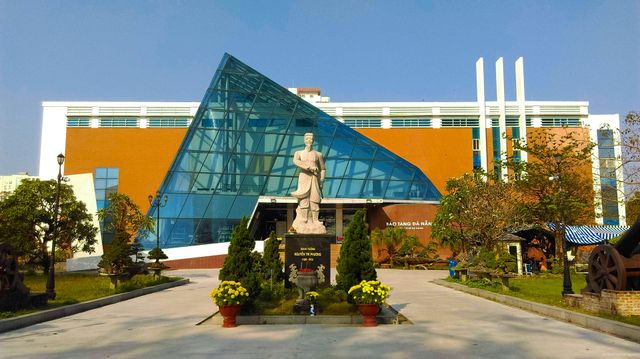
Da Nang Museum is one of the iconic cultural destinations in Central Vietnam, located right in the heart of Hai Chau District, alongside the romantic Han River. Covering an area of 8,686 m², the museum not only preserves thousands of precious artifacts but also applies 3D mapping and virtual reality (VR) technologies, giving visitors the feeling of "stepping into history."
More than just a place to store heritage, Da Nang Museum is a living cultural space with thematic exhibitions, creative workshops, and regular community activities. It is an ideal stop for visitors to better understand Da Nang's development journey – from a small coastal fishing village into the most dynamic and livable city in Vietnam.
Address: No. 31 Tran Phu Street, Thach Thang Ward, Hai Chau District, Da Nang City
Photo: The museum is located right in the center of Hai Chau District
History of Da Nang Museum
Da Nang Museum is located in a building rich in historical significance, originating from a structure built in 1900 in French Neoclassical style. Previously, this site served as the City Hall of Tourane (Tòa Đốc lý Tourane) – the administrative center of Da Nang during the French colonial period, witnessing many ups and downs of the city.
Over more than a century, this architecture has witnessed several historical turning points:
1945: Became the headquarters of the Thái Phiên Provisional Revolutionary People's Committee.
1947: When the French reoccupied the area, the building continued to be used as administrative offices.
1989: Quang Nam – Da Nang Provincial Museum was established at 78 Le Duan Street.
2005–2011 period: The museum was relocated to its current site and the new building was inaugurated, blending historical relics with modern architecture.
Today, the old building (42–44 Bach Dang) is still preserved as a "living artifact," featuring soft curved archways, classical Ionic column rows, and delicate decorative details. Meanwhile, the new building (31 Tran Phu) makes a strong impression with a curved design facing the sea, highlighted by five relief sails symbolizing Da Nang's development across different eras.
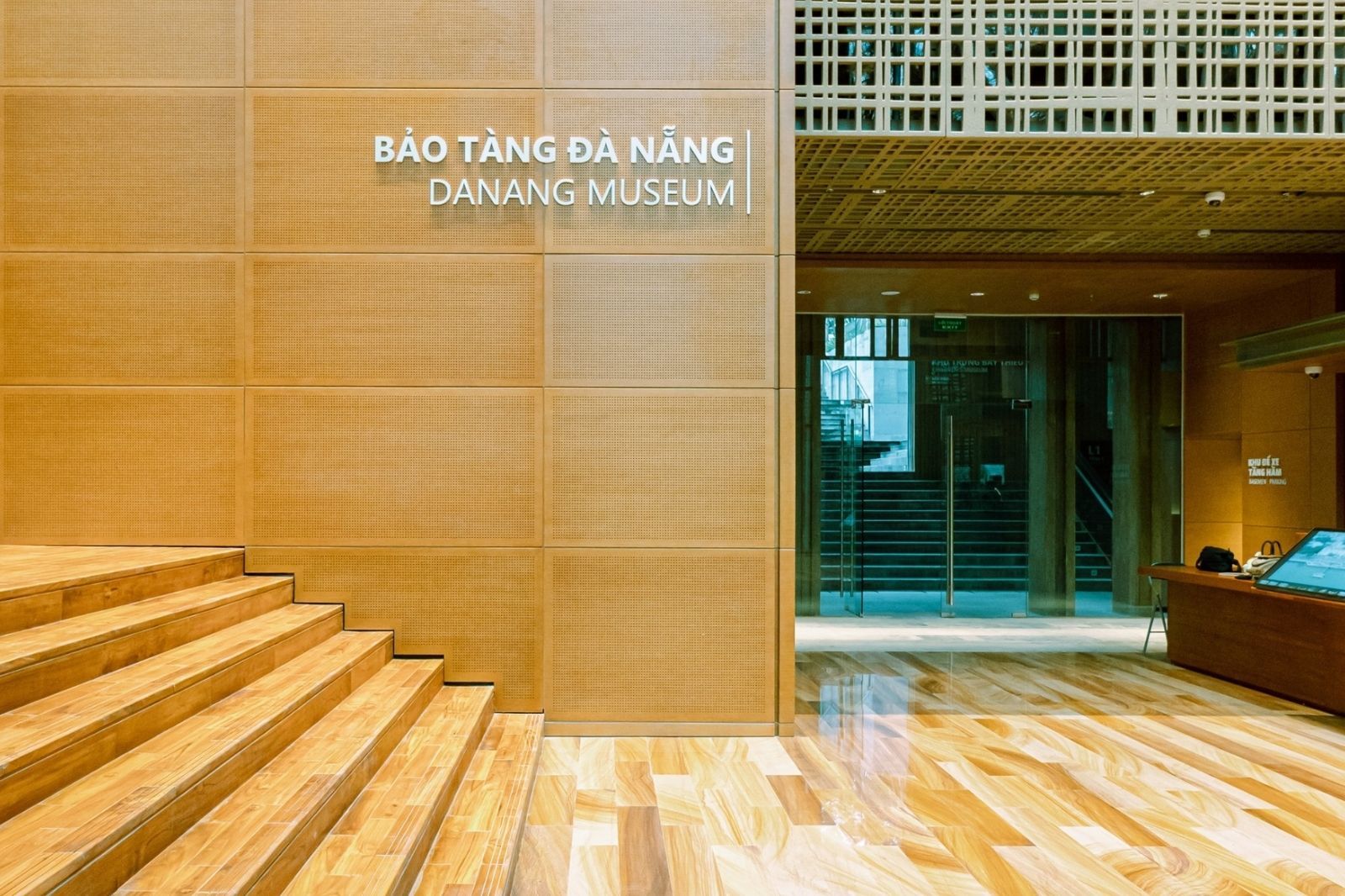
Inside, the space is equipped with elevators, escalators, and open exhibition zones, making it easy for visitors to move around and explore. The harmonious combination of nostalgia and modernity makes Da Nang Museum a destination of historical value as well as a unique "check-in" spot for all travelers.
Photo: The new museum with modern design
Exhibition Halls and Key Artifacts
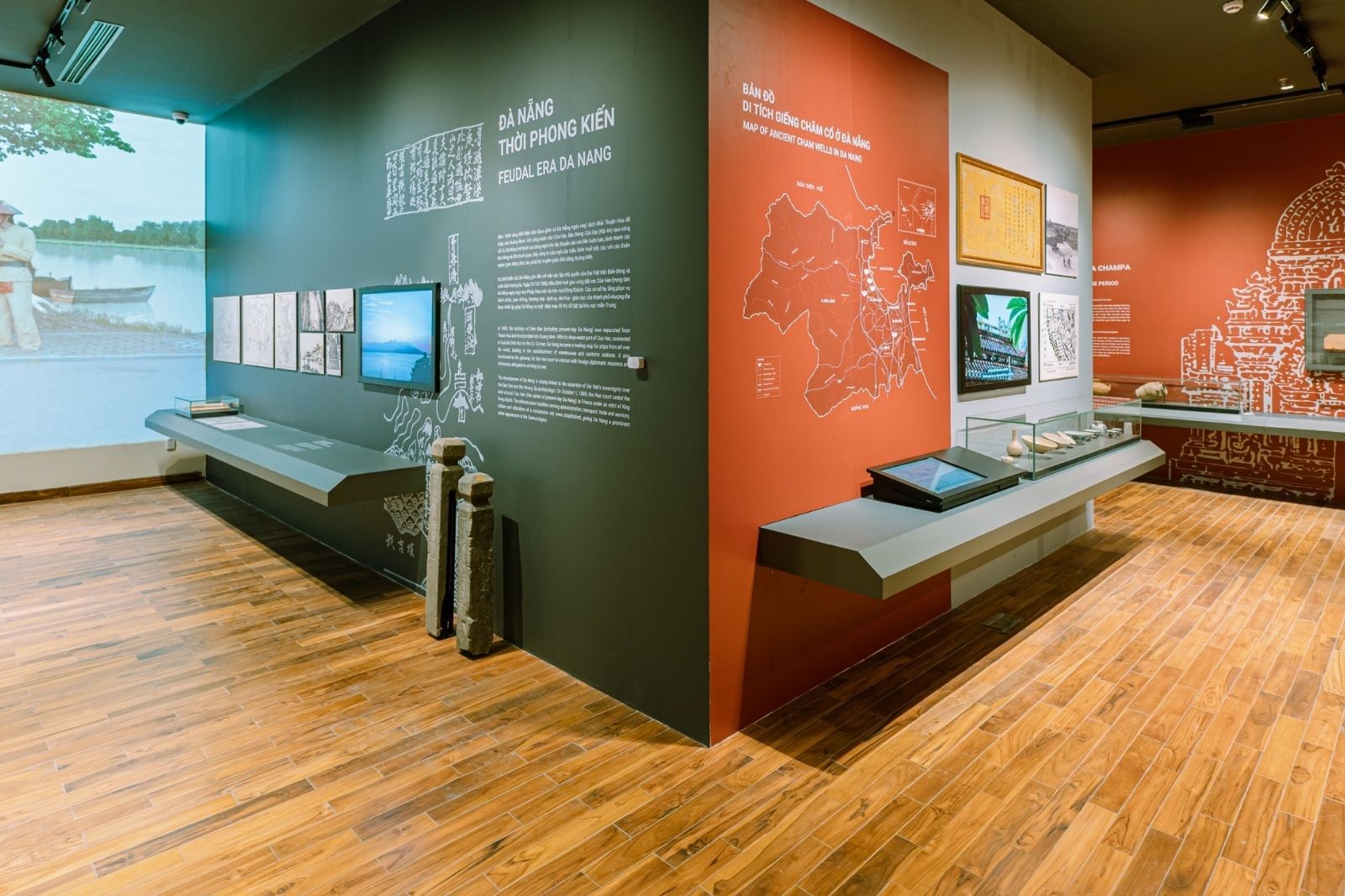
Da Nang Museum is designed with 3 exhibition floors across 9 main themes, recreating the complete timeline of history, culture, and the people of Da Nang – from prehistory to the modern era of integration. Each floor is a unique journey of discovery, allowing visitors to learn while feeling the pulse of the city through each development phase.
Floor 1: Natural Foundation and Prehistory
Topic I – Natural Conditions: Introduces geological specimens, models of marine and river ecosystems, helping visitors understand why Da Nang early became a thriving "port town" of Central Vietnam.
Topic II – Prehistoric and Protohistoric Da Nang: Displays Sa Huynh cultural artifacts excavated at Bau Tram and Phu Hoa, including jar burials, stone axes, silver earrings, and grinding stones, testifying to ancient human life over 2,500 years ago.
Floor 2: Artifacts, Traditional Life, and Resistance War
Topic III – Artifact Collection: Displays precious relics from the Shang and Zhou dynasties, 17th–19th century altar statues, and Chu Dau ceramics salvaged from the Hoi An shipwreck, reflecting early maritime trade between Da Nang and the world.
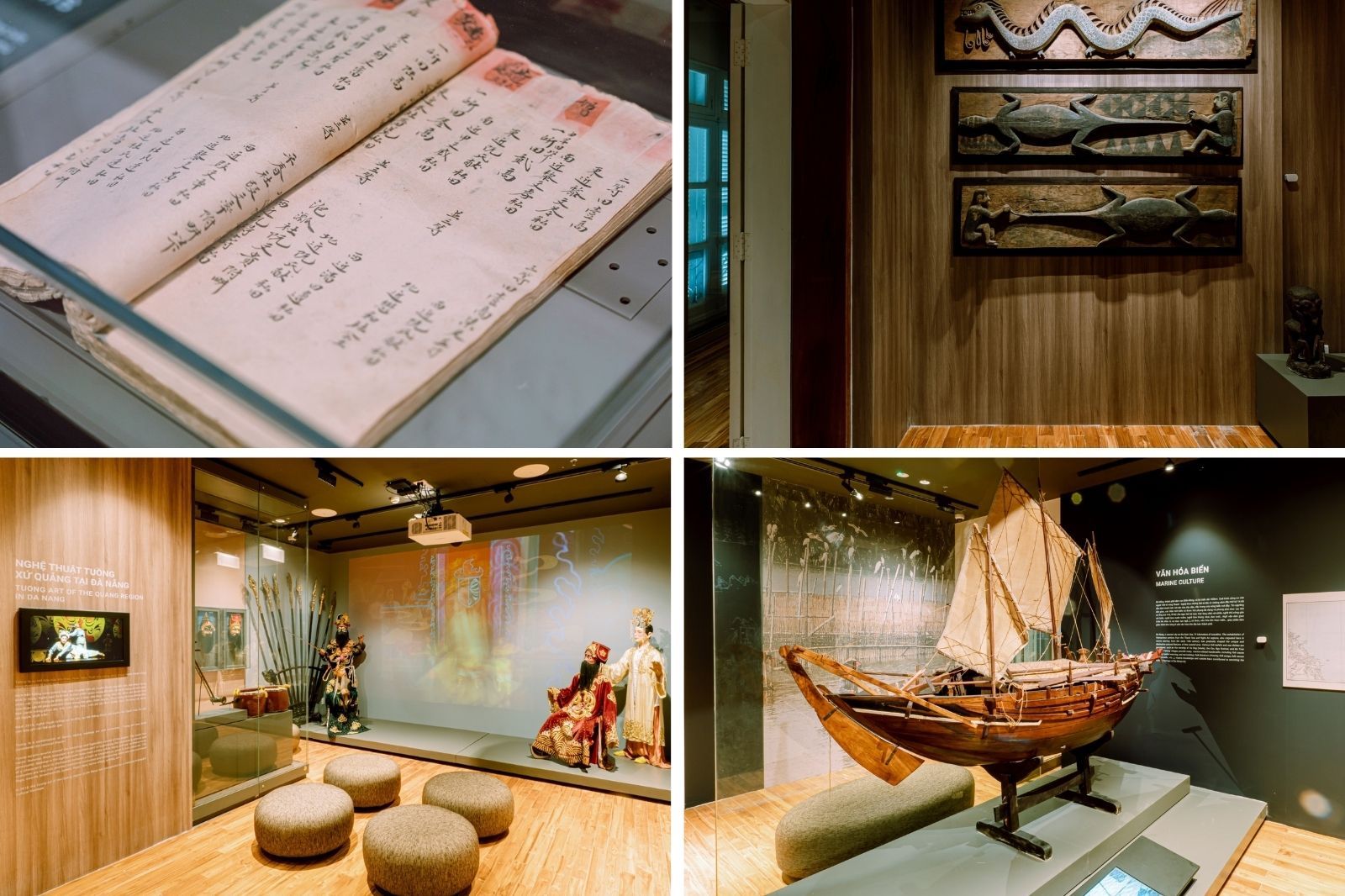
Topic IV–VI – Traditional Life: Highlights coastal fishing, agriculture, and traditional crafts, vividly recreated through wooden boat models, plowing tools, and craft villages such as Non Nuoc (stone carving), Tuy Loan (rice paper), and Nam O (fish sauce) – symbols of ancient Da Nang culture.
Topic VII–IX – Social History (1858–1975): Depicts major historical milestones of the city through artifacts such as cannons from Dien Hai Citadel, statues of General Nguyen Tri Phuong, leaflets, spears, homemade bombs, along with pack bicycles and the "Heroic City" medal – marking the resilient spirit of Da Nang people during two resistance wars.
Floor 3: Integration and Ethnic Culture
Topic VIII – Modern Da Nang: Showcases the city's modern appearance during the Doi Moi (renovation) era, featuring models of stilt houses over water (nhà Chồ), economic, tourism, and international cooperation achievements, reflecting the dynamic vitality of the riverfront city.
Topic IX – Ethnic Minority Culture: Exhibits traditional costumes of the Co Tu and Xo Dang ethnic groups, along with T’rung xylophones, gongs, flutes, and simulated mountain festivals – offering a diverse perspective on the identity of the Truong Son – Central Highlands region.
Photo: Some artifacts and exhibition themes at Da Nang Museum
Ticket Prices and Opening Hours of the Museum
To avoid crowds, visit outside peak hours (8 AM - 11 AM).
Opening hours: 8:00 AM – 5:00 PM daily (from July 3, 2025, open every day including Mondays). Ticket counter closes after 4:30 PM.
Free Admission
Applicable to the following categories (valid proof required):
People with disabilities holding valid certification.
Beneficiaries of cultural preferential policies.
Children under 16 years old and students under the 2019 Education Law.
Senior citizens (aged 60 and above).
Diplomatic guests.
Ticket 50,000 VND/person
Applicable to Vietnamese and foreign visitors, except for the free categories mentioned above.
Ticket 20,000 VND/person
Applicable to permanent residents of Da Nang city, students of universities, colleges, intermediate schools, and vocational institutes in the area.
Free Admission Days (for all visitors)
1st day of Lunar New Year (Tet).
Da Nang Liberation Day (March 29).
Hung Kings Commemoration Day (10th day of the 3rd lunar month).
National Day (September 2).
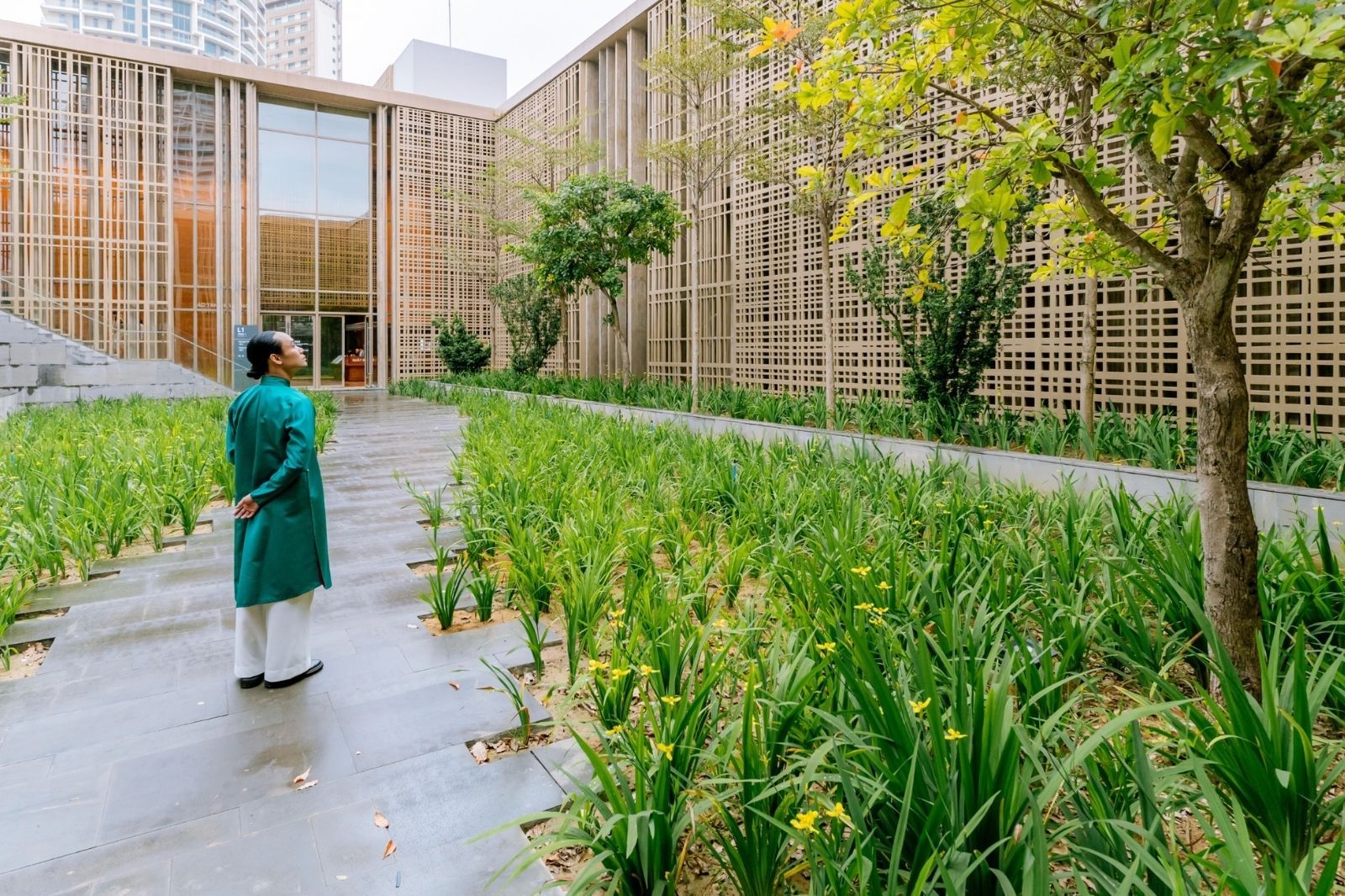
Photo: Grounds and courtyard space of Da Nang Museum
Visiting Da Nang Museum is not just about viewing artifacts or listening to old stories; it is a way to understand this city from within – from its days as a small port town to becoming a dynamic symbol of Central Vietnam. Leaving the museum, you can easily continue your journey along the Han River waterfront streets, admire the Dragon Bridge, or relax at My Khe Beach – all just minutes away.
If you want to experience a complete day – from visiting the museum, strolling along the Han River, savoring local specialties, to checking in at iconic landmarks like the Dragon Bridge or My Khe Beach – let Sovaba Travel accompany you on the all-inclusive Da Nang museum discovery tour. With a flexible itinerary, dedicated guides, and reasonable prices, Sovaba provides a journey that is both comfortable and meaningful, helping you fully feel the "soul" of Vietnam's most livable city.