Hanoi Old Quarter is a must-visit destination when traveling to the Capital, famous for its 36 streets filled with historical imprints, ancient houses, historic relics, and outstanding cuisine. Every street corner preserves stories of the culture, people, and lifestyle of old Hanoi, offering visitors experiences that are both nostalgic and vibrant. If you are planning to explore the old town but don't know where to go, what to eat, or how to arrange your itinerary, the detailed A-to-Z Hanoi Old Quarter travel guide below will help you have a complete, budget-friendly, and highly memorable trip.
Introduction to the 36 Guild Streets
Hanoi Old Quarter is located in Hoan Kiem District, to the north and west of Hoan Kiem Lake (Sword Lake). Covering an area of about 100 hectares, the quarter comprises over 70 streets spanning several wards such as Hang Dao, Hang Bac, Hang Buom, Hang Ma, Dong Xuan… This is one of the most historically, culturally, and architecturally significant areas of the capital, attracting millions of domestic and international visitors each year.
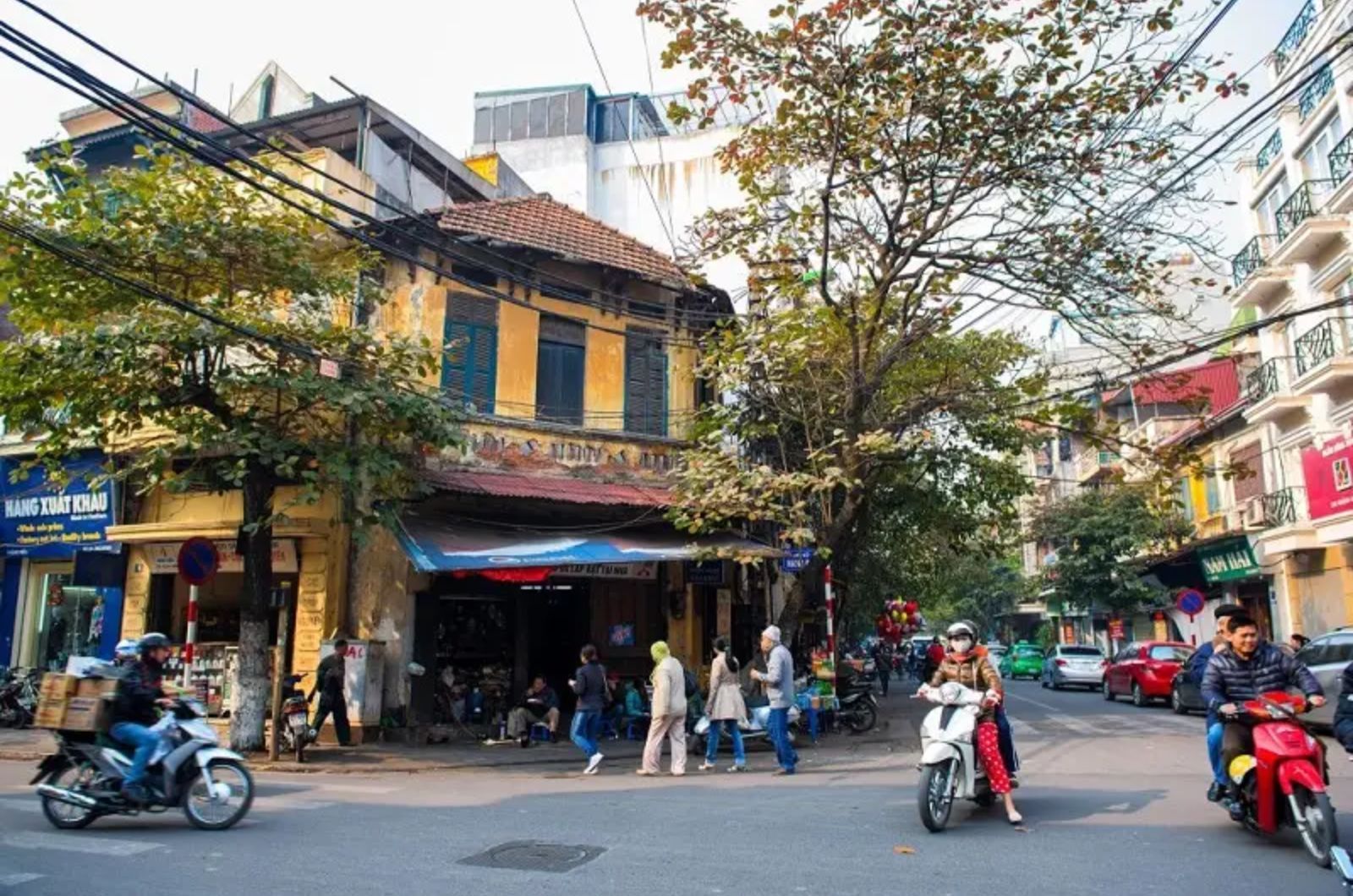
Established during the Ly – Tran Dynasties (11th century), the Old Quarter was once the bustling commercial and craft hub of the Thang Long citadel. The name "36 guild streets" stems from streets that traditionally specialized in a specific trade or product, such as Hang Bac (Silver Street), Hang Dao (Silk Street), Hang Gai (Hemp Street), Hang Ma (Paper Street)... Through historical changes, the area has retained its signature architectural style featuring tiled-roof tube houses, ancient yellow walls, wooden doors, and interconnected narrow alleys. Today, Hanoi Old Quarter is not only a famous destination for exploring history, culture, and cuisine, but also a place preserving the lifestyle and identity of a thousand-year-old capital.
Best Time to Visit Hanoi Old Quarter
Hanoi Old Quarter possesses a unique charm in every season; however, autumn and spring are considered the best times to visit, wander around, and fully experience the charm of the capital.
Autumn (August – November): This is the most beautiful time in Hanoi, featuring cool weather, fresh air, and trees starting to change colors. Strolling through ancient streets, enjoying young green rice flakes (com), sipping coffee, or capturing photos under gentle sunlight will make for unforgettable experiences.
Spring (February – April): The weather is pleasant and warm, plants sprout, and early-year festive vibes bring special energy to the Old Quarter. It is also an ideal time to explore traditional culture, visit temples and pagodas, and immerse yourself in the lively atmosphere of the capital.
If possible, you may want to avoid visiting during summer (May – July) due to hot, humid weather with frequent rain, or winter (December – January) if you are not used to Northern cold weather. Additionally, weekends are when the Hoan Kiem Lake pedestrian street opens with various art programs and cultural events, perfect for experiencing the vibrant vibe of Hanoi Old Quarter.
How to Get to Hanoi Old Quarter
Located right in the center of Hoan Kiem District, Hanoi Old Quarter benefits from convenient transportation networks, making it easy for travelers to reach by various means of transport. Depending on your starting point and preferences, you can choose a taxi, bus, motorbike, or walking to begin your exploration of the 36 guild streets.
From Noi Bai Airport: Taxi (around 300,000 – 400,000 VND, 40–50 minutes) or Bus Route 86 to the city center.
From Hanoi Railway Station: Taxi, or a 15–20 minute walk/bus ride.
From within the city: Bus (Routes 09, 14, 36 to Hoan Kiem Lake; Routes 03, 14, 18, 34 to O Quan Chuong Gate), Taxi/Grab, motorbike (parking around Hoan Kiem Lake or nearby parking lots).
Getting around inside the Old Quarter: Walking is best for sightseeing and discovering narrow alleys. Alternatively, hire a cyclo (cultural experience, price negotiated), bicycle, or electric tour cart. Avoid private cars due to narrow streets and limited parking.
Famous Streets in Hanoi Old Quarter
Hanoi Old Quarter is often described as a "living museum" in the heart of the capital, where each street is associated with a traditional craft or specific trade. Strolling through the 36 guild streets, visitors not only feel the vibrant rhythm of life but also discover cultural traditions preserved over centuries.
Hang Dao Street: Famous for fashion and fabric shops, making it one of the busiest shopping streets in the Old Quarter.
Hang Ma Street: Colorful with decorative items, lanterns, handicrafts, and ceremonial paper goods, especially bustling during Mid-Autumn Festival, Christmas, and Lunar New Year.
Hang Bac Street: The historic center for silver and gold jewelry crafting and trading in Hanoi.
Hang Gai Street: A well-known spot for buying silk, tailored clothing, embroidery, and high-quality handicrafts.
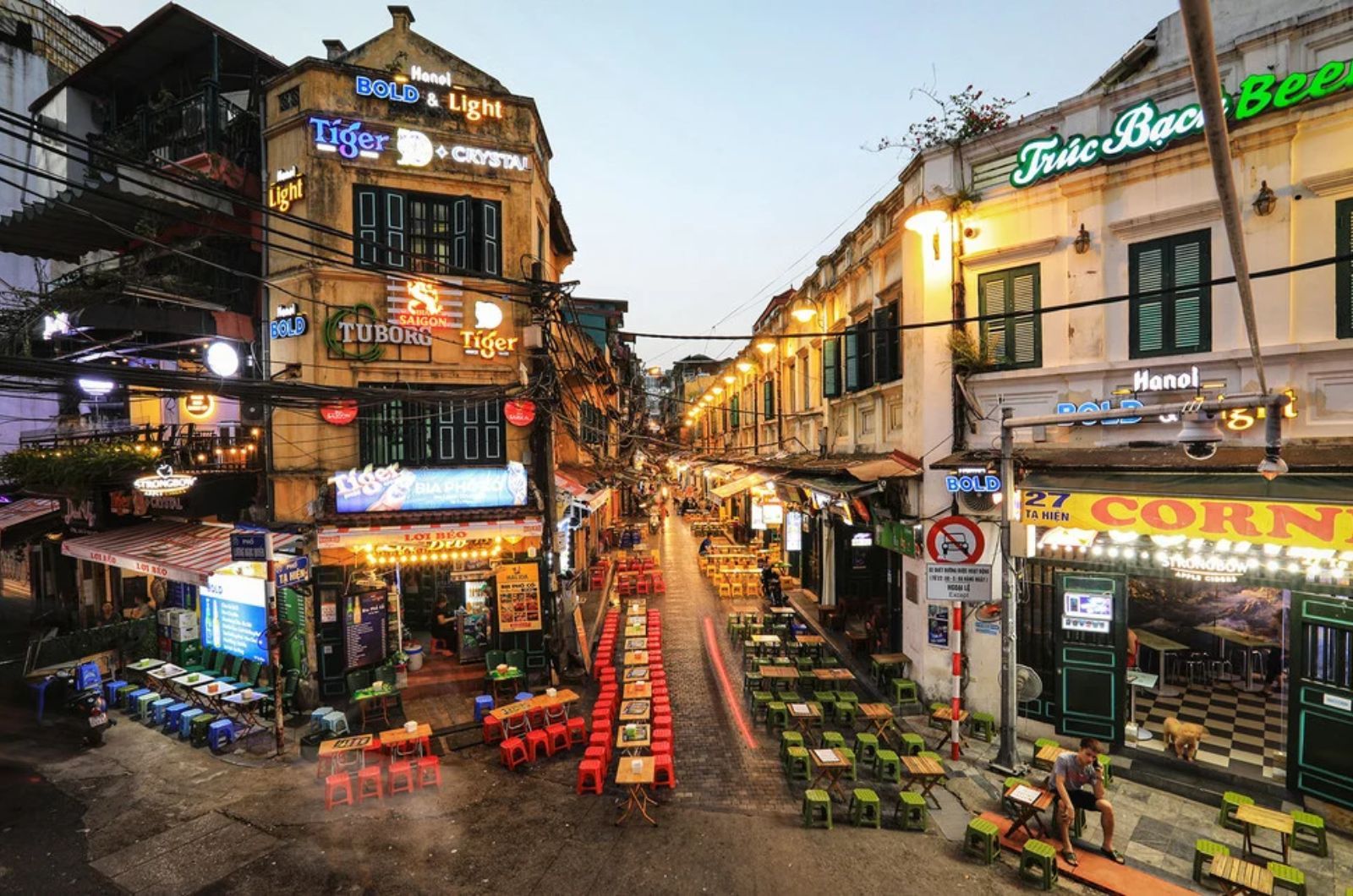
Ta Hien Street: A vibrant nightlife hotspot filled with street food stalls, beer bars, and a lively gathering space for local and foreign travelers.
Hang Buom – Ma May Streets: Known for ancient heritage houses, historical sites, and cafes and restaurants capturing old Hanoi charm.
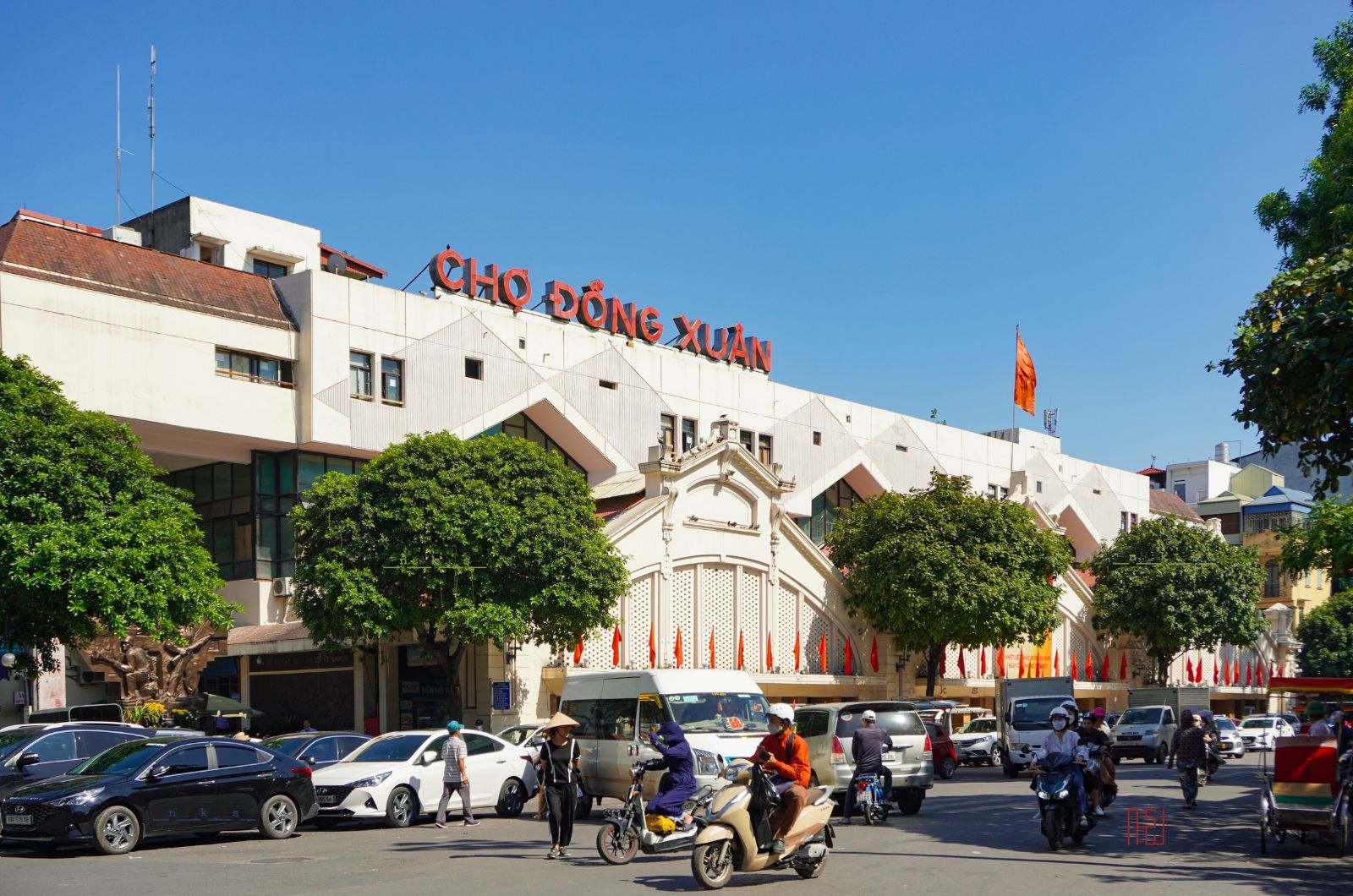
Dong Xuan Market: The largest traditional market in the Old Quarter, an ideal place to buy specialties, souvenirs, and explore local market culture.
To fully appreciate the beauty of Hanoi Old Quarter, take your time to walk through every street, observe daily life, visit traditional shops, and savor signature dishes. These simple yet authentic experiences will help you better understand the cultural richness and enduring spirit of the 36 guild streets.
Must-Visit Places in Hanoi Old Quarter
Boasting over 1,000 years of history, Hanoi Old Quarter brings together numerous cultural landmarks, historic monuments, and architectural spaces of ancient Thang Long. Below are the top attractions you should not miss during your exploration of the 36 guild streets.
Hoan Kiem Lake & Ngoc Son Temple: As the symbol of the capital, Hoan Kiem Lake stands out with Turtle Tower, The Huc Bridge, and Ngoc Son Temple. This is an ideal stop for strolling, taking in scenery, and learning about Hanoi's rich history.
Bach Ma Temple: Located on Hang Buom Street, Bach Ma Temple is one of the Four Sacred Temples of Thang Long, famous for its ancient architecture and long-standing historical and spiritual significance.
87 Ma May Ancient House: One of the few ancient traditional houses preserved almost intact, reflecting the lifestyle of late 19th-century Hanoians with authentic architecture and furnishings.
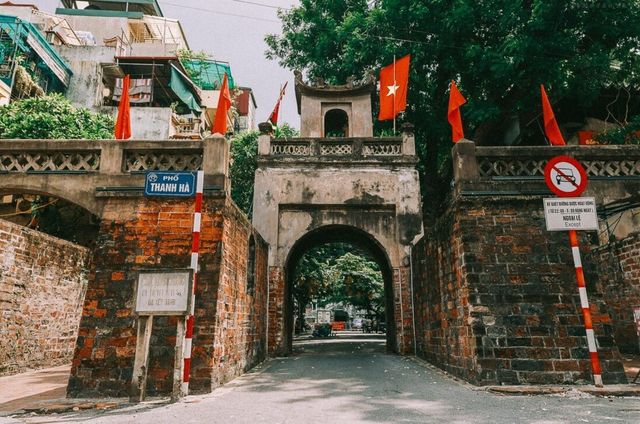
O Quan Chuong Gate: The last remaining ancient city gate of the Thang Long citadel, O Quan Chuong is a unique historical marker and a favorite check-in spot for visitors.
Dong Xuan Market: Hanoi's largest traditional market, where visitors can shop for specialties, souvenirs, and experience the longstanding trading culture of Old Quarter residents.
Hang Ma Street: Renowned for its vibrant decoration shops, Hang Ma is always lively, especially during festivals, Lunar New Year, and the Mid-Autumn Festival.
Phung Hung Mural Street: An artistic venue with wall murals depicting old Hanoi, creating a unique highlight in the Old Quarter that attracts many visitors for sightseeing and photography.
These attractions are located close to one another, making them very convenient to explore within a single day. You can combine walking or taking a cyclo ride to fully experience the ancient charm, lively pace, and unique cultural values of Hanoi Old Quarter.
What to Eat in Hanoi Old Quarter?
Beyond its historic landmarks, Hanoi Old Quarter is also considered a "food paradise" boasting array of traditional dishes rich in capital flavors. From iconic time-honored dishes to popular street snacks, each flavor contributes to the distinctive identity of Hanoi culture.
Hanoi Pho: Enjoy a bowl of traditional heirloom pho at Pho Bat Dan, one of the most famous eateries in the Old Quarter.
Bun Cha (Grilled Pork Noodles): A signature Hanoi dish featuring fragrant grilled pork, often enjoyed at Hang Quat Street and surrounding areas.
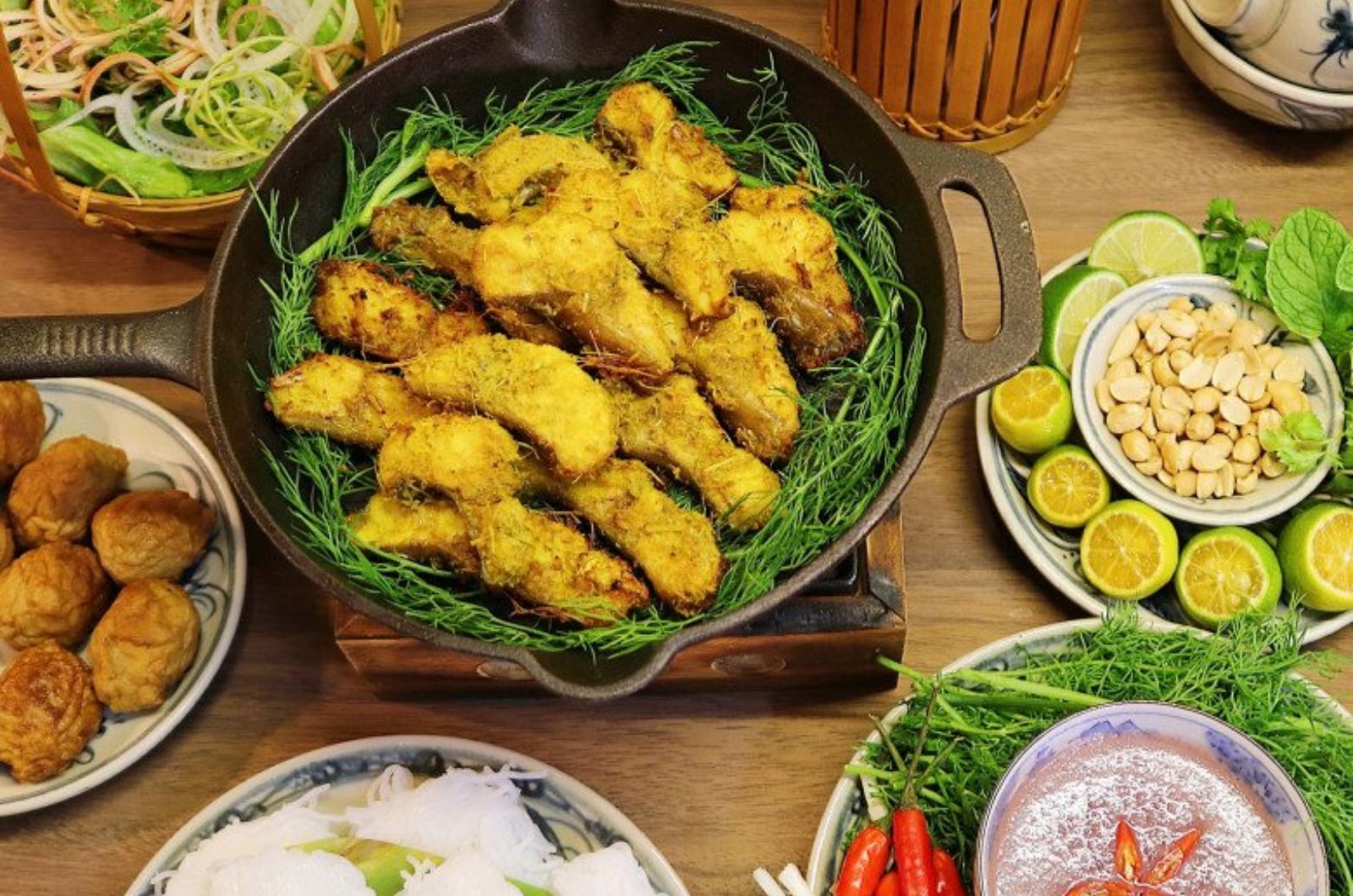
Cha Ca La Vong (Grilled Fish with Dill): A legendary specialty featuring seasoned fish cooked with dill and spring onions, served with rice noodles, fresh herbs, and shrimp paste.
Bun Thang, Bun Oc (Snail Noodles), Banh Cuon (Steamed Rice Rolls): Traditional dishes with delicate flavors, perfect for breakfast or lunch.
Egg Coffee & Sweet Treats: Visit historic coffee shops like Giang Cafe to savor egg coffee or try traditional sweet soup and pastries.
Street Snacks: Grilled fermented pork rolls (nem chua nuong), banh mi, fried donuts, or fresh green rice flakes (com, in autumn) are local favorites.
For a complete experience, you can join a Hanoi Old Quarter food tour or wander through narrow streets to discover long-standing local eateries. Opting for popular and reputable spots ensures authentic flavors along with good quality and food hygiene.
Must-Try Experiences in Hanoi Old Quarter
Visiting Hanoi Old Quarter, beyond exploring historical sites and architectural landmarks, travelers have the opportunity to immerse themselves in the capital's unique lifestyle through engaging cultural and culinary experiences.
Take a walking tour or a cyclo ride to explore winding streets, narrow alleys, and feel the rhythm of the 36 guild streets.
Explore Hoan Kiem Lake walking street and Old Quarter night market on weekends featuring shopping, street food, and lively street performances.
Admire the Old Quarter at night, when streets light up, cafes and restaurants come alive, offering a uniquely atmospheric vibe of Hanoi.
Enjoy traditional art shows like water puppetry, Ca Tru singing, or folk performances to better appreciate Thang Long culture.
Shop for souvenirs such as silk, handicrafts, folk paintings, or Hanoi delicacies along traditional craft streets.
Stay at a homestay or boutique hotel in the Old Quarter to immerse yourself in the local architecture and atmospheric lifestyle of Hanoi.
For a smooth trip, maintain public cleanliness, respect historical sites, keep your belongings safe in crowded areas, and carry some cash as some small shops do not accept card or QR payments.
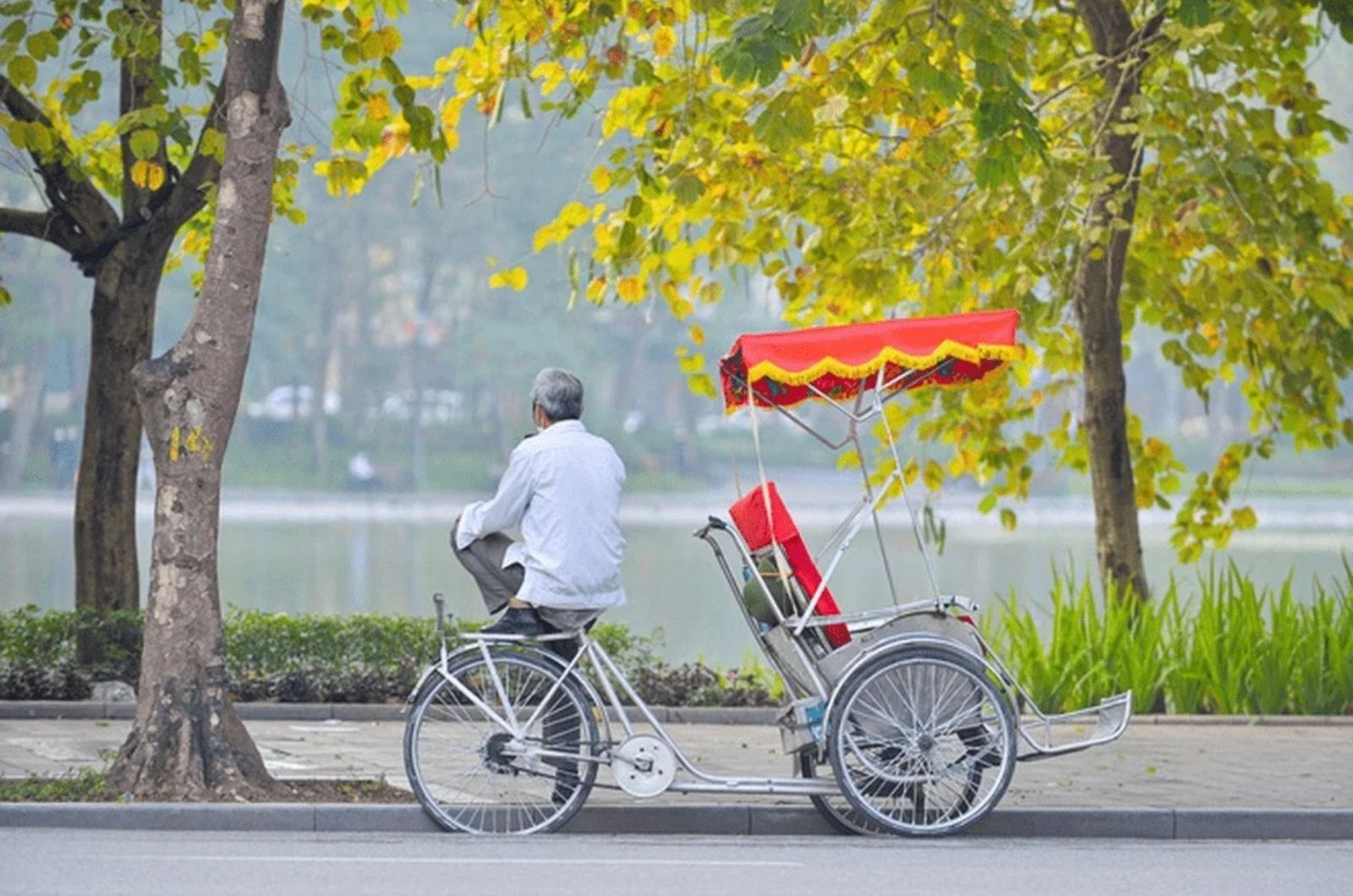
Photo: Experience taking a cyclo sight-seeing ride
Hanoi Old Quarter is not only a famous destination with streets steeped in history, but also a sanctuary preserving the cultural, historical, and culinary essence of a thousand-year-old capital. From ancient architectural works and historic monuments to vibrant street life and rich cuisine, every corner offers unforgettable experiences for domestic and foreign travelers. We hope this comprehensive A-Z Hanoi Old Quarter travel guide will help you easily plan a fulfilling journey.
If you want to save time and enjoy a more convenient trip, you can opt for an all-inclusive Hanoi Old Quarter tour by Sovaba Travel. In addition to the Old Quarter tour, Sovaba Travel organizes many exciting itineraries such as Hanoi City Tour, Ho Chi Minh Mausoleum – Temple of Literature – West Lake, Duong Lam Ancient Village, Bat Trang Pottery Village, Perfume Pagoda, Ninh Binh, Ha Long Bay, and many other famous Northern Vietnam destinations. Featuring well-crafted itineraries, professional tour guides, and high-quality service, Sovaba Travel will accompany you on your journey to discover the beauty of Hanoi and spectacular destinations across Vietnam.