sovaba
TRAVEL GUIDEMuong Hoa Valley

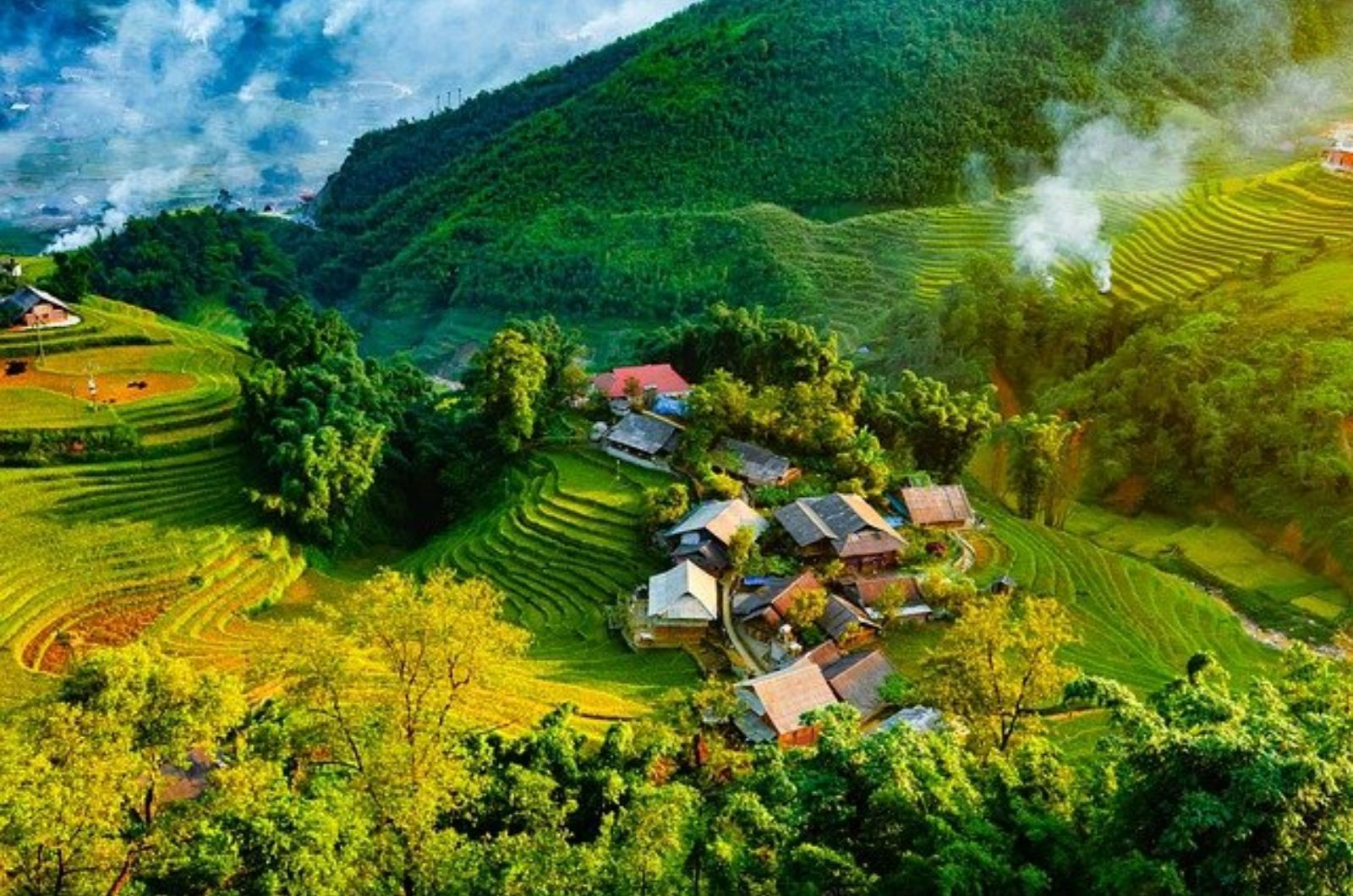
Muong Hoa Valley has long been likened to a "vivid natural painting" of Sapa, with its beauty blending majestic terraced fields, poetic streams, peaceful villages, and the unique culture of the ethnic minorities in the Northwest highlands. Not only a prominent destination on the Lao Cai tourist map, this place also offers visitors deep experiences of nature, people, and local life.

In this detailed A–Z Muong Hoa Valley travel guide, you will be provided with complete information from transportation, ideal timing, outstanding attractions, to must-try experiences and useful tips for guided tours or self-sufficient travel. This will be the essential handbook to help you plan a complete, easy, and memorable trip in the heart of the poetic Northwest.
Where is Muong Hoa Valley?

Muong Hoa Valley is located about 8–10 km southeast of Sapa town center, within Hau Thao, Muong Hoa, Ta Van, and Su Pan communes (Sa Pa district, Lao Cai province). The valley extends approximately 15 km from Sapa to Ban Ho, framed by the majestic Hoang Lien Son mountain range.

It is one of the largest valleys in Sapa, featuring massive terraced fields (over 2,200 ha) and serving as home to various ethnic minority groups like the Black H’Mong, Red Dao, Giay, and Tay. With cool, fresh air year-round and pristine landscapes not yet heavily commercialized like central Sapa, Muong Hoa has become an ideal “earthly paradise” for ecotourism and trekking.

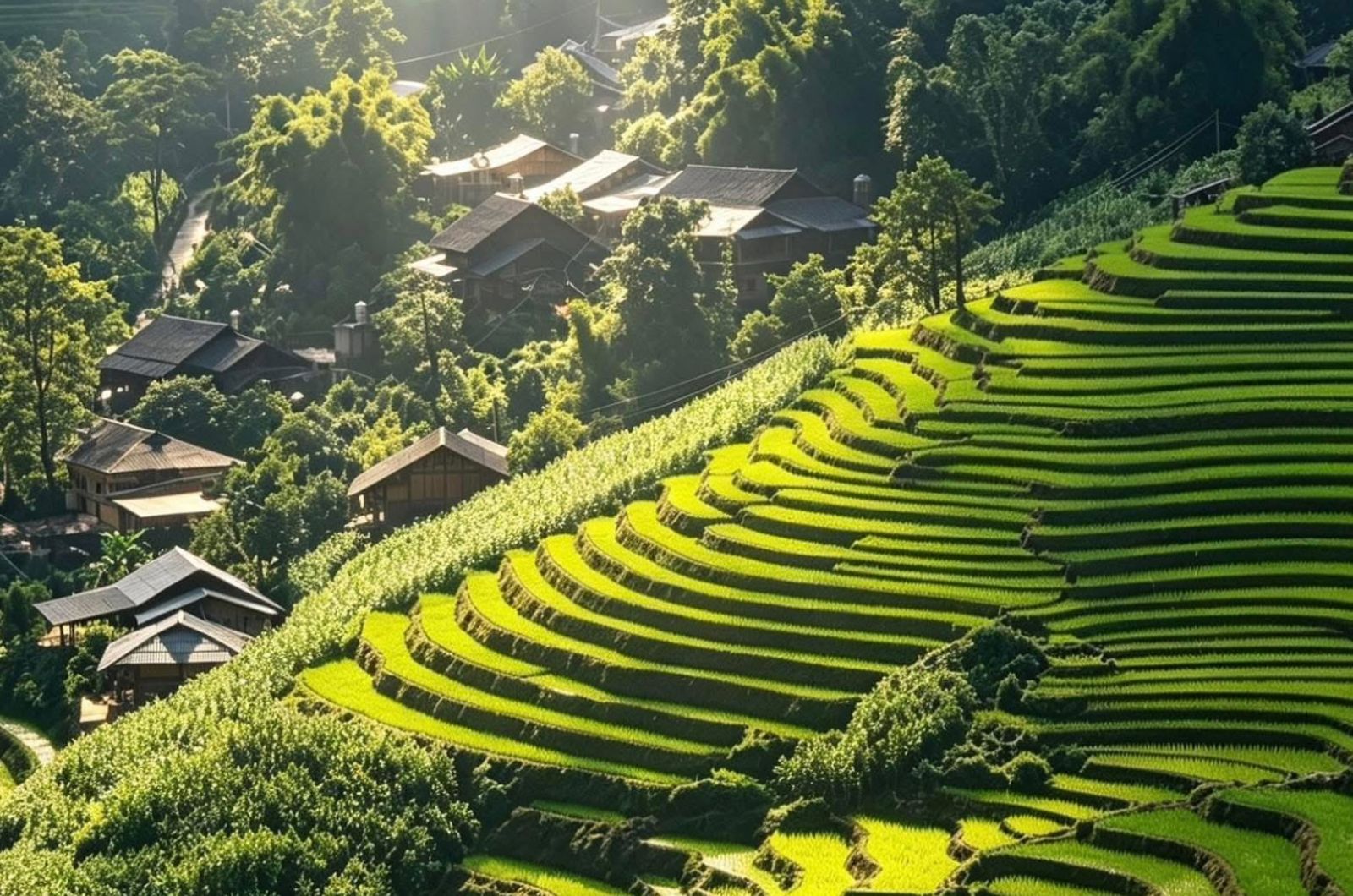
Terraced fields in Muong Hoa Valley
Photo: Terraced fields in Muong Hoa Valley  

How to Get to Muong Hoa Valley, Sapa

To reach Muong Hoa Valley – one of Sapa's most beautiful destinations – travelers need to combine travel from Hanoi to Sapa and then from Sapa town center into the valley.

From Hanoi to Sapa:

  • Bus/limousine: 5–6 hours travel time, tickets range from 300,000 – 800,000 VND, ideal for travelers wanting speed and convenience.
  • Train Hanoi – Lao Cai combined with bus or taxi to Sapa: Total time about 8 hours, suitable for those who prefer a safe and relaxed journey.

From Sapa center to Muong Hoa Valley (about 6–10 km):

  • Motorbike: Most popular vehicle, rental around 100,000 – 150,000 VND/day. Follow Cau May - Muong Hoa road southeast. The road is steep and winding, best for experienced drivers.
  • Taxi or motorbike taxi (xe om): Convenient for small groups or travelers unfamiliar with the route, costing around 12,000 VND/km.
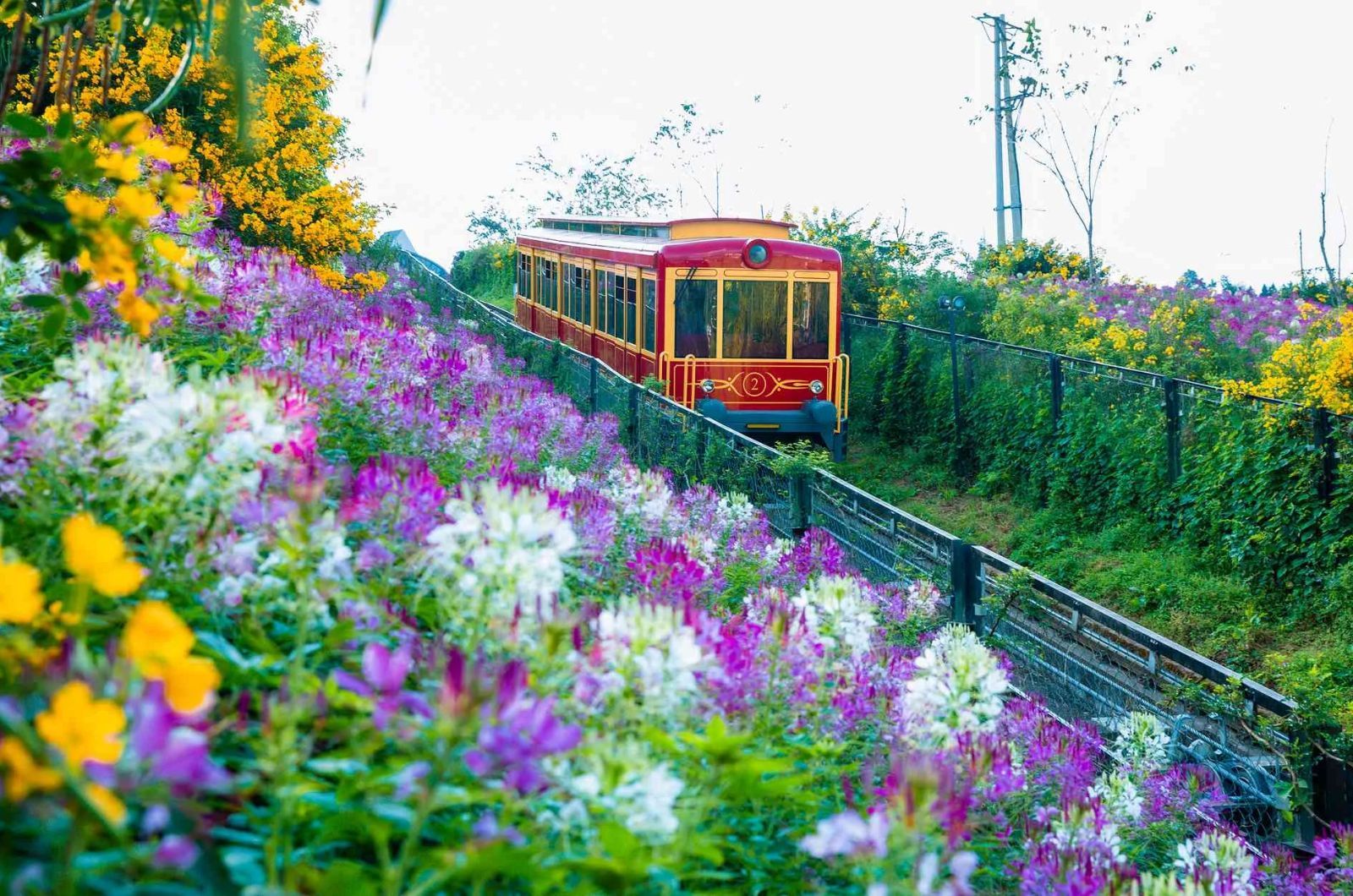
  • Muong Hoa Mountain Funicular: Modern experience offering panoramic valley views from above, taking about 6 minutes, round-trip ticket around 180,000 VND.
  • Trekking: A favorite choice on guided tours, helping visitors experience full natural beauty and local life along the way.

Note: Entrance to Muong Hoa Valley has a ticket checkpoint: adults 150,000 VND, children 6–12 years old 100,000 VND, children under 6 are free.

Best Time to Visit Muong Hoa Valley

Muong Hoa Valley can be visited year-round; however, each season brings its own unique charm and experience, appealing to nature lovers and adventurers alike.

  • Water-pouring season (March – May): Terraced fields enter the new planting season. Water fills the fields, creating giant mirror-like reflection effects against the mountains. Crisp, fresh air makes it perfect for trekking and landscape photography.
  • Ripe rice season (Late August – Mid-September): Considered the most beautiful time of the year, as the entire valley turns into a vibrant, endless golden sheet. This is peak tourist season, attracting visitors nationwide and internationally.
  • Harvest season (September – October): Bustling atmosphere with harvest activities by local ethnic people. Visitors can experience traditional farming life and feel the fragrance of ripe rice throughout the valley.
  • Winter season (December – February): Muong Hoa Valley is draped in romantic mist, occasionally featuring ice or frost, creating a mystical, tranquil landscape characteristic of the Northwest highlands.

Note: Avoid traveling during heavy rainy months (June – July) due to slippery roads and difficult travel conditions. Keep track of weather forecasts and harvest schedules to plan the best visit.

What Makes Muong Hoa Valley Beautiful?

Muong Hoa Valley leaves a lasting impression with its harmonious blend of majestic natural landscapes and long-standing cultural heritage of Northwest highlanders.

  • Terraced fields: Signature icon of the valley, cascading along mountain slopes and changing colors each season. Not only a stunning landscape, but also the creative agricultural legacy of local ethnic groups over generations.
  • Muong Hoa Stream: A 15 km stream gently winding through the valley with crystal-clear water, dotted with small waterfalls, bamboo bridges, and rattan bridges, offering picturesque check-in spots in nature.
  • Muong Hoa Ancient Rock Field: Hundreds of boulders engraved with mysterious patterns and ancient scripts thousands of years old, recognized as a national relic site with high archaeological and cultural value.
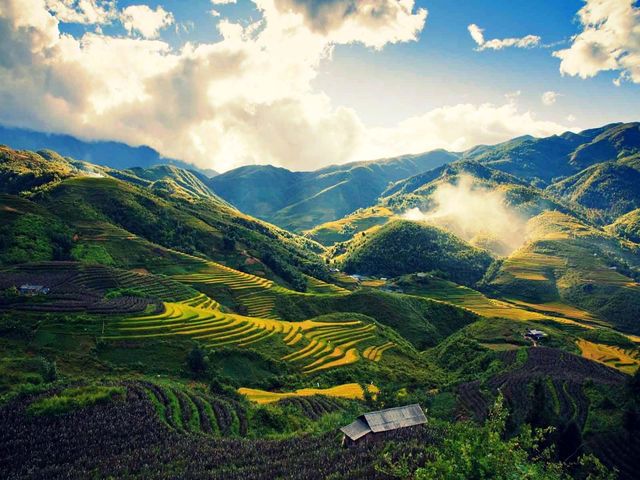
  • Mountain scenery: Nestled at the foot of Hoang Lien Son range near Fansipan Peak, the valley boasts wild, grand scenery, creating a vast yet romantic natural canvas.

Beside nature, the area features scenic view cafes like Sailing Sapa, where visitors can relax and watch sunrise or sunset amidst mountains.

Mountain landscape in Muong Hoa Valley
Photo: Mountain landscape in Muong Hoa Valley

Exploring Ethnic Villages in Muong Hoa Valley

Muong Hoa Valley is home to various ethnic villages, each preserving distinct cultural traits that contribute to the rich tapestry of the Northwest highlands.

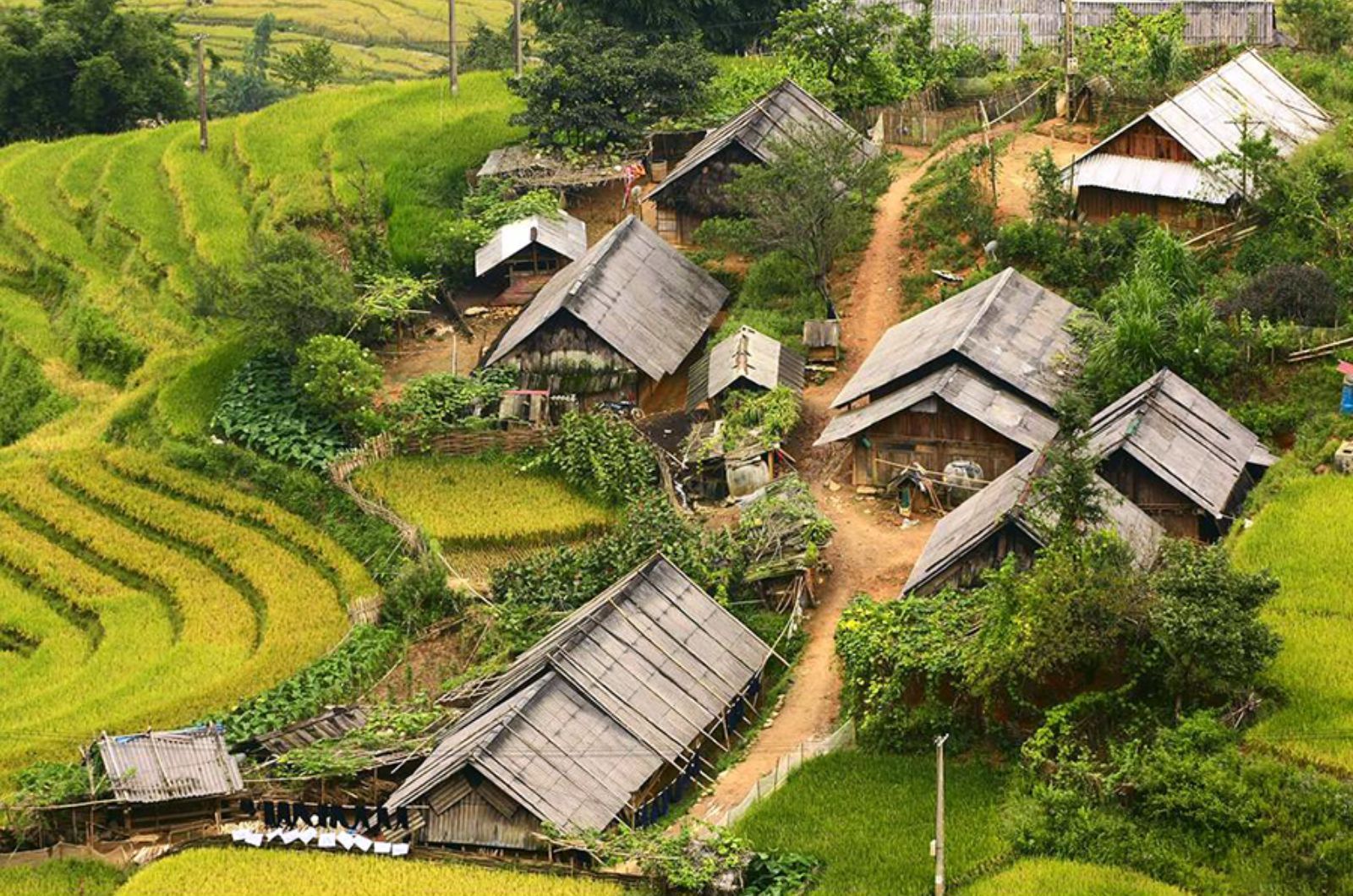
  • Y Linh Ho Village: Closest to Sapa center (about 7 km), inhabited mainly by Black H'Mong. Famous for some of the region's finest terraced fields and traditional indigo dyeing craft.
  • Lao Chai Village: One of the largest H'Mong villages, famous for handmade fabric weaving, folk music tunes, and sweeping views of majestic Fansipan.
  • Ta Van Village: A multi-ethnic village of H'Mong, Giay, and Tay people. A popular hub for homestays where guests can join cooking classes, live alongside locals, and enjoy traditional cultural performances.
  • Giang Ta Chai Village: Home to the Red Dao people, boasting serene, untouched beauty near waterfalls and natural bamboo groves.
  • Ban Ho Village: The furthest village in the area, mainly inhabited by Tay people. Peaceful ambiance near stream junctions, delivering authentic local living experiences.

Visiting tips: Respect local customs, ask permission before taking photos of locals, and prioritize purchasing local handicrafts or staying at homestays to support sustainable community livelihoods.

Y Linh Ho Village
Photo: Y Linh Ho Village 

Must-Try Experiences in Muong Hoa Valley

Beyond stunning landscapes, Muong Hoa Valley offers exciting activities to fully immerse in the culture and life of Northwest highlanders.

  • Trekking through terraced fields: A top choice for visitors. Trekking routes lasting 4–6 hours guide hikers across terraced rice fields, ethnic villages, and lush green hills. 
  • Exploring Muong Hoa Stream and Rattan Bridge: Stroll along the clear stream, wade in shallow waters on nice days, or capture photos at traditional bamboo and rattan bridges.
  • Visiting Muong Hoa Ancient Rock Field: Discover ancient rocks engraved with thousand-year-old symbols, offering intriguing historical, archaeological, and folkloric insights.
  • Experiencing local culture: Stay at homestays, learn brocade weaving and indigo dyeing, cook local dishes, and interact with H'Mong, Red Dao, Giay, and Tay villagers.
  • Riding Muong Hoa Mountain Funicular: Modern funicular ride offering breathtaking aerial views of the entire valley in a quick yet impressive journey.
  • Photography and picnics in nature: Sunrise and sunset are prime times for capturing the valley's beauty. Many travelers also enjoy stream picnics or viewpoint stops.
  • Seasonal farming activities: During farming seasons, join locals in planting rice, harvesting, or tending crops for authentic memories.

Besides sightseeing activities, a trip to Muong Hoa is incomplete without trying highland culinary specialties like com lam (bamboo rice), smoked buffalo meat, grilled stream fish, wild vegetables, corn wine, and traditional Northwest dishes.

Experiencing Muong Hoa Mountain Funicular ride
Photo: Experiencing Muong Hoa Mountain Funicular ride  

Muong Hoa Valley is not only famous for having some of the most spectacular terraced fields in the Northwest, but also for preserving rich cultural values of ethnic communities. From majestic mountains, poetic streams, mysterious ancient rocks to peaceful villages, everything forms a colorful picture offering unforgettable Sapa travel memories.

If you want to save planning time and enjoy a seamless journey, check out all-inclusive Sapa tour packages by Sovaba Travel. With well-crafted itineraries, quality services, local guides, and exciting options like the Muong Hoa Valley Tour, Fansipan, Cat Cat Village, Ham Rong Mountain, or local cultural exploration tours, Sovaba Travel will accompany you on your journey to conquer the natural beauty and vibrant culture of misty Sapa.

Articles related to Muong Hoa Valley