Bản Tả Van
TRAVEL GUIDETa Van Village

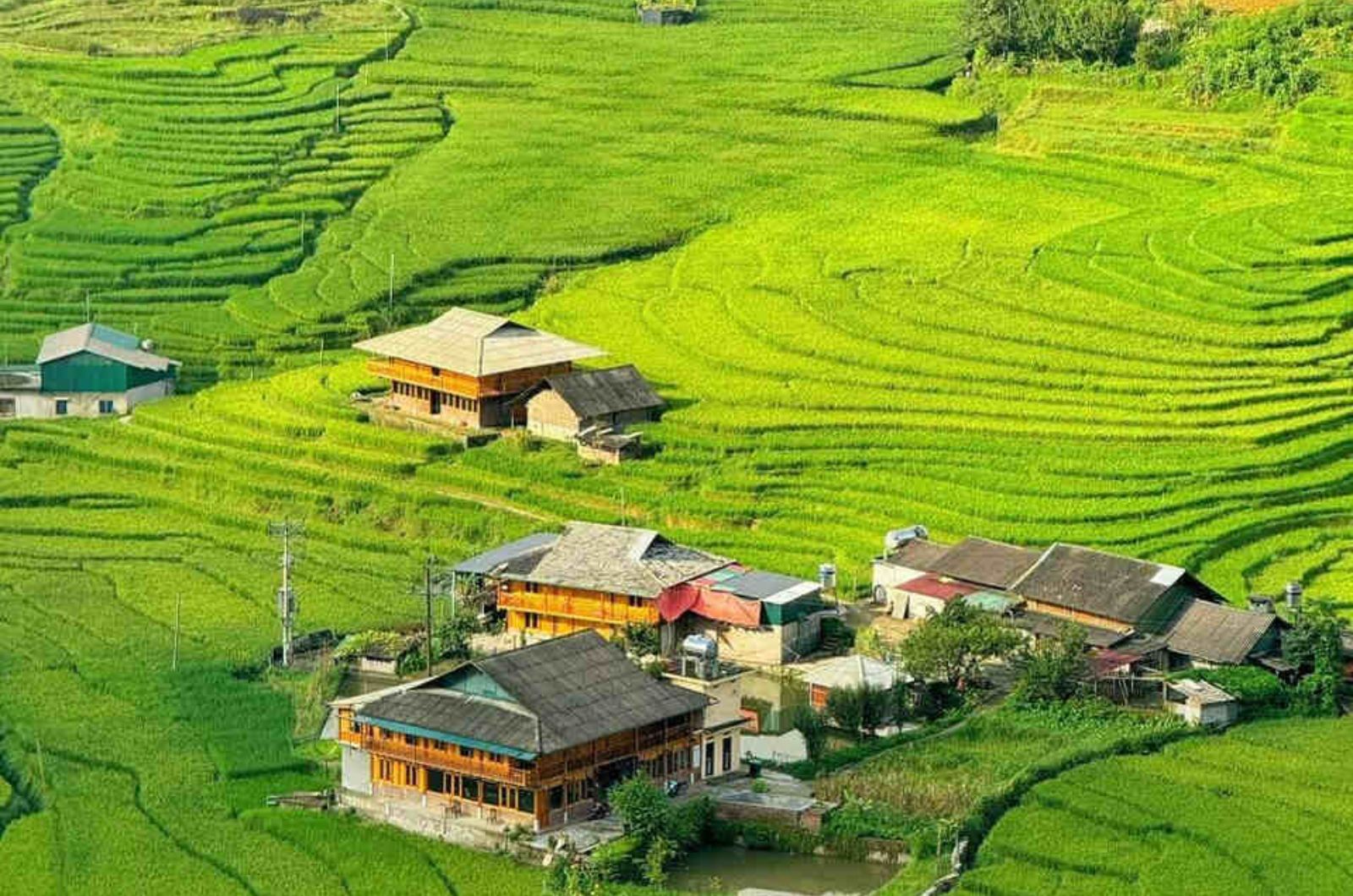
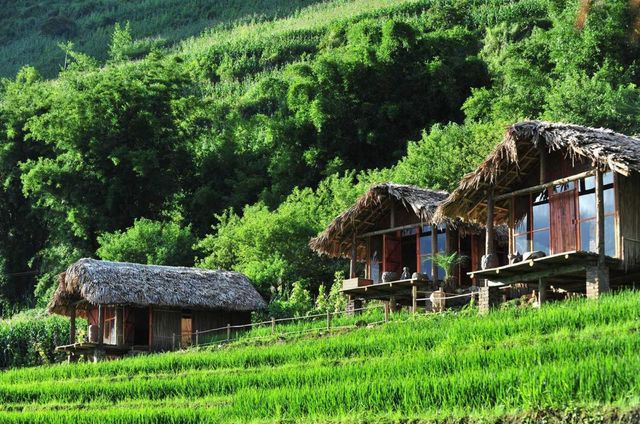
Ta Van Village is one of the most attractive destinations in Sapa, famous for the peaceful beauty of stretching terraced fields, traditional stilt houses nestled on hillsides, and the unique culture of highland ethnic groups. Situated in the poetic Muong Hoa valley, Ta Van not only offers magnificent natural scenery but is also a place for visitors to feel the peaceful, rustic, and close-to-nature lifestyle of the local people.

If you are planning to explore Sapa and want to learn more about Ta Van Village, the detailed Ta Van Village travel guide from A to Z below will provide all the necessary information, such as how to get there, the ideal time to visit, prominent attractions, must-try experiences, accommodation, dining options, and useful tips. This will be your perfect guide for a smooth, complete, and memorable journey to one of the most beautiful villages in the Northwest region.
Where is Ta Van Village Located?

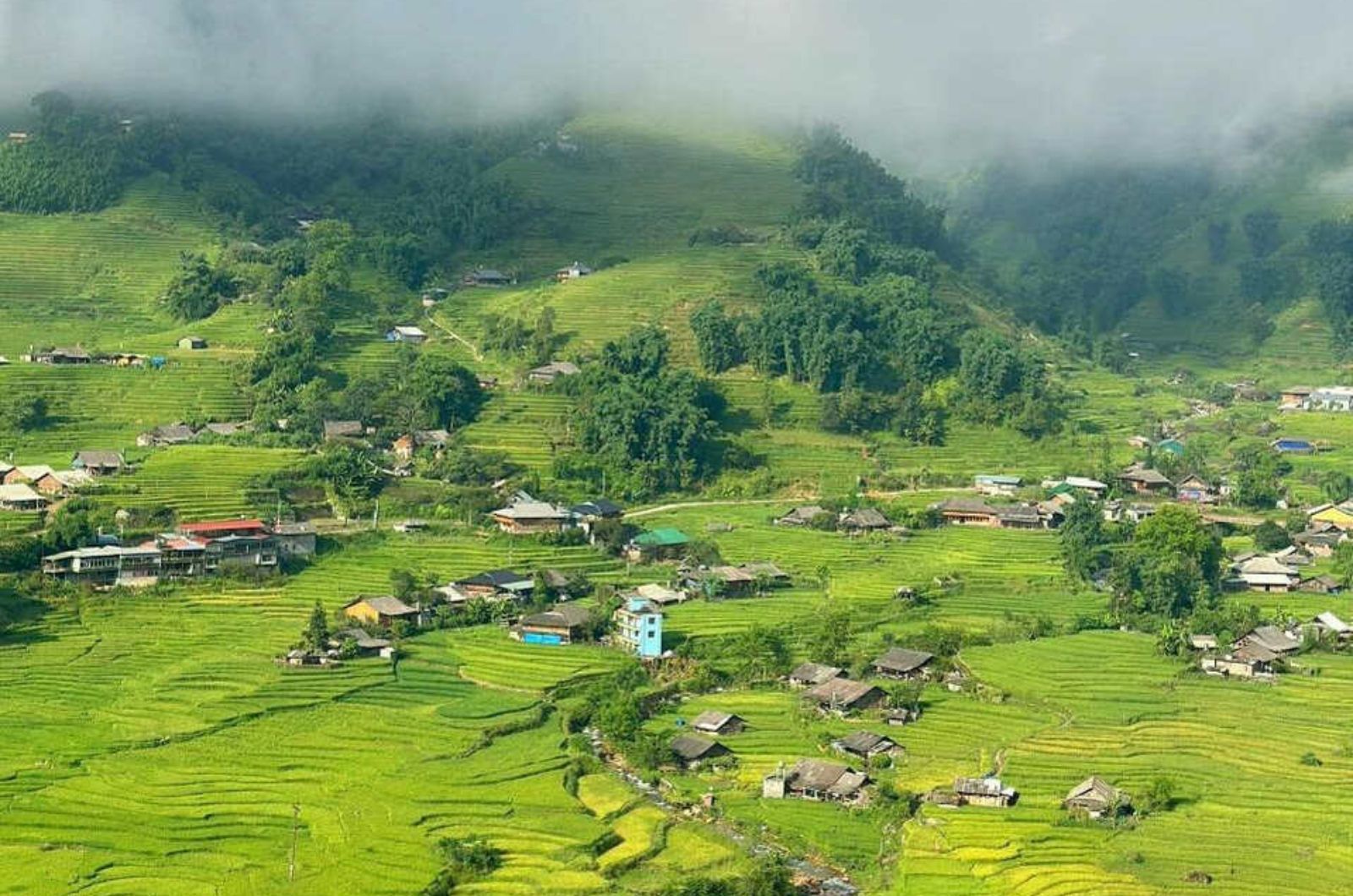
Ta Van Village belongs to Ta Van Commune, Sa Pa District, Lao Cai Province. It is located about 10–12 km southeast of Sa Pa town center, nestled within the majestic Muong Hoa Valley.

  • Geographical Location: Backed by the Hoang Lien Son mountain range and facing the winding Muong Hoa stream. The village comprises hamlets such as Ta Van Giay (predominantly Giay people), integrated with nearby Lao Chai.
  • Characteristics: A compact yet culturally rich area with traditional stilt houses, terraced fields, and fresh air, secluded from the noisy pace of central Sa Pa. In the Hmong language, "Ta Van" means "large arc".

This destination is ideal for travelers who love ecotourism, gentle trekking, and community cultural experiences.

Highlighted by stilt houses and terraced fields
Photo: Highlighted by stilt houses and terraced fields 

Guide on How to Get to Ta Van Village Most Conveniently

Getting to Ta Van is relatively easy thanks to paved roads, but weather conditions should be kept in mind due to the mountainous terrain.

From Hanoi or Other Provinces:

  • Sleeper bus or train to Sa Pa Station / Sa Pa town center (about 6–8 hours from Hanoi).
  • Then take local transport.

From Sa Pa Town Center to Ta Van (approx. 30–40 minutes):

  1. From Sa Pa Stone Church - follow Cau May Street - turn onto Muong Hoa Street.
  2. Follow Muong Hoa stream, past Lao Chai village - reach the Ta Van ticket booth.
  3. From the booth, go about 1–2 km further across a small iron bridge to enter the village.

Recommended Transport Options:

  • Motorbike: Most flexible option, rental costs around 120,000 - 200,000 VND/day. Great for sightseeing and stopping for photos. Roads have many bends and steep slopes; drive carefully in rainy weather.
  • Taxi or Motorbike Taxi (Xe Om): Convenient for groups or first-timers, priced around 200,000 - 400,000 VND/one-way (depending on negotiation).
  • Trekking: The popular route is Y Linh Ho – Lao Chai – Ta Van (5–6 km, 2–3 hours). Most beautiful during ripe rice season, best combined with a local tour guide.
  • Electric Buggy / Shuttle Bus: Available through select homestays or tours.

Note: Purchase ticket for Muong Hoa Valley sightseeing (around 75,000 VND/adult, 50,000 VND/child). Road conditions have improved, but drive slowly and bring a raincoat and ID documents.

Exploring the Poetic Natural Beauty of Ta Van Village

Boasting impressive natural landscapes alongside unique cultural spaces of ethnic minority communities, Ta Van Village stands out as one of the most attractive destinations in Sa Pa.

  • Terraced Rice Fields: A stunning highlight, especially during the water-pouring season (May–June) and golden harvest season (September–October). Terraced plots embrace the mountainsides, reflecting sunlight to create a vivid landscape picture.
  • Muong Hoa Stream and Suspension Bridge: Babbling stream waters flow through the valley; the Muong Hoa suspension bridge is a hot check-in spot. Surrounding areas feature bamboo forests, small waterfalls, and mist-shrouded skies.
  • Atmosphere and Views: Sunrise and sunset are the best times to enjoy the view. Fresh air, birdsong, and cool mountain breezes offer pure relaxation.

You can do light trekking, take photos, or enjoy scenic views by the stream. Winter brings mystical fog, while summer showcases lush greenery. It is suitable for both day trips and overnight stays.

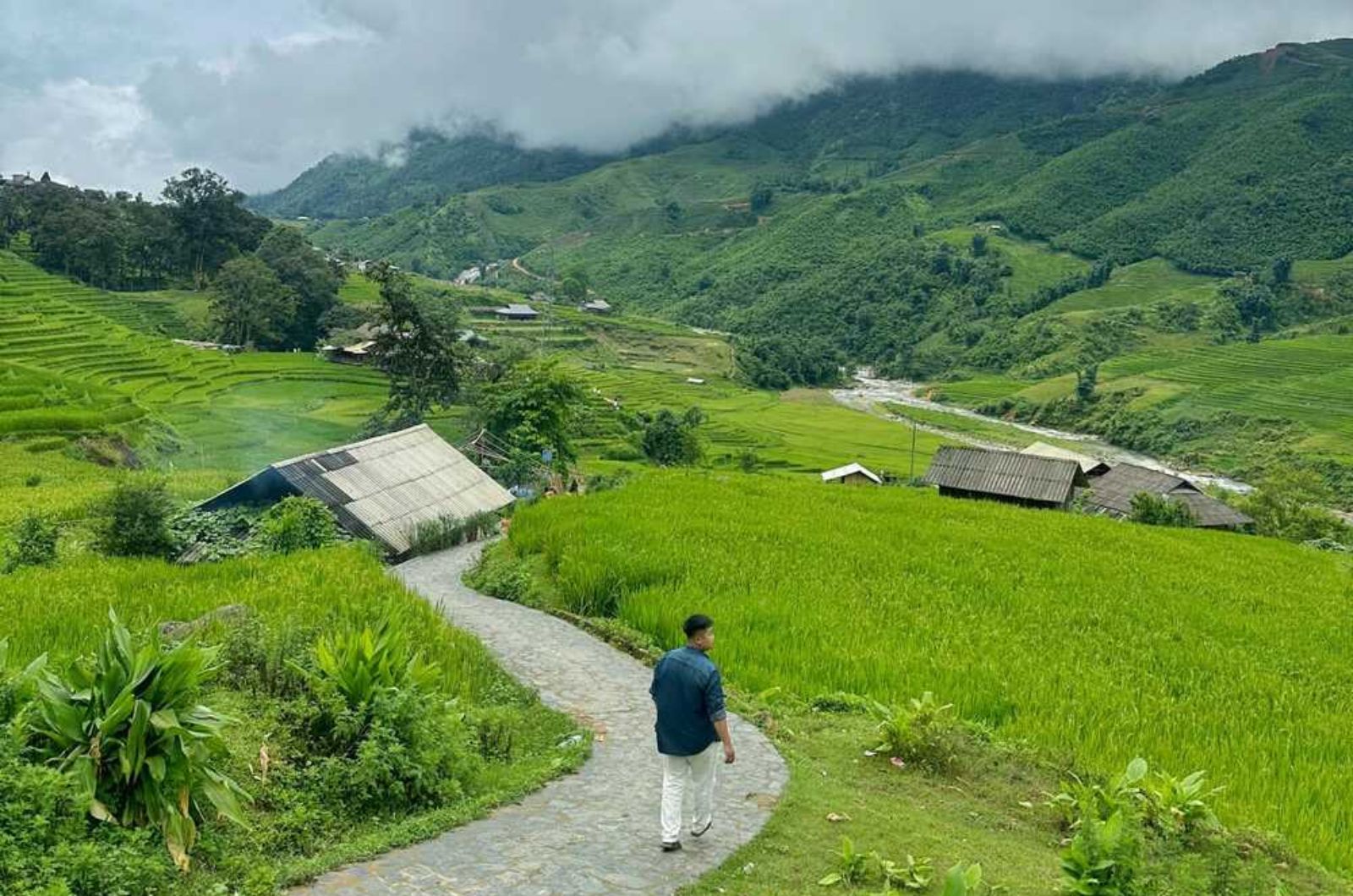
Strolling around Ta Van village
Photo: Strolling around Ta Van village 

Experiencing Unique Giay Culture in Ta Van Village

Ta Van Village is home primarily to the Giay ethnic group, along with Hmong and Red Dao communities, preserving many distinctive traditional cultural values of the Northwest highlands.

  • Ancient Stilt Houses: Visit decades-old stilt houses to learn about traditional architecture and local daily life.
  • Traditional Handicrafts: Try brocade weaving, indigo dyeing, and embroidery, discovering the craftsmanship of local artisans.
  • Ethnic Cuisine: Savor local specialties such as five-color sticky rice, grilled stream fish, free-range pork, wild vegetables, and traditional corn wine.
  • Customs and Festivals: Learn about traditional festivals, folk songs, and unique cultural traits passed down through generations.
  • Homestay Experience: Stay at local homestays, participate in daily routines, and embrace the peaceful rhythm of mountain life.

These experiences enrich your trip while offering deep insights into the cultural identity of Sapa's highland communities.

Enjoying traditional dishes of local people
Photo: Enjoying traditional dishes of local people 

Highlight Attractions Near Ta Van Village

Besides the peaceful charm of Ta Van Village, visitors can combine their trip with nearby famous destinations to make their Sapa journey more diverse and complete.

  • Lao Chai Village: Located adjacent to Ta Van, featured by stunning terraced fields, poetic trekking paths, and characteristic Hmong cultural spaces.
  • Sapa Ancient Rock Field (Muong Hoa Rock Field): A unique archaeological complex with hundreds of boulders carved with mysterious symbols and patterns, regarded as a site of special historical value in the Northwest.
  • Muong Hoa Valley: A renowned destination with majestic mountain landscapes, winding Muong Hoa stream, and terraced fields stretching amid romantic nature.
  • Other Top Sapa Sightseeing Spots: Visitors can combine trips to Cat Cat Village, Ham Rong Mountain, Fansipan Peak via cable car, or Ta Phin Cave to fully appreciate the natural beauty and culture of Sapa.

Combining Ta Van Village with nearby famous sites promises a rich Sapa exploration that balances nature, culture, and relaxation.

Admiring the green rice season in Ta Van Village
Photo: Admiring the green rice season in Ta Van Village  

Ta Van Village captivates travelers not only with picturesque terraced fields and peaceful mountain settings, but also with opportunities to discover the unique cultural heritage of Northwest ethnic groups. From trekking trails across Muong Hoa Valley and traditional stilt houses to local culinary delights and a slow-paced lifestyle close to nature, all create a special charm for one of Sapa's most beloved destinations.

We hope this detailed A-Z Ta Van Village travel guide helps you easily plan your upcoming trip. If you wish to save time and enjoy a seamless journey, check out our packaged Ta Van Village tours by Sovaba Travel featuring well-planned itineraries, professional service, and exciting experiences. In addition to Ta Van Village, travelers can explore Muong Hoa Valley, Cat Cat Village, Ham Rong Mountain, Fansipan Peak, and many other famous spots to fully feel the nature and cultural beauty of misty Sapa.

Articles related to Ta Van Village