|

Back Home

Tour Động Phong Nha
TRAVEL GUIDEPhong Nha Cave

Phong Nha Cave – dubbed the "First Cave Wonder", is not only the pride of Quang Binh but also a precious gem of Vietnamese tourism. With its rare, majestic, and magnificent beauty, it has been recognized by UNESCO as a World Natural Heritage site, attracting tourists with its splendid stalactites and mystical cave system.  

The journey to explore this "underground paradise" will become more complete than ever with this detailed guide from Sovaba Travel. This will be your reliable companion, providing all the necessary information for you to confidently begin your journey of discovering the wonders of one of the most impressive natural wonders on the planet. 

Discovery Process and History of Phong Nha Cave

The existence of Phong Nha Cave was recorded very early in Vietnamese history. In 1550, the scholar Duong Van An was the first to document this cave in records. During the Nguyen Dynasty, Phong Nha Cave was regarded as a majestic natural symbol, carved onto the Nine Dynastic Urns placed in the Imperial City of Hue. In 1824, King Minh Mang bestowed upon it the title 'Dieu ung chi than' (Deity of Miraculous Response), and subsequent Nguyen kings continued to confer the honorific title 'Than Hien Linh'.  

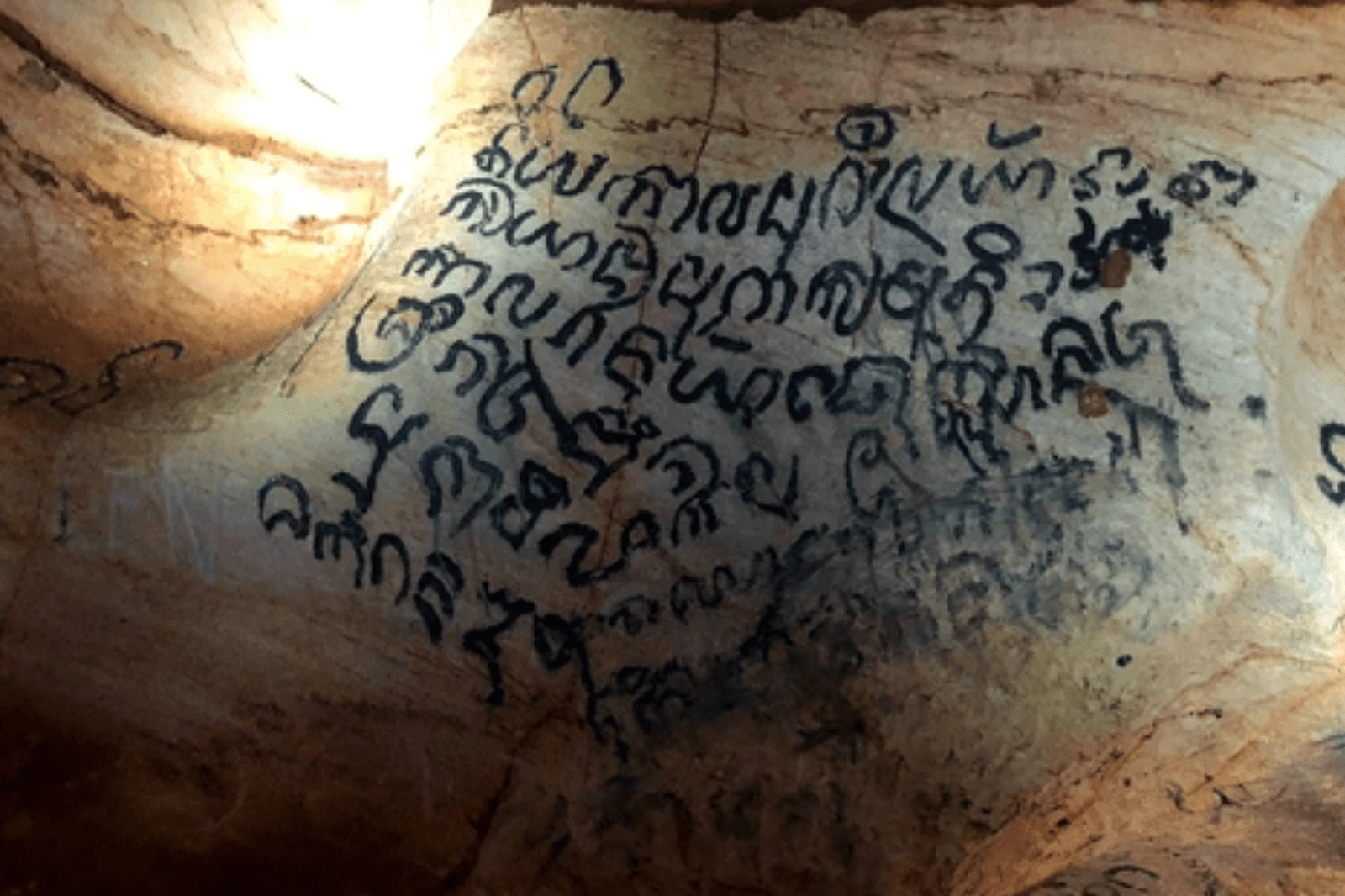
Ancient inscriptions inside Phong Nha Cave
Photo: Ancient inscriptions inside Phong Nha Cave

In 1935, a local resident accidentally discovered a dry cave located about 1,000 meters from the entrance of Phong Nha Cave, at an elevation of 200 meters above sea level. This was a crucial discovery opening up potential for deeper research into this cave system.  

The name 'Phong Nha' means 'Wind and Teeth Cave', originating from the unique shape of the cave mouth and the strong wind blowing from within. Currently, scientists have surveyed a total length of 7,729m for Phong Nha Cave; however, tourists can only visit the first 1,200 meters. In 1997, Phong Nha Cave officially opened for tourism, becoming one of Quang Binh's most prominent destinations.  

Beyond its natural value, historically, Phong Nha Cave served as an important military base during the resistance war against the US. With its vast cave system and rugged terrain, the location contributed to glorious national feats of arms. Today, Phong Nha Cave is not only a natural wonder but also a historical witness preserving important imprints of the past.

The Wonder and Beauty of Phong Nha Cave

Renowned as the 'Number One Wonder', Phong Nha Cave possesses a picturesque beauty where nature has crafted a harmonious masterpiece between dry and water caves.  

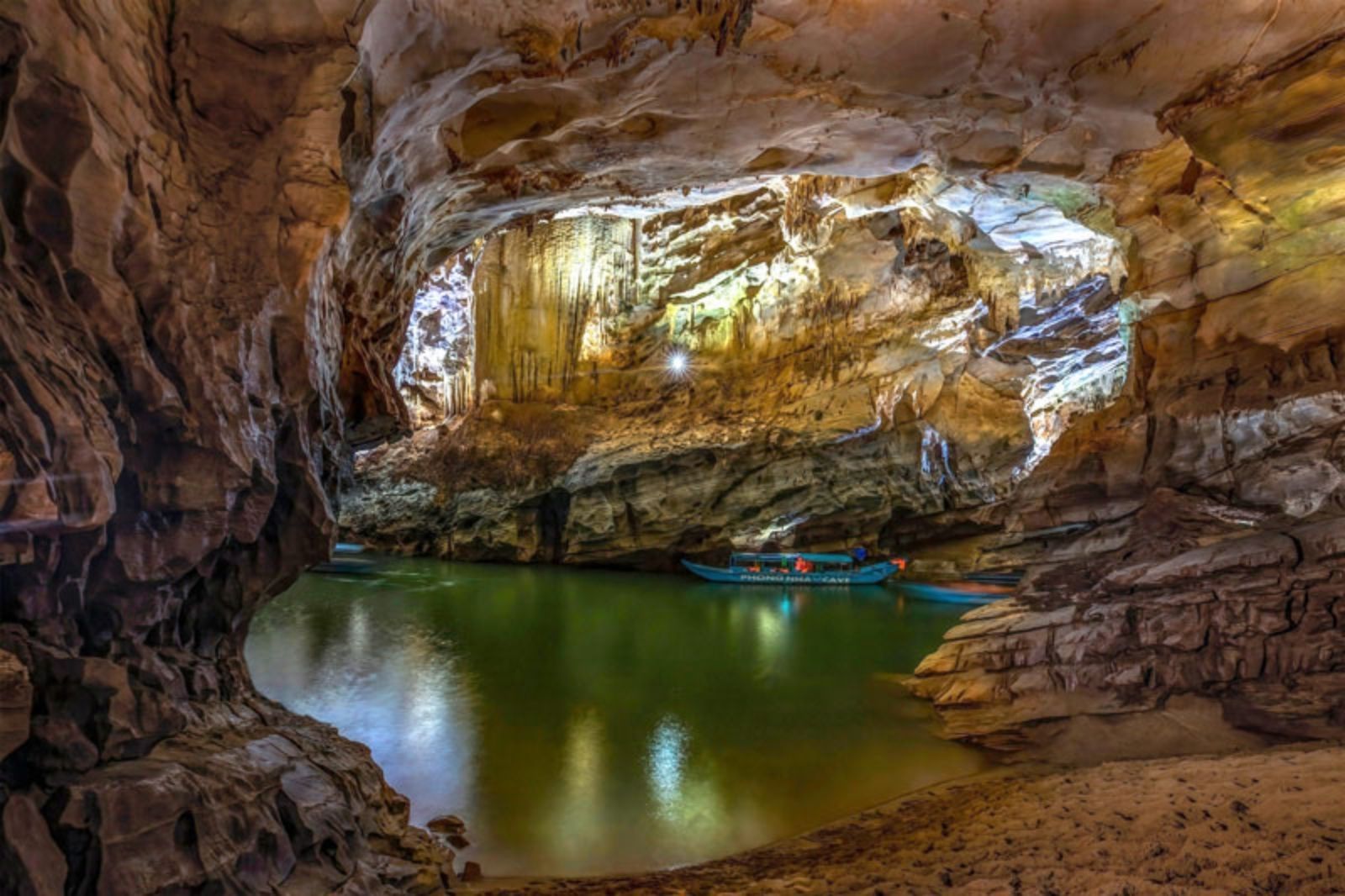
Stepping into the cave, visitors will be awestruck by the magnificent system of stalactites and stalagmites formed over millions of years. Unique stalactites with extraordinary shapes create a mysterious world that stimulates the traveler's imagination.  

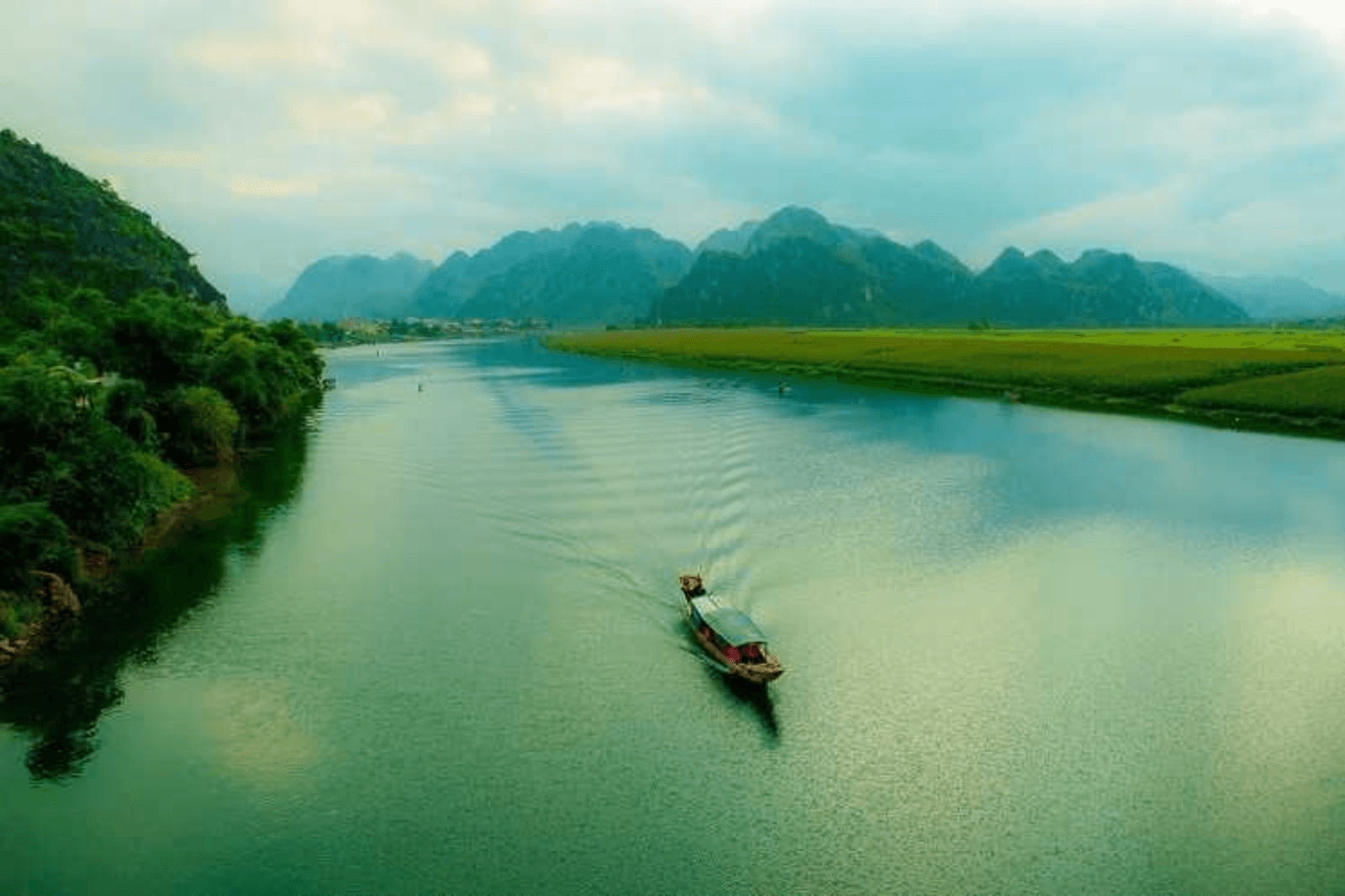
The romantic underground Son River flows right through the heart of the cave, winding under majestic arches to create a magical, fairy-like space. Under the reflected lights, the emerald-green water merges with stalactites to form a vivid natural painting that shifts with every moment.  

Beauty of the Son River
Photo: Beauty of the Son River

In addition to breathtaking scenery, the cave interior features expansive sandbanks and rock beds, serving as perfect stopping points for visitors to enjoy tranquility inside the cave. Notably, the elevated dry cave features a winding wooden staircase leading travelers to conquer and explore the splendid stalactite formations on the cave ceiling. It all blends into a captivating discovery journey, taking visitors into the mysterious world of one of the world's finest caves.

Ideal Time to Explore Phong Nha Cave

To enjoy a complete trip and fully appreciate the beauty of Phong Nha Cave, choosing the right time is crucial. Quang Binh has two distinct seasons: the dry season (March – September) and the rainy season (October – February of the following year). Each season offers unique characteristics and distinct experiences for travelers.  

Dry season (March – September):  

The dry season is the best period to visit Phong Nha Cave. Dry and bright weather with little rain facilitates easy movement, cave exploration, and outdoor activities such as spring bathing, trekking, camping, and more. Notably, the Son River is crystal-clear during this season, allowing you to fully admire the romantic beauty of this legendary river.  

However, summer in Quang Binh is quite hot, especially in June, July, and August. Therefore, travelers should prepare light clothing, sunscreen, hats, and always carry water to avoid dehydration. Furthermore, this is peak tourist season, attracting large crowds, especially during holidays and weekends. To avoid room shortages or price surges, it is recommended to book your hotel and tours well in advance.  

Rainy season (October – February)

The rainy season brings a completely different charm to Phong Nha Cave—cool, fresh, and free from the scorching summer heat. The natural landscape becomes greener and more romantic after rains, offering visitors a peaceful, relaxing feel. If you prefer quiet spaces away from crowds, this is an ideal time to enjoy the cave's pristine beauty.  

However, the rainy season comes with a few limitations. Sudden downpours or heavy rain can disrupt tour schedules, so you should pack raincoats, umbrellas, and check weather forecasts before departing. Son River water during this season may turn murky due to runoff, but boat tours remain safe for visitors. Certain outdoor activities like camping and trekking may be restricted due to unfavorable weather conditions.  
Guide on How to Get to Phong Nha Cave

To explore Phong Nha Cave—one of Vietnam's most famous natural wonders—you first need to get to Quang Binh, then travel onwards to the Phong Nha – Ke Bang tourism area. Below are popular modes of transportation to help you plan your journey conveniently.  

Getting to Quang Binh  

By Air: If you wish to save time, flying is the best option. Dong Hoi Airport is the main gateway, served by airlines such as Vietnam Airlines, Vietjet Air, Bamboo Airways, and Pacific Airlines. Popular flight routes include Hanoi – Dong Hoi, Ho Chi Minh City – Dong Hoi, and Da Nang – Dong Hoi.  

By Train: If you enjoy a relaxing trip admiring scenic views along the way, taking the train is an ideal choice. You can disembark at Dong Hoi Railway Station on the North-South railway line.  

By Bus: High-quality sleeper bus networks connect Dong Hoi with many cities such as Hanoi, Da Nang, Hue, and Ho Chi Minh City. This is a budget-friendly option with multiple daily departures.  

Traveling from Dong Hoi to Phong Nha Cave  

After arriving in Dong Hoi, you need to travel about 45 km to reach the Phong Nha – Ke Bang tourism area. There are various modes of transportation suited to different needs:  

If you enjoy independent travel, you can rent a car or motorbike to explore freely. The road from Dong Hoi to Phong Nha is relatively easy to drive, but you should have a valid driver's license and be familiar with local traffic.  

If traveling in a small group or with children/elderly family members, taking a taxi is a safe and comfortable option. Popular taxi brands in Dong Hoi such as Mai Linh, Xanh SM, and Tien Sa are readily available.  

If you want to save costs, you can catch bus line 06 from Dong Hoi Bus Station to Phong Nha. However, buses have fixed schedules and can get crowded during peak tourist seasons.  

Reference Ticket Prices 2026

When planning your exploration of Phong Nha Cave, checking ticket prices and transportation costs in advance will help you better prepare your budget. Below is key information for your reference:  

  • Entrance ticket: 150,000 VND/adult. Children under 1.3m enjoy free admission.  
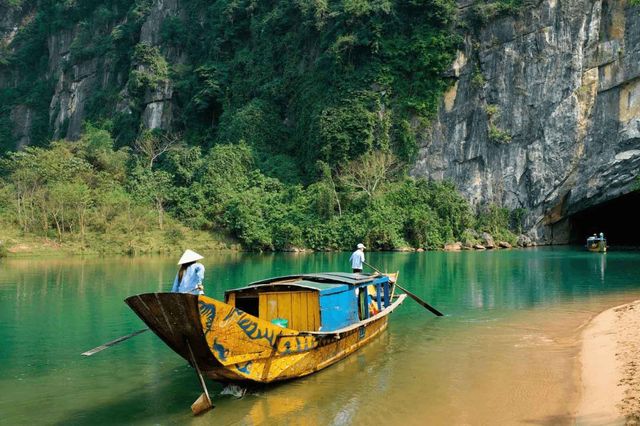
  • Boat rental fee: 700,000 VND/boat (life jackets included), maximum capacity of 12 passengers, including children.  

If traveling in a small group, you can join other tourists to share the boat rental fee, reducing costs while still enjoying the full experience. Additionally, booking tickets in advance during peak season is recommended to avoid overcrowding or price surges.

Join groups at the boat pier to save costs
Photo: Join groups at the boat pier to save costs 

We hope this self-guided travel guide to Phong Nha Cave from Sovaba Travel provides you with valuable tips for an unforgettable trip. In addition, you can check out our Phong Nha Cave tours to enjoy a smoother trip with well-crafted itineraries and rewarding experiences. Don't forget to follow Sovaba Travel for helpful Quang Binh travel tips and discover countless other exciting destinations!

Articles related to Phong Nha Cave