Phong Nha Cave is dubbed the "First Cave of the South" or "Number One Cave Wonder" thanks to its unique records, making it stand out in the cave systems of Vietnam and the world. According to the British Cave Research Association (BCRA), this cave meets 7 top criteria: the longest water cave (28km), the highest and widest cave entrance (10m high, 20-25m wide), the widest and most beautiful underground sand and rock banks, the most beautiful underground lake, the most magnificent stalactites with diverse shapes, the longest underground river in Vietnam (1,500m), and the highest and widest dry cave.
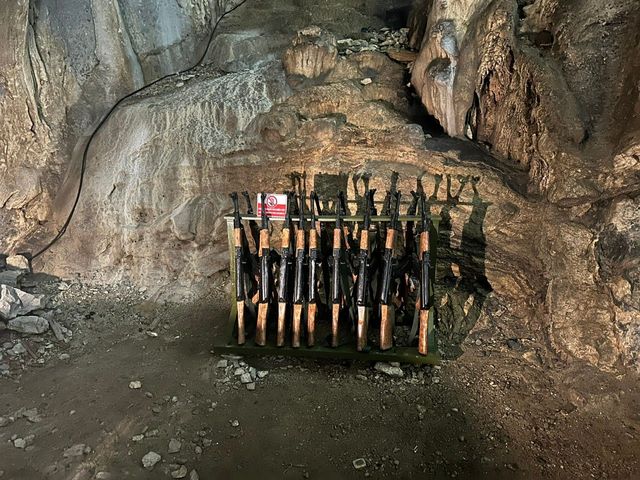
Discovered in 1899, the cave is located in the Ke Bang limestone mountain area, about 50km northwest of Dong Hoi City, and served as a historic shelter during the anti-American war. The total length of the cave reaches up to 7,729m, with more than 12 main caves and many sub-branches, creating a geological system formed millions of years ago with high scientific and tourism value. Not only beautiful in landscape, the cave also contributes to biodiversity conservation, harboring rare animal species such as monkeys, squirrels, and otters.