How many traditional festivals are there in Quang Binh? List of prominent festivals

Central

Quang Binh

Sovaba.travel

Updated at: 24/09/2026

1. Traditional Boat Racing Festival

  • Time: September 2nd every year (coinciding with National Day).

  • Location: Kien Giang River, Le Thuy district.

Every year, as autumn arrives, the Kien Giang River echoes with the lively sound of drums and enthusiastic cheers from the people of Le Thuy welcoming the traditional boat racing festival on September 2nd – an event that not only marks National Day but is also the long-standing pride of this land. More than just a test of physical strength, the boat racing festival carries a profound meaning of martial spirit, solidarity, and prayers for favorable weather and bountiful harvests. Recognized as a national intangible cultural heritage, the festival serves as a bridge connecting the past with the present, where cultural values are passed down from generation to generation.  
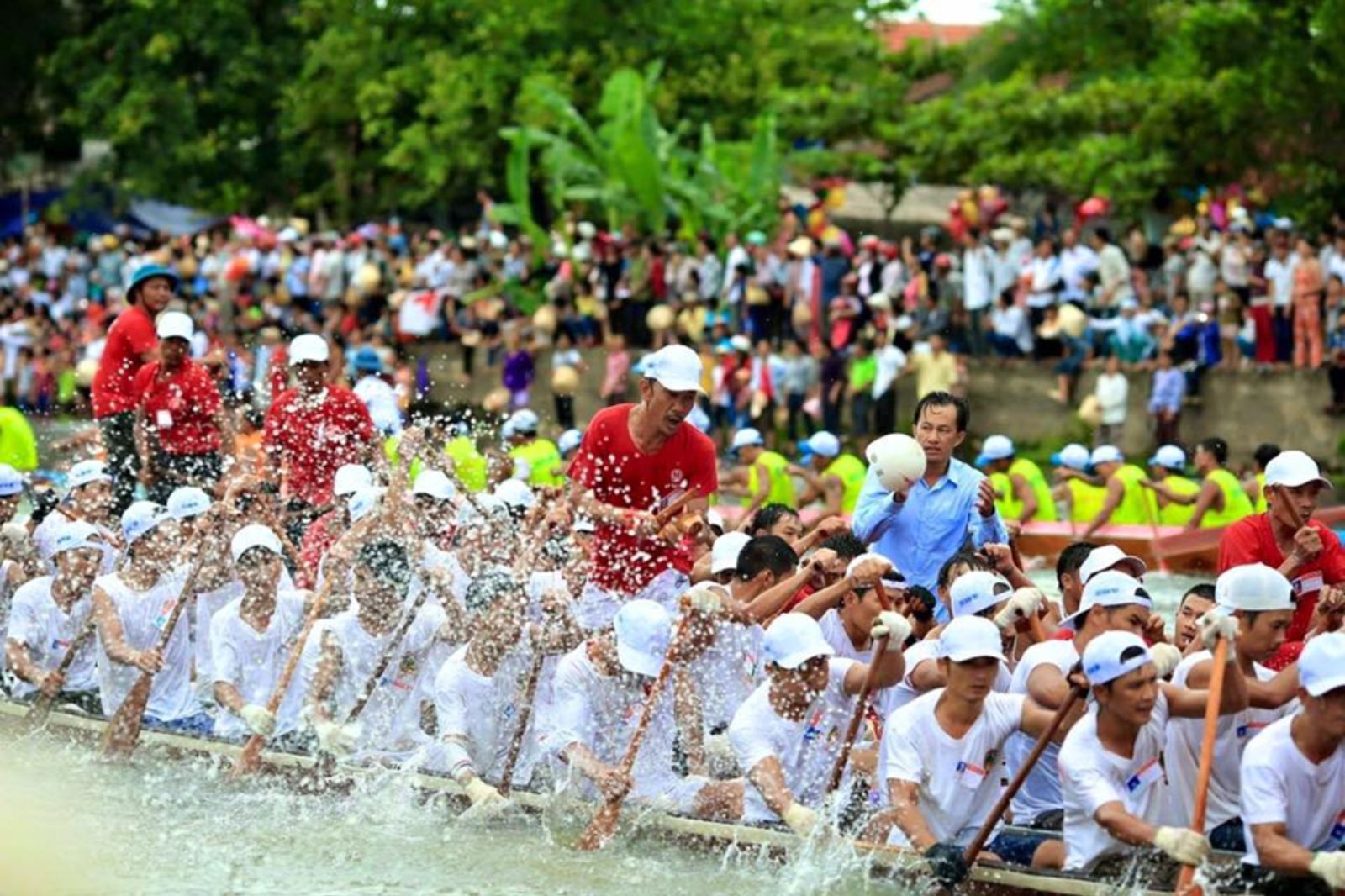
Boat racing festival in Le Thuy - Quang Binh

Photo: Boat racing festival in Le Thuy - Quang Binh

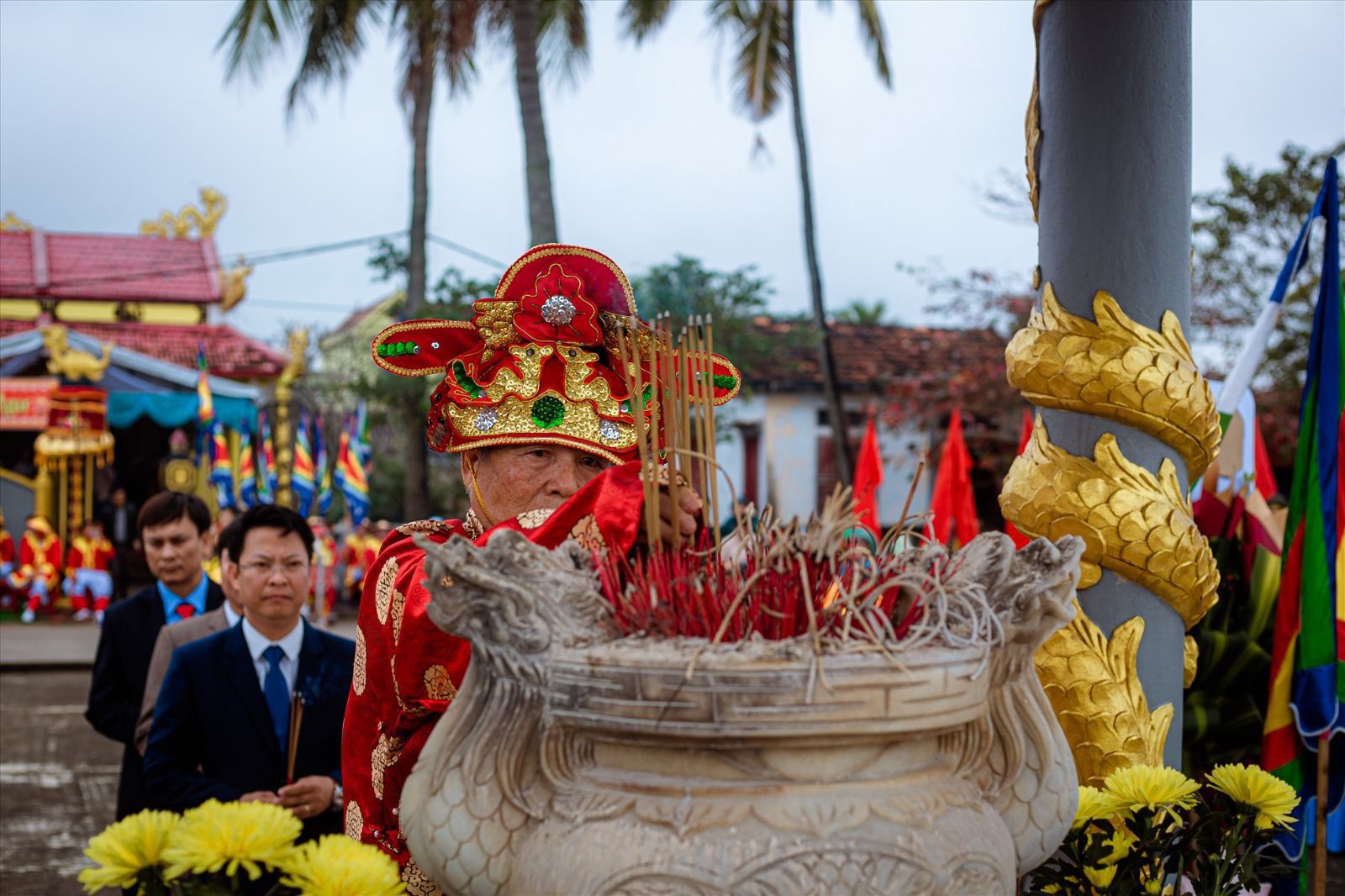
Before the official race begins, the village head takes the boat to offer worship and present offerings to the deities to pray for a smooth festival and victory for their village's team. The traditional wooden boats, intricately carved and vividly painted, speed across the water amid urging drumbeats and thunderous cheers from spectators on both banks. On shore, the atmosphere is equally festive with echoing tunes of Le Thuy Ho Khoan folk singing, rhythmic dances blending with fluttering colorful banners, creating a festival atmosphere that is both heroic and poetic.  

To preserve this beauty, local authorities and residents not only conserve the racing boats but also maintain traditional rituals, ensuring the festival retains its inherent identity. And so, once a year, the Kien Giang River witnesses fiery competitions, not only on the water but also in the hearts of the people, where hometown pride always burns brightly.
2. Cau Ngu Festival

  • Time: Usually on the full moon of the first lunar month (or other months depending on the village, such as the 4th lunar month).

  • Location: Coastal villages such as Canh Duong (Quang Trach), Bao Ninh, Ly Hoa, Hai Ninh...

Recognized as a national intangible cultural heritage, the whale worshipping festival (Cau Ngu festival) is not only a custom but also an identity and a belief deeply rooted in the lives of coastal residents for generations. Each place and region has its own unique features, but all share a common devotion toward the sea and Lord Nam Hai, the deity who protects peaceful sea voyages and guarantees boats filled with fish.

Amidst the vast expanse of the ocean, the festival comes alive with magnificently decorated boats, banners fluttering in the wind, harmonizing with drumbeats, net-hauling chants, and echoing rustic folk melodies. On shore, rituals worshipping the sea god are solemnly performed, interspersed with flower dances and Ba Trao singing performances, creating a vivid picture that is both sacred and rich in artistic value. Not only a religious event, the Cau Ngu festival is also an occasion for the community to bond, share fishing experiences, and educate future generations about love for their homeland and gratitude toward nature. Even as time passes, the festival continues to be preserved as a source of pride, carrying forward the resilient spirit of Quang Binh fishermen throughout generations.

Fishermen's Cau Ngu ceremony in coastal areas

3. Drum Beating Festival

  • Time: Evening of the 16th day of the 1st lunar month.

  • Location: Ca Roong Village, Thuong Trach Commune, Bo Trach District.

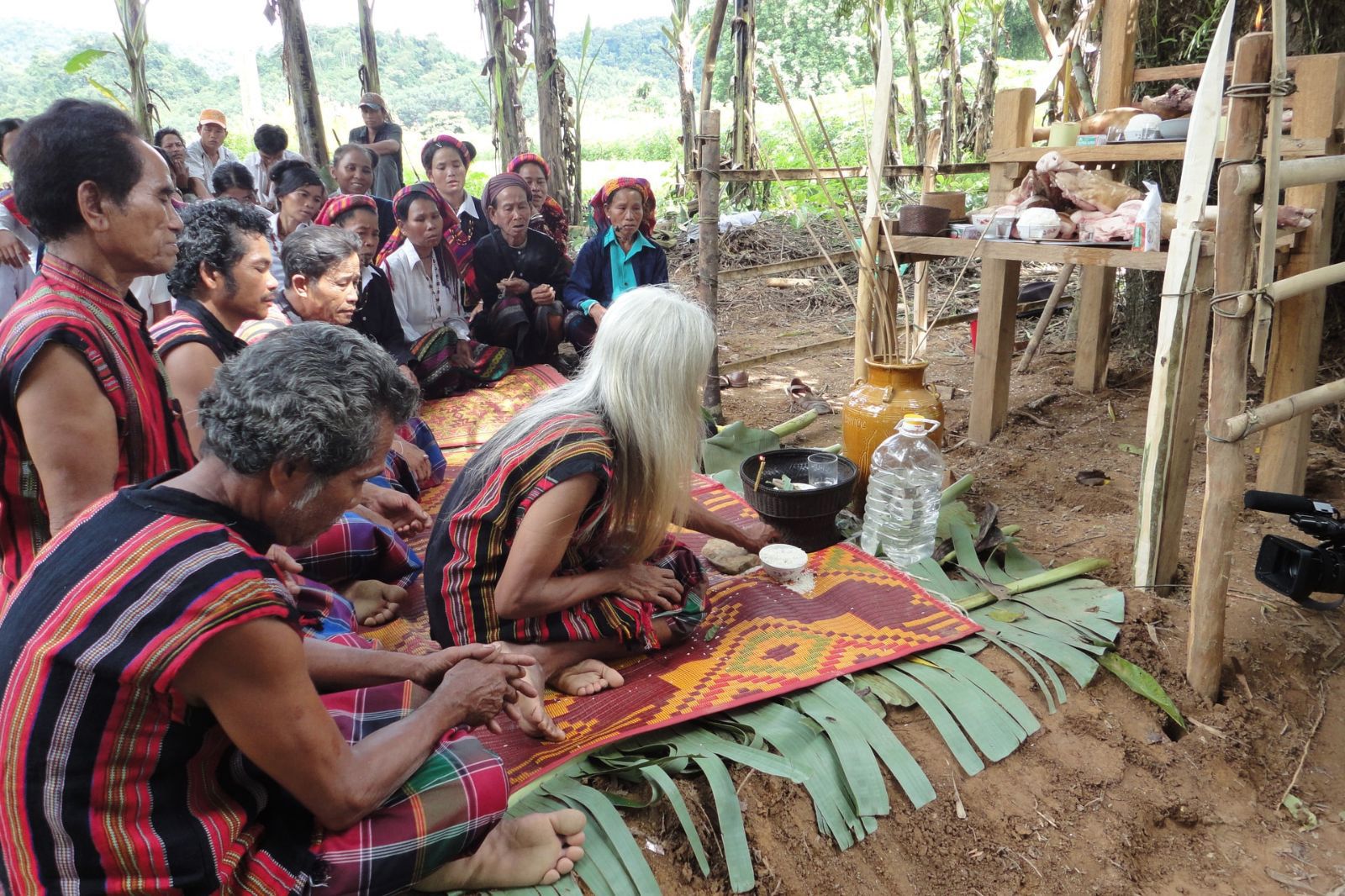
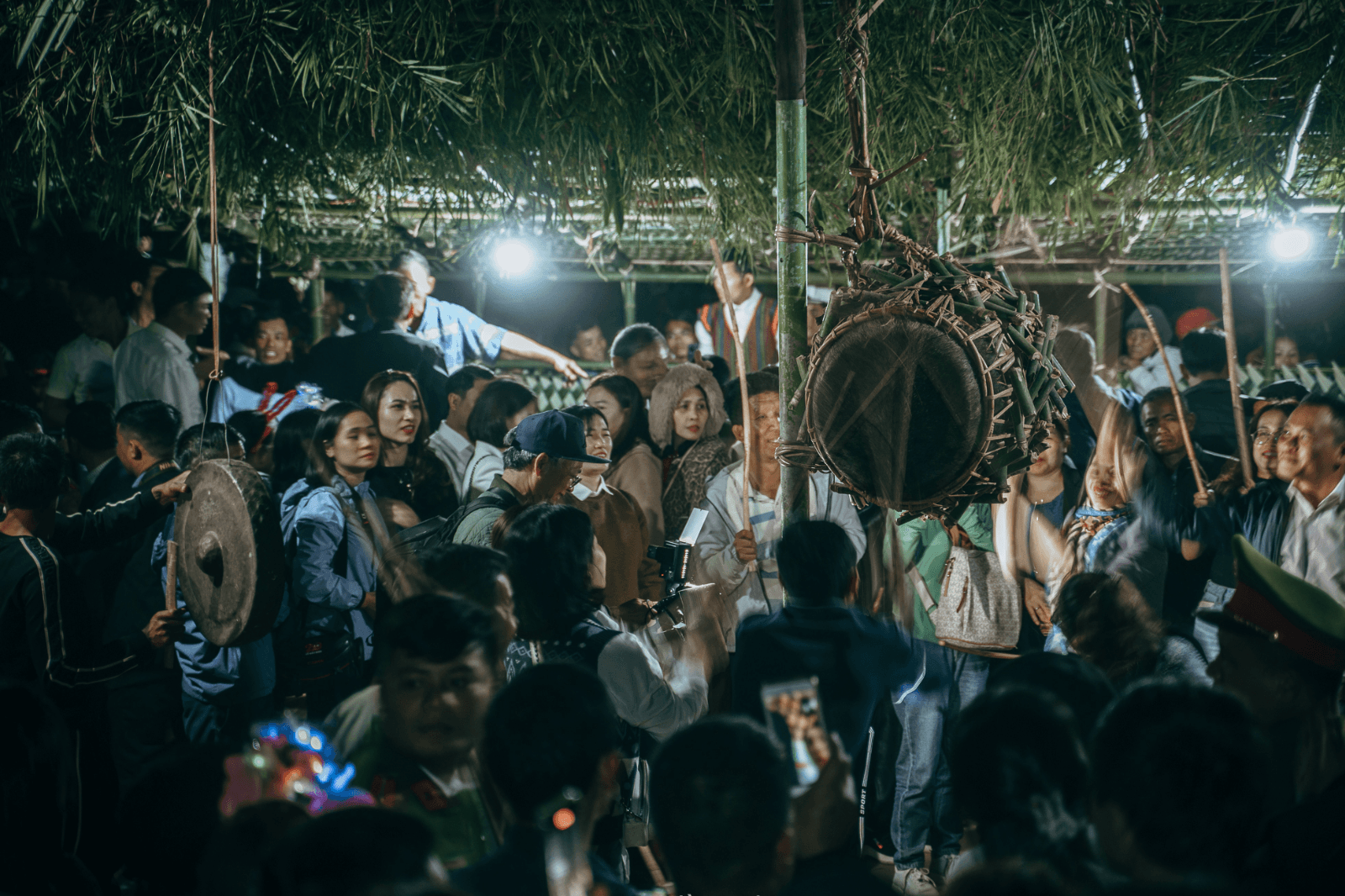
On the night of the 16th day of the first lunar month, as darkness falls over the Truong Son mountains and forests, Ca Roong village in Thuong Trach commune, Bo Trach district glows brightly in flickering firelight, accompanied by the resounding drumbeats echoing through the wilderness. This signals a vibrant festive night for the Ma Coong people, where the entire village gathers to immerse themselves in the sacred atmosphere of the Drum Beating Festival.

Recognized as a national intangible cultural heritage, the festival is not only an ancient custom but also carries profound spiritual value, demonstrating the solidarity of the local ethnic minority community. When the drumbeats start, the rapid rhythm blends with the sound of gongs and excited cheers, creating a vital symphony. The offering tray to Giang (God) is simply prepared yet deeply imbued with mountain flavors, featuring can wine, grilled chicken, stream fish, sticky rice, wild banana blossoms, rattan shoots, and doac tree stem sections—gifts bestowed by heaven and earth. The drum is beaten continuously, reverberating through the mountains and forests until the drumhead breaks open, which is also the moment when young men and women find each other, exchange glances, hold hands, and dance around the campfire.

Ma Coong people's drum beating festival

Photo: Ma Coong people's drum beating festival 

In that mystical space, every drumbeat is a wish for a peaceful new year, abundant crops, and a quiet, safe village. The festival brings not only joy but also serves as a bond connecting the community, where ancestors' stories are handed down and traditional songs continue to resound through generations. With preservation efforts by the locals and attention from the government, the Drum Beating Festival remains a lasting pride of the Ma Coong people, a unique cultural piece in Quang Binh's colorful mosaic.

4. Rice Sowing Festival

  • Time: From the 11th to 14th day of the 7th lunar month.

  • Location: Truong Son Commune, Quang Ninh District.

Rice dibbling (Tray Lua / Tria Lua) is not merely an agricultural custom; it is also a long-standing cultural tradition where humans and nature become one, praying for favorable weather, bumper harvests, and peaceful villages. The festival takes place on a high mound at the foot of Chong Mountain, beneath shady ancient trees, where a shrine made of bamboo rests against the mountain, facing Khe Cat Mountain—popularly known as Wife Mountain. In that space, each rice grain sown into the earth carries not only life but also sincere devotion. The sound of gongs reverberates through the mountains and forests, harmonizing with rhythmic dances and rustic folk songs, creating a vivid cultural tapestry.

Not only bearing spiritual significance, the festival is also a bond connecting generations, as elders dedicatedly pass down farming experience while the youth eagerly learn and preserve their ethnic group's traditional beauty. Thanks to community cooperation and cultural preservation programs, the Rice Dibbling Festival maintains enduring vitality, like rice shoots growing green and sturdy amid the Truong Son wild forests.

Rice dibbling festival of the Bru-Van Kieu ethnic people

Photo: Rice dibbling festival of the Bru-Van Kieu ethnic people

5. Crop Praying Festival

  • Time: From the 14th to 16th day of the 4th lunar month.

  • Location: Bao Ninh Commune, Dong Hoi City.

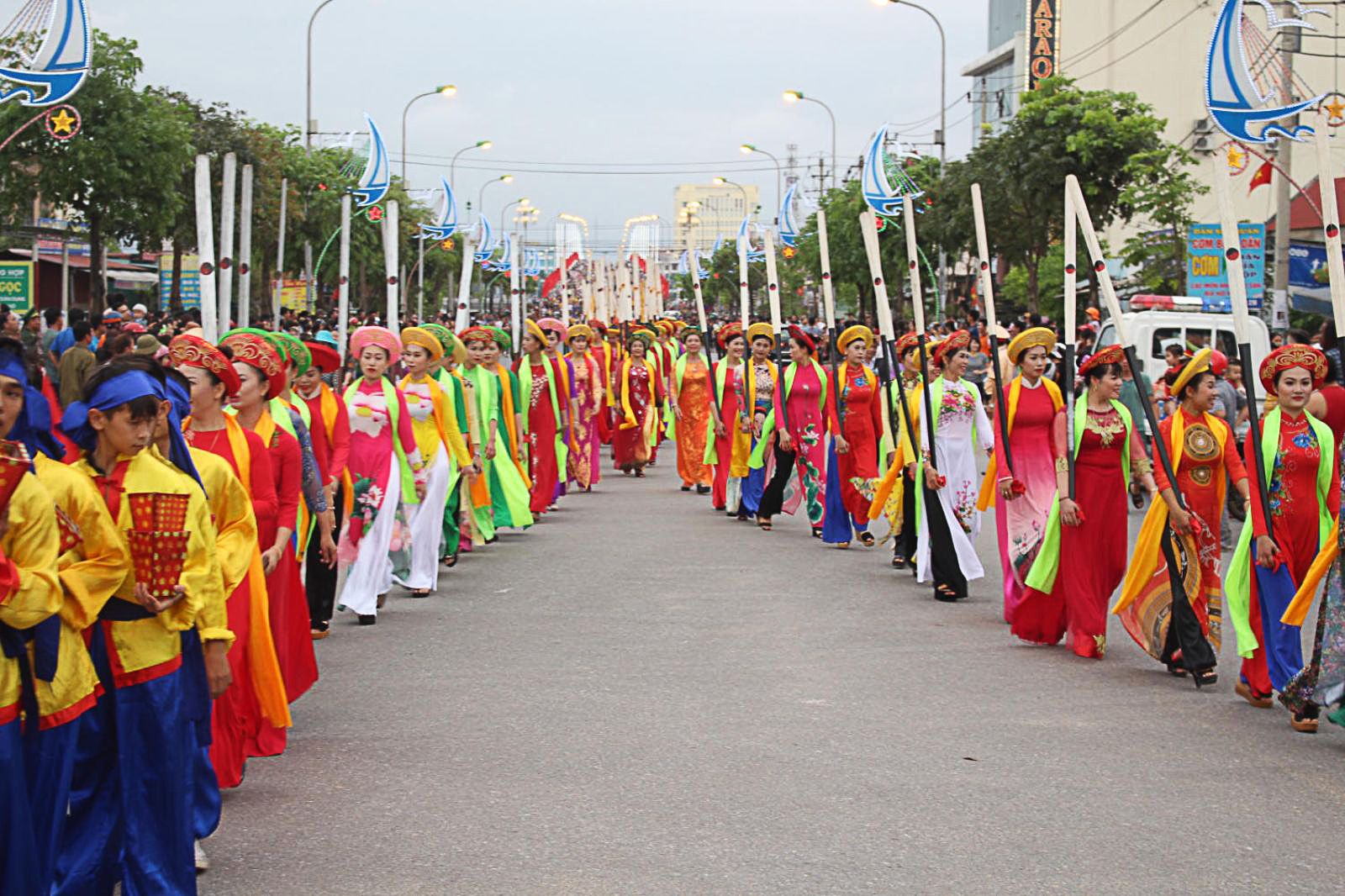
Every year, when the fourth lunar month arrives, the people of Bao Ninh commune, Dong Hoi city, enthusiastically prepare for the Harvest Praying Festival (Cau Mua Festival), a sacred spiritual ritual. Amid the expansive sea and sky, bathed in cool breezes from the East Sea, the festival is not only a traditional custom but also a symbol of aspirations for prosperity, praying for favorable weather, good crops, and an abundant life. 

The centerpiece of the festival is the solemn worshipping rituals, where local residents respectfully offer simple yet gratitude-filled items to heaven and earth. Along with these, vibrant community activities take place: from graceful dances and rustic folk songs to traditional games rich in local cultural color. Participants dress in vibrant costumes, blending into the joyful atmosphere and turning the festival into a vivid depiction of coastal life. 

Although not yet nationally recognized, thanks to joint preservation efforts by the community and the growth of tourism, the festival remains fully preserved like a persistent cultural undercurrent flowing through generations, maintaining the soul of the Bao Ninh coastal region.

 Harvest praying festival in Bao Ninh - Quang Binh

Photo: Harvest praying festival in Bao Ninh - Quang Binh

6. Bai Choi Festival

  • Time: Usually during the Lunar New Year (the 1st day of Tet and spring festivals).

  • Location: Many places such as Vo Ninh (Quang Ninh), communes in Le Thuy, Dong Hoi...

When yellow apricot blossoms bloom along every path and festival drums joyously announce the arrival of spring, it is also time for the Bai Choi festival in Thuong village, Vo Ninh commune, Quang Ninh district to open festively. Taking place from the 1st to 3rd day of Tet, the festival is not just a folk game, but a place to meet, exchange, and connect the community through graceful, rustic antiphonal singing. 

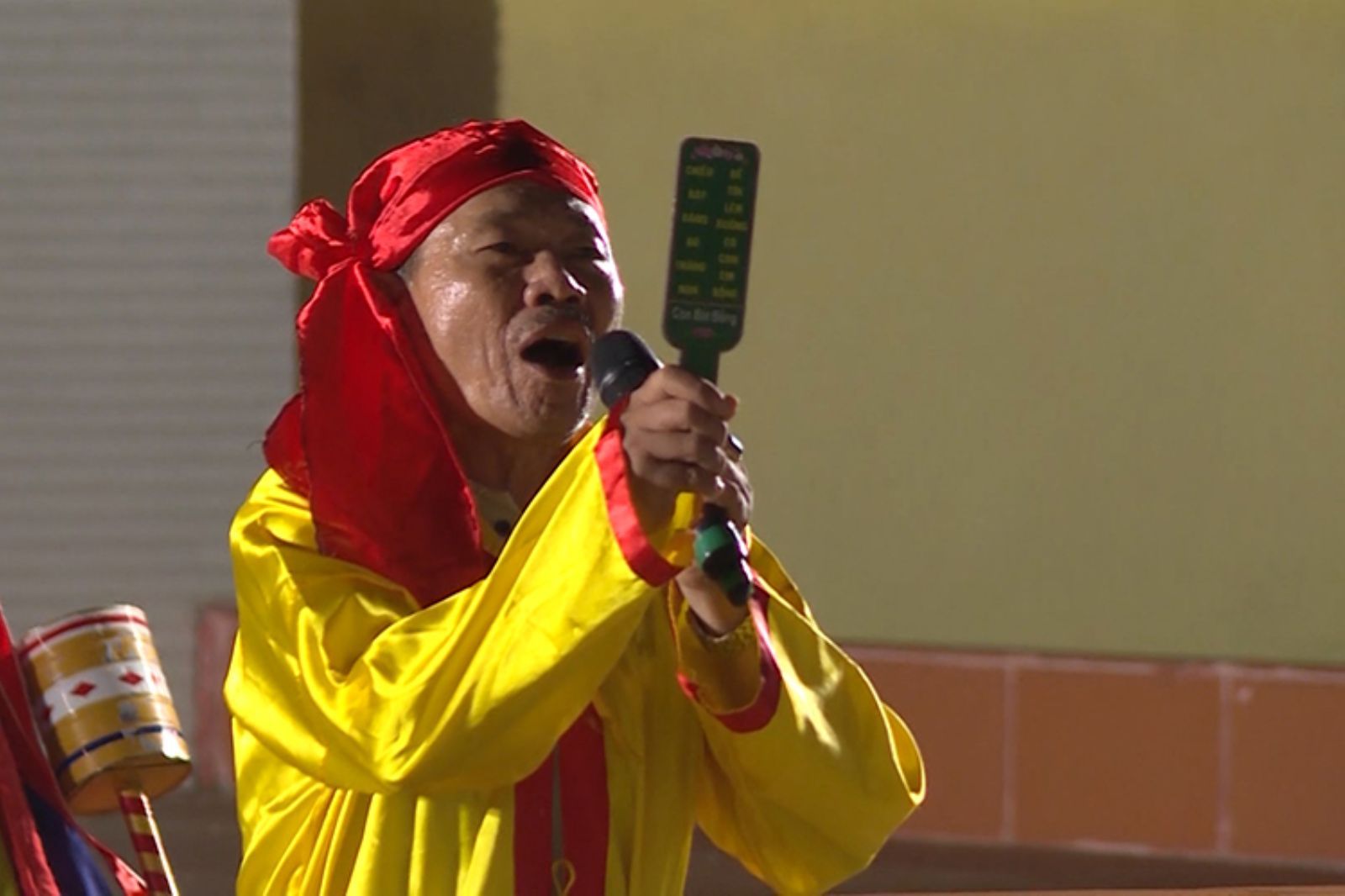
Bai Choi – an UNESCO-recognized intangible cultural heritage, carries the breath of rustic life, where card calling chants and merry folk tunes harmonize with the crisp laughter of participants. Artisans in traditional costumes sing in voices both rustic and captivating, taking the audience through meaningful folk stories. Not only a Tet pastime, the festival also contributes to preserving and spreading the unique artistic value of Bai Choi, helping the younger generation better understand and love their homeland's culture. 

Organized regularly every year, with support from major cultural events such as Dong Hoi Culture - Tourism Week, Bai Choi still maintains its strong vitality, becoming the pride of Quang Binh people every spring.

Bai Choi festival - Quang Binh

Besides the six traditional festivals, Quang Binh also has deity procession ceremonies at village communal houses and the bong dance and cheo can performance festival, which, although not considered separate standalone festivals, still play an important role in the spiritual cultural life of local residents. The richness and diversity of the festivals serve as a mirror reflecting the distinctive cultural tapestry of this land. 

Each festival not only preserves its own identity but also carries traditional values passed down through generations. This is not only an occasion for the community to gather and thank the deities, but also an educational tool for the younger generation, helping them understand and cherish their nation's cultural heritage. Thanks to national recognition and joint preservation efforts from the community, these festivals not only survive but continue to thrive, becoming vibrant cultural highlights that attract visitors from near and far. Every participation in a Quang Binh festival offers visitors a chance to experience a lively cultural space, immerse themselves in customs rich in Quang Binh identity, and take home unforgettable memories.

Loading......

Featured destinations