|

Back Home

Ho Khoan Le Thuy - National Intangible Cultural Heritage

Central

Quang Binh

Sovaba.travel

Updated at: 31/08/2026

1. What is Le Thuy Ho Khoan?

Ho Khoan Le Thuy is a characteristic type of folk song in Le Thuy District, Quang Binh Province, formed through collective labor and community activities. It is not only a performing art form but also the "breath" of the people in the countryside of Lao winds and white sand, where the Kien Giang River flows. According to cultural documentation, Ho Khoan Le Thuy carries a poignant and deep melody, reflecting the thoughts and feelings of working people, from love for their homeland to everyday emotions.

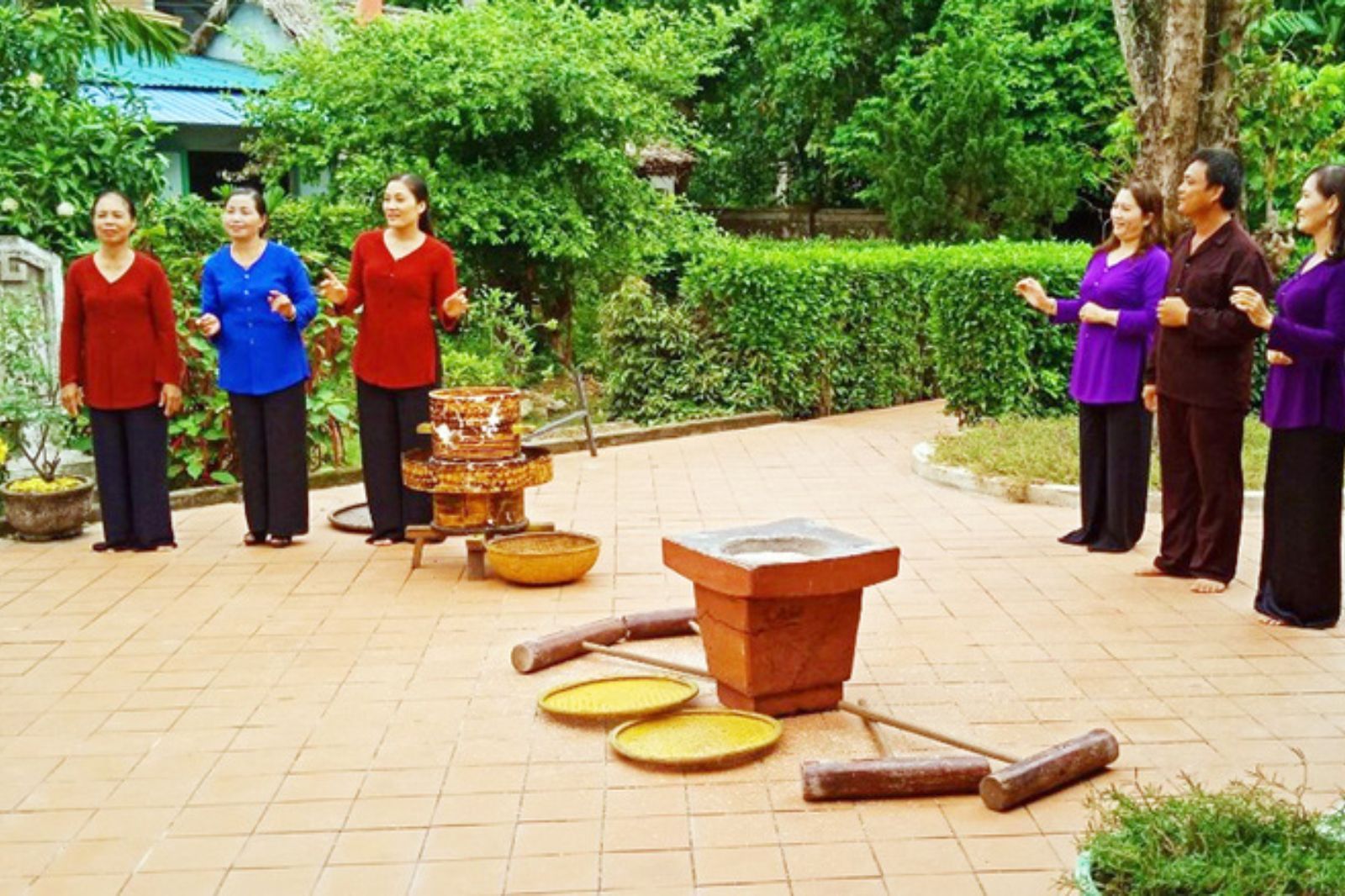
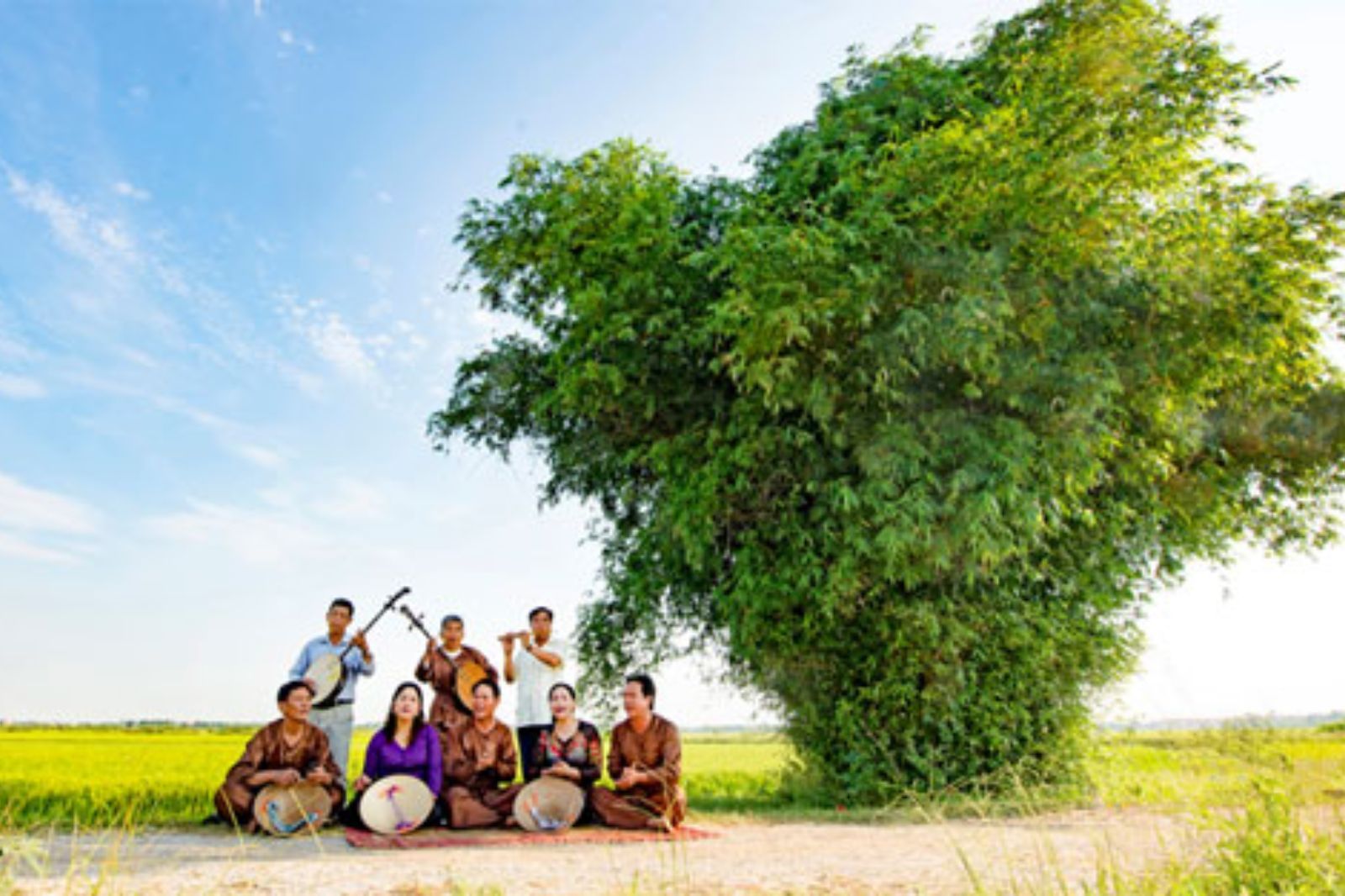
The name "Ho Khoan" originates from rhythmic chants during labor. "Ho" is the chant to set the rhythm, while "khoan" evokes the leisure and graceful movement of rowing oars on the Kien Giang River. A characteristic feature of this art form is the call-and-response singing between an individual and a group, rich in improvisation, using rustic yet deep local dialect. Without needing an elaborate stage or orchestra, Ho Khoan simply blends with the sound of the Erhu (two-stringed fiddle), wooden clappers, rice-pounding pestles, or simply hand clapping, which is enough to touch people's hearts.
Folk chants originating from simple daily life

Photo: Folk chants originating from simple daily life

2. The origin and history of Le Thuy Ho Khoan

Ho Khoan Le Thuy originated around the 15th century in the land of Le Thuy, along the peaceful Kien Giang River. From the early days of land reclamation and village expansion, the chants echoed amid the rhythms of oars, rice pounding, in rice fields, or on ferry trips up and down the river. It was not only a way for workers to dispel tiredness, but also a voice of the heart conveying faith, love for their homeland, and aspirations for a prosperous life.

By the 16th century, as the Kien Giang River became the lifeline of daily life and trade, the chants were continuously enriched and refined to form Ho Khoan Le Thuy, a melody deeply imbued with the soul of Central Vietnam. Despite interacting with folk music from Thanh - Nghe - Tinh, Ho Khoan retained its own rustic, profound, and lyrical qualities, truly reflecting the spirit of the riverside countryside folk. Through historical fluctuations, the sound of Ho Khoan has never faded. During the years of resistance wars, the chants rang out amid bombs and bullets, boosting morale and becoming a "singing voice drowning out bomb blasts", encouraging the army and people to resiliently overcome hardships and maintain faith in the day of peace.

On May 8, 2017, Ho Khoan Le Thuy was officially inscribed by the Ministry of Culture, Sports and Tourism as a National Intangible Cultural Heritage. This recognition not only affirms the value of a unique folk song genre, but also honors the enduring vitality of a heritage that has nourished the souls of generations of people along the Kien Giang River for more than half a millennium.

Ho Khoan to the people of Le Thuy is like a lifeline flowing through the years

Photo: Ho Khoan to the people of Le Thuy is like a lifeline flowing through the years

3. Cultural space and performance context

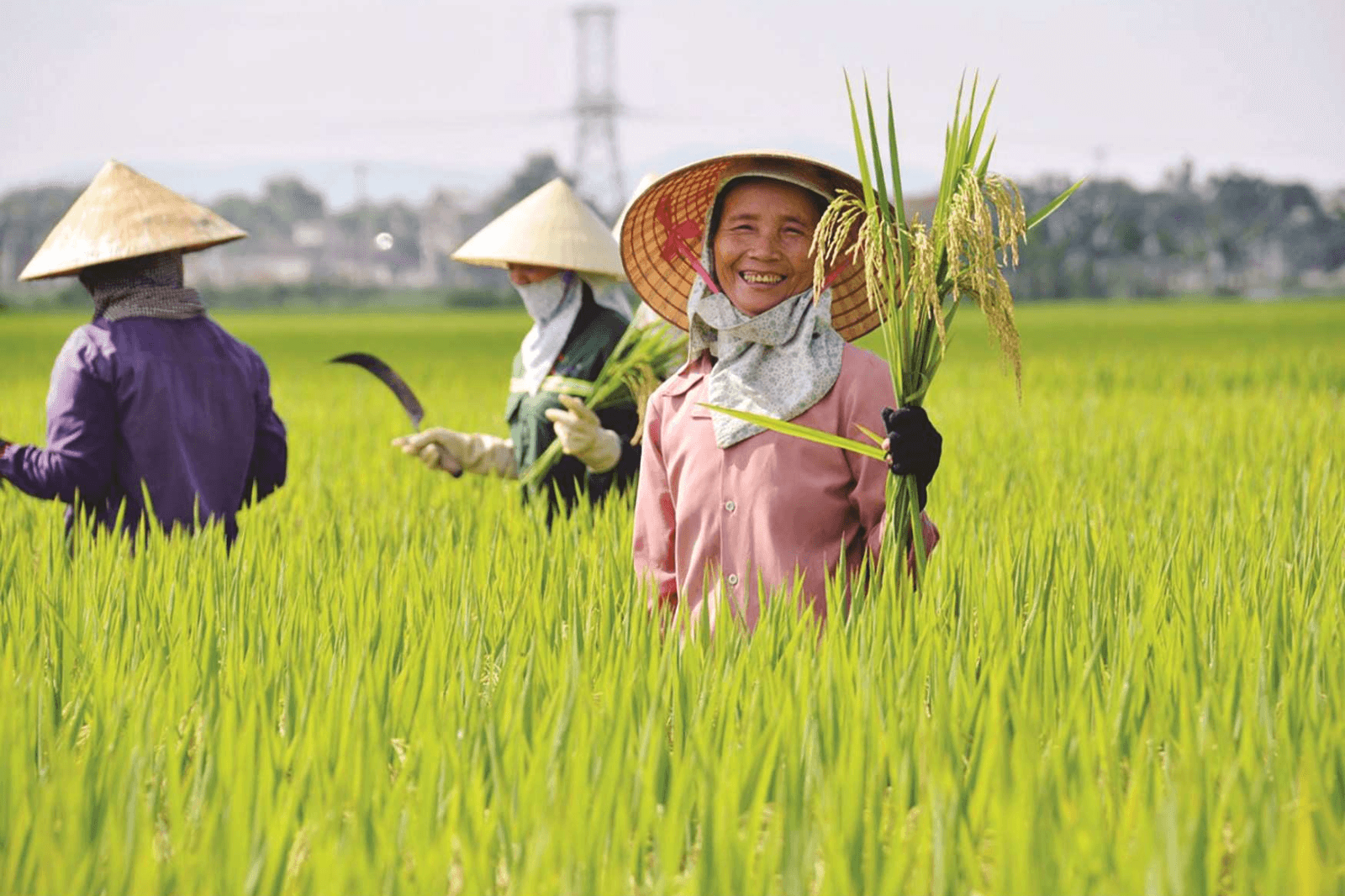
The cultural space of Ho Khoan Le Thuy is closely linked to the daily life of the local people. It is often performed during collective labor such as plowing fields, pounding rice, rowing boats on the Kien Giang River, or during village festivals. For example, during the traditional boat racing festival or the National Day event on September 2, visitors can participate in call-and-response singing on boats, creating a lively atmosphere.

  • Ho can (Land chants): Performed in the fields, rice pounding, house building, or logging with strong rhythms to encourage labor.

  • Ho nuoc (Water chants): Performed on the river while rowing boats, poignant and lyrical, telling stories of love and emotions.

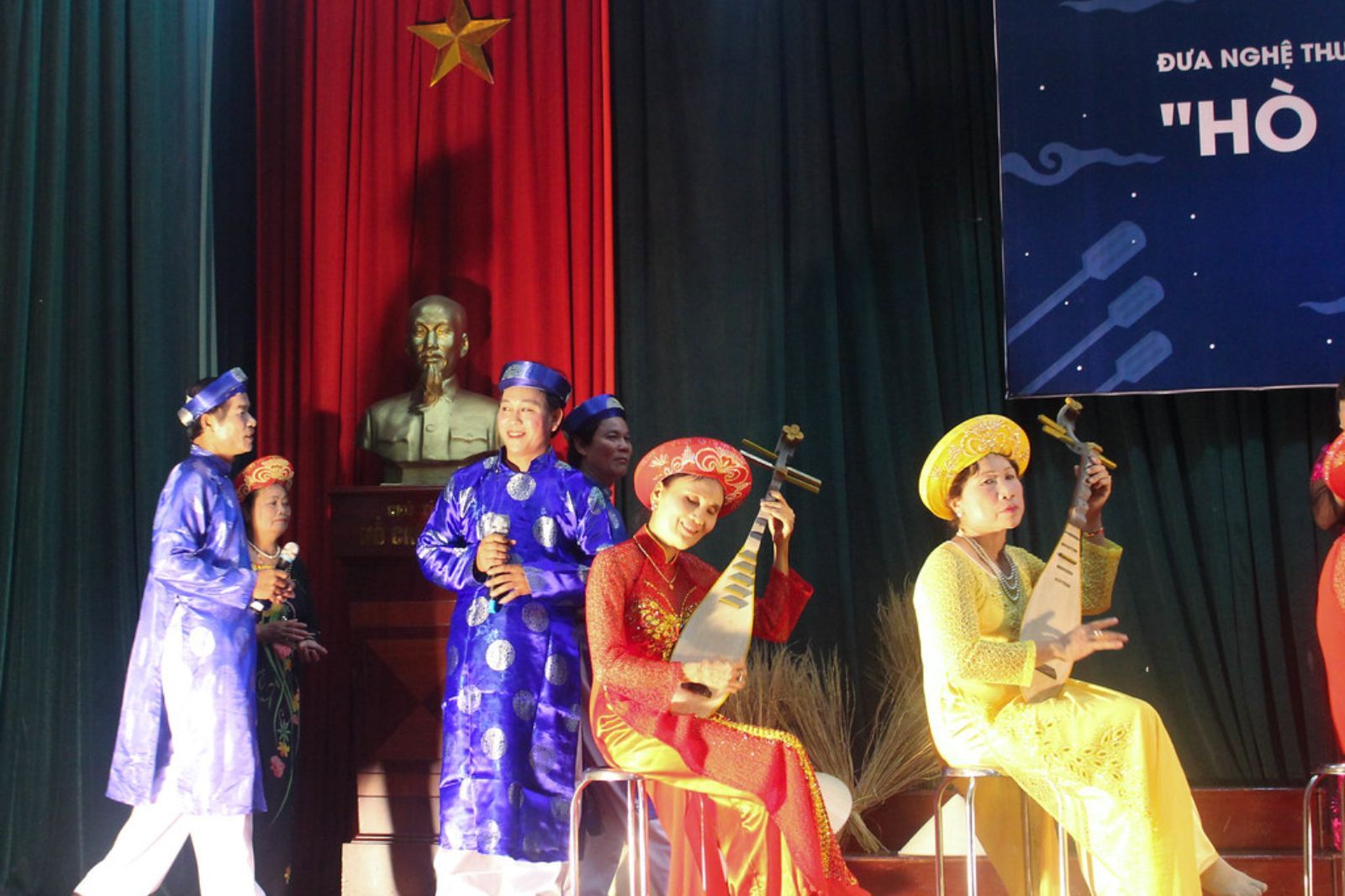
Ho Khoan appears in labor, village festivals, weddings, and especially the Le Thuy Boat Racing Festival on National Day, September 2. The main performance form is call-and-response singing between the lead singer ("ho cai") and the chorus ("ho con"), creating a warm, vibrant, and culturally rich atmosphere. Today, Ho Khoan Le Thuy is performed in cultural programs, schools, and tourism activities, contributing to spreading, preserving, and handing down traditional cultural values to future generations.

Becoming a national intangible cultural heritage

Photo: Becoming a national intangible cultural heritage

4. Unique features of Le Thuy Ho Khoan

The unique feature of Ho Khoan Le Thuy lies in its rustic yet sophisticated call-and-response singing style. The lead singer must be quick-witted and flexible in improvisation, while the respondent needs to be tactful, graceful, and rich in folk vocabulary. It is this natural interaction that creates the distinct charm of this performing art form.

Ho Khoan consists of 9 distinct sub-genres (melodies) known as "mai ho", such as Lia trau, Mai nhai, Mai ruoi, Mai che, Mai nen, Mai ba, Mai xap, Mai ho khoi, and Mai ho Nau xam. Each "mai ho" possesses its own melody, rhythm, and emotional nuance, reflecting the working lives of inhabitants ranging from mountainous and plain regions to river and coastal areas.

The chant lyrics use rustic, image-rich local dialect, praising the homeland, labor, romantic love, devotion, and human values. Combined with traditional pentatonic melodies, simple folk instruments, and spontaneous singing techniques, Ho Khoan Le Thuy has become a vibrant folk art form, connecting the community and preserving the cultural soul of the Kien Giang region.

5. Cultural and historical values of Le Thuy Ho Khoan

On May 8, 2017, the Ministry of Culture, Sports and Tourism officially recognized Ho Khoan Le Thuy as a national intangible cultural heritage, under Decision No. 1666/QD-BVHTTDL. This recognition not only honors its artistic value but also emphasizes the historical role of this melody in preserving the cultural identity of Quang Binh, standing out among hundreds of heritages to become a national symbol.

Ho Khoan Le Thuy is a profound crystallization of Quang Binh folk culture, preserving the memories, souls, and rhythm of life of generations of local people. Culturally, Ho Khoan is not merely songs, but also a bond connecting the community, helping people ease the hardship of labor, while clearly reflecting regional identity—both liberal and salty like the sea, yet solemn and deep like the mountains. Throughout history, especially during the fierce war years, Ho Khoan Le Thuy became a singing voice inspiring patriotism and stirring the resilient spirit of the Binh - Tri - Thien people through melodies like “Binh Tri Thien in Flames”, vividly recreating the arduous yet heroic resistance atmosphere.

Inspiring the younger generation remains urgent to preserve this cultural beauty
Photo: Inspiring the younger generation remains urgent to preserve this cultural beauty

Ho Khoan Le Thuy is not just an annual cultural activity, but also a bridge between the past and present, connecting people with their beloved homeland. As the Kien Giang River quietly flows through many flood seasons, the resonant Ho Khoan chants sound like gentle messages from ancestors, serving as a pause for far-away children to return to their roots. And if one day you have the opportunity to set foot in Quang Binh, try standing by the Kien Giang riverbank, listening to a Ho Khoan chant drifting with the wind—perhaps at that very moment, you will hear a passionate call from home in your heart.  

Loading......

Featured destinations