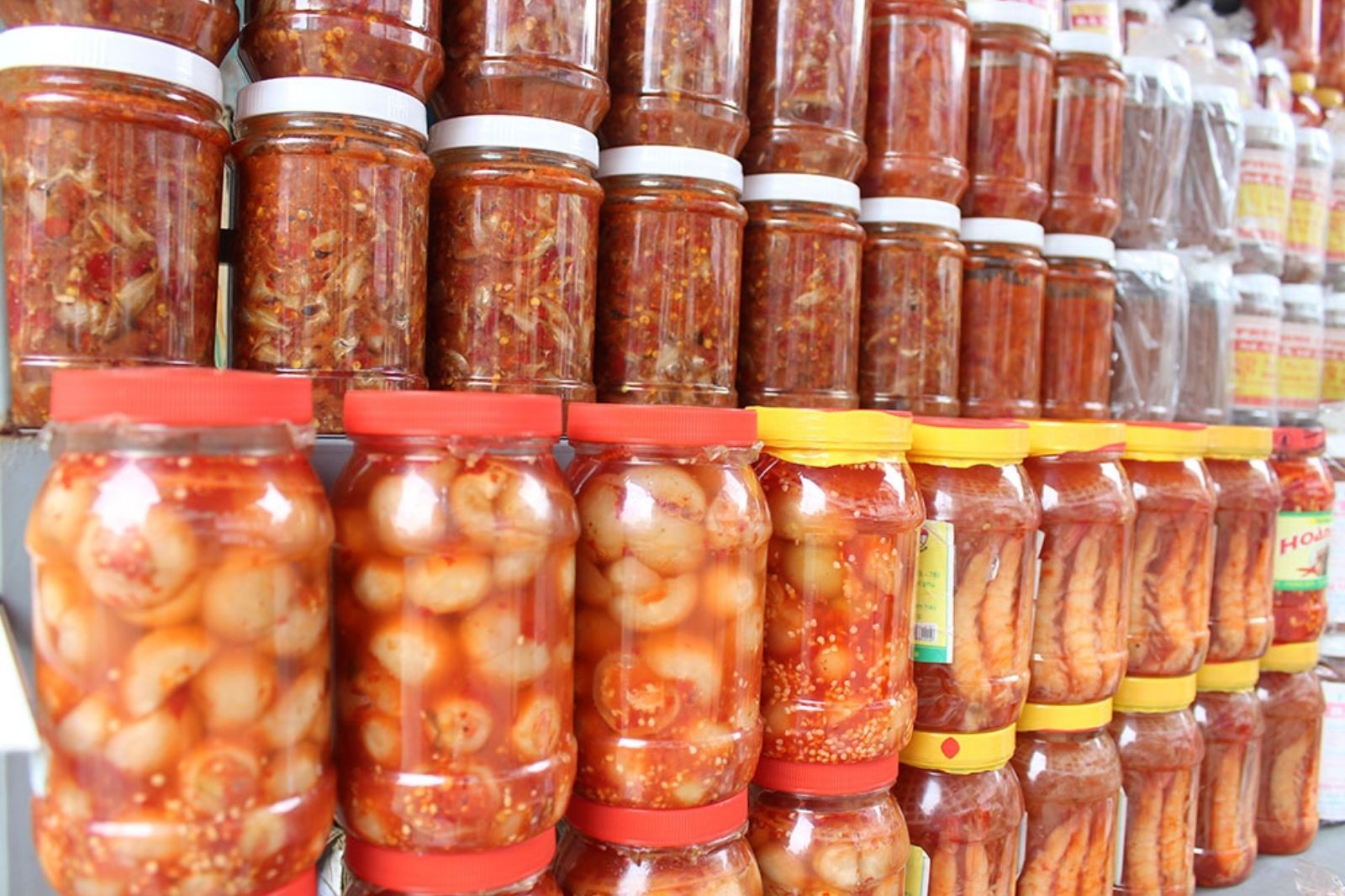
Hue and Its Famous Fermented Seafood Pastes: Rustic Delicacies Rich in Cultural Identity
Central
Thua Thien Hue
Sovaba.travel
Updated at: 24/09/2026
1. Hue and the cradle of fermented sauces
Hue cuisine has long been closely tied to mắm, a rustic condiment that carries the deep cultural richness of the Ancient Capital. Originating from the need to preserve food in a hot and humid climate, mắm gradually became an indispensable staple in daily life as well as in rituals and ancestral worship. According to historical records, the famous sour shrimp paste (mắm tôm chua) of Hue was brought from Go Cong by Dowager Empress Tu Du in the 19th century. From a 'royal dipping sauce' favored by Kings Thieu Tri and Tu Duc in royal banquets, mắm quickly spread to the common people, becoming an iconic symbol of imperial culinary heritage.
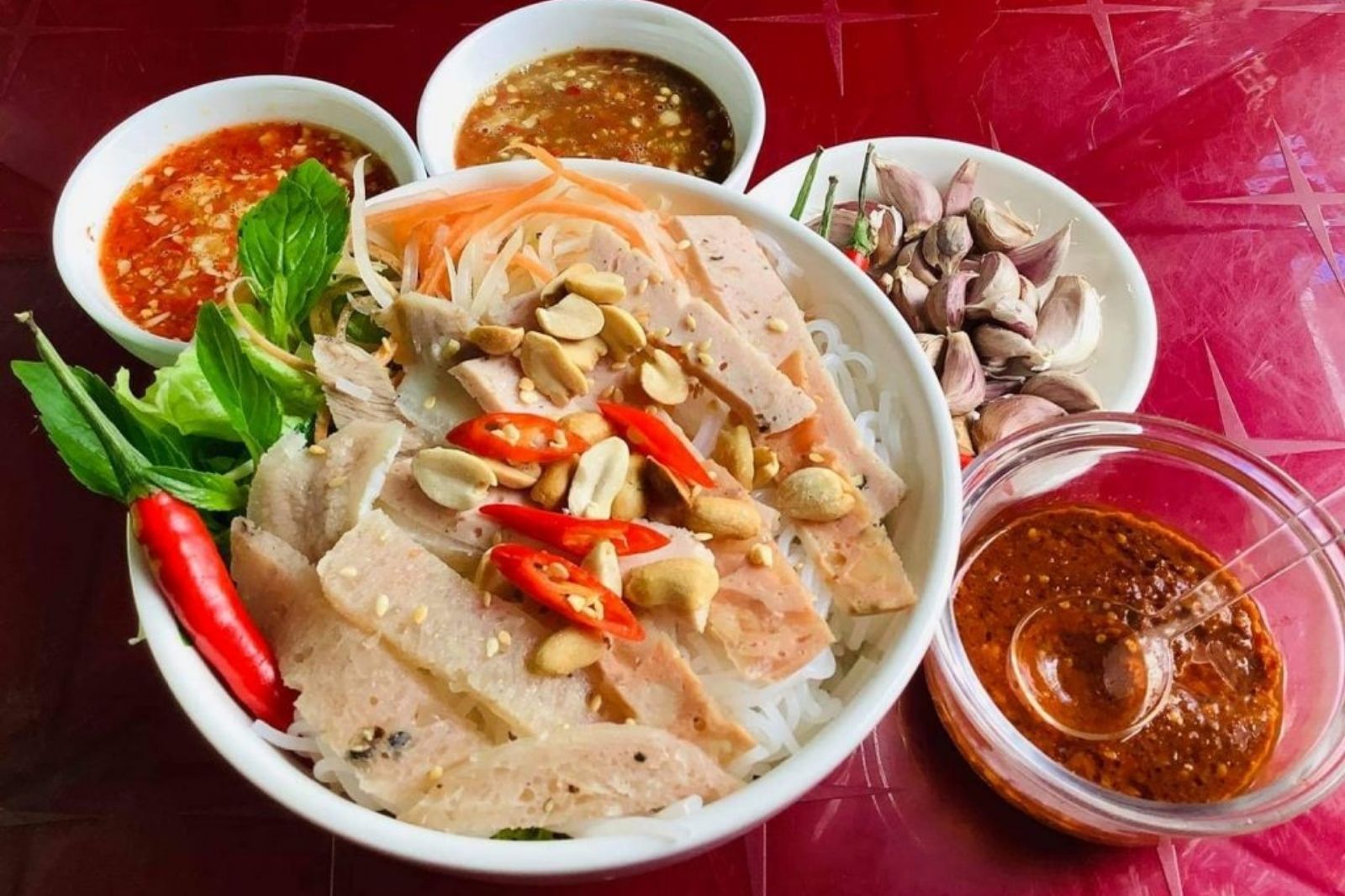
Photo: Mắm has become an indispensable condiment in Hue cuisine
What makes Hue mắm so unique is the harmonious blend between nature and human craftsmanship. Fish from Tam Giang Lagoon, shrimp from Thuan An Sea, combined with galangal, chili, and roasted rice powder—all create a flavor that is both savory, sour, and spicy, embodying the yin-yang balance of Eastern philosophy. The salty taste symbolizes strength, while the sour and spicy notes ignite the senses, making meals warmer and richer. Today, Hue mắm is not only present on local dining tables but has also become a gift imbued with cultural significance, helping to promote the image of Hue and Vietnamese cuisine to international friends.
2. Famous fermented sauces in Hue
Below are the most prominent types of Hue mắm, selected based on their popularity and nutritional value. Each type features a traditional preparation method using fresh ingredients to ensure safety and natural flavor.
Hue Sour Shrimp Paste (Mắm Tôm Chua)
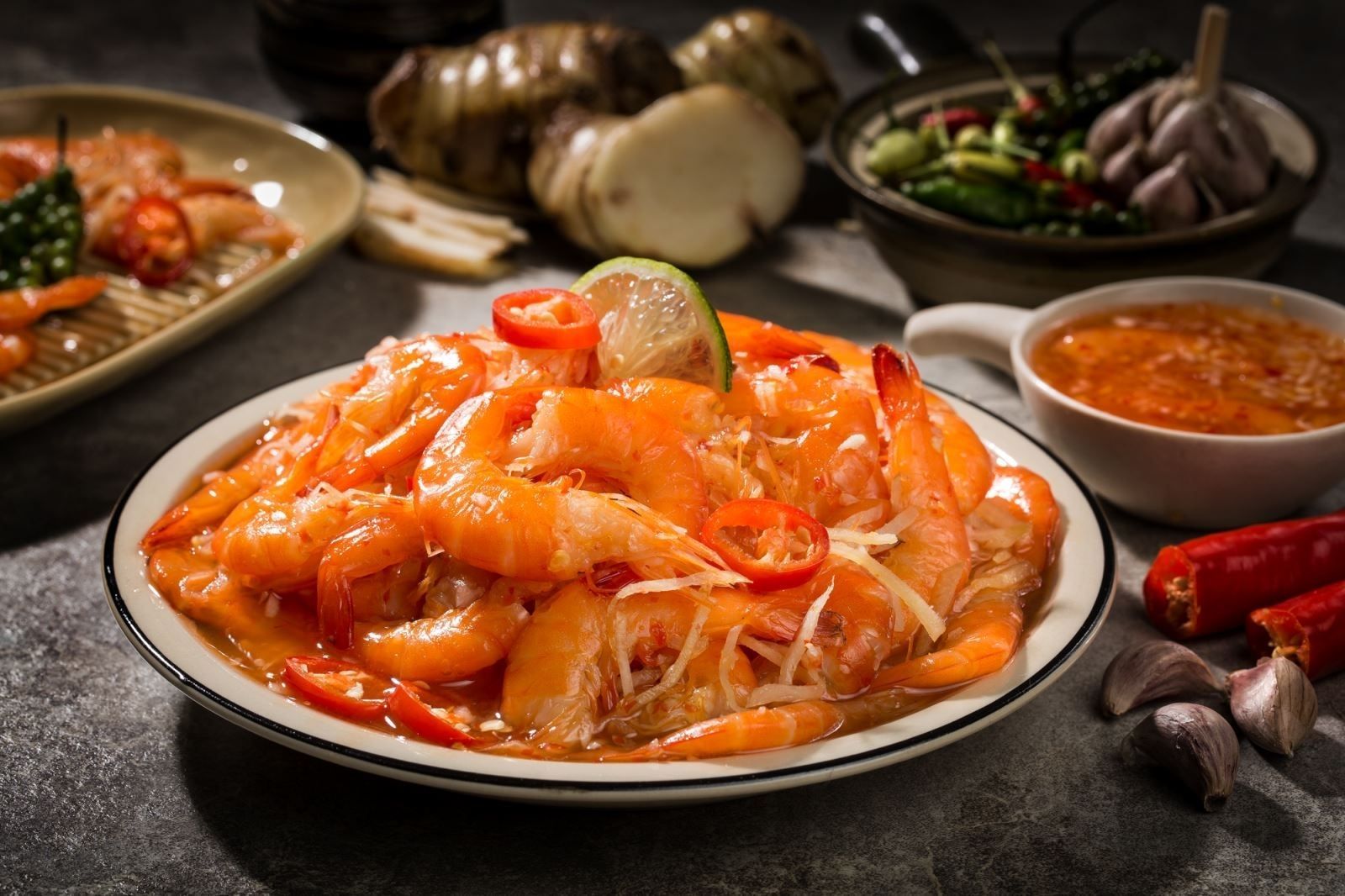
In the culinary treasure trove of the ancient capital, Hue sour shrimp paste is considered the soul of rustic meals. The paste is made from fresh freshwater shrimp mixed with galangal, garlic, chili, and fermented leftover cold rice, creating a unique combination of mildly sour, spicy, and subtly sweet flavors. Hue locals usually enjoy sour shrimp paste with boiled pork belly, fresh herbs, or rice paper wrapping; even a small dish is enough to make a meal irresistible. Not only delicious, this dish also reflects Hue's culinary philosophy: delicate, balanced, and close to nature.
Photo: Hue sour shrimp paste
Hue Fermented Shrimp Paste (Mắm Ruốc)
Hue mắm ruốc has long been considered the soul of Ancient Capital cuisine, standing out with its bright reddish-pink color and distinctive, intense aroma. Made from fresh krill (tiny sea shrimp) and salt, this paste undergoes an elaborate process: the krill is washed, stir-fried with salt, sun-dried, ground fine, and then sealed in earthenware jars for about half a year until it turns bright red and releases its signature aroma. Beyond being a simple seasoning, mắm ruốc is the heart of many Hue dishes: from dipping sauces for green mangoes, ambarella fruit, and boiled vegetables, to rustic braised dishes like pork braised with shrimp paste. Notably, in clam rice (cơm hến) and Hue beef noodle soup (bún bò Huế), mắm ruốc plays a pivotal role in creating a deep savory taste, setting the ancient capital's cuisine apart from all other regions across the country.
Hue Fermented Fish Paste (Mắm Cá Rò)
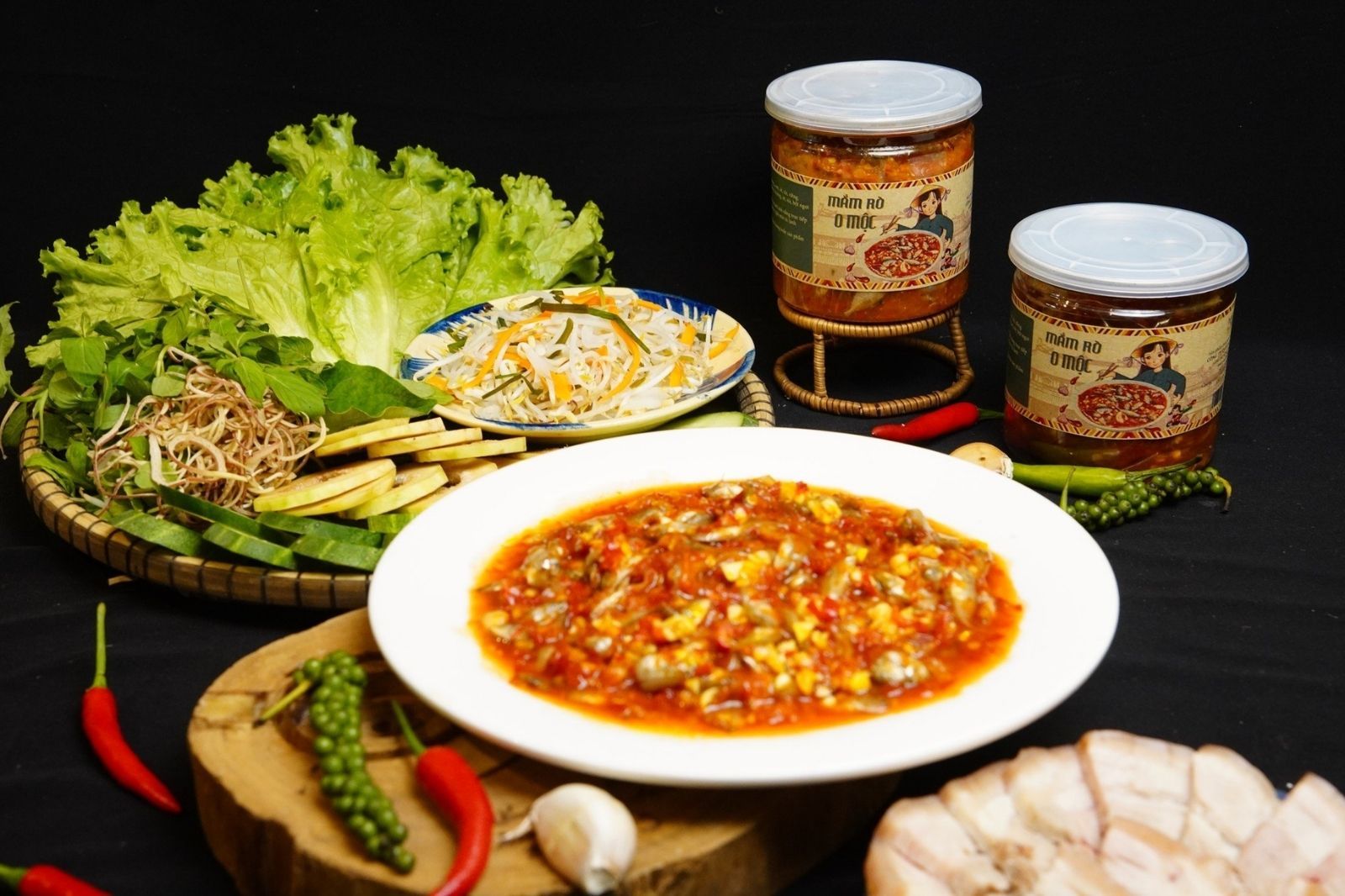
Hue mắm cá rò is one of the unique specialty pastes, famous for small whole fish with tender, sweet flesh and a balanced salty-spicy flavor. Interestingly, ca ro fish is only available seasonally, typically from March to April, making this fermented fish paste precious and carefully preserved by locals. The main ingredients include fresh ca ro fish caught from Thuan An Sea, combined with roasted rice powder, cold rice, salt, chili, and sugar. After being washed thoroughly with seawater, the fish is mixed evenly with roasted rice powder and salt, then aged for about 60 days to ferment naturally. Once mature, makers add chili, sugar, and seasonings to balance the savory, spicy, and sweet tastes. Mắm cá rò is often served with boiled pork belly, crispy rice crust, or diluted with lime juice and garlic to soften its saltiness, offering an unforgettable rich flavor. Today, to enjoy it year-round, Hue residents also preserve mắm cá rò by freezing it while maintaining its traditional taste.
Photo: Hue fermented ca ro fish paste
Hue Fermented Anchovy Sauce (Mắm Cá Cơm)
Fermented anchovy sauce, also known as mắm cái, is one of the most basic and common types of mắm in Hue cuisine. Featuring an enticing aroma and small whole fish, it is usually made from anchovies caught in season, peak between March and August of the lunar calendar. Key ingredients include fresh anchovies, salt, sun-dried cold rice, roasted rice powder, garlic, chili, and sugar. The fish is salted in a 5:1 or 7:1 ratio depending on taste preference, then combined with rice and roasted rice powder before being sun-aged in glass jars until fermented, releasing a distinctive rich aroma. Mắm cá cơm is commonly enjoyed with warm rice, boiled vegetables, pork belly, and pickled bean sprouts—rustic dishes that evoke nostalgic flavors of home. Additionally, it can be stir-fried with garlic and chili to enhance flavor, bringing an unforgettable taste experience to anyone who tries it.
Hue Fermented Small Shrimp Paste (Mắm Tép)
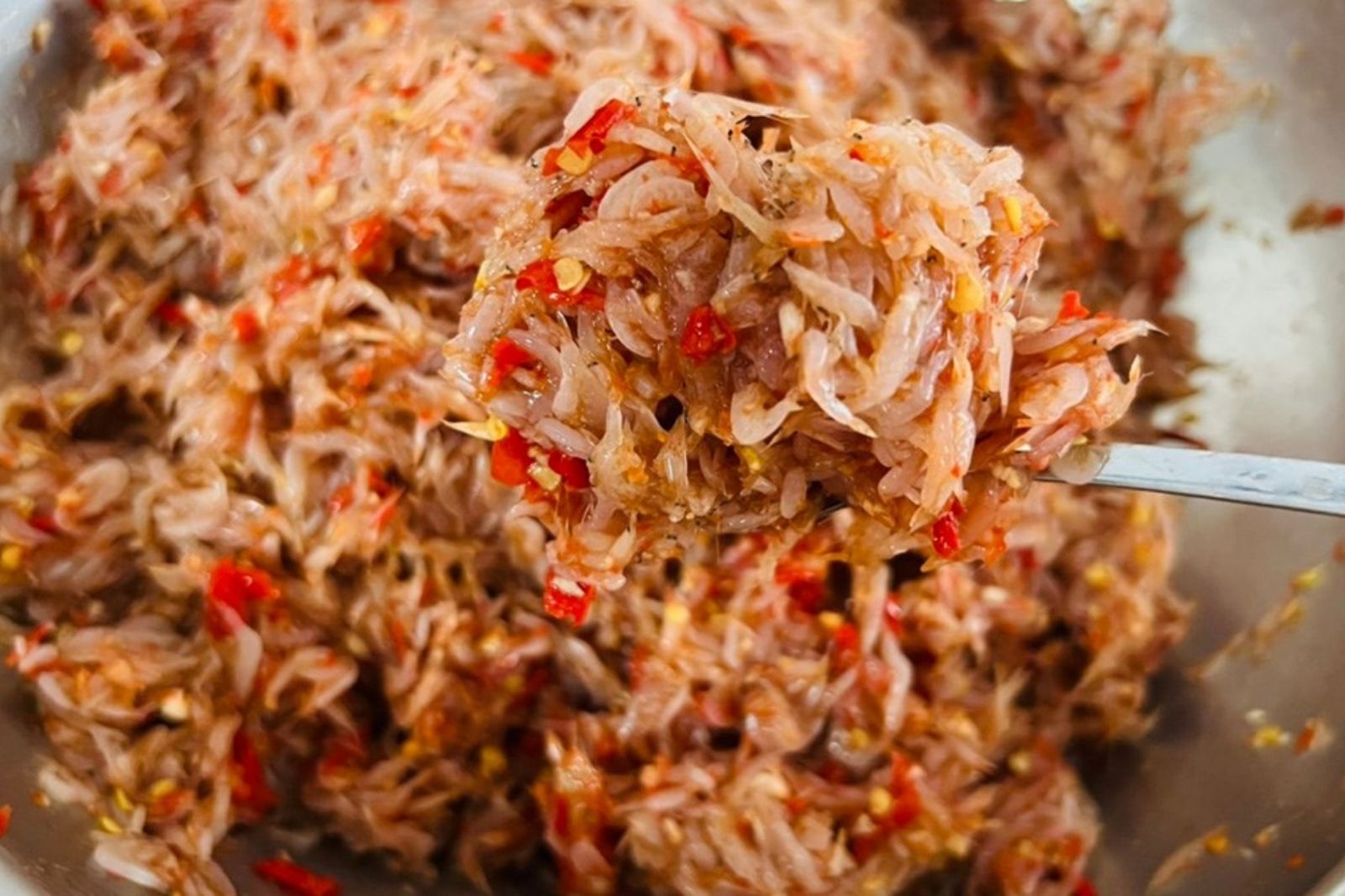
Hue mắm tép, also called tép chua, features an eye-catching bright pink-red color along with a sweet, spicy, and mildly aromatic flavor that is noticeably milder in odor compared to many other types of mắm. The main ingredient is fresh small shrimp combined with chili and galangal, then cured with seasonings for natural fermentation, producing an appealing light sourness. An interesting point is that the longer mắm tép is kept, the richer and more delicious it becomes. In a typical Hue meal, mắm tép is often served with hot rice or diluted as a dipping sauce for boiled vegetables, rustic yet refined, clearly reflecting the simplicity and ingenuity of Ancient Capital cuisine.
Photo: Hue fermented small shrimp paste
Hue Fermented Blood Cockle Paste (Mắm Sò)
Hue mắm sò—a rare specialty of the Lang Co region—is made from fresh blood cockles with a rich flavor and unique texture. When cured with salt in large bottles, after natural fermentation, mắm sò separates into two distinct layers: a sweet clear liquid layer and a rich, creamy cockle meat layer underneath. This unique characteristic creates an unmistakable individual flavor. Hue locals usually dilute mắm sò with a little cooled boiled water and add sugar to mellow the saltiness, using it as a dipping sauce for fresh herbs, boiled pork belly, or warm rice. The salty flavor of the sea combined with the crisp freshness of garden vegetables makes mắm sò a dish that is both rustic and rare, enriching the specialty mắm heritage of Hue.
3. Savoring fermented sauces in Hue
To fully enjoy Hue mắm safely and deliciously, travelers should purchase from reputable establishments such as Dong Ba Market or famous specialty stores. If making it at home, pay close attention to hygiene to avoid food poisoning risks. Hue fermented pastes generally contain natural probiotics good for the digestive system, but should still be consumed in moderation (around 20–30g per day) to avoid excessive sodium intake. When visiting Hue, you can easily taste authentic mắm flavors at local eateries such as Pham Hong Thai clam rice or traditional Hue beef noodle shops, where mắm serves as the very soul of the dish.
Photo: Buying fermented paste at markets or specialty stores
Hue mắm is not just a condiment; it is a culinary icon closely linked to the daily life and spirit of the people of the Ancient Capital. From a small bowl of sour shrimp paste in a family meal to a jar of mắm ruốc in a pot of beef noodle soup, or the rare cockle paste of Lang Co—all contribute to creating Hue's distinct identity, rustic yet refined. For visitors, experiencing Hue mắm is a way to touch the savory soul of the ancient land, so that every time you think back to Hue, those rich flavors come rushing back, warm and unforgettable.