Hue Railway Station – A 100-Year-Old Historic Station in the Heart of the Ancient Capital
Central
Thua Thien Hue
Sovaba.travel
Updated at: 24/09/2026
1. Overview of Hue Station
Hue Railway Station is located right in the heart of Hue City, specifically at No. 2 Bui Thi Xuan, Phu Hoi Ward, Thua Thien - Hue Province. This location is extremely convenient, just about 2 km from the Imperial City of Hue, 1.5 km from Truong Tien Bridge, a few hundred meters from the Perfume River, and about 15-16.5 km from Phu Bai Airport.
Overall, Hue Railway Station is one of the oldest railway stations in Vietnam, built during the French colonial era and currently classified as a Class 1 station serving both passengers and cargo. With 2 platforms and 8 tracks, it not only serves transportation needs but has also become an attractive tourist destination, drawing visitors with its ancient charm and historical value. Hue Station is likened to a "living museum" in the heart of the Ancient Capital, where you can feel the harmonious blend of European architecture and traditional Hue culture.
Photo: Hue Station is one of the oldest and most beautiful stations in Vietnam
2. History and development of Hue Station
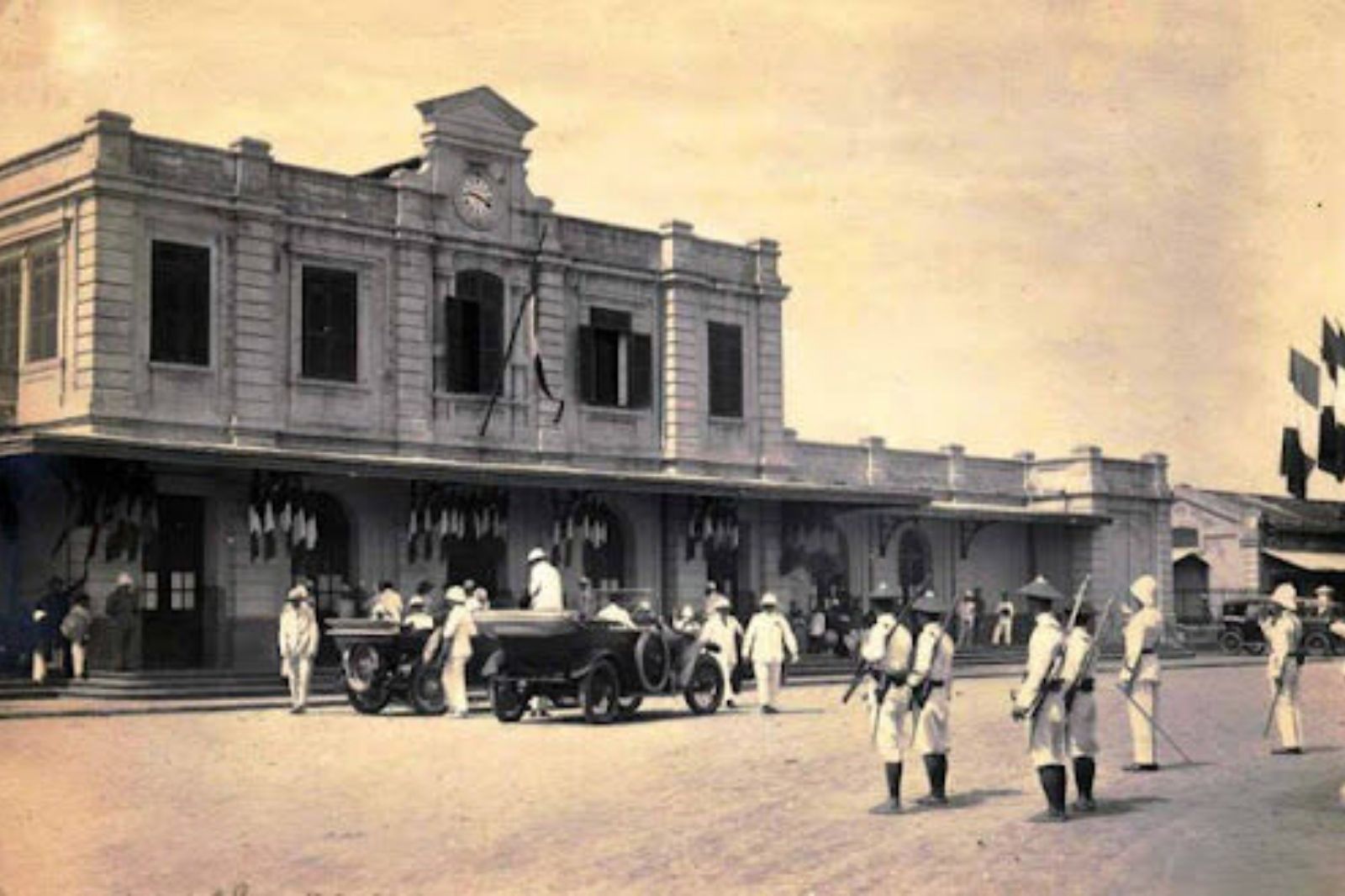
Hue Station was built by the French in the early 20th century, between 1906 and 1908, around the same time as many other iconic landmark structures of the ancient capital such as Truong Tien Bridge, Dong Ba Market, Hue Central Hospital, and Quoc Hoc High School. Initially named Truong Sung Station (Shooting Range Station), it was located on land that had served as a rifle range for the Nguyen Dynasty where soldiers practiced shooting. The station was part of the 171 km Dong Ha – Da Nang railway line before being integrated into the complete North – South railway system in 1936.
A special highlight in the construction history of Hue Station is that it was built by Mrs. Thai Thi Tu – one of the very few female contractors at that time, and wife of Minister Nguyen Trung. This factor contributes to highlighting the historical value and uniqueness of the station. Having survived for over a century, Hue Station has witnessed many important milestones in national history. In 1916, following a failed uprising, King Duy Tan was taken from here onto a train to exile on Réunion Island (France). Kings Khai Dinh and Bao Dai also departed from this station on their diplomatic trips to France. In addition, many historical figures and patriots such as Phan Boi Chau, Phan Chau Trinh, Huynh Thuc Khang, Nguyen Tat Thanh (Ho Chi Minh), and General Vo Nguyen Giap passed through this location, leaving deep marks in the course of history.
Notably, in 1946, Hue Station hosted the first National Conference of the "Vietnam Railway Workers for National Salvation" organization, predecessor of the Vietnam Railway Trade Union. After the 1954 Geneva Accords, the station primarily served military purposes. In 1977, when the North – South railway line was restored, the first Thong Nhat (Reunification) trains stopping here marked a significant milestone in the country's reunification process.
Today, Hue Station is not only an important transport hub on the North – South railway line but is also recognized as a valuable French architectural monument in the heart of the Ancient Capital. Notably, starting from 2026, the station officially becomes a new tourist destination in Hue City, opening up opportunities for visitors to explore more deeply the unique cultural and historical values preserved by this structure.
Photo: Hue Station was built by the French in 1906
3. Unique architecture of Hue Station
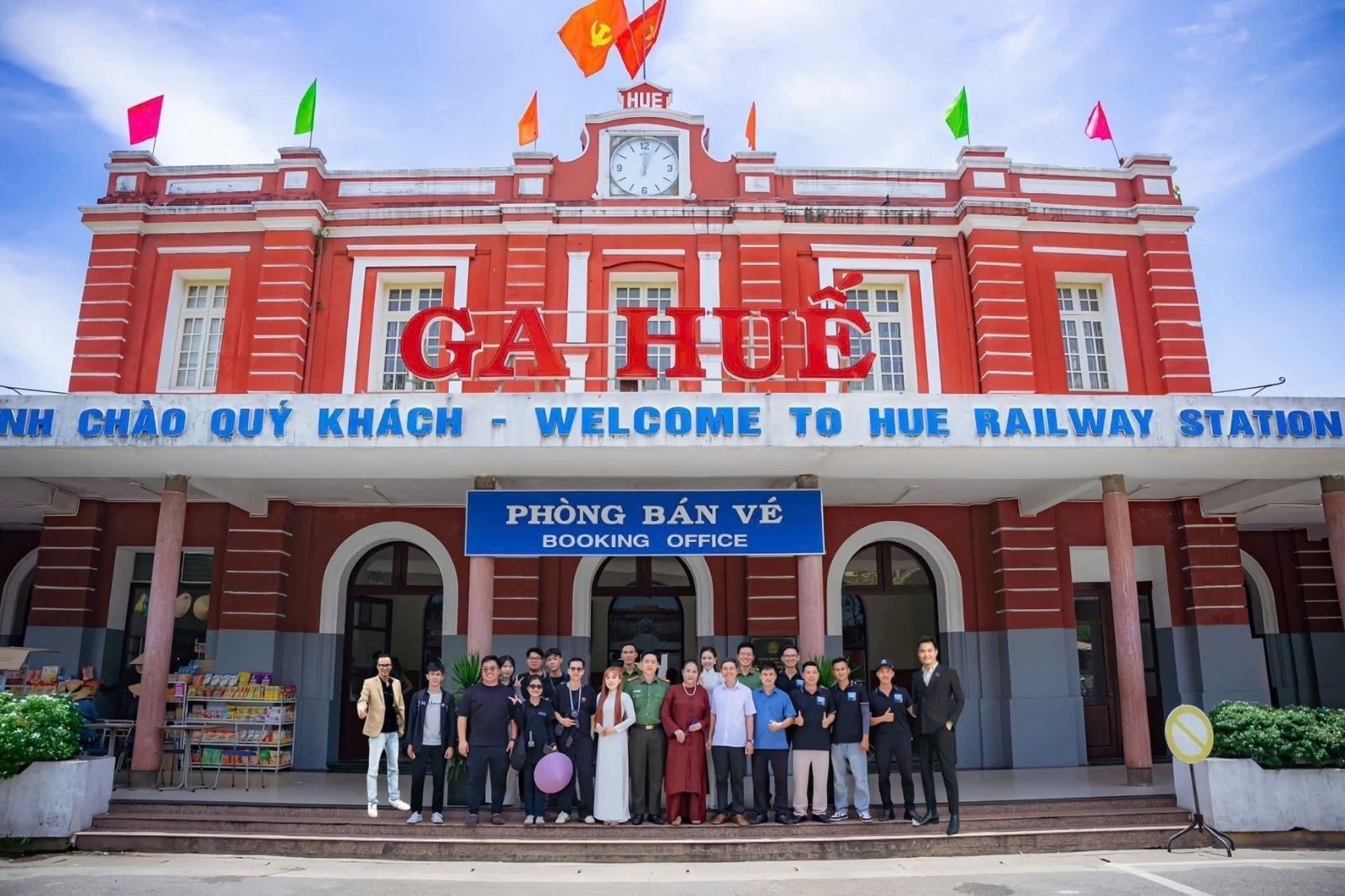
Hue Station bears a strong imprint of European railway architecture, featuring a gentle pastel pink two-story main building, a color reminiscent of the famous Quoc Hoc Hue High School. The complex includes an interconnected structure: a passenger terminal, a cargo area, administrative offices, and even a hotel. The dominant color palette is a sweet pink or signature orange, creating a romantic, elegant yet gentle appearance that harmonizes with Hue's urban landscape.
Stepping inside, visitors can easily feel the nostalgic atmosphere through the main hall and waiting rooms, which still retain many delicate French-style decorative details. Out on the platform, two parallel tracks continuously extend, welcoming and bidding farewell to passengers from all over the North – South line.
Despite its European styling, Hue Station naturally blends with the unique cultural space of the imperial city. The soft pastel pink tone, smooth architectural curves, and warm golden lighting at night turn this place into a romantic backdrop for evocative photographs. More than just a transit hub, Hue Station today is a poetic check-in spot that captivates tourists and photographers alike whenever they visit Hue.
Photo: Hue Station stands out with its pink 2-story main building
4. Must-try experiences when visiting Hue Station
To fully appreciate the beauty and cultural depth of Hue Railway Station, visitors should not stop at just sight-seeing but also experience the special activities associated with this space and its history. Below are iconic experiences not to be missed when visiting this special landmark:
Check-in at the historic architecture: Capture memorable moments in front of the station gate with the “Ga Huế” sign or under the romantic French-style pink arches. The best time to take photos is early morning or sunset, when the natural light creates a soft and poetic frame.
Admiration of the antique clock and platform space: Strolling along the platform and watching the Thong Nhat trains arrive and depart, you will clearly feel the slow, tranquil pace of life. The vintage clock on the facade is also an interesting highlight, recalling the persistent flow of time.
Discovering historical stories: Don't miss the chance to read the information boards at the station or chat with staff to hear stories linked to historical events and figures. Many visitors also combine this with reading poetry by Nguyen Binh (such as “Those figures on the train platform”) or Te Hanh to feel the nostalgic beauty of this place even more deeply.
Combining with a Hue exploration itinerary: From Hue Station, you can easily walk across Truong Tien Bridge to admire the Perfume River, then continue your journey to the Imperial City or visit Dong Ba Market to savor signature Hue cuisine – a perfect way to immerse yourself in local life.
In summary, Hue Station is not just a train stop, but also a multi-dimensional experiential space, a crossroads of architecture, history, and ancient capital life, offering visitors unforgettable emotions on their journey exploring Hue.
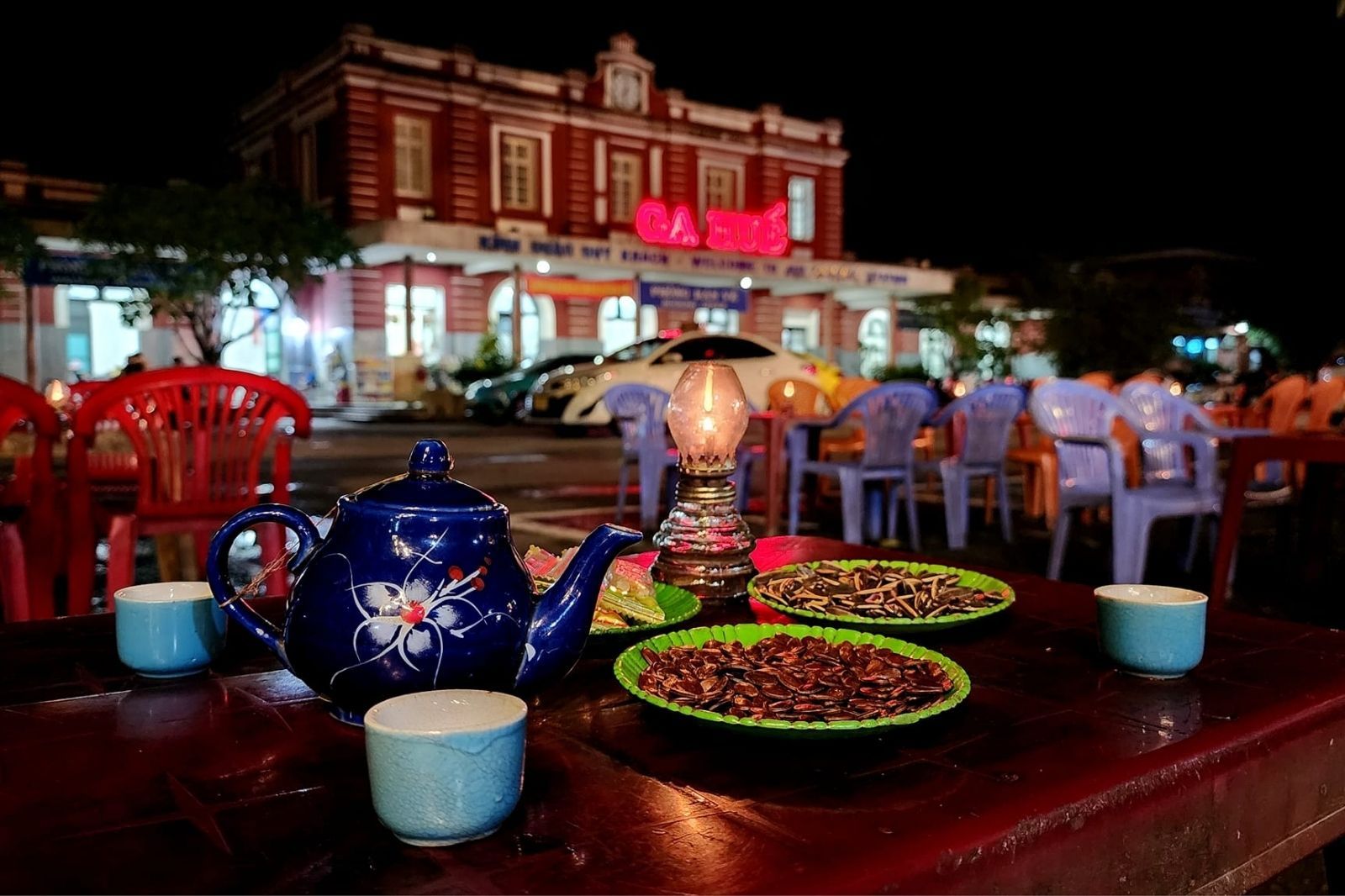
Photo: Evening station tea culture at Hue Station
5. Tips for traveling and using services at Hue Station
To ensure your trip to Hue Railway Station goes smoothly and completely, you should keep in mind some travel tips and service guides below. This information will help you save time, costs, and be more proactive in your itinerary exploring the Ancient Capital.
Getting to the station: From Phu Bai Airport (15-16.5 km), take a taxi/Grab (100,000-200,000 VND, 25-30 minutes) or bus routes 2, 5, 11 (economical but slower). From central Hue, walk (1-2 km) or rent a motorbike (100,000-150,000 VND/day).
Using services: Book train tickets online via Vexere (QR e-ticket), or at the station counter. Arrive 30-45 minutes early, bringing ID/passport. The station offers free wifi, clean restrooms, food stalls, luggage storage, and accessibility support. Contact hotline 1900 0109 for train schedules. Book tickets 1-2 weeks early during peak season.
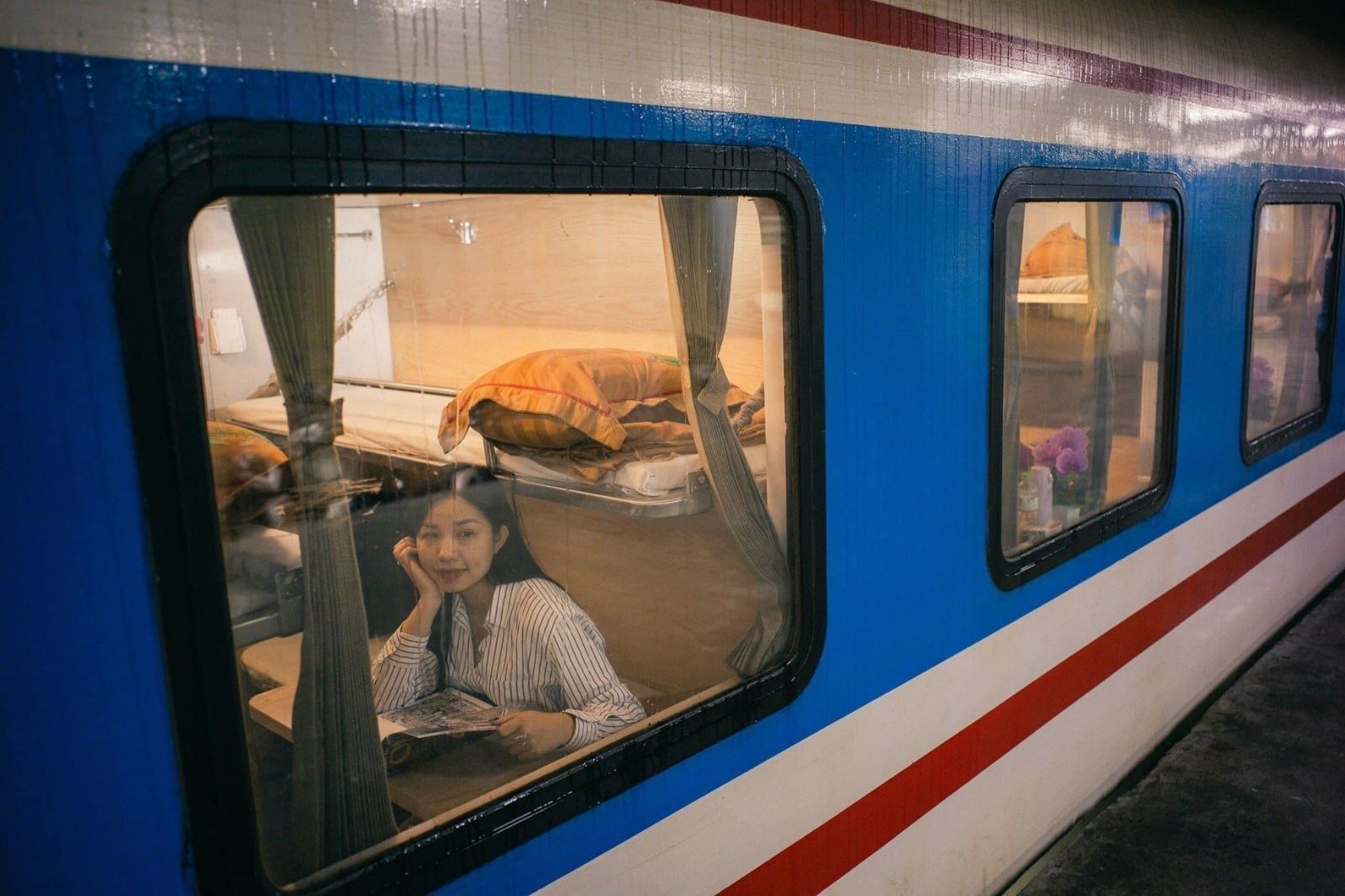
Photo: Hue Station is the beginning of trips to visit the ancient capital
Hue Station is not merely a transportation building, but also an important part of the ancient capital's heritage tapestry. Nestled among the complex of monuments recognized by UNESCO as a World Cultural Heritage site since 1993, the station along with the Citadel of Hue, Imperial City, Forbidden Purple City, royal tombs of the Nguyen kings, and Thien Mu Pagoda create an exploratory journey rich in both historical value and cultural essence. Featuring European architectural flair infused with Asian touches, Hue Station not only reflects urban development across periods, but also stands as a symbol of East-West harmony right in the heart of the ancient capital.
Today, Hue Station serves as an ideal stopover on journeys to the historic land. If you wish to enjoy an all-inclusive multi-day journey discovering Hue, Sovaba Travel is ready to accompany you with thoughtfully designed Hue tours, including convenient train ticket booking services. As a result, travelers can confidently experience the ancient capital in the most comfortable and complete way.