Minh Hoa Specialties, Quang Binh: Discover the Rich, Rustic Flavors of the Mountain Region

Central

Quang Binh

Sovaba.travel

Updated at: 24/09/2026

1. Com boi - A unique dish of the Minh Hoa people

Com boi is one of the most famous specialties of Minh Hoa, likened to the “culinary soul” of the Quang Binh mountain region. Contrary to what the name might suggest, Com boi is not made from rice, but is processed entirely from dried corn kernels and fresh cassava—two ingredients closely associated with the lives of highlanders. After harvesting, the corn is dried and soaked in hot water for about 2–3 hours to soften. Then, people grind the corn manually to get flour. This flour is sifted several times to select the finest part, then steamed to cook evenly. The texture of the “rice” after steaming is soft and chewy, yet retains the characteristic nutty flavor of corn and the sweet, cool taste of cassava.

The special feature that creates the rich flavor of Com boi is the “boi” layer eaten with freshwater male snails and stream fish, which are skillfully marinated and grilled over glowing charcoal, then thoroughly mixed with the rice. Each bite of Com boi seems to bring the fragrance of forest leaves, the richness of grilled meat, and the rustic aftertaste of the mountains and hills. The dish is usually prepared elaborately during traditional festivals, especially the Full Moon of the Third Lunar Month, when the people of Minh Hoa make Com boi to offer to ancestors and treat distant guests. If you visit Minh Hoa at this time, do not miss the opportunity to enjoy this rustic yet culturally rich dish.
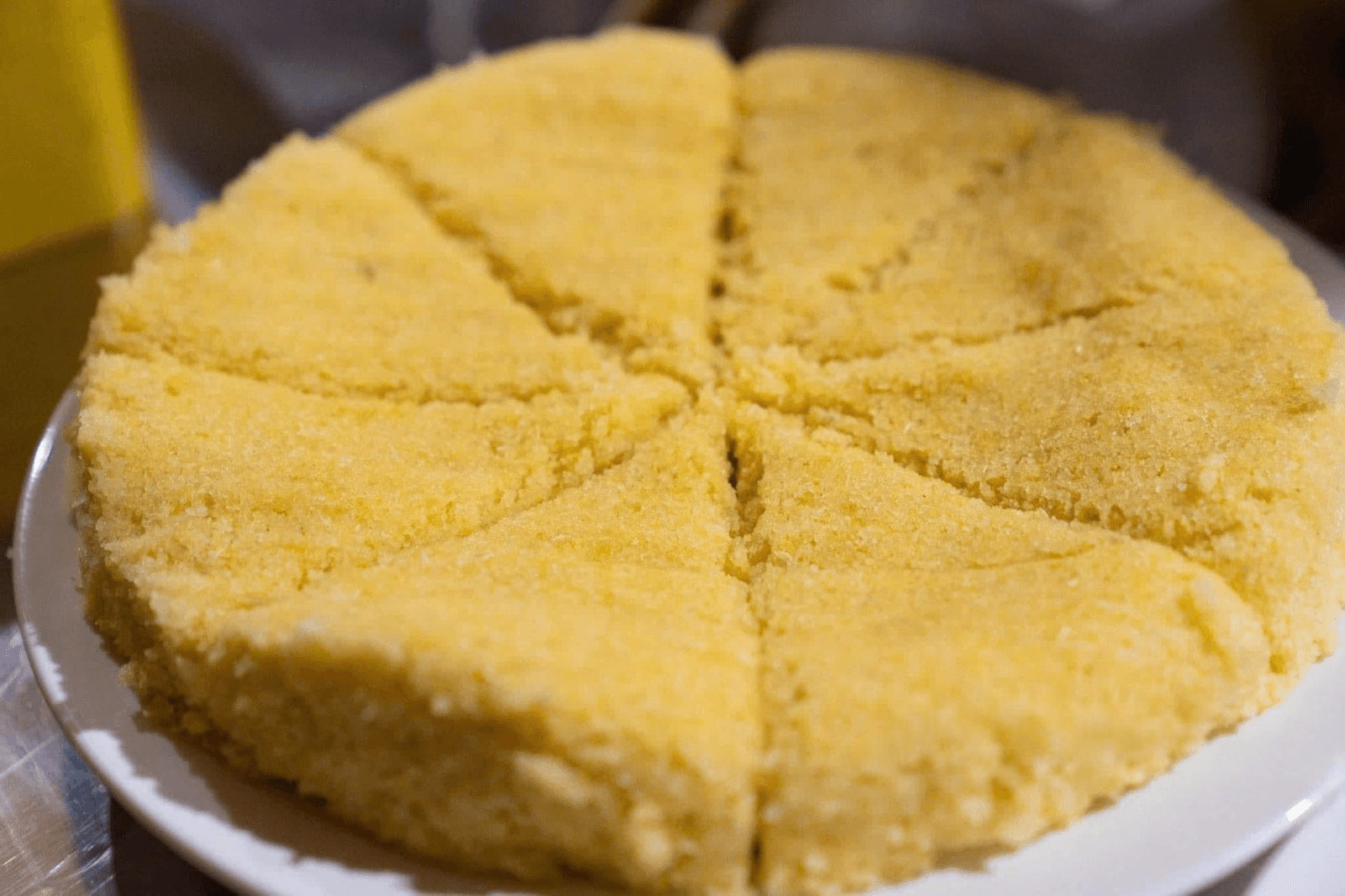
Com boi is mainly cooked from corn
Photo: Com boi is mainly cooked from corn 

2. Ant egg soup - An exotic flavor from the deep forest

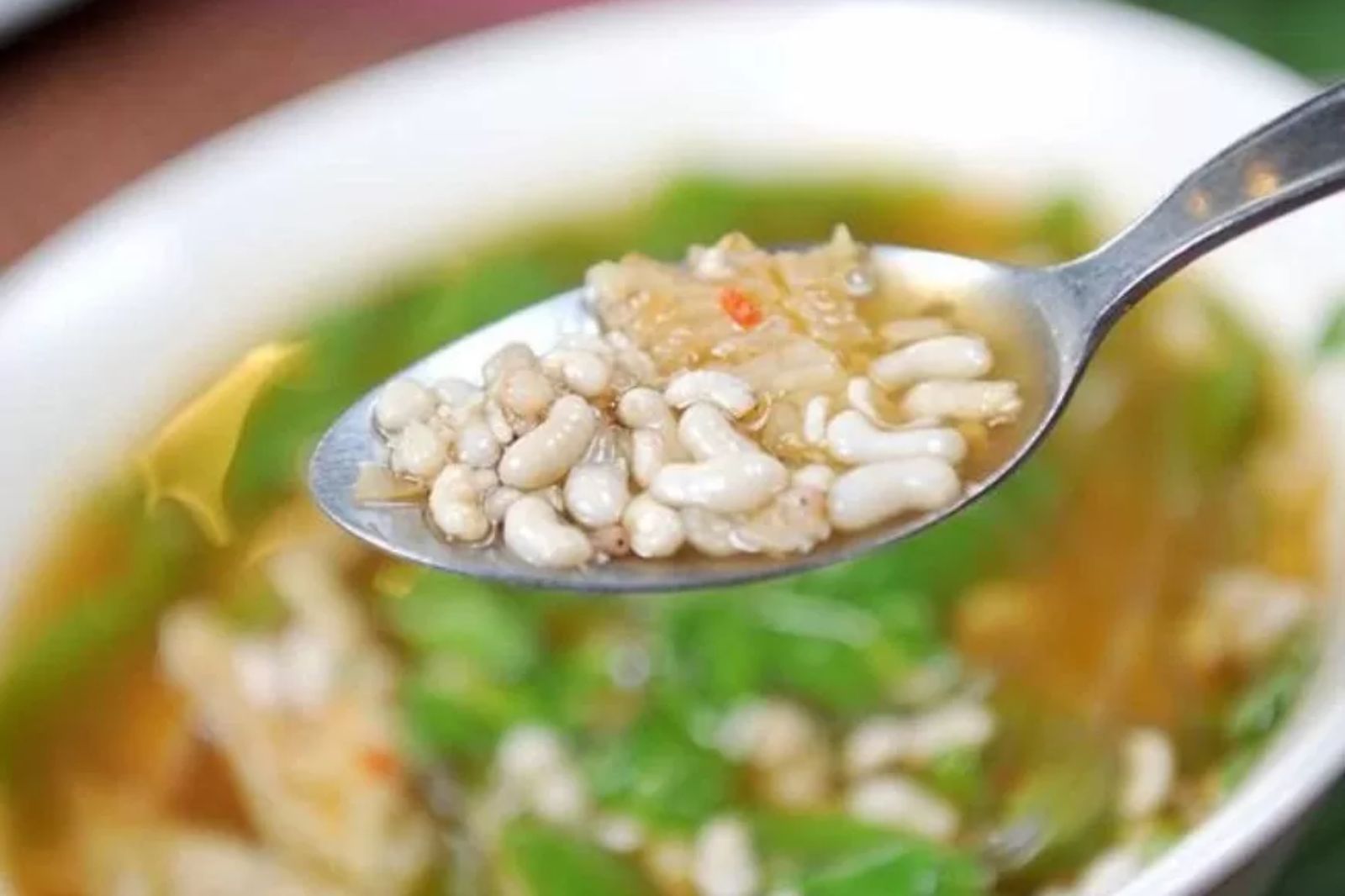
Ant egg soup is a rustic dish that has been associated with the people of Minh Hoa for many generations, unique not only in its ingredients but also rich in cultural value. The ant eggs are mainly weaver ant eggs harvested deep in the forest during the nesting season. Once brought home, the eggs are thoroughly cleaned and stored in the refrigerator for gradual use or sold at the market. “La bun” (bun leaves) is a unique forest leaf found only in limestone mountain regions, and is an indispensable companion in this soup. When cooked with ant eggs, the bun leaves create a distinctive mild sourness, blending with the creamy richness of the ant egg larvae, creating a flavor that is both unique and alluring. A pinch of salt, pepper, and fresh chili further elevates the soul of the mountains in every spoonful.

Not only delicious, ant egg soup cooked with bun leaves is also a symbol of the connection between humans and wild nature, a dish that often appears in family reunion meals, during the Full Moon of the Third Lunar Month festival, or when welcoming esteemed guests. To the people of Minh Hoa, this soup is not merely food but also the pride of local cuisine, passed down from generation to generation as part of their homeland memories.

Ant egg soup has been associated with local people for many generations
Photo: Ant egg soup has been associated with local people for many generations 

3. Stir-fried wild fern with garlic

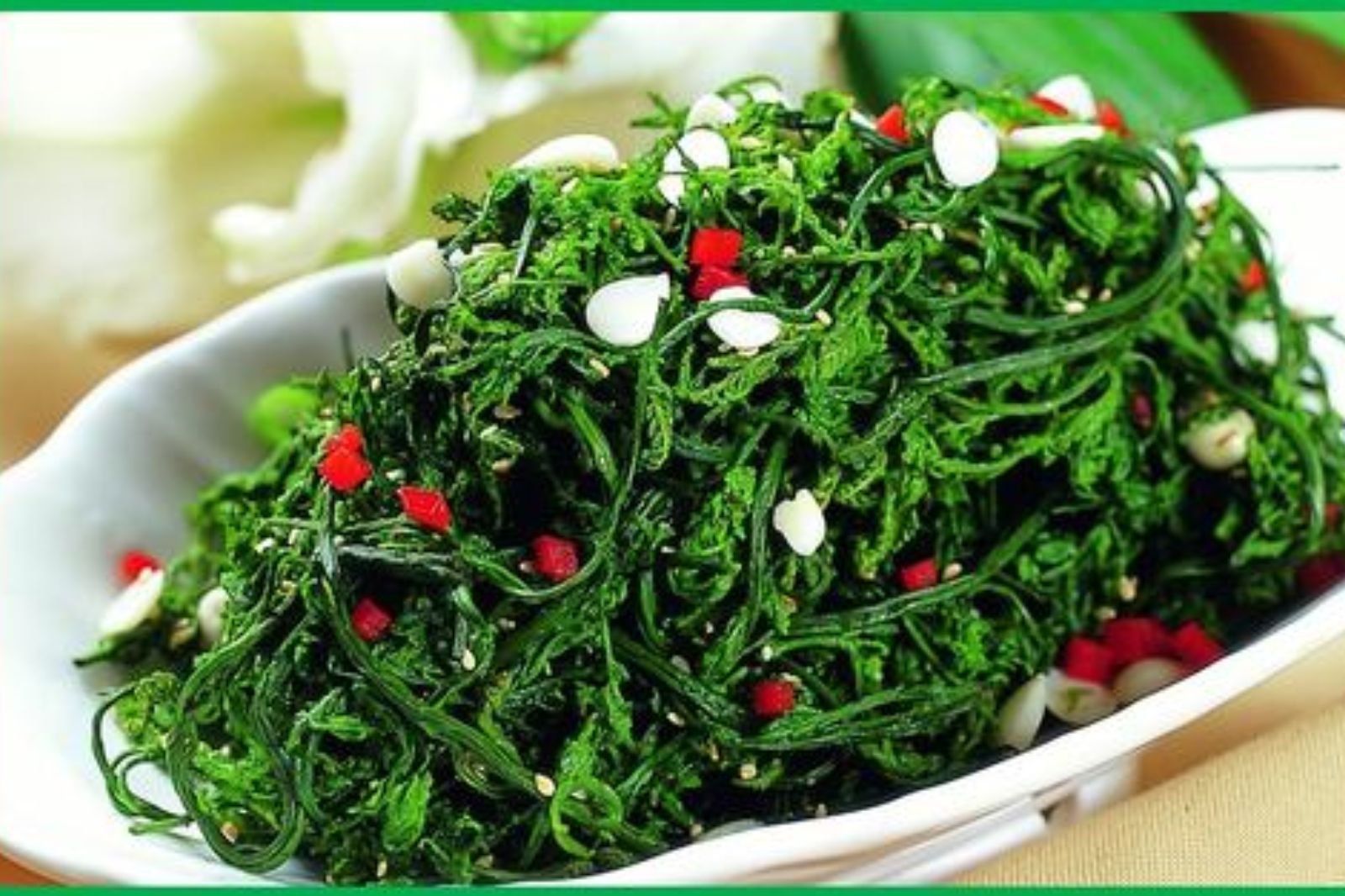
Rau don (wild fern), a forest vegetable growing naturally along the cool streams of Minh Hoa, Quang Binh, has long been a familiar dish in every family meal in this mountainous region. This vegetable has a vibrant green color, a slightly curved stem, and tender, dew-glistening tips. When cooked, it releases a subtle, distinctive aroma of the mountains and forests. Biting into garlic-stir-fried wild fern, a gentle sourness spreads across the tip of the tongue, leaving a slightly bitter aftertaste in the throat—a flavor as rustic and sincere as the country folks, yet as wild as the great land of Minh Hoa itself. The simplest way to prepare it is to stir-fry it with fresh garlic, preserving its crispiness, aroma, and natural sweet taste.

More than that, wild fern is also used in soups, salads, or served with hotpots, creating fresh and healthy culinary experiences. Especially in the culture of Minh Hoa people, wild fern is a symbol of filial piety, often present in ancestral offerings during Tet holidays as a deep tribute to parents. Rich in fiber, vitamin C, and antioxidants, wild fern is not only a delicious dish but also brings many health benefits, making it an ideal choice for those pursuing a green and clean lifestyle.

Wild fern belongs to the fern family
Photo: Wild fern belongs to the fern family

4. Stone crab (Khe)

The specialty stone crab, also known as “khe” by the locals of Minh Hoa, is a unique dish that carries the soul of the country amidst the mountains. Living in the crystal-clear streams of limestone mountain regions, this crab is small in size but stands out with its firm, sweet, and fragrant meat. Stone crabs are usually prepared simply to preserve their natural flavor, such as being grilled over charcoal or steamed with lemongrass, served with spicy green chili salt. When cooked, the crabs turn a vibrant golden-pink, emitting an irresistible aroma that captivates any diner.

This crab has a hard, dark yellow shell and clings to precarious rock crevices. Each crab weighs about 100–200g, and its meat is rich and highly nutritious. Not only delicious, the stone crab dish also holds deep cultural value, often used by Minh Hoa people to welcome honored guests or offer to ancestors during major holidays. Because they grow entirely in the wild, stone crabs are quite rare. Visitors wishing to enjoy them should contact local restaurants in advance to avoid missing out on this renowned specialty.

5. Wild bee pupae

In the culinary treasure trove of the Minh Hoa mountains, wild bee pupae are likened to “rare gold”, not only for their nutritional value but also for the elaborate harvesting process. The local people not only harvest honey but also collect the pupae of bees like bumblebees, paper wasps, and hornets—a job that requires skill, courage, and extensive experience.

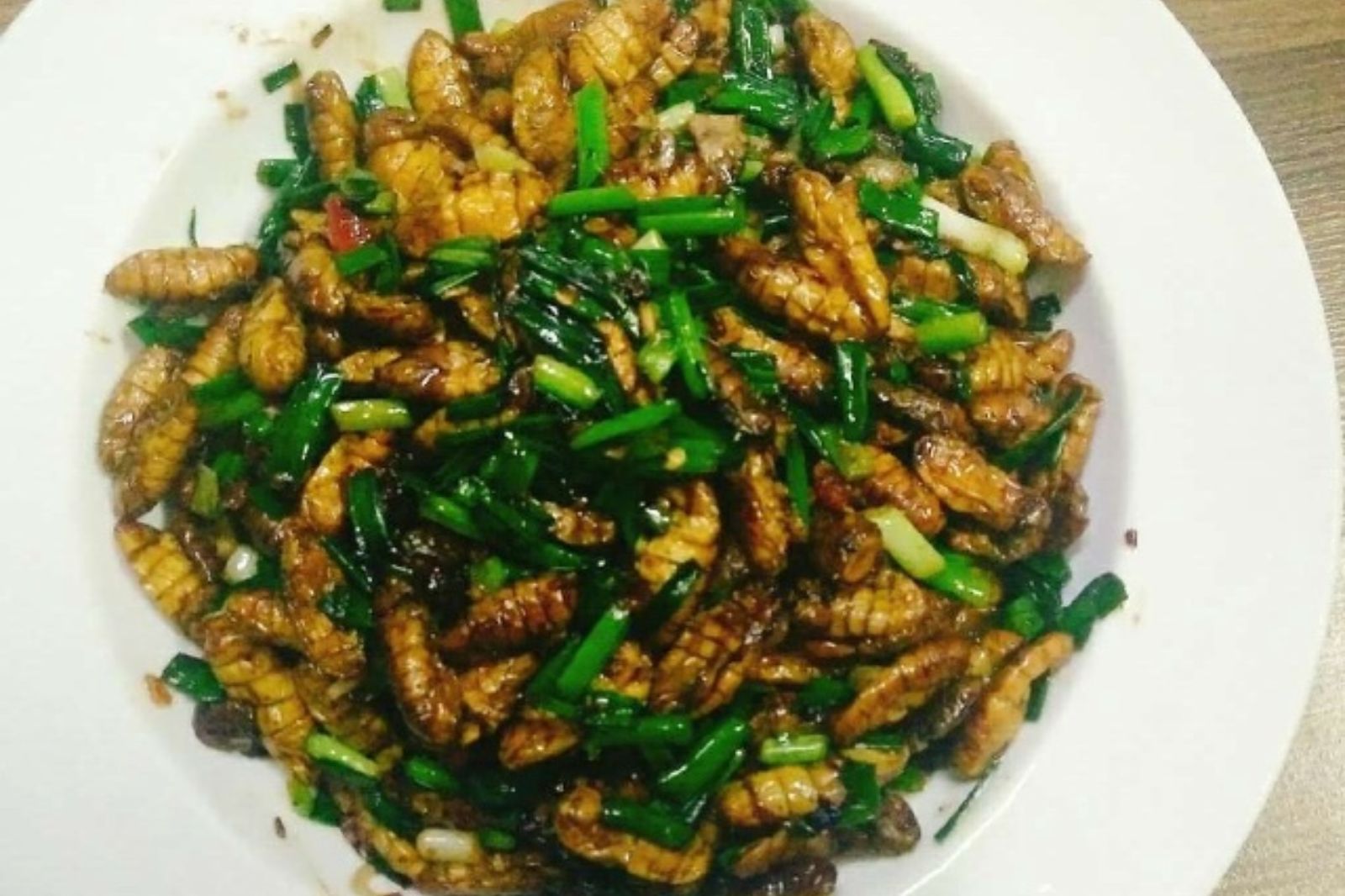
After being carefully cleaned, the bee pupae are usually stir-fried with green onions or wild betel leaves, creating a dish with a fragrant, rich, and protein-packed flavor that is highly beneficial to health. Unlike farm-raised bee pupae, which have a light sweetness and cool nature, wild bee pupae possess a rich, rustic flavor that is hard to find elsewhere. Due to its seasonal dependence and the difficulty of harvesting, wild bee pupae are very rare and usually only appear during festivals, village celebrations, or special banquets.

Wild bee pupae are usually stir-fried with green onions
Photo: Wild bee pupae are usually stir-fried with green onions 

6. Tu Hu lychee - A specialty lychee variety of Minh Hoa

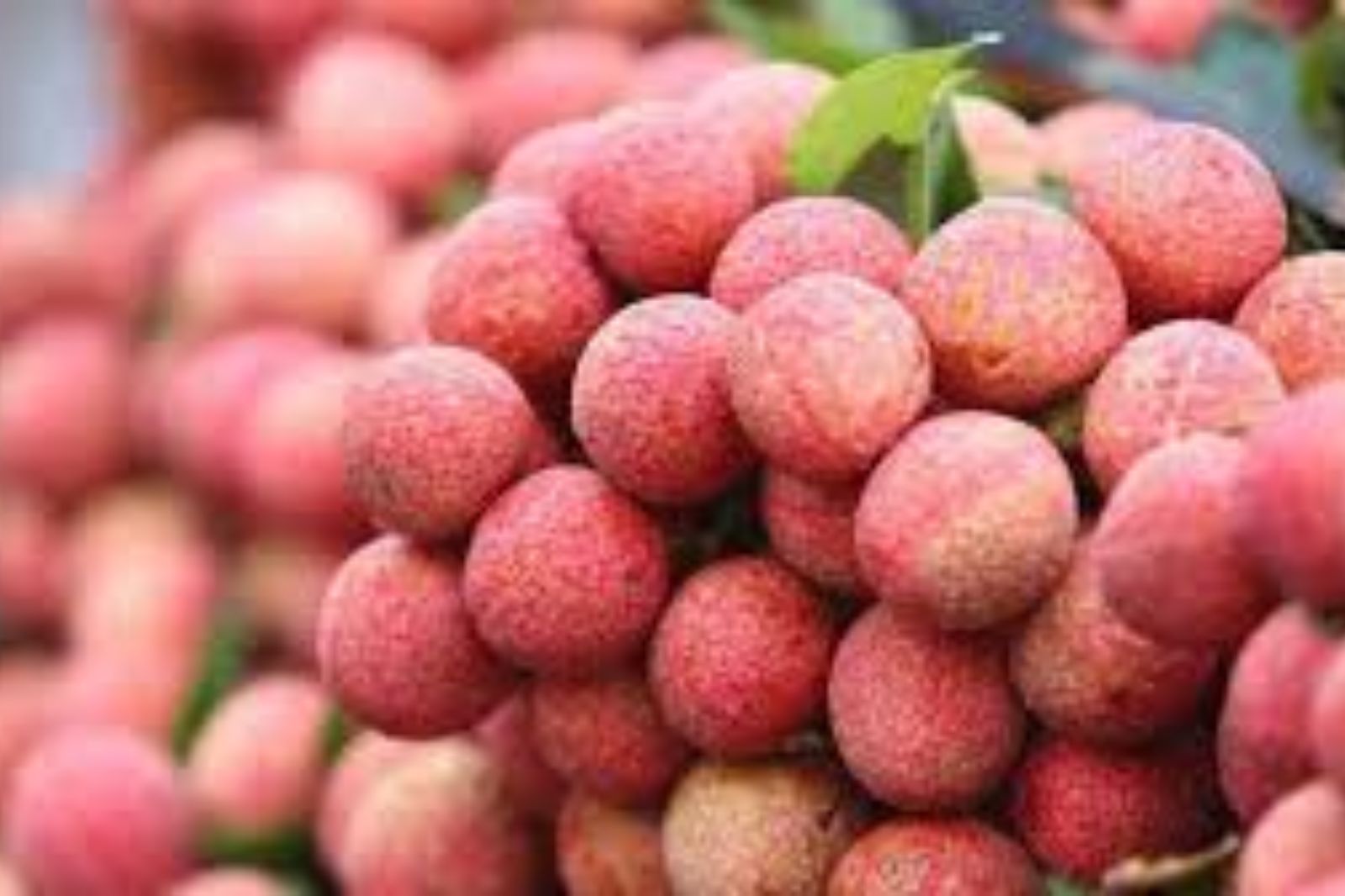
Unlike the intense sweetness and strong aroma of Thieu lychee, “vai tu hu” (tu hu lychee), a native lychee variety characteristic of Minh Hoa, offers a mild sweet taste with a hint of gentle sourness, very distinct and pleasant. This lychee is large, with thick flesh, small seeds, and is juicy, leaving a cool, pure feeling that matches the character of Quang Binh's rocky forest region. Tu hu lychee ripens in the summer, usually from May to June, which is the time when locals eagerly harvest and bring them to the market. Notably, this fruit is not only a favorite snack for generations but is also closely linked to the spiritual culture of Minh Hoa people, especially during the Full Moon of the Third Lunar Month festival, where the first bunches of the season are offered to ancestors and shared with neighbors as wishes for a peaceful and prosperous new year.

Visitors to Minh Hoa can buy tu hu lychee at Quy Dat market, the most bustling central market in the area, or directly visit lychee gardens in Hoa Son commune, which allows picking lychees on-site, enjoying fresh fruit, and breathing in the fresh air of the majestic limestone mountain region. With its unique flavor and deep cultural value, tu hu lychee is not only a sweet gift from the mountains but also a meaningful homeland gift for those seeking a taste of Quang Binh's natural essence.

Lychees usually ripen in the summer
Photo: Lychees usually ripen in the summer 

7. Stir-fried Lao eggplant with lard

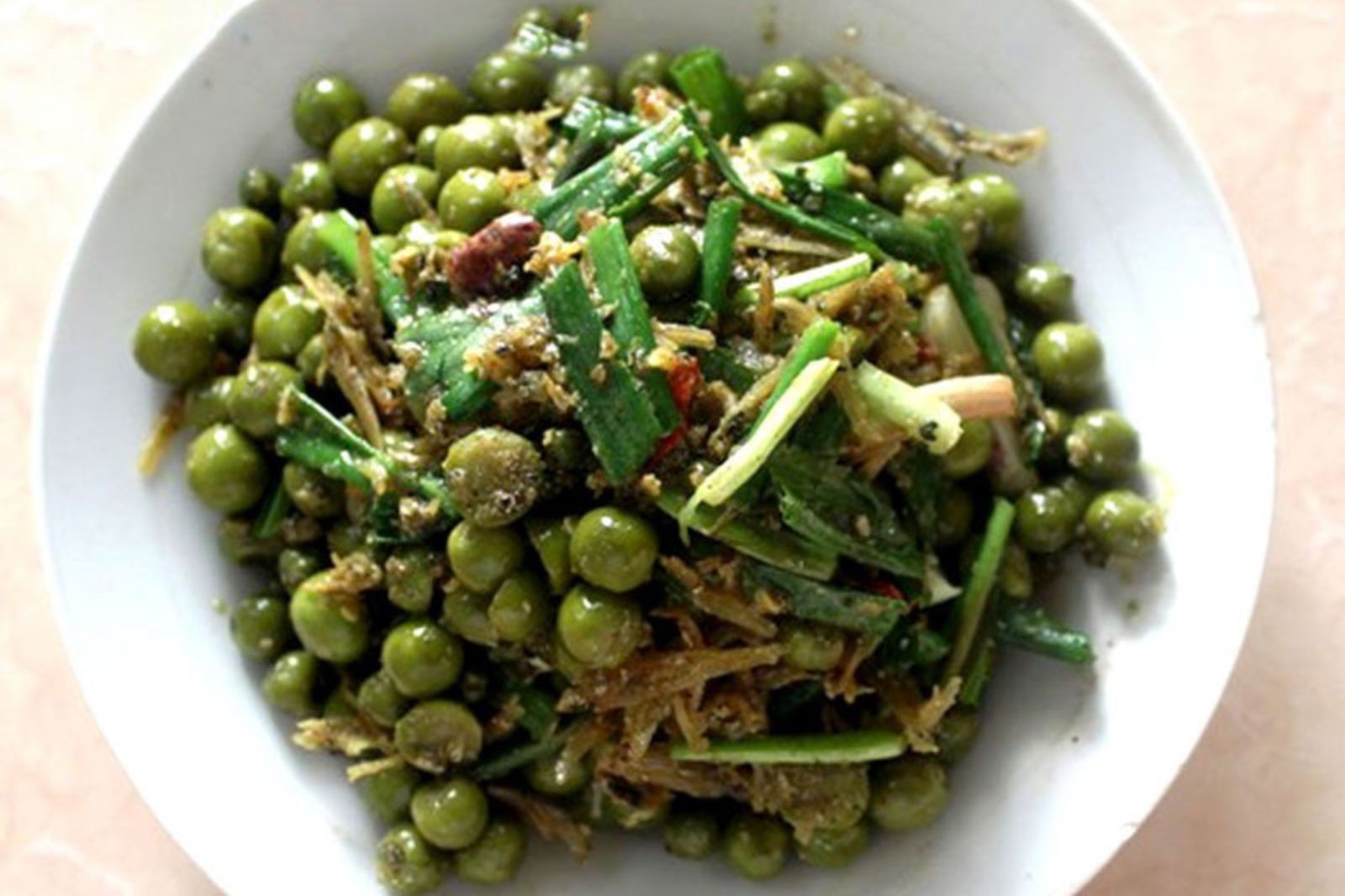
Ca Lao (Lao eggplant), a wild eggplant growing naturally on the hillsides of Minh Hoa, is a unique ingredient for cooking stir-fried Lao eggplant with pork lard. This eggplant has a slightly bitter taste, which when stir-fried with pork lard, pork belly, and green pepper creates a delicious, rich dish. The bitterness of Lao eggplant combined with the richness of pork lard and the spiciness of green pepper makes the dish attractive, especially when served with hot rice. Stir-fried Lao eggplant with pork lard is not only a familiar dish in family meals but also a unique culinary experience for travelers. If you visit Minh Hoa, do not miss the chance to try this dish at local eateries along Da Deo Pass.

Lao eggplant is a type of eggplant that grows naturally in the Minh Hoa region
Photo: Lao eggplant is a type of eggplant that grows naturally in the Minh Hoa region 

Amidst the lush green valleys, where streams weave through rock walls and the songs of forest birds echo in the early morning sun, Minh Hoa cuisine emerges like a rustic yet captivating symphony, where each dish is not only the crystallization of mountain forest products but also a strong connection to roots, customs, and village memories. From firm stone crabs by the stream, rich wild bee pupae hidden in nests in the great forest, to the unique mildly sour tu hu lychee ripening every summer, everything invites travelers to come, taste, and understand a land that seems far yet near, seemingly dry yet full of life. Discovering Minh Hoa specialties is not only a culinary journey but also a return to the original, authentic, and sustainable values of Quang Binh's mountain culture—an experience to remember forever in your heart.

Loading......

Featured destinations