Quan Am Pagoda Da Nang – Impressive Architecture by the Cam Le River

Central

Da Nang

Sovaba.travel

Updated at: 24/09/2026

1. Location and directions to Quan Am Pagoda

Quan Am Pagoda is located at 48 Su Van Hanh Street, Hoa Hai Ward, Ngu Hanh Son District, Da Nang City, nestled at the foot of Kim Son Mountain – one of the five mountains forming the Ngu Hanh Son scenic complex. This location gives the pagoda a space that is both solemn and close to nature.

From downtown Da Nang, travelers can travel about 10–12 km, taking approximately 20–25 minutes by motorbike or car. Some convenient routes include:

  • Duy Tan - Tran Thi Ly Bridge - Ngu Hanh Son - Le Van Hien - Su Van Hanh.

  • Nguyen Huu Tho - Minh Mang - Le Van Hien - Su Van Hanh.

The special feature of Quan Am Pagoda lies in its position leaning against the mountain and facing the river. Behind it stands the contemplative Kim Son Mountain, while in front, the Co Co River flows quietly. Once an important waterway trade route connecting Da Nang and Hoi An, the river now carries a gentle appearance, reflecting the scenery along its banks.

Note: Quan Am Pagoda is located by the Co Co River, not the Cam Le River. These two rivers are situated in different areas of Da Nang, so visitors should keep this in mind when searching for information or directions to avoid confusion.
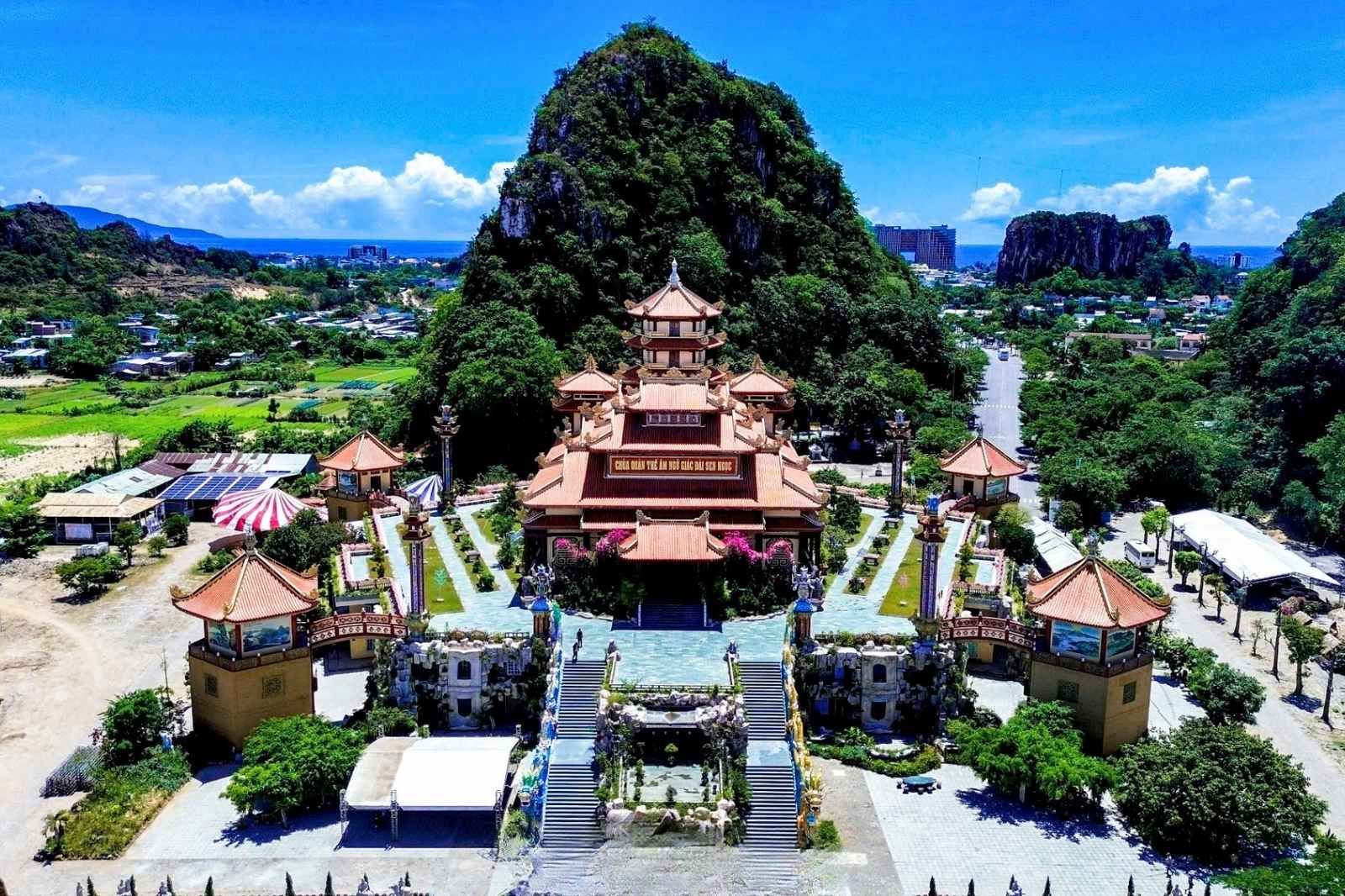
The pagoda located right at the foot of Kim Son Mountain

Photo: The pagoda located right at the foot of Kim Son Mountain

2. Sacred establishment history

The history of Quan Am Pagoda is tied to a sacred story, beginning with a dream of the late Most Venerable Thich Phap Nhan around the 1950s. According to legend, in his dream, the Venerable saw Avalokiteshvara Bodhisattva manifest in a rock cave at the foot of Kim Son Mountain. Waking up, he searched for the place revealed in his dream and discovered a natural cave, later called Quan Am Cave. Inside the cave, a naturally formed stalactite statue of Avalokiteshvara appeared in a standing posture nearly as tall as an adult, holding a vase of sweet dew. From this discovery, a small meditation hermitage was built around 1957, and it has been gradually expanded over the years, becoming an important religious activity center for Buddhists and local residents.

Therefore, the space of Quan Am Pagoda holds more meaning than just a place of worship. This place is also associated with the Avalokiteshvara Festival, a cultural and religious event held in the Ngu Hanh Son area, attracting a large number of locals and tourists every time it takes place. A notable milestone in the pagoda's development journey was in 2015, when the Museum of Buddhist Culture was inaugurated on its grounds. This is the first museum dedicated to Buddhism in Vietnam, preserving many valuable artifacts and documents, adding a layer of cultural depth to the Quan Am Pagoda complex.

Today, walking through the pagoda grounds, the most noticeable feeling remains tranquility. Green trees intertwine with the natural rock formations of Kim Son, the sound of birds echoes through the mountain space, and early morning sunlight gently filters through the canopy. Everything seems to slow down, allowing Quan Am Pagoda to maintain its rustic, serene beauty in the heart of Da Nang.

3. What is special about the architecture of Quan Am Pagoda Da Nang?

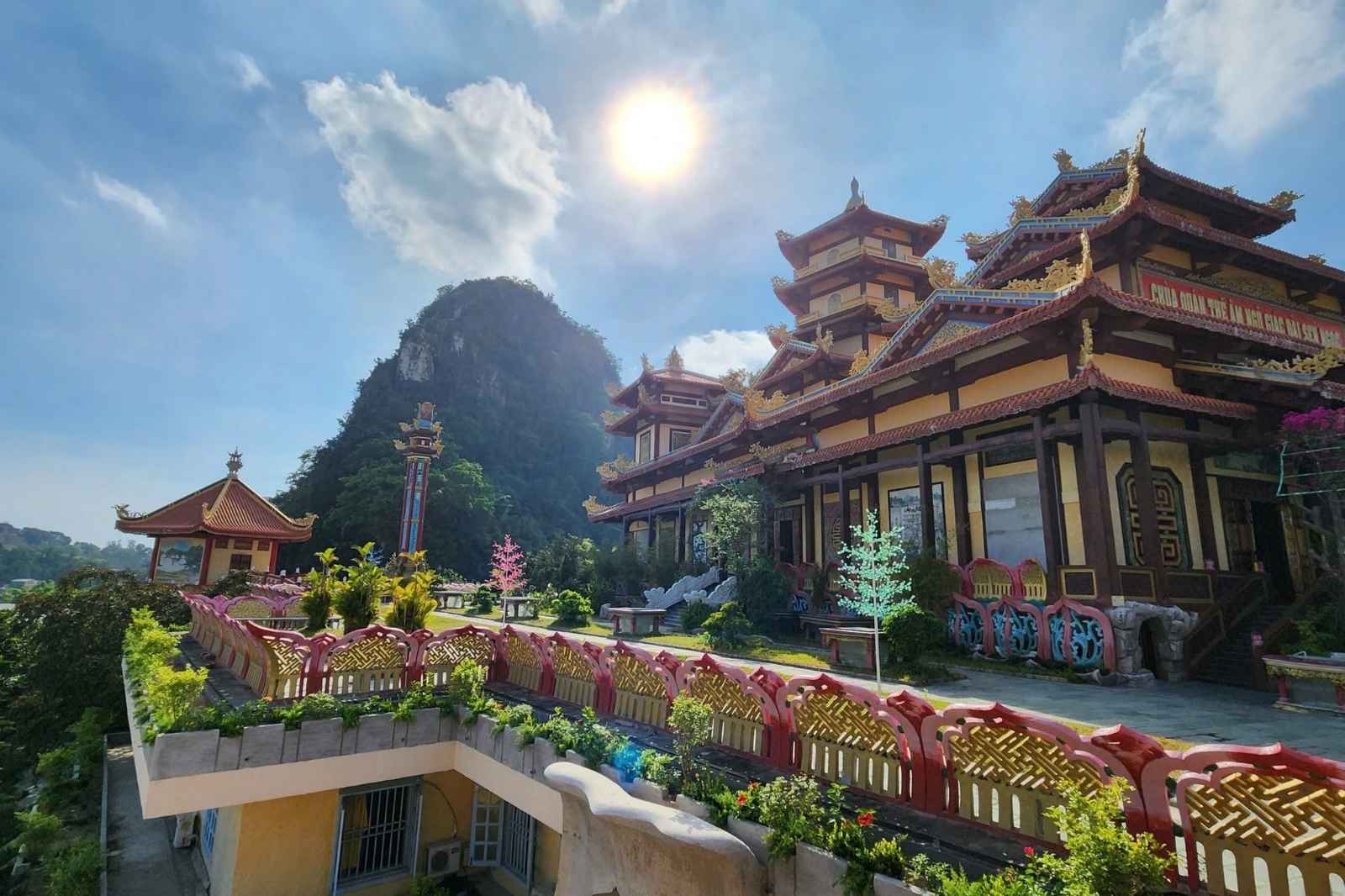
The architecture of Quan Am Pagoda is formed through a harmony between Buddhist structures and the natural terrain of Kim Son Mountain. The tiled roofs, pagoda courtyards, Buddha statues, and worship spaces are arranged among green trees, rock cliffs, and caves, creating a cohesive, solemn overall layout that remains connected to the surrounding landscape.

  • Three-entrance gate and main hall: Bearing the distinct features of Northern Mahayana Buddhist architecture with curved tiled roofs, decorative details, and traditional carvings. The main hall is where Avalokiteshvara Bodhisattva is worshipped, occupying a central position in the pagoda's worship space.

  • Quan Am statue system: Within the grounds, many statues are placed amidst green foliage and stone mountains. Among them, the Thousand-Hand Thousand-Eye Avalokiteshvara statue is a prominent image, associated with the symbol of compassion and the salvation of all sentient beings.

  • Quan Am Cave: Located deep within Kim Son Mountain, the cave is about 50 m long and 10 m wide, with its ceiling and walls covered in multiple layers of natural stalactites. Inside stands a naturally formed Avalokiteshvara statue about 1.75 m tall, created through the long-term erosion process of underground water streams. The cave also features stalactite formations known as ancient stone bells (Thach Chung), along with natural acoustic sounds likened to bells, drums, and wooden gongs. The atmosphere inside the cave is cool, with limited light and a deep stillness.

  • Museum of Buddhist Culture: Located in the main hall area, the museum preserves more than 500 artifacts, including many antiques dating from the 7th to the 20th centuries. The collection includes Buddha statues, woodblock sutras, ritual objects, musical instruments, and various artifacts made of wood, bronze, stone, and jade. Notable exhibits include a white jade statue of Avalokiteshvara holding a child, a group of Esoteric Buddhism statues, and a statue of Avalokiteshvara riding a dragon-fish.

  • Rear courtyard: From this area, visitors can look out over the Co Co River, featuring a wide courtyard, plenty of greenery, and an open space. The mountain behind, the trees on the grounds, and the river in front create a harmonious landscape, preserving the inherent peacefulness of the pagoda.

The architecture of Quan Am Pagoda does not lean toward elaborate complexity but rather focuses on harmony with the terrain. Kim Son Mountain, caves, trees, and the Co Co River all coexist in a Buddhist space, creating a unique character for the pagoda amidst the Ngu Hanh Son landscape.

The campus of Quan Am Pagoda is quite spacious

Photo: The campus of Quan Am Pagoda is quite spacious

4. What experiences to enjoy when visiting Quan Am Pagoda Da Nang?

A journey to Quan Am Pagoda goes beyond simply visiting a Buddhist structure. Depending on the timing, visitors can explore local religious life, discover the natural space within Kim Son Mountain, or simply spend some quiet time by the Co Co River.

  • Attend the Avalokiteshvara Festival: Held annually around the 17th–19th of the 2nd lunar month, combining Buddhist rituals with various folk cultural activities such as boat racing, releasing flower lanterns, Bai Choi singing, calligraphy, and the four sacred animals dance. The festival was recognized as a National Intangible Cultural Heritage in 2021.

    • Worship and explore Quan Am Cave: Offer incense at the main hall, view the statues in the grounds, and venture deep into Quan Am Cave to admire the naturally formed Avalokiteshvara statue and the system of natural stalactites.

    • Visit the Museum of Buddhist Culture: Learn about Buddhist history, art, and lifestyle through the collection of Buddha statues, ritual implements, woodblock sutras, and many ancient artifacts.

    • Sightseeing by the Co Co River: After the tour, visitors can stop by the rear courtyard of the pagoda, gaze out at the Co Co River, and enjoy a quiet moment between the mountains and the river.

    • Combine exploring Ngu Hanh Son: Quan Am Pagoda is located within the Ngu Hanh Son area, making it convenient to combine visits to Huyen Khong Cave, Tam Thai Pagoda, and Non Nuoc Stone Carving Village.

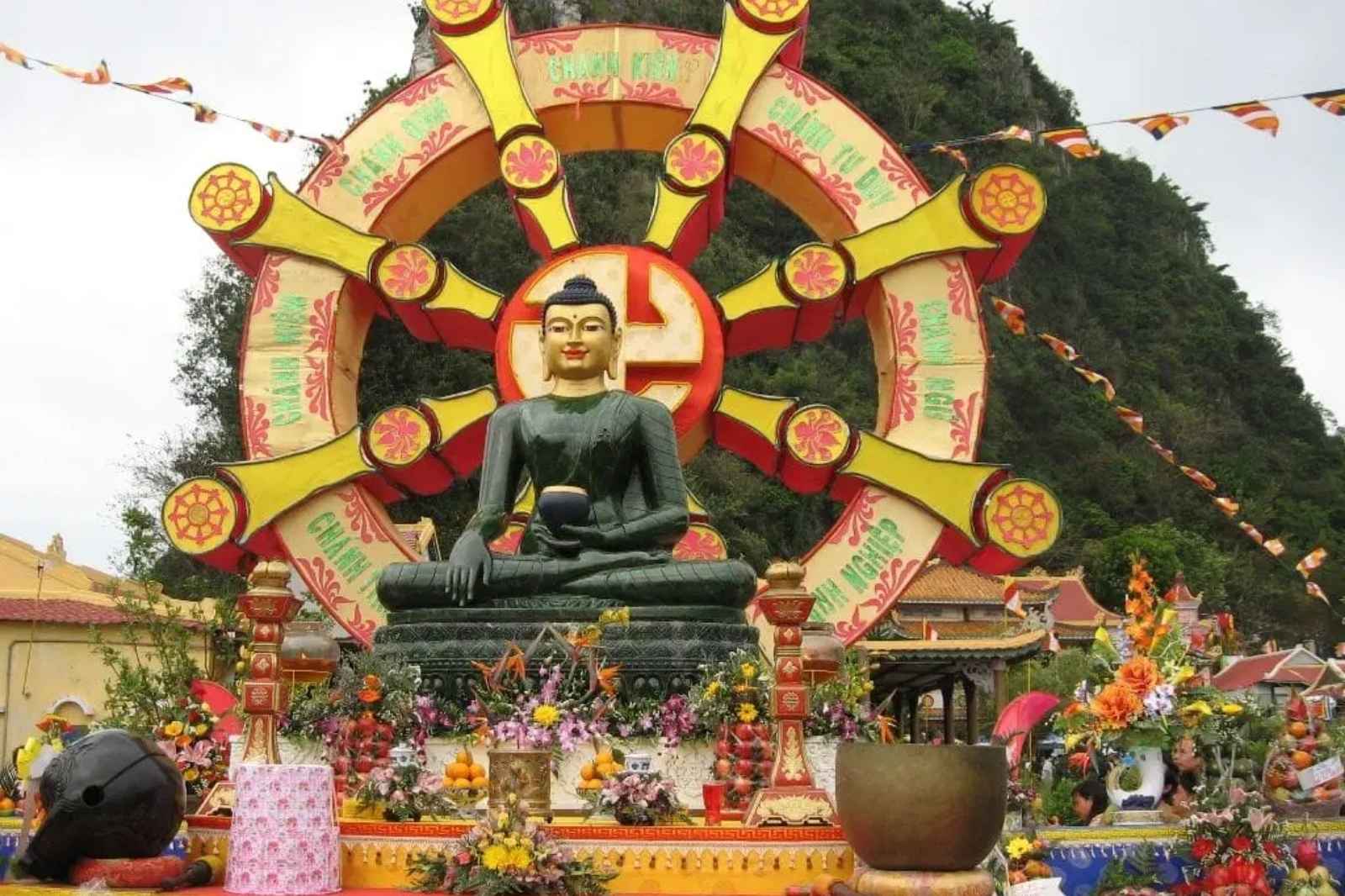
Solemn religious ceremony taking place

Photo: Solemn religious ceremony taking place

5. Visitor tips for Quan Am Pagoda Da Nang

A visit to Quan Am Pagoda will be much more complete with a little preparation, ranging from the timing of the visit, attire, to how to combine nearby attractions. The following information will help you be more proactive when planning your schedule:

  • Timing: It is recommended to visit in the early morning or late afternoon for pleasant weather and a quieter atmosphere. The festival period in the 2nd lunar month features many unique activities but also attracts larger crowds.

  • Attire: Prioritize polite, modest clothing when visiting the pagoda and the main hall.

  • Transportation: Motorbikes or taxis are convenient options; the pagoda area has parking space available.

  • Tour duration: About 1–2 hours for sightseeing; you can allocate more time if combining Quan Am Cave and the Museum of Buddhist Culture.

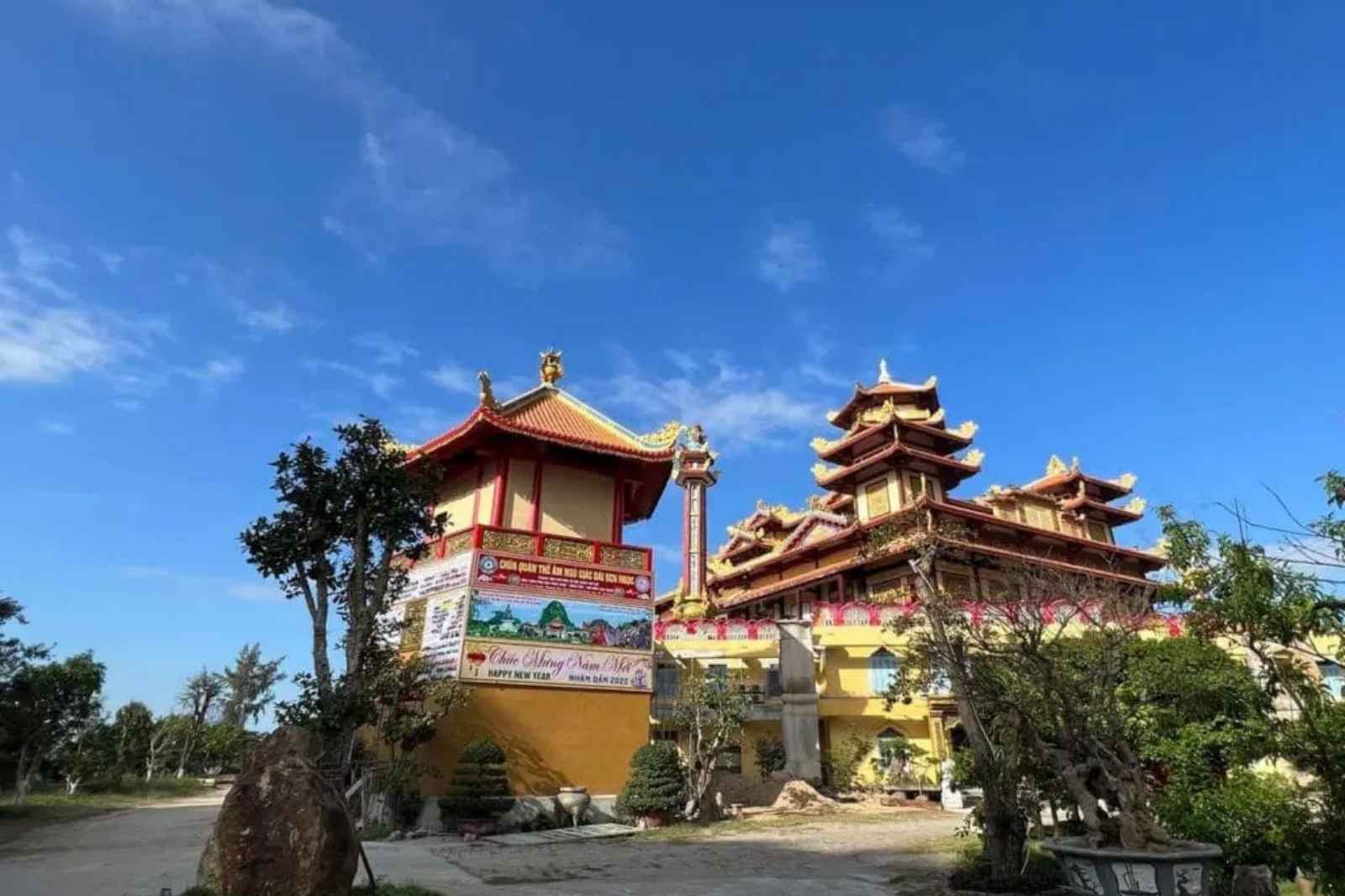
Serene landscape inside the pagoda

Photo: Serene landscape inside the pagoda

Quan Am Pagoda is not only a spiritual landmark with wonderful architecture and scenery at the foot of Ngu Hanh Son, but also a place that preserves the cultural flow through the vibrant Avalokiteshvara Festival. From the majestic Quan Am statue to the mystical stalactites inside the cave, every corner of the pagoda tells a story of miracles and compassion. Let your journey to Quan Am Pagoda Da Nang conclude with moments of tranquility, planting faith and peace in your heart, enriching your memorable experience during your trip to this sacred Buddhist haven in the heart of the coastal city.

Loading......

Featured destinations