Road 9 National Martyrs Cemetery in Quang Tri - A Sacred Historical Destination

Central

Quang Tri

Sovaba.travel

Updated at: 24/09/2026

1. Where is the Road 9 National Martyrs Cemetery?

Road 9 National Martyrs Cemetery is located in Ward 4, Dong Ha City, Quang Tri Province. It is situated right next to National Route 9 (QL9), about 6km west of Dong Ha city center. Its convenient location helps visitors easily connect with other historical sites such as Quang Tri Ancient Citadel, Hien Luong Bridge - Ben Hai River Banks or Truong Son National Martyrs Cemetery.

Formerly known as Dong Ha Town Martyrs Cemetery, it was constructed between 1983 and 1984. In 1995, the project was upgraded to a National Martyrs Cemetery covering a total area of 13 hectares, inaugurated on the occasion of the 50th anniversary of War Invalids and Martyrs Day (July 27, 1997). The initial total investment cost was around 13 billion VND with 16 construction items.

The cemetery is the resting place of heroic martyrs from various forces: main force troops, local troops, guerrilla militias, and volunteer youth who sacrificed their lives on the Road 9 battlefield and while performing international duties in Laos during the 1954-1975 period, along with several martyrs who fell during the period of defending the Fatherland. Among them, approximately 7,000 graves belong to unidentified martyrs.
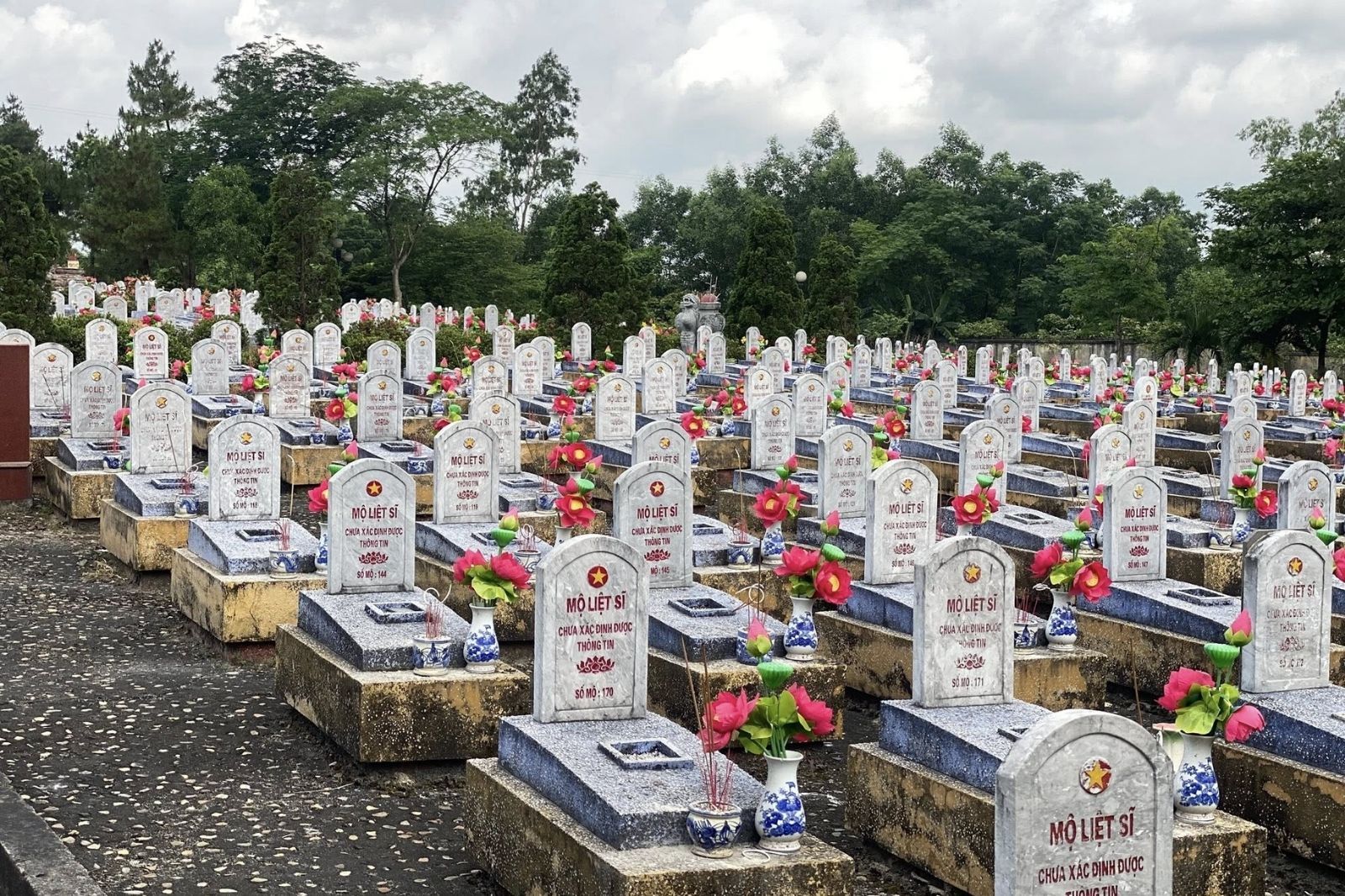
The resting place of nearly 11,000 martyrs
Photo: The resting place of nearly 11,000 martyrs 

2. Unique architecture and prominent structures

The cemetery is harmoniously designed on gently sloping hills, facing National Route 9, creating a solemn atmosphere while being close to nature.

  • Victory Monument (18m high): The eastern pedestal symbolizes the ruins of Quang Tri Ancient Citadel, while the western side depicts the protective Truong Son mountain range. The statue portrays a Liberation soldier alongside a Lao maiden and child celebrating victory day.
  • Ceremony Area and Memorial House: An area of 90m² featuring 4 round pillars, a large incense burner, and 3 large bas-reliefs reflecting the resilient fighting spirit, a border-line mother mending the national flag, and the battle against Operation Lam Son 719.
  • Grave Sections: Divided into 14-17 localities (depending on updates), martyrs' graves are arranged alphabetically. There are collective and individual graves, interspersed with greenery and a serene space.

The panoramic view of the cemetery from above emerges like a vivid historical picture, reminding future generations of the value of today's peace.

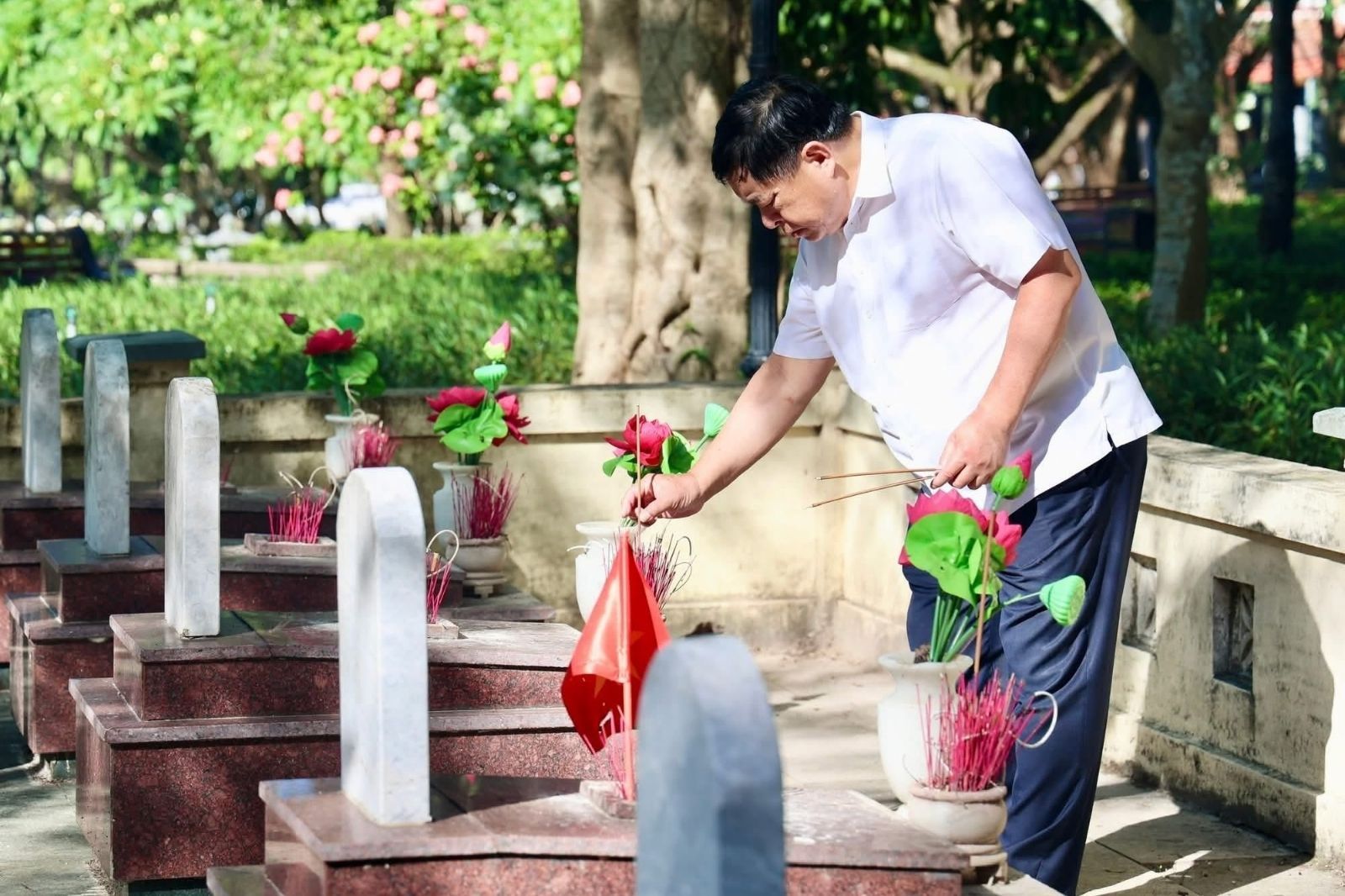
Offering incense at martyrs' graves
Photo: Offering incense at martyrs' graves 

3. Historical significance and educational value

Road 9 once played a key strategic transportation role, closely associated with many glorious victories during the resistance years of the Vietnamese army and people. The cemetery is not only a place to preserve memories of the heroic sacrifices of martyrs but also a symbol of the special Vietnam-Laos solidarity and the aspiration for peace and national reunification.

Setting foot here, visitors can deeply feel the value of the tradition 'When drinking water, remember its source' and gratitude toward past generations. Every year, many delegations of veterans, pupils, and students frequently organize incense offering, remembrance, and traditional activities at the cemetery. This is also one of the prominent destinations for spiritual tourism and heritage/historical tourism in Quang Tri – a historical land possessing over 72 martyrs' cemeteries and nearly 500 revolutionary historical sites across the province.

4. Detailed visitor guide and practical tips

To ensure a smooth and meaningful visit to the cemetery, visitors should look up the itinerary, suitable times, and essential notes beforehand when coming to pay respects and offer incense at this special historical site.

How to get there:

  • From Dong Ha City: Rent a motorbike, take a taxi, or drive a private car (about 10-15 minutes).
  • From Hue or Quang Binh: Travel along National Route 1A (QL1A) and turn onto National Route 9 (QL9).
  • Close to Dong Hoi Airport or Dong Ha Railway Station, easy to combine with DMZ tours.

Ideal time:

  • Early morning or late afternoon to avoid the heat.
  • Occasions such as July 27 (War Invalids and Martyrs Day), April 30, September 2, or major holidays.

Tips for visiting:

  • Dress politely and respectfully (avoid short skirts or revealing tops).
  • Bring drinking water, a hat, and sunscreen.
  • Maintain cleanliness, do not step on graves, and refrain from making noise.
  • You can contact the Cemetery Management Board for tour guide assistance (especially for large groups).
  • Combine with visits to nearby locations: Quang Tri Ancient Citadel (about 10-15km away), Vinh Moc Tunnels, Cua Viet...

Visiting duration: 1-2 hours for offering incense, sightseeing, and reflection.

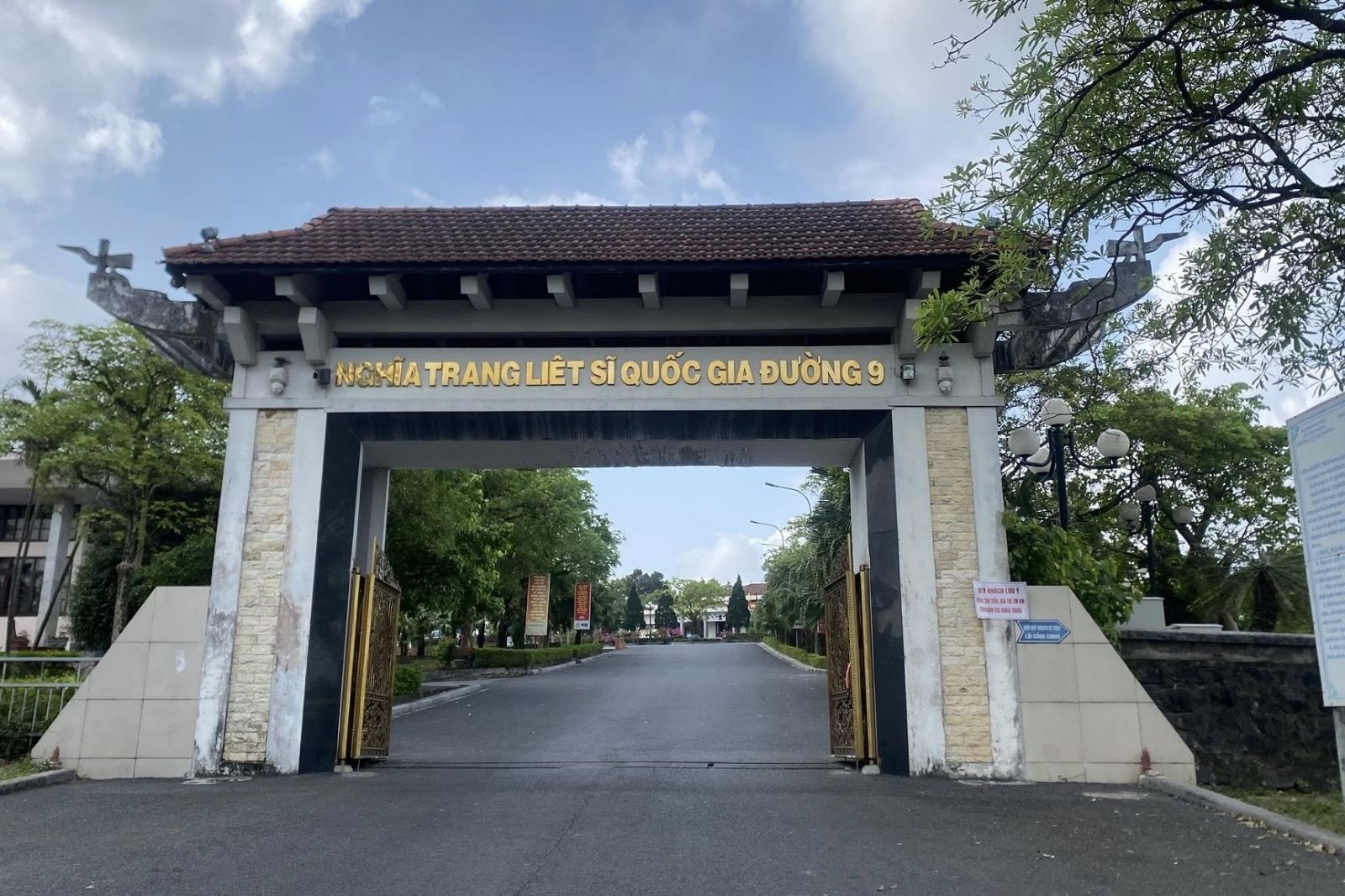
Gate of Road 9 National Martyrs Cemetery
Photo: Gate of Road 9 National Martyrs Cemetery 

Road 9 Cemetery currently still has many collective graves and thousands of unidentified martyrs. Efforts to search for and gather martyrs' remains are ongoing, especially through cooperation between Vietnam and Laos. The official website of the cemetery (nghiatrangduong9.quangtri.gov.vn) provides information for martyrs' relatives to search, contributing to bringing solace to many families.

Road 9 National Martyrs Cemetery is not only the final resting place of tens of thousands of martyrs but also a living symbol of patriotism, sacrifice, and the indomitable spirit of the Vietnamese nation. Every visit here is a reminder of our responsibility to preserve and promote traditions and live worthily of what our ancestors left behind. If you have the opportunity to visit Quang Tri, make time to visit this sacred site. A trip here is not only meaningful for remembrance but also helps you better understand history and appreciate the value of today's peace.

Loading......

Featured destinations