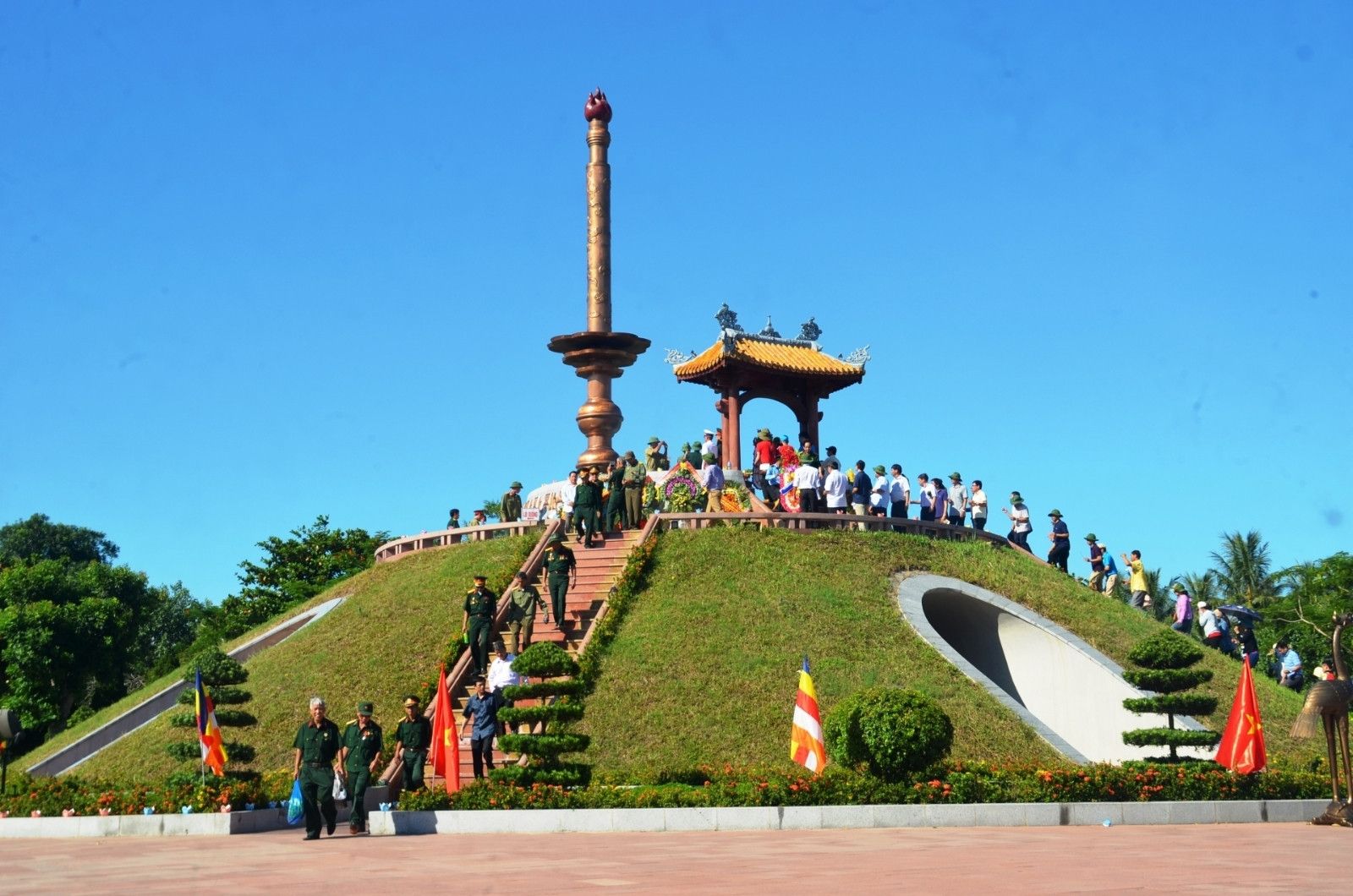
Quang Tri Ancient Citadel – Fiery symbol of the historic 81 days and nights

Central

Quang Tri

Quang Tri Ancient Citadel

Sovaba.travel

Updated at: 24/09/2026

1. Where is Quang Tri Ancient Citadel?

Quang Tri Ancient Citadel (or Quang Tri Old Citadel) is located on Ly Thai To Street, Ward 2, Quang Tri Town, Quang Tri Province, right in the center of the town and close to the southern bank of the Thach Han River.

  • Strategic location: About 1-2 km northeast of National Highway 1A and about 14 km from Dong Ha City. Located in the heart of the town, it is easily connected to other relics such as the Hien Luong - Ben Hai Riverbanks or the Truong Son National Martyrs Cemetery.
  • Historical architecture: The citadel has an area of about 25 ha, is square-shaped, with a perimeter of more than 2,000 m, a height of over 4 m, and a base thickness of over 12 m. It was initially built of earth during the reign of Gia Long (1809), and later constructed of baked brick under the reign of Minh Mang (1837) using a binder made of lime, molasses, and traditional folk additives. The citadel has 4 main gates (East, West, South, North) and 4 corner bastions.

This place was once an important administrative and military center under the Nguyen Dynasty, and was later used by French colonialists and the US-Puppet regime as outposts and prisons. Today, the Ancient Citadel is a Special National Relic, restored and preserved with memorial works.

Directions: From Hue or Da Nang, follow National Highway 1A north. There are clear signposts. There is free or low-cost parking near the gate.
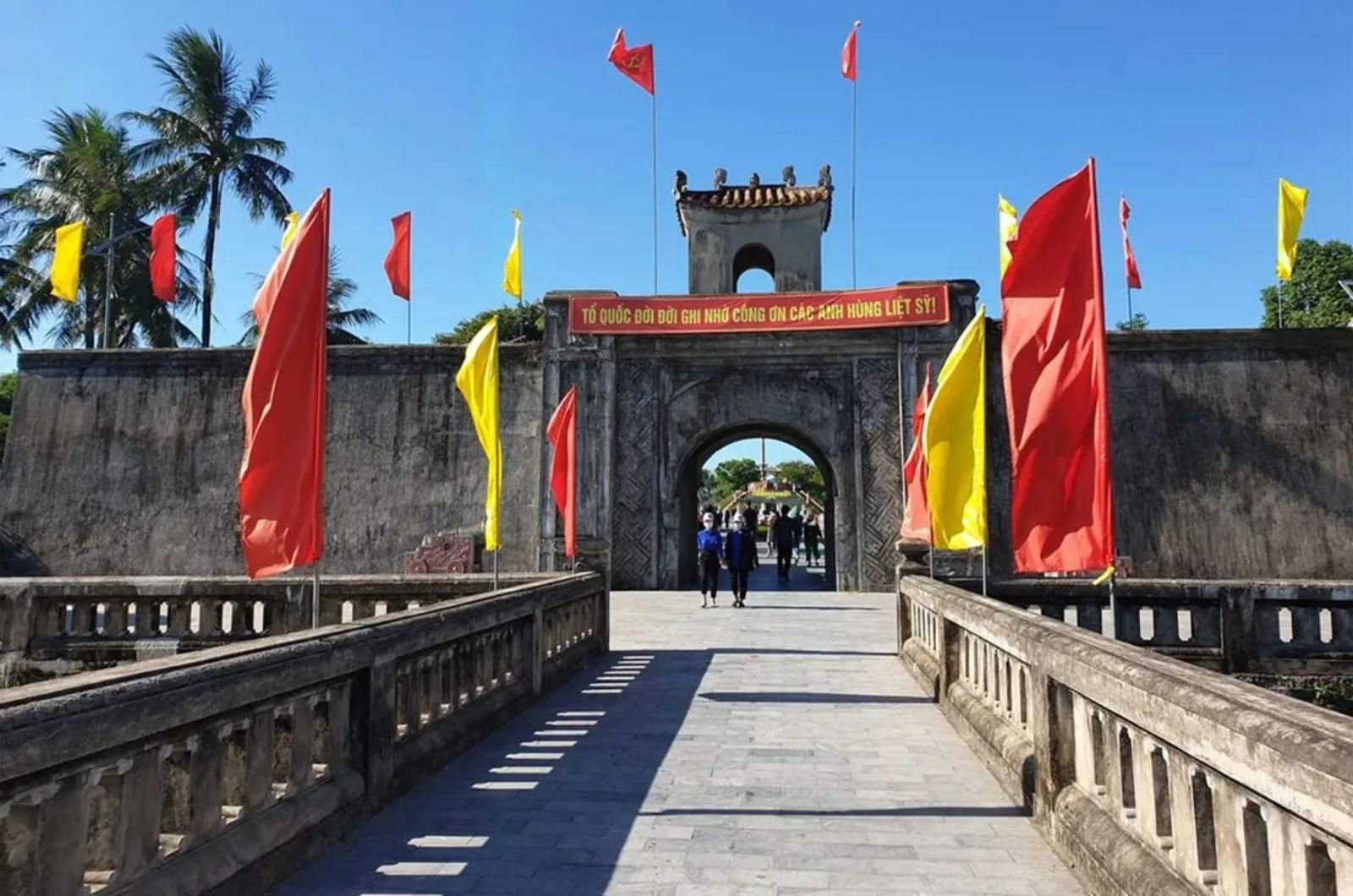
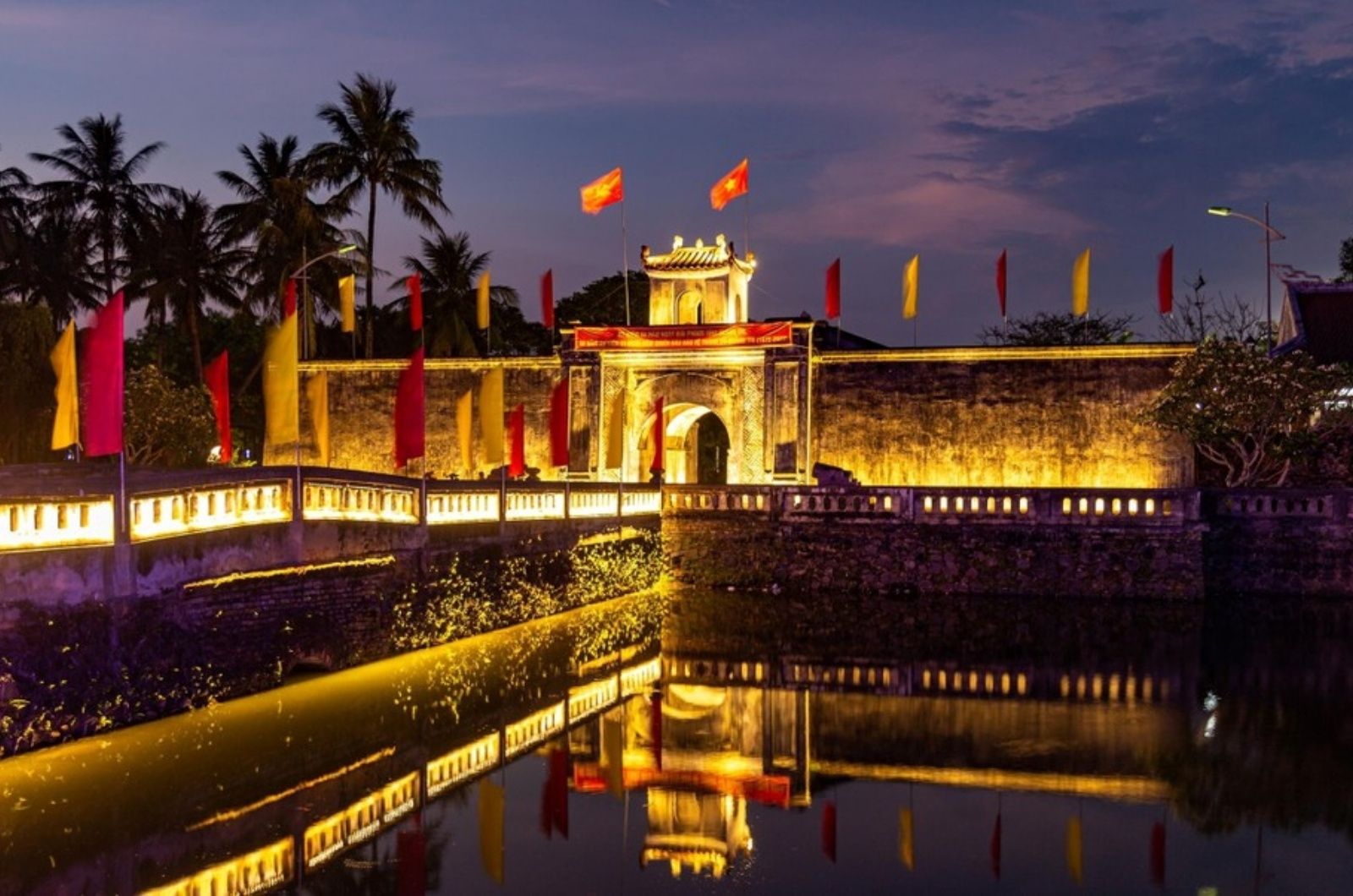
Quang Tri Ancient Citadel was built during the reign of King Gia Long
Photo: Quang Tri Ancient Citadel was built during the reign of King Gia Long

2. The 81-day-and-night battle at Quang Tri Ancient Citadel

The battle to protect Quang Tri Ancient Citadel  (from June 28, 1972 to September 16, 1972) was one of the fiercest battles of the Spring-Summer Campaign of 1972 (Vietnam War). The Liberation Army of South Vietnam (supported logistically by the People's Army of Vietnam) resiliently defended the Ancient Citadel and Quang Tri town against the overwhelming firepower of the US and Saigon forces.

Context and main developments:

  • After liberating Quang Tri town in late April 1972, our forces shifted to defense, turning the Ancient Citadel into an immortal fortress.
  • The US and Saigon forces mobilized thousands of airstrikes, artillery shellings, and infantry forces for reoccupation. During the 81 days and nights, the area was subjected to approximately 328,000 tons of bombs and shells, equivalent to the destructive power of 7 atomic bombs dropped on Hiroshima. On average, each soldier had to face hundreds of bombs.
  • Fighting went on continuously day and night; every meter of land and every section of the citadel wall was soaked in blood. Our soldiers used trenches, bunkers, and heroic spirits to hold out.
  • Result: Our forces outstandingly completed their strategic mission, slowing down the enemy's reoccupation plans, contributing significantly to the diplomatic struggle that led to the Paris Peace Accords (January 27, 1973) and paving the way for the 1975 Spring Victory.

This was not just a military battle but also a symbol of the aspiration for independence, freedom, and the resilient will of the nation. Many heroic stories of soldiers in their twenties have become legends.

3. Why is Quang Tri Ancient Citadel called a cemetery without graves?

The name "cemetery without graves" (or cemetery without tombstones) stems from the immense and tragic sacrifice of tens of thousands of soldiers during the 81-day-and-night battle.

  • Bombs and bullets flattened almost the entire Ancient Citadel, and the bodies of many martyrs could not be identified or buried individually. Their blood and bones blended into every clod of earth, piece of brick, and blade of grass.
  • The Thach Han River also witnessed countless sacrifices during the transport of military rations and wounded soldiers. Many fell and remained forever in the womb of mother earth or drifted along the water.
  • Today, when walking on the green grass amidst the bullet-ridden walls, visitors can easily feel the sacredness. There are no specific graves here, but it serves as a collective resting place for countless nameless heroes, a vivid symbol of sacrifice for the Fatherland.

The Central Monument inside the campus of the Ancient Citadel was built not as individual graves but as a symbol of noble sacrifice, a place for the living to express their deep respect, gratitude, and remembrance of those who laid down their lives forever for the Fatherland.

Historical symbol of the fierce 81 days and nights of war
Photo: Historical symbol of the fierce 81 days and nights of war

4. Important notes when visiting Quang Tri Ancient Citadel

Visiting Quang Tri Ancient Citadel is a meaningful journey back to the roots. To ensure the trip is solemn and complete, visitors should note the following:

  • Attire: Dress politely and discreetly to show respect when visiting a historical site and resting place of heroic martyrs.
  • Attitude: Maintain a solemn attitude, walk gently, speak softly, and do not play around or make noise in the relic area.
  • Offering incense: Visitors can buy flowers and incense to offer at the Monument. The relic site provides guiding services for incense offering ceremonies (for a fee) if the group requests.
  • Sightseeing: Spend time walking to explore the campus of the Ancient Citadel, the remaining or reconstructed structures, and the exhibition area to learn more about history.
  • Thach Han River: If possible, visit the flower-releasing pier by the Thach Han River to better understand the soldiers' sacrifices and participate in releasing flower lanterns (usually on holidays and anniversaries) in remembrance.
  • Opening hours: The relic site is usually open to visitors from 7:00 AM to 5:00 PM daily, including weekends and holidays.
  • Cost: Admission to Quang Tri Ancient Citadel is currently free. Additional costs (if any) are for incense offering services or hiring a tour guide.
  • Timing: It is recommended to choose a time of favorable weather (dry season from March to September) for a more comfortable visit. Holidays like July 27 (Invalids and Martyrs Day) often feature special tribute activities.

Quang Tri Ancient Citadel is a "red address" in the journey to discover Vietnamese history, where every brick and every tree root tells the story of a fiery but heroic era. Coming to the Ancient Citadel is to remember, show gratitude, and learn lessons about the value of peace and independence.

Photo: "Red address" in the journey of discovering Vietnamese history

To have a complete and most convenient journey of exploring Quang Tri Ancient Citadel and connecting with other prominent historical, spiritual, and cultural relic sites of Quang Tri land, let Sovaba Travel accompany you. Sovaba Travel is proud to design quality Quang Tri tours that bring you to the Ancient Citadel along with many other important local attractions, helping you gain deep and memorable experiences.

Loading......

Featured destinations