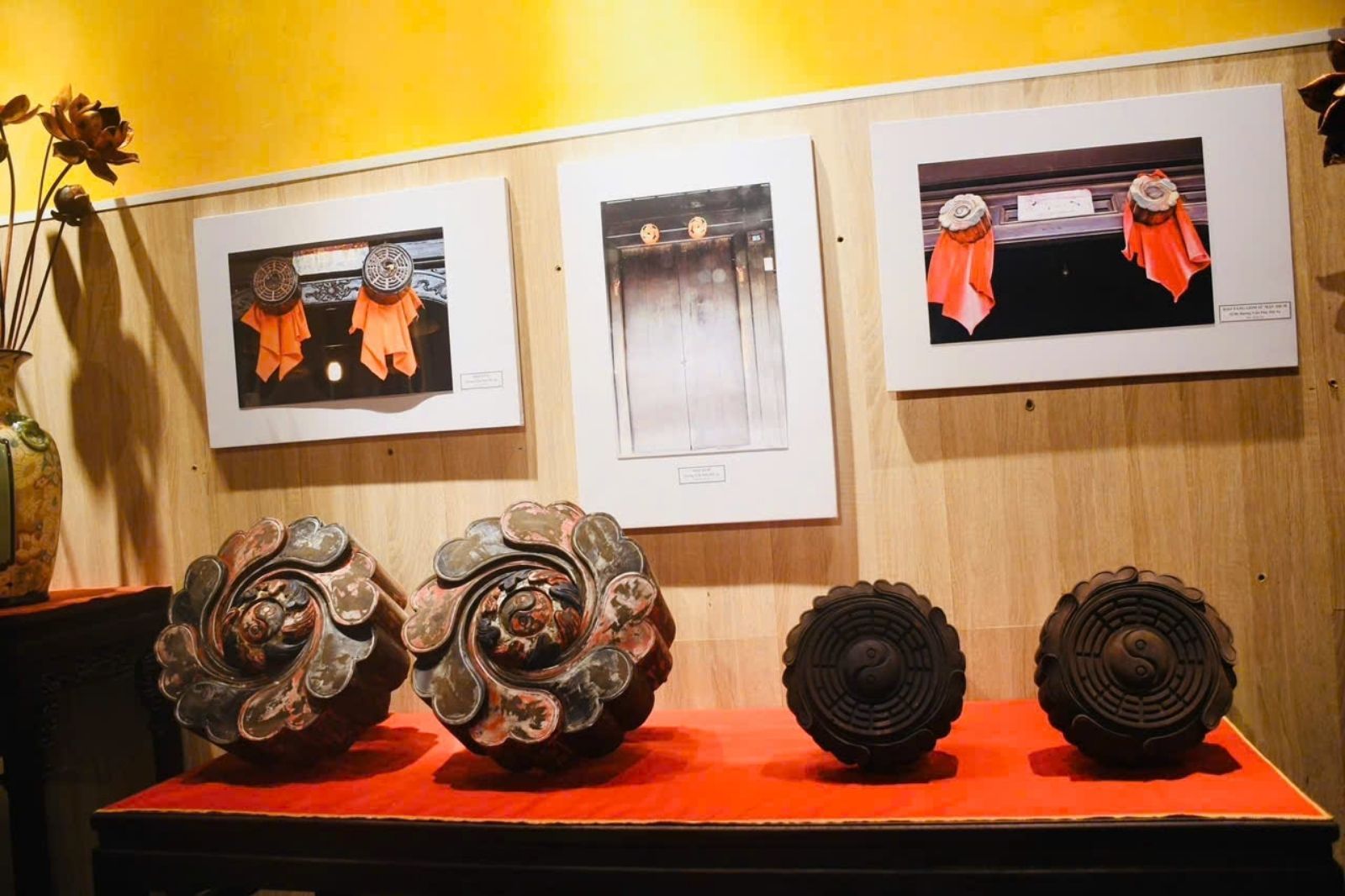
Sa Huynh Culture Museum: A "Time Machine" Travelling 2,000 Years Back in Hoi An

Central

Da Nang

Hoi An

Sovaba.travel

Updated at: 24/09/2026

1. What is Sa Huynh Culture?

The Sa Huynh culture is an important archaeological culture that existed from around 1,000 BC to the end of the 2nd century AD, considered one of the three cradles of ancient civilization in Vietnam, along with the Dong Son culture in the North and the Oc Eo culture in the South. This culture was mainly distributed along the central coastal region, from Quang Binh to Binh Thuan, with representative sites such as Long Thanh, Phu Khuong, and locations in Quang Ngai.

The owners of the Sa Huynh culture were coastal agricultural inhabitants living in the Early Iron Age. They developed a diverse economy, including slash-and-burn farming, forest resource exploitation, wet rice cultivation in the plains, and fishing. They knew how to use iron tools, craft exquisite pottery, and had extensive trade relations with Southeast Asia, South India, and China. A prominent feature was the custom of jar burials (large ceramic jars), reflecting their beliefs about life after death and high levels of craftsmanship. The Sa Huynh culture is not only an archaeological heritage but also contributed to forming the later Champa cultural identity, with crafts such as iron blacksmithing, weaving, and jewelry making.
Sa Huỳnh là nền văn hóa khảo cổ học
Photo: Sa Huynh is an archaeological culture 

2. History of the Sa Huynh Culture Museum in Hoi An

The Sa Huynh Culture Museum was established in 1994, located at 149 Tran Phu, Minh An Ward, former Hoi An, Quang Nam (now Da Nang City). The museum houses and displays a unique collection of over 1,000 original artifacts related to ancient inhabitants of the Sa Huynh culture, dating back approximately 2,000 years. These artifacts were excavated from archaeological sites in Hoi An such as Bai Ong, Hau Xa I, Hau Xa II, An Bang, Xuan Lam, and other locations.

The museum was born out of the need to preserve heritage following excavations in 1989, when Hoi An began to be recognized on the archaeological map of Central Vietnam. Initially, the collection comprised 946 artifacts, later increasing to 971, focusing on recreating the lives of Sa Huynh inhabitants – considered the owners of the early Hoi An port city, with extensive international relations. The museum serves not only as a storehouse but also contributes to research and education on the history of Hoi An's formation from the Pre-Sa Huynh period (over 3,000 years ago) to later stages. 

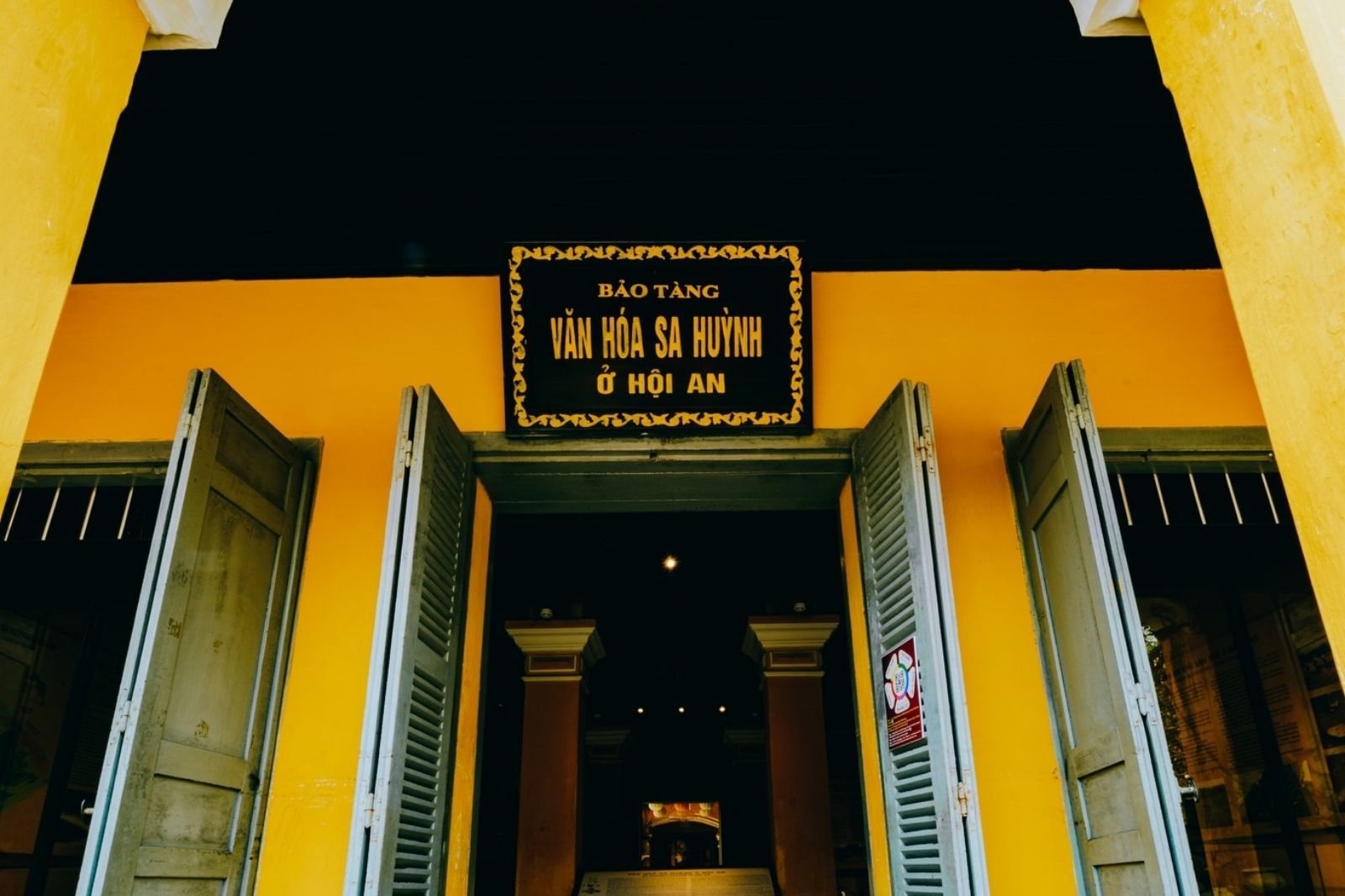
Bảo tàng văn hóa Sa Huỳnh ở phố cổ Hội An
Photo: Sa Huynh Culture Museum in Hoi An Ancient Town 

3. What makes the exhibition space at the Sa Huynh Culture Museum unique?

The Sa Huynh Culture Museum is designed as a concise yet deep journey of discovery, allowing visitors to easily connect with ancient life. Highlights include:

  • Architecture & Location: Located in a two-story ancient house in Hoi An style, with a display area of about 400m², built right on the archaeological site foundation.
  • Exhibition Space:
    • 1st Floor: Burial artifacts, labor tools
    • 2nd Floor: Ancient jewelry and household items
  • Design: Soft lighting, bilingual Vietnamese - English captions, scientific layout.
  • Highlights: Outdoor jar burial reconstruction area, green garden, and a small cafe overlooking the ancient town.

The harmonious combination between archaeology and the traditional Hoi An space creates a visiting experience that is both gentle and rich in historical value for tourists.

4. Key artifacts at the Sa Huynh Culture Museum

The museum owns a rich collection of representative artifacts that clearly recreate the Sa Huynh culture. Here are some highlights:

  • Jar and urn burials: This is a distinctive symbol, featuring shapes such as cylindrical, egg-shaped, or spherical, often buried in clusters on coastal sand dunes. They contain grave goods like ceramics and jewelry, reflecting unique burial customs.
  • Jewelry: Strings of gemstone beads, three-pronged earrings (lingling-o) made of agate and glass, featuring vibrant colors such as cyan, red, and brown. This serves as proof of sophisticated crafting craftsmanship and cultural exchange.
  • Labor tools and iron weapons: Including axes, sickles, and knives from Hau Xa and Xuan Lam sites, proving that residents had entered the Iron Age.
  • Pottery and bronze items: Delicately decorated vase-shaped ceramic jars, bronze containers from the Go Dua site, carrying high artistic value.
  • Shell bracelets and household items: From related Champa collections, demonstrating cultural transition.

These artifacts are not only rare, but also help to gain a deep understanding of the economy, society, and beliefs of ancient inhabitants.

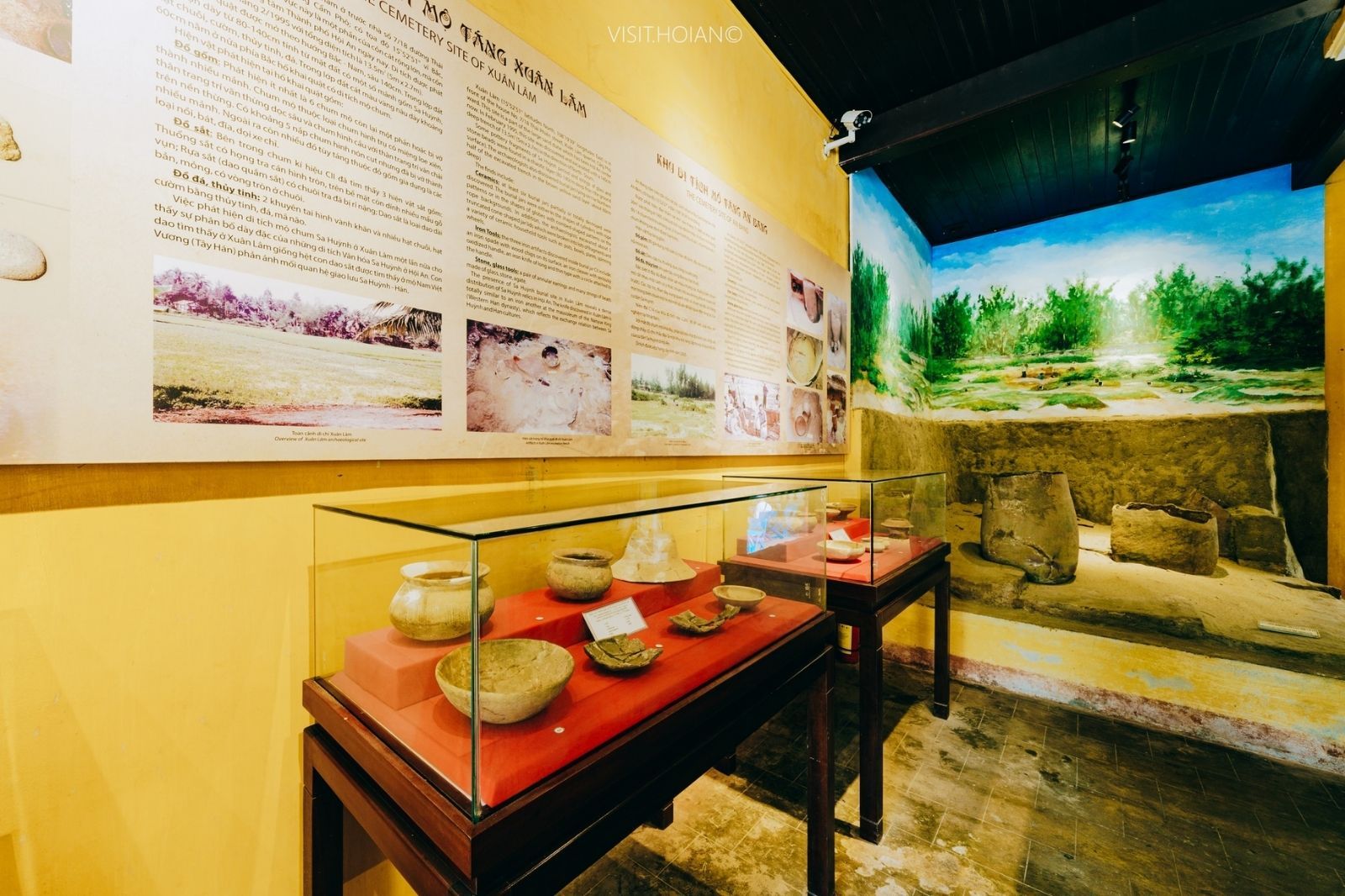
Một số hiện vật trưng bày ở bảo tàng
Photo: Some artifacts on display at the museum  

5. Visiting experiences at the Sa Huynh Culture Museum

Visiting the museum is an exciting journey of discovery, starting with admiring 12 large boats representing the bustling ancient Hoi An trading port. Visitors can snap photos at beautiful corners combining ancient artifacts and wooden house architecture. A standout experience is observing detailed reconstructions of jar burials and listening to stories of trade exchanges through imported artifacts from India and China.

The museum also offers free guided sessions to help visitors better understand the burial customs and aesthetic sensibilities of the Sa Huynh inhabitants. If traveling in a group, you can participate in interactive activities such as painting ceramic patterns, which are highly educational. The total visiting time is usually 45-60 minutes, suitable for combining with a stroll through the ancient town.

6. Latest opening hours and ticket prices for the Sa Huynh Culture Museum

According to information updated as of 2026, the museum is open from 7:00 to 21:00 daily, except on the 10th and 25th of every month for professional maintenance work. The ticket price is included in the entrance ticket for Hoi An Ancient Town:

  • Vietnamese visitors: 80,000 VND/person/visit.
  • International visitors: 120,000 VND/person/visit.

With the Hoi An Ancient Town ticket, visitors can visit 5 heritage sites in the ancient town. Children under 16 are free, and discounts are available for pupils and students. It is recommended to check the official website or contact phone number 0235 3861535 for the latest updates.

7. Tips for visiting the Sa Huynh Culture Museum

To ensure your visit to the Sa Huynh Culture Museum goes smoothly and completely, you should keep in mind several important notes below:

  • Ideal time: Early morning (8:00-10:00) or late afternoon to avoid crowds and hot weather.
  • Dress code and regulations: Dress politely, do not smoke, do not touch artifacts, and keep quiet to respect the heritage.
  • Itinerary combination: The museum is located near Covered Bridge (Chua Cau), so it is recommended to visit after strolling through the ancient town or before watching the Hoi An Memories show. If riding a bicycle, it is easy to get around.
  • Useful tips: Bring drinking water and use a tour guide if you want a deeper understanding. Combine with other museums such as the Hoi An Museum of History and Culture for a comprehensive view.
  • Peak season note: March-August is crowded, so buy tickets online if available.

The Sa Huynh Culture Museum is not just a check-in point, but also an opportunity for you to connect with the roots of Vietnamese history.

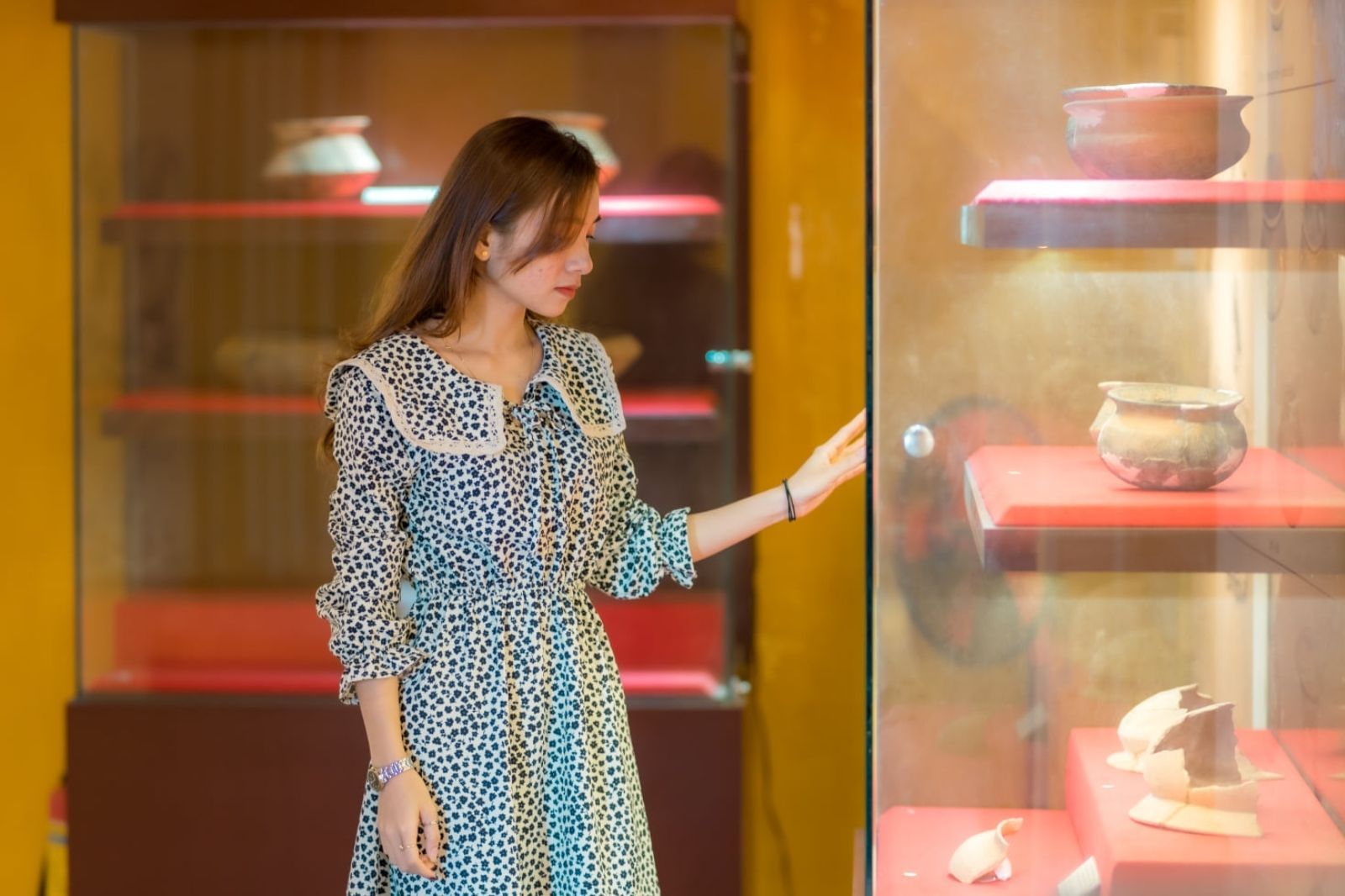
Du khách tham quan bảo tàng văn hóa Sa Huỳnh
Photo: Tourists visiting the Sa Huynh Culture Museum  

The Sa Huynh Culture Museum concludes your visit not with overwhelm, but with the lingering resonance of history. Amidst the slow pace of Hoi An, this place serves as a reminder that the beauty of the ancient town lies not only in moss-covered roofs, but also originates from the cultural depth formed millennia ago. Each artifact and display space contributes to vividly depicting a civilization that once existed and flourished. If you have the chance to visit Hoi An, do not miss this special 'time machine', where you can better understand the past, appreciate the present, and preserve heritage values for the future.

Loading......

Featured destinations