Hoi An Ancient Town dates back to the 2nd century AD, when this land was part of the Champa Kingdom under the name Lam Ap Pho – a primitive trading port. By the 15th-16th centuries, under the Dai Viet era, Hoi An began to take shape as an important port town thanks to its strategic location along the Thu Bon River near the sea estuary. In 1527, during the Le Dynasty, Mac Dang Dung ascended the throne, leading to the North-South division, and Lord Nguyen Hoang reclaimed Dang Trong (Inner Realm), turning Hoi An into one of the most bustling international trading ports in Southeast Asia.
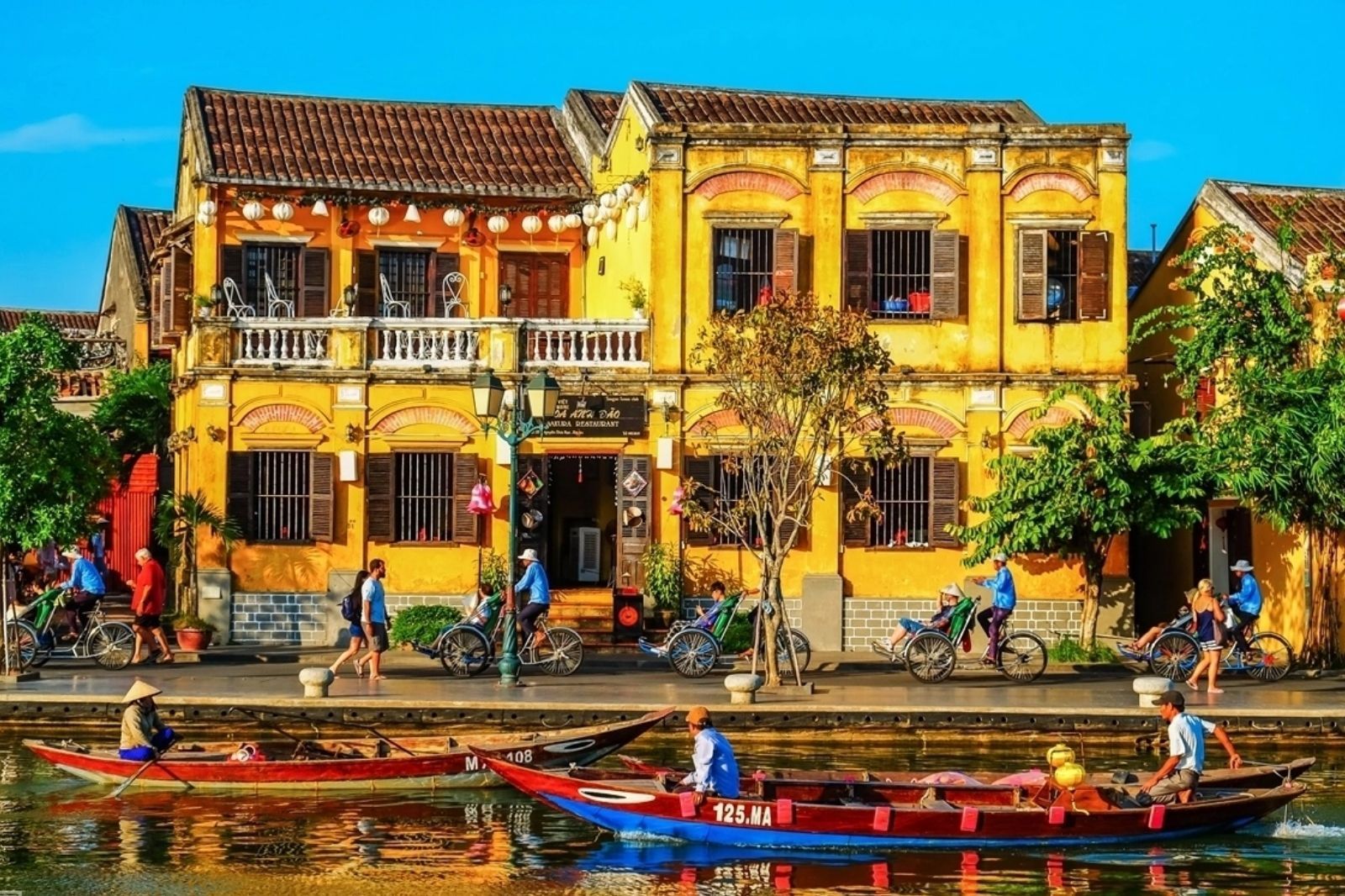
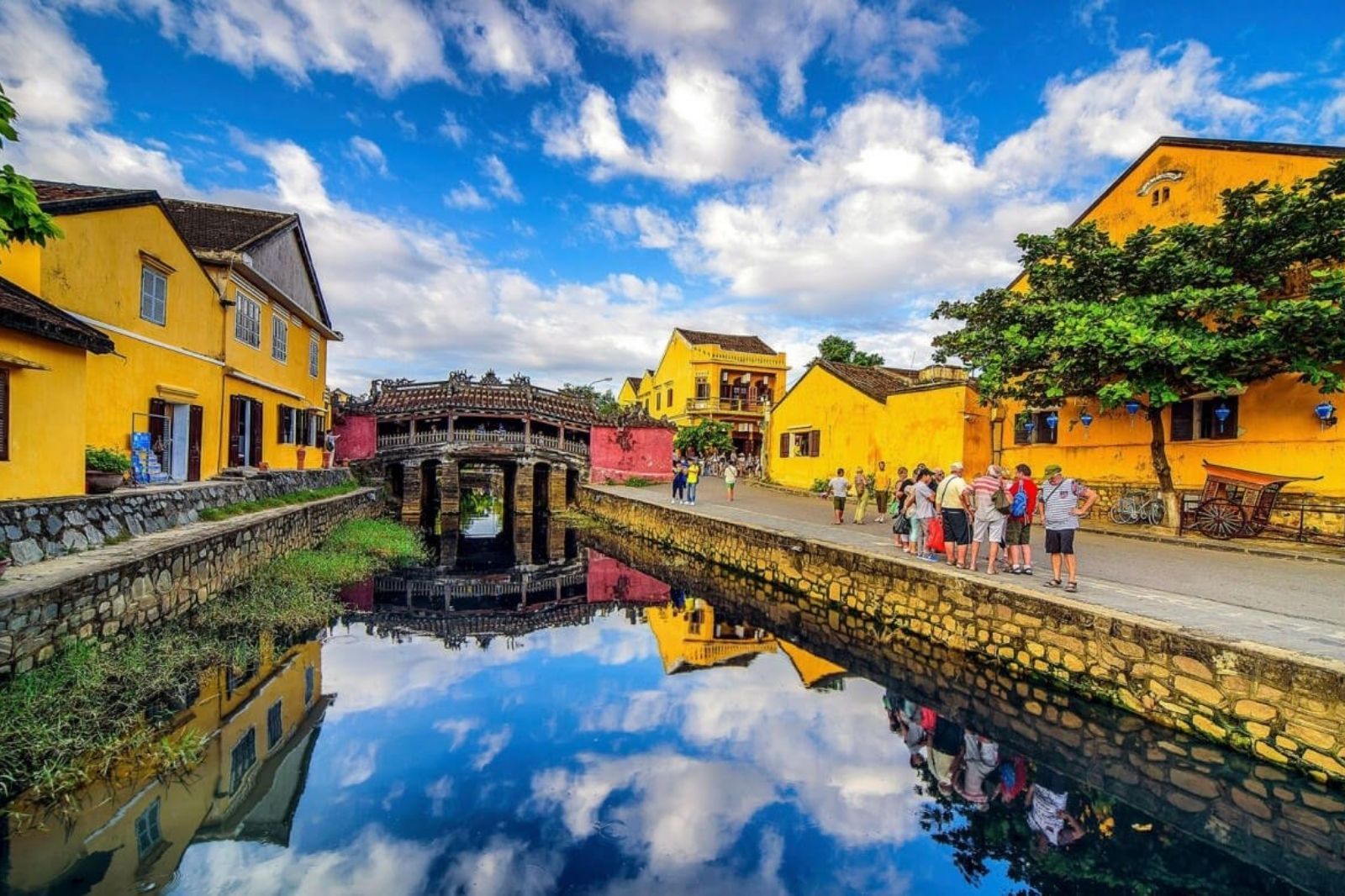
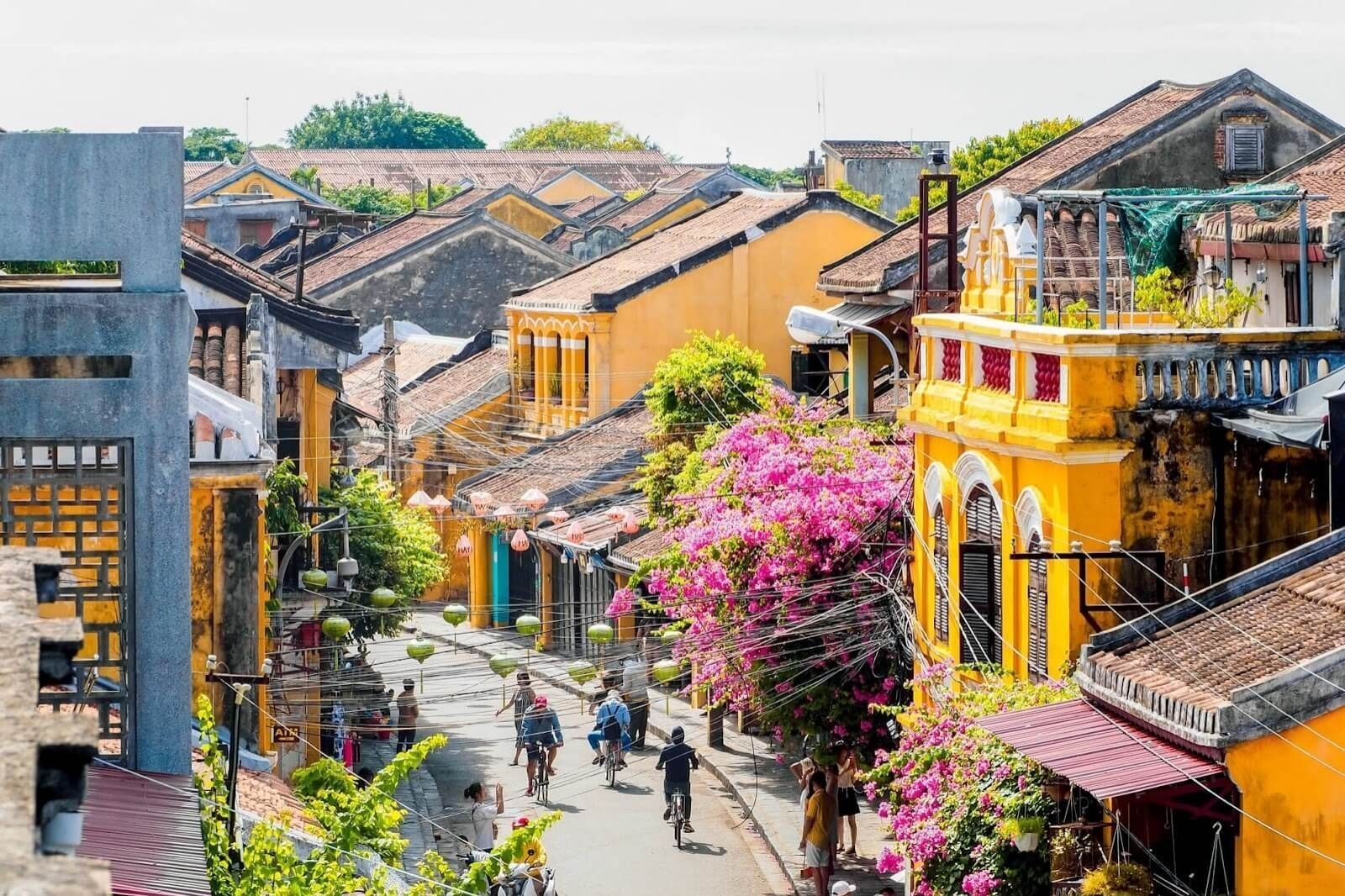
By the 17th and 18th centuries, Hoi An reached the peak of its prosperity with the presence of Japanese, Chinese, Portuguese, Dutch, and Indian merchants. The Japanese Quarter was formed in 1617 with over 1,000 Japanese residents, leaving behind iconic landmarks like the Covered Bridge. The Chinese also established assembly halls, contributing to cultural diversity. However, by the 19th century, due to the silting of the Thu Bon River and the rise of Da Nang Port, Hoi An declined; yet, this very "slumber" helped preserve its ancient architecture intact. Today, with over 1,107 wooden buildings dating from the 17th-18th centuries, Hoi An stands as a "living museum" of an ancient East Asian trading port.