Visiting Diep Dong Nguyen Ancient House: A Journey Back in Time to the 19th Century
Central
Da Nang
Hoi An
Sovaba.travel
Updated at: 24/09/2026
1. Where is Diep Dong Nguyen Ancient House?
Diep Dong Nguyen Ancient House is located at 80 Nguyen Thai Hoc Street, Minh An Ward, Hoi An City, former Quang Nam Province (now Da Nang City). This location is right in the center of Hoi An Ancient Town – a UNESCO World Cultural Heritage site, about 30km south of Da Nang. From the center of Da Nang, you can travel by motorbike, car, or bus (route No. 1) in about 45-60 minutes.
The area around the ancient house is very bustling with famous landmarks such as Cau Temple Bridge, Tan Ky Ancient House, or Phung Hung Ancient House, making it easy to combine your visit into a single day. If arriving by car, you can park at the parking lots near Nguyen Thai Hoc walking street.
Note: Hoi An Ancient Town is often crowded in the evening with sparkling lanterns, but daytime is the ideal time to explore Diep Dong Nguyen Ancient House without the crowds.
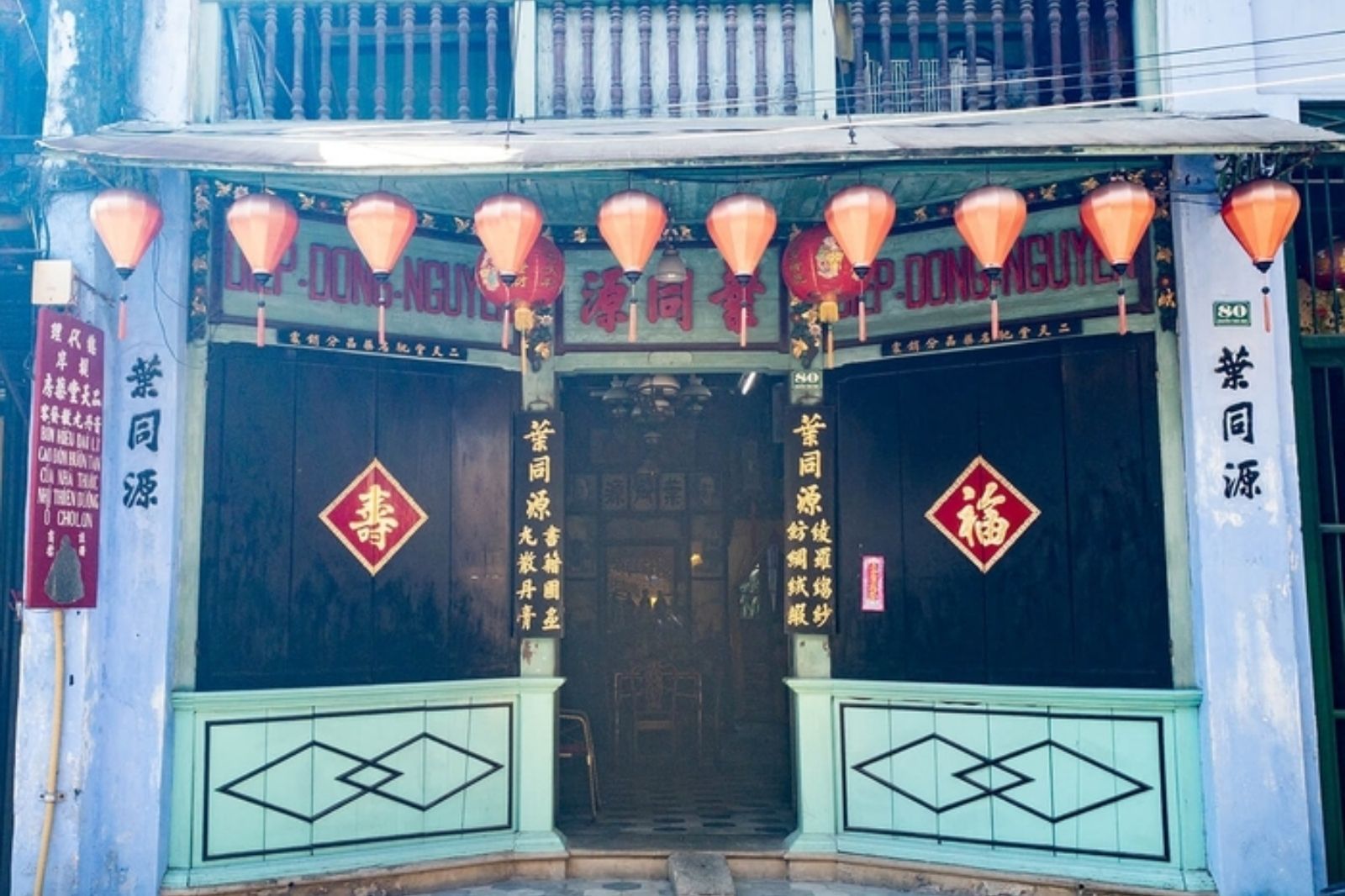
Photo: Diep Dong Nguyen Ancient House located right in Hoi An Ancient Town
2. History of the Diep Dong Nguyen family and preserved cultural values
The Diep Dong Nguyen family originates from Mr. Diep Ngo Xuan – a Chinese merchant from Jiaying, Guangdong (China), who immigrated to Hoi An in 1856 during the Qing Dynasty (Emperor Xianfeng). Initially, he opened a traditional Chinese medicine store named Diep Dong Xuan on Tran Phu Street, specializing in traditional herbal pills and remedies. By the time of his grandson Diep Khai Minh, the family expanded their business to a branch at 80 Nguyen Thai Hoc and renamed it Diep Dong Nguyen. From a small grocery store selling stationery and books, they gradually developed into a large agency trading in gold, silver, gasoline, sewing machines, ceramics, and silk, importing goods from China and France via Da Nang trading port.
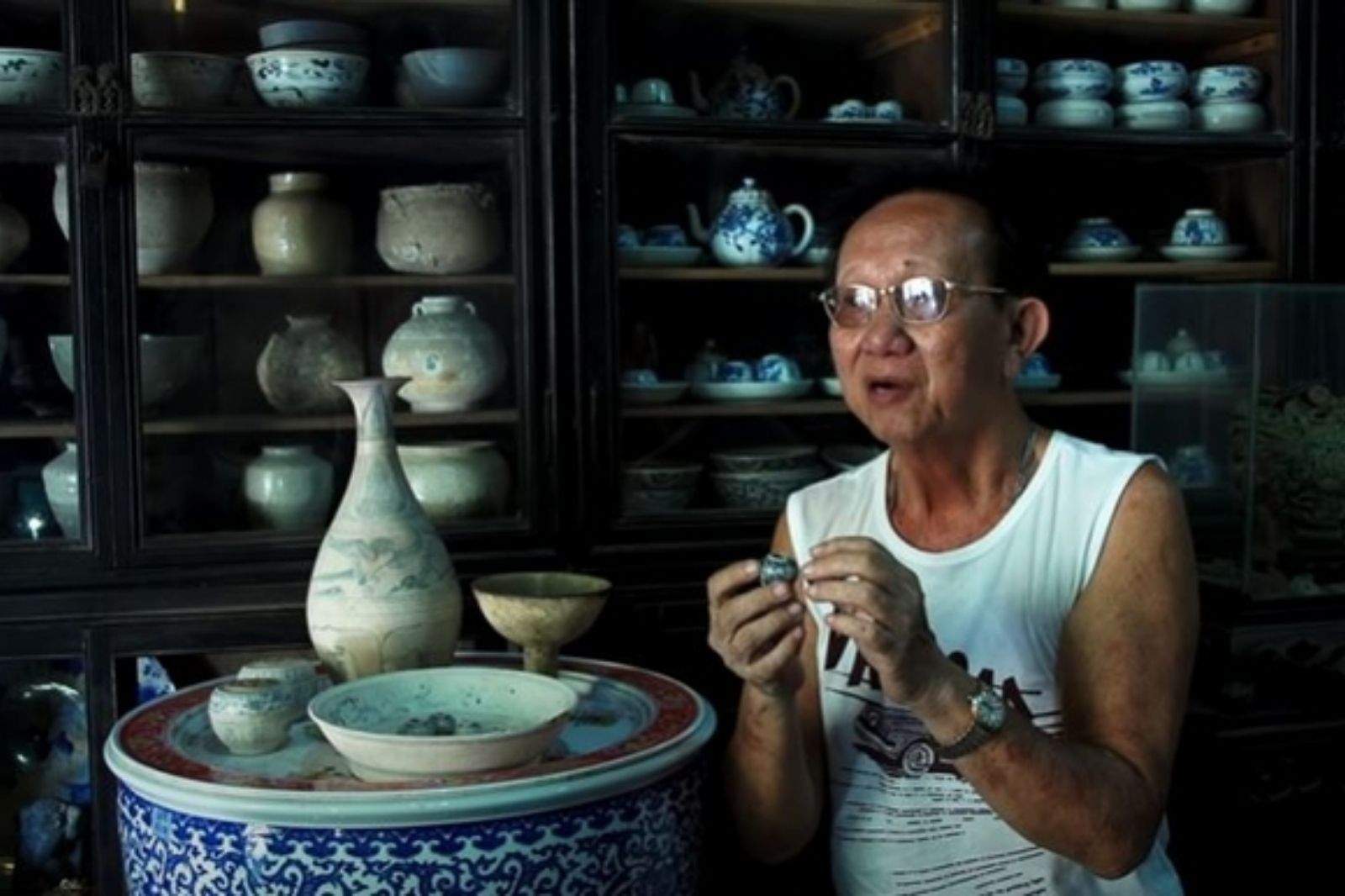
Across 5 generations, the family has not only maintained the business but also had a passion for collecting antiques as a family tradition. Currently, the owner is Mr. Diep Gia Tung (commonly known as Mr. Sung) – the 5th generation great-grandson, along with his older brother Mr. Vinh Tan, who have spent their lives building the collection, turning the house into a treasure trove of valuable artifacts. Despite experiencing the historic flood of 1964, the ancient house remains well-preserved thanks to careful storage.
Photo: The house became a place for collecting valuable artifacts
In terms of cultural value, Diep Dong Nguyen Ancient House is likened to a "private museum" preserving the heritage of Hoi An – a prosperous trading port in the 17th-19th centuries. The artifacts reflect the cultural intersection between Vietnam, China, and Japan through trade, featuring Han-Nom documents such as royal decrees and land registries from the reigns of Minh Mang, Thieu Tri, to Duy Tan. An archive of documentary photos from 1920-1960 helps recreate ancient Hoi An, supporting research into the history of Quang Nam. Many domestic and foreign survey teams have visited and recognized its value as a precious source of material on national culture.
3. Architecture of Diep Dong Nguyen Ancient House
Built in the late 19th century, Diep Dong Nguyen Ancient House bears the distinct characteristics of Hoi An's typical two-story tube-house architecture, with natural wood as the main material and clear influences from the Chinese style. The design meets both living needs and business activities, accurately reflecting Hoi An's role during its bustling trading port period. A unique highlight of the house is the open floor space between the first and second floors. More than just an architectural feature, this was once a system to support transporting goods using hand-pulled pulleys. Thanks to this, moving goods became convenient without needing stairs, optimizing space in narrow tube-house conditions.
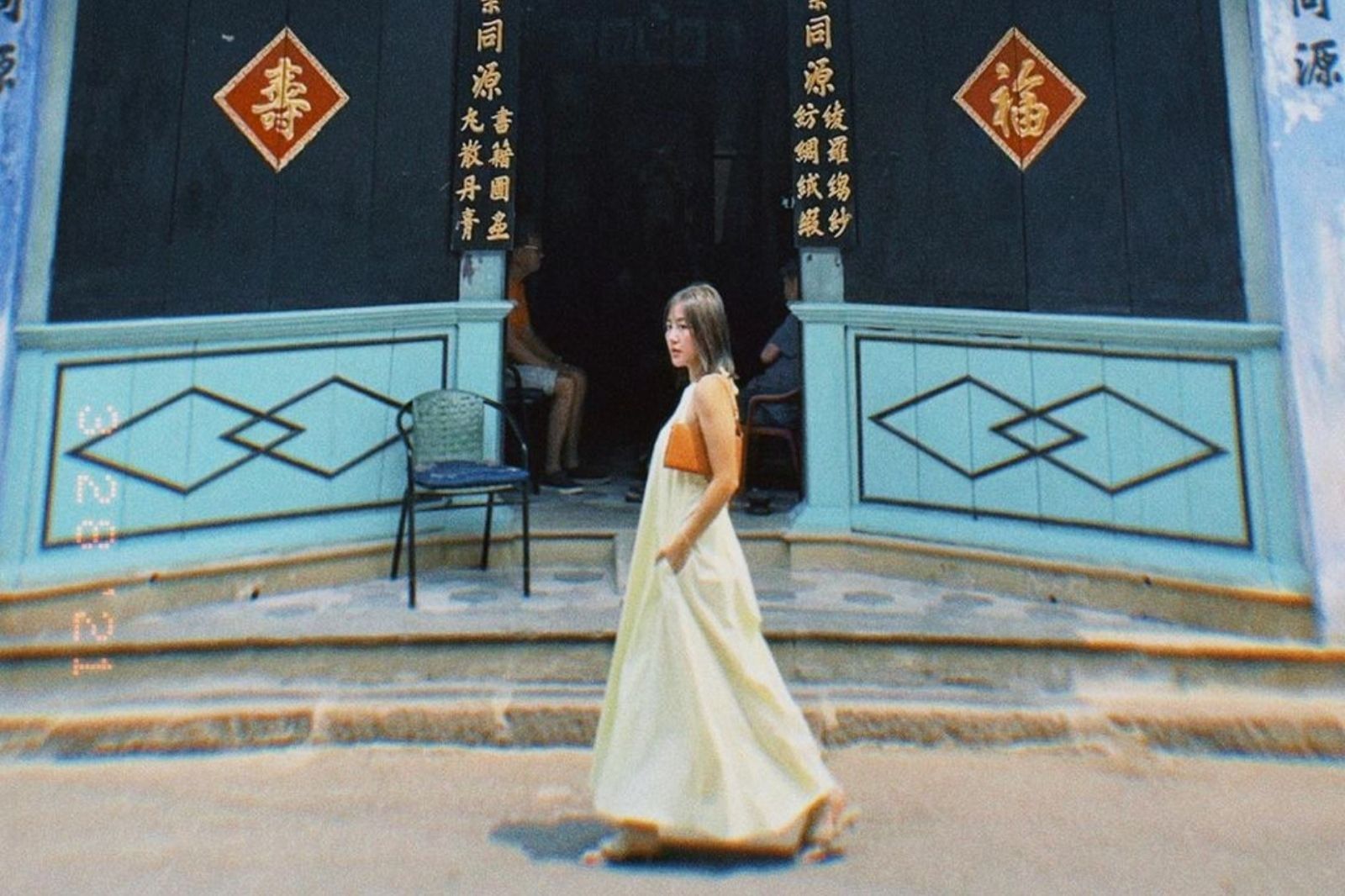
The facade is painted a striking turquoise, creating a contrast with the familiar yellow tone of Hoi An Ancient Town. This exact color scheme has turned the place into one of the favorite photo spots. Inside, the ground floor features glass display cabinets showcasing porcelain along both walls, recalling a once-bustling trading activity. The second floor is connected by a small wooden staircase, offering a rustic and intimate feel. Although over a century has passed and not all original details remain intact, Diep Dong Nguyen Ancient House Hoi An still preserves its original architectural spirit. The space is minimally affected by modern urbanization, helping visitors easily feel a distinct “journey back in time” in the heart of the heritage site.
4. Precious artifacts inside Diep Dong Nguyen Ancient House
Diep Dong Nguyen Ancient House owns a massive collection of antiques, neatly arranged across two floors, featuring many unique items once included in international catalogues. The family only buys and never sells, ensuring the collection grows richer over time.
Ground floor: Focuses on diverse ceramics from Vietnam and China (bowls, vases, plates); an ancient coin collection organized into an "Ancient Coins Through Eras" chart, including Thai Binh Hung Bao (Dinh Dynasty), Ham Nghi Thong Bao (the rarest), Chinese coins from the Western Han to Qing Dynasties, Japanese Kan'ei Tsūhō coins; and a document photo archive of Hoi An from 1920-1960 depicting ancient life.
Second floor: Official seals (over 100 seals of local officials and Hoi An merchants, royal seals of Emperor Bao Dai and Empress Nam Phuong); antique jewelry (agate stone bracelets, hairpins, mirrors); ink wash paintings and calligraphy (Hundreds of Birds Paying Homage to the Phoenix, Twelve Golden Hairpins, works by Dong Qichang, Wang Yunwu, Sun Fo – son of Sun Yat-sen); ancient Han-Nom books with royal decrees and land records; rare items such as Chu Dau ceramic lute-shaped vases and bowls (12th century), chicken-skin vases (Qing Dynasty, 18th century), ancient Chinese Ming glazes, and Sa Huynh terracotta jars (1st century BC); King Bao Dai's desk (1933), Empress Nam Phuong's dressing table, bronze incense burners, and antique wardrobes.
The collection at Diep Dong Nguyen Ancient House Hoi An holds not only material value but also provides important documentation on commercial history and social life in Hoi An across multiple periods. This serves as a visual source of information helping visitors and researchers better understand the ancient town's role in the regional trade network.
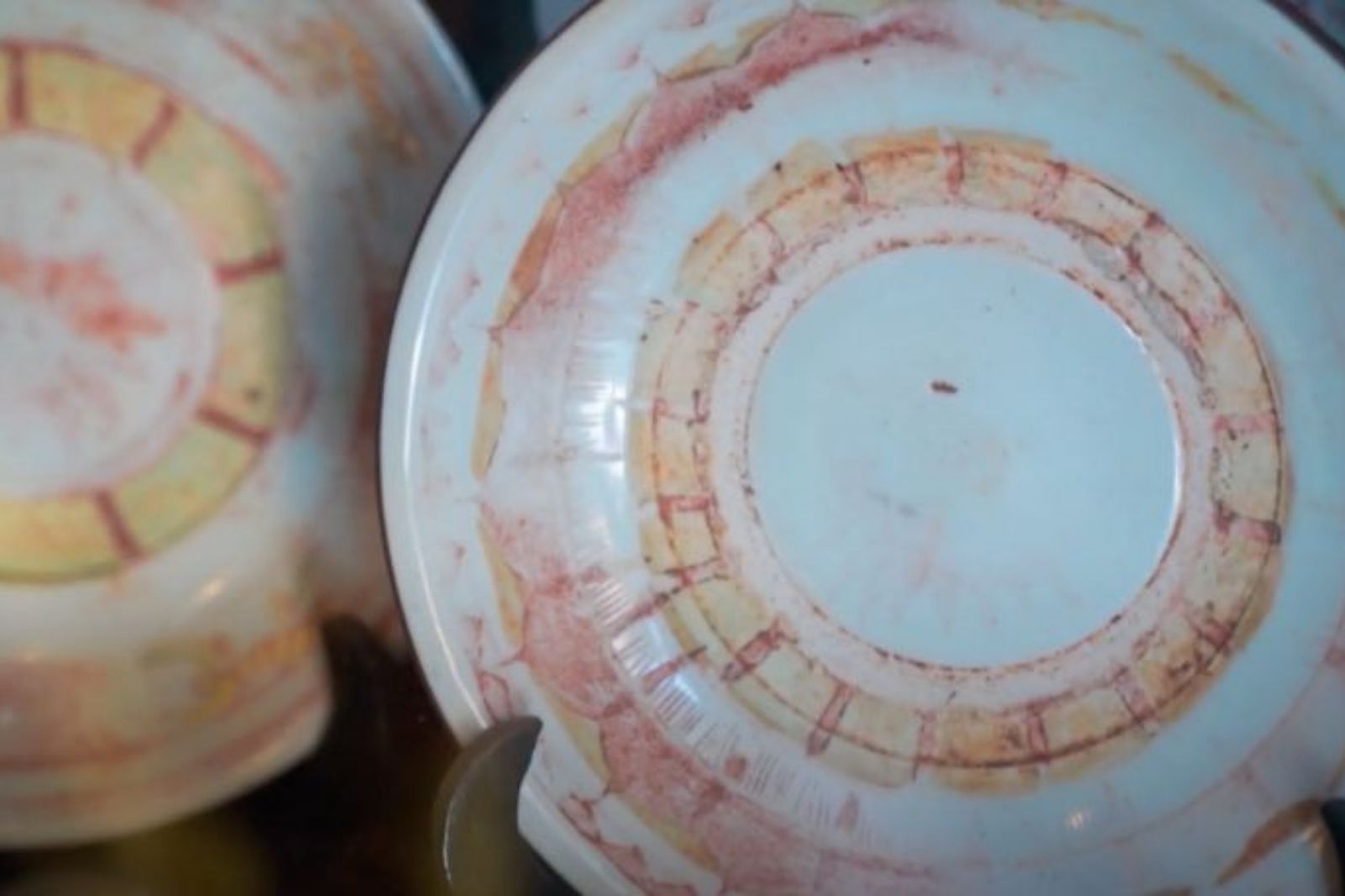
Photo: Antiques displayed inside Diep Dong Nguyen ancient house
5. Tips for visiting Diep Dong Nguyen Ancient House
To make your visit to Diep Dong Nguyen Ancient House smooth and meaningful, follow this detailed guide:
Opening hours and tickets: Open free of charge from 7:00 AM to 5:00 PM daily. No ticket purchase is required; you can visit freely without worrying about crowds. However, aim to visit in the morning or late afternoon to avoid peak hours and respect the owners' daily routine.
Transportation and parking: From Da Nang, take bus No. 1 or ride a motorbike along National Route 1A. In Hoi An, park at lots near the walking street (fee around 5,000-10,000 VND/turn). Walk about 5 minutes from Cau Temple Bridge to the ancient house.
Tour itinerary: Start at the facade to photograph the turquoise doors. Enter the ground floor to admire the ceramics and ancient coins. Head to the 2nd floor via the wooden staircase to explore seals, calligraphy paintings, and rare artifacts. Ideal time: 30-60 minutes for detailed viewing.
Meeting the owner: Mr. Diep Gia Tung is often present and ready to share the backstory of each item. Don't hesitate to ask and learn – this is a rare opportunity to gain deep insights into history. The house has no guards, yet nothing has ever been lost thanks to trust and careful preservation.
Visiting tips: Keep clean, avoid touching artifacts roughly. Dress modestly and avoid making noise. Combine with nearby attractions: Duc An Ancient House (180 years old), Phung Hung (Chinese architecture), Tan Ky (national heritage), or stroll along An Bang Beach, Cu Lao Cham, or Thanh Ha Pottery Village.
Photo: Check-in at Diep Dong Nguyen ancient house
Diep Dong Nguyen Ancient House is not only a sightseeing spot in Hoi An Ancient Town, but also a space preserving multiple layers of historical, architectural, and commercial value from the 19th century. From its signature tube-house design and pulley-based goods transport system to its diverse collection of antiques, every detail clearly reflects Hoi An's role in the regional trading network. Visiting Diep Dong Nguyen Ancient House Hoi An gives visitors a more specific and visual perspective into the lives of ancient merchants. The space here is not overly spacious or elaborately modern, but it is enough for viewers to understand more about an important development period of the ancient town.