What is an Inbound Tour? Concept and Role in the Tourism Industry
Central
Quang Binh
Sovaba.travel
Updated at: 24/09/2026
1. What is an Inbound Tour?
Inbound Tour, also known as inbound tourism, is a form of organizing travel tours for foreign tourists visiting and exploring a specific country – in this case, the host country. According to the UNWTO definition, inbound tourism includes travel activities of visitors staying not less than 24 hours and not more than 1 year in a country other than their residence for leisure, business, or other personal reasons not related to employment. For example, an Inbound tour in Vietnam could be a program for visitors from the US, Europe, or Asia to explore Phong Nha, Hue, or Hoi An.
This concept differs from other forms of tourism in that it focuses on attracting and serving international visitors, helping to promote the country's image. In Vietnam, Inbound Tours are usually organized by local travel companies, combining services such as accommodation, dining, transportation, and tour guides to create a complete experience. This not only brings cultural value but also contributes to the national economy through tourist spending.
Photo: The journey of international tourists to a new land
2. Characteristics of Inbound Tours in the tourism industry
Inbound Tour has many prominent features, making it an important segment in the tourism industry. Below are the main characteristics:
Diverse and internationalized customer base: Tours are mainly designed for tourists from other countries with needs to explore local culture, history, cuisine, and lifestyle. Not limited to a specific market, Inbound Tours can attract visitors from the US, Europe, Asia, or even Africa.
Broad market scope, non-time dependent: Unlike domestic tourism which often focuses on weekends or holidays, Inbound Tours attract visitors year-round thanks to the long vacations of international tourists. This helps businesses maintain a stable cash flow.
Highly localized services: Tour guides are usually locals with deep cultural and language knowledge, offering tourists authentic experiences. Tours often include elements such as UNESCO heritage visits, local cuisine, and community activities.
High economic value: International tourists typically spend more, from high-end accommodation to souvenir shopping, contributing to increased revenue for the tourism supply chain.
These characteristics make Inbound Tours an ideal choice for developing tourism countries like Vietnam, which enjoys the advantages of rich cultural and natural heritage.
3. Distinguishing between Inbound, Outbound, and Domestic Tours
To better understand what an Inbound Tour is, it is necessary to distinguish it from other types of tours. Below is a detailed comparison table based on customer origin, scope, and purpose:
Tour Type
Definition
Target Customer
Scope
Example in Vietnam
Inbound Tour
Tour designed for foreign tourists visiting the host country.
International tourists
Within national territory
American tourists visiting Ha Long Bay.
Outbound Tour
Tour designed for local residents traveling abroad.
Local residents (Vietnam)
Outside the country
Vietnamese people taking a tour to Europe.
Domestic Tour
Tour designed for local residents or foreigners residing in the country traveling domestically.
Local residents or foreigners in Vietnam
Within national territory
Vietnamese people taking a tour from Hanoi to Phu Quoc.
Source: Definitions based on UNWTO and industry sources. Inbound Tours focus on "importing" tourists to boost the domestic economy, while Outbound Tours "export" tourists and Domestic Tours are strictly local. This distinction helps businesses choose the segment suitable for their strategy.
Photo: Inbound Tour - a value-packed trip
4. Process of organizing a professional Inbound Tour
Organizing an Inbound Tour requires a strict process to ensure the best experience for international tourists. Below are the main steps based on practices from reputable travel companies:
Research and Planning: Identify the target audience (e.g., European tourists interested in culture, Asian tourists interested in cuisine). Conduct market research and design itineraries including destinations, timing, and budget. Assess risks such as weather or visa regulations.
Product Development: Select services such as hotels, transportation (flights, premium buses), dining, and activities (sightseeing, cultural experiences). Integrate technology like guide apps to increase professionalism.
Promotion and Sales: Use digital marketing channels (website, social media, overseas outbound partners) to reach customers. Provide detailed quotes, customized according to needs.
Tour Execution: Hand over to tour guides, inspect actual services. Handle incidents promptly, ensuring customer safety and satisfaction.
Evaluation and Improvement: Collect feedback through surveys, analyze data to optimize future tours. Financial and efficiency reporting.
This process not only ensures quality but also helps businesses comply with legal regulations, such as international travel deposits in Vietnam.
5. The role of Inbound Tours in Vietnam's tourism industry
Inbound Tours play a crucial role in boosting Vietnam's tourism industry, especially after reaching a record 18 million international arrivals in 2023. Specifically:
Socio-economic boost: Inbound Tours contribute to GDP (about 9-10% pre-pandemic), creating jobs for millions of workers in accommodation, dining, and guiding services.
Promoting national image: Through UNESCO heritage sites such as Phong Nha - Ke Bang National Park or Hoi An Ancient Town, Inbound Tours help Vietnam become an attractive destination and strengthen international relations.
Sustainable development: Encourage community-based tourism, environmental and cultural protection, such as eco-tours in the Mekong Delta.
Post-pandemic recovery: With expanded visa policies, Inbound Tours are leading the recovery.
Overall, Inbound Tours not only bring revenue but also elevate Vietnam's position on the global tourism map.
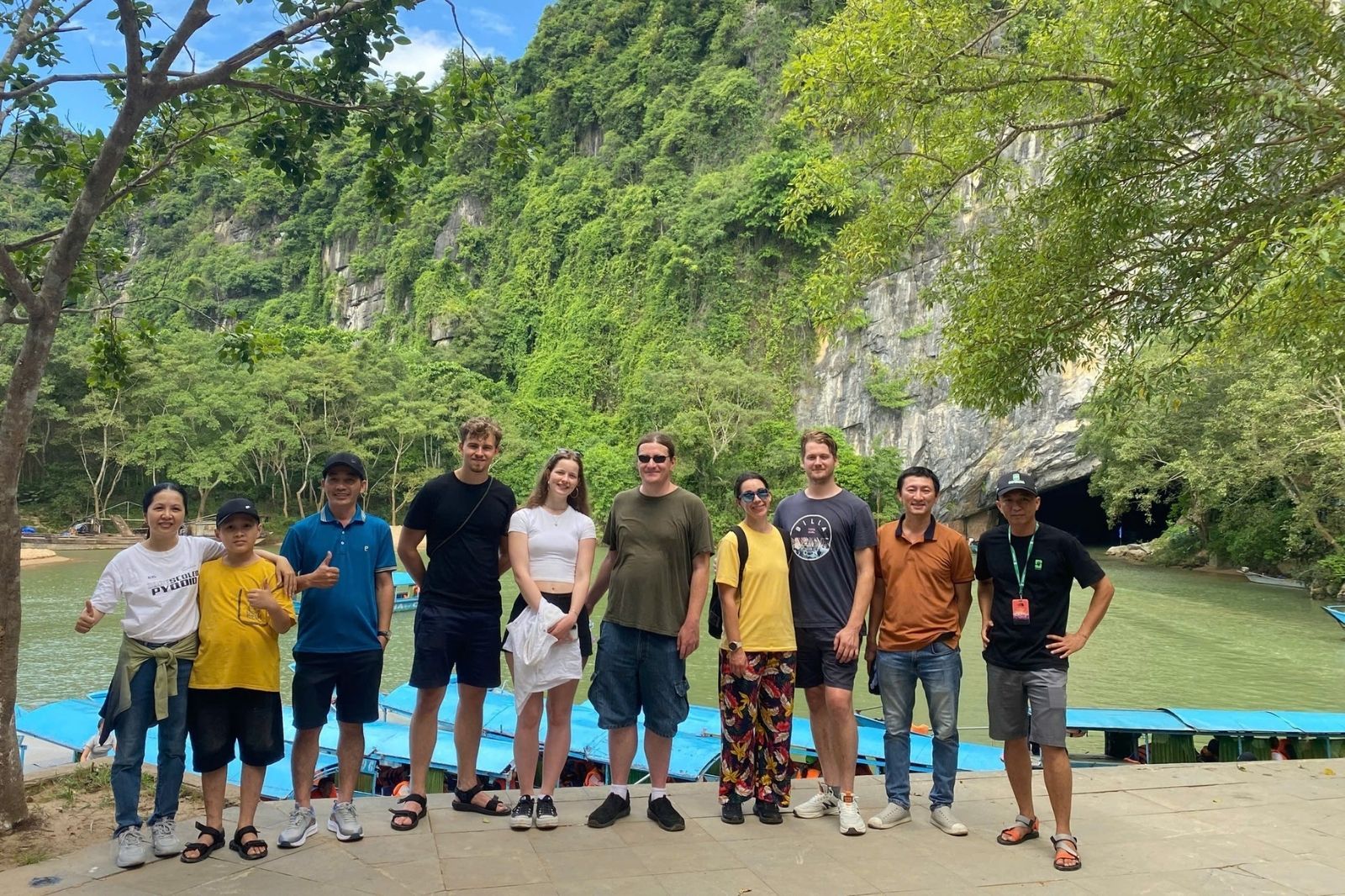
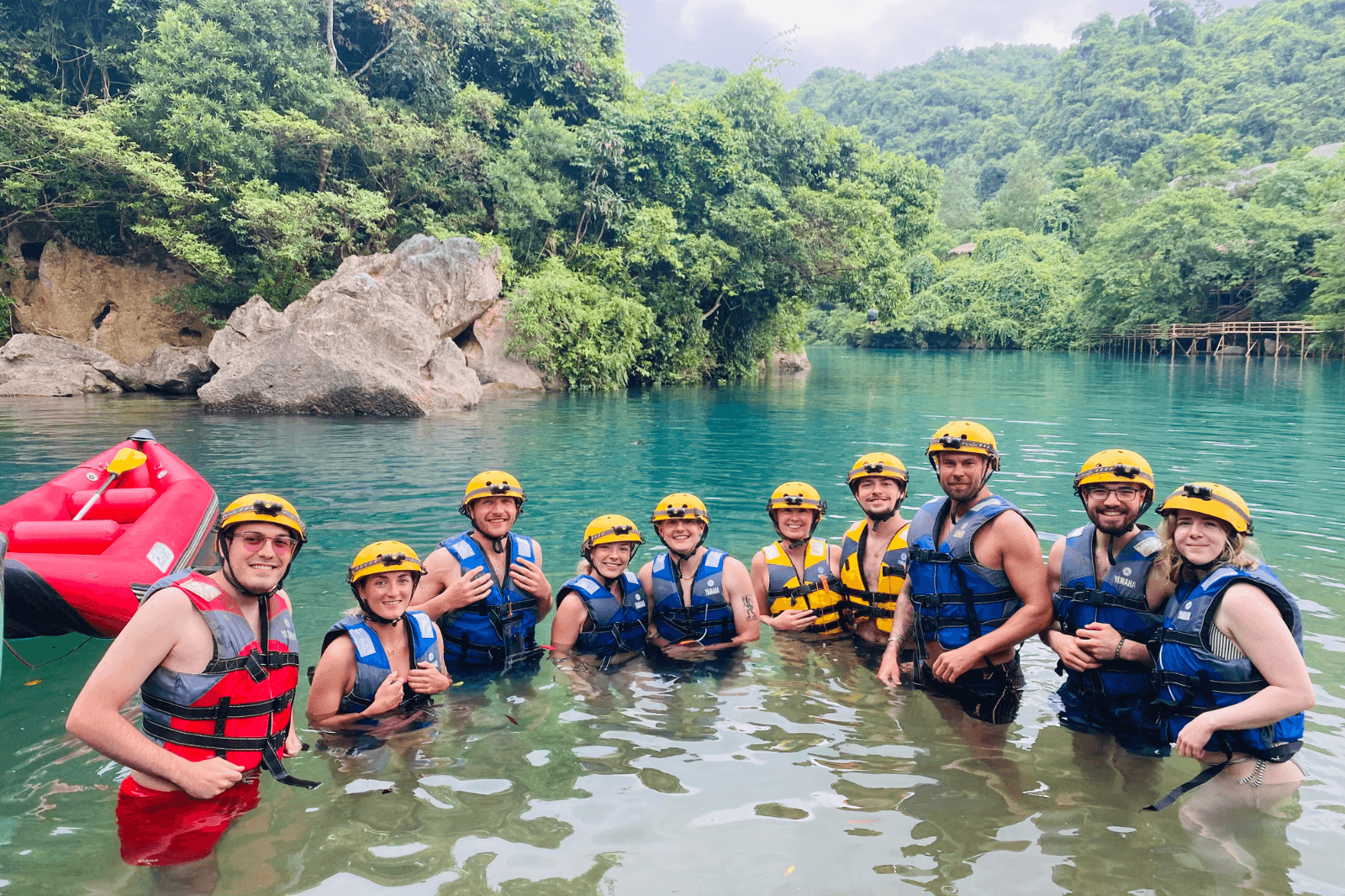
Photo: Phong Nha Cave exploration tour of international tourists with Sovaba Travel
6. Benefits of Inbound Tours for travel agencies
For travel agencies, Inbound Tours offer many practical benefits, facilitating sustainable growth:
Increase revenue and profit: Inbound Tours generally have higher prices (due to higher spending by international tourists), providing a stable year-round income regardless of seasonality.
Market diversification: Reduce the risk of relying solely on domestic guests, expanding the network of international partners (outbound operators).
Brand building: Organizing high-quality tours helps businesses receive positive reviews on TripAdvisor or Google, attracting returning customers.
Job creation and human resource development: Require a multilingual guide team, driving training and skill enhancement.
Competitive advantage: With technology such as tour management software, businesses can customize services and increase customer satisfaction.
These benefits help travel agencies in Vietnam compete better in the ASEAN region.
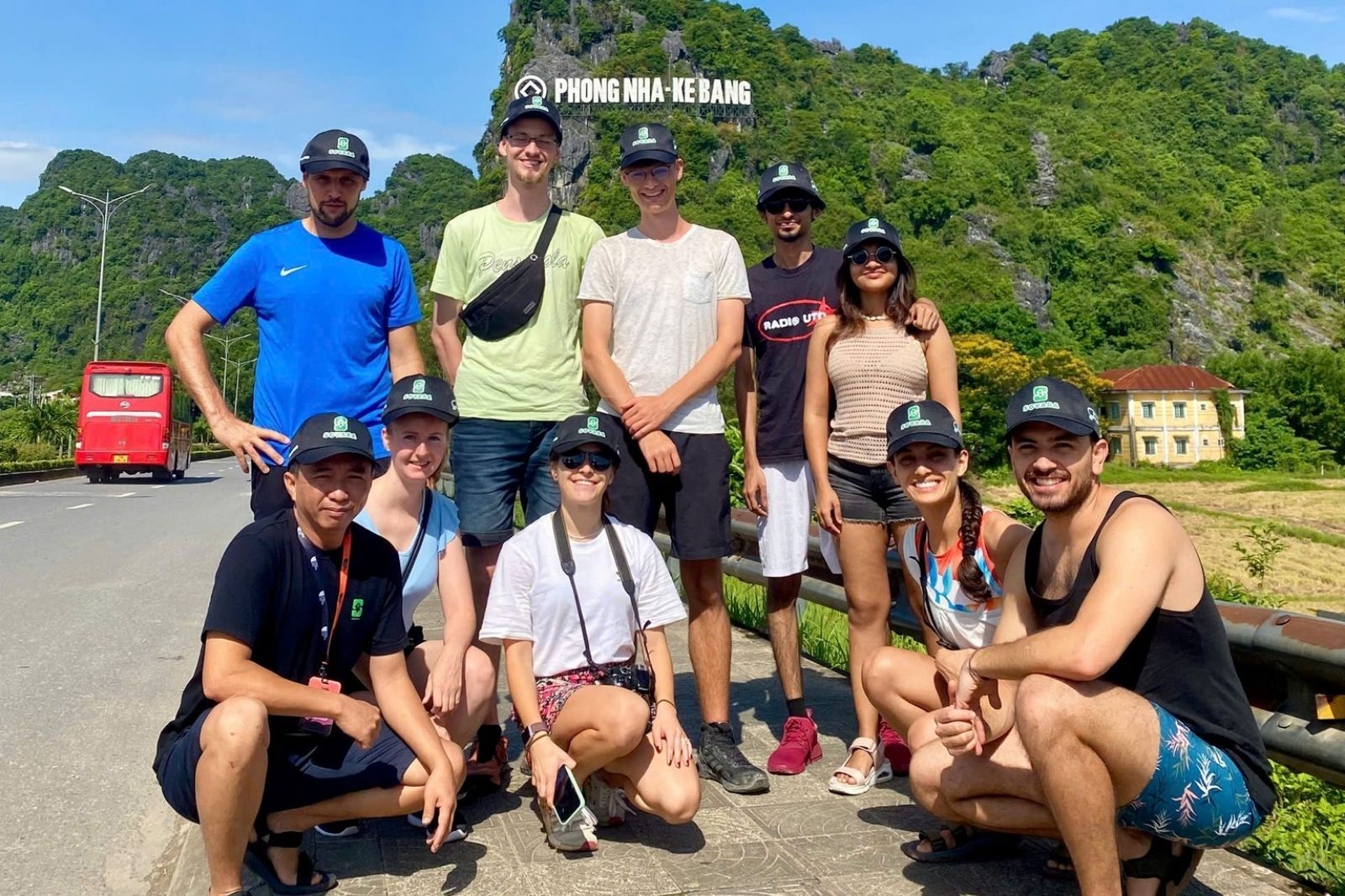
Photo: Phong Nha - Ke Bang is considered an attractive destination for Inbound tourists
In summary, an Inbound Tour is not merely an activity welcoming international guests to visit domestically, but also a crucial "bridge" bringing the image of the destination, culture, and people of Vietnam to the world. When professionally organized, Inbound Tours contribute to increasing foreign exchange earnings, boosting the local economy, and enhancing the standing of the tourism industry on the international map.
If you are looking for a reputable organization to exploit the international tourist market in Central Vietnam, Sovaba Travel is proud to be a professional, flexible, and experienced organizer of inbound tours to explore Phong Nha – Ke Bang. The itineraries are diversely designed, combining nature – experience – culture at famous destinations such as Phong Nha Cave, Paradise Cave, Chay River – Dark Cave, Mooc Spring… With a professional team of guides, standardized services, and deep knowledge of the international market, Sovaba Travel is committed to delivering high-quality inbound programs, helping to spread the beauty of the Phong Nha – Ke Bang world natural heritage to friends across the five continents.