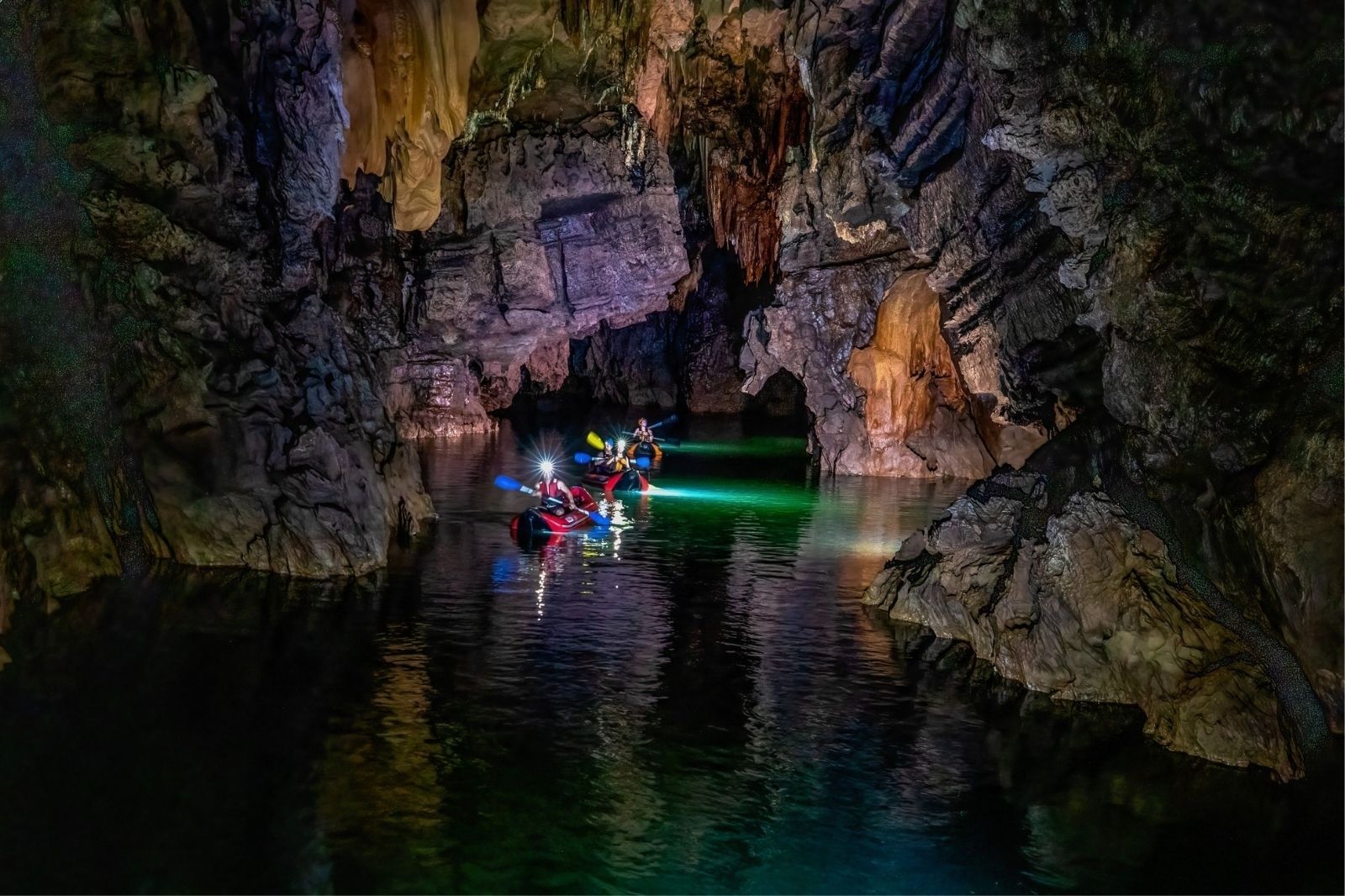
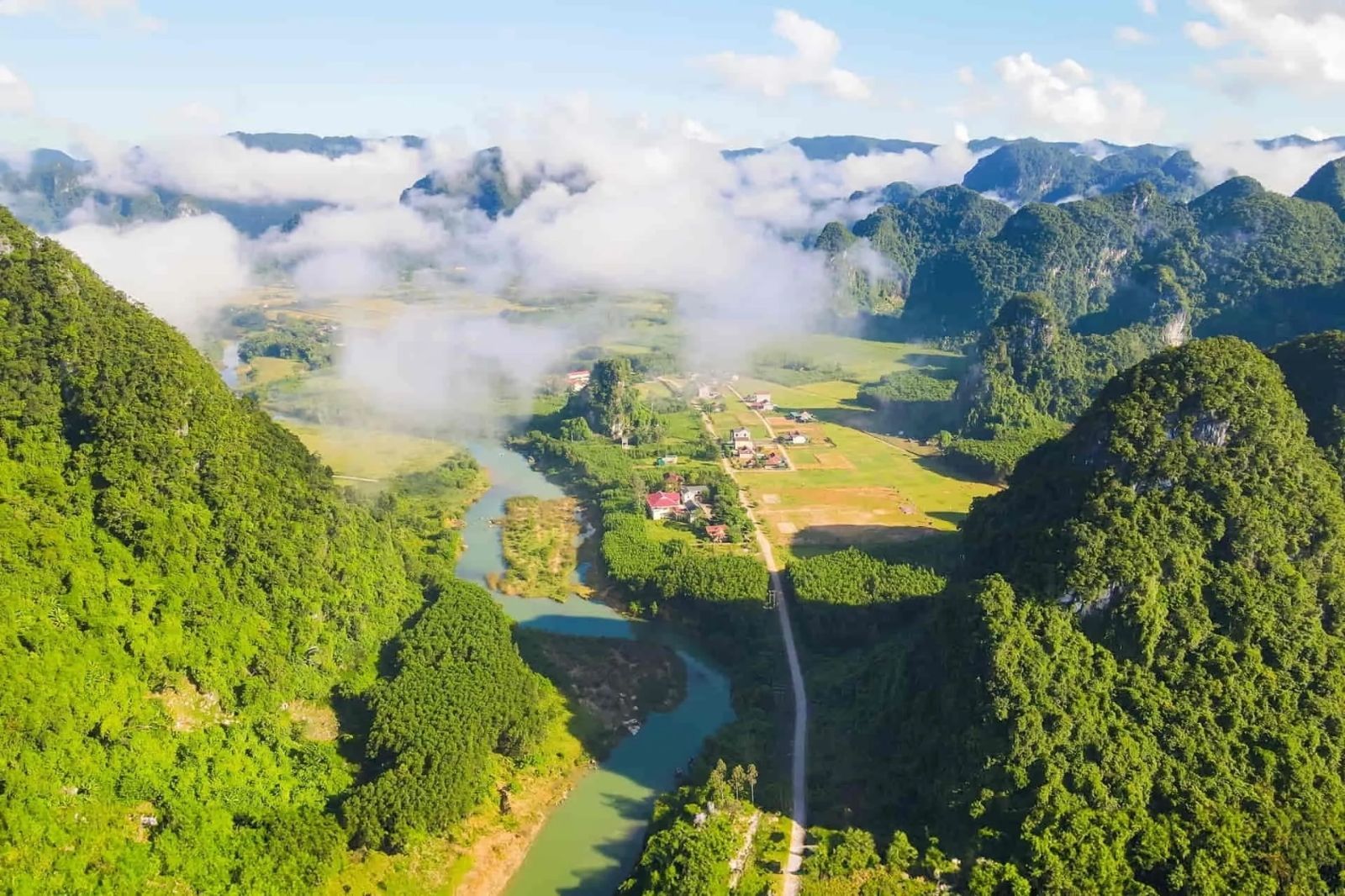
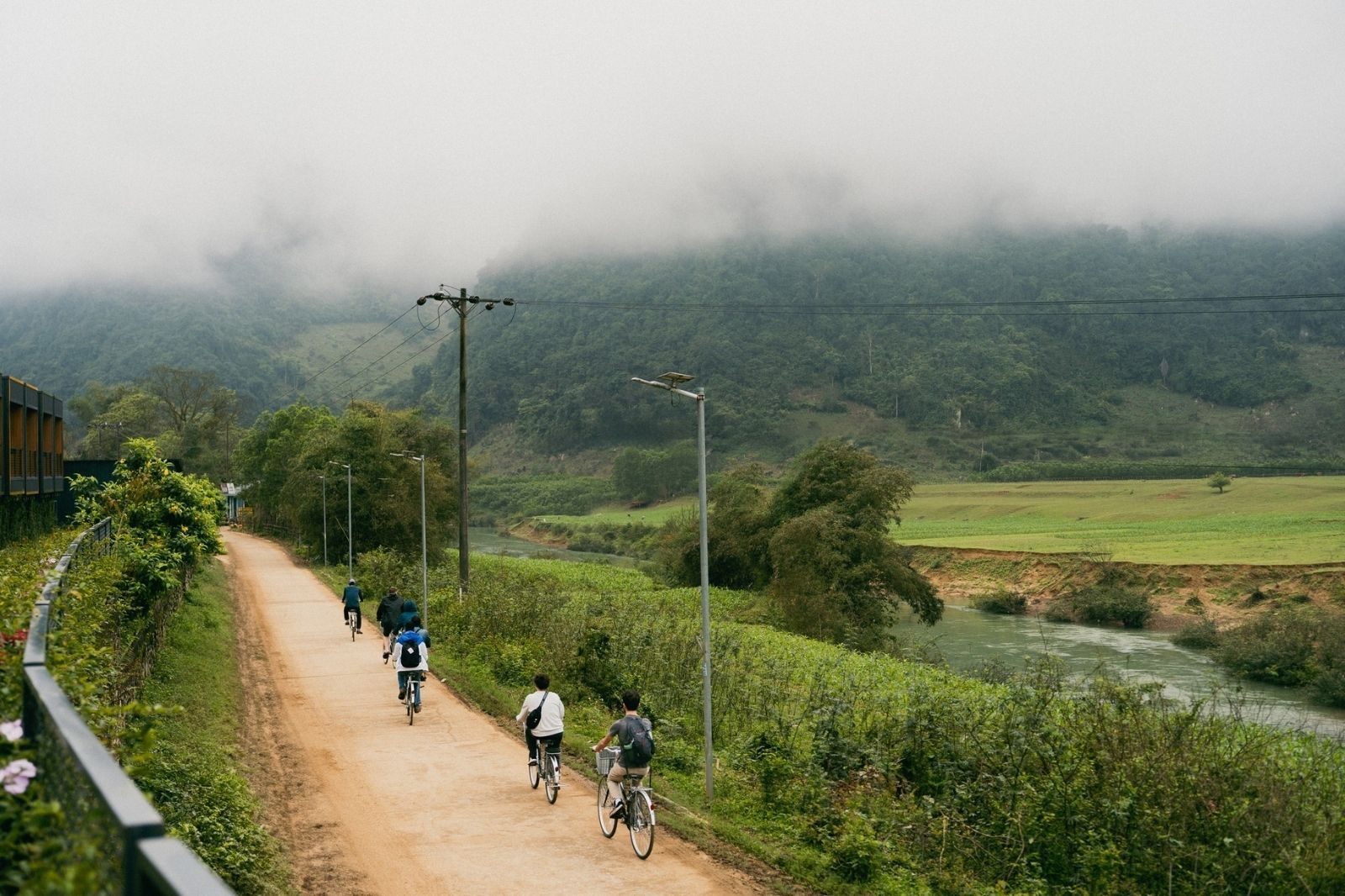
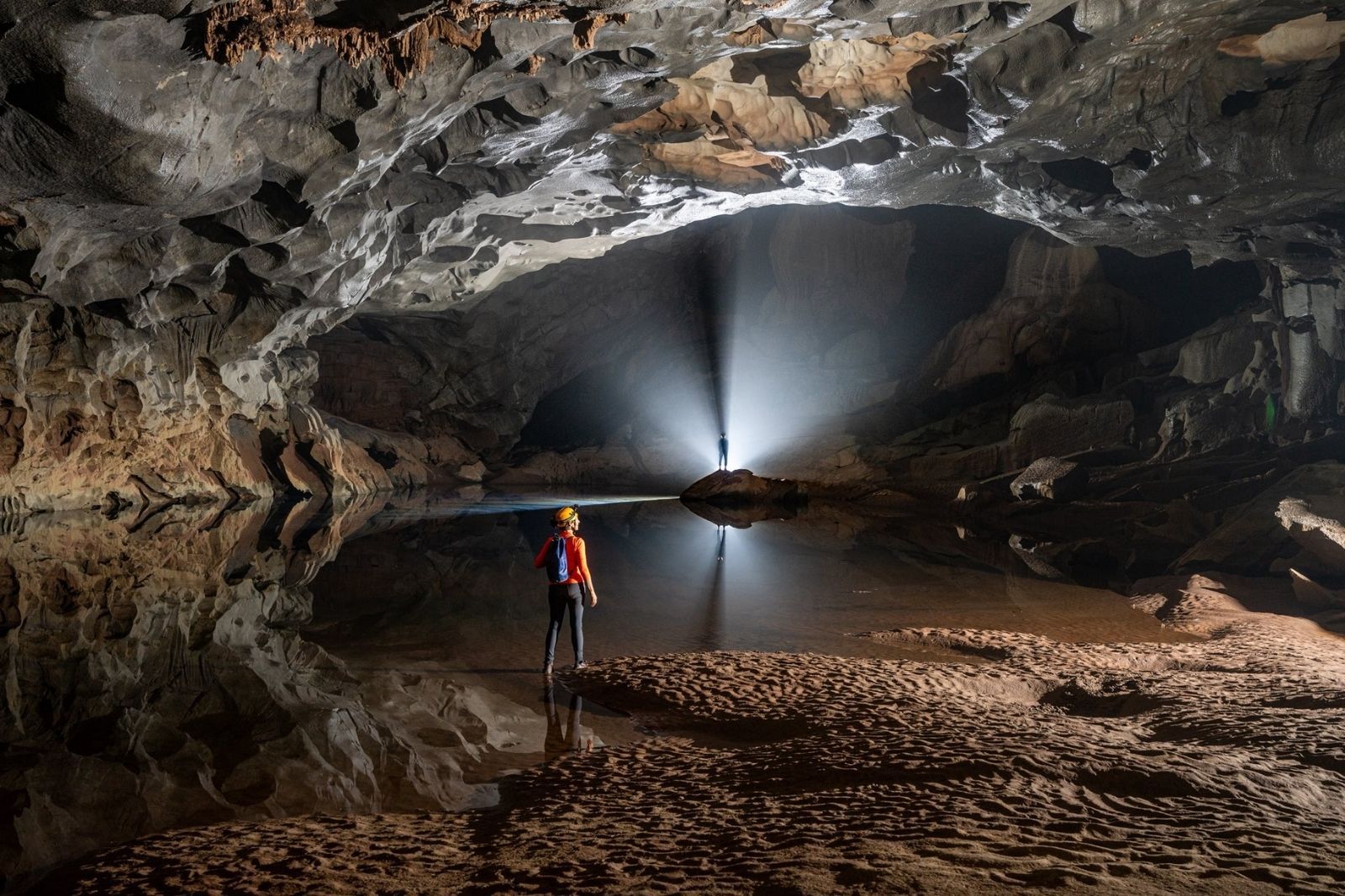
Not only famous for its magnificent caves, Phong Nha - Ke Bang also carries hundreds of years of rich history. Ancient traces, historical stories, and modern expeditions have together created a land that is both mystical and rich in value. Traces of Phong Nha appeared in ancient records from the 16th century, including writings by Duong Van An in 1550. In 1824, King Minh Mang bestowed the title "Dieu Ung Chi Than" on Phong Nha Cave, showing that it was once perceived as a sight of special value. The official conservation journey began in 1986 when the Phong Nha special-use forest was established with an area of 5,000 hectares. After several expansions, in 2001, the area officially became Phong Nha - Ke Bang National Park.
Entering the 1990s, large-scale cave surveys involving the British Cave Research Association (BCRA) and Vietnamese scientists opened a new chapter. Hundreds of caves were discovered and studied one after another, including Son Doong – a famous cave of monumental scale, widely announced in 2009.
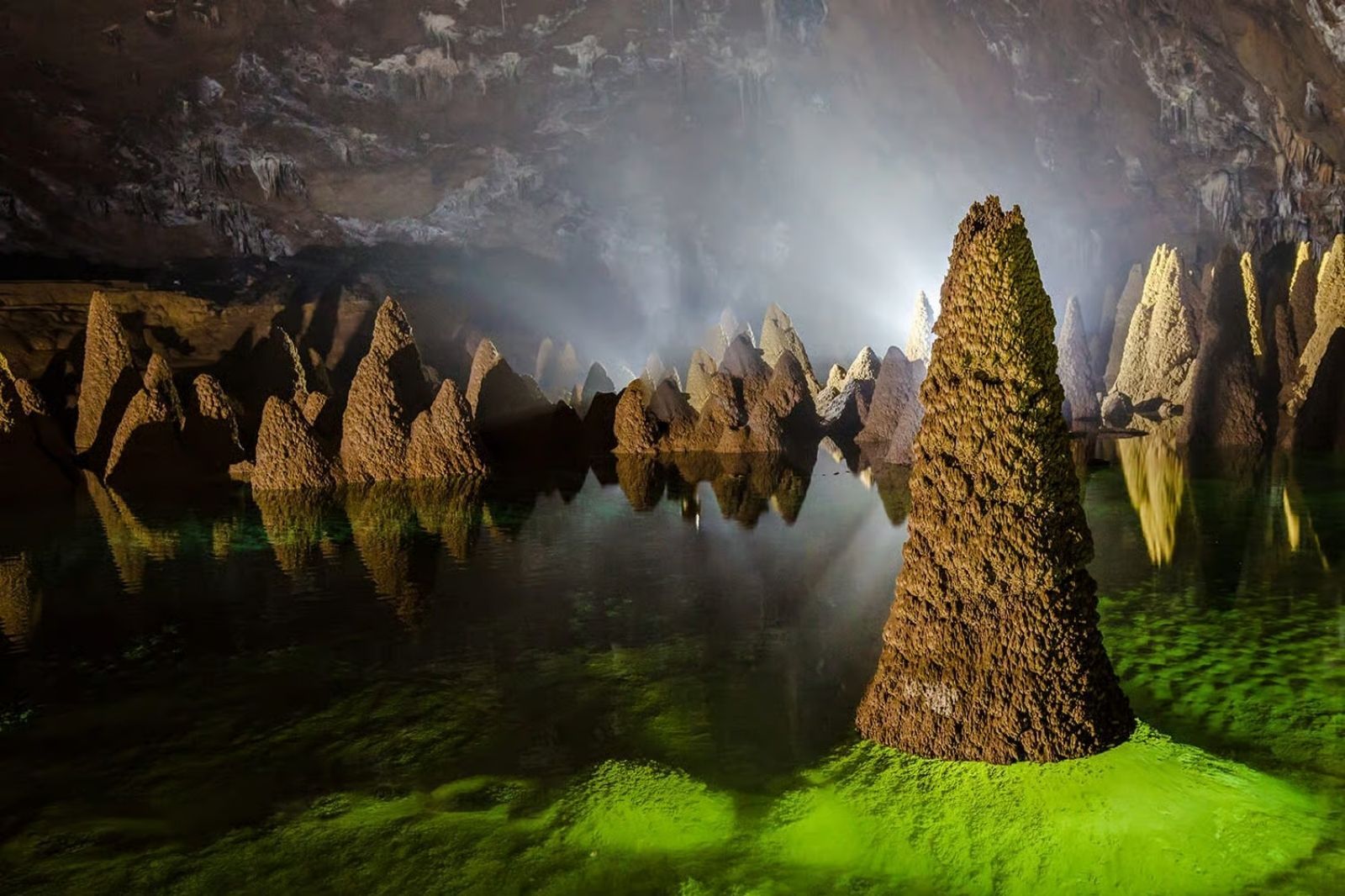
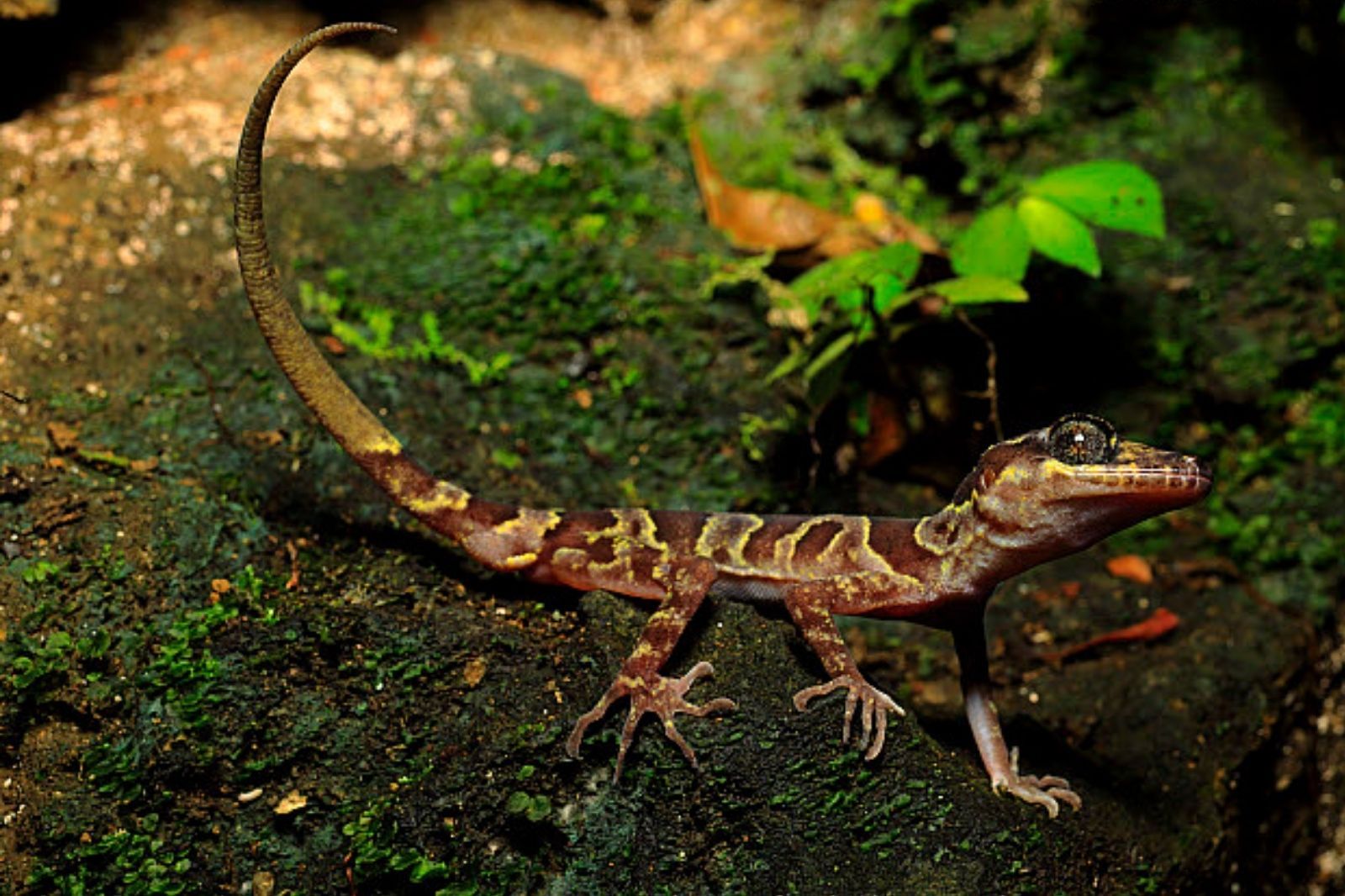
The value of Phong Nha - Ke Bang lies not only underground. This area also preserves archaeological remains from prehistoric times to the Champa culture, while being associated with many milestones in Vietnamese history, including the period when King Ham Nghi operated in the Can Vuong movement. On its heritage journey, Phong Nha - Ke Bang was recognized by UNESCO for its geological and geomorphological values in 2003, and subsequently expanded to include ecosystem and biodiversity values in 2015. And the story does not end there. In 2026, Phong Nha - Ke Bang continues to be recognized with the title of World Biosphere Reserve, adding another milestone to the journey of conserving and exploring this special land.