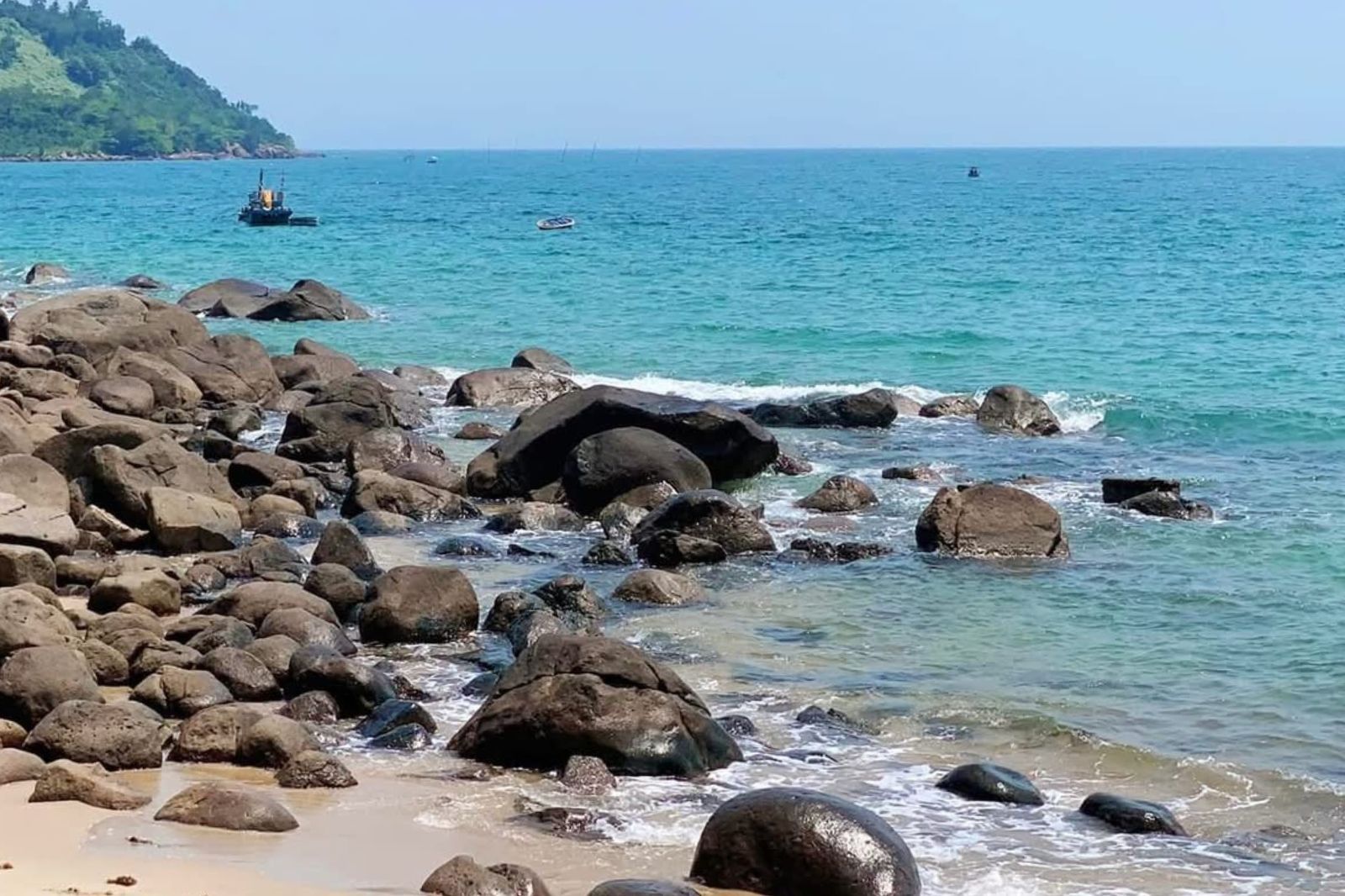
When is the best season to travel to Da Nang? Experience in choosing the right time
Central
Da Nang
Sovaba.travel
Updated at: 24/09/2026
1. Overview of Da Nang Weather Throughout the Year
Da Nang is located in a tropical monsoon climate zone, with two distinct main seasons during the year, directly affecting tourists' travel plans.
Dry season (January – August): The weather is mostly sunny with little rain, temperatures range from 24–34°C, favorable for sightseeing and swimming activities.
Rainy season (September – December): Frequent rain, sometimes storms, average temperatures from 22–28°C, weather forecast monitoring is needed before going.
The average annual temperature of Da Nang is about 25.6°C. The hottest month usually falls in June, with high temperatures around 34°C, while the coldest month is January, with low temperatures around 19°C. The average annual rainfall is about 1,355 mm, mainly concentrated in October–November with the highest levels of the year.
Photo: The weather in Da Nang is mild and not too harsh
2. Da Nang Dry Season (January – August)
This is considered the most favorable travel period in Da Nang, with weather conditions suitable for most outdoor activities. Clear skies, stable sunshine, and calm seas create ideal conditions for sightseeing and relaxation. Rainfall is low, especially from February–April (below 100mm), sunshine hours last about 6–8 hours/day, temperatures are warm, and the sea is clear and easy for swimming. This is a suitable time to visit places such as Ba Na Hills, Marble Mountains, Son Tra Peninsula, or experience the urban nightlife at the Dragon Bridge area.
Disadvantages: From June–August, temperatures can rise high at noon (35–40°C), crowded with tourists, especially during the summer, leading to service cost increases of about 20–40%.
Overall, if you prioritize beach activities and outdoor sightseeing, this is a suitable phase to plan your trip to Da Nang.
Photo: Da Nang in summer
3. Da Nang Rainy Season (September – December)
The rainy season in Da Nang can still be a suitable choice if tourists proactively plan and choose an appropriate time.
Advantages: Temperatures range between 22–28°C, cool atmosphere, fewer tourists, airfare and hotel costs usually decrease by 30–50%. After rain, the landscape is greener and the air is fresh. Most rains are short-lived, often occurring in the afternoon or evening, with intermittent sunshine during the day.
Disadvantages: During the period of October–November, heavy rain or storms may occur, rough seas make it unsuitable for swimming. Some outdoor sightseeing programs may be interrupted. High humidity can also affect health when traveling a lot.
Notes when traveling in the rainy season: You should choose central area hotels for convenient transportation, prioritizing indoor activities such as dining, shopping, or visiting covered areas. Prepare umbrellas, light raincoats, and check the weather forecast before the trip.
Photo: Fantasy Park indoor entertainment area
4. Which Month is the Best to Visit Da Nang
Choosing the time to visit Da Nang depends on the purpose of the trip, as no single period is absolutely suitable for all tourists. Below are suggestions according to specific needs:
Swimming, relaxing, taking photos: From March–August, peak season is April–July. Stable sunny weather, calm seas, and clear water, suitable for outdoor activities.
Family travel (with children): February–March or April–May. Pleasant weather, not too hot, little rain, convenient for visiting entertainment areas like Ba Na Hills or amusement parks.
Couples, relaxation, honeymoon: February–April or September–October. Quieter atmosphere, mild weather, suitable for relaxing activities and sightseeing.
Cultural exploration, cuisine, Hoi An Ancient Town: January–April or December. Cool temperatures, convenient for traveling and sightseeing.
Exploration activities, trekking (Ba Na, Son Tra): March–May, dry weather, convenient for outdoor travel.
Overall, April–May is considered the most balanced period in terms of weather, costs, and experiences, suitable for most tourists when planning a trip to Da Nang.
Photo: Services should be booked before going
Every season in Da Nang brings its own “personality”: some seasons are as brilliant as the golden sun of My Khe, others are quiet like the mist on Marble Mountains. Therefore, the “best season” lies not only in the weather, but also in how you feel and experience this coastal city. And if you want to fully enjoy that beauty without worrying about arranging an itinerary, let Sovaba accompany you. With all-inclusive Da Nang tour packages, Sovaba offers meticulously designed journeys from ticket booking, accommodation, and dining to exploring famous landmarks like Ba Na Hills, Son Tra Peninsula, Dragon Bridge, or My Khe Beach. More than just a trip, Sovaba helps turn your Da Nang journey into a memorable experience where every moment is worth cherishing.